
2027 Most Valuable Social Work Degree Programs Ranking in Columbia

Co-Founder and Chief Data Scientist
Choosing the right social work degree program in Columbia can shape your future in meaningful ways. This article introduces the 2027 Most Valuable Social Work Degree Programs Ranking in Columbia, created by the Research.com team of data scientists to guide students toward programs that truly stand out.
By exploring this ranking, you'll gain insights into the best educational options, helping you make an informed decision. Earning a social work degree opens doors to impactful careers and fulfilling opportunities to help others.
Read on to discover programs that align with your passion and goals.
Key benefits of getting social work degree in Columbia
- Graduates with a social work degree in Columbia can earn competitive salaries, such as $68,800 annually on average for social workers and up to $83,400 for community organizers and youth workers.
- Career paths are diverse, including roles like child welfare specialists, residential counselors, and community organizers, offering rewarding opportunities to help others and make a real impact locally.
- Completing a social work degree online offers flexibility for busy schedules and access to top Columbia universities, allowing graduates to balance work and study while gaining the same valuable skills as traditional programs.
- Key benefits of getting social work degree in Columbia
- What can I expect from social work degree in Columbia?
- Where can I work with social work degree in Columbia?
- How much can I make with social work degree in Columbia?
- 2027 Most Valuable Social Work Degree Programs Ranking in Columbia
- Key Findings
- How long does it take to complete social work degree in Columbia?
- How Columbia, SC Social Work Programs Compare Nationally
- What's the difference between online and on-campus social work degree?
- Licensure and Accreditation Requirements in Columbia
- What is the average cost of social work degree in Columbia?
- Licensure Requirements for Social Workers in South Carolina
- What financial aid is available to social work degree students in Columbia?
- Continuing Education and Professional Development
- What are the prerequisites for enrolling in social work degree program in Columbia?
- Choosing the Right Social Work Program in Columbia, SC
- What courses are typically in social work degree programs in Columbia?
- What types of specializations are available in social work degree programs in Columbia?
- How do you choose the best social work degree in Columbia?
- What career paths are available for social work degree students in Columbia?
- What is the job market for social work degree in Columbia?
- Top Trending Social Work Rankings
- See What Experts Have To Say About Studying Social Work
What can I expect from social work degree in Columbia?
Students pursuing a social work degree in Columbia often grapple with the question of cost versus value. On average, a Bachelor of Social Work (BSW) program at well-known universities in Columbia tends to range between $15,000 and $30,000 per year for tuition alone. These figures reflect not just classroom learning but extensive field practicums that immerse students in real-life situations, from supporting vulnerable families to working in mental health clinics. Graduates frequently recall how such hands-on experiences, combined with academic rigor, made every dollar feel like an investment in their future impact.
Master of Social Work (MSW) programs command a higher price, often $20,000 to $40,000 annually, yet alumni attest that the deeper specialization and closer agency partnerships provide a transformative professional edge. Many reflect on the sense of purpose solidified through these programs, overshadowing financial concerns. The emotional rewards of seeing direct change in Columbia's communities frequently outweigh the tuition challenges, underscoring that social work education here is about more than cost-it's about crafting a meaningful career.
Where can I work with social work degree in Columbia?
Graduates from social work programs at universities in Columbia quickly realize the breadth of opportunities waiting for them beyond the classroom. Many find themselves immersed in hospital settings, where they guide patients through complex emotional and medical landscapes. Imagine supporting a family after a sudden diagnosis-this hands-on impact turns theory into powerful human connection.
Others venture into community organizations or government agencies, stepping into roles that address pressing societal needs like child welfare or substance abuse. Columbia's graduates often recount the fulfillment of helping vulnerable children find stability through local nonprofits or the Missouri Department of Social Services, making a tangible difference in everyday lives.
For some, the educational system offers a rewarding path-working inside schools to uplift students facing emotional and behavioral challenges. Here, graduates from Columbia's renowned social work programs become essential allies, fostering hope and resilience in young minds.
Correctional facilities also employ social workers, where the challenge-and reward-lies in aiding rehabilitation and societal reintegration, a unique frontier that changes how graduates see justice and healing.
Finally, those with advanced degrees embrace private practice, where autonomy pairs with deep fulfillment in providing mental health care directly to clients, turning academic knowledge into life-altering support.
How much can I make with social work degree in Columbia?
Graduates with a social work degree in Columbia often wonder about the financial value of their education. Data shows that social workers in South Carolina typically earn around $52,000 annually, but specific roles tied to your degree can change this expectation significantly. For example, recent graduates from local institutions, like the University of South Carolina, working as Social Workers can anticipate mean annual wages closer to $68,800, reflecting a more positive outlook than the statewide average.
Those entering roles such as Child Welfare Specialists or Residential Counselors often see salaries near $59,190, framing the start of their career with a stable foundation. Meanwhile, positions like Community Organizer or Youth Worker provide brighter financial possibilities with mean annual salaries reaching $83,400, fueling a sense of purpose paired with financial optimism.
Many graduates recount how their Columbia-based education prepared them for roles offering both meaningful community impact and reasonable salary growth, illustrating that a social work degree here translates into tangible opportunities. This more detailed salary insight challenges the common perception that social work is solely about sacrifice, showing it can also support a fulfilling lifestyle in Columbia's unique economic environment.
2027 Most Valuable Social Work Degree Programs Ranking in Columbia
How do we rank schools?
Investing in your education is a significant decision that can shape your future, and the Research.com team understands the importance of making informed choices. To assist prospective students in Columbia, we have meticulously crafted the "2027 Most Valuable Social Work Degree Programs Ranking in Columbia." Our commitment to quality, credibility, and accuracy is reflected in the extensive research and analysis conducted to compile this ranking.
We utilized the following reputable data sources to ensure a comprehensive evaluation of social work degree programs:
By exploring this ranking, readers will gain valuable insights into the most valuable social work degree programs available in Columbia, helping them make well-informed decisions about their educational paths. For more details on our methodology, please visit our Research.com methodology page.


Key Findings
- The cost for a Bachelor of Social Work degree in Columbia ranges from $20,000 to $30,000 at public universities and can exceed $40,000 at private schools.
- Master's programs in social work typically cost between $25,000 and $50,000, depending on the institution and residency.
- Entry-level social workers earn about $45,000 per year, with mid-career salaries ranging from $55,000 to $65,000.
- Experienced or specialized clinical social workers may earn more than $70,000 annually.
- Employment for social workers in Columbia is projected to grow by 12% over the next decade.
- Licensing requires passing the ASWB exam and completing approximately two years of supervised experience after graduation.
How long does it take to complete social work degree in Columbia?
Completing a social work degree in Columbia often challenges assumptions about time and commitment. Graduates from well-known institutions like the University of Missouri in Columbia and Columbia College report that while a Bachelor of Social Work (BSW) typically demands four full-time years, this timeframe is just the starting point of a transformative journey. Many recall balancing rigorous coursework with meaningful field placements, making those four years both intense and deeply rewarding.
For those pursuing a Master of Social Work (MSW), the timeline varies dramatically. Some full-time students finish in two years, energized by the immersive experience, while others, especially working adults, opt for part-time programs that stretch over three or more years but provide flexibility to integrate school with life responsibilities. Accelerated MSW pathways, available at some local universities, allow those with a relevant bachelor's degree to complete the degree in as little as one year, which graduates describe as a "fast-paced leap" into advanced social work roles.
Doctoral pursuits-PhD or DSW-extend this trajectory by three to five additional years, focused less on standard coursework and more on specialized research or advanced clinical practice, demanding sustained passion and patience. The Council on Social Work Education's accreditation ensures these programs in Columbia maintain rigorous and consistent standards, so students can trust their investment of time will result in respected credentials.
How Columbia, SC Social Work Programs Compare Nationally
Columbia, SC’s social work degree offerings stand out for their combination of affordability, hands-on field placements, and strong post-graduation outcomes, but how do they stack up against programs in other states? On average, Columbia’s public institutions charge in-state BSW tuition of approximately $9,400 annually-below the national public average of $12,500-while graduates report mean starting salaries of $56,500 for entry-level roles and $64,360 for licensed social workers. In comparison, programs in states like Oregon often have slightly higher tuition costs but offer distinct regional advantages in funding and placement. For a broader perspective on cost-effective social work education, see our Affordable Social Work Degree Programs Ranking in Oregon, which highlights top value schools west of the Rockies. When benchmarked against national metrics, Columbia graduates experience similar licensure pass rates (around 85%) and job placement figures (78% within six months) as their peers across the U.S. However, Columbia’s lower regional cost of living further amplifies return on investment, enabling graduates to repay student loans more quickly. While some highly ranked coastal programs may boast marginally higher post-MSW salaries (up to $72,000), they also carry increased tuition burdens and living expenses. Ultimately, Columbia’s social work degrees deliver competitive outcomes at reduced cost, making them an exemplary choice for students seeking strong ROI without sacrificing quality or accreditation standards.
What's the difference between online and on-campus social work degree?
Choosing between online and on-campus social work degrees in Columbia reveals more than just scheduling preferences; it touches the heart of how students connect with their profession. Graduates from universities like the University of South Carolina often describe on-campus programs as opportunities to immerse themselves fully-engaging in lively classroom debates, spontaneous study groups, and face-to-face mentorship. This environment fosters a sense of community and immediate access to campus resources like counseling centers and career services, which many find reassuring and motivational.
Conversely, online social work students from institutions such as Columbia College highlight the freedom to balance studies with jobs or family life, praising the flexibility of virtual classrooms and video lectures. Yet, this comes with the challenge of self-discipline and independently sourcing practicum placements, demanding a proactive mindset. Both paths in Columbia satisfy licensure requirements, but the emotional texture of each experience shapes a student's professional identity in uniquely powerful ways.
Licensure and Accreditation Requirements in Columbia
Programs accredited by the Council on Social Work Education (CSWE) meet the state’s educational standards for social work licensure in South Carolina.
- Earn a CSWE-accredited BSW to qualify for the Licensed Bachelor Social Worker (LBSW) exam.
- Complete an MSW through a CSWE-accredited program to sit for the Licensed Master Social Worker (LMSW) exam.
- Accumulate required supervised hours: 1,500 for LBSW or 3,000 for Clinical Social Work licensure under approved supervision.
- Pass the appropriate Association of Social Work Boards (ASWB) exam (Basic for BSW, Clinical for MSW).
- Submit a license application and fee to the South Carolina Board of Social Work Examiners.
Choose programs that streamline both accreditation and licensure pathways, including flexible msw online programs.
What is the average cost of social work degree in Columbia?
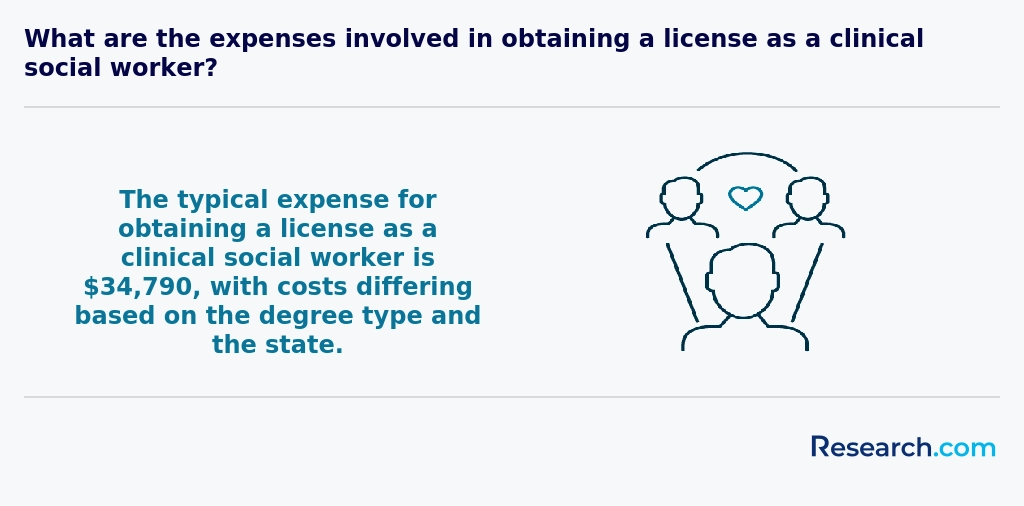
Understanding the average social work degree cost in Columbia challenges many assumptions about affordability in higher education. While a public university's in-state tuition might seem manageable at around $12,688, the total expenses including fees, books, and living costs push the real price closer to $51,004. This figure reflects the median total cost for earning a social work degree locally, illustrating that tuition alone doesn't paint the full financial picture.
Graduates from popular universities in Columbia often share stories about balancing their passion for social work with the financial realities they faced. Many speak of tight budgets, juggling part-time jobs or scholarships, yet feeling deeply rewarded by the community impact their education enables. The emotional journey of committing to such a costly but meaningful degree resonates with those weighing their choices.
Out-of-state students, facing similar tuition highs, must also consider the expense differential, which can escalate the total cost significantly. The financial challenge invites a critical reflection: how do these costs shape who can access a social work education and contribute to our communities? If you are exploring options in the area, reviewing the details of valuable social work schools in south carolina can guide smarter decisions.
For those planning their path, total expenses for social work degree Columbia demand more than budget calculations-they provoke thought about investment, opportunity, and long-term professional fulfillment.

Licensure Requirements for Social Workers in South Carolina
South Carolina requires social workers to hold state licensure through the Board of Social Work Examiners. Key steps include:
- Graduate from a CSWE-accredited program (BSW for LBSW or MSW for LMSW/LCSW), including flexible options like masters in social work online
- Complete required supervised experience hours (approximately 2,000 hours for LMSW; an additional 3,000 hours post-MSW for LCSW)
- Pass the appropriate ASWB exam at the Bachelor’s, Master’s or Clinical level
- Submit an application, official transcripts, exam scores and a background check to the SC Board
- Meet continuing education requirements (16 hours annually) to renew your license
Following these steps ensures a smooth transition from graduate to licensed social work professional in Columbia.
What financial aid is available to social work degree students in Columbia?
Many social work students in Columbia wrestle with the daunting tuition costs that can range from $7,000 to over $30,000 annually depending on their choice between public or private institutions. Those attending well-known public universities find some relief through more affordable in-state tuition, yet the financial strain remains real.
Federal aid via FAFSA opens essential doors: Pell Grants offer up to $7,395 yearly without repayment, a lifeline for many. Students report the peace of mind this grant brought, enabling focus on studies rather than mounting bills. Loans, like Direct Subsidized and Unsubsidized, fill gaps but remind students of future financial responsibility, sparking deep reflection on long-term career choices.
Scholarships specifically targeted at social work add another layer of support. Many Columbia residents perceive merit-based awards through the Council on Social Work Education as validation of their commitment to serving vulnerable communities. State programs, including loan forgiveness tied to public service, often become game changers, transforming daunting debt into meaningful opportunity.
Working professionals across Columbia praise employer tuition reimbursements, helping them balance career advancement with financial realities, often citing these benefits as reasons to stay in the field and deepen their impact in local communities.
Continuing Education and Professional Development
In today’s ever-evolving social work landscape, lifelong learning is essential for career advancement and ensuring top-quality service delivery. Beyond earning your degree, participating in ongoing workshops, seminars, and certifications can deepen your expertise and enhance your professional credibility. Many social workers choose to pursue specialized training-ranging from trauma-informed care to advanced counseling techniques-to better serve diverse communities and meet emerging sector challenges. This commitment not only boosts job performance but also opens doors to leadership roles and advanced positions within organizations. For instance, those interested in child and family social work can benefit significantly from targeted professional courses. Understanding the financial and time investment is a key part of planning your future; you might find it useful to explore resources on how much does it cost to become a child and family social worker as you evaluate your next steps. Moreover, many employers actively support continuing education through tuition reimbursement programs or partnerships with professional associations, ensuring that your skills remain current in a competitive job market. Staying updated with the latest research and best practices by joining professional networks or online communities also provides a platform to share experiences and mentorship opportunities. By embracing ongoing learning, you not only enhance your own capabilities but contribute to elevating the overall standard of social work practice in your community.
What are the prerequisites for enrolling in social work degree program in Columbia?
To enroll in a social work degree program in Columbia, prospective students must first navigate a blend of academic credentials and practical experience that often surprises those new to the field. Graduates from institutions such as the University of Columbia or Columbia State College share how their journey began with holding at least a high school diploma for undergraduate programs, or a bachelor's degree from any accredited field-psychology or sociology frequently being the norm-for graduate studies. This flexibility broadens the path beyond conventional social work majors, inviting diverse perspectives into the profession.
Yet, meeting academic criteria is only part of the story. Many alumni recall the transformative impact of accumulating 100 to 300 hours of volunteer work or hands-on experience at local community centers before formally starting their studies. This exposure to real-life challenges fuels passion and deepens understanding, turning theory into meaningful action.
Applicants also navigate personal statements, letters of recommendation, and background checks-elements that reflect not only readiness but ethical grounding essential for social work. Such requirements underscore a commitment to client safety and professional integrity, vital for those eager to tackle Columbia's social issues head-on.

Choosing the Right Social Work Program in Columbia, SC
When deciding on a social work program in Columbia, SC, it's essential to consider several factors to ensure you find the best fit for your career goals and personal circumstances. One of the critical aspects to look into is the program's accreditation and reputation, as this can significantly impact your future career prospects. Moreover, exploring the curriculum and available specializations, such as valuable social work schools in south carolina, can help you tailor your education to specific areas of interest, enhancing your competitiveness in the job market. Additionally, considering the program format, whether traditional on-campus, online, or a hybrid model, can be crucial for those with other commitments, such as work or family obligations. By carefully evaluating these elements, prospective students can make informed decisions that align with their aspirations and circumstances, ultimately leading to a fulfilling career in social work.
What courses are typically in social work degree programs in Columbia?
Social work degree programs in Columbia are anything but theoretical exercises; they plunge students into a curriculum that blends deep understanding with real-world application. For instance, graduates from popular institutions like the University of Missouri recount how courses like Human Behavior and the Social Environment illuminated the complexities behind individual struggles they later witnessed during their internships.
Equally transformative is Social Welfare Policy and Services, where students don't just learn policies but grapple with their impact on communities, fostering an advocacy mindset critical in Columbia's diverse social landscape. These policy lessons come alive when students engage in debates or fieldwork that challenge systemic inequities firsthand.
The practical side shines through Social Work Practice courses, where students at Columbia College develop techniques by role-playing interventions or managing case studies, making each lesson personally meaningful. Graduates often reflect on how these experiences fueled their confidence in handling real-life crises.
Lastly, rigorous Social Work Research classes empower students to evaluate programs with evidence-based precision, a skill highly valued in Columbia's competitive job market where community impact matters.
What types of specializations are available in social work degree programs in Columbia?
In Columbia, social work degrees offer a range of specializations that challenge students to think critically about the populations they serve and the impact they hope to make. Graduates from the University of Missouri often reflect on their clinical social work training, where they gained hands-on experience addressing mental health crises and addiction-real stories of transformation that bring theory to life. This is just one path within social work specializations programs in Columbia, showing how tailored education prepares students for distinct roles.
Child and family social work is another powerful focus. Many students find profound satisfaction working within foster care systems or schools, deeply engaging with vulnerable children and families. These experiences encourage them to reconsider social structures and advocate for change. Columbia's programs understand this dynamic well, highlighting why it's essential to explore how much does it cost to become a child and family social worker before committing.
Healthcare social work and gerontology further expand perspectives, especially within hospitals and clinics in Columbia. Graduates often speak about the emotional rewards of supporting patients through complex medical challenges, which frequently reshape their views on resilience and empathy seen through the lens of Columbia social work degree specialization options.
How do you choose the best social work degree in Columbia?
Choosing the best social work degree in Columbia means looking beyond just tuition costs or program length. Graduates from popular local universities often recall how accreditation by the Council on Social Work Education (CSWE) shaped their careers, providing both credibility and confidence in meeting licensure requirements. This accreditation is non-negotiable if you want your education to genuinely open doors after graduation.
Consider how faculty engagement and small class sizes affect your learning experience. One graduate shared that at a well-known Columbia college, close relationships with professors and active researchers made classes rich with real-world case studies, fueling enthusiasm and deeper understanding. This sense of community and mentorship often outweighs purely choosing an affordable social work college in Columbia based on price alone.
Reflect on what specialization fits your passion. Those aiming for clinical practice found programs offering mental health or child welfare tracks especially rewarding and career-ready. Also, hands-on field placements are crucial; they don't just build skills but also connect you locally, enhancing job prospects within Columbia's social service networks. For a detailed comparison of cost-effective options, check the Affordable Social Work Degree Programs Ranking in Oregon.
What career paths are available for social work degree students in Columbia?
Graduates holding social work degrees from popular institutions in Columbia often find themselves at the intersection of deeply impactful career paths. For example, some immerse in healthcare settings where they guide patients through complex emotional and social challenges tied to illness, a role that proves both demanding and fulfilling. Others enter the education sector, supporting students coping with behavioral or socioeconomic difficulties-making a tangible difference in schools known for their strong social services, like those near major universities.
Many graduates also pursue roles in child welfare agencies, dedicating their skills to protecting vulnerable children while navigating emotionally charged cases. These vivid experiences highlight the real-world impact behind social work careers in Columbia, often fulfilling a pronounced mission to create safer and more supportive communities. Additionally, social workers frequently join community organizations or government roles, addressing systemic issues such as homelessness and substance abuse.
Graduates describe the journey through social work degree programs, even considering an accelerated bachelor degree to fast-track their entry into these meaningful roles. Exploring these job opportunities for social work graduates Columbia showcases a profession brimming with purpose and diverse possibilities.
What is the job market for social work degree in Columbia?
The job market for social work degree graduates in Columbia reveals both challenges and promising opportunities. Recent graduates from popular institutions here often find themselves drawn into healthcare settings or community agencies addressing urgent social issues. For instance, a graduate working at a local hospital described adapting quickly to diverse patient needs, emphasizing that the clinical social work license (LCSW) is essential to unlock higher-paying roles and specialized responsibilities. Columbia social work career opportunities extend beyond healthcare, including public schools and government programs where licensed professionals contribute significantly to substance abuse counseling and child welfare initiatives.
Given the city's evolving social landscape, the outlook for those pursuing a social work degree job outlook Columbia remains encouraging but competitive. Students benefit from programs costing between $8,000 and $18,000 annually for in-state attendance, making the path affordable. Many graduates stress the importance of continued education and licensure to stay relevant. Exploring what is the easiest associate's degree to get might also open entry pathways while building practical experience.
Frequently Asked Questions About social work
Social work degree students in Columbia can maximize their learning experience by actively engaging in both academic and practical components of their program. Participating in internships or field placements, which are often required in accredited programs, provides valuable real-world experience. According to the Council on Social Work Education (CSWE), most programs mandate at least 900 hours of supervised fieldwork to prepare students for diverse client needs.
Students should also take advantage of workshops and seminars offered by local organizations like the Columbia Chapter of the National Association of Social Workers (NASW). These events enhance professional skills and networking opportunities.
Finally, staying informed about state licensing requirements and planning early for the Licensed Clinical Social Worker (LCSW) exam, overseen by the South Carolina Board of Social Work Examiners, can help students align their studies with career goals.
The field of social work is evolving rapidly, and several emerging niches are gaining prominence, especially within Columbia. One significant area is healthcare social work, where professionals assist patients coping with chronic illnesses or navigating complex medical systems. According to the National Association of Social Workers (NASW), demand for healthcare social workers is expected to grow by 16% through 2030.
Another growing niche involves environmental social work, focusing on how climate change affects community health and well-being. This is particularly relevant in regions of Columbia vulnerable to environmental challenges.
Additionally, social work in technology, including digital mental health services and tele-social work, is expanding as more services move online. These roles require both clinical skills and familiarity with digital platforms.
Specialization in trauma-informed care and work with immigrant populations also continues to rise, reflecting Columbia's diverse and changing demographics. These emerging niches offer students specialized career pathways within the broader social work profession.
After completing a social work degree in Columbia, preparing for the job market involves several strategic steps. First, gaining practical experience through internships or field placements is crucial. Many Columbia programs require or strongly encourage these to enhance real-world skills.
Networking is also vital. Joining local groups such as the Columbia Chapter of the National Association of Social Workers (NASW) can open doors to job opportunities and mentorship. According to the U.S. Bureau of Labor Statistics, social workers in Missouri, including Columbia, can expect a 13% job growth through 2031.
Finally, obtaining state licensure, such as the Licensed Certified Social Worker (LCSW), improves employment prospects by validating professional competency within Missouri.
Employers in Columbia value several key skills in social work graduates. Critical thinking and effective communication rank highly, as social workers often navigate complex cases requiring clear client interaction and problem-solving abilities. According to the National Association of Social Workers, empathy and cultural competence are essential to serve diverse populations effectively.
Additionally, organizations seek graduates proficient in case management and knowledge of social welfare laws, enabling them to guide clients through available resources. A 2023 survey by the Columbia Department of Labor noted that 68% of employers prioritize these skills for entry-level positions.
Technical skills, including familiarity with electronic health records and data reporting, are increasingly important due to growing digital integration in social services.
Finding internships in Columbia relevant to a social work degree typically involves tapping into resources provided by universities, community organizations, and government programs. Many Columbia universities require social work students to complete supervised field placements, which are often facilitated through established partnerships with local agencies.
Students can also explore internships through Columbia's Department of Social Services or nonprofit organizations such as Families First or the Columbia Center for Youth Development. According to the National Association of Social Workers (NASW), internships in Columbia frequently focus on child welfare, mental health, and community outreach.
Networking with faculty and attending local social work events can improve access to internship opportunities, which may offer valuable hands-on experience and often bolster future job prospects.
A social work degree significantly enhances career mobility and advancement opportunities in Columbia. According to the Bureau of Labor Statistics, employment of social workers in South Carolina is projected to grow by 10% from 2021 to 2031, faster than the average for all occupations. This demand encourages employers to seek candidates with formal education and licensure. Holding a Bachelor's or Master's degree in social work increases eligibility for a wider range of positions, including clinical roles, which typically offer higher salaries and leadership opportunities.
Licensure requirements in Columbia, SC, align with advanced education levels; a Master of Social Work (MSW) is often necessary for clinical licensure (LCSW), a credential that unlocks specialized roles and career advancement. Graduates with these qualifications commonly report improved job security and a broader professional network.
Studying for a social work degree in Columbia equips students with the skills needed to work across various professional fields such as healthcare, education, and criminal justice. Programs emphasize collaboration with other disciplines, fostering communication and teamwork. According to the Council on Social Work Education (CSWE), many accredited Columbia programs integrate interdisciplinary coursework and field experience to prepare students for complex social issues.
Students learn to engage with professionals like nurses, teachers, and counselors, enhancing holistic care approaches. This prepares graduates for roles where social work intersects with mental health, policy-making, and community development.
The practical training ensures familiarity with diverse service systems, increasing employability in multidisciplinary environments common throughout Columbia's social services sector.
Choosing between a thesis and a non-thesis social work degree program in Columbia depends largely on your career goals and learning preferences. Thesis programs focus on research, requiring students to design and complete a formal research project. This path suits those aiming for academic careers, doctoral studies, or research positions.
Non-thesis programs emphasize practical skills and often include internships or fieldwork, aligning well with students who intend to enter professional social work practice directly after graduation. According to the Columbia University School of Social Work, nearly 70% of their graduates pursue careers in clinical or community settings, where applied skills are critical.
Cost and time are also factors: thesis options may extend the program length due to research demands, while non-thesis tracks often allow quicker completion.
Ultimately, reviewing program curricula and consulting academic advisors can help clarify which path matches your professional objectives.
Students based in Columbia interested in studying social work abroad have several pathways available within the US higher education system. Many American universities offer accredited Bachelor's and Master's programs in social work with options for study abroad or exchange programs focused on international social welfare. These programs usually allow students to gain global perspectives while earning credits toward their degree.
Additionally, some universities have partnerships with institutions in countries known for strong social work education, enabling students to participate in short-term international field placements or research projects.
According to the Council on Social Work Education (CSWE), over 700 programs nationwide provide accredited social work degrees, many featuring global study opportunities tailored for students from Columbia and other regions.
Students pursuing social work degrees in Columbia can benefit from various part-time job opportunities that enhance their education and practical experience. Positions such as case management assistants, peer support specialists, and residential counselors provide hands-on involvement with vulnerable populations.
Local organizations like community centers and non-profits often seek part-time workers to help with client intake, data collection, and outreach efforts. According to the National Association of Social Workers (NASW), gaining direct experience in such roles can improve employability for graduates.
Additionally, internships offered through Columbia's universities sometimes include paid positions that align closely with academic coursework, blending theory with practice to support degree completion and professional growth.
Social work students in Columbia benefit from a variety of networking opportunities vital for career development. Many local universities partner with community organizations, offering students access to internships and volunteer placements that connect them with practicing professionals. The National Association of Social Workers (NASW) Columbia Chapter hosts regular events, workshops, and conferences that facilitate connections between students, graduates, and experienced social workers.
Additionally, Columbia hosts regional social work symposiums, providing forums to discuss current trends and challenges in social work. These events enable students to build meaningful relationships with potential employers and mentors. According to the NASW 2023 report, such networking significantly improves job placement success.
Alumni networks offer significant benefits to social work degree students in Columbia by providing valuable connections within the professional community. These networks often facilitate mentorship opportunities, linking current students with experienced graduates who can offer guidance on career paths and job searches.
In Columbia, where the demand for licensed social workers is expected to grow by 12% over the next decade according to the Bureau of Labor Statistics, having access to an active alumni network can enhance employment prospects. Alumni events and online platforms enable knowledge sharing about internships and local agency openings.
Furthermore, alumni connections support ongoing professional development, which is crucial for maintaining licensure and staying updated on best practices in social work.
Customizing your social work degree program in Columbia to align with your career goals is possible through selecting specialized courses and field placements. Many universities in Columbia offer concentrations such as clinical social work, community practice, or policy advocacy. These allow students to develop expertise in areas that match their interests and professional ambitions.
Field internships are a crucial part of this customization. In Columbia, social work programs often partner with local agencies, giving students practical experience tailored to their focus areas.
Accredited programs by the Council on Social Work Education (CSWE) ensure curricula meet national standards, while allowing flexibility for individual career paths.
According to the National Association of Social Workers (NASW), specializing can improve job prospects and earning potential in Columbia's diverse social services sector.
Social work students in Columbia face numerous challenges as they pursue their degrees. One significant obstacle is balancing rigorous academic requirements with extensive fieldwork obligations, which can be both time-consuming and emotionally demanding. According to the National Association of Social Workers, many students report stress related to managing caseloads during internships while maintaining strong academic performance.
Financial strain is another common difficulty. Tuition and living expenses in Columbia area schools often exceed $20,000 annually, leading many students to seek part-time employment or loans.
Additionally, dealing with the sensitive nature of clients' issues during practicums can impact students' mental well-being, requiring robust support systems from their institutions.
Graduates with a social work degree in Columbia can pursue various professional certifications to enhance their qualifications. The most recognized credential is the Licensed Master Social Worker (LMSW), which permits practice under supervision in clinical and non-clinical settings. Many states also offer the Licensed Clinical Social Worker (LCSW) certification, allowing independent clinical practice after additional supervised experience.
The Association of Social Work Boards (ASWB) administers standardized exams required for these licenses. According to the National Association of Social Workers, licensing improves employment opportunities and salary potential. Additional certifications include those in school social work or substance abuse counseling, which further specialize practitioners' skills.
Applying for a social work program in Columbia requires careful preparation to stand out. Begin by clearly demonstrating your passion for social work and understanding of the field. Columbia's programs often prioritize applicants with volunteer or work experience in social services, so highlight relevant activities.
Strong academic records matter; maintain a competitive GPA, ideally above 3.0. Prepare a well-crafted personal statement that connects your background, career goals, and why the specific program fits your objectives.
Letters of recommendation should come from professionals familiar with your commitment to social work. Lastly, tailor your application to reflect an awareness of the social issues unique to Columbia's communities, backed by recent data from the U.S. Bureau of Labor Statistics citing growth in social work jobs nationally by 12% through 2030.
Social work careers in the United States, including Columbia, reflect a broad global perspective emphasizing cultural competence and social justice. According to the Council on Social Work Education (CSWE), U.S. programs integrate international standards to prepare students for diverse community needs.
Professionals often engage with global issues like human rights, migration, and poverty, which shape the scope of practice locally and abroad. The U.S. Bureau of Labor Statistics reports a 13% employment growth for social workers nationally through 2031, driven by increased demand in healthcare and social services.
Columbia's programs typically follow CSWE accreditation, ensuring alignment with worldwide ethical frameworks and evidence-based practice models, promoting careers that contribute meaningfully at both local and global levels.
Gaining practical experience is a crucial part of studying for a social work degree in Columbia. Most accredited programs include supervised field placements or internships as a graduation requirement. These placements typically range from 400 to 900 hours, providing hands-on experience with local agencies, schools, and healthcare facilities. According to the Council on Social Work Education (CSWE), experiential learning is essential for developing professional skills.
Students are encouraged to seek placements that align with their career goals, such as working with vulnerable populations or policy organizations. Networking during internships can also lead to employment opportunities after graduation. Additionally, some schools offer volunteer programs or part-time jobs that complement academic learning.
Choosing the right concentration within a social work degree program in Columbia depends on your career goals and interests. Common concentrations include clinical social work, community organization, and child and family services. In Columbia, about 65% of social work graduates enter clinical practice, reflecting strong demand for mental health professionals, as reported by the Bureau of Labor Statistics.
Consider your passion for working with specific populations, such as veterans, schools, or healthcare settings. Research local job markets and licensure requirements-clinical roles often require specialized training and certification. Accredited programs by the Council on Social Work Education (CSWE) will prepare you effectively for these concentrations.
Related Social Work Rankings for Nearby Cities
- 2027 Most Valuable Social Work Degree Programs Ranking in Charlotte
- 2027 Most Valuable Social Work Degree Programs Ranking in Fayetteville
- 2027 Most Valuable Social Work Degree Programs Ranking in Greensboro
- 2027 Most Valuable Social Work Degree Programs Ranking in Raleigh
- 2027 Most Valuable Social Work Degree Programs Ranking in Atlanta
- 2027 Most Valuable Social Work Degree Programs Ranking in Tallahassee
- 2027 Most Valuable Social Work Degree Programs Ranking in Lexington
- 2027 Most Valuable Social Work Degree Programs Ranking in Nashville
- 2027 Most Valuable Social Work Degree Programs Ranking in Tuscaloosa
- 2027 Most Valuable Social Work Degree Programs Ranking in Louisville
Top Trending Social Work Rankings
See What Experts Have To Say About Studying Social Work
Read our interview with Social Work experts

References
- The Time is Right to Advance Your Career as a Social Worker https://onlinedegrees.keuka.edu/blog/advance-your-career-social-worker
- How to Overcome the Top Challenges Social Workers Face https://www.pacificoaks.edu/voices/social-work/social-work-challenges/
- Best programs to become a healthcare social worker in District of Columbia https://clema.ai/district-of-columbia/occupations/healthcare-social-workers
- Top Skills Employers Look for in Qualified Social Workers Today - Vitalis https://www.vitalissocialcare.co.uk/career-development/top-skills-employers-look-for-in-social-workers-today/
- Columbia University Online Master of Social Work Program https://www.onlinemswprograms.com/school-profiles/columbia-university-online-msw-program/
- Global Perspectives in Social Work https://www.gu.se/en/study-in-gothenburg/exchange-student/courses/sw1118
- 5 Career Planning Steps for Success in Social Work https://www.twrecruitment.com.au/blog/2026/02/5-career-planning-steps-for-success-in-social-work
- 10 Careers for Social Work Majors https://www.umassglobal.edu/blog-news/careers-for-social-work-majors
- Surviving your social work degree placement - Community Care https://www.communitycare.co.uk/content/news/surviving-your-social-work-degree-placement
- Social workers | WorkBC https://www.workbc.ca/career-profiles/social-workers


