
2027 Most Valuable Social Work Degree Programs Ranking in Texas

Co-Founder and Chief Data Scientist
Choosing the right social work degree program in Texas can feel overwhelming. That's why this article presents the 2027 Most Valuable Social Work Degree Programs Ranking in Texas, created by the Research.com team of data scientists. It's designed to help you make an informed choice based on quality and value.
Exploring this ranking can guide you toward programs that offer meaningful education and career opportunities. Pursuing a social work degree opens doors to making a positive impact in communities, and this overview helps you start that journey with confidence.
Key benefits of getting social work degree in Texas
- Graduates with a social work degree in Texas can expect competitive salaries, such as $68,800 annually for Social Workers and up to $83,400 for Community Organizers and Youth Workers, offering financial stability and rewarding career options.
- Career paths include roles like Child Welfare Specialist or Residential Counselor, providing meaningful opportunities to support communities and make a positive difference in people's lives.
- Online social work degrees from Texas universities offer flexible schedules and the ability to balance work and study, making education more accessible without sacrificing quality or career prospects.
- Key benefits of getting social work degree in Texas
- What can I expect from social work degree in Texas?
- Where can I work with social work degree in Texas?
- How much can I make with social work degree in Texas?
- 2027 Most Valuable Social Work Degree Programs Ranking in Texas
- Key Findings
- How long does it take to complete social work degree in Texas?
- Affordability and Financial Considerations in Social Work Education
- What's the difference between online and on-campus social work degree?
- Licensure and Certification Requirements for Texas Social Workers
- What is the average cost of social work degree in Texas?
- Licensure and Certification Requirements in Texas
- What financial aid is available to social work degree students in Texas?
- Expert Tips for Maximizing Your Social Work Degree Experience
- What are the prerequisites for enrolling in social work degree program in Texas?
- Licensing Requirements for Social Workers in Texas
- What courses are typically in social work degree programs in Texas?
- What types of specializations are available in social work degree programs in Texas?
- How do you choose the best social work degree in Texas?
- What career paths are available for social work degree students in Texas?
- What is the job market for social work degree in Texas?
- Related Social Work Rankings for Nearby States
- Top Trending Social Work Rankings
- See What Experts Have To Say About Studying Social Work
What can I expect from social work degree in Texas?
The average cost of a social work degree in Texas varies widely, reflecting the diverse options available across public and private universities. Graduates from well-known Texas colleges often describe balancing tuition expenses that typically range from moderate in public institutions to higher costs in private settings. For instance, pursuing a Bachelor of Social Work at a state university might involve tuition fees averaging around $10,000 to $15,000 per year, while private colleges may charge significantly more.
Many students share how financial aid and scholarships have played a crucial role in easing their financial burden, allowing them to focus on gaining valuable field experience rather than stressing over costs. These immersive internships, which can total hundreds of hours, provide essential real-world learning in Texas communities.
Looking ahead, emerging trends suggest increased availability of hybrid or online social work programs from Texas schools, potentially offering more flexible and cost-effective paths. This evolving landscape may open doors for students to engage fully in their studies while managing personal and financial commitments more comfortably.
Where can I work with social work degree in Texas?
Graduates from social work programs at popular Texas universities often find themselves drawn to diverse workplaces where they make tangible impacts. In bustling Houston hospitals, licensed social workers help patients navigate complex healthcare systems, providing essential counseling and connecting families with vital community resources. Meanwhile, alumni from Texas State University share stories of working in local schools, helping students overcome social and emotional challenges while collaborating closely with teachers and families.
Looking ahead, opportunities in government agencies across Texas-especially in cities like Dallas and San Antonio-are expanding, with graduates supporting veterans, families in crisis, and vulnerable populations. Nonprofit organizations also increasingly seek skilled social workers to lead programs addressing issues like homelessness and mental health, fueled by growing community awareness and funding initiatives.
Some graduates pursue private practice as Licensed Clinical Social Workers, embracing emerging teletherapy trends to reach underserved rural areas of Texas. This expanding flexibility in careers promises rewarding, hands-on work that many social work students envision when starting their degrees.
How much can I make with social work degree in Texas?
Graduates with social work degrees from Texas institutions like the University of Texas at Austin or Texas State University can expect diverse earning opportunities depending on their chosen roles. For example, starting salaries for positions such as Child Welfare Specialists or Residential Counselors often hover around a mean annual wage of $59,190. Those stepping into roles as Social Workers generally see salaries closer to $68,800 annually, reflecting the broader responsibilities in healthcare, education, or government settings.
Many graduates find that positions like Community Organizer or Youth Worker offer even higher earning potential, with mean wages reaching approximately $83,400 per year. Those entering clinical fields after earning advanced credentials may anticipate greater salaries, especially in urban centers such as Houston, Dallas, and Austin where demand and wages tend to be higher.
Texas social work graduates appreciate witnessing the real-life impact of their work while earning competitive wages, which grow as experience and certifications accumulate. One recent graduate from a major Texas program shared how her passion for mental health counseling paired with an MSW paved the way to a stable, rewarding salary well above regional averages.
2027 Most Valuable Social Work Degree Programs Ranking in Texas
How do we rank schools?
Investing in one's education is a significant decision that can impact your future, and the Research.com team recognizes the importance of making well-informed choices. To aid prospective students in Texas, we have carefully developed the "2027 Most Valuable Social Work Degree Programs Ranking in Texas." Our dedication to quality, credibility, and accuracy is demonstrated through rigorous research and thorough analysis carried out to produce this ranking.
We utilized the following reputable data sources to ensure a comprehensive evaluation of social work programs:
By reviewing this ranking, readers will gain critical insights into the most valuable social work degree programs in Texas, empowering them to make confident and informed educational decisions. For comprehensive information about our ranking process, please visit our Research.com methodology page.


Key Findings
- The cost for a Bachelor of Social Work (BSW) in Texas public universities ranges from $8,000 to $15,000 per year for in-state students, while private schools may charge over $20,000 annually.
- Master of Social Work (MSW) programs typically have tuition between $10,000 and $25,000 per year depending on the institution and format.
- Entry-level social workers in Texas earn about $45,000 to $50,000 annually, with experienced MSW graduates making over $70,000.
- Texas expects a 12% growth in demand for social workers in the next decade, matching the national average.
- Social workers in Texas must be licensed by the Texas State Board, requiring specific education, supervised experience, and passing a national exam.
- Many universities in Texas offer online or hybrid social work degree options and provide financial aid and scholarships.
How long does it take to complete social work degree in Texas?
Completing a social work degree in Texas generally takes around four years for a Bachelor of Social Work (BSW), but some motivated students at universities like UT Austin or Texas State University have shared how accelerated programs helped them finish in just three years. This shorter path often requires extra dedication, yet it offers the reward of entering the workforce sooner and feeling a strong sense of accomplishment.
For those pursuing a Master of Social Work (MSW), full-time programs at institutions such as Texas A&M or the University of Houston typically require about two years. Many graduates recall balancing studies with part-time jobs or family commitments, appreciating the flexibility of part-time or online options that can extend completion to three or more years. This adaptability helps ease stress while still progressing steadily.
The experience of integrating supervised fieldwork into coursework makes the timeline feel practical and relevant. Students often describe this hands-on learning as exciting, helping them connect theory to real communities across Texas. As universities continue innovating, future social work degrees in Texas may offer even more customized pacing to fit individual needs.
Affordability and Financial Considerations in Social Work Education
When considering a social work degree program in Texas, affordability is a crucial factor. Prospective students should research not only the tuition fees but also the availability of financial aid, scholarships, and grants. For those looking for affordable social work schools in Texas, it's essential to weigh the cost of education against the potential return on investment. Many institutions in Texas offer competitive pricing for their social work programs, making it feasible for students to pursue their educational goals without accumulating excessive debt. Additionally, programs like the Public Service Loan Forgiveness (PSLF) can significantly reduce the financial burden for social work graduates who choose to work in public service roles. By understanding the financial aspects of social work education, students can make informed decisions that align with their career aspirations and financial capabilities, ultimately leading to a rewarding and sustainable career in social work.
What's the difference between online and on-campus social work degree?
Online and on-campus social work degrees in Texas differ mainly in delivery and experience, shaping how students engage with the material and their peers. Graduates from the University of Texas at Austin who studied online often highlight the freedom to balance work and family, enjoying asynchronous lectures that fit their busy schedules. This flexibility sparks a sense of empowerment and autonomy, especially for those juggling multiple responsibilities.
Meanwhile, Texas State University on-campus students frequently share how direct interactions with professors and classmates create a supportive community, enhancing their confidence through hands-on field placements nearby. This immersive environment nurtures collaboration and builds strong professional networks, fueling excitement about future careers.
As technology evolves, online programs in Texas could integrate immersive virtual reality simulations, offering interactive field experiences that mimic in-person training. This could further bridge the gap, giving remote students not just flexibility but also rich, practical learning opportunities-transforming how social work education evolves while honoring the state's accreditation standards and licensure requirements.
Licensure and Certification Requirements for Texas Social Workers
Becoming a licensed social worker in Texas involves meeting state-specific education, examination, and supervision standards to ensure you can practice safely and effectively. To begin, graduates with a Bachelor of Social Work (BSW) must apply for the Licensed Bachelor Social Worker (LBSW) credential, which requires passing the ASWB Bachelor’s exam and completing a criminal background check. Those holding a Master of Social Work (MSW) pursue the Licensed Master Social Worker (LMSW) designation by passing the ASWB Master’s exam and securing at least 3,000 hours of supervised experience under an LCSW supervisor. Advancing to clinical practice as a Licensed Clinical Social Worker (LCSW) entails earning your MSW from a CSWE-accredited program, passing the ASWB Clinical exam, and completing a minimum of 3,000 post-master’s supervised clinical hours. Texas mandates 30 hours of continuing education every two years for license renewal, including at least three hours in ethics. Providers such as NASW-Texas and approved universities offer workshops, webinars, and courses to satisfy this requirement and stay abreast of evolving best practices. For professionals considering further academic advancement, comparing tuition and program features can help inform your decision. Many prospective clinicians also review online dsw program cost to evaluate the investment needed for a doctoral-level specialization. Proper planning for licensure fees, exam preparation materials, and supervision costs ensures a smooth pathway from graduation to a rewarding social work career in Texas.
What is the average cost of social work degree in Texas?
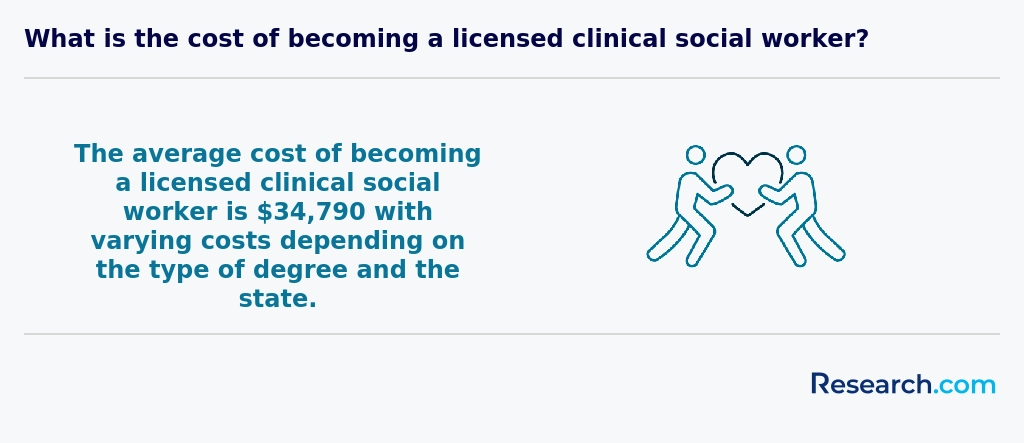
The average cost of a social work degree in Texas can vary widely, but data shows median total expenses around $36,954, with in-state students typically paying closer to $11,128. Graduates from universities like the University of Texas at Austin or Texas A&M report that balancing these costs with financial aid often makes the investment feel worthwhile as they embark on meaningful careers helping their communities. Many Texas students find encouragement in knowing that public institutions generally offer more affordable tuition, which aligns with the typical range for in-state residents.
Reflecting on Texas social work degree total expenses, students often share how scholarships and assistantships ease the financial load while providing valuable hands-on experience. These opportunities not only reduce out-of-pocket costs but also enhance their education through real-world application in social work settings. As these graduates recall, managing expenses while gaining professional skills brings a rewarding sense of accomplishment, motivating others to pursue social work degrees in Texas.
Considering these costs alongside the quality and accreditation of programs is crucial. Many hopeful students explore accredited options and compare costs at various institutions. For a helpful starting point, those interested in finding affordable tuition can explore affordable social work schools in Texas, where financial feasibility meets strong academic standards.
Licensure and Certification Requirements in Texas
Licensure is mandatory to practice social work in Texas. To qualify:
- Earn a CSWE-accredited degree: a BSW prepares you for the Licensed Social Worker (LSW) exam, while an MSW is required for the Licensed Clinical Social Worker (LCSW). Choosing accredited msw programs ensures you meet educational standards.
- Pass the ASWB licensing exam at the appropriate level (Bachelor’s or Clinical).
- Complete supervised clinical hours: 3,000 hours of post-graduate supervised practice for LCSW candidates.
- Submit your application to the Texas State Board of Social Worker Examiners, including transcripts, exam results, and background check.
- Renew your license biennially by completing 30 hours of continuing education through approved providers.
What financial aid is available to social work degree students in Texas?
Students pursuing social work degrees in Texas often rely on a blend of federal and state financial aid that eases the burden of tuition and living expenses. Graduates from universities like the University of Texas at Austin or Texas State University frequently share how completing the FAFSA unlocked access to Pell Grants, providing crucial funds without the stress of repayment. These grants can cover thousands annually, making the dream of social work education feel attainable.
State programs like Texas Grants further support students by rewarding academic progress and financial need, helping to sustain motivation throughout the degree journey. Many social work students celebrate finding scholarships through organizations such as the Texas Chapter of the NASW, which recognize commitment to social justice and relieve financial pressure at pivotal moments.
Work-study opportunities embedded in local social service agencies provide hands-on experience while supplementing income. Looking ahead, emerging loan forgiveness initiatives targeting social workers in underserved Texas communities promise to transform financial outlooks, inspiring students to envision careers dedicated to positive societal impact without fearing debt.
Expert Tips for Maximizing Your Social Work Degree Experience
Enhancing your academic journey in social work goes beyond classroom learning-it’s about actively engaging with opportunities that build your professional skills and network. To excel in your Texas social work program, consider participating in specialized internships, volunteer work, and mentorship programs that complement your studies. Actively seeking out community partnerships and staying updated on the latest research can help you hone practical skills that ensure long‐term career success. Engaging with professional associations and attending workshops or conferences are excellent ways to stay connected with industry trends and expand your network. Additionally, for those looking to fast‐track their career growth, exploring innovative online options can be a game changer. For instance, you might want to check out the list of best accelerated online msw programs that offer flexible yet rigorous curricula designed to meet the needs of busy professionals. By combining academic excellence with proactive career development strategies, you can create a solid foundation for a fulfilling and impactful career in social work.
What are the prerequisites for enrolling in social work degree program in Texas?
Enrolling in social work degree programs in Texas typically begins with solid academic preparation, such as completing high school with strong grades in English, math, and social sciences. Graduates from universities like the University of Texas or Texas State often share how meeting a 2.5 to 3.0 GPA requirement was manageable when they focused on courses relevant to social work. Many recall submitting personal statements and recommendation letters that allowed them to express their passion for helping communities, which admissions officers highly valued.
Looking ahead, Texas programs may increasingly prioritize candidates with real-world experience. Graduate hopefuls generally hold bachelor's degrees, sometimes outside social work, but with volunteer work or community internships enhancing their applications. This reflects a growing trend toward valuing practical skills alongside academic success. For example, students at Texas A&M's social work program often speak positively about how their hands-on service roles reinforced classroom learning and boosted their confidence.
CSWE-accredited programs remain critical for licensure, and evolving admissions might integrate more holistic reviews beyond test scores as seen already in some Texas colleges.
Licensing Requirements for Social Workers in Texas
Navigating the path to becoming a licensed social worker in Texas involves several clear steps designed to ensure you’re fully prepared for professional practice. First, you must graduate from a CSWE-accredited Bachelor of Social Work (BSW) or Master of Social Work (MSW) program. If you’re exploring flexible education options, consider our Affordable Online Bachelor’s in Social Work Degree Programs Ranking in the Midwest to compare program costs and structures. Once your degree is complete, follow these requirements: 1. Apply for exam eligibility with the Texas State Board of Social Worker Examiners (TSBSWE). 2. Complete required supervised experience: • For Licensed Bachelor Social Worker (LBSW): 3,000 hours under an LMSW or LCSW supervisor. • For Licensed Master Social Worker (LMSW): 3,000 hours under an LCSW supervisor. 3. Pass the ASWB licensing exam: • BSW graduates take the Bachelor’s level exam. • MSW graduates choose the Master’s level exam for LMSW or Clinical exam for LCSW. 4. Submit proof of supervision and exam scores to TSBSWE. 5. Maintain your license with 30 continuing education hours every two years, including ethics and cultural competency training. Understanding these requirements early can help you integrate licensure milestones into your academic and field practicum planning. By aligning your coursework, internships, and professional development, you’ll streamline the transition from student to licensed social worker in Texas.
What courses are typically in social work degree programs in Texas?
Courses in Texas social work degrees usually blend theory with practical application, preparing students for real-world challenges. Graduates from well-known schools like the University of Texas at Austin often describe their journey through courses on human behavior and social environments as eye-opening, helping them understand community dynamics deeply. These classes go beyond textbook learning, encouraging students to reflect on diverse social systems they encounter in Houston or Dallas neighborhoods.
Many students find social welfare policy classes particularly empowering, as they study Texas-specific legislation impacting mental health and child welfare. Research methods and statistics courses enable future social workers to assess programs meaningfully, a skill praised by alumni working in local hospitals and community centers. Ethics courses, mandated by Texas licensing boards, foster a strong sense of professional responsibility, inspiring students to uphold high standards in sensitive settings.
Hands-on practicum experiences stand out, with about 400 to 900 hours required depending on the degree level. These placements often take place in culturally rich environments, enhancing students' cultural competence-a necessity given Texas' diverse populations, including large Hispanic and immigrant communities.
What types of specializations are available in social work degree programs in Texas?
Students pursuing a social work degree specializations in Texas often find a wide spectrum of focus areas to tailor their education toward meaningful careers. Graduates from institutions like the University of Texas at Austin express enthusiasm about clinical social work tracks that prepare them for mental health counseling roles, reflecting the growing demand in Texas communities. Others are drawn to child and family social work, inspired by hands-on experiences with vulnerable youth in local agencies.
Emerging trends show increased interest in gerontological social work, as Texas' aging population creates new challenges and opportunities for compassionate care. Students from Texas A&M University highlight how specializations in healthcare social work and substance abuse treatment provide rewarding paths for advocacy and recovery support. School social work remains vital too, integrating social services within Texan schools to nurture student well-being.
For those exploring all options, it's helpful to review the list of best accelerated online msw programs that offer flexible ways to specialize. Overall, Texas social work program focus areas continue evolving to match workforce needs, inspiring graduates to make meaningful community impacts.
How do you choose the best social work degree in Texas?
Choosing the best social work degree programs Texas offers means focusing on accreditation, curriculum relevance, and hands-on experience. Graduates from well-known Texas universities often share how programs with strong ties to local agencies helped them gain confidence and insight into community challenges. For example, those pursuing a Bachelor of Social Work (BSW) found that participating in field internships within Houston or Dallas-based social service organizations prepared them for meaningful careers. Meanwhile, Master of Social Work (MSW) students appreciated programs that emphasized clinical skills along with leadership training, especially in growing urban areas.
Affordability remains key, so exploring affordable social work colleges in Texas can ease financial stress while maintaining quality. Many students discovered that balancing in-person fieldwork with online coursework allowed flexibility without sacrificing essential hands-on practice. Planning ahead to meet Texas licensure requirements reassures future social workers that their degree aligns with professional benchmarks. For those curious about advanced options, researching the online dsw program cost could guide a future doctorate pursuit.

What career paths are available for social work degree students in Texas?
Graduates holding social work degrees from Texas universities like the University of Texas at Austin or Texas State University find a wide range of career options unfolding before them. Many step into clinical social work, becoming Licensed Clinical Social Workers (LCSWs) who provide essential mental health counseling and thrive on transforming lives. Stories from recent graduates often highlight the rewarding challenge of delivering therapy in underserved Texas communities, where the demand for skilled professionals continues to rise.
Others pursue roles in child welfare, joining agencies to protect vulnerable children and support families-an emotionally fulfilling path reported by numerous graduates from Texas A&M's social work programs. Healthcare social work is also expanding, with professionals assisting patients in hospitals and rehab centers to navigate tough medical journeys. School social work is becoming increasingly vital too, as graduates work closely with educators to foster safe, inclusive environments for students.
Looking ahead, the social work career opportunities in Texas are enriched by flexible paths and growing support networks. For those interested in accessible education options before entering the field, consider exploring programs highlighted in the Affordable Online Bachelor's in Social Work Degree Programs Ranking in the Midwest.
These evolving roles offer social work degree holders more ways than ever to impact communities positively while building meaningful, stable careers.
What is the job market for social work degree in Texas?
The social work job outlook Texas remains robust, driven by increasing need in healthcare, schools, and mental health sectors. Graduates from well-known Texas universities often describe entering a promising job market where licensed clinical social workers are especially sought after. Many find rewarding positions in community programs and child welfare agencies, witnessing firsthand how their work deeply impacts lives.
With the state's growing population and demand for elder care and behavioral health services, employment opportunities for social workers in Texas look set to expand significantly. Graduates benefit from relatively affordable tuition costs compared to other states, which helps smooth the transition into stable jobs offering competitive salaries starting around $55,000 annually. These factors create an encouraging environment for career growth and financial security.
Some students combining experience with flexible study options opt for an accelerated bachelor's degree online Texas, allowing quicker entry into the workforce. This contributes to a dynamic field where early career professionals can explore multiple paths and specialties in diverse social work settings.
Frequently Asked Questions About social work
Social work degree students in Texas can enhance their learning by actively engaging in field education, which Texas universities often require as part of their curriculum. According to the Council on Social Work Education, practical experience through internships or practicum placements allows students to apply theory to real-world settings.
Additionally, joining professional organizations like the Texas chapter of the National Association of Social Workers provides networking opportunities and access to local resources. Staying informed on Texas-specific policies and social issues equips students with relevant knowledge for their future careers.
Utilizing campus resources such as tutoring and workshops, and pursuing research projects related to Texas communities, further enriches the academic experience.
Emerging niches within the social work field in Texas reflect the state's evolving social and economic landscape. One prominent area is rural social work, addressing unique challenges faced by communities with limited healthcare and social services. According to the Texas State Board of Social Work Examiners, demand for rural social workers is growing steadily. Another expanding niche is healthcare social work, especially in hospitals and mental health facilities, driven by Texas's increasing population and corresponding rise in chronic illnesses.
Additionally, school social work is gaining importance as districts seek professionals to support student mental health and behavioral needs. Child welfare and substance abuse treatment remain critical areas, with Texas Health and Human Services reporting ongoing needs for qualified social workers in these sectors.
After earning a social work degree in Texas, preparing for the job market involves several key steps. Graduates should pursue licensure, such as the Licensed Master Social Worker (LMSW) or Licensed Clinical Social Worker (LCSW), both regulated by the Texas Behavioral Health Executive Council. These credentials are essential for many positions and enhance employability.
Networking is also critical. Joining professional organizations like the Texas Chapter of the National Association of Social Workers (NASW-TX) can provide valuable connections and job leads.
Internships and field experience, integrated into most Texas social work programs, offer practical skills that employers seek. Additionally, familiarity with Texas-specific social services and regulations improves readiness.
According to the U.S. Bureau of Labor Statistics, social work jobs in Texas are projected to grow by 11% through 2032, reflecting steady demand across healthcare, child welfare, and mental health sectors.
Employers in Texas value social work graduates who demonstrate strong communication and interpersonal skills. These abilities enable professionals to effectively engage clients from diverse backgrounds and advocate for their needs. Additionally, critical thinking and problem-solving skills are essential for assessing complex situations and creating appropriate intervention plans.
Knowledge of Texas-specific social policies and legal regulations is increasingly important. According to the Texas Workforce Commission, social workers with understanding of local systems and cultural competency have higher employment rates.
Lastly, proficiency in ethics, crisis intervention, and case management software enhances job readiness. Graduates who develop these skills tend to meet employer expectations in Texas's growing social work sector.
Finding internships in Texas for social work students involves leveraging university resources and statewide professional networks. Many accredited social work programs require practical fieldwork, so students should start by consulting their school's internship coordinator or career services office.
Texas has over 30 CSWE-accredited social work programs, often maintaining partnerships with local agencies such as hospitals, schools, and nonprofit organizations. These institutions provide hands-on learning experiences in areas like child welfare, mental health, and community outreach.
Additionally, the Texas Health and Human Services offers internship opportunities aligned with state social services. Websites like the Texas Workforce Commission and the National Association of Social Workers Texas chapter regularly list updated internship openings.
Networking through professional events and joining state social work associations increases access to localized internship announcements and mentorship programs, which are essential for gaining practical experience before graduation.
A social work degree in Texas significantly enhances career mobility and advancement opportunities. According to the Texas Workforce Commission, social workers with a Bachelor of Social Work (BSW) or Master of Social Work (MSW) are more likely to access higher-paying roles and supervisory positions.
For example, MSW holders often qualify for clinical licensing, allowing for private practice or specialized fields, which expands employment options. Job growth for social workers in Texas is projected to increase by 18% from 2020 to 2030, surpassing the national average, reflecting strong demand.
Employers in Texas typically prefer candidates with accredited degrees, underscoring the degree's role in career progression. This credential also opens doors to leadership and policy development roles in social services.
Studying for a social work degree in Texas equips students with knowledge and skills essential for interdisciplinary collaboration. Texas programs emphasize teamwork across healthcare, education, and criminal justice fields, reflecting the state's diverse social challenges. According to the Texas Higher Education Coordinating Board, many accredited social work degrees include practicum placements in medical centers, schools, and community agencies, fostering real-world experience with varied professionals.
Curricula integrate topics like public policy, psychology, and social welfare, preparing graduates to navigate complex systems. The Texas Department of State Health Services highlights the growing need for social workers able to coordinate services among counselors, nurses, and law enforcement, enhancing outcomes for vulnerable populations.
When choosing between a thesis and a non-thesis social work degree program in Texas, consider your career goals first. Thesis programs focus on original research and are ideal if you plan to pursue a PhD or work in academic or research settings. Non-thesis programs usually emphasize practical skills and fieldwork, which benefit those aiming for direct practice or leadership roles in social services.
Texas boasts multiple accredited programs with options for both paths. According to the Council on Social Work Education, nearly 60% of Texas social work graduates enter clinical practice rather than research. Costs and program length may also differ; thesis tracks often require extra semesters and resources for research.
Reflect on your preferences for research versus hands-on learning and check specific Texas institutions' curricula to align with your aspirations.
Students in Texas pursuing social work degrees have several opportunities to study abroad through their universities. Many Texas schools with Council on Social Work Education (CSWE) accredited programs, such as the University of Texas at Austin and Texas State University, offer exchange programs or faculty-led trips emphasizing global social work perspectives.
These programs typically last from a few weeks to an entire semester and include hands-on experience in countries like Mexico, Costa Rica, or Italy. According to the Texas Higher Education Coordinating Board, participation in study abroad programs has grown steadily, reflecting increased interest among social work students.
Students often receive academic credit for overseas coursework, aligning with Texas licensing requirements for the Licensed Master Social Worker (LMSW) credential.
Students pursuing social work degrees in Texas can benefit from various part-time job opportunities that build relevant skills and experience. Roles such as case aides, behavioral health technicians, or community outreach assistants allow practical exposure to social services environments. According to the Texas Workforce Commission, the demand for social workers and related support roles is growing at an estimated 10% annually through 2030, reflecting expanding care needs.
Working in nonprofit organizations or local health departments can provide insight into client advocacy and resource coordination. Additionally, positions in school counseling support or crisis intervention services complement academic learning by enhancing communication and organizational abilities.
Gaining experience in these roles not only strengthens resumes but also fosters networking with professionals in Texas's social work sector, potentially improving graduate employment prospects.
Social work students in Texas benefit from numerous networking opportunities that can greatly enhance their professional development. Universities such as the University of Texas at Austin and Texas State University offer active student organizations like the National Association of Social Workers (NASW) chapters, which host workshops, conferences, and local events. These platforms enable students to connect with practicing social workers and faculty members.
Additionally, Texas hosts an annual Texas NASW conference attracting hundreds of professionals from diverse social work fields. This event provides valuable chances for students to learn, share research, and build contacts. According to NASW Texas Chapter data, over 2,500 social workers participated in recent meetings, reflecting strong industry engagement.
Field placements also serve as vital networking hubs. Many accredited Texas programs partner with healthcare, child welfare, and community organizations, offering students real-world connections early in their careers.
Alumni networks play a crucial role for social work degree students in Texas by connecting them with professionals who have firsthand experience in the state's social services sector. These networks facilitate mentorship opportunities, offering guidance on licensing requirements, such as the Texas State Board of Social Worker Examiners' criteria. Through alumni events and online platforms, students can access job leads in agencies across Texas, where nearly 44,000 social workers were employed as of 2022 (BLS data). Networking also helps students understand local challenges, such as rural healthcare gaps, improving their readiness to serve diverse communities effectively.
In Texas, students can tailor their social work degree programs by selecting concentrations that match their career objectives, such as child welfare, mental health, or gerontology. Many universities offer both Bachelor of Social Work (BSW) and Master of Social Work (MSW) programs with options for specialized tracks or electives. For example, Texas State University provides field placement opportunities across various social service agencies, allowing hands-on experience aligned with specific interests.
Accredited programs follow guidelines from the Council on Social Work Education, ensuring quality education and licensure eligibility. Customizing your degree also includes engaging in internships supervised by licensed professionals, which is crucial for Texas licensure requirements.
Social work students in Texas often face significant challenges, starting with the rigorous academic workload. Courses require a deep understanding of social policies, human behavior, and ethics, demanding strong critical thinking skills. According to the Texas Higher Education Coordinating Board, limited funding can also restrict access to clinical placements, a crucial part of hands-on training.
Many students balance school with work or family responsibilities, increasing stress levels. Additionally, navigating state-specific licensing requirements adds complexity. Texas mandates a minimum of 3,000 supervised hours for Licensed Master Social Worker (LMSW) certification, which may delay career entry for some.
Access to mental health resources is another concern, as students encounter emotionally challenging subject matter. Universities in Texas are gradually expanding support, but gaps remain.
With a social work degree in Texas, professionals can pursue several key certifications to advance their careers. The most common certification is the Licensed Master Social Worker (LMSW), which requires passing a state exam and is essential for clinical practice under supervision.
After gaining experience, social workers can obtain the Licensed Clinical Social Worker (LCSW) credential, allowing independent clinical practice. According to the Texas State Board of Social Worker Examiners, over 20,000 social workers held LCSW licenses as of 2023.
Other certifications include school social work credentials and licensure in specialized areas such as substance abuse counseling. Each requires relevant education, supervised hours, and passing specific exams.
To write a winning application for a social work program in Texas, start by thoroughly researching accredited programs approved by the Texas State Board of Social Worker Examiners. Highlight your commitment to social justice and community service, as Texas programs often emphasize these values. Include clear examples of volunteer work or related experience to strengthen your application.
Texas social work programs typically require a well-crafted personal statement. Use it to explain your long-term goals and how the degree aligns with your career plan. Demonstrating knowledge of Texas's diverse populations can set you apart.
Strong letters of recommendation and a competitive GPA, often above 3.0, also improve your chances.
Social work careers in Texas align with a broader global emphasis on promoting social justice, human rights, and community well-being. The profession is recognized worldwide for addressing complex social issues such as poverty, inequality, and mental health. In the U.S., and particularly in Texas, social workers are trained to consider cultural diversity and systemic factors affecting clients.
Globally, social work education often shares core competencies but varies in focus depending on regional challenges. Texas social work programs frequently incorporate international perspectives to prepare students for diverse populations. According to the Texas State Board of Social Worker Examiners, demand for licensed social workers is growing steadily, reflecting the increasing need for these skills both locally and in broader contexts.
Gaining practical experience is essential when pursuing a social work degree in Texas. Most accredited programs require students to complete supervised fieldwork or internships, often lasting between 400 to 900 hours. These placements typically occur in settings such as hospitals, schools, community agencies, or government offices.
Texas social work programs follow the Council on Social Work Education (CSWE) standards, ensuring students engage in real-world experiences. According to the Texas State Board of Social Worker Examiners, field practicum is critical for licensure eligibility after graduation.
Students should seek partnerships with local social service organizations to enhance hands-on learning, networking, and career readiness during their studies.
Choosing the right concentration within a social work degree program in Texas involves considering your career goals and the community needs. Social work concentrations often include child and family services, clinical social work, school social work, and healthcare social work. According to the Texas State Board of Social Worker Examiners, there is growing demand for clinical social workers who provide mental health services, reflecting Texas's increasing focus on behavioral health.
Review Texas universities' program offerings and check if concentrations align with licensure requirements. For example, clinical social workers need a Master of Social Work (MSW) with specific clinical training. Research local job trends via the Texas Workforce Commission to identify in-demand specialties. Understanding your interests alongside state workforce data will help you pick a relevant concentration that enhances employability.
Related Social Work Rankings for Nearby States
- 2027 Most Valuable Social Work Degree Programs Ranking in Oklahoma
- 2027 Most Valuable Social Work Degree Programs Ranking in Arkansas
- 2027 Most Valuable Social Work Degree Programs Ranking in Missouri
- 2027 Most Valuable Social Work Degree Programs Ranking in Tennessee
- 2027 Most Valuable Social Work Degree Programs Ranking in Arizona
- 2027 Most Valuable Social Work Degree Programs Ranking in Nebraska
- 2027 Most Valuable Social Work Degree Programs Ranking in Georgia
- 2027 Most Valuable Social Work Degree Programs Ranking in South Carolina
- 2027 Most Valuable Social Work Degree Programs Ranking in North Carolina
- 2027 Most Valuable Social Work Degree Programs Ranking in Virginia
Top Trending Social Work Rankings
See What Experts Have To Say About Studying Social Work
Read our interview with Social Work experts

References
- ALUMNI ASSOCIATION https://socialwork.howard.edu/about-us/alumni-association
- Global Definition of Social Work https://www.ifsw.org/what-is-social-work/global-definition-of-social-work/
- 25 Scholarships For Social Work Students | Psychology.org https://www.psychology.org/resources/social-work-scholarships/
- Social Work Salary with Masters on the Rise https://newmanu.edu/nth-degree/social-work-salary-with-masters-on-the-rise
- How to become a social worker https://basw.co.uk/careers/how-become-social-worker
- Guide to Careers in Social Work https://www.onlinemswprograms.com/careers/
- The Best International Social Work Internships for Undergrads and Grads https://www.internhq.com/fields/social-work/
- Social Work Education: Interdisciplinary teams a growing area of training https://www.socialworkblog.org/featured-articles/2018/04/social-work-education-interdisciplinary-teams-a-growing-area-of-training/
- Bachelor of Social Work (B.S.W.) Major in Social Work https://mycatalog.txstate.edu/undergraduate/applied-arts/social-work/social-work-bsw/
- 1+ Social Worker Cover Letter Examples (with In-Depth Guidance) https://www.tealhq.com/cover-letter-examples/social-worker


