
2027 Best Online Colleges Programs Ranking in Maryland

Co-Founder and Chief Data Scientist
Choosing the right online college program in Maryland can feel overwhelming. To help ease this decision, the 2027 Best Online Colleges Programs Ranking in Maryland was created by the Research.com team of data scientists. This ranking highlights the degree programs that stand out for quality and value.
By exploring this article, you'll gain clear insights to guide your educational journey. Earning a degree can open new doors and boost your confidence. This ranking offers a trustworthy resource to support your goals and future success.
Key benefits of getting online degrees in Maryland
- Graduates with a bachelor's degree from Maryland earn an average of $60,000 annually, while those with a master's can make over $80,000, showing how higher degree levels boost salary potential.
- A University of Maryland online nursing graduate often starts in clinical roles and can quickly advance into leadership positions, reflecting strong career growth opportunities within the state.
- Online graduates from Towson University appreciate flexible schedules and lower commuting costs, making it easier to balance work, family, and studies compared to traditional programs.
- Key benefits of getting online degrees in Maryland
- What can I expect from online degrees in Maryland?
- How much can I make with online degrees in Maryland?
- 2027 Best Online Colleges Programs Ranking in Maryland
- Key Findings
- How long does it take to complete online degrees in Maryland?
- What's the difference between online and on-campus degree?
- Available Specializations
- What is the average cost of online degrees in Maryland?
- How Does Maryland Compare to Virginia in Online College Programs?
- What financial aid is available to online degree students in Maryland?
- Online vs. Traditional Education: A Comparative Insight
- What are the prerequisites for enrolling in online degree programs in Maryland?
- Exploring Online Doctoral Programs in Maryland
- What courses are typically in online degree programs in Maryland?
- How do you choose the best online degree in Maryland?
- What career paths are available for online degree graduates in Maryland?
- What is the job market for online degree graduates in Maryland?
- Related General Rankings for Nearby States
- Top Trending General Rankings
What can I expect from online degrees in Maryland?
Enrolling in an online degree program in Maryland means stepping into a world where flexibility meets quality. Imagine logging into the University of Maryland Global Campus after a day at work, joining a vibrant discussion forum with fellow adult learners and military-affiliated students who understand your busy life. You'll experience engaging video lectures and real-time virtual meetings that make learning interactive and personal, no matter where you are.
Graduates often share how personalized support-from dedicated academic advisors to career services-helped them stay motivated and focused. Many find comfort knowing these programs hold strong accreditation, ensuring their degrees are respected by employers nationwide. Plus, Maryland's public universities often offer in-state tuition rates even for online students, making education affordable without sacrificing quality.
Picture completing your coursework on your own schedule, balancing family and career seamlessly while developing skills that future employers value. This blend of accessibility, community, and academic rigor defines the adventurous journey of earning an online degree in Maryland.
How much can I make with online degrees in Maryland?
Graduates from online programs in Maryland often discover promising salary paths that reflect the state's dynamic job market. For instance, online bachelor's degree holders in nursing or healthcare management, including those from well-known institutions like the University of Maryland Global Campus, report median salaries between $75,000 and $85,000. It's the kind of financial boost that energizes new professionals eager to make a difference in vital healthcare roles.
Tech-savvy graduates from online information systems or computer science programs at schools such as Towson University typically earn $70,000 to $90,000. Imagine launching a career in cybersecurity or data analysis while enjoying the flexibility of remote learning-many find this balance exciting and rewarding.
Those pursuing education degrees online, aiming to teach Maryland's next generation, often start around $50,000 and see raises to $65,000 with experience, supported by detailed salary schedules from the Maryland State Department of Education.
Online MBAs recognized in Maryland can elevate earnings beyond $90,000, especially in management roles-graduates speak of newfound confidence stepping into leadership positions across state agencies and private firms.
2027 Best Online Colleges Programs Ranking in Maryland
How do we rank schools?
Investing in your education is a significant decision that can shape your future, and the Research.com team understands the importance of making informed choices. To assist prospective students in Maryland, we have meticulously crafted the "2027 Best Online Colleges Programs Ranking in Maryland." Our commitment to quality, credibility, and accuracy is reflected in the extensive research and analysis conducted to compile this ranking.
We utilized the following reputable data sources to ensure a comprehensive evaluation of online college programs:
By exploring this ranking, readers will gain valuable insights into the best online college programs offered in Maryland, helping them make informed decisions about their educational paths. For more details on our methodology, please visit our Research.com methodology page.

# 11 position
University of Maryland-College Park
Master of Technology Entrepreneurship and Corporate Innovation, Online

# 12 position
University of Maryland-College Park
Master of Public Health Practice and Policy, Online
# 17 position
University of Maryland-College Park
Master of Public Safety Leadership and Administration
# 20 position
University of Maryland-College Park
Technology Entrepreneurship Master of Professional Studies
Key Findings
- Online degree programs in Maryland offer the same curriculum as on-campus degrees, ensuring recognized and transferable credentials.
- Tuition for in-state students at public universities ranges from $8,000 to $12,000 per year, while private institutions may charge over $20,000 annually.
- The average starting salary for recent graduates in Maryland is about $50,000, higher than the national average of $45,000.
- Maryland expects employment growth rates of 5% to 10% in key sectors like technology, healthcare, and education over the next decade.
- State financial aid programs and scholarships are commonly available to online learners to help reduce tuition costs.
How long does it take to complete online degrees in Maryland?
Dreaming of earning your degree online in Maryland? Typically, associate degrees take about two years, while bachelor's degrees require around four years of full-time study. Yet, many students at schools like University of Maryland Global Campus find the freedom to speed up or slow down their pace, fitting education around busy lives.
Imagine a working parent balancing family and a job who chooses part-time enrollment, stretching completion to nearly five years but gaining priceless flexibility. Graduates often share how year-round classes and accelerated courses at Towson University helped them chip away faster and stay motivated.
Don't forget transfer credits - they can significantly shorten your journey! Plus, graduate students diving into master's programs usually take about two years, while doctoral candidates may spend four to six years navigating research challenges.
This adventure in learning lets you tailor your path, balancing academics with real-world demands, all while benefiting from Maryland's supportive online programs. The timeline is yours to design.
What's the difference between online and on-campus degree?
Imagine juggling a busy life in Maryland while earning a degree-this is where online programs at schools like the University of Maryland Global Campus truly shine. Graduates often share how the freedom to study late at night or between work shifts made all the difference, allowing them to learn without sacrificing their daily rhythm. In contrast, students attending on-campus programs at institutions such as Towson University experience the vibrant energy of face-to-face classes and spontaneous hallway chats, which create tight-knit communities and offer instant connections.
Cost-wise, both online and on-campus paths can be surprisingly similar within Maryland's public universities, hovering around $10,681 per year for in-state students. Yet, online learners sometimes enjoy savings from commuting or housing, balanced against tech needs like reliable internet. Despite different rhythms, both paths uphold rigorous regional accreditation, so whether you're logging into lectures from home or walking campus grounds in Baltimore, your degree packs the same valued punch.
Available Specializations
Maryland’s online degree programs offer a variety of specializations tailored to regional industry demands and student interests:
- Business Administration
- Cybersecurity
- Nursing and Healthcare Management
- Information Technology
- Public Health
- Education (including Special Education)
- Criminal Justice
- Data Science and Analytics
These tracks blend theory with practical skills through virtual labs, case studies, and capstone projects. Many also include internship or practicum placements with Maryland employers to build real-world experience. For guidance on fields with the highest earning potential, explore our college majors that make the most money.
What is the average cost of online degrees in Maryland?
The average cost of an online degree in Maryland invites curious exploration, especially when considering the balance between in-state affordability and out-of-state investment. Graduates from popular Maryland schools often share how the median total tuition fees for online programs in the state hover around $31,284 for in-state students, making it a compelling choice for locals seeking quality education without breaking the bank. For out-of-state learners, the typical cost rises to about $42,156, reflecting the broader reach and convenience of online study combined with state residency factors.
Imagine a student navigating the online platforms at renowned Maryland universities-many find the financial commitment manageable when compared to traditional campus costs. This blend of convenience and reasonable pricing opens doors for those who value both education and adventure in balancing work, life, and study. These students appreciate the flexibility while investing wisely in their futures through online programs.
When calculating the total tuition fees for online programs Maryland offers, it's clear that public universities provide a competitive edge, often paired with financial aid and in-state benefits that make pursuing a degree more accessible. There's a growing delight among learners discovering accredited online college programs offered statewide, whose value extends beyond cost into quality and reputation.
How Does Maryland Compare to Virginia in Online College Programs?
When evaluating online education, prospective students often weigh state-by-state differences in affordability, program variety, and career outcomes. Maryland’s average in-state online degree cost of $25,128 compares favorably to Virginia’s peer institutions, yet nuances in tuition models and regional demand can influence your decision. For instance, Maryland’s robust healthcare and cybersecurity offerings at UMGC and Johns Hopkins align with high-growth sectors, while neighboring Virginia emphasizes cost-effective programs in education and business. Tuition and Fees • Maryland In-State Average: $25,128 • Virginia In-State Average: $23,500 (see the Most Affordable Online Colleges Programs Ranking in Virginia) • Out-of-State Premium: Both states levy a 60–70% surcharge, but Virginia’s Academic Common Market participation offers select reductions for regional students. Program Diversity Maryland leads with 135+ online degrees spanning public health, engineering, and data science, whereas Virginia excels in liberal arts and K–12 teacher education through institutions like Virginia Tech and Liberty University. Consider aligning your career goals: if you aim for advanced nursing or cybersecurity roles, Maryland’s specialized graduate tracks may offer a competitive edge. Career Outcomes and Market Demand • Maryland: 32% projected growth in healthcare roles and 22% in IT by 2030. • Virginia: 28% growth in education and 20% in business management sectors. Support Services and Flexibility Both states provide asynchronous formats, credit for prior learning, and strong career services, but Maryland’s virtual career fairs and structured mentorship programs have shown a 15% higher post-graduation placement rate. By comparing these factors-cost, program offerings, and job market alignment-you can make an informed choice that leverages regional strengths and maximizes return on your online education investment.
What financial aid is available to online degree students in Maryland?
Imagine unlocking your online degree journey at the University of Maryland while discovering a treasure trove of financial aid designed just for you. Maryland students often tap into federal grants like the Pell Grant, which can cover up to $7,395, easing the cost burden significantly. One graduate shared how this grant made finishing their degree at Towson University not only possible but exciting-no constant worry about piling debt.
State-specific gems such as the Howard P. Rawlings Guaranteed Access Grant provide full tuition at Maryland's public colleges for eligible low-income students. Another learner found this grant transformed their path at Frostburg State University, turning what seemed impossible into a vibrant success story online.
Many Maryland schools offer scholarships tailored for online learners, rewarding both stellar academics and genuine financial need. Plus, workforce development grants empower adult students upgrading skills through online certificates, a benefit a working professional appreciated while balancing studies at Salisbury University.
Don't forget private scholarships and employer tuition assistance; countless Maryland employers actively support employees' ambitions to learn remotely. Combining these diverse aids fuels a thrilling, affordable education adventure right from your home in Maryland.
Online vs. Traditional Education: A Comparative Insight
Understanding the key differences between online and traditional on-campus education is essential for prospective students. One of the primary advantages of online programs is their flexibility, which allows students to balance coursework with work or personal commitments while eliminating commuting and relocation expenses. In contrast, traditional programs often require fixed schedules and on-campus presence, which may not suit those with busy lifestyles or geographic constraints. Additionally, online education leverages advanced digital tools and platforms to create engaging, interactive learning experiences that can rival the collaborative environment of a physical classroom. This format also frequently results in lower tuition fees and ancillary costs, making education more accessible for a diverse range of students. While traditional programs offer face-to-face networking opportunities and campus facilities, many modern online programs provide robust support services-including virtual tutoring, career counseling, and online internships-to ensure that learning outcomes remain competitive. For students interested in exploring further options such as accredited online college programs, this comparative analysis highlights that both educational pathways have their distinct benefits and challenges. Ultimately, the choice between online and traditional education should align with one’s career goals, learning style, and lifestyle needs, ensuring a tailored approach to academic and professional success.
What are the prerequisites for enrolling in online degree programs in Maryland?
To dive into an online degree program in Maryland, imagine having your high school diploma or GED as your trusty compass-it's the basic ticket to many undergraduate programs across the state. Graduates from popular institutions like the University of Maryland often recall how showing their transcripts opened doors they didn't expect. Some found that previous college credits or even work experience gave them a little extra wind in their sails, making admission smoother.
For those aiming higher with graduate studies, picture holding a bachelor's degree as your anchor, often accompanied by a solid GPA between 2.5 and 3.0. Students stepping into fields like nursing or business at schools like Towson University share stories of needing specific coursework or certifications that transformed their journey from hopeful to qualified.
Maryland residents love the benefit of lower tuition at public schools, so proof of residency becomes a prized map. Meanwhile, many students cherish the flexibility to skip standardized tests thanks to test-optional policies, which feels like turning off a stormy sea before setting sail.
Technical readiness is another adventure-imagine logging on with reliable internet and a device ready to explore your virtual classrooms at the Community College of Baltimore County, feeling the excitement of new digital tools at your fingertips. Like many before you, preparing financially with scholarships or aid keeps the voyage steady and rewarding.

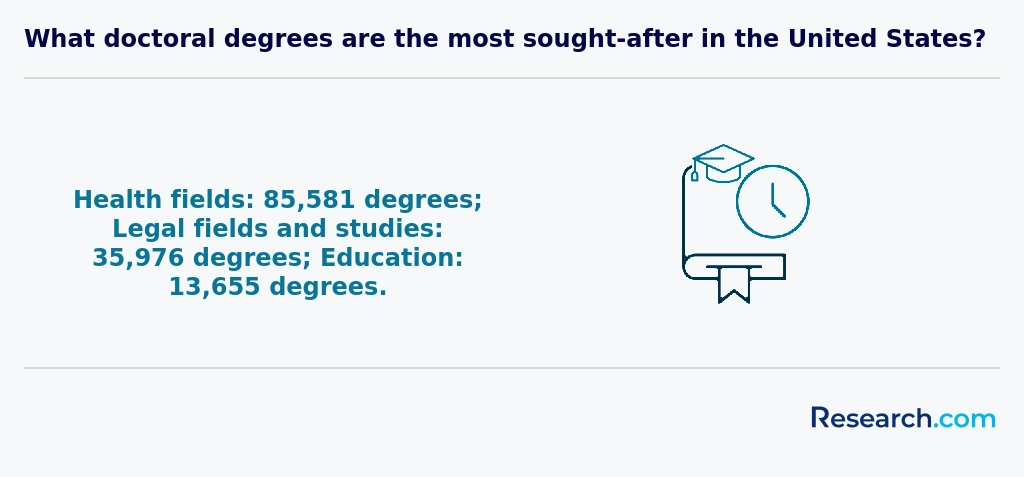
Exploring Online Doctoral Programs in Maryland
Online doctoral programs in Maryland offer working professionals the flexibility of remote learning combined with rigorous academic standards. Leading institutions such as the University of Maryland Global Campus and Johns Hopkins University provide regionally accredited doctorates-including Doctor of Education (Ed.D.), Doctor of Business Administration (DBA), and Doctor of Public Health (DrPH)-that typically require 48–60 credit hours beyond the master’s level. Key specializations include:
- Education Leadership and Policy
- Organizational Management (DBA)
- Public Health Practice and Policy (DrPH)
- Nursing Practice (DNP) Most programs blend asynchronous coursework, live seminars, and a dissertation or capstone project, with completion timelines ranging from 3 to 5 years depending on enrollment status and prior credits. Tuition varies significantly: public universities often charge $600–$1,000 per credit for in-state students, while private institutions may exceed $1,200 per credit. To manage costs, students should compare per-credit rates, flat‐rate semester options, and available financial aid or research assistantships. For those prioritizing affordability without sacrificing quality, our review of most-affordable online doctorate programs highlights top choices. When evaluating programs, consider:
- Faculty expertise and published research
- Dissertation mentorship and committee support
- Cohort sizes and peer networking opportunities
- Access to digital libraries and research databases Verifying accreditation-whether regional (Middle States Commission) or specialized (Council on Education for Public Health)-ensures your doctoral credential holds value in academia and industry. By weighing these factors, Maryland’s online doctoral pathways can propel your career to new heights.
What courses are typically in online degree programs in Maryland?
When diving into online degree courses in Maryland, you'll quickly discover a rich blend of foundational and specialized classes designed to ignite your curiosity. Graduates often recall starting with general education courses like English composition and mathematics, which felt like unlocking essential tools for clear communication and logical problem-solving-skills that resonate no matter the career path. Institutions known across Maryland craft these courses to build solid ground for all students, regardless of their focus.
Enrolling in Maryland accredited online programs means exploring more than just basics. For instance, business students might find themselves immersed in marketing and finance, while those drawn to healthcare engage with medical terminology and patient care-courses that graduates remember as eye-opening and highly applicable to their day-to-day work. The flexibility of these programs at local universities lets students connect theory with practice through virtual labs or internships.
One compelling aspect is the variety of options reflecting the state's workforce needs, encouraging exploration in fields like IT, education, or criminal justice. If you're looking for the most-affordable online doctorate programs in Maryland, these diverse course offerings make the journey both practical and inspiring.
How do you choose the best online degree in Maryland?
Choosing the best accredited online degrees Maryland offers means diving deep into what truly fits your lifestyle and aspirations. Imagine a graduate from the University of Maryland Global Campus, who thrives because their program's flexibility lets them study during quiet nights after work. Or consider those drawn to Johns Hopkins' dynamic online health science courses, sparked by a passion for impactful healthcare careers. Finding affordable online college programs Maryland provides becomes a thrilling hunt for scholarships and aid, easing financial worries while unlocking opportunity.
Picture yourself exploring courses that balance synchronous sessions with asynchronous freedom, much like many Maryland students do to maintain work-life harmony. Graduates often highlight how tailored schedules keep motivation high and stress low. Don't forget to check graduation rates, which shine a light on supportive campus resources enhancing your journey.
For those still uncertain, the pathway to the easiest college degree can open doors while building confidence, making your Maryland online study adventure rewarding and uniquely yours.
What career paths are available for online degree graduates in Maryland?
Graduates with online degrees from Maryland institutions like the University of Maryland Global Campus often find themselves stepping confidently into diverse career paths. Many explore the thriving healthcare sector, joining hospitals or NIH-affiliated research centers as nurses or health services managers, fueled by Maryland's strong demand for healthcare professionals. Others venture into technology roles tied to federal agencies such as the NSA, crafting secure software or managing cybersecurity systems, thriving in the state's rapidly expanding tech industry.
Maryland remote learning graduate job prospects also blossom in government and public administration, where alumni contribute to local policy development or urban planning. Educators with online degrees from popular colleges like Towson University often embrace teaching roles or school leadership, supported by Maryland's focus on continuous professional growth.
For those drawn to business, social work, or engineering, Maryland's diverse economy offers many openings that spark enthusiasm and fresh ambition. Online learners curious about affordable options can check the Most Affordable Online Colleges Programs Ranking in Virginia to plan their next step confidently.
What is the job market for online degree graduates in Maryland?
Graduates who earn an online general degree in Maryland often find themselves stepping into a vibrant job market brimming with opportunities. Imagine completing your studies at a well-known Maryland institution, then landing a role near Baltimore or the Washington, D.C. suburbs where healthcare, IT, government, and education sectors flourish. Many graduates share how their online education, combined with internships or local networking, opened doors to roles in cybersecurity firms or government agencies.
The sky is the limit when you consider Maryland's low unemployment rate and strong job opportunities for online degree graduates in Maryland. Thanks to regional accreditation and employer acceptance, online degrees hold real weight, enabling graduates to explore careers with competitive salaries and potential remote work. Some even discover flexible paths through programs offering certificates; those curious might explore the best 6-month certificate programs that pay well online, boosting their credentials in months.
Whether it's a graduate landing a nursing role with hybrid hours, or another securing a tech position in government contracting, the experience reflects Maryland's welcoming and growing market for online college graduate employment rates. The blend of real-world skills and credible online programs truly makes Maryland a fertile ground for career adventure and growth.
Frequently Asked Questions
Students in Maryland can maximize their online learning experience by leveraging state resources and engaging actively with coursework. Maryland boasts a high broadband internet access rate, around 90%, enabling stable connectivity for online classes, according to the U.S. Census Bureau. Choosing accredited programs recognized by the Middle States Commission on Higher Education ensures quality education that meets regional standards.
Time management and self-discipline are essential, as online courses require regular study without traditional classroom structure. Maryland students should also utilize virtual libraries and tutoring services offered by many universities. Participating in online discussion boards and study groups helps foster peer interaction, improving understanding and motivation.
Financial aid opportunities through the Maryland Higher Education Commission can support students pursuing affordable online degrees. Staying informed of state-specific career resources further aligns learning with Maryland's job market demands.
After completing an online degree in Maryland, preparing for the job market involves strategic steps to enhance employability. Graduates should start by updating their resumes and LinkedIn profiles, highlighting skills gained through online learning, such as time management and digital communication.
It is also beneficial to engage with Maryland's local career resources, including the Maryland Department of Labor and university career centers, which often provide job listings, workshops, and networking events tailored to state industries.
Internships or volunteer opportunities in Maryland can provide practical experience and professional connections. According to the Maryland Higher Education Commission, sectors like healthcare, technology, and cybersecurity are growing fastest in the state, so targeting these fields can improve job prospects.
Employers in Maryland highly value a combination of technical and soft skills when hiring recent graduates. According to the Maryland Department of Labor, problem-solving, communication, and teamwork are among the top competencies sought across industries. Graduates with proficiency in digital literacy and data analysis often have an edge, especially in technology and healthcare sectors, which are prominent in the state.
The Maryland Higher Education Commission reports that critical thinking and adaptability are increasingly important as workplaces evolve. Additionally, Maryland's growing cybersecurity industry demands strong technical skills and an understanding of information security principles. These skills, paired with professionalism and time management, greatly enhance graduate employability in Maryland's competitive job market.
Finding internships in Maryland begins with leveraging local resources tailored to students and job seekers. The Maryland Department of Labor reports that sectors like biotechnology, cybersecurity, and government services offer numerous internship opportunities. Students enrolled in online degree programs should first explore their school's career services, which often provide dedicated internship listings and connections with Maryland employers.
Additionally, websites like Maryland Workforce Exchange regularly update internship vacancies specific to the state. Networking through professional organizations such as the Maryland Chamber of Commerce can also increase chances of securing internships. Finally, Maryland's proximity to Washington D.C. expands options with federal agencies offering formal internship programs for both undergraduate and graduate students.
In Maryland, earning an online degree has become a vital factor for career mobility and advancement. According to the Maryland Higher Education Commission, individuals with at least a bachelor's degree earn approximately 60% more than those with only a high school diploma. Employers in Maryland increasingly value online degrees from accredited institutions, especially in fields like technology, healthcare, and business.
Online degrees offer flexible learning options that allow working professionals to upskill without pausing their careers. This flexibility supports continuous career growth and helps Maryland workers adapt to evolving job markets. Data from the U.S. Bureau of Labor Statistics also show that Maryland's sectors with strong degree requirements tend to have higher employment growth rates, reinforcing the positive impact of advanced education on career prospects.
When choosing between a thesis and a non-thesis online degree program in Maryland, consider your career goals and learning preferences. Thesis programs usually suit students aiming for research or doctoral studies, as they involve original research and a formal written thesis. Non-thesis programs focus more on coursework and practical skills, appealing to professionals seeking career advancement without research demands.
Maryland's public institutions, such as the University of Maryland Global Campus, offer both options in many fields. According to Maryland Higher Education Commission data, about 40% of graduate students opt for thesis tracks statewide, reflecting strong research interest.
Evaluate faculty support, time commitment, and whether your chosen field values research experience or applied knowledge when deciding.
Students based in Maryland who pursue online degrees can still access study abroad opportunities through partnerships offered by their institutions. Many Maryland colleges participate in exchange programs and faculty-led trips abroad, allowing online students to gain international experience without disrupting their studies. According to the Maryland Higher Education Commission, over 10% of undergraduates in the state engage in some form of international study.
Options include short-term summer programs, virtual global internships, and hybrid models combining online coursework with abroad immersion. Additionally, institutions like the University of Maryland offer dedicated resources to help online students navigate study abroad logistics. These programs help Maryland's online learners gain cultural competence important in today's global job market.
Maryland offers various part-time job opportunities that can complement online degree studies, especially in high-demand fields like healthcare, technology, and education. According to the Maryland Department of Labor, sectors such as information technology and healthcare are expected to grow by more than 10% between 2022 and 2032. Students pursuing degrees in these areas can benefit from jobs like medical assistants, IT support specialists, or tutors, which enhance practical skills and resume value.
Additionally, part-time roles in government agencies or research institutions, prevalent in Maryland due to its proximity to Washington D.C., provide valuable experience for students pursuing public administration or scientific degrees. These jobs often offer flexible hours tailored for working students. Engaging in relevant part-time work not only supports financial needs but also strengthens professional networks within Maryland's competitive job market.
Online students in Maryland have several networking opportunities through virtual events, local professional groups, and university alumni networks. Many public and private institutions in Maryland offer online platforms for students to connect with peers, faculty, and industry professionals. For example, the University System of Maryland's online programs provide access to career fairs and workshops specifically arranged for remote students.
Additionally, Maryland's proximity to Washington D.C. allows access to numerous regional professional organizations and industry meetups, many of which offer hybrid or virtual participation options.
According to data from the Maryland Higher Education Commission, 70% of online students actively engage in at least one networking event during their study, enhancing their professional connections without needing to be on campus.
Alumni networks in Maryland offer valuable advantages for online degree students. These networks connect graduates and current students, providing opportunities for mentorship, career advice, and job referrals. According to the Maryland Higher Education Commission, nearly 70% of jobs are secured through networking, making alumni relations crucial for career advancement.
Many Maryland colleges, including the University of Maryland Global Campus, maintain active online alumni communities. These platforms allow remote students to engage professionally despite geographical distances. Networking events, both virtual and in-person, help students build relationships within their industries.
Furthermore, alumni networks often offer access to exclusive internships and job boards tailored to Maryland's local economy and workforce trends. This can be especially beneficial for fields prominent in the state, such as cybersecurity and healthcare.
Customizing an online degree program in Maryland is increasingly accessible thanks to flexible course offerings and specialization options. Many Maryland institutions, such as the University of Maryland Global Campus, allow students to select concentrations aligned with their career goals, from cybersecurity to healthcare management.
Students can often choose electives that match industry demands, enhancing their skills in specific areas. Maryland's higher education system supports credit transfers and prior learning assessments, letting students apply relevant work or military experience to their degree. This personalization helps reduce time and cost.
Additionally, some programs offer accelerated pacing or part-time options, accommodating working professionals' schedules. According to the Maryland Higher Education Commission, nearly 40% of online students customize their degree through electives or specialization tracks.
Online students in Maryland commonly face challenges related to balancing coursework with work and family responsibilities. According to the Maryland Higher Education Commission, over 60% of online learners are part-time students managing jobs alongside studies. This often leads to time management difficulties and increased stress.
Another significant issue is access to reliable high-speed internet, particularly in rural areas. The Federal Communications Commission notes that nearly 15% of Maryland households lack broadband access, hindering participation in interactive online classes.
Additionally, some students report feelings of isolation and limited interaction with peers and instructors, which can affect motivation and academic success. Technical problems and navigating online platforms also remain obstacles for many learners in the state.
Writing a winning application for a college or university program in Maryland starts with thorough research. Understand each institution's requirements, as Maryland schools often emphasize academic achievement, standardized test scores, and personal statements. Highlight your motivation and how the program aligns with your career goals.
Make sure to clearly demonstrate your readiness for online learning, since many Maryland institutions now offer fully online degrees, including University of Maryland Global Campus. According to the Maryland Higher Education Commission, nearly 20% of undergraduates enroll in at least one online course, signaling growing competition.
Submit all required documents on time and seek letters of recommendation that reflect your academic or professional strengths.
Proofread carefully to avoid errors; a polished application speaks volumes about your attention to detail.
Maryland students pursuing online degrees can gain practical experience through internships and cooperative education programs offered by many state universities. Institutions like the University of Maryland Global Campus provide virtual internships, enabling students to work with businesses statewide while remaining remote. The Maryland Department of Labor also supports internship opportunities with local employers in industries such as technology, healthcare, and government.
Many online programs include project-based coursework where students collaborate on real-world challenges. Additionally, Maryland's strong network of research centers offers volunteer or paid roles, giving valuable hands-on exposure. According to the National Association of Colleges and Employers, 60% of Maryland students participate in internships before graduating.
Choosing the right concentration within an online degree program in Maryland involves aligning your career goals with areas of growth in the state's job market. According to the Maryland Department of Labor, sectors like healthcare, cybersecurity, and information technology are expanding rapidly, making related concentrations promising options.
Consider your interests and strengths alongside the flexibility offered by the program. Maryland institutions such as University of Maryland Global Campus provide diverse concentrations tailored to industry needs. Research program accreditation and faculty expertise to ensure quality education.
Finally, evaluate how the concentration supports long-term earning potential and job placement, leveraging resources like the Maryland Higher Education Commission's reports.
Related General Rankings for Nearby States
- 2027 Best Online Colleges Programs Ranking in Virginia
- 2027 Best Online Colleges Programs Ranking in West Virginia
- 2027 Best Online Colleges Programs Ranking in Pennsylvania
- 2027 Best Online Colleges Programs Ranking in New Jersey
- 2027 Best Online Colleges Programs Ranking in New York
- 2027 Best Online Colleges Programs Ranking in Ohio
- 2027 Best Online Colleges Programs Ranking in Kentucky
- 2027 Best Online Colleges Programs Ranking in Connecticut
- 2027 Best Online Colleges Programs Ranking in Tennessee
- 2027 Best Online Colleges Programs Ranking in South Carolina
Top Trending General Rankings
References
- Networking Events in Maryland - Elevate Your Career | Eventbrite https://www.eventbrite.com/d/united-states--maryland/networking/
- ONLINE DEGREES https://www.umgc.edu/online-degrees
- Online Colleges in Maryland | The Best Online Schools in MD https://www.onlinecolleges.net/maryland/
- How to study abroad: Choosing the right country, university, and course for you https://edvoy.com/articles/how-to-study-abroad-guide/
- Maximizing Enrollment by Connecting Students, Peers, and Families: University of Maryland Eastern Shore's Success Story https://www.ruffalonl.com/events/maximizing-enrollment-by-connecting-students-peers-and-families-university-of-maryland-eastern-shores-success-story/
- Online Degree Programs https://www.ubalt.edu/academics/learn-online-at-ubalt/online-programs.cfm
- The eight graduate skills employers want https://www.unitemps.com/career-advice/the-eight-graduate-skills-employers-want/
- AA-I https://www.aa-i.org/
- Maryland Jobs - Quick Search https://liveworkmaryland.com/work/search-jobs/
- Online Degree vs. Traditional: Choosing the Right Path https://beal.edu/online-degree-vs-traditional/


