
2027 Fastest Online Colleges Programs Ranking in Texas

Co-Founder and Chief Data Scientist
Choosing the right online college program in Texas can be overwhelming. To help you navigate this important decision, this article presents the 2027 fastest online colleges programs ranking in Texas created by the Research.com team of data scientists. This ranking highlights degree options that combine quality and speed, helping you find a program that fits your goals.
Reading this article will guide you toward making an informed choice, empowering your educational journey. Earning a degree opens new opportunities and paves the way for a brighter future.
Key benefits of getting online degrees in Texas
- Graduates with a bachelor's degree in Texas earn an average salary of $62,000 annually, while those with a master's degree can expect around $78,000, showing clear financial benefits from higher education levels.
- An online business graduate from Texas A&M University often pursues careers in marketing or management, with many landing roles in Texas' growing corporate sectors.
- Online learners at the University of Texas at Arlington report flexible schedules and saved commuting time, making it easier to balance work, family, and studies compared to traditional campus programs.
- Key benefits of getting online degrees in Texas
- What can I expect from online degrees in Texas?
- How much can I make with online degrees in Texas?
- 2027 Fastest Online Colleges Programs Ranking in Texas
- Key Findings
- How long does it take to complete online degrees in Texas?
- Online vs On-Campus Degree Comparison
- What's the difference between online and on-campus degree?
- Comparative Value and Affordability in Texas Online Education
- What is the average cost of online degrees in Texas?
- Key Findings from the 2024 Fastest Online Colleges Programs Ranking in Texas
- What financial aid is available to online degree students in Texas?
- Available Specializations
- What are the prerequisites for enrolling in online degree programs in Texas?
- Where Can I Work After Earning an Online Degree in Texas?
- What courses are typically in online degree programs in Texas?
- How do you choose the best online degree in Texas?
- What career paths are available for online degree graduates in Texas?
- What is the job market for online degree graduates in Texas?
- Related General Rankings for Nearby States
- Top Trending General Rankings
What can I expect from online degrees in Texas?
When enrolling in an online degree in Texas, you can expect accredited programs from well-known institutions like Texas A&M or the University of Texas system, ensuring your credits are widely recognized. Graduates often appreciate the flexibility to balance studies with work or family commitments, thanks to accelerated course options and asynchronous classes.
Many students share how interactive virtual classrooms and discussion boards replicate campus engagement, making learning feel connected despite physical distance. For instance, a graduate from Texas Tech recalls benefiting from personalized academic advising and technical support tailored for online learners, which eased the challenges of remote study.
Affordability is another key factor: in-state tuition often applies, making these programs accessible. Financial aid and employer tuition reimbursement frequently help lessen financial strain. However, it's worth considering that program quality and student support can vary; careful research into specific universities and their offerings is essential to avoid a less satisfying experience.
Employment outcomes reported by online graduates are encouraging, especially in Texas industries like healthcare and technology, where online credentials from reputable schools carry weight. Still, weighing personal learning preferences against online delivery methods remains important before committing.
How much can I make with online degrees in Texas?
Graduates with an online bachelor's degree in Texas often see a meaningful boost in their earning potential. According to Texas Higher Education Coordinating Board data, those with a bachelor's can make around $25,000 more annually than peers without a degree. For example, alumni from the University of Texas at Austin who completed online business or IT programs report starting salaries near $70,000, with growth well into six figures after gaining experience.
Health-related online degrees from institutions like Texas A&M or UT Health frequently lead to salaries between $60,000 and $85,000 within five years. These figures reflect the state's robust demand for roles such as nursing and health information management. Graduates often describe feeling reassured that their online education translated directly into competitive pay and career stability.
For master's graduates-say, from Texas Tech's online MBA program-median incomes typically range from $80,000 to over $110,000, depending on the field and experience. Still, it's important to note that actual earnings vary widely by major and region, and the prestige of the online program can influence employer recognition, affecting pay.
2027 Fastest Online Colleges Programs Ranking in Texas
How do we rank schools?
Investing in your education is a significant decision that can profoundly impact your career and future opportunities, and the Research.com team is committed to helping you make well-informed choices. To provide clarity for students seeking fast online college programs in Texas, we have carefully developed the "2027 Fastest Online Colleges Programs Ranking in Texas." Our dedication to quality, credibility, and accuracy is evident in the thorough research and analysis behind this ranking. We utilized the following trusted data sources to ensure a comprehensive and reliable evaluation:
By reviewing this ranking, readers will find valuable information to identify the fastest online college programs in Texas, enabling them to choose education paths that align with their goals and timelines. For further details on our approach, please visit our Research.com methodology page.

# 4 position
University of the Incarnate Word
Master of Administration, Industrial and Organizational Psychology
# 5 position
University of the Incarnate Word
Master of Criminal Justice Administration and Leadership


# 13 position
Texas State University
Master of Postsecondary Student Success in Learning, Literacy, and Mathematics


Key Findings
- Texas offers many accredited online degree programs from public universities like Texas A&M and the University of Texas system.
- In-state undergraduate tuition for online degrees typically ranges from $8,000 to $12,000 annually, which is below the national average.
- The average starting salary for online bachelor's degree graduates in Texas is about $50,000 per year, varying by field of study.
- After five to ten years, salaries for Texas online degree holders can grow to around $70,000 or more in professional roles.
- Texas supports online learners through state initiatives and partnerships with employers to ensure relevant workforce skills.
- All reputable online programs in Texas are accredited by regional agencies like SACSCOC, guaranteeing quality and employer recognition.
How long does it take to complete online degrees in Texas?
Completing an online degree in Texas varies significantly depending on several factors, but students often find themselves finishing bachelor's programs in about four years when attending full time. For instance, graduates from the University of Texas System share that accelerated online options helped them reduce this timeframe to as little as two to three years, especially when they transferred credits or maintained a motivated study pace.
At institutions like Austin Community College and Dallas College, associate degrees typically require around two years of full-time study. However, flexible online scheduling means many students extend that timeline to balance work or family obligations without feeling overwhelmed.
Graduate students enrolled in programs at Texas A&M often complete their master's degree online within one to three years. Those benefiting from accelerated tracks express satisfaction with finishing in about 12 to 18 months, allowing them to advance careers swiftly without sacrificing quality.
These variations reflect real-life choices such as enrolling part time, utilizing transfer credits, or meeting program-specific requirements like internships, illustrating that completion time is highly individual and adaptable to personal circumstances in Texas.
Online vs On-Campus Degree Comparison
Choosing between online colleges in Texas and traditional on-campus programs involves weighing factors such as cost, flexibility, networking opportunities, and academic rigor. Here’s how these two modalities stack up: • Flexibility and Scheduling Online programs allow students to access lectures and assignments 24/7, making it easier to balance work, family, and education. On-campus degrees typically follow a fixed schedule, which can offer structure but may conflict with other commitments. • Tuition and Fees Many online colleges in Texas charge lower per-credit rates and eliminate commuting and housing costs. In some cases, specific programs like certain of the easiest master’s degrees provide accelerated formats that reduce overall tuition and expedite graduation. • Learning Environment and Support On-campus students benefit from face-to-face interactions, immediate access to labs and libraries, and in-person networking events. Online learners rely on virtual classrooms, discussion boards, and digital resources-often supported by dedicated online tutors and 24/7 technical help. • Networking and Career Services Traditional programs offer on-site career fairs and alumni mixers, fostering local connections. Conversely, well-designed online programs partner with statewide employers and host virtual networking events, giving remote students access to a broader professional network. • Academic Rigor and Perception Accredited online degrees from respected Texas institutions maintain the same curriculum as their on-campus counterparts, ensuring comparable quality. Employers increasingly recognize online credentials as evidence of self-discipline and adaptability. By understanding these differences, prospective students can select the path-online or on-campus-that aligns best with their goals, resources, and learning preferences.
What's the difference between online and on-campus degree?
In Texas, the primary difference between online and on-campus degrees lies in how and where learning happens. For example, a graduate from the University of Texas at Austin recalls balancing a full-time job by taking asynchronous online courses, enjoying the freedom to study evenings without a commute. Conversely, a recent Texas A&M graduate valued the immersive campus environment, where face-to-face interactions in labs and clubs enriched their college experience.
Flexibility is a key advantage online programs offer, especially for those managing work or family. Many students appreciate that online classes at institutions like Texas Tech University let them fit education into busy lives, though this often requires a high level of self-discipline. Meanwhile, on-campus students follow fixed schedules but gain immediate access to resources like libraries and peer networks.
Cost considerations also differ in Texas. On-campus tuition for in-state undergraduates often ranges from $10,000 to $11,000 annually, while online learners may save on living and commuting expenses despite additional technology fees. Each path meets the same academic standards, but personal preferences and life circumstances shape which option feels more supportive and rewarding.
Comparative Value and Affordability in Texas Online Education
When evaluating online degree programs in Texas, it is essential to consider not only the academic rigor and flexibility but also the overall value and affordability these programs offer. Prospective students often weigh factors such as tuition costs, available financial aid, and long-term return on investment. Beyond the high-quality curriculum and robust technology support highlighted in other sections, this analysis underscores how Texas online programs stand out compared to national alternatives. For instance, while many schools across the country offer competitive online programs, Texas institutions are particularly recognized for providing a balanced mix of advanced coursework and cost efficiency. Many prospective students seek programs that combine quality with economic value, which is why exploring the most affordable online general programs in texas can be beneficial. This comparative approach ensures that students not only receive a top-tier education but also make a financially sound decision that supports long-term career growth. By analyzing tuition differences, scholarship opportunities, and detailed financial aid packages, students can determine which online program delivers the best value without compromising on educational quality. This holistic view empowers learners to choose programs that align with both their academic objectives and financial considerations, ultimately paving the way for a sustainable and successful future in their chosen fields.
What is the average cost of online degrees in Texas?
The average cost of an online degree in Texas generally reflects the balance between affordability and quality, with median total costs around $32,760. For Texas residents, the median in-state total cost is approximately $19,200, which makes online education an attractive option compared to traditional on-campus degrees. Many graduates from well-known institutions in Texas share positive experiences about managing costs while earning respected credentials, appreciating how public universities often keep tuition accessible without sacrificing educational standards.
Public universities like the University of Texas system or Texas A&M tend to offer competitive tuition rates typically well below what private institutions charge. Texas online college tuition and fees for these schools often range from $7,000 to $10,000 annually for undergraduates, combining solid academic programs with the convenience of online study. However, students are advised to consider additional fees such as technology or course materials, which can add to overall expenses but are generally manageable.
Graduate programs understandably come with higher costs, frequently between $10,000 and $15,000 for residents at public universities, reflecting the advanced level of study. Private institutions generally set even higher tuition, sometimes beyond $30,000 annually. Nonetheless, financial aid, scholarships, and employer tuition reimbursement are widely available, helping many students to reduce their net costs.
Out-of-state students also benefit through special agreements that provide in-state tuition rates or reduced fees, making Texas a competitive choice nationally. For those seeking the most affordable online general programs in Texas, these factors collectively contribute to a viable pathway toward degree completion without overwhelming debt.
Key Findings from the 2024 Fastest Online Colleges Programs Ranking in Texas
Our analysis of the fastest online degree programs in Texas reveals several critical insights for prospective students:
- Leading Institutions: The University of Texas at Austin, Texas A&M University, and Texas Tech University dominate the top five fastest programs, each offering accelerated tracks in high-demand fields like Computer Science, Business Administration, and Nursing.
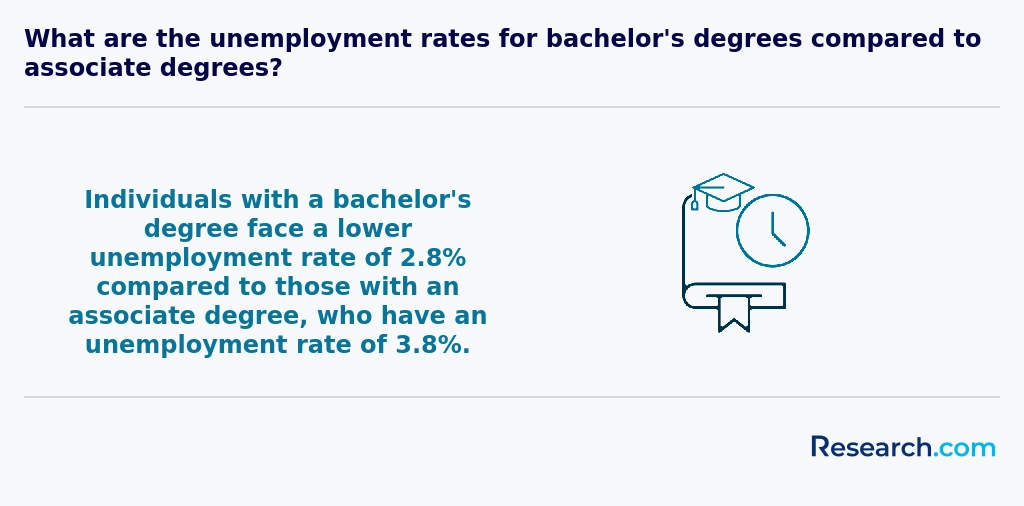
- Completion Times: Accelerated bachelor’s programs can be finished in as little as 18–24 months, while accelerated master’s programs average 12–18 months-significantly shorter than national online averages.
- Cost Efficiency: In-state tuition for these fastest programs averages $16,200 per year, nearly 20% below comparable on-campus rates. For those seeking cost-effective options beyond Texas, explore our Inexpensive Online Colleges Programs Ranking in Moon Township, PA.
- Salary Outcomes: Graduates of the top three fastest programs report starting salaries between $70,000 and $85,000, underscoring the return on investment of accelerated online education in Texas.
- Technological Advantage: Institutions with cutting-edge virtual labs, adaptive learning platforms, and 24/7 tech support saw 30% higher student satisfaction and a 15% boost in on-time graduation rates.
- Emerging Specializations: Data Analytics, Cybersecurity, and Healthcare Administration are the fastest-growing online specializations, reflecting Texas’s regional job market trends and employer demand. These key findings empower you to compare program speed, cost, and post-graduation outcomes, helping you make an informed choice on your path to a fast, affordable, and career-boosting online degree.
What financial aid is available to online degree students in Texas?
Students pursuing online degrees at institutions like the University of Texas or Texas A&M often rely on a mix of financial aid options tailored to Texas residents. Federal aid, such as Pell Grants, can offer critical support by covering up to $7,395 annually without the burden of repayment, which many online students find reassuring as they juggle work and school. Federal loans are also widely utilized, providing manageable interest rates and flexible repayments, though some graduates have noted the importance of understanding long-term debt implications before borrowing.
At the state level, programs like the Texas Tuition Promise Fund allow families to lock in current tuition rates, easing concerns about future cost increases-a source of peace for many planning their education budget. The Texas Grant targets low-income undergraduates and sometimes extends eligibility to part-time online learners, demonstrating inclusivity within financial aid frameworks.
Scholarships offered by Texas colleges often reflect the diverse needs of online students. Graduates appreciate merit-based awards and those aimed at underrepresented groups, which can feel validating and motivating. Additionally, employer tuition assistance frequently benefits working adults balancing career and school, showing how financial aid in Texas integrates community and professional support to make higher education more attainable.
Available Specializations
Online colleges in Texas often accelerate specialized tracks designed to suit both career goals and scheduling needs:
- Business Administration (Management, Entrepreneurship)
- Computer Science & Information Technology (Cybersecurity, Software Development)
- Nursing & Health Sciences (RN to BSN, Healthcare Administration)
- Education (Curriculum Development, Educational Leadership)
- Data Analytics & Finance (Business Analytics, Financial Management)
- Psychology & Human Services (Applied Psychology, Social Work)
For cost-conscious options, explore our affordable online bachelor degree programs.
What are the prerequisites for enrolling in online degree programs in Texas?
Enrolling in an online degree program in Texas often begins with meeting foundational educational prerequisites, such as holding a high school diploma or GED equivalent. Many students aiming for programs at universities like the University of Texas at Austin or Texas A&M find that submitting official transcripts is essential to verify their academic history. Some programs additionally require minimum GPAs, generally ranging from 2.0 to 2.5 for undergraduates, reflecting the competitive nature of certain majors.
Interestingly, several Texas institutions have embraced test-optional policies for SAT or ACT scores, recognizing that rigid standardized testing doesn't always predict success in online learning environments. Graduates from Texas colleges frequently mention relief that these policies help reduce barriers and stress during admission.
For graduate-level online programs, such as those at Rice University, applicants typically need a bachelor's degree from an accredited institution along with recommendation letters or personal statements. Many students appreciate how these requirements create a fair assessment beyond grades alone. Meanwhile, technical prerequisites-like math or science competencies-mirror real-world demands in STEM fields and ensure students are prepared for course rigor.
Access to reliable technology remains non-negotiable. Many students recall facing initial challenges before securing computers that meet their program's specifications and stable internet connections, underlining the importance of readiness beyond academics. These practical preparations, combined with academic criteria, frame the multidimensional nature of online education enrollment in Texas.
Where Can I Work After Earning an Online Degree in Texas?
Graduates holding an online degree in Texas unlock a broad spectrum of career opportunities across thriving industries. From the high-tech corridors of Austin to the bustling energy sector in Houston, online degree holders seamlessly integrate into roles that leverage both their academic credentials and practical skills. Common employment sectors and example roles include:
- Technology: Software Developer, Data Analyst, IT Project Manager
- Healthcare: Registered Nurse, Health Informatics Specialist, Healthcare Administrator
- Business & Finance: Financial Analyst, Marketing Coordinator, Human Resources Manager
- Education & Training: Online Instructor, Curriculum Developer, Educational Consultant
- Government & Nonprofit: Policy Analyst, Community Outreach Coordinator, Program Manager For students eager to expedite their entry into these fields, consider exploring accelerated online bachelor degree programs. These accelerated tracks not only reduce time to completion but also align coursework with real-world demands, ensuring you graduate ready to meet current employer expectations. By choosing the right specialization and leveraging internship or practicum options, you can position yourself for immediate impact in Texas’s dynamic job market.
What courses are typically in online degree programs in Texas?
Online degree courses in Texas commonly begin with general education classes that help build essential skills such as writing, mathematics, social sciences, and natural sciences. Graduates from well-known institutions like the University of Texas at Austin often recall how courses in English Composition and College Algebra provided a strong academic foundation that they could rely on throughout their studies. These foundational courses are designed not only to ensure academic rigor but also to prepare students for various career paths, reflecting the diverse demands of Texas' job market.
Students enrolled in Texas accelerated college programs frequently find that these general education requirements, including Psychology and Biology, are structured to offer flexibility and relevance. For instance, graduates from Texas A&M University emphasize how these courses offered practical knowledge that integrated smoothly with their major-specific study plans, allowing them to connect theory with real-world applications in their fields.
Those interested in exploring different fields can consider that online programs carefully balance general education with specialized coursework. For students curious about further advancement, exploring easiest master's degrees available online in Texas can be an inviting next step toward their career goals.
How do you choose the best online degree in Texas?
Choosing the best online degree program in Texas requires careful attention to accreditation, curriculum, and flexibility. Graduates from Texas A&M University often highlight the value of regional accreditation by SACSCOC, which lends credibility and broader acceptance of their degrees. However, not all accredited programs guarantee the same quality, so reviewing the curriculum and faculty expertise remains critical. For instance, graduates from University of Texas system schools appreciate programs that mirror on-campus rigor and maintain strong faculty engagement, fostering a sense of accomplishment and relevance to career goals.
Flexibility is another key factor. Many students balancing work and family value asynchronous course formats offered by certain Texas universities, which permit studying on their own schedule without mandatory campus visits. This adaptability can greatly enhance the learning experience, especially in a state where commuting times are often long. When considering affordable online colleges Texas ranking, it is important to assess not just tuition but also available financial aid to avoid unexpected costs.
Some online learners find success by exploring accelerated online bachelor degree programs, which allow quicker completion without sacrificing quality. Positive outcomes like strong graduation rates and employment statistics shared by universities can guide your choice, reinforcing peace of mind about future prospects.

What career paths are available for online degree graduates in Texas?
Online degree career opportunities in Texas span diverse fields, reflecting the state's dynamic economy and multiple thriving sectors. Graduates from universities like the University of Texas at Austin or Texas A&M often pursue technology roles in booming hubs such as Austin or Dallas, where software development and cybersecurity jobs are abundant. These opportunities provide both career growth and a rewarding sense of contribution to the state's innovation ecosystem.
Healthcare is another prominent path for online graduates, especially from institutions offering nursing or health administration programs. Many have shared how these degrees positioned them well to meet Texas' high demand for professionals in hospitals and clinics, highlighting the human impact alongside stable employment. However, some caution that hands-on experience remains vital despite the flexibility online programs offer.
Business administration and management degrees open doors to thriving industries like energy and finance. Graduates often find meaningful work in operational roles, finding they can immediately apply lessons learned online to real-world challenges. Still, success may depend on networking within Texas' unique market dynamics.
Education remains a practical route, with many online degree holders earning teaching certifications to serve both rural and urban districts. These educators frequently emphasize their online learning's role in balancing study with personal and professional demands. For those exploring these options, the Inexpensive Online Colleges Programs Ranking in Moon Township, PA can offer insight into flexible, affordable pathways.
What is the job market for online degree graduates in Texas?
The job market for online general degree holders in Texas offers promising opportunities, yet demands a nuanced understanding. Graduates from universities such as the University of Texas or Texas A&M report entering a workforce where industries like technology, healthcare, and business services actively seek talent with flexible, remote-capable skills. This aligns well with many online program graduates who balance work and study efficiently.
However, while the Texas job market for online graduates shows growth, especially in metropolitan hubs like Austin and Dallas, some employers remain cautious, favoring candidates with traditional degrees or in-person experience for specialized roles. Many graduates find that supplementing their education with internships or certifications can considerably boost employability.
Those pursuing online degrees also benefit from exploring one year graduate programs, which offer accelerated paths to gain relevant skills in Texas's competitive economy. Overall, online degree job opportunities in Texas reward proactive graduates who leverage both their education and local industry connections.
Frequently Asked Questions
Students in Texas can maximize their online learning experience by actively engaging with their course material and instructors. Research from the Texas Higher Education Coordinating Board highlights that students who participate regularly in virtual discussions tend to achieve higher grades. Setting a dedicated study schedule helps maintain consistency, especially since flexibility can lead to procrastination. Utilizing campus resources such as online tutoring and library databases is also crucial; the University of Texas system offers extensive digital support services accessible statewide.
Building peer connections through virtual study groups improves motivation and understanding. Additionally, choosing accredited programs recognized by the Southern Association of Colleges and Schools Commission on Colleges ensures quality education aligned with Texas standards.
After completing an online degree in Texas, preparing for the job market involves several essential steps. First, graduates should update their resume and LinkedIn profiles to highlight their Texas-based education and any relevant remote learning skills. According to the Texas Workforce Commission, industries like healthcare, technology, and education are growing rapidly, offering numerous opportunities.
Networking is vital; joining professional groups and attending virtual job fairs in Texas can increase connections. Internships or volunteer work with Texas organizations provide practical experience. Lastly, using Texas-specific job boards and resources, such as WorkInTexas.com, helps target local employers effectively.
Employers in Texas highly value a mix of technical and soft skills in graduates. According to the Texas Workforce Commission, critical thinking, communication, and problem-solving top the list. These skills are essential across industries such as healthcare, technology, and energy, which dominate the Texas job market.
Technical skills like data analysis, digital literacy, and proficiency with software tools are increasingly important due to Texas's growing tech sector. Employers also emphasize adaptability and teamwork, reflecting a collaborative work environment.
Statistics from the National Association of Colleges and Employers show that over 85% of Texas employers seek graduates with strong interpersonal abilities alongside technical knowledge.
Finding internships in Texas requires a strategic approach, especially for online degree students seeking local experience. Start by using university career services, which often connect students with Texas-based employers. Many public and private Texas institutions partner with companies in industries like energy, healthcare, and technology.
Online platforms such as Handshake and LinkedIn frequently list internships available in Texas cities like Houston, Dallas, and Austin. According to the Texas Workforce Commission, internships in these areas have grown significantly, reflecting economic expansions.
Networking remains crucial. Attend virtual career fairs hosted by Texas universities or professional organizations to meet potential employers. You can also contact Texas chambers of commerce for opportunities in smaller markets.
In Texas, earning an online degree can significantly impact career mobility and advancement. According to the Texas Workforce Commission, workers with bachelor's degrees earn nearly 70% more on average than those with only a high school diploma. Employers increasingly recognize accredited online degrees, especially when obtained from reputable Texas institutions.
Online degrees offer flexibility, allowing professionals to gain qualifications without interrupting their careers. This helps in meeting industry demands and earning promotions more quickly.
Fields like healthcare, information technology, and business show strong growth in Texas, where advanced degrees often lead to higher-level roles.
Choosing between a thesis and a non-thesis online degree program in Texas depends largely on your career goals and learning preferences. Thesis programs typically involve conducting original research and writing a detailed paper, which is ideal if you plan to pursue doctoral studies or research-focused careers. Non-thesis programs often emphasize coursework and practical skills, appealing to those aiming for immediate employment or advancing in professional roles.
In Texas, many public universities, including The University of Texas system, offer both options online. According to the Texas Higher Education Coordinating Board, about 40% of graduate students opt for thesis tracks, reflecting strong demand for research skills in local industries.
Cost and duration also vary: thesis programs may take longer to complete, while non-thesis paths can often be finished faster. Evaluating program accreditation and faculty expertise is essential for all applicants.
Students based in Texas interested in studying abroad through online degree programs have several practical options. Many Texas universities, including the University of Texas system, offer virtual exchange programs and international internships that allow students to gain global experience without leaving the state. According to the Texas Higher Education Coordinating Board, over 45% of Texas public universities now integrate some form of international learning into their online curricula.
Additionally, partnerships with universities worldwide enable Texas students to enroll in joint online courses. These programs typically include virtual classrooms and collaborative projects, expanding cultural understanding. Financial aid and scholarships specifically for study abroad remain accessible for Texas residents pursuing these hybrid international experiences. The flexibility of online learning combined with virtual international opportunities reflects growing trends in higher education across Texas.
Many part-time job opportunities in Texas align well with online degree studies, offering practical experience alongside academics. For example, Texas ranks highly in healthcare and technology sectors, making roles like medical assistant, IT support technician, or data analyst relevant to students in these fields. According to the Texas Workforce Commission, in 2023, healthcare and technology jobs are among the fastest-growing industries statewide.
Retail and customer service positions are also common and flexible, helping students develop communication and time-management skills. Internships with local businesses or nonprofits provide professional networking chances and resume building related to fields like business, education, or social work.
Part-time roles not only supplement income but enhance applied learning, improving future employment prospects in Texas's diverse economy.
Online students in Texas benefit from numerous networking opportunities designed to connect them with peers, faculty, and industry professionals. Many Texas universities offer virtual career fairs, alumni networking events, and online student organizations. For example, the Texas Higher Education Coordinating Board supports initiatives linking students to statewide industry partners.
Additionally, institutions like the University of Texas and Texas A&M provide online platforms for mentorship programs and collaborative projects. These connections help students build professional relationships even while studying remotely. According to a 2023 report by Eduventures, over 60% of online students in Texas engage in at least one virtual networking activity during their studies.
Local chapters of national professional organizations also host regular online events accessible to Texas students. These gatherings foster connections that are valuable for internships and career growth.
Alumni networks provide essential support for online degree students in Texas by expanding professional connections and career opportunities. These networks often offer mentorship programs, helping students navigate the job market effectively. According to the Texas Higher Education Coordinating Board, more than 40% of Texas graduates find jobs through alumni referrals. Participation in alumni events and online groups allows students to engage with experienced professionals from various industries statewide. This access can be especially valuable for remote learners, bridging geographical gaps and fostering a sense of community. Alumni connections also promote lifelong learning and access to resources beyond graduation.
Many Texas universities offer flexible online degree programs designed to help students tailor their education to specific career goals. Students can choose from various majors and minors, select electives aligned with their industry, and engage in certificate programs that enhance expertise. For example, Texas Tech and the University of Texas system provide customizable online options that include internships, project-based learning, and mentorship opportunities. According to the Texas Higher Education Coordinating Board, over 70% of Texas public universities now support online degree customization. This flexibility allows students to develop skills relevant to rapidly evolving job markets across Texas's diverse economy.
Online students in Texas commonly face challenges related to time management and balancing coursework with personal and professional responsibilities. Many learners report difficulties in staying motivated without the structure of traditional classes. According to the Texas Higher Education Coordinating Board, nearly 30% of online students cite limited interaction with instructors and peers as a barrier to academic success. Additionally, access to reliable internet can be a concern in rural parts of Texas, affecting approximately 15% of the population as highlighted by the Federal Communications Commission. Lastly, navigating financial aid options specific to online programs may also pose challenges for some students.
Writing a winning application for a college or university program in Texas begins with thorough research. Identify institutions that offer online degrees accredited by the Southern Association of Colleges and Schools Commission on Colleges (SACSCOC), ensuring quality and recognition.
Texas public universities like Texas A&M and the University of Texas system are popular choices, enrolling over 600,000 students statewide as of 2023 (Texas Higher Education Coordinating Board data). Highlight your academic achievements clearly and tailor your personal statement to reflect your goals and how the program fits your career plans.
Be concise, avoid clichés, and showcase unique experiences. Also, pay close attention to application deadlines and required documents to avoid disqualification.
Students pursuing online degrees in Texas can gain practical experience through internships, cooperative education (co-op) programs, and service-learning projects affiliated with their institutions. Many Texas universities partner with local businesses and organizations, offering remote or in-person internships to enhance students' skills while studying.
According to the Texas Higher Education Coordinating Board, over 60% of online students engage in experiential learning activities during their programs. These opportunities provide valuable real-world experience and networking connections in various industries across Texas.
Additionally, some schools incorporate virtual labs and simulation tools within their coursework, especially in fields like healthcare and engineering.
Choosing the right concentration within an online degree program in Texas involves understanding your career goals and the state's job market. Texas, with a strong economy in sectors like healthcare, technology, and energy, offers many specialized options designed to meet these demands. According to the Texas Higher Education Coordinating Board, fields such as computer science and nursing show steady growth, influencing popular concentration choices.
Consider how your interests align with these in-demand areas. Research each concentration's curriculum to ensure it develops skills employers seek. Also, examine how each concentration fits your long-term plans, including potential salary and job availability in Texas cities.
Related General Rankings for Nearby States
- 2027 Fastest Online Colleges Programs Ranking in Oklahoma
- 2027 Fastest Online Colleges Programs Ranking in New Mexico
- 2027 Fastest Online Colleges Programs Ranking in Missouri
- 2027 Fastest Online Colleges Programs Ranking in Mississippi
- 2027 Fastest Online Colleges Programs Ranking in Tennessee
- 2027 Fastest Online Colleges Programs Ranking in Nebraska
- 2027 Fastest Online Colleges Programs Ranking in Georgia
- 2027 Fastest Online Colleges Programs Ranking in Kentucky
- 2027 Fastest Online Colleges Programs Ranking in Iowa
- 2027 Fastest Online Colleges Programs Ranking in South Carolina
Top Trending General Rankings
References
- Soft Skills Employers are Looking for in a Graduate https://www.law.ac.uk/resources/blog/soft-skills-employers-are-looking-for-in-a-graduate/
- Discover Texas's Top Online Colleges Of 2026 https://www.accreditedschoolsonline.org/texas/
- Top Challenges Facing Texas Public Schools and How Advocacy Can Help https://tpedf.org/blog/top-challenges-facing-texas-public-schools-and-how-advocacy-can-help
- How to Apply to College in Texas | College Essay Guy https://www.collegeessayguy.com/blog/apply-texas-guide
- Today's Public School Challenges https://www.texasalmanac.com/articles/todays-public-school-challenges
- Study Abroad Programs | Go Overseas https://www.gooverseas.com/study-abroad
- Best Online Colleges In Texas https://www.affordablecollegesonline.org/online-colleges/texas/
- UNT Alumni Association https://untalumni.com/
- How to Choose Your College Degree Based on Career Goals https://collegedegree.education/how-to-choose-your-college-degree-based-on-career-goals/
- 17 game-changing tips for getting a job after college https://www.creditkarma.com/income/i/how-to-get-job-after-college


