
2027 Most Valuable Online Colleges Programs Ranking in Rhode Island

Co-Founder and Chief Data Scientist
Choosing the right online degree program can feel overwhelming, especially with so many options available. That's why this article presents the 2027 Most Valuable Online Colleges Programs Ranking in Rhode Island, crafted by the Research.com team of data scientists. It offers clear insights to help you find programs that provide real value in today's job market.
By exploring this ranking, you'll gain confidence in your educational choices and discover opportunities tailored to your goals. Earning a degree can open doors to new careers and personal growth, making the journey worthwhile.
Key benefits of getting online degrees in Rhode Island
- In Rhode Island, online graduates with a bachelor's degree earn about $15,000 more annually than those with only a high school diploma, boosting financial stability and career growth.
- A University of Rhode Island online business graduate often starts roles in marketing or management, quickly advancing thanks to practical skills and flexible learning.
- Bryant University online learners enjoy flexibility to balance work and study, gaining the same respected degree as on-campus students while managing their own schedule.
- Key benefits of getting online degrees in Rhode Island
- What can I expect from online degrees in Rhode Island?
- How much can I make with online degrees in Rhode Island?
- 2027 Most Valuable Online Colleges Programs Ranking in Rhode Island
- Key Findings
- How long does it take to complete online degrees in Rhode Island?
- What's the difference between online and on-campus degree?
- What is the average cost of online degrees in Rhode Island?
- What financial aid is available to online degree students in Rhode Island?
- What are the prerequisites for enrolling in online degree programs in Rhode Island?
- What courses are typically in online degree programs in Rhode Island?
- How do you choose the best online degree in Rhode Island?
- What career paths are available for online degree graduates in Rhode Island?
- What is the job market for online degree graduates in Rhode Island?
- Related General Rankings for Nearby States
- Top Trending General Rankings
What can I expect from online degrees in Rhode Island?
Enrolling in an online degree program in Rhode Island means embracing flexibility that fits your busy life. Imagine balancing a full-time job while attending asynchronous classes at the University of Rhode Island, where graduates often highlight the convenience of studying when it suits them best without missing critical coursework. Hybrid options add the chance to engage in live virtual sessions, fostering real-time connections with peers and instructors that make learning feel collaborative and supportive.
Students frequently appreciate the tangible benefits of local tuition rates, especially at institutions like Rhode Island College, where in-state tuition around $275 per credit hour eases financial pressure. Many graduates describe feeling confident knowing their accredited degrees meet rigorous regional standards, opening doors in healthcare or IT sectors aligned with Rhode Island's workforce needs.
Personalized support plays a key role; from academic advising to online tutoring, these resources create a nurturing environment that many find motivating and reassuring. Envision a graduate recalling how career counseling helped navigate job searches, turning their flexible studies into real professional success stories.
How much can I make with online degrees in Rhode Island?
Graduates earning online degrees from institutions like the University of Rhode Island or Rhode Island College often see a notable boost in income compared to those with only a high school diploma. For example, those with a bachelor's degree typically earn about $70,000 annually, a stark difference from the $40,000 average for non-degree holders. Online associate degree graduates often report salaries ranging from $35,000 to $50,000, depending on their industry.
Many graduates from Rhode Island's online programs-especially in healthcare or technology fields-share stories of quickly advancing their careers and enjoying salary increases beyond $90,000. Graduates with online master's degrees from local universities, such as in education leadership or healthcare administration, frequently surpass these earnings, reflecting the state's growing demand for specialized skills.
With Rhode Island's expanding sectors and strong economic outlook, those investing in online education can envision a promising financial future, driven by access to competitive job markets where educated candidates are highly valued.
2027 Most Valuable Online Colleges Programs Ranking in Rhode Island
How do we rank schools?
Investing in your education is a significant decision that can profoundly impact your future, and the Research.com team is committed to helping you make informed choices. To support prospective students in Rhode Island, we have carefully developed the "2027 Most Valuable Online Colleges Programs Ranking in Rhode Island." Our dedication to quality, credibility, and accuracy is demonstrated through rigorous research and thorough analysis. We utilized the following reputable data sources to ensure a comprehensive and trustworthy evaluation:
By exploring this ranking, readers will gain valuable insights into the most valuable online college programs in Rhode Island, enabling them to confidently navigate their educational options. For a deeper understanding of how this ranking was created, please visit our Research.com methodology page.


Key Findings
- Rhode Island's public universities offer fully online bachelor's and master's degree programs in fields like education, business, healthcare, and engineering.
- The average total cost for a bachelor's degree is around $26,000 per year, with online tuition ranging from $350 to $550 per credit hour for in-state students.
- The average starting salary for graduates in Rhode Island is about $50,000, increasing to roughly $75,000 annually for experienced workers.
- Healthcare jobs in Rhode Island are projected to grow by over 12% between 2022 and 2032, reflecting strong demand in this field.
- Online degrees in Rhode Island are regionally accredited, ensuring their recognition for employment and further education, and students can access federal and state financial aid.
How long does it take to complete online degrees in Rhode Island?
Online degree completion times in Rhode Island are becoming more flexible and customizable, responding to diverse student needs. Graduates from the University of Rhode Island have shared how they accelerated their bachelor's degrees by taking advantage of flexible course schedules, finishing in about three years instead of four. Similarly, students at Rhode Island College often utilize part-time options, balancing work and study, which can extend their timeline but still keep momentum toward graduation.
Emerging trends such as competency-based education allow future students to progress by demonstrating skills rather than relying solely on credit hours, offering a personalized pace. This approach can significantly shorten degree timelines, especially in master's programs where credit requirements range from 30 to 36 credits. Graduates often express satisfaction with being rewarded for prior professional experience, which some institutions in Rhode Island now recognize, effectively reducing overall time to degree completion.
These developments suggest that while traditional associate, bachelor's, and master's programs generally align with two, four, and one-to-two-year durations respectively, Rhode Island online learners increasingly enjoy the freedom to tailor their educational journey, often completing faster than expected.
What's the difference between online and on-campus degree?
Graduates from the University of Rhode Island often recall the energizing campus atmosphere, where face-to-face interactions with professors and peers spark lively discussions and networking opportunities. In contrast, those completing online degrees through Rhode Island College describe the freedom to study on their own schedules, balancing work and family without the daily commute. This flexibility fosters a sense of empowerment, allowing students to take ownership of their learning pace.
Looking ahead, online programs in Rhode Island are likely to integrate more interactive technologies, enabling virtual labs and real-time collaboration that mirror on-campus experiences. For example, an online health sciences student might participate in virtual simulations before attending occasional in-person clinicals, blending convenience with hands-on learning.
Cost considerations also evolve as online students save on housing and transport without missing the quality associated with public universities in the state. With regional accreditation from NECHE, degrees earned online hold the same credibility as on-campus counterparts, reassuring students about the value of their investment.
Ultimately, whether attending URI's historic campus or studying online from home, Rhode Island students are discovering personalized paths that suit diverse lifestyles and ambitions.
What is the average cost of online degrees in Rhode Island?
The average cost of an online degree in Rhode Island generally centers around $30,937, reflecting a balance between public and private institution pricing. Graduates from popular schools such as the University of Rhode Island often recall paying about $325 per credit hour, which adds up to nearly $39,000 for a full undergraduate degree. This cost can feel manageable when considering the flexibility online learning offers, especially for those balancing work and family commitments.
Rhode Island online college tuition and fees for private universities tend to be higher, ranging from $30,000 to $50,000 annually. Former students at institutions like Bryant University describe the value they gained despite the upfront expense, particularly praising the personalized attention and networking opportunities that came with private education.
Many learners find reassurance in how state financial aid and federal grants ease the burden, making these online degrees more accessible. Some Rhode Island residents who have pursued advanced studies also explore shorter alternatives like 1 year phd programs, which can be more affordable and time-efficient.
Looking ahead, as digital education technology evolves, costs might become even more competitive, with institutions adapting to meet student needs and offering innovative tuition models. For now, understanding the average cost of online degrees in Rhode Island helps prospective students plan effectively and embrace the possibilities offered by local universities.

What financial aid is available to online degree students in Rhode Island?
Online degree students in Rhode Island often find financial aid options tailored to their needs, easing the path to earning a degree from schools like the University of Rhode Island or Rhode Island College. Graduates recall applying for federal aid through FAFSA, unlocking grants such as the Pell Grant, which can provide up to $7,395 annually for those with demonstrated financial need. This initial step often sparks a sense of relief and motivation to pursue their goals.
State-specific programs like the Rhode Island Promise Scholarship, offering up to $6,500 annually for community college attendees, have transformed the affordability of online courses at institutions such as the Community College of Rhode Island. Many students share how this support helped lower their tuition from an intimidating $10,000-$15,000 range to something manageable.
- Federal Direct Loans offer fixed-interest, flexible repayment options, a critical resource for balancing work and study commitments.
- Institutional scholarships designed specifically for online learners provide unexpected financial boosts, often making a decisive difference.
- Employer tuition assistance programs increasingly support adult learners juggling career and education, reflecting Rhode Island's evolving workforce.
- Veterans enjoy benefits like the GI Bill, which covers substantial tuition costs for online programs across state colleges.
With accreditation ensuring access to these aids, many find that pursuing online degrees in Rhode Island is not just feasible but inspiring-empowering students to envision degrees without overwhelming debt while managing personal and professional lives.
What are the prerequisites for enrolling in online degree programs in Rhode Island?
Enrolling in an online degree program in Rhode Island often begins with foundational prerequisites like holding a high school diploma or GED, a step familiar to graduates from institutions such as the University of Rhode Island or Rhode Island College. Many students recall feeling reassured after submitting official transcripts, which confirm their readiness and pave the way for smooth acceptance. For those aiming for specialized fields like nursing, having completed relevant coursework in biology or chemistry is typically expected, echoing experiences shared by alumni who appreciated the clarity this brought to their application process.
English proficiency remains a key requirement, especially for international students navigating programs at Rhode Island School of Design or Bryant University. Graduates remember how submitting TOEFL or IELTS scores helped them feel confident in their communication skills. Technology readiness is another important factor; reliable internet and suitable devices become practical tools, not hurdles, with clear guidelines provided by Rhode Island colleges, making remote learning both accessible and enjoyable.
Looking ahead, these prerequisites may evolve with increasing emphasis on personalized assessments or portfolio submissions, reflecting a hopeful trend toward more flexible admissions. Current students often express excitement about the growing financial aid options and streamlined digital applications that ease the path to enrollment in Rhode Island's vibrant online education scene.
What courses are typically in online degree programs in Rhode Island?
Online degree programs Rhode Island courses commonly include core general education subjects that build essential skills like critical thinking, communication, and quantitative reasoning. Graduates from institutions such as Rhode Island College often reflect on how courses in English composition, mathematics, and social sciences grounded their academic journey, providing confidence to engage in diverse professional settings. These foundational courses typically integrate interactive elements tailored for remote learners, making the learning experience both flexible and engaging.
Beyond the basics, Rhode Island online college course options adapt dynamically to emerging local workforce needs. For example, graduates from the University of Rhode Island share how healthcare-focused classes-like health informatics and nursing ethics-prepare them for rising regional demand. Business and IT courses also anticipate future trends, covering data analytics and cybersecurity, which resonate with students eager to thrive in the digital economy. Many students find that such targeted programs enhance their career prospects while balancing personal commitments.
Students exploring affordable online study pathways often seek the cheapest online college options, appreciating how Rhode Island institutions maintain rigorous academic standards without sacrificing accessibility or quality.
How do you choose the best online degree in Rhode Island?
Choosing the best online degree program in Rhode Island means looking ahead to how education fits into your evolving life and career. Graduates from popular universities in the state often share how programs offering flexible schedules and strong online support helped them balance work and family while advancing their skills. Programs that connect directly with Rhode Island's job market trends-such as healthcare or business-can lead to quicker employment, especially as the state's economy shifts. Considering affordability is crucial; many find that affordable online colleges in Rhode Island provide high-value education without the financial strain, especially when paired with scholarships or aid.
Exploring options with clear credit transfer policies is another strategy used by those returning to education mid-career, maximizing their previous learning. Future-focused students also rely on institutions holding solid accreditation; Rhode Island's recognized schools, verified through sources like the best accredited non profit colleges, offer reassurance about program quality and recognition for years to come.
What career paths are available for online degree graduates in Rhode Island?
Graduates earning online degrees in Rhode Island are stepping into dynamic career paths shaped by the state's evolving economy. Many find rewarding opportunities in healthcare, reflecting local sector growth. For instance, online degree holders from popular Rhode Island colleges report landing roles as registered nurses or health information managers, helping expand community access to care. These experiences highlight the promising job prospects Rhode Island online graduates can anticipate in this field.
Others leverage their degrees in education, joining K-12 schools or adult education programs across Rhode Island's urban centers. Graduates engaged in instructional design or educational leadership often mention the satisfaction of directly impacting student success at institutions known statewide. The technology sector also attracts online graduates skilled in cybersecurity and data analytics. Rhode Island's increasing digital infrastructure creates fertile ground for them to thrive in start-ups or established firms.
Business and maritime logistics provide additional exciting directions, reflecting Rhode Island's coastal economy. For those exploring online degree career opportunities Rhode Island offers, graduates often share how flexible programs at local universities helped balance study and career moves. Prospective students can find more on accredited online colleges with no application fee to begin their journeys confidently.
What is the job market for online degree graduates in Rhode Island?
The job market for graduates holding an online degree in Rhode Island continues to evolve positively, especially for those from universities popular for distance learning in the state. Graduates often share how their flexible study schedules at local institutions allowed them to balance work and family life while gaining skills that meet local employer demands. For example, healthcare and technology fields within Rhode Island's diverse economy actively seek candidates with adaptable, project-based learning experiences typical of online programs.
Many Rhode Island online graduates employment opportunities arise in booming sectors like cybersecurity and healthcare administration, where employers appreciate practical skills and accreditation over traditional education modes. Graduates often find themselves thriving in Providence's financial services as well, with roles in accounting and business management.
Looking ahead, the support from workforce initiatives and the vibrant professional networks available within Rhode Island can enhance job prospects. To explore the best online degree programs with financial aid, consider researching the best online colleges that accept fafsa.
Frequently Asked Questions
Students in Rhode Island can maximize their online learning experience by taking advantage of local resources and structured study habits. Many Rhode Island colleges offer virtual tutoring and library access, which are essential for academic success. According to the Rhode Island Board of Education, nearly 40% of students benefit from supplemental online academic support services. Setting a consistent schedule and creating a distraction-free study space also helps improve focus and retention.
Engaging actively in online discussions and group projects fosters collaboration and deeper understanding. Additionally, connecting with Rhode Island's academic advisors can ensure students align their coursework with career goals. Using these strategies enhances the value and effectiveness of online degrees in the state.
After earning an online degree in Rhode Island, preparing for the job market requires strategic steps. Graduates should focus on building a strong professional network by attending local career fairs and joining Rhode Island-specific groups such as RI Tech Collective. According to the Rhode Island Department of Labor and Training, sectors like healthcare and technology are growing rapidly, so targeting these industries can increase job prospects.
Updating and tailoring your resume to highlight online learning skills, such as time management and digital communication, is vital. Utilizing career services offered by online colleges can provide access to job listings and interview preparation tailored to Rhode Island's market.
Employers in Rhode Island highly value a combination of technical and soft skills in graduates, particularly those seeking online degrees. According to the Rhode Island Department of Labor and Training, communication skills rank among the top abilities desired by local employers. These include writing, speaking, and digital communication proficiency.
Critical thinking and problem-solving skills are emphasized across industries such as healthcare, manufacturing, and technology, which are significant sectors in Rhode Island's economy.
Data from labor market reports also highlight teamwork and adaptability as key skills, reflecting the evolving nature of remote and hybrid work environments.
Employers increasingly seek graduates who can demonstrate digital literacy and familiarity with specific software relevant to their field.
Finding internships in Rhode Island involves leveraging local resources and online tools tailored for students pursuing degrees in the state. Start by exploring career services departments offered by many Rhode Island colleges and universities, even for online students. These offices often maintain lists of internship opportunities and employer connections.
Additionally, platforms like Handshake and LinkedIn list Rhode Island-specific internships, including those in Providence and Warwick, which are hubs for healthcare, education, and manufacturing industries. According to the Rhode Island Department of Labor and Training, the healthcare sector alone employs over 60,000 people, offering many internship options for students.
Networking with local professional organizations and attending virtual job fairs can also increase internship prospects. Students should regularly check state government websites, as Rhode Island sponsors internship programs in various departments and agencies.
In Rhode Island, obtaining an online degree can significantly impact career mobility and advancement. According to the Rhode Island Department of Labor and Training, individuals with a bachelor's degree earn approximately 60% more annually than those with only a high school diploma. Employers in sectors like healthcare, technology, and education increasingly prefer candidates with accredited online degrees, aligning with state workforce trends.
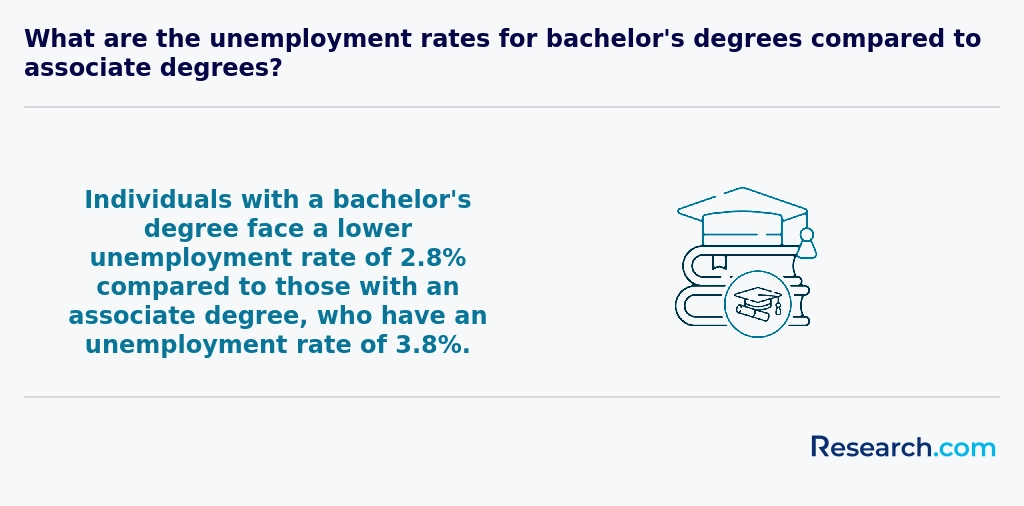
The flexibility of online programs also allows working professionals to gain new skills without interrupting their careers. This is crucial in Rhode Island's competitive job market, where continuous learning supports promotion opportunities. Regional economic reports highlight that degree holders have lower unemployment rates and access to higher-level positions.
When deciding between a thesis and a non-thesis online degree program in Rhode Island, students should consider their career goals and learning preferences. Thesis programs typically require original research, suitable for those planning to pursue doctoral studies or research-heavy positions. Non-thesis options focus more on coursework and practical knowledge, ideal for professionals aiming to advance in industry roles.
Rhode Island's universities, such as the University of Rhode Island, offer both formats, accommodating diverse student needs. According to the National Center for Education Statistics, about 35% of graduate students nationwide opt for thesis tracks, while 65% choose non-thesis options. This split reflects a trend seen locally.
It is also important to assess time commitments and flexibility, as thesis work can extend program duration. Students should review program details and speak with academic advisors to make an informed choice aligned with their future plans.
Students based in Rhode Island who pursue online degrees have several options to study abroad through their institutions' international programs. Many Rhode Island colleges partner with universities worldwide, offering exchange programs or short-term study abroad opportunities. For example, the University of Rhode Island is known to facilitate global learning experiences, enabling online students to participate when feasible.
These programs often include virtual exchanges or hybrid models combining online coursework with an in-person abroad component. According to data from the Rhode Island Office of Higher Education, nearly 15% of local college students engage in study abroad annually, though this figure is lower for fully online students due to geographic and scheduling constraints.
Additionally, some online degree programs incorporate international internships or service-learning projects that provide global exposure without requiring long-term relocation.
In Rhode Island, part-time jobs that align with online degree studies often depend on the field of education. For example, students pursuing healthcare-related degrees can find roles as medical assistants or pharmacy technicians, supported by the state's growing healthcare sector, which employed over 80,000 people in 2023 according to the Rhode Island Department of Labor.
Those studying business or technology may consider part-time positions in retail management or IT support, leveraging the robust small business environment in cities like Providence. These roles help develop practical skills while accommodating class schedules.
Additionally, education majors might work as teacher aides or tutors in local schools, which benefit from Rhode Island's emphasis on improving K-12 education outcomes.
Online students in Rhode Island have several networking opportunities despite the virtual learning format. Many colleges in the state offer access to virtual career fairs, connecting students to local employers and industry professionals. For example, the University of Rhode Island features online platforms where learners can join professional groups and attend webinars tailored to Rhode Island's job market.
Additionally, statewide organizations such as the Rhode Island Technology Council provide online events and meetups that online students can participate in to build local connections.
According to the Rhode Island Department of Labor and Training, these resources are critical given the state's focus on tech and healthcare industries.
Alumni networks in Rhode Island offer significant benefits for students enrolled in online degree programs. These networks create valuable connections that can help with job placements and internships, especially in industries thriving within the state, like healthcare and education. According to the Rhode Island Department of Labor and Training, the state's employment sectors often favor candidates with strong professional ties. Alumni networks provide mentorship opportunities, guiding students through their academic journey and career development.
Participation in Rhode Island-based alumni events allows online students to build local connections despite remote learning. Such links can increase access to job fairs and networking events held by institutions like the University of Rhode Island and Rhode Island College. Strong alumni networks also foster a sense of community, which supports persistence and graduation rates among online students.
Students in Rhode Island can tailor their online degree programs to align with specific career goals by selecting from a variety of flexible course options. Many accredited institutions in the state offer customizable majors, minors, and elective courses that focus on in-demand fields such as healthcare, technology, and business. Rhode Island's higher education system supports personalized learning pathways, including internships and project-based courses, allowing practical experience alongside theoretical knowledge.
According to the Rhode Island Department of Labor and Training, fields like information technology and health services are projected to grow by over 10% through 2030, encouraging students to choose relevant specializations. Additionally, some universities provide academic advising dedicated to helping online students plan their curricula strategically.
Online students in Rhode Island often face challenges with balancing coursework and personal responsibilities. Many learners juggle jobs, family, and studies, which can lead to time management difficulties. According to the Rhode Island Board of Education, about 40% of online students report struggles with staying motivated due to the lack of in-person interaction.
Technology access can also be an issue. While Rhode Island has improved broadband availability, households in rural areas still face connectivity problems, affecting the quality of online learning. Additionally, students may find it hard to access academic support or career services remotely, which are crucial for success.
Another challenge is ensuring the quality and recognition of online programs. Students must verify that their chosen program is accredited and accepted by local employers to optimize their future job prospects.
Writing a winning application for an online degree program in Rhode Island begins with thorough research of the institution and its admission criteria. Focus on aligning your personal statement with the program's goals, emphasizing how your background and career objectives match the school's offerings.
Rhode Island colleges, such as the University of Rhode Island and Rhode Island College, often value clear, well-structured essays that demonstrate motivation and resilience. Include specific examples of your achievements and experiences, using concise language.
Ensure all required documents-transcripts, recommendation letters, and test scores-are submitted on time. According to the Rhode Island Department of Education, a strong application also reflects attention to detail and professionalism.
Rhode Island students pursuing online degrees can gain practical experience through internships, cooperative education (co-op) programs, and community partnerships. Many universities in the state collaborate with local businesses and organizations in Providence and beyond, offering work-based learning opportunities that complement virtual coursework.
According to the Rhode Island Department of Labor and Training, over 70% of employers in the state value internships when considering new hires, highlighting their importance for career readiness. Online students should seek programs with strong employer ties or dedicated career services to secure relevant internships.
Additionally, volunteering with local nonprofits or participating in virtual simulations and project-based assignments can enhance practical skills. Students are encouraged to use resources like the Rhode Island Career Hub for guidance on connecting with employers.
Choosing the right concentration within an online degree program in Rhode Island depends on your career goals and local job market trends. Rhode Island's growing industries, such as healthcare, education, and technology, often influence concentration options at local institutions. According to the Rhode Island Department of Labor and Training, healthcare jobs are projected to grow by over 15% through 2030, suggesting strong demand for degrees in health sciences or nursing.
Consider concentrations that align with these expanding sectors to improve employment chances after graduation. Also, review program details carefully, including curriculum and faculty expertise, to ensure relevant skills are taught.
Evaluating accreditation and transferability of credits within Rhode Island higher education networks can also guide a sound decision. Engaging with academic advisors may provide insights specific to your educational background and professional ambitions.
Related General Rankings for Nearby States
- 2027 Most Valuable Online Colleges Programs Ranking in Massachusetts
- 2027 Most Valuable Online Colleges Programs Ranking in Connecticut
- 2027 Most Valuable Online Colleges Programs Ranking in New York
- 2027 Most Valuable Online Colleges Programs Ranking in New Jersey
- 2027 Most Valuable Online Colleges Programs Ranking in Pennsylvania
- 2027 Most Valuable Online Colleges Programs Ranking in Maine
- 2027 Most Valuable Online Colleges Programs Ranking in Maryland
- 2027 Most Valuable Online Colleges Programs Ranking in Virginia
- 2027 Most Valuable Online Colleges Programs Ranking in Ohio
- 2027 Most Valuable Online Colleges Programs Ranking in West Virginia
Top Trending General Rankings
References
- Can Higher Education Improve Long-Term Career Success https://studysphereadvisors.com/how-higher-education-influences-long-term-career-growth/
- Thesis vs Non-Thesis Master's in the USA: How to Choose https://www.globalstudyboard.com/guides/thesis-vs-non-thesis-masters-usa
- Skills for Rhode Island's Future | Jobs in Rhode Island https://skillsforri.com/
- The Best Internships in Rhode Island | Perspectives https://www.perspectivescorporation.com/intern/
- Rhode Island Has New Shared Data about Students in Foster Care https://imprintnews.org/opinion/what-can-we-learn-from-rhode-islands-new-data-about-students-experiencing-foster-care/237868
- Home Page - RIL Internship Site https://rilegislature.gov/internship/pages/intern-home.aspx
- Community Priorities https://rifoundation.org/investing-in-a-thriving-rhode-island/community-priorities
- About - RI Reconnect https://rireconnect.org/about/
- Case Study: Rhode Island https://betterlesson.com/case-study/rhode-island/
- Free Application for Federal Student Aid (FAFSA) - PrepareRI https://www.prepare-ri.org/fafsa


