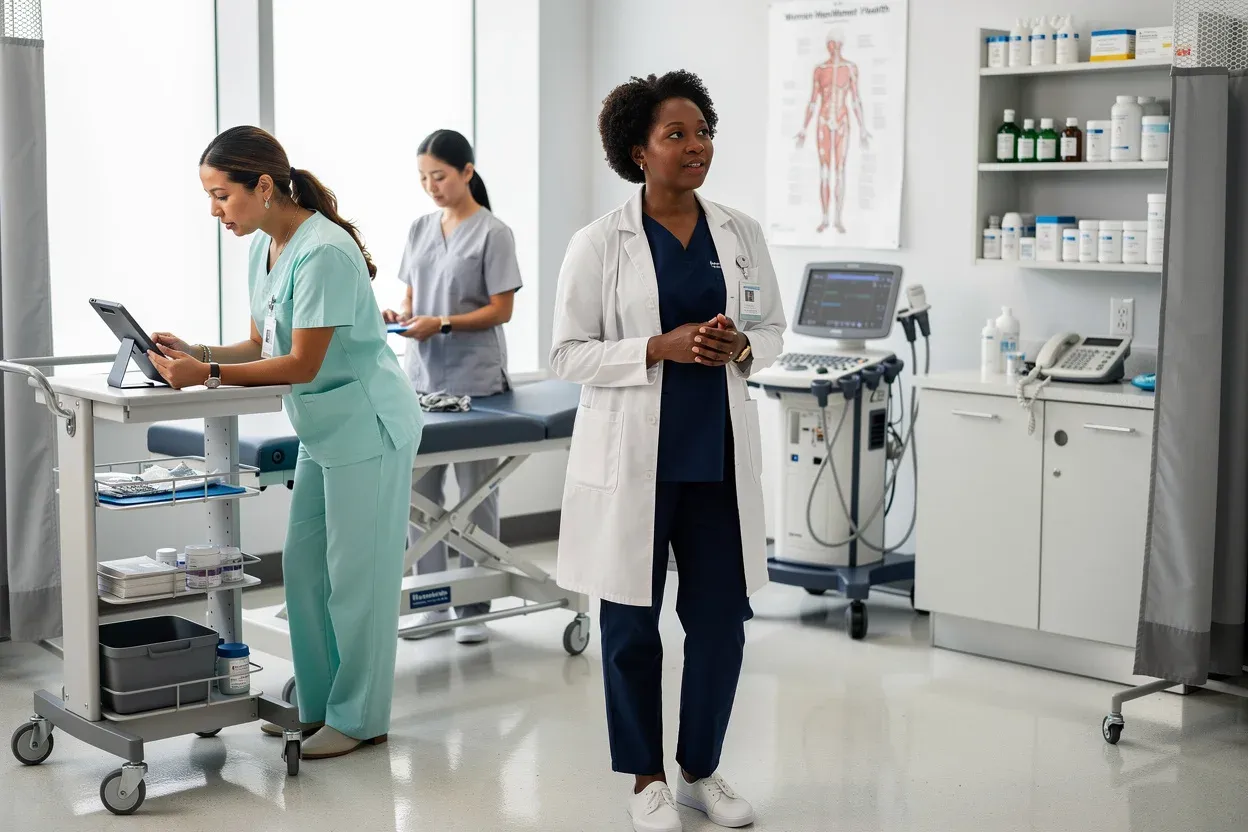
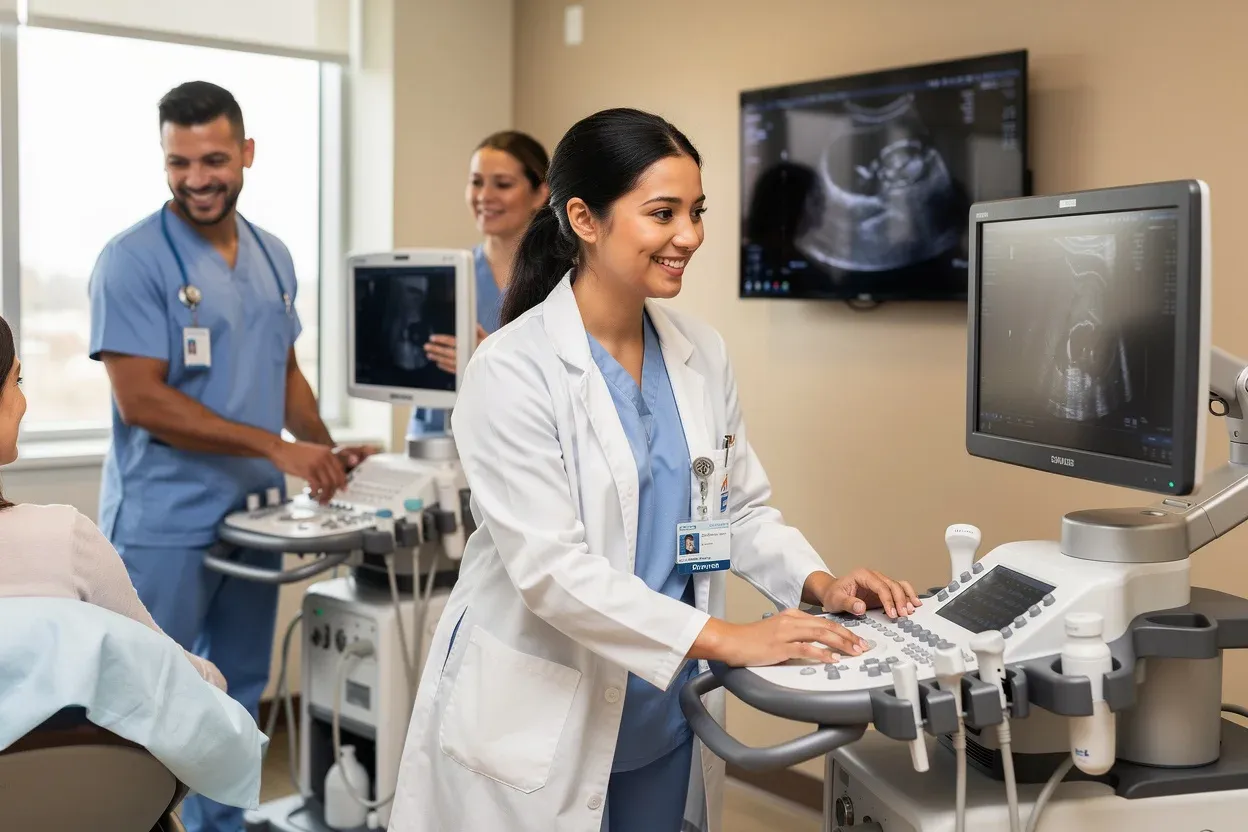
2026 Industries Hiring Graduates With a Nursing Informatics Degree

Co-Founder and Chief Data Scientist
Where do graduates with a nursing informatics degree typically find career opportunities? With the healthcare sector increasingly reliant on data management and technology, demand for professionals skilled in nursing informatics continues to grow. According to the U. S. Bureau of Labor Statistics, jobs related to healthcare informatics are expected to increase by 15% through 2031, well above the average growth rate for all occupations. Graduates with this degree often explore diverse roles beyond hospitals, including technology firms, insurance companies, and government agencies. This article examines the industries hiring graduates with a nursing informatics degree, offering insights to guide job seekers in the field.
Key Benefits of Industries Hiring Graduates With a Nursing Informatics Degree
- Diverse industries hiring graduates with nursing informatics degrees expand career options, offering employment flexibility across healthcare, technology, and government sectors.
- Growing demand for nursing informatics professionals supports long-term career growth and professional stability amid evolving healthcare systems.
- Cross-industry work promotes transferable skills development, enhancing graduates' experience and adaptability in various professional environments.
What Industries Have the Highest Demand for Nursing Informatics Majors?
Demand for nursing informatics majors spans multiple industries that blend healthcare with data and technology. According to recent industry reports, over 65% of large healthcare organizations have expanded their nursing informatics teams to support digital health initiatives. These trends highlight critical sectors actively recruiting graduates with nursing informatics expertise.
- Healthcare Providers: Hospitals and clinics increasingly rely on nursing informatics specialists to streamline electronic health records (EHR) and improve clinical workflows, enabling data-driven decisions that enhance patient care quality.
- Health IT Companies: These firms develop healthcare software solutions where nursing informatics professionals apply their clinical knowledge to optimize usability, enhance interoperability, and ensure compliance with health regulations.
- Pharmaceutical and Biotechnology: Organizations in this sector employ nursing informatics experts to handle clinical trial data, oversee drug safety monitoring, and analyze patient outcomes, all of which accelerate research accuracy and regulatory adherence.
- Public Health Agencies: Nursing informatics supports these agencies by integrating clinical data for disease surveillance, population health management, and evidence-based policy formulation to improve community health outcomes.
- Consulting Firms: These firms hire nursing informatics graduates to guide healthcare technology implementations, promote digital transformation projects, and train clinical staff on new informatics tools, bridging healthcare and IT strategy.
Prospective students interested in exploring career paths across these industries should consider the nursing school acceptance rate to better understand their educational options and entry barriers in this growing field.
Table of contents
Which Industries Have the Strongest Job Outlook for Nursing Informatics Graduates?
Job outlook for nursing informatics graduates is often evaluated by industry growth trends, workforce needs, and hiring projections. For example, employment of medical and health services managers, which includes many nursing informatics roles, is expected to grow by 28% from 2021 to 2031, signaling strong demand. Several industries are particularly promising for professionals with this degree.
- Hospitals and Health Systems: The continued adoption of electronic health records (EHRs), telehealth, and advanced data analytics creates a growing need for nursing informatics experts who can integrate clinical care with technology effectively.
- Health Information Technology Companies: These firms design software aimed at improving patient outcomes and operational efficiency. Rising use of artificial intelligence and machine learning in healthcare further increases demand for professionals who understand both IT and clinical workflows.
- Government Agencies: Public health organizations require skilled workers to manage large datasets for disease surveillance, policy implementation, and population health management, especially with strict data privacy regulations like HIPAA.
- Insurance Companies: Nursing informatics specialists help analyze clinical and claims data to improve risk assessment, detect fraud, and enhance patient care management, driven by evolving reimbursement models.
- Academic and Research Institutions: These institutions employ graduates to support clinical research and health data studies, benefiting from expanded focus on evidence-based healthcare improvements.

What Entry-Level Jobs Are Available for Nursing Informatics Graduates?
Entry-level positions help nursing informatics graduates apply their combined knowledge of healthcare and technology in professional settings. These roles form the basis for developing expertise in managing clinical data and improving healthcare practices. Statistics show that about 65% of graduates in this field find employment in such roles within six months of finishing their studies. Below are some common entry-level job options.
- Clinical Informatics Specialist: This role focuses on supporting electronic health record (EHR) systems by assisting with user training, troubleshooting issues, and collecting data. It provides practical experience in healthcare IT operations and helps new professionals understand clinical workflows.
- Health Informatics Analyst: Entry-level analysts gather and interpret health data to aid clinical decisions and administrative tasks. They prepare reports and assist with system upgrades, building skills in data management and informatics applications.
- Clinical Systems Trainer: Trainers educate medical staff on new health IT software and updates, honing communication skills by explaining technical concepts clearly and ensuring smoother technology adoption.
- Healthcare IT Project Coordinator: Professionals in this position help schedule activities, coordinate team communications, and track project progress related to healthcare technology, gaining insight into project management in informatics.
- Quality Improvement Assistant: This job involves collecting and analyzing healthcare data to support efforts aimed at enhancing care quality and complying with regulations, fostering awareness of healthcare standards and outcomes measurement.
A nursing informatics graduate I spoke with described the early job search as challenging yet rewarding. They mentioned feeling overwhelmed initially by the technical complexity but appreciated how entry-level roles allowed gradual skill development. "Starting as a clinical systems trainer, I learned to translate jargon into understandable terms, which boosted my confidence," they recalled. The hands-on experience and daily interaction with healthcare teams helped them bridge the gap from theory to real-world impact, which was crucial in building their career foundation.
What Industries Are Easiest to Enter After Graduation?
Industries considered easier to enter for nursing informatics graduates typically feature high volumes of entry-level hiring, broad acceptance of relevant degrees, and fewer specialized prerequisites. According to a 2023 survey by the National Association of Colleges and Employers, more than 60% of healthcare-related employers showed a readiness to hire recent graduates from informatics programs. The following sectors are known for their relatively low barriers to entry.
- Healthcare Providers: Hospitals and outpatient clinics prioritize using technology to enhance patient care. Graduates with informatics skills are valued for managing electronic health records and supporting clinical workflows, which encourages their employment at entry levels.
- Health Insurance: This industry increasingly relies on data analytics for claims evaluation and outcome assessments. Nursing informatics graduates contribute by improving data management and streamlining operational processes, making the sector welcoming to new professionals.
- Public Health Organizations: Government agencies and nonprofit entities use data to guide policy development and community health projects. These organizations often seek graduates who can effectively handle health data, facilitating smoother entry for nursing informatics specialists.
- Pharmaceutical Companies: The growth of informatics in clinical trials and safety monitoring creates demand for expertise in this area. As a result, new graduates find opportunities in pharmaceutical firms looking to integrate nursing informatics into research and compliance functions.
What Industries Offer the Best Starting Salaries for Nursing Informatics Graduates?
Starting salaries for nursing informatics graduates differ widely by industry, influenced by specialized skill requirements, funding availability, and workforce shortages. Entry-level compensation in sectors like technology and consulting often exceeds traditional healthcare roles by up to 20%, reflecting the high demand for analytical and technical expertise. Below are some of the top industries offering the highest paying nursing informatics jobs in healthcare.
- Healthcare Technology Technology firms focused on healthcare software development typically offer starting salaries between $75,000 and $90,000. These employers prioritize advanced data integration and digital health solutions, which justifies the premium pay for informatics specialists.
- Healthcare Consulting Consulting organizations supporting hospitals and health systems in optimizing data management and electronic health records offer entry-level salaries ranging from $70,000 to $85,000. The critical nature of their advisory role in improving patient care efficiency drives competitive compensation.
- Pharmaceutical and Biotechnology This sector features starting wages generally between $70,000 and $80,000 due to the need for managing clinical trial data and ensuring regulatory compliance, making it a lucrative area for nursing informatics graduates.
- Hospital Systems Large hospital networks and integrated care organizations provide stable starting salaries, commonly from $65,000 to $80,000. While slightly lower, these roles benefit from steady demand for informatics tools that enhance clinical decision-making and patient outcomes.
Prospective students seeking to enter these fields may also consider programs offered by no entrance exam nursing schools to build foundational skills efficiently.

Which Skills Do Industries Expect From Nursing Informatics Graduates?
Employer expectations vary across industries, but they consistently prioritize nursing informatics graduates who combine hands-on expertise with adaptability for real-world challenges. According to a 2023 HIMSS report, 68% of healthcare organizations seek candidates with strong data management and analytical abilities in nursing informatics roles. Below are key skills that employers commonly demand from graduates entering this field.
- Data Analysis: Proficiency in collecting, interpreting, and applying health data is essential for improving patient care and optimizing clinical workflows. Graduates are expected to turn complex datasets into actionable insights that enhance decision-making in healthcare settings.
- Health Information Systems: Familiarity with electronic health records and clinical decision support technology ensures secure patient data management and regulatory compliance. This skill reduces errors and bolsters communication among multidisciplinary teams.
- Interdisciplinary Communication: The ability to clearly explain technical concepts to clinicians, administrators, and IT staff fosters smoother collaboration and promotes effective team-based care. This skill is vital for bridging gaps between technology and clinical practice.
- Project Management: Managing timelines, resources, and stakeholder expectations enables graduates to lead successful implementations or upgrades of healthcare technologies. Employers value this skill for aligning initiatives with organizational goals and driving on-time completion.
Reflecting on these expectations, a professional with a nursing informatics degree shared how navigating the initial transition from academic learning to real-world application was both challenging and rewarding. She recalled the pressure of managing a system upgrade project where tight deadlines and diverse team demands tested her problem-solving skills and communication clarity. "It wasn't just about the technology," she explained, "but about understanding different perspectives and keeping everyone aligned." Her experience highlighted how cultivating patience and adaptability alongside technical knowledge plays a crucial role in thriving within healthcare environments.
Which Industries Require Certifications for Nursing Informatics Graduates?
Certifications play a crucial role in several industries employing nursing informatics graduates, reflecting a growing demand for validated expertise in healthcare technology. Studies show that over 70% of healthcare employers prioritize professional credentials alongside academic degrees to meet compliance and operational standards. These certifications ensure that professionals maintain a high level of technical competency and adhere to regulatory requirements. Below are key industries where certifications are often required or highly preferred.
- Healthcare Providers: Hospitals and clinics require certifications to confirm proficiency in managing electronic health records, protecting patient data, and meeting healthcare IT standards. Licensing is vital for compliance with federal laws like HIPAA, which governs patient privacy and data security, thus ensuring graduates can implement systems aligned with legal and ethical mandates.
- Government Agencies: Public health departments and agencies mandate certifications for nursing informatics staff to guarantee adherence to national health policies and standardized data reporting. Certified professionals support large-scale projects by enhancing data accuracy, interoperability, and security essential for public health initiatives.
- Health IT Vendors: Companies that develop and maintain electronic health systems prefer candidates holding certifications that demonstrate skill in system development, clinical workflow integration, and technology implementation. These credentials prove the ability to connect clinical needs with technical solutions, boosting effectiveness in user training and system support.
- Consulting Firms: Consultants serving healthcare clients seek nursing informatics professionals with certifications to establish credibility and trust. Credentials help ensure consultants deliver projects that meet regulatory standards and best practices, improving client outcomes and satisfaction.
Which Industries Offer Remote, Hybrid, or Flexible Careers for Nursing Informatics Graduates?
The rise of digital tools and shifting workforce expectations have significantly expanded workplace flexibility across many industries. According to recent data, nearly 59% of professionals now engage in remote or hybrid work arrangements. This trend opens diverse remote nursing informatics job opportunities in sectors that leverage technology and digital collaboration.
- Healthcare Technology: This sector frequently offers remote or hybrid roles as it focuses on developing electronic health records, telehealth platforms, and data analytics tools. Nursing informatics professionals can manage software development and system optimization tasks effectively through virtual collaboration.
- Health Insurance: Industries here rely on electronic document sharing and data analysis to craft care management programs and ensure regulatory compliance. These processes support flexible schedules, making hybrid nursing informatics careers common within health insurance firms.
- Pharmaceutical and Biotechnology: With an emphasis on clinical research, patient data management, and drug safety monitoring, these industries use cloud-based systems to facilitate remote data access. Project-based work fosters flexible hours and locations for nursing informatics graduates.
- Public Health Organizations: These groups increasingly utilize collaborative online platforms for data analysis and epidemiological tracking. Their hybrid structures enable dispersed teams to work remotely without compromising productivity.
- Healthcare Information Technology Consulting: Consultants often handle discrete projects via virtual meetings and technology, allowing for significant scheduling and location flexibility. This setup suits professionals seeking flexible nursing informatics roles.
For those exploring these options, resources listing the best online self paced colleges can assist in finding programs that support flexible learning paths aligned with remote and hybrid nursing informatics careers.
What Industries Have the Strongest Promotion Opportunities?
Promotion opportunities for nursing informatics graduates often depend on industry growth, organizational structure, and demand for experienced professionals. Studies indicate that 70% of career advancements occur through internal promotions in sectors with established leadership pathways. Below are industries known for offering strong promotion opportunities driven by these factors.
- Healthcare Organizations: Hospitals and large medical systems invest heavily in expanding informatics teams to manage growing health data volumes. Clear career ladders and leadership development programs facilitate steady promotion from technical analyst roles to management and executive positions.
- Technology Sector: Companies focused on healthcare software and electronic health records (EHRs) foster dynamic environments where nursing informatics experts contribute to product innovation and system optimization. Internal skill development and frequent scaling encourage rapid advancement into strategic leadership.
- Government Agencies: Public health and policy institutions rely on nursing informatics for data-driven decision-making, offering stable career paths. Their emphasis on long-term projects supports advancement to senior advisory and director-level roles within structured frameworks.
- Insurance Companies: These firms increasingly depend on informatics specialists for data management and risk assessment. Hierarchical roles with progressive responsibilities promote ongoing professional growth and leadership potential.
- Academic and Research Institutions: Faculty and project leadership roles in informatics programs provide formal promotion routes tied to teaching, research, and administrative accomplishments. This encourages expertise development across clinical and technological domains.
Prospective students exploring the strongest promotion paths for nursing informatics graduates can also consider online associate nursing programs to build foundational skills aligned with these advancing industries.
How Do You Choose the Best Industry With a Nursing Informatics Degree?
Selecting the best industry for a nursing informatics degree involves evaluating key factors such as your career interests, preferred work environment, and long-term growth potential. Consider how well each industry aligns with your personal strengths and professional goals, whether you thrive in dynamic clinical settings or prefer structured corporate roles. Workplace flexibility significantly impacts job satisfaction, with 68% of healthcare professionals citing it as a major factor in career decisions. Exploring top industries hiring nursing informatics graduates in the United States can provide insight into where your interests and skills might best fit.
Graduates should carefully compare industries based on advancement opportunities, industry stability, workplace flexibility, and potential for ongoing professional development. Understanding industry expectations, including required certifications and typical project scopes, helps create a clearer path toward career success. Thorough research combined with a clear grasp of your long-term goals ensures informed choices. For those seeking educational pathways, exploring options such as the best RN to BSN programs can enhance credentials and open additional opportunities across various healthcare sectors.
What Graduates Say About Industries Hiring Graduates With a Nursing Informatics Degree
- Pierce: "Starting my career in the healthcare technology sector was a turning point after graduating in nursing informatics. I quickly realized that industries like hospital systems and healthcare consulting are eager to bring in fresh perspectives, especially from new graduates. This early exposure helped me develop critical analytical and communication skills vital for bridging the gap between clinical practice and IT solutions."
- Aryan: "Reflecting on my journey, entering the nursing informatics field opened doors to diverse roles in both public health organizations and private healthcare companies. The experience sharpened my problem-solving abilities and gave me a deeper understanding of data-driven decision-making. Having a career in this industry has truly enhanced my professional growth, allowing me to contribute meaningfully to improving patient care workflows."
- Jonathan: "My nursing informatics degree positioned me well to navigate the evolving landscape of healthcare technology. I found the pharmaceutical and medical device sectors particularly welcoming for informatics graduates focusing on innovation and compliance. This career path strengthened my project management skills and underscored the importance of interdisciplinary collaboration in achieving better health outcomes."
Other Things You Should Know About Nursing Informatics Degrees
Nursing informatics graduates can find opportunities in health technology companies, insurance firms, government agencies, and academic research institutions. These organizations utilize their expertise to improve data management, develop electronic health records, and contribute to policy-making or clinical research analytics.
Yes, some nursing informatics graduates work with policy organizations or advocacy groups to influence healthcare regulations related to data privacy, health IT standards, and patient safety. Their technical understanding helps bridge clinical needs with regulatory requirements.
Collaboration is common in industries hiring nursing informatics graduates. They frequently work alongside healthcare providers, IT specialists, data analysts, and administrators to design and implement technology solutions supporting clinical workflows and improving patient outcomes.
Continuing education is critical due to the rapidly evolving nature of health information technology. Professionals must stay current with new software, data standards, and regulatory changes, which differ somewhat across industries but are essential to maintaining expertise and effectiveness.
References
- tips - Tłumaczenie na polski – słownik Linguee https://www.linguee.pl/angielski-polski/t%C5%82umaczenie/tips.html
- TIPS - Tłumaczenie po polsku - Słownik angielsko-polski Diki https://www.diki.pl/slownik-angielskiego
- Essential Skills Needed By an Informatics Nurse - TheInformaticsNurse.com https://theinformaticsnurse.com/essential-skills-needed-by-an-informatics-nurse/
- Tips App - App Store https://apps.apple.com/pl/app/tips/id1069509450
- Top Entry-Level Health Informatics Jobs https://www.usfhealthonline.com/resources/career/top-entry-level-health-informatics-jobs/
- Nursing Informatics Career Guide | NursingEducation https://nursingeducation.org/careers/nursing-informatics/
- Top 5 Key Benefits of Nursing Informatics in Healthcare https://vervecollege.edu/benefits-of-nursing-informatics/
- Informatics Nurse: Career Guide, Salary, Certifications & More | Trusted Health https://www.trustedhealth.com/nursing-specialties-guide/informatics-nurse
- TIPS - Tłumaczenie na polski - bab.la https://pl.bab.la/slownik/angielski-polski/tips
- 5 Business Skills Informatics Nurses Must Have - Writing the Future of Health https://writingfuturehealth.com/5-business-skills-informatics-nurses-must-have/