
2027 Best Accounting Degree Programs Ranking in California

Co-Founder and Chief Data Scientist
Choosing the right accounting degree program can shape your future career success. This article presents the 2027 Best Accounting Degree Programs Ranking in California, developed by the Research.com team of data scientists to help you make an informed decision.
Understanding which programs offer quality education, strong career prospects, and valuable skills is key to achieving your goals. Whether you're starting fresh or considering a change, this ranking highlights top programs worth exploring.
Reading this guide empowers you to confidently invest in your education and take a positive step toward a rewarding accounting career.
Key benefits of getting accounting degree in California
- Salary for accounting degree graduates: Graduates in California can expect competitive salaries, such as a Staff Accountant earning a mean annual wage of $90,780 or a Tax Preparer earning around $49,580, reflecting strong financial rewards for their skills.
- Career paths: An accounting graduate from a popular California university might explore diverse roles like Associate Auditor, Accounts Payable Clerk, or Bookkeeper, offering varied opportunities to grow professionally in finance and business sectors.
- Online degree benefits: Earning an accounting degree online from a reputable California school offers flexibility and convenience, allowing students to balance work and studies while gaining the same valuable knowledge as traditional programs.
- Key benefits of getting accounting degree in California
- What can I expect from accounting degree in California?
- Where can I work with accounting degree in California?
- How much can I make with accounting degree in California?
- 2027 Best Accounting Degree Programs Ranking in California
- Key Findings
- How long does it take to complete accounting degree in California?
- Financial Aid and Scholarship Opportunities for Accounting Students in California
- What's the difference between online and on-campus accounting degree?
- Certification and Licensure: Preparing for the CPA Exam
- What is the average cost of accounting degree in California?
- How to Become a Licensed CPA in California
- What financial aid is available to accounting degree students in California?
- What are the prerequisites for enrolling in accounting degree program in California?
- Emerging Trends and Future Outlook in Accounting
- What courses are typically in accounting degree programs in California?
- What types of specializations are available in accounting degree programs in California?
- How do you choose the best accounting degree in California?
- What career paths are available for accounting degree students in California?
- What is the job market for accounting degree in California?
- Related Accounting Rankings for Nearby States
- Top Trending Accounting Rankings
- See What Experts Have To Say About Studying Accounting
What can I expect from accounting degree in California?
Delving into the cost of an accounting degree in California often feels like navigating a vibrant marketplace where tuition, fees, and living expenses dance in a complex tango. For many graduates from well-known institutions like UCLA or San Diego State University, the financial investment hovers around $40,000 to $60,000 for a bachelor's degree alone, though this can vary widely with private colleges edging higher. Imagine juggling textbooks, software access, and campus events while mastering QuickBooks and SAP-each element adding its subtle note to the overall expense symphony.
Graduates describe the journey as both exhilarating and demanding, witnessing firsthand how internships in bustling cities like Los Angeles offer priceless real-world accounting puzzles that textbooks alone can't solve. These experiences, while priceless in growth, rarely come free, weaving another layer into the cost narrative. Yet, many find the numbers add up-investing not just in education but in connections and hands-on skills, turning tuition figures into launching pads for thriving careers in California's competitive financial landscape.
Where can I work with accounting degree in California?
Imagine graduating from a vibrant campus like UCLA or Cal State Fullerton, diploma in hand, and stepping into the electric heart of California's economy. Your accounting degree is your passport to a kaleidoscope of careers-from the polished boardrooms of Big Four firms hunched over audits and tax puzzles, to the buzzing startups in Silicon Valley where you unravel complex financial strategies that keep innovation alive.
Picture yourself in Los Angeles, deciphering the financial symphony behind a major entertainment studio, or in Sacramento, navigating government budgets that shape public projects. Graduates often share stories of landing dynamic roles in nonprofit organizations, where their work ensures schools and hospitals thrive through meticulous fund management.
California's diverse industries mean you might find yourself as a forensic accountant, piecing together financial puzzles in a courtroom drama, or an environmental accountant helping an organic farm comply with green regulations. The journey of an accounting grad here is not just about numbers, but about crafting stories of success across landscapes as rich and varied as the Golden State itself.
How much can I make with accounting degree in California?
Picture yourself fresh out of a California accounting program-say, from UC Berkeley or San Diego State University-ready to dive into a bustling career where numbers tell the story of business success. Graduates stepping into staff accountant roles can anticipate a mean annual wage right around $90,780, a figure that turns heads compared to the national average.
Maybe you start as a bookkeeper or a tax preparer in Silicon Valley, where the mean annual wage is $49,580. It's not just a job, but a launchpad for growth as you build expertise and certifications like the CPA.
Classmates who embraced auditing-think associate auditors carving niches in LA's financial hubs-also enjoy mean wages near $49,580, confirming that these foundational roles are the heartbeat of the industry. Beyond the paycheck, there's the thrill of transforming complicated financial puzzles into understandable insights, a daily win for the savvy graduate.
In California's vibrant economic landscape, these numbers aren't just stats-they're proof that your accounting degree bridges classroom ambition with real-world earning power and exciting career trajectories.
2027 Best Accounting Degree Programs Ranking in California
How do we rank schools?
Investing in your education is a significant decision that can shape your future, and the Research.com team understands the importance of making informed choices. To assist prospective students, we have meticulously crafted the "2027 Best Accounting Degree Programs Ranking in California." Our commitment to quality, credibility, and accuracy is reflected in the extensive research and analysis conducted to compile this ranking.
We utilized the following reputable data sources to ensure a comprehensive evaluation of accounting programs:
By exploring this ranking, readers will gain valuable insights into the best accounting degree programs available in California, helping them make informed decisions about their educational paths. For more details on our methodology, please visit our Research.com methodology page.


Key Findings
- In-state tuition for a bachelor's degree in accounting at public universities in California ranges from $40,000 to $60,000, while private colleges often charge more than $70,000.
- The average starting salary for accounting graduates in California is about $58,000 per year, with mid-career salaries between $85,000 and $95,000 annually.
- California employs over 150,000 accounting professionals, and job demand is expected to grow by around 7% over the next decade.
- Becoming a Certified Public Accountant (CPA) in California requires completing 150 semester units, passing the Uniform CPA Exam, and meeting experience requirements.
- Many California universities design their accounting programs to help students fulfill state licensing requirements efficiently.
How long does it take to complete accounting degree in California?
In California, diving into an accounting degree often feels like embarking on a carefully timed voyage. For many, especially at iconic places like the University of California or the California State University systems, that classic four-year journey unfolds-filled with a mix of numbers, cases, and aha moments. Imagine juggling financial accounting homework by day and preparing for a managerial accounting exam by night, knowing you're stitching together those crucial 120 to 130 semester units.
Some graduates recall their accelerated paths-where a rush of determination lets them finish in about three years, fueled by year-round classes and a relentless pace. Then there are those embracing the community college vibe in California, taking a more grounded two-year associate degree, hopping between part-time studies and hands-on work, ready to leap straight into entry-level roles or transfer upwards.
Many also chase that extra edge-pursuing master's degrees like a MAcc or an MBA to hit California's 150-unit CPA licensure mark, expanding their expertise while weaving their academic dreams with professional ambitions.
Financial Aid and Scholarship Opportunities for Accounting Students in California
To pursue an accounting degree in California, students often face significant financial constraints. Fortunately, there are numerous financial aid and scholarship opportunities available to help alleviate these costs. For instance, students can explore affordable accounting schools in California that offer quality education at a lower cost. Additionally, several organizations, such as the California Society of Certified Public Accountants, offer scholarships specifically for accounting students. The AICPA also provides various scholarships, including the AICPA Scholarship for Minority Accounting Students, which can help cover tuition fees and other educational expenses. Many universities in California, such as the University of California, Los Angeles, and California State University, Los Angeles, also offer institutional scholarships and grants to their accounting students. By leveraging these financial aid and scholarship opportunities, aspiring accountants in California can focus on their studies and career development without being unduly burdened by financial worries.
What's the difference between online and on-campus accounting degree?
Choosing between online and on-campus accounting degrees in California feels like picking your adventure. Imagine a graduate from a CSU campus strolling through lively halls, chatting face-to-face with professors about complex tax codes or gathering late-night study groups in the library. It's the buzz of San Francisco or Los Angeles internships waiting just outside the door. That structured rhythm fuels their learning with real-time debate and hands-on CPA prep right on campus.
Contrast that with a working professional in Orange County juggling family and shifts, logging into lectures at midnight from their couch. Their online program from a respected university offers asynchronous classes, letting them progress at their own tempo without a commute. Flexibility is their freedom; they craft their schedule around life's unpredictability, yet must hunt creatively for virtual networking and experiential learning.
Both paths meet California's CPA exam demands, but one pulses with in-person energy while the other hums with digital independence. Depending on your rhythm, either could write your accounting story.
Certification and Licensure: Preparing for the CPA Exam
Becoming a Certified Public Accountant (CPA) is often the gold standard for accounting professionals in California, and programs that align with state licensure requirements can give students a competitive edge. To sit for the Uniform CPA Examination, candidates must complete at least 150 semester hours of college education, including specific coursework in financial accounting, auditing, taxation, and business ethics. Many California universities integrate these requirements directly into their master’s or accelerated bachelor’s programs, offering a seamless path from degree completion to exam eligibility. In addition to academic credits, aspiring CPAs must fulfill experience requirements set by the California Board of Accountancy-typically one year of supervised accounting work under a licensed CPA. When evaluating programs, look for schools that offer internship pipelines and mentorship opportunities with local firms, as these hands-on experiences not only satisfy licensure prerequisites but also strengthen professional networks. Some institutions even host CPA review workshops on campus, helping students master exam topics such as regulation (REG) and auditing and attestation (AUD). For students balancing career and study, online programs can provide the flexibility needed to complete both coursework and work experience without compromising quality. To explore cost-effective options that still meet rigorous licensure criteria, view our Inexpensive Online Accounting Degree Programs Ranking in the South. These rankings highlight accredited programs designed to help candidates fulfill the 150-credit requirement and develop the technical knowledge required for CPA success. Finally, remember that maintaining CPA licensure involves continuing professional education (CPE), ensuring you stay current with evolving standards like GAAP and IFRS. When choosing your program, consider not only its exam pass rates but also its support for lifelong learning-such as alumni workshops, employer connections, and ethics seminars-to sustain your competitive advantage in California’s dynamic accounting landscape.
What is the average cost of accounting degree in California?
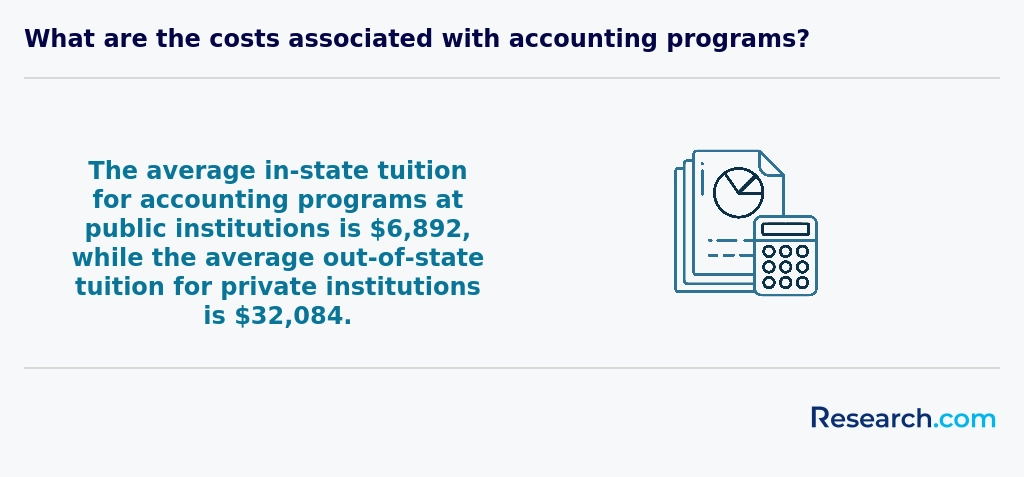
The average cost of an accounting degree in California often feels like navigating a maze, especially when considering the balance between quality education and affordability. For many in-state students, the journey typically costs around $44,458, a figure that reflects tuition, fees, and some additional essentials, but naturally varies with each institution's vibe and location.
Imagine a graduate from a bustling public university campus in California sharing how they managed their finances-tapping into in-state tuition benefits decreased their financial stress, letting them focus on mastering ledger sheets rather than budget sheets. Conversely, private universities, known for their prestige and often hefty price tags, can push the total well beyond that median. Some students have reported tuition that rivals the cost of a new car, but with scholarships and aid, the climb becomes less steep.
Beyond tuition, picture the everyday realities: textbooks, which can reach $1,200 annually, and living expenses. Urban hubs like Los Angeles or San Francisco shape these costs dramatically. Graduates often recall that absorbing these expenses while enjoying internships or student networking events was a rewarding balancing act that enriched their journey.
If you want to explore more about affordable options, check out affordable accounting schools in California to find programs that align with your financial and educational goals.
Understanding the average cost of accounting degree in California isn't just numbers-it's about envisioning your own path through these financial landscapes while preparing to make your mark in the business world.
How to Become a Licensed CPA in California
Earning an accounting degree lays the groundwork for a career in finance, but obtaining a CPA license in California involves a clear set of steps mandated by the California Board of Accountancy (CBA). First, candidates must complete at least 150 semester units of education, including specific coursework in accounting, auditing, business law, taxation, and ethics. Many universities integrate these requirements into their bachelor’s and master’s programs, ensuring seamless progression toward licensure. Next, applicants must pass the Uniform CPA Examination, which tests knowledge in Auditing and Attestation (AUD), Business Environment and Concepts (BEC), Financial Accounting and Reporting (FAR), and Regulation (REG). Strategically scheduling exams over multiple testing periods can improve pass rates; candidates often focus on one section per quarter. In addition to academic and exam requirements, the CBA requires at least 12 months (2,000 hours) of supervised work experience under a licensed CPA. This practical component hones skills in financial reporting, client communication, and ethical decision-making. Finally, all candidates must complete the CBA’s Ethics Examination or equivalent coursework approved by the National Association of State Boards of Accountancy (NASBA). Once these elements are fulfilled, submitting a licensing application and fee to the CBA grants official CPA status, unlocking opportunities in public accounting firms, corporate finance departments, and consulting roles. For those seeking a specialized credential before pursuing full licensure, bookkeeping online certificate programs offer focused training in transaction recording, payroll, and financial statement preparation, providing a competitive edge in entry-level roles.
What financial aid is available to accounting degree students in California?
Imagine walking through the busy campus of a University of California school, clutching a Cal Grant award letter that covers nearly $12,570 of your tuition-this is reality for many accounting hopefuls. These grants, alongside federal Pell Grants which can lighten your yearly load by up to $7,395, transform the daunting price tag of an accounting degree into an achievable goal.
Graduates from California State University often share how institutional scholarships, tailor-made for accounting majors, not only reward their dedication but also inspire their dreams to take flight. Picture balancing work-study gigs right on campus or nearby, earning and learning simultaneously, while a GI Bill benefit quietly backs military-affiliated students pursuing their numbers-driven futures.
Beyond the campus gates, private scholarships and bustling professional groups like the CalCPA Foundation sprinkle additional opportunities across the landscape. These financial lifelines fuse practicality with passion, turning complex cost calculations into stepping stones toward success in California's vibrant accounting world.
What are the prerequisites for enrolling in accounting degree program in California?
Imagine stepping onto a sunlit campus at a California State University or a bustling community college in Los Angeles, ready to begin your journey in accounting. The first gatekeeper? A high school diploma or GED-your all-access pass to this academic adventure. Graduates often reflect on how nailing their math and English courses in high school gave them a solid launchpad, much like tuning an engine before a long road trip.
Many have shared stories of diving into algebra and statistics before even picking up a ledger, recognizing these subjects as the secret ingredients that smooth the path through California's rigorous accounting curriculum. At community colleges, completing an Associate Degree for Transfer, focused on business basics, is like earning a backstage pass to the bustling world of CSU transfer students.
And while some private institutions sprinkle in extra spices-think GPA thresholds, recommendation letters, or interviews-most students feel prepared just by meeting these tangible, well-marked milestones. It's this clear roadmap, lined with achievable steps, that transforms the intimidating idea of enrolling in an accounting degree in California into an exciting, doable journey.
Emerging Trends and Future Outlook in Accounting
As the landscape of accounting continues to evolve, technology and innovation are reshaping the profession, creating exciting opportunities for future accountants. One of the most significant trends is the rapid integration of artificial intelligence and machine learning into routine accounting tasks, enabling professionals to focus on strategic analysis and decision-making rather than manual data entry. Technologies such as blockchain are also transforming how transactions are recorded and verified, offering enhanced security and transparency in financial reporting. Cloud computing is streamlining operations by allowing real-time collaboration across different departments and even remote teams, a factor that has been particularly beneficial in online learning environments. For prospective students, understanding these emerging trends is crucial for aligning their education with the skills demanded by modern employers. Additionally, these technological advancements open up a range of career possibilities; for instance, graduates exploring digital frontiers can discover opportunities related to what jobs can you get with online accounting degree that combine traditional accounting expertise with innovative tech-based solutions. By staying informed about these developments and continuously updating their skill sets, accounting graduates can position themselves as versatile professionals capable of adapting to the dynamic future of finance.
What courses are typically in accounting degree programs in California?
Diving into an accounting degree in California means immersing yourself in a curriculum where numbers tell stories and laws shape the fate of businesses. Graduates from schools like UCLA or San Diego State recall tackling financial and managerial accounting courses that felt like decrypting the financial heartbeat of a company. Imagine mastering intermediate accounting as if you're peeling back layers to reveal a firm's true economic pulse-this is essential for those ready to tackle California's booming industries.
Auditing classes bring to life boardroom dramas, where students learn to safeguard against errors and fraud, ensuring compliance with both state and intricate federal regulations. Taxation courses are like treasure maps through the labyrinth of California's tax codes, teaching future accountants to strategize and optimize within a complex fiscal landscape.
Coupled with accounting information systems, which arm students with the tech-savviness vital for today's data-driven world, and supplemented by business law, ethics, finance, and economics, the program prepares students to navigate California's vast economy with confidence and savvy.
What types of specializations are available in accounting degree programs in California?
Imagine diving into an accounting degree in California where your path can weave through dynamic specializations tailored to real-world business pulses. Graduates from Bay Area universities often rave about mastering managerial accounting, sharpening skills in budgeting and financial strategizing pivotal for tech startups and entertainment giants. On the opposite coast, students soaking in the rhythm of Los Angeles find forensic accounting thrilling-unearthing financial fraud amid Hollywood's labyrinthine deals.
Those chasing rigorous challenges frequently choose public accounting, readying themselves for the demanding CPA licensure that California champions. It turns classroom theories into reputable careers with over 60,000 licensed CPAs statewide as proof of opportunity.
When scanning California accounting program concentration options, one can't overlook specializations like taxation which decode complex state and federal tax landscapes, or the emerging niche of information systems auditing that fuses tech with finance.
Curious about practical steps after earning your degree? Many turn to research on what jobs can you get with online accounting degree to envision the bright futures awaiting them.
How do you choose the best accounting degree in California?
Choosing the best accounting degree in California is like assembling a puzzle where accreditation is the cornerstone piece. Graduates from well-accredited programs at renowned universities in Los Angeles or San Francisco often recount how AACSB recognition unlocked doors to coveted internships and smooth CPA licensure pathways, sparking pride and confidence. For those chasing affordable accounting degrees California ranking, the story is different but equally inspiring-a community college student transfers seamlessly to a four-year university, their tuition manageable, their ambitions intact.
Imagine diving into a curriculum that blends forensic accounting with entertainment finance, reflecting California's buzzing industries. Graduates feel energized by courses that echo real-world challenges, turning abstract numbers into exciting narratives. Beyond coursework, alumni recount how networking in financial hubs or leveraging internship ties brought tangible career boosts.
For those balancing work or undecided about a full degree path, explore bookkeeping online certificate programs as dynamic stepping stones, often overlooked yet practical. Finding your fit requires weaving together accreditation, cost, and practical experience into a story uniquely yours.
What career paths are available for accounting degree students in California?
Graduates with an accounting degree in California often find themselves stepping into a vibrant mosaic of career opportunities. Imagine launching your journey in bustling Los Angeles or the visionary tech hubs near Stanford, where accounting career opportunities in California stretch beyond the expected nine-to-five. From becoming a Certified Public Accountant navigating tax codes under the Californian sun to diving into the strategic currents as a management accountant in San Francisco's startup ecosystems, the possibilities energize many.
Some alumni from well-known institutions like the University of California campuses share how they transitioned from classroom theory to real-world financial analyst roles, interpreting data that shapes business empires. Government accounting often calls graduates to serve with pride at all levels, ensuring public funds are managed transparently, while internal auditing unleashes one's detective instincts, safeguarding companies from financial missteps.
When evaluating your path, also consider the cost of study; many turn to resources like the Inexpensive Online Accounting Degree Programs Ranking in the South to balance investment with ambition. The landscape for California accounting degree job prospects is dynamic, with the state acting as a launchpad for careers spanning numbers and narratives of growth.
What is the job market for accounting degree in California?
The accounting degree job opportunities in California sparkle with promise, especially for graduates from renowned universities dotted across the state. Imagine a fresh graduate from a bustling public university in Los Angeles landing a role as an internal auditor for a tech startup in Silicon Valley, their analytical skills sharpening alongside the fast-paced innovation. Employers in cities like San Francisco highly value experience in data analytics and regulatory compliance, boosting the demand for savvy accounting graduates who understand California's unique financial landscape.
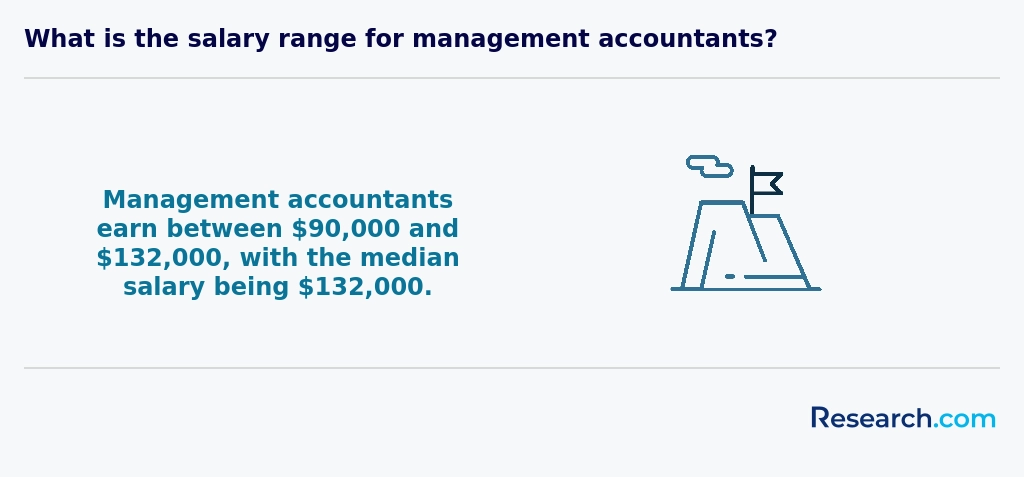
Graduates from California's universities often find themselves riding a wave of steady growth in the accounting field, propelled by the state's diverse economy and rising regulatory needs. The California accounting job market outlook remains optimistic, and many students balance tuition costs by eyeing programs like one year master programs to accelerate their entry into high-paying roles. The allure of salaries averaging above $90,000 annually adds to their enthusiasm, fueling dreams of a rewarding career in this vibrant state.
Frequently Asked Questions About accounting
Accounting degree students in California can maximize their learning by engaging actively in both coursework and practical experiences. California offers many internship opportunities due to its vast economy, particularly in cities like Los Angeles and San Francisco. According to the California Society of CPAs, internships increase the chance of employment by 60%. Students should also pursue the Certified Public Accountant (CPA) exam, as passing rates in California reflect strong industry standards, with over 50,000 active CPAs in the state as of 2023.
Participating in student accounting organizations and networking events can provide valuable industry connections. Additionally, California's diverse economic sectors allow students to explore specialties such as tax, audit, or forensic accounting, making practical experience crucial. Utilizing campus resources such as career centers and mentorship programs further enriches learning and job readiness.
Emerging niches within the accounting field in California reflect broader economic and technological trends impacting the profession. One growing area is forensic accounting, driven by increased demand for financial fraud detection and litigation support. According to the California Society of CPAs, forensic accounting jobs are expanding by nearly 12% annually in the state.
Another significant niche is environmental accounting, where accountants help businesses comply with sustainability regulations and calculate environmental costs. California's progressive environmental policies have fueled growth in this sector.
Additionally, technology-focused roles such as data analytics accounting and blockchain auditing are gaining traction. The integration of AI and blockchain in finance increases demand for specialists familiar with these technologies. The Bureau of Labor Statistics projects accounting jobs in California to grow about 7% through 2030, with tech-driven roles leading this change.
After earning an accounting degree in California, graduates should focus on building practical skills and professional credentials to enhance employability. Pursuing the Certified Public Accountant (CPA) license is highly recommended, as California requires 150 semester units and passing the CPA exam. According to the California Board of Accountancy, CPAs have greater job prospects and earning potential.
Internships or entry-level positions in CPA firms or corporate accounting departments offer vital experience. Networking through professional groups like the California Society of CPAs can open job opportunities. Familiarity with accounting software such as QuickBooks and Excel is also crucial, as 75% of California employers value technological proficiency (Bureau of Labor Statistics, 2023).
Strong communication and analytical skills help candidates stand out in a competitive market. Staying informed on tax laws and regulations specific to California further benefits new accountants entering the workforce.
Employers in California seek accounting graduates who demonstrate strong analytical and technical skills. Proficiency in accounting software such as QuickBooks, SAP, and Excel is essential, as many businesses rely on these tools for financial management. According to the California Board of Accountancy, attention to detail and accuracy are critical due to strict state regulations and tax laws.
Communication skills are highly valued because accountants must clearly present financial information to clients and stakeholders. Additionally, problem-solving abilities and ethical judgment are crucial, given the complex regulatory environment in California.
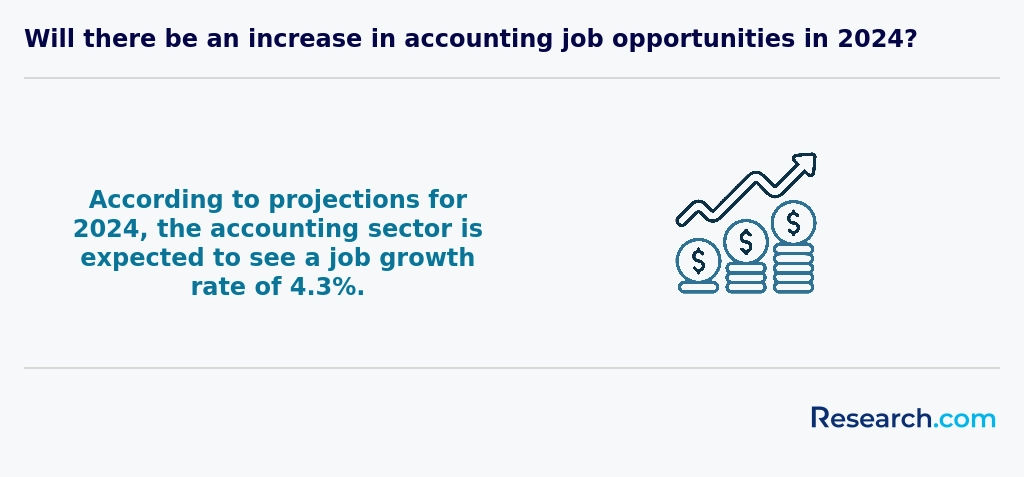
According to the U.S. Bureau of Labor Statistics, California's accounting sector expects a 5% growth through 2031, highlighting the need for adaptable graduates familiar with evolving financial standards and technologies.
Finding internships in California relevant to an accounting degree involves a strategic approach. Many universities in California have dedicated career centers that connect students with internship opportunities in accounting firms, corporations, and government agencies. According to the California Society of CPAs, networking through professional organizations significantly improves internship prospects.
Online platforms such as Handshake and internships.com also list numerous internships geographically targeted to California. Students should focus on firms registered with the California Board of Accountancy, as these provide practical experience aligned with state licensing requirements.
Additionally, the state hosts numerous events and job fairs focused on accounting and finance, which are excellent for direct employer engagement and gaining internship positions.
An accounting degree significantly enhances career mobility and advancement opportunities in California. According to the California Department of Labor, accountants and auditors in the state enjoy a higher median annual wage-approximately $85,000 as of 2023-compared to the national average. This degree opens doors to various roles, including public accounting, corporate finance, and governmental positions.
Employers in California often prefer candidates with a bachelor's degree in accounting due to rigorous state requirements for CPA certification. Holding this degree is a crucial step toward certification, which can increase earning potential and career advancement.
Furthermore, California's diverse economic sectors, such as technology, entertainment, and agriculture, rely heavily on skilled accountants, creating steady job growth projected at 7% through 2030 (Bureau of Labor Statistics). Therefore, graduates with an accounting degree benefit from strong demand across industries.
Studying for an accounting degree in California equips students with skills that extend beyond traditional number-crunching, fostering interdisciplinary competence. California's diverse economy demands accountants understand finance, law, information technology, and management. Many programs incorporate courses in business analytics, taxation law, and information systems to develop well-rounded professionals.
The California Board of Accountancy mandates 150 semester units for CPA eligibility, often encouraging coursework in complementary fields. This requirement pushes students to engage with subjects such as ethics, communication, and economics.
Additionally, internships and partnerships available at California universities offer practical exposure to industries like tech and entertainment, enhancing cross-disciplinary problem-solving skills.
When choosing between a thesis and a non-thesis accounting degree program in California, consider your career goals first. A thesis program focuses on research and developing critical analysis skills, often suitable for those aiming for doctoral studies or academic careers. Non-thesis programs prioritize practical skills and coursework, preparing students for professional roles such as CPA or corporate accountant.
California's accounting programs often align with state licensing requirements, important since California requires 150 semester units for CPA eligibility. According to the California Board of Accountancy, practical experience and exam preparation are vital factors.
Additionally, thesis programs may take longer to complete and demand strong writing skills. Non-thesis programs usually offer flexibility for working professionals.
Students in California seeking to study accounting abroad have several pathways available through partnerships between California universities and international institutions. Many schools, including the University of Southern California and California State University campuses, offer exchange programs that allow students to earn credits overseas while continuing their degree requirements at home. Such programs often take place in countries with robust financial sectors, like the United Kingdom, Australia, and Canada.
California students benefit from these opportunities by gaining exposure to global accounting standards such as IFRS, complementing their knowledge of US GAAP. According to the National Association of State Boards of Accountancy, understanding both frameworks is increasingly valuable for accountants working across borders.
Additionally, some California universities have dual-degree agreements that enable students to graduate with credentials recognized internationally, enhancing employability. Financial aid and scholarships are sometimes available specifically for these programs, reducing the cost burden.
Students should consult their university's study abroad office and accounting department to explore eligibility and application details, as offerings can vary widely.
California offers various part-time job opportunities that can enhance an accounting degree education. Common roles include bookkeeping assistant, tax preparer, and payroll clerk, which provide hands-on experience with financial records and software. According to the California Employment Development Department, demand for bookkeeping and accounting clerks is expected to grow by 7% from 2022 to 2032, aligning with national trends.
Internships at local accounting firms or corporate finance departments also allow students to apply classroom knowledge in real business settings. Additionally, freelance bookkeeping for small businesses can develop practical skills while offering flexible hours. These jobs help build proficiency in tools like QuickBooks and Excel, essential in the field.
Accounting students in California benefit from numerous networking opportunities that can enhance their career prospects. Many universities host accounting clubs and chapters of national organizations such as Beta Alpha Psi, which connect students with professionals and alumni.
California also has a robust presence of the California Society of CPAs (CalCPA), offering events, workshops, and mentorship programs specifically designed for students pursuing accounting careers. Attending CalCPA mixers or regional conferences can help students build valuable industry connections.
Internships with firms in major cities like Los Angeles, San Francisco, and San Diego provide real-world experience and direct networking with employers. According to the U.S. Bureau of Labor Statistics, California employs over 110,000 accountants and auditors, making professional networking essential for entering this competitive market.
Alumni networks play a crucial role for accounting degree students in California by providing valuable professional connections. Many universities in the state, such as the University of California and California State University systems, maintain active alumni communities that can help students access internships and job opportunities.
These networks often include CPAs and industry professionals who can offer mentorship, guidance, and insights specific to California's accounting job market. According to the California Society of CPAs, around 45% of new accountants secure their first position through personal contacts, highlighting the importance of these connections.
Furthermore, alumni networks frequently organize events and workshops, giving students chances to build relationships and stay updated on state regulations and trends relevant to California accounting practices.
Customizing an accounting degree program in California allows students to align their education with specific career goals. Many universities offer elective courses focused on areas such as forensic accounting, taxation, auditing, or financial analysis. These electives help students develop specialized skills needed in high-demand fields.
Students can also pursue additional certifications alongside their degrees, like the CPA (Certified Public Accountant), which requires 150 semester units and is highly valued in California's competitive accounting market. Institutions often provide tailored advising to help plan coursework and internships, connecting students to California-based firms.
The flexibility in internship placements, research projects, and networking opportunities adds further personalization to fit diverse career paths.
Accounting students in California often face several notable challenges during their studies. One major difficulty is the rigorous CPA exam preparation, as California has one of the highest experience hour requirements-2,000 hours over two years-making it harder for students to meet licensing standards compared to other states (California Board of Accountancy, 2023).
Additionally, the cost of education in California's public and private institutions tends to be higher than the national average, which can lead to financial stress for many students (National Center for Education Statistics, 2022). Balancing part-time work and demanding coursework is another common issue.
The rapidly evolving accounting industry, especially with advancements in technology and changing regulations, also requires students to continuously update their skills beyond traditional accounting knowledge.
With an accounting degree in California, students can pursue several professional certifications that enhance career prospects. The most popular is the Certified Public Accountant (CPA) license, required for many accounting and auditing roles. California's Board of Accountancy mandates 150 semester units, including specific accounting and business courses, to sit for the CPA exam.
Another valuable certification is the Certified Management Accountant (CMA), which focuses on financial management and strategy. The Institute of Management Accountants offers this credential, widely respected in corporate accounting.
Other notable options include the Certified Internal Auditor (CIA) and Chartered Financial Analyst (CFA) designations, though these are more specialized. Obtaining these certifications can significantly improve salary potential, with CPAs in California earning a median annual wage above $85,000 according to the U.S. Bureau of Labor Statistics.
To write a winning application for an accounting program in California, start by carefully reviewing each school's admission requirements. Most programs require a strong academic record, especially in mathematics and business-related courses. Highlight any relevant coursework or experience in your application.
Prepare a clear, concise personal statement that explains your interest in accounting and how the program aligns with your career goals. California schools often value applicants who demonstrate understanding of the state's business environment and regulatory climate.
Include letters of recommendation from instructors or employers familiar with your analytical skills and work ethic. According to the California Society of CPAs, practical experience and internships boost acceptance chances.
Additionally, maintain competitive standardized test scores if required. Some programs value the GRE or SAT, but policies vary by institution.
The accounting profession in California is increasingly influenced by global trends, reflecting the interconnected nature of business today. Firms in the state often engage in international trade, requiring accountants to understand diverse financial regulations and reporting standards such as IFRS alongside US GAAP. This global perspective expands job opportunities for graduates beyond local markets.
According to the California Board of Accountancy, many employers value candidates with cross-border expertise due to California's role as a hub for multinational companies. Accountants with global skills are vital in sectors like technology, entertainment, and importing/exporting.
Moreover, certifications such as the CPA remain crucial, yet knowledge of international tax laws and financial systems can differentiate professionals in this competitive market.
Gaining practical experience while pursuing an accounting degree in California is crucial for career readiness. Many universities offer internships with local accounting firms, corporations, or government agencies. According to the California Society of CPAs, hands-on experience through internships boosts job prospects by up to 40%.
Students often participate in cooperative education (co-op) programs that alternate classroom study with full-time work in accounting roles. These programs help develop skills aligned with industry standards.
Additionally, volunteering for nonprofit organizations or campus tax assistance programs, such as the IRS Volunteer Income Tax Assistance (VITA), allows students to apply accounting principles in real-world settings.
Networking events and student chapters of professional bodies also provide valuable connections and learning opportunities in California's competitive accounting market.
Choosing the right concentration within an accounting degree program in California involves considering your career goals and industry demands. Popular concentrations include auditing, taxation, forensic accounting, and managerial accounting. Each offers distinct career paths, with tax accountants in California earning an average salary of $72,000 annually, according to the U.S. Bureau of Labor Statistics (2023).
Accreditation is important; look for programs approved by the California Board of Accountancy or recognized by the AACSB to ensure quality education.
Additionally, consider concentrations that align with California's growing industries, such as technology and entertainment, where expertise in forensic accounting or auditing may be especially valuable.
Internship opportunities and faculty expertise in your concentration of interest are also key factors to evaluate before deciding.
Related Accounting Rankings for Nearby States
- 2027 Best Accounting Degree Programs Ranking in Oregon
- 2027 Best Accounting Degree Programs Ranking in Utah
- 2027 Best Accounting Degree Programs Ranking in Montana
- 2027 Best Accounting Degree Programs Ranking in Texas
- 2027 Best Accounting Degree Programs Ranking in Oklahoma
- 2027 Best Accounting Degree Programs Ranking in North Dakota
- 2027 Best Accounting Degree Programs Ranking in Wisconsin
- 2027 Best Accounting Degree Programs Ranking in Tennessee
- 2027 Best Accounting Degree Programs Ranking in South Carolina
- 2027 Best Accounting Degree Programs Ranking in North Carolina
Top Trending Accounting Rankings
See What Experts Have To Say About Studying Accounting
Read our interview with Accounting experts

Yaw M. Mensah
Accounting Expert
Professor and Interim Vice Dean for Strategic Partnerships
Rutgers Business School

John Wermert, Ph.D., CPA
Accounting Expert
Associate Professor of Accounting
Middle Tennessee State University

References
- The definitive guide to your accounting career https://www.becker.com/blog/cpa/accounting-careers-which-cpa-career-path-to-choose
- Expectations of accounting students in relation to their ... https://sevenpubl.com.br/anais7/article/download/4780/8840/19578
- Jobs you can get with a degree in Accounting | Monroe University https://www.monroeu.edu/academics/undergraduate-programs/school-business-and-accounting/jobs-with-degree-in-accounting
- Why CA Firms Can't Afford to Overlook Alumni Networks: A Key Strategy for Growth and Success https://hoopstr.ai/corporate-resource-center/blog/why-ca-firms-need-to-adopt-corporate-alumni-programs-for-growth-and-success-in-a-changing-industry
- Accountant Salary | State-by-State Accounting Salaries https://www.allbusinessschools.com/accounting/salary/
- Inside the world of accounting internships: What to expect : ThisWayToCPA : AICPA https://www.thiswaytocpa.com/work-experience/articles/internships/inside-world-accounting-internships-what-expect/
- Mastering the Art of Networking: A Guide for Accounting Students https://www.wscpa.org/blog/607cb669-8d98-427e-8c9b-06129d9297e8:mastering-the-art-of-networking-a-guide-for-accounting-students
- Know more about thesis vs non- thesis: what is the difference? https://studyfans.com/en/blogs/816
- Accounting - Clovis Community College https://www.cloviscollege.edu/academics/guided-pathways/business-industry-it/accounting.html
- The Diverse Skills you Gain with an Accounting Degree https://www.accounting-education.org/blog/accounting-degree-diverse-skills/


