
2027 Best Accounting Degree Programs Ranking in Nebraska

Co-Founder and Chief Data Scientist
Choosing the right accounting degree program can shape your future career and open doors to exciting opportunities. This article introduces the 2027 Best Accounting Degree Programs Ranking in Nebraska, carefully developed by the Research.com team of data scientists.
Designed to help Nebraska students make informed decisions, the ranking highlights programs that stand out for quality and value. By exploring this guide, you'll gain clarity on which schools offer the best paths toward success in accounting.
Pursuing an accounting degree can lead to rewarding experiences and lasting professional growth. Dive in to discover your ideal program!
Key benefits of getting accounting degree in Nebraska
- Salary: Graduates with an accounting degree in Nebraska can expect promising salaries, such as Staff Accountants earning a mean annual wage of $90,780 and Bookkeepers making around $49,580. These figures reflect rewarding financial stability in the accounting field.
- Career Paths: An accounting graduate from the University of Nebraska has diverse career options, including roles like Tax Preparer, Associate Auditor, or Accounts Payable Clerk, all supported by solid salary prospects around $49,580 annually. This variety allows graduates to find a path that fits their skills and interests.
- Online Degree Benefits: Earning an accounting degree online from a Nebraska university offers flexibility and convenience, helping graduates balance work and study efficiently. This approach opens doors to career advancement without disrupting personal commitments.
- Key benefits of getting accounting degree in Nebraska
- What can I expect from accounting degree in Nebraska?
- Where can I work with accounting degree in Nebraska?
- How much can I make with accounting degree in Nebraska?
- 2027 Best Accounting Degree Programs Ranking in Nebraska
- Key Findings
- How long does it take to complete accounting degree in Nebraska?
- Certification and Licensure Pathways for Accounting Graduates in Nebraska
- What's the difference between online and on-campus accounting degree?
- Cost Considerations and Financial Planning for Accounting Students in Nebraska
- What is the average cost of accounting degree in Nebraska?
- CPA Licensing and Professional Certification in Nebraska
- What financial aid is available to accounting degree students in Nebraska?
- Emerging Trends and Future Opportunities in Accounting
- What are the prerequisites for enrolling in accounting degree program in Nebraska?
- What courses are typically in accounting degree programs in Nebraska?
- What types of specializations are available in accounting degree programs in Nebraska?
- How do you choose the best accounting degree in Nebraska?
- What career paths are available for accounting degree students in Nebraska?
- What is the job market for accounting degree in Nebraska?
- Related Accounting Rankings for Nearby States
- Top Trending Accounting Rankings
- See What Experts Have To Say About Studying Accounting
What can I expect from accounting degree in Nebraska?
The average cost of earning an accounting degree in Nebraska varies depending on the institution but generally ranges from affordable to moderate compared to national standards. Graduates from well-known schools like the University of Nebraska often mention that in-state tuition fees make the investment manageable, especially when factoring in the value of accredited programs that prepare students well for the CPA exam. Community colleges and regional universities usually offer lower tuition, providing accessible options for those balancing education with work or family commitments.
Students often highlight that while tuition is a significant expense, smaller class sizes and personalized faculty support in Nebraska institutions add tangible value to their experience, making the cost more worthwhile. However, some graduates advise prospective students to consider additional costs such as books, exam fees, and living expenses, which fluctuate depending on location and lifestyle choices.
Despite these costs, many find that Nebraska's lower cost of living and robust internship connections help offset expenses and enhance employment prospects, making the pursuit of an accounting degree in Nebraska a sound financial and career investment.
Where can I work with accounting degree in Nebraska?
Graduates from accounting programs at institutions like the University of Nebraska-Lincoln and Creighton University often find rewarding roles across Nebraska's diverse economy. Many secure positions in public accounting firms situated in Omaha or Lincoln, where they engage in tax preparation, auditing, and client consulting-experiences that some alumni describe as both challenging and fulfilling due to the variety of cases they handle.
Others leverage their education to join corporate finance teams within major Nebraska companies like Berkshire Hathaway, gaining practical exposure to budgeting and internal reporting. These roles frequently spark a sense of accomplishment as graduates contribute to key business decisions. Meanwhile, some find meaningful work in government agencies at the state or local level, managing public funds and ensuring transparency, which can offer a stable career path with community impact.
Graduates also report growing opportunities in nonprofit and healthcare sectors, fueled by Nebraska's expanding healthcare industry. While these pathways offer rewarding experiences, it's important to consider that career success depends on factors like gaining relevant internships, pursuing CPA certification, and adapting to evolving industry demands.
How much can I make with accounting degree in Nebraska?
Graduates from accounting programs at Nebraska institutions like the University of Nebraska-Lincoln often find entry-level positions paying around $49,580 annually, according to the latest U.S. Bureau of Labor Statistics data. Roles such as tax preparers, bookkeepers, associate auditors, and accounts payable clerks cluster around this figure, reflecting common starting points for new degree holders.
Many graduates quickly notice that gaining additional certifications, such as becoming a CPA, or moving into staff accountant positions can push earnings closer to the mean annual wage of approximately $90,780. This represents a substantial leap and aligns with experiences shared by alumni who have progressed beyond entry-level roles in Omaha's competitive job market.
While some may initially feel challenged by salaries slightly below the national average, Nebraska's relatively low cost of living balances this factor. Graduates from local colleges report satisfaction not only from their growing paychecks but also from opportunities to develop professionally within diverse sectors like finance and government. This gradual increase in compensation often makes pursuing further education and certifications feel like worthwhile investments.
2027 Best Accounting Degree Programs Ranking in Nebraska
How do we rank schools?
Investing in your education is a significant decision that can shape your future, and the Research.com team understands the importance of making informed choices. To assist prospective students in Nebraska, we have meticulously crafted the "2027 Best Accounting Degree Programs Ranking in Nebraska." Our commitment to quality, credibility, and accuracy is reflected in the extensive research and analysis conducted to compile this ranking.
We utilized the following reputable data sources to ensure a comprehensive evaluation of accounting programs:
By exploring this ranking, readers will gain valuable insights into the best accounting degree programs available in Nebraska, helping them make informed decisions about their educational paths. For more details on our methodology, please visit our Research.com methodology page.


# 3 position
University of Nebraska-Lincoln
Bachelor of Science in Business Administration in Accounting


Key Findings
- Tuition for public universities in Nebraska averages around $9,800 per year for in-state students, while private schools can charge more than $25,000 annually.
- Employment for accountants and auditors in Nebraska is projected to grow about 7% over the next decade, matching the national average.
- The average starting salary for accounting graduates in Nebraska is about $52,000 per year.
- Mid-career accountants in Nebraska earn around $75,000 annually, often boosted by certifications like the CPA.
- Nebraska offers several accredited accounting programs that qualify students for CPA licensure.
- The state's cost of living is below the national average, making it more affordable to study and work there.
How long does it take to complete accounting degree in Nebraska?
The time it takes to complete an accounting degree in Nebraska varies, largely based on the program level and personal circumstances. Graduates from universities like the University of Nebraska-Lincoln or Creighton University often report a typical completion time of about four years for a bachelor's degree when studying full-time. This aligns with the standard structure of their accounting programs, which combine core courses and relevant electives.
However, not everyone experiences this timeline strictly. Some students, especially those balancing work or family commitments, choose part-time or online classes, extending their studies beyond four years. For example, individuals pursuing an associate degree might finish in roughly two years, but those aiming to qualify for CPA exams usually need additional credits or graduate studies, pushing their total education time to five years or more.
These flexible options create opportunities for students to tailor their education pace, which many find encouraging. Graduates often express satisfaction in managing their schedules while gaining solid accounting skills from respected Nebraska institutions.
Certification and Licensure Pathways for Accounting Graduates in Nebraska
Graduates aiming to become licensed accountants in Nebraska must navigate a series of certification steps that validate expertise and open doors to advanced career opportunities. First, aspiring Certified Public Accountants (CPAs) should ensure their academic record meets the Nebraska Board of Public Accountancy’s requirement of 150 semester hours, which typically includes 24 hours of accounting subjects and 24 hours of business-related coursework. Key steps to obtain CPA licensure in Nebraska: 1. Education: Complete a bachelor’s or master’s degree in accounting or a related field with at least 150 credit hours. 2. Examination: Pass all four sections of the Uniform CPA Exam-Auditing & Attestation, Business Environment & Concepts, Financial Accounting & Reporting, and Regulation-within an 18-month rolling period. 3. Experience: Accumulate one year (equivalent to 2,000 hours) of supervised work experience in public accounting, government, industry, or academia under a licensed CPA. 4. Ethics: Successfully complete the AICPA’s Ethics Exam or an equivalent state-approved ethics course. Beyond the CPA, Nebraska graduates may pursue specialized credentials such as the Certified Management Accountant (CMA) or Certified Internal Auditor (CIA) to align with roles in corporate finance, internal auditing, or forensic accounting. Each certification requires designated coursework, examination, and professional experience, underscoring the importance of choosing programs that balance rigorous academics with affordability. For a comparative look at cost-effective options beyond Nebraska, explore our Low Cost Accounting Degree Programs Ranking in Seattle, WA. Continuous professional development through state-approved continuing professional education (CPE) ensures licensed accountants maintain up-to-date competencies and comply with Nebraska’s biennial renewal requirements.
What's the difference between online and on-campus accounting degree?
Choosing between online and on-campus accounting degrees in Nebraska hinges on personal circumstances and learning preferences. Graduates from the University of Nebraska-Lincoln often highlight the value of in-person classes, where engaging directly with professors and peers creates a collaborative environment that supports networking and quick feedback. This face-to-face interaction can be especially beneficial when tackling complex topics like auditing or taxation.
On the other hand, online students, including those enrolled at schools like Creighton University, appreciate the freedom to study at their own pace, balancing coursework around work or family obligations. Being able to access lessons anytime brings convenience and reduces commuting stress, a major plus for many working adults.
Cost differences in Nebraska are nuanced; public institutions may charge $9,000 to $11,000 annually for residents, but online programs vary widely and sometimes include extra fees for tech support. Both formats cover CPA exam requirements set by the Nebraska Board of Public Accountancy, so accreditation remains a crucial consideration regardless of delivery method.
- On-campus offers structured schedules and social networking advantages.
- Online provides flexibility and accessibility, ideal for busy lifestyles.
- Costs are largely comparable but vary by residency and institution.
- Both align with Nebraska's CPA standards to prepare qualified candidates.
Cost Considerations and Financial Planning for Accounting Students in Nebraska
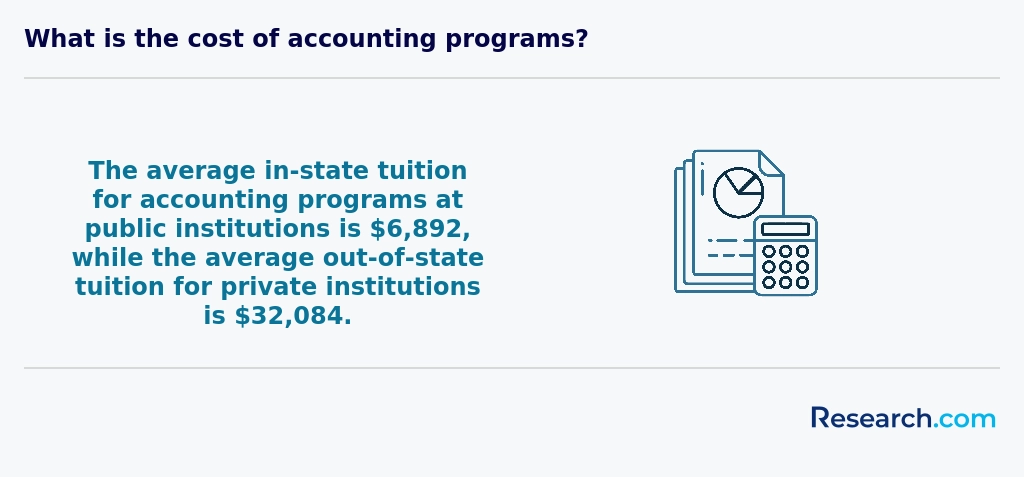
When considering an accounting degree in Nebraska, understanding the cost implications and exploring financial planning strategies is crucial. Prospective students should factor in tuition fees, which can vary significantly between public and private institutions. For instance, in-state public tuition averages around $6,892, while out-of-state tuition can reach approximately $32,084. To mitigate these costs, students can explore financial aid options, such as federal grants, state-specific grants like the Nebraska Resident Grant, and university scholarships. Many graduates have successfully minimized their expenses by balancing studies with part-time jobs, utilizing financial aid, and making informed decisions about their educational investments. Additionally, considering the cheapest accounting schools in Nebraska can be a sensible approach for those looking to manage their educational expenses effectively. By carefully planning and exploring these options, aspiring accountants in Nebraska can set themselves up for success without being overly burdened by financial concerns.
What is the average cost of accounting degree in Nebraska?
The average cost of an accounting degree in Nebraska reflects the diversity of institutions and residency statuses. For in-state students, the median total cost hovers around $10,434 annually, making public universities like the University of Nebraska-Lincoln particularly attractive for their affordability. Graduates from these programs often share how managing expenses while engaging in internships and campus activities contributed positively to their overall college experience. This balance can foster a sense of accomplishment, knowing they funded their education effectively without excessive debt.
On the other hand, out-of-state students and those attending private schools such as Creighton University face significantly higher expenses. With costs approaching $43,804 annually, the financial commitment is substantial, but many graduates emphasize the value of networking opportunities and specialized resources that helped them secure strong positions after graduation. These experiences highlight why prospective students must critically assess the cost against potential long-term career benefits.
When planning the cost of accounting degree programs Nebraska offers, it's important to consider both tuition and additional expenses like books, supplies, and living costs. Many students have found financial aid and scholarships essential in reducing their burden, making their pursuit of an accounting degree more attainable. For those looking to explore more affordable options, reviewing the cheapest accounting schools in Nebraska can provide practical pathways aligned with budget constraints while still delivering quality education.
CPA Licensing and Professional Certification in Nebraska
After earning your accounting degree, obtaining professional licensure and certifications is the next critical step toward career advancement in Nebraska’s financial sector. The most recognized credential is the Certified Public Accountant (CPA) license, which demonstrates your expertise in accounting principles, ethics, and state regulations. To qualify for the CPA exam in Nebraska, candidates must complete 150 semester hours of college education, including at least 24 credit hours in accounting subjects (e.g., auditing, taxation, financial reporting) and 24 credit hours in business courses. Applicants also need to pass the AICPA’s Uniform CPA Examination, meet the Nebraska Board of Public Accountancy’s experience requirement (one year of supervised accounting work), and clear the state’s ethics exam. Once licensed, CPAs must complete 40 hours of continuing professional education (CPE) annually to maintain their credential and stay current with evolving standards. Beyond the CPA, other professional certifications can enhance your credibility and specialized skills. The Certified Management Accountant (CMA) focuses on strategic management and financial planning, while the Certified Internal Auditor (CIA) emphasizes internal controls and risk management. For those interested in detecting fraud, the Certified Fraud Examiner (CFE) credential is invaluable. If you’re seeking targeted training in fundamental record-keeping, consider pursuing a certificate in bookkeeping to strengthen your resume and technical expertise. Earning these certifications not only boosts your marketability but also often translates into higher salaries and leadership opportunities. Employers in public accounting firms, corporate finance departments, and government agencies regularly prioritize candidates with recognized credentials. By strategically combining your degree with the right professional licenses and certificates, you’ll position yourself for a robust accounting career in Nebraska.
What financial aid is available to accounting degree students in Nebraska?
Students pursuing accounting degrees in Nebraska can access a variety of financial aid options that ease the burden of tuition and living expenses, which can range from $9,000 to $25,000 annually. Many graduates from the University of Nebraska system recall how the Federal Pell Grant, offering up to $7,395 per year, was instrumental in reducing their financial stress, allowing them to focus on studies rather than loans. Federal Stafford loans, both subsidized and unsubsidized, provide manageable borrowing options with relatively low interest rates, though some graduates warn about interest accumulating during study on unsubsidized loans.
State-specific aid also makes a significant difference. For example, students attending public colleges benefit from the Nebraska Opportunity Grant, which targets those with financial need, effectively lowering their tuition bills. The Nebraska Educational Savings Plan Trust helps families prepare for these expenses early, minimizing future debt.
Universities like Creighton and UNO offer scholarships specifically for accounting majors, blending merit and need-based awards. Many students express gratitude receiving these funds, which often come from the Nebraska Society of CPAs, an organization committed to encouraging new professionals. Additionally, work-study and part-time roles within campus accounting departments provide valuable hands-on experience that fosters both financial support and career readiness.
Emerging Trends and Future Opportunities in Accounting
In an era of rapid digital transformation, the accounting field is evolving to embrace innovations like AI, blockchain, and data analytics, which are reshaping traditional roles and creating fresh career opportunities. As businesses increasingly rely on technology-driven solutions, top accounting programs in Nebraska are integrating courses on financial technologies, cybersecurity, and cloud-based systems to prepare graduates for a modern, dynamic workplace. For those looking for flexibility while staying ahead in this digital age, our list of the best online accounting degree programs offers options that combine advanced curricula with accessible online learning environments. By focusing on emerging trends, these programs not only equip students with robust technical skills but also foster strategic insights needed to navigate and lead in an innovative financial landscape. Emphasizing flexibility, continual learning, and adaptability, this evolving approach ensures that soon-to-be accounting professionals are ready to drive change and add value in a tech-centric business world.
What are the prerequisites for enrolling in accounting degree program in Nebraska?
To enroll in an accounting degree program in Nebraska, most students must first have a high school diploma or GED, a standard expectation for universities like the University of Nebraska-Lincoln. Graduates often recall that having completed math courses such as algebra, and sometimes statistics, proved invaluable when tackling complex accounting problems later. English or language arts classes also build the communication skills essential for writing detailed financial reports.
Some programs require or recommend standardized test scores like the SAT or ACT, though an increasing number of schools have adopted test-optional policies, offering flexibility to students who excel in other areas. Transfer students frequently share that completing introductory college courses in accounting and economics beforehand helps them adapt more smoothly to the rigorous coursework at Nebraska institutions.
Many graduates emphasize the importance of maintaining a GPA between 2.5 and 3.0 to stay in good standing, especially at public universities. Additionally, since Nebraska mandates 150 credit hours for CPA certification, planning to take extra courses or pursuing a master's degree is a common strategy among ambitious students.
What courses are typically in accounting degree programs in Nebraska?
Accounting degree programs in Nebraska commonly include courses that build both technical skills and a broad understanding of business. Graduates from universities such as the University of Nebraska-Lincoln often emphasize how core classes like Financial Accounting and Managerial Accounting taught them to approach real-life scenarios-like preparing budgets or analyzing company financial statements-with confidence and clarity.
Students also take Auditing courses that focus on ensuring accuracy and compliance, crucial for work in firms or government agencies. Taxation classes cover federal and state laws, which Nebraska graduates find particularly valuable when advising local businesses. Additionally, complementary courses in Business Law, Economics, and Finance help students see how accounting fits into larger economic and legal frameworks.
- Financial Accounting: Recording and reporting financial transactions.
- Managerial Accounting: Managing costs and budgeting decisions.
- Auditing: Examining records for accuracy and compliance.
- Taxation: Understanding tax laws affecting individuals and businesses.
- Business Law: Legal principles impacting business operations.
- Economics: Economic theories influencing markets.
- Finance: Insights into financial management and investments.
- Accounting Information Systems: Using digital tools to manage data.
Many Nebraska graduates appreciate that these courses encourage ethical reasoning and communication skills, essential for passing the CPA exam and thriving in diverse professional environments.
What types of specializations are available in accounting degree programs in Nebraska?
Accounting degree specializations in Nebraska typically include Tax Accounting, Auditing and Assurance, Forensic Accounting, Financial Accounting and Reporting, and Management Accounting. These tracks provide students with targeted knowledge that aligns with key industry sectors in the state. For example, graduates from the University of Nebraska often speak positively about the Tax Accounting specialization, citing its practical focus on tax codes and planning as invaluable during tax season with local businesses.
Another common path is Auditing and Assurance, which some students at Nebraska Wesleyan University found rewarding due to Nebraska's diverse economy. It allows them to work closely with agriculture or manufacturing clients, adding real-world relevance to their studies. Yet, it's important to consider that the applicability of each specialization may vary depending on one's career goals and the local job market.
Those pursuing forensic accounting appreciate its investigative element, often sharing how it prepares them for roles that require critical thinking and collaboration with law enforcement. This specialization reflects the growing demand in Nebraska's corporate governance sector. Students interested in exploring the best Nebraska accounting programs with specialization options might also want to consult the list of the best online accounting degree programs to find flexible alternatives that fit diverse needs.
How do you choose the best accounting degree in Nebraska?
Choosing the best accounting degree programs Nebraska offers requires balancing accreditation, cost, and practical experience. Graduates from the University of Nebraska-Lincoln often praise the AACSB accreditation, which employers value highly and can lead to better job prospects. However, affordable accounting degrees Nebraska 2027 options found at regional colleges can also provide solid foundations without overwhelming debt, especially when factoring in fees and living expenses.
Hands-on experience through internships is critical. Students attending colleges near Omaha or Lincoln frequently access strong local networks of accounting firms, leading to real-world opportunities that boost confidence and employment after graduation. One graduate highlighted the difference small class sizes made, enabling personalized instruction that clarified complex topics like auditing and taxation.
For those considering alternatives, a certificate in bookkeeping might supplement an accounting degree or serve as a cost-effective entry point. Ultimately, focusing on a program combining rigorous academics, practical exposure, and alignment with Nebraska's CPA requirements positions students for success in the state's competitive job market.
What career paths are available for accounting degree students in Nebraska?
Graduates with accounting degrees in Nebraska find diverse career paths across public, private, and government sectors. Many start in public accounting at regional CPA firms in Omaha or Lincoln, engaging in audits, tax preparation, and consulting. These roles appeal to graduates from popular Nebraska universities who appreciate direct client interaction and the dynamic nature of public accounting, especially given the growing demand reported by the Nebraska Society of Certified Public Accountants.
Others pursue jobs with accounting degree Nebraska options in corporate accounting, securing positions such as staff accountant or financial analyst within major local employers like Union Pacific Railroad. These roles often involve maintaining financial statements and supporting strategic management decisions, offering graduates a stable and rewarding environment.
Moreover, some graduates find fulfillment in state or local government roles focused on budgeting and financial management, attracted by competitive benefits. Specialized fields including forensic accounting and tax advisory also attract interest, highlighting the variety available.
Students often consider the cost of education, which remains affordable compared to national averages, especially at Nebraska public institutions. For those curious about cost-effective choices elsewhere, the Low Cost Accounting Degree Programs Ranking in Seattle, WA may offer valuable insight into accessible programs beyond Nebraska.
What is the job market for accounting degree in Nebraska?
The accounting degree job outlook Nebraska offers is generally favorable, especially for graduates from well-known institutions like the University of Nebraska-Lincoln or Creighton University. Many find employment opportunities across banking, government agencies, and healthcare sectors, reflecting the state's diverse economic base. Graduates often share positive experiences about internships completed at Omaha-based accounting firms, which provide invaluable real-world skills and enhance their resumes. This practical exposure is crucial, as Nebraska's accounting degree career opportunities require a combination of strong academic knowledge and hands-on experience.
Salary expectations in Nebraska also contribute to the appeal. While entry-level wages start near $50,000, those with CPA credentials can exceed $90,000 annually, demonstrating the value of professional certification for local accountants. However, students should carefully assess the cost-benefit of attending private colleges versus public universities, as tuition varies widely. For those seeking alternatives to traditional study paths, exploring fast track degree programs could offer a balance between cost and time investment.
Frequently Asked Questions About accounting
Accounting degree students in Nebraska can enhance their learning experience by combining classroom instruction with practical applications. Engaging in internships at local firms or Nebraska-based companies provides real-world exposure, essential for developing relevant skills.
Nebraska students should also consider joining professional organizations such as the Nebraska Society of CPAs, offering networking and continuing education opportunities. According to the Bureau of Labor Statistics, Nebraska's demand for accountants is expected to grow by 5% through 2031, indicating stable career prospects.
Utilizing campus resources like tutoring centers and attending workshops on software like QuickBooks and Excel can improve technical proficiency. Lastly, pursuing certification paths such as the CPA exam early in the academic journey aligns with Nebraska's regulatory requirements.
The accounting field is evolving with new specialized areas gaining importance, especially for students pursuing degrees in Nebraska. One emerging niche is forensic accounting, where professionals analyze financial records to detect fraud and support legal cases. Demand for forensic accountants is rising due to increased business regulations and white-collar crime investigations.
Another growth area is environmental accounting, focused on tracking costs related to sustainability initiatives. This aligns with Nebraska's expanding agricultural and renewable energy sectors, requiring experts to assess environmental impacts economically. Additionally, technology-driven roles like data analytics and blockchain accounting are reshaping the profession by automating processes and improving financial transparency.
According to the Nebraska Department of Labor, jobs in these specialized accounting fields are expected to grow faster than the average for all occupations through 2030.
After completing an accounting degree in Nebraska, preparing for the job market involves several key steps. Graduates should focus on obtaining relevant certifications, such as the Certified Public Accountant (CPA) license, which is highly valued in Nebraska's accounting field.
Internships and networking opportunities can greatly improve job prospects. Nebraska hosts various professional groups like the Nebraska Society of CPAs, which offers valuable connections and resources.
Additionally, gaining proficiency in accounting software like QuickBooks and Excel is essential, as employers in Nebraska increasingly seek candidates with strong technical skills.
According to the U.S. Bureau of Labor Statistics, Nebraska's demand for accountants is projected to grow steadily, reflecting steady job opportunities.
Employers in Nebraska seek accounting graduates with strong technical and analytical skills. Proficiency in accounting software such as QuickBooks and Excel is highly valued, as these tools are essential for daily tasks. According to the Nebraska Department of Labor, knowledge of tax regulations and financial reporting standards specific to Nebraska also improves job prospects.
Critical thinking and problem-solving skills enable graduates to manage complex financial data and contribute to strategic decisions. Communication abilities are important too, as accountants must clearly explain financial information to non-experts.
Attention to detail and ethical judgment are essential given the strict regulatory environment of the accounting profession in Nebraska.
Finding internships in Nebraska for accounting students involves leveraging several key resources. Many universities, including the University of Nebraska system, offer dedicated career services that connect students with local employers in Omaha, Lincoln, and other cities. These offices often host job fairs and maintain internship databases.
Professional organizations like the Nebraska Society of CPAs provide networking events and internship listings specifically for accounting roles, helping students gain real-world experience. National platforms such as Handshake and LinkedIn also feature local internship postings.
According to the U.S. Bureau of Labor Statistics, Nebraska's accounting employment grew by 5% from 2018 to 2028, reflecting healthy demand for interns and entry-level professionals. Students should start their search early, tailor applications to Nebraska firms, and consider internships in nearby financial hubs to maximize opportunities.
An accounting degree in Nebraska significantly enhances career mobility and advancement opportunities within the state's diverse economy. According to the U.S. Bureau of Labor Statistics, Nebraska's demand for accountants and auditors is projected to grow by 7% from 2022 to 2032, aligning with national averages. Earning a degree equips graduates with essential skills recognized by employers statewide, including proficiency in financial reporting, taxation, and auditing.
Many Nebraska employers favor candidates with a Bachelor's or Master's in Accounting for roles in finance, corporate accounting, and government agencies. Additionally, an accounting degree is a key step toward obtaining the Certified Public Accountant (CPA) license, which is required for higher-level positions and promotions. The Nebraska State Board of Public Accountancy mandates a 150-credit-hour education, often fulfilled by degree programs, making academic achievement critical for career progression.
The degree also allows professionals to diversify their careers into areas like forensic accounting, consulting, and managerial roles. Nebraska's growing business sectors such as agriculture, manufacturing, and financial services frequently seek qualified accountants to help manage complex financial operations. This demand ensures that degree holders have a competitive edge for both entry-level and senior positions in the workforce.
Studying for an accounting degree in Nebraska equips students with more than just technical skills in finance and auditing. Many Nebraska universities integrate coursework from business, economics, information systems, and law. This interdisciplinary approach helps students understand how accounting interacts with other fields in real-world business environments.
Nebraska's strong agricultural and manufacturing industries emphasize diverse applications of accounting, fostering skills in areas like supply chain management and regulatory compliance. According to the Nebraska Department of Labor, certified accountants with interdisciplinary knowledge are in greater demand due to expanding business complexities.
This diverse training prepares graduates for roles beyond traditional accounting, including financial analysis, risk management, and consulting. Schools often encourage internships and collaborations with local companies to deepen cross-sector experience.
When choosing between a thesis and a non-thesis accounting degree program in Nebraska, consider your career goals. Thesis programs focus on research and require writing a detailed paper, ideal for students interested in academic or analytical roles.
Non-thesis programs emphasize practical skills through coursework and exams. They suit students aiming for professional accounting positions or certifications like CPA more quickly.
Nebraska's higher education institutions, including the University of Nebraska system, typically offer both options. According to the Nebraska Department of Labor, accounting jobs in the state are projected to grow 6% through 2030, highlighting demand for both research and applied skills.
Also, thesis programs often take longer to complete, which may affect your time and expenses. Examine program specifics carefully before deciding.
Students in Nebraska interested in studying accounting abroad have several pathways to consider. Many universities in Nebraska, such as the University of Nebraska-Lincoln, offer study abroad programs in partnership with international institutions, allowing students to gain global accounting perspectives while earning credits toward their degree. Common destinations include countries with strong accounting standards like the United Kingdom, Australia, and Canada.
Additionally, students can pursue exchange programs or internships facilitated by professional accounting organizations, enhancing practical experience alongside academic learning. These options help Nebraskan students develop cross-cultural skills essential in today's global business environment.
The Nebraska Department of Labor reports a steady demand for accountants with international experience, underscoring the value of such programs. Resources like EducationUSA also guide students on financial aid and visa requirements, making studying abroad more accessible.
Students pursuing accounting degrees in Nebraska can benefit from several part-time job opportunities that enhance their education. Common roles include bookkeeping assistant positions, tax preparation aides, and accounts payable/receivable clerks. These jobs provide practical experience with financial software and real-world accounting processes.
Nebraska's growing business sector, including agriculture and manufacturing, offers diverse environments where students can apply accounting principles. According to the Nebraska Department of Labor, accounting and auditing clerks earn a median wage of approximately $20 per hour, making these roles financially valuable as well.
Internships and part-time roles at local CPA firms or nonprofit organizations are also popular. Such positions help students develop critical skills in auditing, tax law, and financial reporting, complementing their academic studies.
Accounting students in Nebraska benefit from numerous networking opportunities that support their professional growth. Many universities in Nebraska, such as the University of Nebraska-Lincoln, host chapters of the American Accounting Association and Beta Alpha Psi, a national honor organization for financial information students. These groups provide regular meetings, guest speakers, and local events to connect students with accounting professionals.
Additionally, the Nebraska Society of CPAs offers student memberships and hosts career fairs and conferences throughout the year. These events allow students to meet recruiters and experienced accountants from across the state. According to the Nebraska Department of Labor, the state is expected to see steady growth in accounting jobs, making networking crucial for internship and employment opportunities.
Alumni networks play a crucial role in supporting accounting degree students in Nebraska by providing valuable professional connections. Many Nebraska universities, including the University of Nebraska system, have active alumni associations that facilitate mentorship and job placement opportunities. According to the Nebraska Department of Labor, networking can significantly increase employment chances in the accounting field, which is projected to grow by 8% in Nebraska by 2030.
These networks allow students to connect with graduates working in local accounting firms, businesses, and government agencies. Alumni often share insights about resume building, CPA exam preparation, and industry trends, helping students transition smoothly into their careers.
In Nebraska, customizing your accounting degree to align with career goals involves selecting specialized courses and practical experiences. Many universities offer concentrations such as tax accounting, auditing, or forensic accounting, allowing students to focus on areas in demand within the state's job market. According to Nebraska's Department of Labor, tax preparation and auditing are growing fields, with average salaries ranging from $55,000 to $75,000 annually.
Internships with local firms or businesses in Omaha or Lincoln provide valuable real-world experience. Nebraska schools also often include options for CPA exam preparation, critical for many accounting careers. Electives in business law, information systems, or finance can further tailor your program to specific interests.
Accounting students in Nebraska face several common challenges during their studies. One major difficulty is mastering the complex principles of accounting standards that frequently update, especially those regulated by the Financial Accounting Standards Board (FASB) and the Securities and Exchange Commission (SEC). This requires continuous learning beyond textbooks.
Another issue is balancing rigorous coursework with gaining practical experience. Many Nebraska universities encourage internships, but securing these positions can be competitive, reflecting the state's growing demand for skilled accountants in industries like agriculture and finance.
Additionally, students often face the pressure of passing the CPA exam, which has a historically low passing rate nationally, making preparation time-consuming and stressful.
An accounting degree from Nebraska opens the door to several respected professional certifications. The most common credential pursued is the Certified Public Accountant (CPA) license, which requires meeting educational requirements, passing a nationwide exam, and gaining relevant work experience.
The Nebraska Board of Public Accountancy regulates CPA licensing in the state, including a minimum of 150 credit hours in education, which many students reach through graduate study or additional undergraduate courses.
Other useful certifications include the Certified Management Accountant (CMA) and Certified Internal Auditor (CIA), both valuable for careers in business and auditing. These credentials require passing exams and relevant work experience but are not state-regulated like the CPA.
According to the Nebraska Society of CPAs, holding these certifications can significantly boost job prospects and earning potential for accounting graduates in Nebraska.
Applying to an accounting program in Nebraska requires careful preparation. Start by researching the specific admission requirements for programs, such as the University of Nebraska-Lincoln or Creighton University. Many programs expect a minimum GPA around 3.0 and a solid foundation in mathematics and business courses.
Highlight relevant experience, like internships or part-time work in finance or accounting, to strengthen your application. A well-written personal statement explaining your interest in accounting careers within Nebraska's growing industries shows commitment. According to the Nebraska Department of Labor, accounting jobs are projected to grow by 7% through 2030, making your application timely and relevant.
Finally, ensure all transcripts, test scores, and recommendation letters are submitted on time. Following these steps improves your chances of acceptance and prepares you for success in Nebraska's competitive accounting field.
The accounting profession holds significant global importance, driven by international business and financial regulations. In the United States, including Nebraska, accounting standards often align with global frameworks such as the International Financial Reporting Standards (IFRS), enhancing mobility for accountants worldwide. According to the Nebraska Department of Labor, the demand for accountants is expected to grow by 7% through 2030, reflecting stable opportunities both locally and internationally.
Globally, accountants must understand diverse tax laws, ethics, and reporting standards, making an accounting degree highly valuable. Nebraska's education system prepares students well for these challenges, supported by accredited programs focusing on both U.S. Generally Accepted Accounting Principles (GAAP) and global practices.
Accountants in Nebraska can find opportunities in multinational firms, government agencies, or nonprofits involved in cross-border transactions. Knowledge of global perspectives enhances career versatility and earning potential in this evolving profession.
Gaining practical experience while studying for an accounting degree in Nebraska is essential to prepare for a successful career. Many universities in Nebraska offer internship programs that connect students with local businesses, accounting firms, and government agencies. For example, internships at Big Four firms or regional companies like BKD CPAs & Advisors provide hands-on exposure to tax preparation, auditing, and financial analysis.
Additionally, students can join on-campus organizations such as the Accounting Club or Beta Alpha Psi, which often host networking events and workshops. Participating in these groups helps develop professional skills and build local connections.
Some campuses also offer cooperative education (co-op) programs that alternate between classroom study and paid work terms, allowing students to integrate academic knowledge with work experience. According to Nebraska's Department of Labor, accounting internships boost employment prospects in the state, where the demand for skilled accountants is projected to rise by 7% through 2030.
Choosing the right concentration within an accounting degree program in Nebraska depends on your career goals and interests. Common concentrations include auditing, taxation, and managerial accounting. Nebraska's job market favors tax expertise, especially with the state's diverse agricultural and business sectors. According to the Nebraska Department of Labor, demand for accountants with tax knowledge is expected to grow by 10% by 2030.
Consider your preferred work environment: auditing often involves external reviews, while managerial accounting focuses on internal business decision-making. Research programs at Nebraska colleges to see which concentrations they offer and how these align with CPA exam requirements, as Nebraska mandates specific coursework for licensure.
Related Accounting Rankings for Nearby States
- 2027 Best Accounting Degree Programs Ranking in Oklahoma
- 2027 Best Accounting Degree Programs Ranking in North Dakota
- 2027 Best Accounting Degree Programs Ranking in Wisconsin
- 2027 Best Accounting Degree Programs Ranking in Texas
- 2027 Best Accounting Degree Programs Ranking in Tennessee
- 2027 Best Accounting Degree Programs Ranking in North Carolina
- 2027 Best Accounting Degree Programs Ranking in South Carolina
- 2027 Best Accounting Degree Programs Ranking in Virginia
- 2027 Best Accounting Degree Programs Ranking in Montana
- 2027 Best Accounting Degree Programs Ranking in Utah
Top Trending Accounting Rankings
See What Experts Have To Say About Studying Accounting
Read our interview with Accounting experts

John Wermert, Ph.D., CPA
Accounting Expert
Associate Professor of Accounting
Middle Tennessee State University

Yaw M. Mensah
Accounting Expert
Professor and Interim Vice Dean for Strategic Partnerships
Rutgers Business School

References
- Accounting Degree Programs in Nebraska | Accounting.com https://www.accounting.com/states/nebraska/
- How to Choose an Accounting Specialization https://freemannews.tulane.edu/2025/11/03/how-to-choose-an-accounting-specialization
- Are accounting students overloaded and under-supported? https://www.studentvoice.ai/blog/accounting-students-challenges-with-workload-and-support/
- How Is Accounting Higher Education Preparing the Future ... https://run.unl.pt/bitstreams/00df48b8-e024-4711-a8e3-529769165df8/download
- Why CA Firms Can't Afford to Overlook Alumni Networks: A Key Strategy for Growth and Success https://hoopstr.ai/corporate-resource-center/blog/why-ca-firms-need-to-adopt-corporate-alumni-programs-for-growth-and-success-in-a-changing-industry
- What Jobs Can You Get with an Accounting Degree? https://www.mountunion.edu/academics/undergraduate-degrees/accounting/what-jobs-can-you-get-with-an-accounting-degree
- How to Find Your Ideal Accounting Niche - INAA https://www.inaa.org/how-to-find-your-ideal-accounting-niche/
- 2025 Best Online Accounting Degrees in Nebraska https://www.onlineu.com/degrees/accounting/nebraska
- Why International Career Mobility is Key to Attracting the Next Generation of Professional Accountants https://www.ifac.org/knowledge-gateway/discussion/why-international-career-mobility-key-attracting-next-generation-professional-accountants
- What Jobs Can You Do With an Accounting Degree? - Intuit Blog https://www.intuit.com/blog/life-at-intuit/intuit-experts/accounting-degree/


