
2027 Best Accounting Degree Programs Ranking in West Virginia

Co-Founder and Chief Data Scientist
Choosing the right accounting degree program in West Virginia can shape your future career and open doors to exciting opportunities. Our article presents the 2027 Best Accounting Degree Programs Ranking in West Virginia, carefully developed by the Research.com team of data scientists to guide you through the best options available.
With this ranking, you'll gain clear insights into programs that match your goals and aspirations. Earning an accounting degree offers valuable skills and a strong foundation for success in today's competitive job market.
Explore your possibilities with confidence and clarity.
Key benefits of getting accounting degree in West Virginia
- Graduates with an accounting degree in West Virginia can expect strong earning potential, with staff accountants earning a mean annual wage of $90,780 and bookkeepers or tax preparers earning around $49,580 on average.
- Career paths for accounting graduates often include roles such as staff accountant, tax preparer, or accounts payable clerk, offering diverse opportunities to grow professionally within West Virginia's finance sector.
- Obtaining an accounting degree online from a well-known West Virginia university offers flexibility and convenience, allowing students to balance work and study while still accessing quality education and career support.
- Key benefits of getting accounting degree in West Virginia
- What can I expect from accounting degree in West Virginia?
- Where can I work with accounting degree in West Virginia?
- How much can I make with accounting degree in West Virginia?
- 2027 Best Accounting Degree Programs Ranking in West Virginia
- Key Findings
- How long does it take to complete accounting degree in West Virginia?
- Most Affordable Accounting Programs in West Virginia
- What's the difference between online and on-campus accounting degree?
- Certification and Licensure: Path to Becoming a CPA in West Virginia
- What is the average cost of accounting degree in West Virginia?
- Professional Certification Pathways and Licensure Requirements
- What financial aid is available to accounting degree students in West Virginia?
- What are the prerequisites for enrolling in accounting degree program in West Virginia?
- Maximizing Your Online Accounting Degree Experience
- What courses are typically in accounting degree programs in West Virginia?
- What types of specializations are available in accounting degree programs in West Virginia?
- How do you choose the best accounting degree in West Virginia?
- What career paths are available for accounting degree students in West Virginia?
- What is the job market for accounting degree in West Virginia?
- Related Accounting Rankings for Nearby States
- Top Trending Accounting Rankings
- See What Experts Have To Say About Studying Accounting
What can I expect from accounting degree in West Virginia?
The average cost of pursuing an accounting degree in West Virginia varies, but students at popular institutions like West Virginia University and Marshall University often find tuition ranging between $8,000 and $12,000 per year for in-state students. This affordability allows many to focus on the exciting challenges of mastering accounting principles without overwhelming financial stress.
Graduates often recall late nights diving into financial statements or exploring tax codes in lively study groups, energized by the practical skills they gain. These college experiences feel rewarding when paired with affordable tuition, making the journey both intellectually and economically accessible.
Many accounting students embrace internships offered through university connections with local firms or government agencies, feeling supported as they build resumes without the worry of crushing debt. This hands-on experience combined with manageable costs creates an atmosphere where adventure meets pragmatic growth.
Taking this path in West Virginia encourages students to explore diverse careers in industries like energy and healthcare, with education priced to help them embark on promising professional journeys.
Where can I work with accounting degree in West Virginia?
Graduates with an accounting degree in West Virginia often find themselves stepping into dynamic roles across many vibrant sectors. Imagine a recent West Virginia University graduate diving into the heart of Charleston's government offices, managing public budgets and ensuring compliance-an exciting way to make a real impact on the community.
Others take the adventurous route into healthcare, working with major providers like Charleston Area Medical Center, where they navigate complex billing systems and financial regulations that keep hospitals running smoothly. This hands-on experience brings finance to life in a setting focused on helping others.
For those who studied at Marshall University, opportunities in West Virginia's manufacturing scene-perhaps with American Electric Power-offer a challenge to blend accounting expertise with industry-specific knowledge, from cost accounting to inventory management.
Public accounting firms around Morgantown and Huntington also welcome fresh talent, with CPA licenses opening doors to auditor and consultant roles, providing graduates with both flexibility and rewarding career paths in a growing market.
How much can I make with accounting degree in West Virginia?
If you've just wrapped up an accounting degree in West Virginia-say from institutions like West Virginia University or Marshall University-you're stepping into a world where your skills can quickly translate into rewarding paychecks. Graduates often start with roles like Bookkeeper, Tax Preparer, or Accounts Payable Clerk, where the mean annual wage hovers around $49,580. It's a solid start that matches well with the state's business landscape.
Ambitious alumni who seek out positions as Associate Auditors see similar starting salaries, opening doors to new challenges and higher responsibilities. But here's the exciting part: becoming a Staff Accountant, often the next step for many graduates, can raise annual earnings to an average of $90,780. That's a thrilling climb that reflects growing expertise and trust in critical financial roles.
Picture yourself progressing from campus life in Morgantown to managing real company finances, experiencing salary growth firsthand. These figures come from reliable national data yet align beautifully with West Virginia's evolving job market, making each paycheck feel like proof that your hard-earned degree truly pays off.
2027 Best Accounting Degree Programs Ranking in West Virginia
How do we rank schools?
Investing in your education is a significant decision that can shape your future, and the Research.com team understands the importance of making informed choices. To assist prospective students in West Virginia, we have meticulously crafted the "2027 Best Accounting Degree Programs Ranking in West Virginia." Our commitment to quality, credibility, and accuracy is reflected in the extensive research and analysis conducted to compile this ranking.
We utilized the following reputable data sources to ensure a comprehensive evaluation of accounting programs:
By exploring this ranking, readers will gain valuable insights into the best accounting degree programs available in West Virginia, helping them make informed decisions about their educational paths. For more details on our methodology, please visit our Research.com methodology page.


Key Findings
- The cost for a bachelor's degree in accounting in West Virginia ranges from $20,000 to $30,000 at public colleges and can exceed $35,000 at private institutions.
- Entry-level accountants in West Virginia earn an average salary of about $50,000 per year after graduation, with experienced professionals making $75,000 to $80,000 annually.
- The job market for accounting roles in the state is expected to grow 4-6% over the next decade, showing steady demand across sectors like government, finance, healthcare, and manufacturing.
- Several West Virginia universities offer accredited accounting programs that meet CPA licensure requirements, helping students qualify for certification.
- Internship opportunities through local businesses and organizations provide practical experience for accounting students during their studies.
How long does it take to complete accounting degree in West Virginia?
Embarking on an accounting degree journey in West Virginia often takes about four years of full-time study, a timeline many graduates from West Virginia University and Marshall University fondly recall. Imagine diving into around 120 to 130 credit hours, balancing core business knowledge with specialized accounting classes, all while gradually discovering the world of numbers and finance.
For those craving a faster path, accelerated programs slash this adventure to about three years. These go-getters pack their semesters with extra courses and summer sessions, fueled by ambition and a love for challenge.
Part-time students often juggle studies with life's demands, stretching their degree over five to seven years. They appreciate this flexibility, especially when working or managing family life, proving determination truly fuels success.
Graduates who choose to climb higher often add one or two years for a master's degree or MBA, opening doors to CPA licensure and advanced expertise. In West Virginia, the journey is unique, rewarding, and tailored to your pace.
Most Affordable Accounting Programs in West Virginia
To further assist prospective students in making informed decisions about their educational investments, it is essential to consider the affordability of accounting programs in West Virginia. Many students are not only interested in the academic excellence and career opportunities provided by these institutions but also in the cost-effectiveness of their programs. For those prioritizing affordability without compromising on quality, exploring options such as an affordable accounting school in West Virginia can be a strategic move. This approach allows students to balance their financial constraints with their aspirations for a rewarding career in accounting, ultimately leading to a more sustainable and fulfilling educational journey.
What's the difference between online and on-campus accounting degree?
Imagine walking the bustling halls of West Virginia University, where on-campus accounting students thrive in lively discussions and face-to-face collaboration, enjoying immediate access to tutoring centers and career counseling. These hands-on experiences, including group projects and networking with local businesses, create a vibrant community that many graduates cherish for the direct connections made.
Contrast that with the freedom embraced by online accounting students who balance work and family while studying from their own spaces across West Virginia. These learners appreciate the flexibility to shape their schedules, tapping into AACSB-accredited programs that maintain the same rigorous standards as traditional courses. Though self-discipline is key, many online graduates celebrate the opportunity to pursue their degree without relocating or commuting.
Both paths prepare students to sit for West Virginia's CPA exam, but the choice depends on your personal rhythm-whether energizing in-person interaction or adaptable online learning suits your adventurous academic journey.
Certification and Licensure: Path to Becoming a CPA in West Virginia
Pursuing a CPA certification after earning your accounting degree in West Virginia not only validates your expertise but also unlocks higher earning potential and advanced career opportunities. To become a licensed CPA in West Virginia, candidates must meet the West Virginia Board of Accountancy’s requirements:
- Education: Complete a minimum of 150 semester hours with an accounting degree from an accredited institution, including specific coursework in auditing, taxation, and business law.
- Examination: Pass all four sections of the Uniform CPA Examination, administered by the American Institute of Certified Public Accountants (AICPA).
- Experience: Accumulate at least one year of supervised work experience under a licensed CPA, demonstrating proficiency in financial reporting, auditing, and ethics.
- Ethics: Successfully complete the AICPA ethics course and exam, ensuring adherence to professional standards. Many students leverage flexible online pathways to fulfill these requirements-explore programs like the Affordable Online Accounting Degree Programs Ranking in Colorado for inspiration on cost-effective, accredited options that align with WV licensure criteria. CPA candidates benefit from specialized test preparation courses, mentorship from faculty familiar with West Virginia’s regulations, and networking through state chapters of the AICPA. Achieving CPA status can lead to roles as controllers, audit managers, or financial directors, with mean annual salaries often exceeding $100,000. Carefully planning your education and licensure steps ensures a seamless transition from student to certified professional in West Virginia’s dynamic accounting landscape.
What is the average cost of accounting degree in West Virginia?
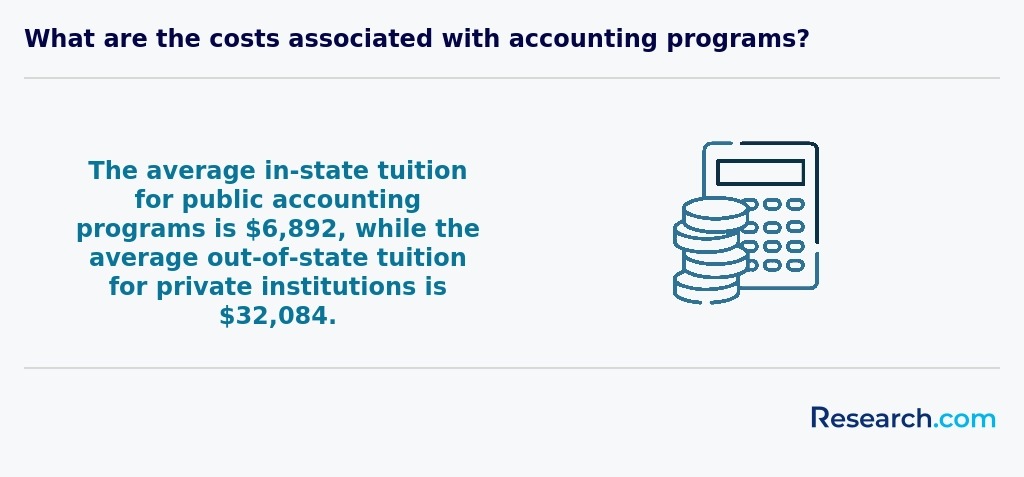
The average cost of an accounting degree in West Virginia offers an inviting balance for many aspiring accountants. For in-state students attending beloved institutions like West Virginia University or Marshall University, the median total cost settles around $9,056. This figure reflects not only tuition and fees but also the essential expenses that shape a student's journey. Graduates often recount how this affordability allowed them to focus on learning without overwhelming financial stress, creating a more immersive and empowering college experience.
Out-of-state students face a higher financial commitment, with median total costs near $33,108, a number that captures the full scope of tuition, living costs, and materials. Despite this, many adventurous non-residents find the rigorous programs and supportive campus communities worth the investment. West Virginia's accounting degree tuition and fees remain competitive compared to national averages, making it an attractive destination for students looking for quality education without exorbitant costs.
Beyond tuition, everyday expenses-books, software, and living essentials-paint a realistic picture of the college lifestyle here. Many accounting majors share stories of balancing these costs while taking full advantage of scholarship opportunities and campus resources. Prospective students can explore options at each school or consider an affordable accounting school in West Virginia to best tailor their educational and financial plans.
Professional Certification Pathways and Licensure Requirements
Earning an accounting degree is just the first step on your journey to becoming a licensed professional in West Virginia. To maximize your career prospects and credibility, consider the following certification and licensure options: 1. Certified Public Accountant (CPA) - Education: 150 semester hours (typically a bachelor’s plus 30 credit hours of graduate-level coursework) - Examination: Uniform CPA Exam administered by NASBA, AICPA, and Prometric - Experience: One year of supervised accounting experience under a licensed CPA - Ethics: West Virginia Board of Accountancy’s Professional Ethics exam 2. Certified Management Accountant (CMA) - Education: Bachelor’s degree or equivalent in accounting, finance, or a related field - Examination: Two-part CMA exam focusing on financial planning, analysis, control, and decision support - Experience: Two years of continuous professional experience in management accounting or financial management 3. Certified Internal Auditor (CIA) - Education: Bachelor’s degree (no specific major required) - Examination: Three-part CIA exam covering internal audit basics, practice, and knowledge elements - Experience: Minimum of 24 months in internal auditing 4. Forensic and Specialized Credentials - Certified Fraud Examiner (CFE) for fraud detection and prevention - Chartered Global Management Accountant (CGMA) for strategic business leadership Supplemental training through certified bookkeeping courses online can strengthen foundational skills in financial record-keeping and prepare you for advanced certifications. Each certification requires ongoing Continuing Professional Education (CPE) credits-typically 40 hours per year-to maintain active status and stay current with industry standards. By strategically planning your certification roadmap, you’ll enhance your employability, salary potential, and professional reputation in West Virginia’s competitive accounting job market.
What financial aid is available to accounting degree students in West Virginia?
Diving into an accounting degree in West Virginia opens up a treasure trove of financial aid opportunities that can make the journey exciting rather than overwhelming. Imagine attending West Virginia University, where students tap into federal aid like Pell Grants, offering up to $7,395 to lighten tuition costs. Many graduates recall how applying through FAFSA unlocked these essential funds, allowing them to focus fully on mastering accounting concepts without financial stress.
Beyond federal help, the PROMISE Scholarship is a gem for West Virginia residents maintaining strong GPAs and enrolling full-time at in-state schools like Marshall University. This merit-based aid can cover a large chunk of tuition, sparking relief and motivation among accounting students eager to excel.
State grants, university scholarships, and support from groups like the West Virginia Society of Certified Public Accountants offer additional financial boosts. Graduates often share stories of combining these aids with part-time internships-a perfect blend of earning while learning that makes the path to their accounting career feel achievable and rewarding.
What are the prerequisites for enrolling in accounting degree program in West Virginia?
Diving into an accounting degree in West Virginia means first meeting a set of clear, welcoming prerequisites that set you on the path to success. Imagine being a freshman at a popular state university, where you need at least a high school diploma or GED, paired with strong math skills like algebra and basic statistics-these courses build the sharp analytical mindset essential for accounting.
Many students find that having a GPA around 2.5 to 3.0 is their ticket in, reflecting consistent effort that universities like those in Morgantown or Huntington appreciate. Some graduates recall that submitting SAT or ACT scores, even if optional, boosted their applications, especially at more competitive schools popular among West Virginia accounting hopefuls.
Equally important is demonstrating solid English proficiency-think of crafting clear business reports or compelling personal statements that showcase your enthusiasm for accounting. Transfer students cherish how presenting official transcripts eased their journey, helping them seamlessly continue their adventure without redundant classes.
Overall, these prerequisites aren't just hoops; they're stepping stones that graduates say fuel a rewarding start in accounting right here in West Virginia.
Maximizing Your Online Accounting Degree Experience
Online accounting programs offer unique benefits that can propel your career forward in today’s digital era. To fully harness these advantages, students should proactively engage with virtual classrooms and digital networking tools while taking advantage of resources such as live webinars, discussion boards, and dedicated academic support. Many successful online learners recommend setting clear daily routines and utilizing productivity apps to simulate the structure of a traditional campus environment. For example, interactive platforms often include virtual career fairs and alumni mentorship programs that connect you with industry experts and open up opportunities like what jobs can you get with online accounting degree, ensuring you keep pace with evolving industry demands. Additionally, embracing e-learning tools-ranging from cloud-based accounting software to collaborative group projects-can deepen your understanding of complex financial concepts while also honing your technical prowess. By integrating these strategies, you will not only excel academically, but also build a strong network and acquire skills that employers value in a remote working landscape.
What courses are typically in accounting degree programs in West Virginia?
Diving into an accounting degree in West Virginia feels like unlocking the secrets behind every dollar and decision in business. At universities like West Virginia University or Marshall University, students begin their journey with foundational courses such as financial accounting and managerial accounting, where they learn to track money flow and use those numbers to steer companies in the right direction.
Imagine tackling Intermediate Accounting I and II, where graduates recall unraveling complex financial statements with enthusiasm, feeling empowered to decode a company's true financial health. Cost Accounting lets students explore the real expenses behind making products, almost like detectives uncovering hidden costs.
- Auditing courses challenge students to critically examine financial records, sharpening their eye for detail
- Taxation classes bring federal tax laws to life, preparing students to navigate real-world tax challenges
- Accounting Information Systems introduce cutting-edge software, making technology their trusted partner
Complementing these are key business courses-economics, business law, and statistics-that help students understand the market's pulse. Many graduates fondly remember how internships connected classroom theories to real companies right here in West Virginia, turning abstract concepts into tangible career skills.
What types of specializations are available in accounting degree programs in West Virginia?
Diving into accounting degree specializations in West Virginia opens a world of focused learning paths tailored to diverse interests. Many graduates from popular colleges like West Virginia University embrace Corporate Accounting, mastering skills in financial reporting and budgeting that shape a business's financial health. Others find excitement in Tax Accounting, navigating ever-changing laws, which is perfect for those dreaming of advising clients or working in dynamic public accounting firms.
West Virginia's accounting program concentration options also include Auditing, where students develop sharp eyes for detail and compliance, vital in external auditing roles. For the curious minds, Forensic Accounting at select West Virginia institutions offers the thrill of uncovering financial fraud, combining investigative intrigue with accounting expertise. Governmental and Nonprofit Accounting is yet another path, appealing to those motivated by public service and working within state agencies.
Graduates often share how choosing a specialization enriched their educational journey, making their degrees more than just numbers on a transcript. If you're wondering about what jobs can you get with online accounting degree, exploring these West Virginia concentrations is a great place to start.
How do you choose the best accounting degree in West Virginia?
Choosing the best accounting degree in West Virginia feels like embarking on a personal quest where every choice shapes your future. Graduates from West Virginia University's John Chambers College share how AACSB accreditation not only boosted their confidence but also opened doors to prestigious internship opportunities. This kind of program quality is the secret compass guiding many toward rewarding careers.
Imagine diving into courses that cover financial accounting and auditing while also exploring areas like taxation or forensic accounting-just like students who graduated from popular local colleges. These specializations help unlock unique career paths, making your accounting degree truly stand out. For those seeking affordable accounting degrees in West Virginia, balancing tuition costs with scholarship options can feel like finding hidden treasure, especially when public universities offer a strong return on investment.
Practical experience gained through internships and career services is another gem. Many programs collaborate with local firms, creating vibrant pathways straight into the accounting world. Plus, if flexibility is key, exploring online options or hybrid classes offers freedom without sacrificing quality. For example, some graduates opted for certified bookkeeping courses online to complement their studies and sharpen skills.
What career paths are available for accounting degree students in West Virginia?
Graduates with an accounting degree in West Virginia discover diverse pathways to shape their futures. Many embark on becoming Certified Public Accountants (CPAs), unlocking roles in auditing, tax advisory, and forensic accounting. These thrilling opportunities often come alive in bustling hubs like Charleston and Morgantown, where public accounting firms eagerly hire fresh talent for audit and consulting services.
The appeal of corporate accounting also draws graduates into fields such as financial analysis and budget management within healthcare and manufacturing sectors, staples of West Virginia's economy. Those who studied at popular institutions find themselves contributing to organizations like CAMC Health System, gaining experience that matches local demand while exploring fields beyond traditional public accounting. This dynamic landscape reflects the vibrant and accessible job prospects tied to accounting career opportunities in West Virginia.
Some graduates choose to navigate nonprofit and government jobs, managing public funds and compliance activities across state agencies and local governments. Others dive into education or financial consulting, transforming their knowledge into teaching roles or advising startups. For students seeking flexible study options, exploring the Affordable Online Accounting Degree Programs Ranking in Colorado can offer additional pathways to complete their education while preparing for this exciting career journey.
What is the job market for accounting degree in West Virginia?
The accounting jobs demand in West Virginia shows a steady rhythm fueled by an economy rich with diverse sectors like manufacturing, healthcare, and government. Graduates from popular colleges in West Virginia often find themselves stepping into roles within public accounting firms, handling auditing or tax preparation, or navigating corporate accounting in local companies. Many share stories of landing internships that transformed into full-time positions, offering a satisfying blend of challenge and growth that keeps them excited about their career paths.
West Virginia accounting degree career outlook remains solid, supported by opportunities in government accounting and nonprofit sectors where skills in budget analysis and financial reporting are prized. While salaries tend to be lower than national averages, the balance of cost of living and consistent demand keeps professionals optimistic. Graduates appreciate that earning a CPA license can open doors to higher-level jobs and increased pay.
For those considering education options, in-state public universities offer affordability in tuition and an adaptable path-including options like an accelerated online bachelor's degree for working adults-making the pursuit of an accounting degree both practical and exciting in West Virginia.
Frequently Asked Questions About accounting
Accounting degree students in West Virginia can maximize their learning experience by combining strong academic preparation with practical opportunities. Enrolling in internships with local firms or government agencies allows students to gain hands-on experience and build professional networks. According to the West Virginia Society of Certified Public Accountants, internships improve employment prospects significantly after graduation.
Students should also take advantage of West Virginia's affordable tuition rates, which average around $7,000 per year for in-state undergraduate programs, enabling them to pursue further certifications such as the CPA without excessive debt. Joining student chapters of organizations like Beta Alpha Psi helps develop leadership and technical skills. Additionally, staying current with evolving tax laws and accounting standards through seminars offered by West Virginia universities enhances career readiness.
Emerging niches in accounting reflect the evolving needs of businesses and regulatory environments. In West Virginia, areas like forensic accounting are growing due to increased demand for fraud detection and legal investigations. According to the U.S. Bureau of Labor Statistics, forensic accounting jobs are projected to grow 16% nationally through 2032, which is faster than average.
Another developing field is environmental accounting, especially relevant in West Virginia's energy and mining sectors, helping companies assess environmental costs and compliance. Additionally, technology-driven roles such as data analytics and cybersecurity accounting are becoming vital as firms implement advanced financial software and protect sensitive data. These niches offer promising career paths for accounting students statewide.
After completing an accounting degree in West Virginia, preparing for the job market involves several key steps. First, gaining professional certifications such as the CPA (Certified Public Accountant) can significantly enhance employment prospects, especially since West Virginia requires 150 semester hours for CPA licensure.
Internships and practical experience during or after studies are essential, as many employers in West Virginia value hands-on experience. Networking through local chapters of organizations like the West Virginia Society of CPAs helps students connect with industry professionals.
Additionally, staying informed about regional employment trends is important. The U.S. Bureau of Labor Statistics projects a 7% growth for accountants in the U.S. overall, with West Virginia's demand in financial services steadily increasing.
Employers in West Virginia seek a blend of technical and soft skills in accounting graduates. Proficiency in Generally Accepted Accounting Principles (GAAP) and familiarity with accounting software like QuickBooks or SAP are commonly required.
Strong analytical skills help candidates interpret financial data accurately. Communication skills are important, as accountants often explain complex information to non-financial staff or clients.
According to the West Virginia Society of CPAs, attention to detail and ethical integrity are critical due to regulatory and compliance standards.
Problem-solving abilities enable graduates to handle discrepancies and improve financial processes effectively.
Additionally, knowledge of tax codes and auditing procedures can increase employability in local firms or government agencies.
Finding internships in West Virginia relevant to an accounting degree involves several practical steps. Start by exploring career services at local universities such as West Virginia University or Marshall University, which maintain connections with regional employers in finance and accounting.
Networking through professional organizations like the West Virginia Society of CPAs can also open opportunities. These groups often share internship listings and host events for students.
Online platforms such as Handshake and the West Virginia Department of Commerce's job portal provide updated listings of internships specifically in the accounting field within the state.
Additionally, reaching out to local accounting firms-ranging from small practices to larger national affiliates-can be effective, as West Virginia had over 2,000 accounting and bookkeeping firms in recent economic reports.
An accounting degree in West Virginia significantly enhances career mobility and advancement within the state's job market. According to the U.S. Bureau of Labor Statistics, West Virginia accountants and auditors earn a median annual wage around $62,000, with higher salaries linked to advanced degrees and certifications. Employers in industries such as finance, healthcare, and government increasingly seek candidates with formal accounting education, boosting opportunities for promotions and managerial roles.
Completing an accounting degree also facilitates eligibility for Certified Public Accountant (CPA) certification, which is highly valued in West Virginia. CPA holders typically experience faster career progression and greater job stability. Additionally, networking opportunities through local universities and professional associations help graduates connect with industry leaders, further improving career prospects.
Studying for an accounting degree in West Virginia equips students with skills that extend beyond traditional accounting tasks. Programs often integrate courses in finance, business law, information systems, and data analytics, fostering an interdisciplinary approach. This enables graduates to adapt to varied roles in corporate finance, auditing, and management consulting.
West Virginia's higher education institutions align with national standards from the AICPA, ensuring students gain competencies in communication and critical thinking, essential for cross-functional teamwork. According to the Bureau of Labor Statistics, accountants with interdisciplinary skills in West Virginia earn a competitive median wage, reflecting their versatility in local industries.
When choosing between a thesis and a non-thesis accounting degree program in West Virginia, students should consider their career goals and learning preferences. Thesis programs focus on research and require an extensive project, ideal for those planning to pursue doctoral studies or research-based roles.
Non-thesis programs emphasize practical skills and coursework, making them suitable for students eager to enter the workforce quickly, especially in popular sectors like tax accounting or auditing. According to the National Center for Education Statistics, many West Virginia universities offer both options, reflecting diverse professional demands.
Additionally, non-thesis options tend to be shorter, allowing faster completion, which is beneficial for working professionals.
Students in West Virginia seeking to study accounting abroad have several routes available through their home institutions. Many universities in the state, such as West Virginia University, offer study abroad programs or exchange partnerships with international business schools, allowing accounting students to gain global exposure while earning credits.
Additionally, West Virginia institutions often encourage participation in semester-long or summer programs in countries with strong business sectors, including the UK and Germany. These experiences provide valuable insights into international accounting standards and practices.
It is important to consult academic advisors early, as financial aid and scholarships specific to study abroad may be available. According to the West Virginia Higher Education Policy Commission, around 12% of West Virginia college students participate in study abroad, a figure that is gradually increasing among business majors.
Part-time job opportunities in West Virginia that complement accounting degrees often focus on developing practical skills in financial analysis, bookkeeping, and tax preparation. Many students find roles as accounting clerks, bookkeepers, or payroll assistants in local businesses and nonprofit organizations. These positions provide valuable hands-on experience with accounting software and real-world financial data.
West Virginia's Bureau of Labor Statistics reported that the state employed over 6,000 bookkeeping and accounting clerks as of 2023, reflecting steady demand in this area. Additionally, tax preparation firms and CPA offices in cities like Charleston and Morgantown regularly hire part-time assistants during tax season.
Such roles enhance students' resumes and provide networking opportunities, important for future CPA licensing or advanced accounting careers.
Accounting students in West Virginia have multiple networking opportunities that can help launch their careers. Many universities encourage joining professional organizations like the West Virginia Society of Certified Public Accountants (WVSCPA), which provides events, seminars, and mentorship programs. These events allow students to connect with experienced professionals and potential employers.
Additionally, local chapters of national groups such as the American Institute of Certified Public Accountants (AICPA) are active in the state, offering conferences and networking mixers.
Internships arranged through West Virginia universities also offer valuable real-world connections within state businesses.
Alumni networks offer significant advantages to accounting degree students in West Virginia by connecting them to experienced professionals and recent graduates. These networks often provide mentorship opportunities, which enhance students' understanding of the local accounting industry and help develop practical skills beyond the classroom.
Networking through alumni can lead to internships and job placements, which are crucial given West Virginia's competitive job market in accounting. According to the West Virginia Society of CPAs, active alumni involvement increases students' chances of entering roles in public accounting firms, corporate finance, or government agencies across the state.
Additionally, alumni networks frequently organize workshops and seminars, providing up-to-date insights on state regulations and accounting standards that affect West Virginia businesses specifically.
Students pursuing accounting degrees in West Virginia can customize their programs by selecting concentrations or electives that align with their career goals. Many universities in the state offer specialized tracks such as forensic accounting, taxation, or auditing. Tailoring courses this way helps prepare for specific roles within the accounting field.
Additionally, internships and cooperative education opportunities available through West Virginia colleges provide practical experience, which is valuable for career advancement. The West Virginia Society of CPAs emphasizes gaining hands-on experience alongside academic learning to meet industry demands.
Some programs also allow students to incorporate business law, finance, or information systems courses to broaden expertise. This flexibility supports diverse accounting career paths including corporate accounting, government auditing, and entrepreneurship.
Accounting students in West Virginia often face several challenges during their studies. One key difficulty is managing the rigorous curriculum that demands strong analytical and quantitative skills. Many students report struggling with courses in financial accounting, taxation, and auditing due to their complexity.
Access to internships and practical experience can also be limited, especially in rural areas of the state. According to the West Virginia Higher Education Policy Commission, fewer local businesses offer accounting internships compared to more urban states, making it harder for students to build real-world skills.
Additionally, balancing part-time work and coursework is common, as financial constraints affect many students pursuing higher education in West Virginia. These factors combined can impact academic performance and timely degree completion.
With an accounting degree in West Virginia, graduates can pursue several professional certifications to enhance their careers. The most recognized is the Certified Public Accountant (CPA) license, which requires meeting education, examination, and experience criteria. West Virginia's Board of Accountancy outlines these requirements, including 150 semester hours of education and residency or work experience within the state.
Other certifications include Certified Management Accountant (CMA) and Certified Internal Auditor (CIA), both valued nationally and beneficial for careers in corporate accounting, management, and auditing.
These credentials can significantly increase job prospects and salary potential in West Virginia's finance sector, with CPA holders often earning above the state average income for accountants, according to the U.S. Bureau of Labor Statistics.
Applying for an accounting program in West Virginia requires careful preparation. Start by researching programs accredited by the Accreditation Council for Business Schools and Programs (ACBSP) or AACSB, as recognized programs improve job prospects.
Highlight your academic strengths, especially in mathematics and business courses, and include any relevant work or internship experience. West Virginia University and Marshall University are among the popular schools offering accounting degrees.
Strong letters of recommendation from teachers or employers can enhance your application. Additionally, clearly explain your career goals related to accounting and how the program aligns with them.
Meeting all application deadlines and submitting a well-written personal statement tailored to West Virginia's industry needs further improves your chances.
The accounting profession is recognized worldwide for its essential role in business transparency and financial management. In the United States, including West Virginia, an accounting degree provides a strong foundation for careers that can extend internationally.
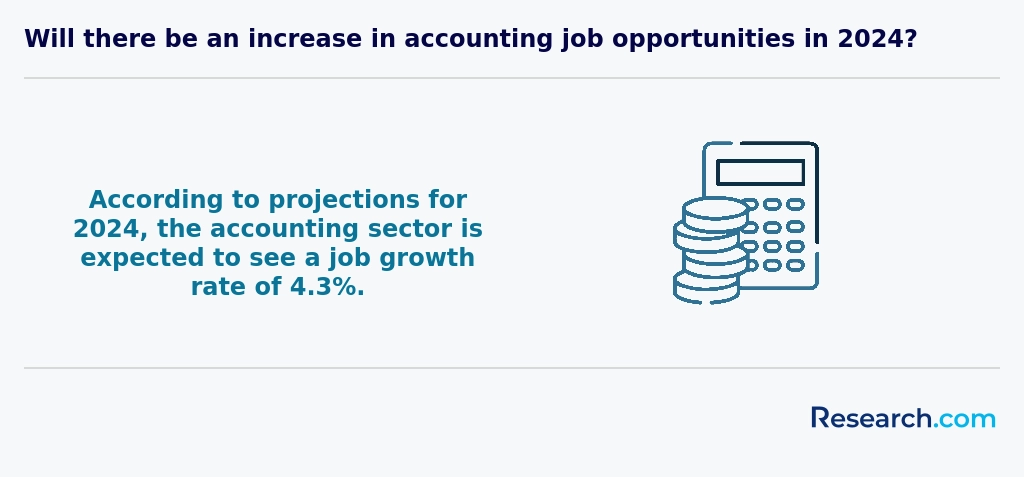
Global demand for skilled accountants continues to grow due to increasing regulatory complexities and economic globalization. According to the U.S. Bureau of Labor Statistics, employment of accountants and auditors is projected to grow 6% from 2021 to 2031, reflecting steady opportunities nationally and regionally.
West Virginia's economy, with expanding industries like healthcare and manufacturing, values accounting professionals who understand international financial reporting standards alongside Generally Accepted Accounting Principles (GAAP). This blend prepares graduates to work with multinational firms or U.S.-based companies doing international business.
Professional certifications, such as the CPA license, enhance global mobility and credibility. West Virginia students often pursue these credentials to strengthen their competitiveness in a global job market.
Gaining practical experience while studying for an accounting degree in West Virginia is essential for career readiness. Many universities in the state, such as West Virginia University and Marshall University, offer internships with local businesses and accounting firms. These opportunities often provide hands-on work with auditing, tax preparation, and financial reporting.
Additionally, students can participate in cooperative education programs (co-ops) that combine classroom instruction with paid work experience. According to the U.S. Bureau of Labor Statistics, internships increase employability for accounting graduates by over 20% nationwide, with similar trends seen in West Virginia's job market.
Joining student chapters of professional organizations like the American Institute of CPAs (AICPA) in West Virginia also helps build practical skills and connect with industry mentors.
Choosing the right concentration within an accounting degree program in West Virginia depends on your career goals and local job market trends. Common concentrations include auditing, tax accounting, forensic accounting, and managerial accounting. Each offers specialized skills suited to different industries.
West Virginia's economy, with significant sectors like coal, healthcare, and government, influences demand for certain accounting skills. For example, forensic accounting may be valuable due to rising fraud detection needs.
The West Virginia Workforce Intelligence Network reports that accountants and auditors in the state earned an average annual wage of $58,950 in 2023, with growth expected at around 6% through 2030, indicating steady opportunities.
Reviewing course offerings and internship opportunities at local universities can also guide your choice. Aligning your concentration with West Virginia's industry demands enhances job prospects after graduation.
Related Accounting Rankings for Nearby States
- 2027 Best Accounting Degree Programs Ranking in Virginia
- 2027 Best Accounting Degree Programs Ranking in North Carolina
- 2027 Best Accounting Degree Programs Ranking in Tennessee
- 2027 Best Accounting Degree Programs Ranking in South Carolina
- 2027 Best Accounting Degree Programs Ranking in New Jersey
- 2027 Best Accounting Degree Programs Ranking in Wisconsin
- 2027 Best Accounting Degree Programs Ranking in New Hampshire
- 2027 Best Accounting Degree Programs Ranking in Oklahoma
- 2027 Best Accounting Degree Programs Ranking in Texas
- 2027 Best Accounting Degree Programs Ranking in North Dakota
Top Trending Accounting Rankings
See What Experts Have To Say About Studying Accounting
Read our interview with Accounting experts

Yaw M. Mensah
Accounting Expert
Professor and Interim Vice Dean for Strategic Partnerships
Rutgers Business School


References
- Accounting Abroad: Benefits and Opportunities : ThisWayToCPA : AICPA https://www.thiswaytocpa.com/education/articles/make-the-most-of-your-education/accounting-abroad-benefits-and-opportunities/
- Get Ahead in Accounting: Ways to Build Relevant Work Experience https://www.fctraining.org/gain-accounting-work-experience.php
- How to Choose an Accounting Specialization https://freemannews.tulane.edu/2025/11/03/how-to-choose-an-accounting-specialization
- Accounting Certifications Guide | Accounting.com https://www.accounting.com/certifications/overview/
- 8 Accounting Niches You Should Consider | Accountancy | Bingparse https://www.icslearn.co.uk/blog/accountancy/8-accounting-niches-you-should-consider/
- Accounting Work Experience in London | Guaranteed work experience https://www.kbmtr.co.uk/accounting-work-experience.php
- Master’s Program in Accounting and Auditing (Thesis/Non-Thesis, Turkish) https://www.isikun.edu.tr/en/academic/graduate/accounting-auditing/masters-program-accounting-and-auditing-thesis/non-thesis
- 15 Accounting Careers: Undergraduate & Graduate Paths https://www.baypath.edu/news/bay-path-university-blogs/post/15-accounting-careers-undergraduate-graduate-paths/
- West Virginia (WV) CPA Exam Requirements https://www.surgent.com/resources/west-virginia-wv-cpa-exam-requirements/
- The Diverse Skills you Gain with an Accounting Degree https://www.accounting-education.org/blog/accounting-degree-diverse-skills/


