
2027 Fastest Online Bachelor's in Accounting Degree Programs Ranking in the USA

Co-Founder and Chief Data Scientist
Exploring online degree options can feel overwhelming, especially when choosing the right accounting program. This article introduces the 2027 Fastest Online Bachelor's in Accounting Degree Programs Ranking in the USA, crafted by the Research.com team of data scientists. It aims to help you identify quality programs that balance speed and value.
Getting an accounting degree opens doors to rewarding career paths and financial stability. By reading this ranking, you'll gain insight into programs that fit your goals and lifestyle, making your educational journey more confident and focused.
Key benefits of getting online accounting degree in America
- Graduates with an accounting degree often secure roles such as Staff Accountant, earning around $90,780 annually, or positions like Bookkeeper and Tax Preparer with salaries near $49,580, providing strong financial stability.
- Career paths include diverse opportunities such as auditing, tax preparation, and accounts payable, offering graduates from institutions like the University of Michigan a variety of rewarding options to grow professionally.
- Obtaining an online accounting degree from respected schools like Penn State World Campus offers flexibility and convenience, allowing students to balance work and study while accessing quality education from anywhere.
- Key benefits of getting online accounting degree in America
- What can I expect from online accounting degree in America?
- Where can I work with online accounting degree in America?
- How much can I make with online accounting degree in America?
- 2027 Fastest Online Bachelor's in Accounting Degree Programs Ranking in the USA
- Key Findings
- How long does it take to complete online accounting degree in America?
- Scholarship Opportunities for Online Accounting Students
- What's the difference between online and on-campus accounting degree?
- Return on Investment
- What is the average cost of online accounting degree in America?
- Accreditation and Professional Certification Pathways
- What financial aid is available to online accounting degree students in America?
- Certification and CPA Exam Preparation
- What are the prerequisites for enrolling in online accounting degree program in America?
- Enhancing Your Skills with Bookkeeping Certification Programs
- What courses are typically in online accounting degree programs in America?
- What types of specializations are available in online accounting degree programs in America?
- How do you choose the best online accounting degree in America?
- What career paths are available for online accounting degree students in America?
- What is the job market for online accounting degree in America?
- Top Trending Accounting Rankings
- See What Experts Have To Say About Studying Accounting
What can I expect from online accounting degree in America?
The average cost of an online accounting degree in America typically ranges from $15,000 to $45,000 for a bachelor's degree, depending on the institution and residency status. Graduates from well-known universities often share that while prestigious schools may have higher tuition, many offer financial aid and scholarships that reduce out-of-pocket expenses significantly. For example, students attending popular colleges for accounting programs, such as those in state universities, found that in-state tuition can be substantially more affordable compared to private institutions.
Many learners highlight that online formats provide flexibility to work part-time or full-time while studying, easing financial pressure. Some graduates recall balancing internships secured via their school's career services, which helped offset costs and boost resumes simultaneously.
In addition to tuition, students should budget for technology fees and required accounting software, but these costs are often minimal compared to traditional on-campus expenses like commuting and housing.
Overall, investing in an accredited online accounting degree can open doors to rewarding careers without the higher costs associated with campus-based programs.
Where can I work with online accounting degree in America?
Graduates with an online accounting degree in America often find diverse employment opportunities across public accounting firms, corporate finance departments, government agencies, and nonprofit organizations. Many begin their careers at public accounting firms, gaining hands-on experience with auditing, tax preparation, and consulting-skills emphasized by graduates from well-regarded programs at universities like the University of Illinois and Arizona State University. These roles build a strong foundation for pursuing CPA certification, which significantly boosts job prospects.
Others move into corporate accounting, working in roles such as budget analysts or financial analysts at major companies, where technology proficiency and data analysis skills learned during their studies are invaluable. Graduates from colleges like Northeastern University highlight the satisfaction of contributing to strategic decisions and financial planning.
Federal, state, and local government agencies also recruit accounting graduates to manage budgeting and compliance, offering stable roles focused on public accountability. Nonprofit organizations provide meaningful work opportunities, where graduates take pride in managing funds that support community initiatives.
Advances in technology have expanded career paths, with many graduates stepping into forensic accounting, financial software roles, or advisory services, often enjoying the flexibility of remote or hybrid work setups.
How much can I make with online accounting degree in America?
Graduates with an online accounting degree from American universities such as the University of Illinois or Arizona State often start with roles like staff accountant, bookkeeper, or tax preparer. According to the U.S. Bureau of Labor Statistics, a staff accountant earns a mean annual wage of about $90,780, while jobs like bookkeeper, tax preparer, and associate auditor average around $49,580 per year.
Many graduates find that these salaries reflect a rewarding entry into the finance sector, especially when combined with internships or certifications. For example, completing the CPA credential can boost wages by 10% to 20%, opening doors to senior positions earning upwards of $80,000 annually. This progression is common among graduates from respected online programs, who often share that real-world application of skills learned remotely helped increase their confidence and employability.
Students from institutions known for strong accounting programs report satisfaction not only with salary gains but also with the stability and demand in this field. By focusing on gaining experience and professional qualifications alongside an online degree, graduates position themselves well to exceed these median salaries in metropolitan hubs where financial firms concentrate.
2027 Fastest Online Bachelor's in Accounting Degree Programs Ranking in the USA
How do we rank schools?
Investing in your education is a significant decision that can shape your future, and the Research.com team understands the importance of making informed choices. To assist prospective students seeking online accounting degrees, we have meticulously crafted the "2027 Fastest Online Bachelor's in Accounting Degree Programs Ranking in the USA." Our commitment to quality, credibility, and accuracy is reflected in the extensive research and thorough analysis conducted to compile this ranking.
We utilized the following reputable data sources to ensure a comprehensive evaluation of programs:
By exploring this ranking, readers will gain valuable insights into the fastest online accounting programs available in the USA, empowering them to make well-informed decisions about their educational paths. For more details on our process, please visit our Research.com methodology page.







# 17 position
University of Maryland Global Campus
Bachelor of Accounting


Key Findings
- Most accredited online accounting bachelor's programs require about 120 credit hours, usually taking four years to complete full-time.
- The cost ranges from $30,000 to $60,000 at public universities and can exceed $100,000 at private institutions.
- Graduates typically start with salaries between $55,000 and $60,000, with experienced accountants earning $75,000 to $85,000 annually.
- Employment for accountants and auditors is projected to grow 7% from 2022 to 2032, matching the average for all occupations.
- Many programs offer coursework to prepare for the CPA exam and allow specialization in areas like forensic accounting, tax, or auditing.
How long does it take to complete online accounting degree in America?
Completing an online accounting degree in America generally takes about four years, similar to traditional on-campus programs. For example, graduates from popular schools like the University of Arizona or Penn State Global often follow this timeline while benefiting from flexible, online schedules.
Many students speed up their progress by transferring prior credits from community colleges or other institutions, reducing their course load. Others take advantage of accelerated or competency-based programs offered by colleges such as Southern New Hampshire University, which can shorten completion to around three years.
Part-time enrollment is common among working professionals, extending the timeline beyond four years but allowing steady income alongside studies. Graduates balancing full-time jobs with online courses often appreciate this flexibility, which institutions like Liberty University provide through year-round sessions.
Associates in accounting typically take two years, making them a quick start for entry-level jobs, while master's degrees and certificates add one or two more years. Choosing the right program and pace is key to matching your personal and professional goals.
Scholarship Opportunities for Online Accounting Students
Pursuing an online accounting degree can be a financially demanding endeavor, but numerous scholarship opportunities are available to help alleviate the costs. For instance, students can explore affordable accounting programs that offer not only quality education but also financial aid packages. Many organizations, such as the American Institute of Certified Public Accountants (AICPA), offer scholarships specifically for accounting students, with awards ranging from $1,000 to $10,000. Additionally, universities often have their own scholarship programs for online students, including merit-based and need-based scholarships. Some notable scholarships for online accounting students include the AICPA Scholarship for Minority Accounting Students, the National Society of Accountants Scholarship, and the Accounting Scholarship for Minority Students. By researching and applying for these scholarships, online accounting students can significantly reduce their financial burden and focus on achieving their academic and professional goals.
What's the difference between online and on-campus accounting degree?
The core difference between online and on-campus accounting degrees in the U.S. is how and where you learn. On-campus programs at schools like the University of Illinois Urbana-Champaign offer face-to-face interaction with professors and peers, which can enhance networking through clubs and study groups. Graduates often share how these connections helped them find internships in bustling finance hubs.
In contrast, online programs from institutions such as Arizona State University provide flexibility, allowing students to balance work or family commitments. Many online graduates appreciate accessing recorded lectures and virtual office hours, which lets them study at their own pace without missing key content.
Both formats cover essential topics-financial accounting, auditing, and taxation-and meet accreditation standards like AACSB. However, online students often save money on commuting and housing but should plan for potential tech fees. Students recommend verifying that the program aligns with CPA exam requirements in their state to ensure smooth licensure preparation.
Return on Investment
Calculating ROI helps you choose a program that balances speed, cost, and earning potential. Key factors to evaluate:
- Total cost: include tuition, fees, and technology expenses.
- Time to completion: accelerated pathways (2-year vs. 4-year) lower overall investment.
- Earning potential: staff accountants average $90,780/year (BLS).
- Payback period: estimate how many months of post-graduation salary covers your education cost.
- Cost-saving options: compare financial aid, scholarships, and cheapest online accounting degree programs to minimize debt.
What is the average cost of online accounting degree in America?
The average cost of an online accounting degree in America generally centers around a median total tuition fee of about $48,120. Students enrolling in in-state programs tend to pay closer to $39,240, reflecting discounted rates that many public universities offer to residents. Out-of-state learners, on the other hand, often face a steeper cost, averaging near $52,348, which aligns with typical tuition differences seen across public and private institutions.
Graduates of popular universities known for accounting appreciate that these costs can feel manageable when paired with strategic financial planning and available aid options. Many have found relief through scholarships, employer tuition reimbursement, and flexible payment plans offered for online students. For example, a student attending a well-regarded state university online calculated their expenses by multiplying an in-state tuition rate of about $400 per credit hour by the approximate 120 credits required.
When budgeting, don't forget to include additional fees such as technology charges and course materials which can add a few hundred dollars each semester. Exploring affordable accounting programs can uncover options where overall costs remain under $30,000 while providing quality education and flexibility. Prospective students should consider reviewing the affordable accounting programs to find courses that balance cost and value effectively.
Understanding the average cost of online accounting degree USA helps students make informed decisions and reduces stress, inspiring confidence as they pursue a rewarding career in accounting.

Accreditation and Professional Certification Pathways
Accreditation serves as the cornerstone of any reputable online accounting program, ensuring that your degree meets rigorous academic and industry standards. Most top programs hold regional accreditation and programmatic accreditation from bodies like the AACSB (Association to Advance Collegiate Schools of Business) or ACBSP (Accreditation Council for Business Schools and Programs), which not only validates curriculum quality but also safeguards eligibility for the CPA exam. To sit for the CPA, candidates typically need 120–150 semester hours from an accredited institution; failing to verify accreditation can delay your licensure timeline by months or even years. Beyond regional accreditation, many schools embed CPA and CMA (Certified Management Accountant) exam preparation directly into their coursework, offering dedicated review modules, practice exams, and mentorship from certified faculty. This structured approach boosts first-time pass rates and accelerates your path to licensure. For prospective students weighing cost against quality, our Low Cost Accounting Degree Programs Ranking in Washington, DC highlights accredited options that deliver both affordability and exam readiness. By choosing an accredited program with built-in certification support, you not only secure a respected credential but also position yourself for higher starting salaries, swifter career advancement, and a seamless transition into professional practice.
What financial aid is available to online accounting degree students in America?
Online accounting students in America often rely on federal student aid accessed through FAFSA, which opens doors to grants like the Pell Grant-offering up to $7,395 per year-that don't require repayment. Many graduates from schools such as the University of Illinois at Urbana-Champaign have found these grants vital in managing tuition costs. Federal Direct Loans provide flexible, low-interest borrowing options, and Work-Study programs let students earn money in accounting-related roles, easing financial pressures while gaining experience.
State-specific grants and scholarships also play a big role. For example, California's Cal Grant has helped numerous students attending San Diego State University pursue their accounting degrees without overwhelming debt. Private scholarships from organizations like the American Institute of CPAs can award thousands annually, rewarding dedication and reducing reliance on loans.
Employer tuition reimbursement is a practical option for working professionals aiming to advance their credentials, especially in competitive job markets such as New York City. Many institutions, including Arizona State University, provide merit scholarships tailored for online learners balancing work and study, which graduates have described as a lifeline during their education.
Certification and CPA Exam Preparation
Earning an online accounting degree in America not only equips students with essential accounting skills but also lays the groundwork for CPA exam eligibility and success. Accredited programs typically cover the 150 credit hours required by most state boards, including core courses in auditing, taxation, business law, and ethics. Many institutions partner with professional review providers to offer integrated CPA exam prep modules, practice question banks, and simulated exams that mirror the structure and difficulty of the actual test. Prospective candidates should verify that their chosen program aligns with their state’s educational requirements, as some states mandate specific coursework in areas like government accounting or advanced auditing. In addition to curriculum alignment, top online accounting programs provide dedicated support services-such as one-on-one coaching, virtual study groups, and access to CPA mentors-that help students stay on track and improve pass rates. Graduates often credit timely feedback from instructors and structured study plans for their confidence on exam day. For cost-conscious learners who seek both quality instruction and budget-friendly tuition, exploring cheap accounting degree online options can balance affordability with robust CPA preparation. Finally, tracking performance metrics such as first-attempt CPA pass rates and average study hours helps students gauge a program’s effectiveness. Candidates should also research any additional fees for exam materials or state board applications. By choosing a program that integrates accreditation, comprehensive coursework, and targeted exam support, students can streamline their journey from graduation to licensed professional.
What are the prerequisites for enrolling in online accounting degree program in America?
To enroll in an online accounting degree program in America, you must first have a high school diploma or GED, which is a basic requirement at universities like Arizona State University and University of Illinois Urbana-Champaign. Graduates often recall submitting official transcripts to confirm their academic history and ensuring their GPA met the minimum, usually between 2.5 and 3.0. This solid foundation helps you succeed in quantitative courses later on.
Many students find that having completed math classes such as Algebra or Statistics before starting their program is invaluable. These courses prepare you for the number-heavy nature of accounting classes, making subjects like financial analysis much more approachable. At schools like Penn State World Campus, applicants sometimes improve their chances by submitting SAT or ACT scores, even if optional.
For those whose first language isn't English, demonstrating proficiency with tests like TOEFL can unlock online programs at universities where clear communication is emphasized. Finally, ensure you have dependable internet and technology setup. Practical preparedness, like what graduates from Oregon State University advise, helps you stay engaged and confident throughout your studies.

Enhancing Your Skills with Bookkeeping Certification Programs
Supplemental credentials can give your accounting career an extra edge. In today’s evolving financial landscape, pursuing additional certifications such as bookkeeping certificates positions graduates to meet specific industry demands and diversify their skill set. Integrating specialized training into your academic journey helps bridge theoretical knowledge with practical expertise. Many professionals report that completing online bookkeeping courses has expanded their career opportunities by instilling confidence in managing day-to-day financial operations and ensuring compliance with industry regulations. Additionally, these programs often offer hands-on experiences and real-world case studies that enrich understanding, making it easier for employers to recognize the candidate’s commitment to continuous learning. Whether you are looking to complement an online accounting degree or pivot into niche roles, gaining certification in bookkeeping is a strategic investment towards long-term professional success and marketability.
What courses are typically in online accounting degree programs in America?
Online accounting degree programs in America typically include core courses such as Financial Accounting, which covers essential principles and how to prepare financial statements-skills graduates at popular schools like Arizona State University found crucial for their first jobs. Managerial Accounting is another key course, helping students learn budgeting and cost analysis used daily in businesses. Programs at institutions like the University of Florida often stress Intermediate and Advanced Accounting, where students tackle complex transactions and GAAP standards, preparing them for real-world challenges.
Taxation courses deal with both individual and business tax laws, allowing students to confidently handle tax preparation tasks after graduation. Auditing classes teach risk assessment and internal control practices following AICPA guidelines, an area graduates from Penn State valued highly in their CPA exam prep. Many programs also include Accounting Information Systems, introducing the technology that modern accountants rely on, a favorite among those studying at Ohio State University.
Electives such as forensic accounting or international accounting let students tailor their education to specific career goals, rounding out a well-prepared, practical skill set for entering the workforce in America's diverse accounting landscape.
What types of specializations are available in online accounting degree programs in America?
Students pursuing an online accounting degree in America often choose from specializations that sharpen their expertise and improve job prospects. For example, tax accounting is favored by graduates aiming to master complex tax laws, a skill highly valued at prominent universities known for accounting. These specialists excel during tax season, ensuring clients save money while complying with regulations.
Auditing and assurance services are another popular focus. Graduates from well-regarded colleges develop the ability to scrutinize financial statements and boost corporate accountability-skills sought after by firms and government agencies. Many also find forensic accounting intriguing, as it involves investigating fraud and financial crime, skills highly applicable in today's economic climate.
Management accounting equips students with budgeting and strategic planning abilities crucial for business leadership roles. Public institutions offering specialized online accounting programs America-wide support students choosing government accounting, preparing them for financial oversight roles unique to the public sector. Students interested in foundational skills often supplement their studies with online bookkeeping courses for practical experience.
How do you choose the best online accounting degree in America?
Start by ensuring the program is accredited by respected bodies like AACSB or ACBSP, since this affects your eligibility for the CPA exam and employer recognition. Graduates from top universities often highlight how accreditation gave them confidence in their education's quality and boosted their job prospects in competitive markets.
Examine the curriculum for strong foundations in financial and managerial accounting, taxation, and auditing. Popular colleges known for top accredited accounting programs America provide options to specialize, such as forensic accounting, which can make you stand out.
Cost and flexibility are crucial for many students balancing work and life. Public universities usually offer more affordable tuition, but if you want to find the cheap accounting degree online, researching these options is key. Look for asynchronous formats that allow managing your own study schedule effectively.
Lastly, review the career support services. Schools praised by recent graduates provide strong internship and job placement programs that open doors immediately after graduation, making the investment worthwhile.
Choosing among the best online accounting degrees USA means blending quality, affordability, and support to match your personal and professional goals.
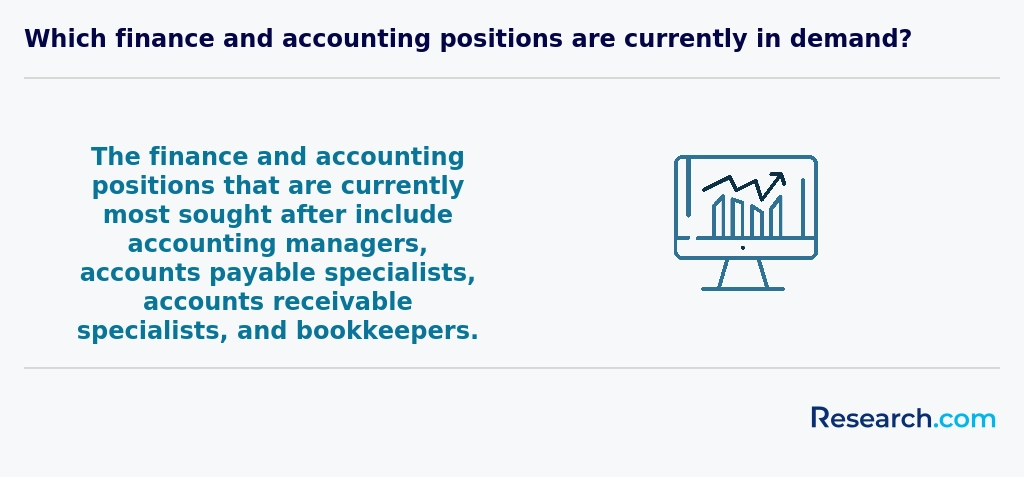
What career paths are available for online accounting degree students in America?
Graduates with an online accounting degree in America find diverse career paths that align with their skills and ambitions. Many pursue traditional roles such as Certified Public Accountant (CPA), management accountant, or auditor-positions that involve financial reporting, budgeting, and regulatory compliance. These roles are accessible through programs at well-known schools, where students gain practical knowledge that prepares them for CPA exams and management responsibilities. For example, graduates from popular universities often highlight how hands-on coursework helped them confidently land entry-level jobs, enhancing their career opportunities.
Other graduates explore specialized careers like forensic accounting, tax consulting, or financial analysis, where investigative skills or strategic tax planning come into play. Such options reflect the growing demand for expertise in fraud detection and complex tax laws. With the increasing availability of online programs, students also save on costs; for those considering affordability, the Low Cost Accounting Degree Programs Ranking in Washington, DC can guide choices. This variety of roles highlights strong online accounting degree career opportunities in the USA, supported by steady job prospects for online accounting graduates in America.
What is the job market for online accounting degree in America?
The online accounting degree job outlook USA remains strong as businesses across America seek skilled professionals to manage financial compliance and reporting. Graduates from well-known programs at universities popular for accounting studies find opportunities in various sectors such as corporate finance, government agencies, and forensic accounting. Many report landing roles quickly, reflecting a steady demand driven by the ongoing need for accurate financial oversight.
For instance, graduates who completed their degrees online at respected institutions in states with dynamic economies often start with competitive salaries around $58,000, with increased earnings as they gain certifications like CPA. These programs build technical expertise and adaptability, qualities highly valued by employers nationwide.
Students concerned about costs often explore options for the most affordable bachelor's degree online, allowing them to invest wisely in their future without sacrificing quality. This approach supports career growth in America while managing financial burdens effectively.
Those entering the field through an online accounting degree benefit from a resilient job market where skills translate into practical, rewarding careers in accounting careers growth in America.
Frequently Asked Questions About accounting
To maximize their learning experience, online accounting degree students in America should actively engage with course materials and virtual class discussions. Research from the National Center for Education Statistics shows that interaction improves retention and comprehension in online settings. Utilizing accounting software like QuickBooks and Excel, commonly used in US accounting jobs, enhances practical skills essential for careers.
Students are advised to join professional groups such as the American Institute of CPAs (AICPA) to network and access additional learning resources. Time management is crucial; setting a consistent study schedule helps maintain focus and progress. Finally, seeking internships or part-time roles during study can provide valuable real-world experience aligned with US accounting standards.
The accounting field in the United States is evolving rapidly, creating new niches for professionals with specialized skills. One emerging area is forensic accounting, where experts investigate financial fraud and support legal proceedings. According to the Bureau of Labor Statistics (BLS), demand for forensic accountants is expected to grow faster than average through 2031.
Another growing niche is sustainability accounting, which focuses on environmental impact and corporate social responsibility. Businesses increasingly need accountants who understand sustainability metrics to meet regulatory and public expectations.
Technology is also reshaping accounting careers. Roles in data analytics and cybersecurity accounting are expanding as firms seek professionals who can interpret complex financial data systems and protect sensitive information.
After completing an online accounting degree in America, preparing for the job market involves several strategic steps. First, obtaining relevant certifications like the CPA (Certified Public Accountant) can significantly enhance employability. According to the AICPA, over 60% of accounting jobs prefer or require CPA certification.
Networking is also crucial; joining professional organizations such as the American Institute of CPAs helps graduates connect with potential employers and stay informed about industry trends.
Practical experience through internships or part-time roles strengthens resumes. The U.S. Bureau of Labor Statistics reports a 7% employment growth in accounting from 2022 to 2032, making early professional exposure valuable.
Finally, mastering accounting software like QuickBooks and Excel will improve job readiness and market competitiveness.
Employers in America highly value accounting graduates who possess strong analytical skills. According to the American Institute of CPAs (AICPA), nearly 85% of hiring managers rank critical thinking as essential for successful accountants.
Proficiency in accounting software like QuickBooks, SAP, and Excel is another top requirement, reflecting the increasing role of technology in accounting roles.
Attention to detail is critical because small errors can lead to significant financial consequences. Communication skills are also vital, as accountants must explain complex financial data in clear terms to non-experts.
Knowledge of Generally Accepted Accounting Principles (GAAP) remains fundamental in meeting regulatory standards across the U.S.
Finding internships relevant to an accounting degree in America begins with utilizing your online program's career services. Many American universities have partnerships with accounting firms that offer paid internships.
The U.S. Bureau of Labor Statistics reports that accounting internships improve job prospects by providing practical experience. Websites like the American Institute of CPAs (AICPA) offer listings tailored to accounting students.
Networking is crucial-joining student chapters of accounting organizations or attending virtual career fairs can connect you to employers.
Additionally, platforms such as Handshake and LinkedIn are widely used by universities and companies to advertise internships in accounting across the U.S.
Obtaining an online accounting degree in America significantly enhances career mobility and advancement opportunities. According to the U.S. Bureau of Labor Statistics, employment for accountants and auditors is projected to grow 7% from 2021 to 2031, faster than the average for all occupations. An online degree provides flexibility for working professionals to gain necessary credentials without interrupting their careers.
Many employers recognize accredited online programs, allowing graduates to qualify for roles such as financial analysts, auditors, and controllers. Furthermore, earning a degree supports eligibility for certifications like the CPA, crucial for higher-level positions.
Online accounting degrees also often include up-to-date technology training, aligning graduates with evolving industry demands. This helps individuals pivot to specialized areas like forensic accounting or tax consultancy, broadening career paths and potential earnings.
Studying for an accounting degree in America equips students with a strong foundation in financial reporting, auditing, and taxation, skills essential for various business environments. Accredited programs often include coursework in business law, information systems, and economics, encouraging a broad understanding beyond core accounting principles. This interdisciplinary approach prepares graduates to collaborate across departments such as finance, marketing, and operations.
According to the American Institute of CPAs (AICPA), nearly 60% of accountants engage in roles that require integration with technology and strategic decision-making. Online programs leverage real-world case studies and software training, which enhances adaptability to diverse professional settings.
Choosing between a thesis and a non-thesis online accounting degree in America depends on your career goals and learning style. A thesis program typically involves conducting original research and writing a detailed paper, which suits students interested in advanced study or academic careers. According to the National Center for Education Statistics, less than 30% of accounting bachelor's programs require a thesis.
Non-thesis programs focus more on practical skills and coursework, preparing graduates for immediate entry into accounting jobs or certifications like the CPA. Many fast online programs favor this option for its flexibility. Understanding if you prefer research or applied learning will help guide your choice. Consult program descriptions carefully to align with your professional ambitions.
American students interested in studying accounting abroad can consider several options tailored to their needs. Many U.S. universities offer online degree programs with partnerships or exchange opportunities involving international institutions. These collaborations allow students to gain global perspectives without leaving the country. Alternatively, online programs accredited by the Accreditation Council for Business Schools and Programs (ACBSP) or the Association to Advance Collegiate Schools of Business (AACSB) enable recognition of foreign studies toward U.S. accounting credentials.
Some programs also emphasize International Financial Reporting Standards (IFRS), essential for careers involving multinational corporations. According to the National Association of State Boards of Accountancy (NASBA), familiarity with IFRS is increasingly vital for CPAs working in global contexts.
Students should verify whether foreign credits are transferable and if online courses meet the 150-credit requirement for CPA licensure in the U.S. Finally, resources like EducationUSA provide guidance on accredited programs and international study options suitable for Americans pursuing accounting degrees.
Part-time job opportunities that complement an accounting degree in America provide valuable practical experience alongside academic learning. Common roles include bookkeeping assistant, tax preparer, and accounts payable clerk. These positions help students apply theoretical knowledge in real-world settings, improving skills in financial reporting and tax regulations.
The U.S. Bureau of Labor Statistics (BLS) reports that bookkeeping and related occupations are projected to grow by 6% from 2021 to 2031, reflecting steady demand. Many companies offer flexible schedules suitable for students.
Additionally, working as an intern in accounting firms can provide exposure to auditing and financial analysis. Such roles often enhance a resume and build professional networks important in the US accounting job market.
Online accounting students in America have access to various networking opportunities despite the virtual format. Many accredited programs offer virtual career fairs, connecting students with accounting firms nationwide. Professional organizations like the American Institute of CPAs (AICPA) and state CPA societies host online events and webinars, enabling students to engage with experienced accountants and potential employers.
Moreover, some universities facilitate online alumni networks, offering mentorships and job placement services. According to the National Association of Colleges and Employers (NACE), 73% of recent graduates found jobs through networking, highlighting its importance.
Students are also encouraged to join LinkedIn groups focused on accounting careers, which provide peer support and industry updates.
Alumni networks offer significant advantages to online accounting degree students in America. These networks connect current students with graduates who possess real-world experience and industry insights. According to the National Association of State Boards of Accountancy (NASBA), over 1.4 million accounting professionals are active in the U.S., many of whom are accessible through alumni groups.
Such connections can lead to mentorship opportunities that help students navigate the Certified Public Accountant (CPA) licensure process, which is critical for career advancement. Alumni can also provide job leads and internships, offering a competitive edge in a field that the U.S. Bureau of Labor Statistics projects to grow 7% from 2022 to 2032.
Networking through alumni platforms fosters professional relationships that often result in referrals, enhancing employment prospects in accounting firms, corporations, and government agencies nationwide.
Customizing an online accounting degree program in America allows students to align their education with specific career goals. Many universities offer concentrations such as forensic accounting, taxation, or auditing, enabling students to develop expertise in high-demand fields. For example, the Bureau of Labor Statistics projects a 7% growth in accounting jobs from 2022 to 2032, highlighting areas like tax preparation as particularly promising.
Students can also select electives in business law, data analytics, or finance to broaden their skill sets. Accredited programs often provide options for internships or capstone projects, offering practical experience tailored to career interests.
Lastly, some schools allow students to choose flexible scheduling or accelerated paths, which can support professional development alongside work commitments.
Online accounting students in America often face challenges related to time management. Balancing coursework with work or family commitments can be difficult, given that accounting programs require a strong grasp of detailed financial concepts. According to the U.S. Department of Education, many online learners report feelings of isolation, which can impact motivation and engagement.
Technical issues and the need for reliable internet access also impact students, especially in rural areas. Additionally, mastering software like QuickBooks or Excel remotely can be a steep learning curve. The complexity of accounting standards, such as GAAP, requires dedicated support that not all online programs equally provide.
With an online accounting degree, you can pursue several valuable professional certifications in the United States. The most recognized is the Certified Public Accountant (CPA) license, which requires passing the Uniform CPA Exam and meeting state-specific education and experience requirements. According to the American Institute of CPAs (AICPA), over 650,000 active CPAs work in the U.S.
Other certifications available include the Certified Management Accountant (CMA), awarded by the Institute of Management Accountants (IMA), focusing on financial management and strategy. The Certified Internal Auditor (CIA) credential, provided by The Institute of Internal Auditors (IIA), is another option for those interested in internal auditing.
Pursuing these certifications can significantly enhance career opportunities and earning potential in accounting and finance fields.
To write a winning application for an online accounting program in America, start by thoroughly researching accredited schools recognized by the Higher Learning Commission or similar regional accreditors. Emphasize your interest in accounting careers by clearly explaining your goals and motivation in a well-crafted personal statement.
Highlight any relevant experience, such as internships or previous coursework in finance, economics, or business. According to the Bureau of Labor Statistics, employment for accountants is projected to grow 7% by 2031, so showing awareness of industry demand can strengthen your case.
Submit all required documents on time, including transcripts and standardized test scores if needed, and request strong recommendation letters from professionals familiar with your academic or work performance.
The accounting profession holds significant importance worldwide, with a strong demand for qualified professionals in diverse industries. In the United States, accounting careers are highly valued, partly due to the country's complex financial markets and regulatory environment. According to the U.S. Bureau of Labor Statistics, employment for accountants and auditors is projected to grow 7% from 2021 to 2031, faster than the average for all occupations.
Globalization has increased the need for accountants who understand international financial standards, such as IFRS, alongside U.S. GAAP. Many employers seek candidates with knowledge of both frameworks to support multinational operations.
Online accounting degrees in America equip students with skills relevant both nationally and internationally. This flexibility widens career prospects, including roles in multinational corporations, government agencies, and nonprofit organizations.
Moreover, certifications like the CPA remain crucial in the U.S., often required for advancement. The global perspective highlights the growing complexity and connectivity of accounting work, emphasizing adaptability and continuous learning.
Gaining practical experience while studying for an online accounting degree in America is essential for career readiness. Many accredited programs encourage students to participate in internships, even if they study remotely. According to the National Association of Colleges and Employers (NACE), 56% of accounting internships lead to full-time job offers.
Students can also engage in virtual internships or remote accounting projects offered by companies adapting to online work environments. Additionally, involvement in accounting clubs and professional organizations like the American Institute of CPAs (AICPA) provides networking and hands-on learning opportunities.
Some programs integrate real-world case studies and software training to build practical skills aligned with industry standards.
When selecting a concentration within an online accounting degree in America, consider your career goals and the accounting fields experiencing growth. Popular concentrations include forensic accounting, taxation, auditing, and managerial accounting. According to the U.S. Bureau of Labor Statistics, accountants focusing on tax and auditing services are expected to see steady demand through 2031.
Research programs that offer specialized courses aligned with certifications like CPA (Certified Public Accountant) or CMA (Certified Management Accountant), as these enhance employability. Accreditation by organizations such as the AACSB ensures quality education relevant to U.S. standards.
Consider program flexibility, faculty expertise, and opportunities for practical experience, especially since online formats vary widely among U.S. institutions.
Top Trending Accounting Rankings
See What Experts Have To Say About Studying Accounting
Read our interview with Accounting experts

Yaw M. Mensah
Accounting Expert
Professor and Interim Vice Dean for Strategic Partnerships
Rutgers Business School


References
- Jobs you can get with a degree in Accounting | Monroe University https://www.monroeu.edu/academics/undergraduate-programs/school-business-and-accounting/jobs-with-degree-in-accounting
- Accounting Online Degree Pathway https://www.learndirect.com/course/accounting-online-degree
- Master’s Program in Accounting and Auditing (Thesis/Non-Thesis, Turkish) https://www.isikun.edu.tr/en/academic/graduate/accounting-auditing/masters-program-accounting-and-auditing-thesis/non-thesis
- 15 Accounting Careers: Undergraduate & Graduate Paths https://www.baypath.edu/news/bay-path-university-blogs/post/15-accounting-careers-undergraduate-graduate-paths/
- Guide to Transition into an Accounting Career https://teach.com/online-ed/business-degrees/online-masters-accounting/how-to-transition-to-an-accounting-career/
- Accounting Job Market Statistics: Employment Outlook | Maryville Online https://online.maryville.edu/online-bachelors-degrees/accounting/careers/accounting-job-market/
- Applying for Accounting Graduate School | Accounting.com https://www.accounting.com/resources/graduate-application-guide/
- College Readiness: Connecting with the Alumni Network - Community Foundation https://southcoastcf.org/college-readiness-connecting-with-the-alumni-network/
- Why International Career Mobility is Key to Attracting the Next Generation of Professional Accountants https://www.ifac.org/knowledge-gateway/discussion/why-international-career-mobility-key-attracting-next-generation-professional-accountants
- How to get into accounting as a graduate https://targetjobs.co.uk/careers-advice/accountancy-banking-and-finance/how-get-accounting-graduate


