
2027 Best Education Degree Programs Ranking in Cincinnati

Co-Founder and Chief Data Scientist
Choosing the right education degree program can shape your future, especially in a vibrant city like Cincinnati. This article introduces the 2027 Best Education Degree Programs Ranking in Cincinnati, carefully crafted by the Research.com team of data scientists to guide students in making informed decisions.
Discover programs that align with your goals and passions, helping you unlock rewarding career opportunities. Whether you're starting fresh or advancing your skills, this ranking highlights quality options worth considering.
Empower yourself with knowledge and take confident steps toward a fulfilling education career.
Key benefits of getting education degree in Cincinnati
- Education degree graduates in Cincinnati can expect rewarding salaries, such as $70,740 annually for Elementary School Teachers and up to $77,200 for Instructional Designers, offering financial stability and growth.
- Graduates from popular Cincinnati institutions often pursue careers in teaching, special education, or instructional design, providing diverse opportunities to make a positive impact within local communities.
- Completing an education degree online from Cincinnati universities allows flexible scheduling and personalized learning, helping graduates balance work and study while advancing their careers efficiently.
- Key benefits of getting education degree in Cincinnati
- What can I expect from education degree in Cincinnati?
- Where can I work with education degree in Cincinnati?
- How much can I make with education degree in Cincinnati?
- 2027 Best Education Degree Programs Ranking in Cincinnati
- Key Findings
- How long does it take to complete education degree in Cincinnati?
- Accreditation and Licensure Requirements
- What's the difference between online and on-campus education degree?
- Teacher Certification and Licensing Requirements in Ohio
- What is the average cost of education degree in Cincinnati?
- Affordability and Financial Considerations for Education Degree Programs in Cincinnati, OH
- What financial aid is available to education degree students in Cincinnati?
- Certification and Licensure Requirements
- What are the prerequisites for enrolling in education degree program in Cincinnati?
- Tips for Prospective Education Students in Cincinnati, OH
- What courses are typically in education degree programs in Cincinnati?
- What types of specializations are available in education degree programs in Cincinnati?
- How do you choose the best education degree in Cincinnati?
- What career paths are available for education degree students in Cincinnati?
- What is the job market for education degree in Cincinnati?
- Top Trending Education Rankings
- See What Experts Have To Say About Studying Education
What can I expect from education degree in Cincinnati?
The average cost of an education degree in Cincinnati varies depending on the institution and program level, but many graduates from schools like the University of Cincinnati and Xavier University share that tuition for a bachelor's program typically ranges from $10,000 to $15,000 per year for in-state students. This investment opens doors to a rewarding career, with comprehensive training that blends educational theory and hands-on teaching experience in local classrooms.
Graduates often recall how their practicum placements in Cincinnati schools gave them real confidence-applying lesson plans and managing classrooms under the guidance of experienced teachers. They found this combination of academic learning and practical experience invaluable for meeting Ohio's teacher licensure requirements, including the Ohio Assessments for Educators (OAE).
Moreover, financial aid options like the Ohio College Opportunity Grant can significantly reduce out-of-pocket costs. Many students balance evening or online classes to accommodate work, making the journey manageable while gaining knowledge that inspires both passion and preparedness for teaching in Cincinnati's diverse communities.
Where can I work with education degree in Cincinnati?
Graduates with an education degree in Cincinnati find themselves stepping into rewarding roles across many settings. Many begin their careers teaching in Cincinnati Public Schools, where the demand for passionate educators in elementary, special education, and STEM subjects remains strong. Imagine joining a community of over 3,800 teachers dedicated to shaping young minds-that's a vibrant workforce waiting for you.
Others discover opportunities in growing charter and private schools, like the Cincinnati College Preparatory Academy, which value educators eager to make a difference beyond traditional classrooms. University graduates from places like the University of Cincinnati or Xavier University often move into academic advising or curriculum development, applying their skills to support higher education students.
Some graduates pursue leadership roles, becoming school principals or district coordinators, where their vision can impact entire communities. Meanwhile, education degree holders with a knack for technology contribute in Cincinnati's expanding education tech and instructional design sectors, helping innovate digital learning experiences.
Beyond formal education, many find fulfilling positions in community outreach programs, lending their talents to organizations that empower youth and families across the city. With your degree from a Cincinnati institution, these diverse paths offer both stability and the chance to inspire lifelong learning.
How much can I make with education degree in Cincinnati?
Graduates with an education degree in Cincinnati can expect rewarding career opportunities with salaries that reflect their dedication and expertise. For instance, those stepping into roles as elementary school teachers earn a mean annual wage around $70,740, which aligns well with local districts like Cincinnati Public Schools where starting salaries hover near $43,000 but grow steadily with experience.
Many graduates from respected institutions such as the University of Cincinnati share how their advanced degrees boosted their salaries substantially-special education teachers earn about $76,000 annually, and instructional designers command around $77,200. These roles highlight the variety of paths available beyond traditional classroom teaching, with salaries reinforcing your value in the education field.
If you're passionate about early childhood education, the average salary of $41,410 can offer a fulfilling start while opening doors to further certification and growth. ESL teachers in Cincinnati, earning approximately $65,430, illustrate how bilingual skills can enhance both impact and income.
By investing in your education at local colleges and embracing professional development, you can follow the footsteps of many graduates who proudly transition into careers that not only pay well but also meaningfully shape young lives.
2027 Best Education Degree Programs Ranking in Cincinnati
How do we rank schools?
Investing in your education is a significant decision that can profoundly impact your future, and the Research.com team acknowledges the importance of making well-informed choices. To aid prospective students in Cincinnati, we have carefully developed the "2027 Best Education Degree Programs Ranking in Cincinnati." Our dedication to quality, credibility, and accuracy is demonstrated through thorough research and analysis underpinning this ranking.
We utilized the following reputable data sources to ensure a comprehensive evaluation of education degree programs:
By consulting this ranking, readers will gain valuable insights into the top education degree programs in Cincinnati, enabling them to make confident decisions about their academic journeys. To learn more about how this ranking was created, please visit our Research.com methodology page.


Key Findings
- Education degrees in Cincinnati are available at accredited institutions, including bachelor's, master's, and certification programs.
- The annual cost for a bachelor's degree ranges from $10,000 to $15,000 at public universities and can be around $25,000 at private schools.
- Graduate education degrees, such as a Master of Education, typically cost between $10,000 and $20,000 in total.
- Starting salaries for education graduates in Cincinnati average about $45,000, increasing to $55,000-$70,000 with experience.
- The local job market for education careers is stable, with a projected growth of approximately 5% over the next decade.
How long does it take to complete education degree in Cincinnati?
Completing an education degree in Cincinnati typically follows a clear timeline, but it beautifully adapts to your lifestyle and goals. Associate degrees usually wrap up in about two years, perfect for those eager to enter the field quickly. If you're aiming for a bachelor's degree, imagine a four-year journey filled with enriching courses and hands-on experiences at institutions like the University of Cincinnati, where many graduates recall balancing lively campus life with rewarding practicum hours.
For passionate learners pursuing a Master of Education, expect about one to two years full-time, though many appreciate flexible programs at schools like Xavier University that accommodate working professionals, sometimes stretching to three or four years. The practicum or student teaching shapes these final stages, offering real classroom moments that ignite confidence and readiness.
Seeing others navigate these paths shows that whether full-time or part-time, Cincinnati's education degrees mold both your schedule and dreams with encouraging support every step of the way.
Accreditation and Licensure Requirements
Ensuring your education degree program in Cincinnati, OH is properly accredited and aligned with Ohio’s licensure standards is vital for both quality and employability. Most reputable programs hold accreditation from the Council for the Accreditation of Educator Preparation (CAEP) or the Ohio Department of Education, which guarantees that coursework meets rigorous state and national benchmarks. Accreditation impacts eligibility for federal financial aid, student teaching placements, and, ultimately, certification to teach in Ohio’s public schools. Ohio licensure begins with completing an approved educator preparation program and passing the Ohio Assessments for Educators (OAE). Key steps include: 1. Program Approval: Enroll in a CAEP- or state-approved program that covers core pedagogy, content specialties, and practicum hours. 2. OAE Exams: Register for and pass the relevant content knowledge and pedagogy exams, such as the OAE Mathematics or English Language Arts assessments, typically offered year-round at Pearson VUE testing centers. 3. Background Check & Workshop: Complete a Bureau of Criminal Investigation (BCI) and Federal Bureau of Investigation (FBI) background check and the state-mandated “Report Child Abuse and Neglect” workshop. 4. Application Submission: Submit your application through the Ohio Department of Education’s Educator Licensure System (ELS), uploading official transcripts, exam scores, and background check clearance. Graduates from accredited programs often report higher job placement rates and smoother transitions to their first teaching roles. For students seeking flexible pathways, consider exploring our Affordable Online Education Degree Programs Ranking in Slippery Rock, PA as a model for combining accreditation with affordability. By prioritizing accreditation and licensure from the outset, you lay a solid foundation for a successful teaching career in Cincinnati and beyond.
What's the difference between online and on-campus education degree?
The main difference between online and on-campus education degrees in Cincinnati lies in the learning experience and daily commitment. On-campus students at institutions like the University of Cincinnati enjoy face-to-face interaction with professors and peers, gaining hands-on experience through student teaching placements in local schools. This in-person connection often creates a supportive community that motivates graduates and builds strong professional networks.
On the other hand, online programs provide unmatched flexibility for busy adults balancing work or family. Graduates who chose online study appreciate the ability to learn at their own pace without commuting, accessing lectures and discussions through digital platforms. However, they must be self-disciplined and comfortable with technology to stay engaged and succeed.
Cost can also vary. Traditional programs in Cincinnati typically charge between $400 and $800 per credit hour, while online options sometimes offer more affordable rates. Both paths prepare students to meet Ohio's licensure standards, but your choice depends on whether you thrive in a structured, interactive campus environment or prefer the freedom of remote study.
Teacher Certification and Licensing Requirements in Ohio
Aspiring educators in Cincinnati must navigate the Ohio Department of Education’s certification process to obtain a valid teaching license. This ensures that graduates are prepared to meet state standards and deliver high-quality instruction. Key steps include: 1. Complete an accredited teacher preparation program. Ensure your chosen institution holds Ohio’s State Board of Education approval and NCATE/CAEP accreditation. 2. Pass required examinations. Most candidates take the Ohio Assessments for Educators (OAE) content tests in their subject area, and the Foundations of Reading test for early childhood and special education applicants. 3. Submit a licensure application. After passing exams, apply online through the Ohio Department of Education’s Licensing System, upload official transcripts, and complete a criminal background check. 4. Fulfill clinical practice hours. Student teaching or practicum experiences-typically 12 to 16 weeks-provide hands-on classroom management and instructional planning practice under mentor supervision. 5. Maintain and renew your license. Ohio requires continuing education every five years: at least five semester hours or 150 continuing education hours. Many educators pursue advanced endorsements, such as reading intervention or administrative credentials, to enhance career growth. For those exploring cost-effective pathways and flexible formats, students can also discover our Affordable Online Education Degree Programs Ranking in Slippery Rock, PA, which may offer transferable credits and innovative online practicum arrangements that align with Ohio’s licensing requirements. By understanding these certification steps early, prospective teachers can efficiently plan their academic and professional development, ensuring timely entry into Ohio’s classrooms.
What is the average cost of education degree in Cincinnati?
When considering the average cost of an education degree in Cincinnati, many students find that the total expense typically centers around $51,393. This median figure reflects the combined costs of tuition, fees, and other essentials, providing a clearer picture than just focusing on tuition alone. Graduates from popular institutions like the University of Cincinnati and Xavier University often share how mindful financial planning helped them manage this investment, especially balancing in-state tuition advantages and living expenses.
The education degree tuition and fees Cincinnati students face will vary depending on residency and program choice. In-state students enjoy significantly lower rates, often about half the price compared to out-of-state peers, which lowers the overall cost and eases financial pressure. This difference is pivotal for many who choose Cincinnati for its affordable, quality programs and vibrant educational community.
Beyond tuition, graduates emphasize managing extra costs such as books, housing, and transportation to maintain a balanced budget. Many also take advantage of specialized scholarships and grants offered in Cincinnati, designed to support future educators and help reduce financial burdens. By exploring these options, students often find pathways to finance their education more effectively.
If budgeting is your priority, checking out the cheapest education school in ohio is a practical step toward securing an affordable, reputable education degree in Cincinnati.
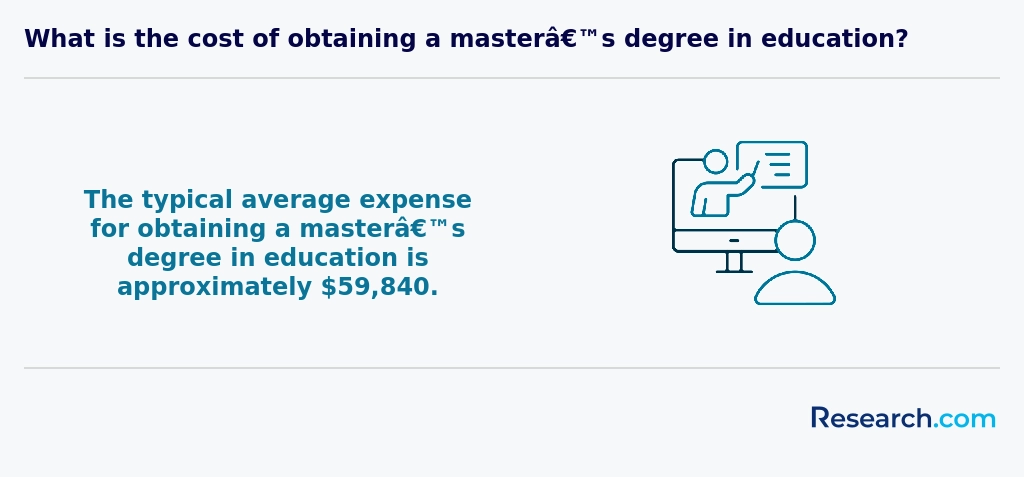
Affordability and Financial Considerations for Education Degree Programs in Cincinnati, OH
When considering education degree programs in Cincinnati, OH, one of the most crucial factors is affordability. Prospective students often find themselves weighing the costs of tuition, living expenses, and other fees against the potential benefits of their desired program. To make informed decisions, it's essential to understand the financial landscape of education degrees in Cincinnati. For instance, students can explore options like the cheapest education school in ohio to find programs that fit their budget. By examining the total cost of attendance, including tuition, room, and board, students can better plan their financial futures. Additionally, understanding the types of financial aid available, such as grants, scholarships, and loans, can help alleviate some of the financial burdens associated with pursuing an education degree. Ultimately, finding a balance between program quality, affordability, and personal financial situation is key to succeeding in an education degree program in Cincinnati, OH.
What financial aid is available to education degree students in Cincinnati?
If you're aiming for an education degree in Cincinnati, numerous financial aid opportunities can brighten your path. Graduates from the University of Cincinnati often share how starting with the FAFSA opened doors to federal Pell Grants, some receiving up to $7,395 that didn't need repayment. This immediate relief made early semesters feel less daunting and more focused on learning rather than finances.
State programs like the Ohio College Opportunity Grant also play a huge role. Students attending public universities here can get anywhere from $500 to $2,000 annually, easing the burden significantly. Many Xavier University education majors have taken advantage of these grants alongside scholarships offered specifically for future teachers-recognizing their academic promise and drive to serve Ohio communities.
Loan forgiveness is another motivating factor. Imagine working in a local school and having up to $17,500 of your federal loans forgiven after five years. For many graduates, this promise transforms what once seemed like an overwhelming debt into a manageable investment in their future.
Lastly, never overlook local school districts and nonprofits. They often provide additional aid, helping you thrive as a committed teacher within Cincinnati's vibrant educational landscape.
Certification and Licensure Requirements
Earning an Education degree in Cincinnati, OH, is only the first step toward a teaching career; obtaining state certification is equally essential. In Ohio, prospective K-12 teachers must complete the following: 1. Approved Educator Preparation Program • Graduate from a state-approved bachelor’s or master’s program in education, which includes both coursework and clinical experiences. • Verify program approval on the Ohio Department of Education (ODE) website. 2. Pass Required Exams • PRAXIS II Content Assessment: Demonstrates subject-matter mastery (e.g., Elementary Education: Multiple Subjects, Secondary Math, ESL). • edTPA Teaching Performance Assessment: Evaluates planning, instruction and assessment skills via video‐recorded classroom teaching. • Check specific score requirements on the ODE licensure portal. 3. Background Check and BCI/FBI Clearance • Complete a Bureau of Criminal Identification and Investigation (BCI) and FBI fingerprint check. • Submit clearance documents with your online application to ODE. 4. Apply for Initial License • Create an account on the OEDS (Ohio Educator Data System) and submit your application along with official transcripts, exam scores and background clearances. • Pay applicable fees and monitor application status through OEDS. 5. Alternative Pathways • Career‐Technical Education and Resident Educator programs allow candidates to teach while completing certification requirements. • For flexible online options that meet licensure prerequisites at competitive rates, consult the Affordable Online Education Degree Programs Ranking in Slippery Rock, PA. Continued professional development is required to renew your teaching license every five years. Ohio educators must complete 120 contact hours of professional learning or hold an advanced degree to upgrade from an Initial to a Standard or Professional license. By understanding and navigating these certification requirements, Cincinnati graduates can transition smoothly from the classroom of their preparation program to a fully licensed teaching position.
What are the prerequisites for enrolling in education degree program in Cincinnati?
If you're aiming to enroll in an education degree program in Cincinnati, start by securing your high school diploma or equivalent, as this is the fundamental gateway. Graduates from well-known Cincinnati institutions often recall how maintaining a GPA around 2.5 to 3.0 opened doors for them, proving their academic commitment. Admissions committees also typically ask for standardized test scores like the SAT or ACT if you're entering an undergraduate program, while graduate applicants might submit GRE or MAT results-although several colleges here are now embracing test-optional policies, making it easier to apply.
Imagine yourself walking into a campus like the University of Cincinnati, proudly handing over official transcripts that include prerequisite courses in English and math, demonstrating your readiness for rigorous study. You'll also need to clear background checks, essential when preparing to work with children during practicums, aligning with Ohio's safety standards. Don't forget, thoughtful letters of recommendation and personal statements can highlight your passion and determination-qualities graduates say truly helped them stand out amid many applicants.

Tips for Prospective Education Students in Cincinnati, OH
Navigating the path to a successful education career begins long before your first day in the classroom. Aspiring educators can benefit from clear strategies during the application and early student years. Start by researching each institution’s admission process, gathering recommendations, and preparing a compelling personal statement that highlights both passion for teaching and academic accomplishments. It’s also important to engage with campus tours, virtual webinars, and mentor sessions that many schools offer to ensure you understand the program’s culture and expectations. Time management and proactive networking are key components for success. One practical tip is to connect with alumni who can share their experiences and offer advice on securing internships, scholarships, and additional training. For those looking to expand their expertise beyond traditional education study areas, exploring complementary fields such as online library masters programs can provide additional insights and competitive edge in today’s multidisciplinary career market. Finally, remember to regularly review program updates, attend career development workshops, and utilize academic advising services. These steps not only prepare you for the academic challenges ahead but also ensure you’re equipped with real-world skills essential for thriving in diverse educational settings.
What courses are typically in education degree programs in Cincinnati?
When you embark on an education degree in Cincinnati, expect a vibrant mix of courses designed to equip you with practical skills and deep understanding. Popular institutions here blend foundational subjects like Foundations of Education, which dives into the rich history and philosophy behind teaching, with dynamic courses such as Educational Psychology that reveal how students learn and grow. Graduates often recall how learning classroom management techniques felt like unlocking secrets to creating respectful, engaging spaces where every student thrives.
At Cincinnati-based colleges, you'll engage with Instructional Technology, mastering digital tools that turn traditional lessons into interactive experiences, something many found invaluable during student teaching. Courses in Assessment and Evaluation sharpen your ability to measure student progress thoughtfully, while Special Education prepares you to embrace diverse learners with empathy and tailored strategies.
Many who studied here emphasize the weight of Methods of Teaching, where theory meets real classrooms during practicum periods. These practical experiences, embedded in Cincinnati's local schools, help candidates confidently apply their knowledge and ignite a lifelong passion for education.
What types of specializations are available in education degree programs in Cincinnati?
When exploring education degree specializations Cincinnati offers, you'll find a range designed to prepare you for meaningful careers in teaching and beyond. Graduates from local institutions often share how their focus on Elementary Education empowered them to connect deeply with young learners, building strong foundations in reading and math. Others who pursued Secondary Education specialize in subjects like science or English, feeling fulfilled by sparking curiosity in middle or high school students.
Teaching certification programs Cincinnati typically include Special Education, where educators learn techniques to support diverse learners with individualized methods, and Early Childhood Education, which is perfect for those passionate about guiding preschoolers through critical developmental milestones. Many graduates also highlight the value of Educational Leadership and Administration tracks, which helped them transition to school principal roles or district management with confidence.
Some local programs, especially at prominent Cincinnati colleges, have embraced urban education and culturally responsive teaching, addressing the city's diverse communities. For students interested in blending education with technology or library science, exploring options like online library masters programs can add versatile skills to your profile.
How do you choose the best education degree in Cincinnati?
When choosing the best education degree in Cincinnati, start by focusing on your career goals. Graduates from the University of Cincinnati often mention how the strong Teacher Education Program equipped them with practical skills and Ohio licensure preparation, making their transition into teaching smooth and confident. Look for programs offering focused pathways like elementary, secondary, or special education that match where you envision your future.
Cost is another crucial factor. Many students seeking affordable teaching degrees in Cincinnati find that institutions like Cincinnati State Technical and Community College provide budget-friendly options without sacrificing quality. Balancing tuition expenses with financial aid and career support services can shape your college experience positively.
Don't forget to check accreditation to ensure your degree holds value with employers and licensing boards. Also, hands-on fieldwork through local school partnerships offers real classroom experience, often boosting graduates' confidence. For more options and cost-conscious choices beyond Cincinnati, explore the Affordable Online Education Degree Programs Ranking in Slippery Rock, PA.

What career paths are available for education degree students in Cincinnati?
Graduates with an education degree career options Cincinnati enjoy a variety of fulfilling paths beyond classroom teaching. Many find rewarding roles within Cincinnati Public Schools, teaching at every level from elementary through high school, where demand remains strong. Others pursue leadership positions such as school principals or curriculum coordinators, often motivated by a desire to shape education on a broader scale. Graduates from local universities often share how hands-on experiences during their coursework prepared them for these challenges.
Special education is another expanding area, especially given Cincinnati's commitment to inclusive programs. Working directly with students who have unique learning needs offers both emotional rewards and professional growth. Additionally, education degree holders often explore roles as educational technology specialists or school counselors, assisting student development in crucial, evolving ways. Several graduates also choose to continue their education careers in higher education or adult learning centers, leveraging their expertise to support lifelong learners.
Those looking to enhance their credentials might explore best one-year masters programs that fit around busy schedules, boosting both knowledge and career prospects.
What is the job market for education degree in Cincinnati?
The education degree job opportunities in Cincinnati continue to grow steadily as public and suburban school districts actively seek passionate educators. Graduates from the University of Cincinnati and Xavier University often share how their hands-on experiences in local schools prepared them well, opening doors to roles in K-12 teaching-especially in STEM and special education fields. Many find this an inspiring city to launch a teaching career, where average teacher salaries between $55,000-$60,000 reflect both competitive compensation and a supportive community.
Cincinnati teaching career prospects 2027 show promising trends beyond classroom roles. Graduates report increasing chances in educational administration, counseling, and curriculum design as schools focus on improving student success. The region's affordable tuition makes these education degrees accessible, and many students explore quick courses that pay well to boost credentials and versatility in the field.
Frequently Asked Questions About education
Education degree students in Cincinnati can maximize their learning experience by engaging with both academic and practical opportunities available locally. Cincinnati is home to institutions like the University of Cincinnati and Xavier University, which offer access to extensive field placements in diverse school districts across the city. According to the Ohio Department of Education, participating in these hands-on clinical experiences enhances teaching skills and fosters real-world classroom management abilities.
Students should also utilize campus resources such as tutoring centers, workshops, and peer study groups to deepen their understanding of pedagogical theories. Networking with local educators through city education conferences can provide insights into Cincinnati's unique community needs. Combining classroom learning with active community involvement prepares graduates effectively for teaching careers in Ohio's education system.
Emerging niches within the education field reflect growing demands for specialized skills and innovative teaching methods. In Cincinnati, there is increasing interest in educational technology, driven by local school districts investing in digital learning tools. According to the Ohio Department of Education, over 60% of schools in the region have integrated online platforms, highlighting the need for experts trained in ed-tech design and implementation.
Another expanding area is special education, particularly focusing on inclusive practices for students with diverse learning needs. The Cincinnati Public Schools reports a steady rise in enrollment of students requiring individualized education programs (IEPs).
Additionally, bilingual education and multicultural curricula are gaining attention as Cincinnati's diverse population grows. These niches offer promising career paths for education graduates interested in meeting evolving community needs.
After completing an education degree in Cincinnati, preparing for the job market involves several key steps. Most graduates start by obtaining state licensure through passing the Ohio Assessment for Educators exam, which is essential for teaching in public schools. According to the Ohio Department of Education, Cincinnati's local districts prioritize candidates with strong student teaching experience, so gaining practical classroom hours during your program is crucial.
Networking with educators and attending local job fairs like those hosted by the Cincinnati Federation of Teachers can improve employment prospects. Additionally, Cincinnati's public and charter schools often seek skills in inclusive education and technology integration, reflecting current educational trends.
Understanding salary ranges is important too; the average starting salary for teachers in Cincinnati is approximately $40,000, slightly below the national average, which informs realistic expectations. Finally, keeping up with continuing education opportunities in Cincinnati helps maintain licensure and enhances career advancement.
Employers in Cincinnati seeking graduates with education degrees prioritize strong communication skills. These graduates must effectively engage with diverse student populations and collaborate with parents and colleagues. According to the Ohio Department of Education, over 70% of local school districts emphasize cultural competency as essential for new teachers.
Classroom management and adaptability also rank highly. With evolving educational standards in Ohio, candidates who demonstrate flexibility in teaching methods are preferred. Additionally, technology proficiency is increasingly important, as Cincinnati schools integrate digital tools for instruction and assessment.
Analytical skills for data-driven decision-making further enhance employability, aligning with state initiatives promoting student performance tracking.
Finding internships in Cincinnati relevant to an education degree requires a strategic approach. Many local schools and educational organizations partner with universities to offer practical teaching experiences. For example, Cincinnati Public Schools frequently collaborate with University of Cincinnati's College of Education, Criminal Justice, and Human Services to provide internship placements.
Students should begin by contacting university career centers, which often have exclusive internship listings. Additionally, platforms like Handshake and Indeed can be useful for locating internships specifically targeted at education majors in the Cincinnati area.
Networking with local educators and attending job fairs organized by institutions such as Xavier University can also open doors to internships. According to the Ohio Department of Education, Cincinnati offers a growing number of hands-on opportunities, reflecting the city's commitment to improving teacher preparedness.
Obtaining an education degree in Cincinnati significantly enhances career mobility and advancement opportunities within the local job market. According to the Ohio Department of Education, professionals with teaching credentials in Cincinnati benefit from steady demand, with the city experiencing a 7% growth in educational roles from 2019 to 2023. This demand supports upward movement into specialized positions such as curriculum coordinators or school administrators. Furthermore, holding a degree often qualifies candidates for higher salaries; the Cincinnati public school system reports a starting salary increase of up to 15% for teachers with bachelor's degrees compared to those without.
Advanced education degrees, including master's programs available at institutions like the University of Cincinnati, also open doors to leadership roles and improve long-term career stability. In addition, educators with degrees are more competitive for grants and professional development funding, essential for continuing advancement. Local data from the Greater Cincinnati Workforce Partnership highlights that certified educators consistently experience lower unemployment rates than peers without formal degrees in education.
Studying for an education degree in Cincinnati equips students with skills relevant to various interdisciplinary roles in today's complex educational landscape. Programs in the city often blend coursework in pedagogy with training in psychology, sociology, and technology, allowing future educators to approach challenges from multiple angles. According to the Ohio Department of Higher Education, local institutions incorporate collaborative projects that encourage students to engage with community organizations and diverse populations.
This interdisciplinary training prepares graduates to work not only as teachers but also as curriculum developers, counselors, and educational consultants. Cincinnati's education programs emphasize critical thinking, cultural competence, and adaptability-qualities essential for roles that integrate education with social services or policy development.
When choosing between a thesis and a non-thesis education degree program in Cincinnati, consider your career goals and time commitment. Thesis programs generally require original research and are suited for students interested in academic or research careers. Non-thesis options focus more on practical skills and often include additional coursework or internships.
In Cincinnati, universities like the University of Cincinnati offer both options, with thesis tracks typically lasting longer due to research demands. According to the National Center for Education Statistics, nearly 40% of master's students nationwide select non-thesis paths for quicker graduation.
Evaluate your preferred learning style and job market demands in education fields around Cincinnati when making your decision.
Students in Cincinnati seeking education degrees with an international perspective have several options to study abroad through local universities. Institutions like the University of Cincinnati offer study abroad programs that include partnerships with schools in Europe, Asia, and Latin America. These programs allow education majors to gain firsthand teaching experience in diverse classrooms, enhancing their global understanding of pedagogical methods.
According to the Institute of International Education, nearly 10% of University of Cincinnati students participate in study abroad each year. Education students can combine coursework with cultural immersion, often earning credits toward their degree.
Additionally, some Cincinnati colleges provide short-term faculty-led trips focusing on education systems abroad, which suit busy students or working professionals.
Students pursuing education degrees in Cincinnati can enhance their learning through part-time jobs closely related to their field. For example, working as a teacher's aide in Cincinnati Public Schools offers practical classroom experience, which is valuable for licensure. The district employs numerous aides, reflecting the city's commitment to supporting future educators. Another opportunity is tutoring, either independently or at community centers like the Cincinnati Recreation Commission, which serves thousands of youth annually. These roles improve communication and instructional skills essential for teaching careers. Additionally, local early childhood programs often seek assistants, providing insight into developmental education methods and regulations specific to Ohio.
Education students in Cincinnati benefit from numerous networking opportunities that connect them with professionals and peers in the field. The University of Cincinnati, a major local institution, hosts events such as education career fairs and mentorship programs where students meet experienced educators and potential employers. According to the university's Career Services, over 70% of education graduates gain employment through networking contacts.
Local chapters of national organizations like the Ohio Education Association offer regular meetings and workshops, helping students build professional relationships. Additionally, Cincinnati Public Schools collaborate with colleges, providing internships and student teaching placements that foster direct connections to local education communities.
Conferences and seminars hosted by nearby education centers also provide platforms for students to learn about current trends while expanding their professional network. These opportunities are crucial for future teaching professionals seeking to thrive in Cincinnati's education system.
Alumni networks provide valuable support for education degree students in Cincinnati by offering access to experienced graduates who work in local schools and educational institutions. These connections can lead to mentorship opportunities, internships, and job placements, which are essential for career growth in teaching and administration.
According to the Cincinnati Public Schools, strong professional networks improve employment rates for recent graduates by nearly 20%. Many local universities, such as the University of Cincinnati, maintain active alumni groups that host workshops and networking events tailored to future educators.
Furthermore, alumni often share insights on navigating Ohio's teacher certification process, enhancing students' readiness for statewide requirements. This community support can help students transition more smoothly from academic programs to professional roles within Cincinnati's diverse educational landscape.
Customizing an education degree program in Cincinnati to fit your career goals involves selecting specific concentrations, electives, and practical experiences offered by local universities. Many institutions provide options such as early childhood education, special education, or educational leadership, allowing students to tailor their studies.
Additionally, Cincinnati schools often include fieldwork placements or internships in diverse local school districts, enabling students to gain hands-on experience relevant to their desired teaching environment. According to the Ohio Department of Higher Education, over 30% of education graduates in Cincinnati pursue specialized credentials after their degree to enhance career opportunities.
Students can also leverage available online and part-time course options to balance work and study while focusing on areas like curriculum design or educational technology.
Education students in Cincinnati often face several challenges during their studies. One common difficulty is balancing practical fieldwork with academic coursework. Cincinnati's schools require students to complete extensive classroom observations and teaching internships, which can be time-consuming and stressful alongside lectures and assignments.
Financial strain is another challenge. According to the Ohio Department of Higher Education, many students in Ohio, including Cincinnati, report concerns over tuition costs and living expenses while pursuing degrees in education.
Additionally, adapting to diverse classroom environments poses challenges. Cincinnati has a varied student population, and education students must learn to address different cultural and learning needs effectively.
Lastly, passing state licensure exams remains a significant hurdle for many candidates preparing to become certified teachers in Ohio.
With an education degree in Cincinnati, you can pursue various professional certifications to enhance your career prospects. Common options include the Ohio Initial or Professional Teaching License, which qualifies you to teach in public schools.
Additionally, educators can obtain specialized certifications such as Reading Endorsement or Intervention Specialist Licenses, both valuable in Cincinnati's diverse school districts. National certifications, like the National Board Certification for teachers, also bolster credentials, potentially increasing salary and job opportunities.
Beyond teaching, education degree holders may pursue administrative licenses, such as the Ohio Principal or Superintendent certificates, often required for school leadership roles.
Writing a winning application for an education program in Cincinnati requires clear articulation of your goals and qualifications. Start by researching the specific education schools in Cincinnati, such as the University of Cincinnati or Xavier University, to understand their unique admission criteria.
Highlight your academic achievements and relevant experiences, including any volunteer or work in local schools, to demonstrate your commitment to education. Including a well-crafted personal statement that reflects your passion for teaching and community impact is essential.
Many Cincinnati programs value diversity and practical experience, so emphasize how you can contribute to these areas. According to the Ohio Board of Education, candidates with hands-on experience often have higher acceptance rates.
The global perspective on a career in education recognizes its critical role in shaping societies and economies worldwide. In the United States, particularly in cities like Cincinnati, education degrees prepare professionals to meet diverse challenges in learning environments. According to the National Center for Education Statistics, educators with advanced degrees generally see higher employment rates and salaries, reflecting the value placed on specialized knowledge.
Internationally, education careers often emphasize cross-cultural competencies, an area increasingly integrated into Cincinnati programs. This prepares graduates to work effectively in diverse classrooms or abroad. Furthermore, U.S. education systems promote continuous professional development, aligning with global trends toward lifelong learning and digital literacy in teaching.
Gaining practical experience while studying for an education degree in Cincinnati is essential for building a strong teaching foundation. Many programs in the area, including those at the University of Cincinnati and Xavier University, incorporate student teaching placements within local schools. These supervised internships allow students to apply theory in real classrooms under the guidance of experienced educators.
In addition, Cincinnati's public school districts often collaborate with universities to offer practicum opportunities, where students can engage in lesson planning, classroom management, and student assessment. According to the Ohio Department of Education, over 70% of education students in Cincinnati complete their student teaching in local public schools, gaining valuable hands-on experience.
Supplementary workshops, tutoring programs, and educational outreach initiatives also help students practice instructional skills outside traditional placements. These practical experiences are key to qualifying for Ohio teaching licensure after graduation. Staying informed about partnerships between universities and Cincinnati schools can maximize these opportunities.
Choosing the right concentration within an education degree program in Cincinnati requires thoughtful consideration of your career goals and interests. Common concentrations include early childhood education, special education, and secondary education. Each path prepares you for different teaching environments and student needs.
Research from the Ohio Department of Higher Education shows that early childhood education remains in high demand locally, with Cincinnati Public Schools emphasizing qualified educators in this area. Reviewing job market trends and licensure requirements in Ohio can help guide your decision.
Additionally, Cincinnati universities often offer practicum experiences aligned with specific concentrations. Visiting campus advisors and attending informational sessions can provide insight into which concentration matches your strengths and future plans best.
Related Education Rankings for Nearby Cities
- 2027 Best Education Degree Programs Ranking in Louisville
- 2027 Best Education Degree Programs Ranking in Indianapolis
- 2027 Best Education Degree Programs Ranking in Ann Arbor
- 2027 Best Education Degree Programs Ranking in Chicago
- 2027 Best Education Degree Programs Ranking in River Forest
- 2027 Best Education Degree Programs Ranking in Grand Rapids
- 2027 Best Education Degree Programs Ranking in Atlanta
- 2027 Best Education Degree Programs Ranking in Dubuque
- 2027 Best Education Degree Programs Ranking in Washington
- 2027 Best Education Degree Programs Ranking in Birmingham
Top Trending Education Rankings
See What Experts Have To Say About Studying Education
Read our interview with Education experts


Alan J. Singer
Education Expert
Professor of Teaching, Learning and Technology
Hofstra University

References
- Is a thesis always mandatory in a master's degree program? - EFMU: The Euler-Franeker Memorial University and Institute https://euler.euclid.int/is-a-thesis-always-mandatory-in-masters-degree-program/
- Degrees & Certificates - Cincinnati State https://www.cincinnatistate.edu/degrees-certificates/
- MONPERATOTO Jati Diri Situs Togel Online Resmi Bersama Agen Toto Togel 4D Terpercaya https://writerslife.org/educational-markets/
- Students: This is How You Should Prepare for the Job Market https://www.agencycentral.co.uk/articles/students-this-is-how-you-should-prepare-for-the-job-market/
- 10 Reasons Why Education Helps to Advance Your Career - Insight Training https://insight.edu.au/blog/career-advancement-through-education/
- Benefits of Networking for Students https://www.melioeducation.com/blog/benefits-of-networking-for-students/
- Can Higher Education Improve Long-Term Career Success https://studysphereadvisors.com/how-higher-education-influences-long-term-career-growth/
- Student Expectations and Perceptions of Higher Education - ACA https://aca-secretariat.be/newsletter/student-expectations-and-perceptions-of-higher-education/
- Educational Success - United Way of Greater Cincinnati https://www.uwgc.org/see-the-impact/educational-success/
- How To Write A Great Cover Letter For Teacher Training - Engage Education https://engage-education.com/blog/how-to-write-a-great-cover-letter-for-teacher-training/


