
2027 Best Education Degree Programs Ranking in Louisiana

Co-Founder and Chief Data Scientist
Choosing the right education degree program in Louisiana can shape your future and open doors to rewarding careers. This article introduces the 2027 Best Education Degree Programs Ranking in Louisiana, carefully crafted by the Research.com team of data scientists. Their analysis helps you identify programs that stand out for quality and outcomes.
Whether you're starting fresh or seeking advancement, exploring this ranking offers valuable insights. Discover which programs align with your goals and take confident steps toward a fulfilling education career. Your path to making a meaningful difference begins here.
Key benefits of getting education degree in Louisiana
- Graduates with an education degree in Louisiana can expect rewarding salaries, such as $76,000 for special education teachers and $77,200 for instructional designers, providing financial stability and career growth.
- Many education graduates from Louisiana State University pursue diverse roles, including early childhood educator or ESL teacher, reflecting the broad opportunities available locally and beyond.
- Completing an education degree online from a university like the University of Louisiana at Monroe offers flexible scheduling and the chance to balance work and study, making it easier to advance your career.
- Key benefits of getting education degree in Louisiana
- What can I expect from education degree in Louisiana?
- Where can I work with education degree in Louisiana?
- How much can I make with education degree in Louisiana?
- 2027 Best Education Degree Programs Ranking in Louisiana
- Key Findings
- How long does it take to complete education degree in Louisiana?
- Most Affordable Education Institutions in Louisiana
- What's the difference between online and on-campus education degree?
- Expert Insights and Future Trends in Louisiana Education
- What is the average cost of education degree in Louisiana?
- Teacher Certification and Licensure in Louisiana
- What financial aid is available to education degree students in Louisiana?
- Return on Investment for Education Degrees in Louisiana
- What are the prerequisites for enrolling in education degree program in Louisiana?
- Teacher Certification and Licensure Requirements in Louisiana
- What courses are typically in education degree programs in Louisiana?
- What types of specializations are available in education degree programs in Louisiana?
- How do you choose the best education degree in Louisiana?
- What career paths are available for education degree students in Louisiana?
- What is the job market for education degree in Louisiana?
- Related Education Rankings for Nearby States
- Top Trending Education Rankings
- See What Experts Have To Say About Studying Education
What can I expect from education degree in Louisiana?
When it comes to the cost of getting an education degree in Louisiana, you're generally looking at something pretty reasonable compared to other states. For example, graduates from schools like Louisiana State University or the University of Louisiana at Lafayette often share that tuition for in-state students usually falls somewhere between $8,000 and $12,000 per year. This feels manageable when you consider the hands-on experiences and practical training you get, which definitely adds value to those dollars.
Many students appreciate how programs combine real classroom time with solid coursework, making the investment feel worth it. Plus, if you're aiming for a Master's or Doctorate, costs will be higher, but plenty of folks find scholarships or assistantships that ease the load. The state's loan forgiveness programs for teachers also help lighten financial stress, especially if you plan to work in rural schools, which is super encouraging for new grads thinking about giving back while building their careers.
Where can I work with education degree in Louisiana?
If you're earning an education degree in Louisiana, the chances to find meaningful work are pretty exciting. Many grads end up teaching at K-12 schools across the state, from bustling New Orleans classrooms to quieter rural schools. Places like LSU and Tulane have graduates who step straight into these roles, often feeling pumped to make a real difference in their students' lives.
But it's not just about being a teacher. Some graduates shift into school counseling, curriculum development, or even instructional coaching. These roles, especially in Louisiana's growing public school network, give you a chance to lead and support other educators while improving how kids learn.
You'll also find spots at community colleges or universities acting as academic advisors or student affairs specialists, which is a great fit if you love helping students navigate their college journey. And for those wanting to work outside classrooms, community programs and nonprofits focused on childhood education offer rewarding jobs, especially with Louisiana's focus on early childhood development.
Plus, if you like the idea of shaping education on a bigger scale, working in policy or school administration in places like the Louisiana Board of Elementary and Secondary Education can be a solid path. Overall, there's a lot to explore after graduating right here in Louisiana!
How much can I make with education degree in Louisiana?
If you're thinking about an education degree in Louisiana, you'll be happy to know that grads can expect solid earnings once they start teaching. For example, elementary school teachers in the state typically make a mean annual wage of about $70,740, which is pretty encouraging for newbies fresh out of colleges like Louisiana State University or the University of Louisiana at Lafayette. Those who specialize can earn even more - say, special education teachers pull in around $76,000 a year, which really rewards the extra training and dedication.
ESL teachers in Louisiana also have pretty nice paychecks, averaging $65,430 annually, which makes sense given the growing demand in our diverse communities. Plus, if you love designing courses or instructional materials, instructional designers are making around $77,200 yearly, reflecting the advanced skills they bring to schools and districts across Louisiana.
Graduates often share how their starting salaries make them feel proud and motivated, especially knowing that earning potential tends to climb with experience. Whether you're at a big school in New Orleans or a smaller campus in Baton Rouge, these numbers show that an education degree here really pays off.
2027 Best Education Degree Programs Ranking in Louisiana
How do we rank schools?
Investing in your education is a significant decision that can shape your future, and the Research.com team understands the importance of making informed choices. To assist prospective students in Louisiana, we have meticulously crafted the "2027 Best Education Degree Programs Ranking in Louisiana." Our commitment to quality, credibility, and accuracy is reflected in the extensive research and analysis conducted to compile this ranking.
We utilized the following reputable data sources to ensure a comprehensive evaluation of education programs:
By exploring this ranking, readers will gain valuable insights into the best education degree programs available in Louisiana, helping them make well-informed decisions about their academic and professional futures. For more information on how the ranking was created, please visit our Research.com methodology page.
# 1 position
Louisiana State University and Agricultural & Mechanical College
Bachelor of Science in Education

# 2 position
Louisiana State University and Agricultural & Mechanical College
Master of Arts in Teaching
# 3 position
Louisiana State University and Agricultural & Mechanical College
Doctor of Philosophy in Education


# 19 position
Louisiana State University-Shreveport
Master of Education in Curriculum and Instruction

Key Findings
- In-state tuition for education degrees at public universities in Louisiana ranges from $8,000 to $11,000 per year; private schools often charge over $15,000 annually.
- Graduate education programs have higher tuition but offer financial aid options like scholarships and assistantships.
- There is a steady demand for education graduates, especially in special education, STEM, and bilingual teaching roles in K-12 public schools.
- Starting salaries for entry-level teachers range from $40,000 to $45,000 annually, with experienced educators earning between $50,000 and $60,000.
- Louisiana requires passing state teacher certification exams to become licensed for public school teaching positions.
How long does it take to complete education degree in Louisiana?
If you're thinking about getting an education degree in Louisiana, you're probably wondering how long it'll actually take. For many students aiming for a bachelor's degree, it usually takes around four years of full-time study. This is pretty standard at places like Louisiana State University or the University of Louisiana at Lafayette, where students juggle about 120 to 130 credit hours, including all those general classes, major coursework, and student teaching.
Graduates often say that the hands-on teaching experience really helps the time fly by, making those years feel super rewarding. If you're diving into a master's program, expect about two years, with a mix of classes and fieldwork. Some folks take part-time options or accelerated routes, so it can be a bit shorter or longer depending on your schedule.
For doctoral degrees like an Ed.D. or Ph.D., it varies between 3 to 5 years after you finish your master's. Tulane University, for example, offers flexible schedules to fit around busy lives, which definitely helps make the intense dissertation phase a bit more manageable.
Most Affordable Education Institutions in Louisiana
To find the most affordable education institutions in Louisiana, prospective students can explore various options, including community colleges and public universities. Many of these institutions offer competitive tuition rates and financial aid packages, making them attractive choices for those looking to pursue an education degree without accumulating significant debt. For instance, students can consider the cheapest education school in louisiana to minimize their expenses while still gaining a quality education. By researching and comparing the costs and benefits of different institutions, students can make informed decisions about their educational investments and set themselves up for success in their future careers.
What's the difference between online and on-campus education degree?
If you're weighing online versus on-campus education degrees in Louisiana, the biggest difference is how you experience learning. Online programs, like those from Louisiana State University or University of Louisiana at Lafayette, give you the freedom to study whenever it fits your schedule. Imagine juggling work, family, and classes all while watching lectures at midnight or weekends-that's the kind of flexibility online offers. A lot of graduates love how it lets them keep life balanced without missing out on their education.
On the flip side, going on-campus means you're right there in the thick of things. Attending Louisiana universities gives you face-to-face time with professors and classmates, which some folks find makes diving into group projects and real, hands-on teaching practice way easier. Plus, you get to tap into campus perks like libraries and tutoring centers that help keep you on track. Both styles lead to certification, but picking one really depends on how you want your learning vibe to feel day-to-day.
Expert Insights and Future Trends in Louisiana Education
As the landscape of education continues to evolve, it is essential for prospective educators to stay informed about emerging trends and practical strategies for success. In this section, we explore insights from industry experts and current thought leaders on how to navigate the shifting demands of the classroom. Experts stress the importance of integrating technology into daily instructional practices, with many schools now using digital tools to enhance learning experiences. They also recommend that aspiring educators focus on developing versatile skill sets-ranging from classroom management to data-driven instruction-to adapt to changing student needs and institutional expectations. Moreover, there is a growing emphasis on flexibility in educational pathways. Many future-focused educators are opting for innovative programs that offer accelerated or alternative learning formats. For example, exploring options like online edd can provide the convenience and agility needed to excel in a dynamic educational environment. These programs are designed to empower individuals with advanced strategies for addressing modern classroom challenges while ensuring that graduates remain competitive in the job market. In addition to technological advancements, experts highlight the significance of mentorship and continuous professional development. Establishing robust networks and seeking guidance from seasoned professionals not only smoothens the transition from theoretical knowledge to real-world application but also enhances overall job satisfaction. As Louisiana's educational institutions respond to the changing needs of students and communities, staying abreast of these trends will be invaluable for those wishing to make a marked impact in their careers.
What is the average cost of education degree in Louisiana?
If you're thinking about earning an education degree in Louisiana, you'll be glad to know that the average cost is pretty reasonable, especially if you qualify for in-state tuition. Most students pay around $9,190 for their total tuition and fees for education degrees Louisiana, which makes pursuing a teaching career here more accessible than you might expect. Many graduates from universities like Louisiana State University or University of Louisiana at Lafayette share how manageable their costs felt compared to other states, helping them focus on their studies instead of stressing about huge bills.
Private schools tend to be pricier, with tuition often ranging from $15,000 to $25,000 a year, but public universities offer great options for local students. Beyond tuition, keep in mind there are other expenses like books, supplies, and living costs. For instance, students often budget about $1,000 for books and $8,000 to $12,000 for room and board annually. Graduates frequently mention how scholarship programs and financial aid play a big role in lightening the financial load, making their education journey smoother and more enjoyable.
Many Louisiana education students benefit from programs like the Louisiana Go Grant that help with need-based aid, opening doors for dreams of becoming a teacher. If you want to find out which universities offer the cheapest education school in louisiana, checking out the local rankings can give you a clear picture and help you plan your finances wisely. It's all about balancing quality education with affordability to make your path toward a rewarding education degree something to get excited about.
Teacher Certification and Licensure in Louisiana
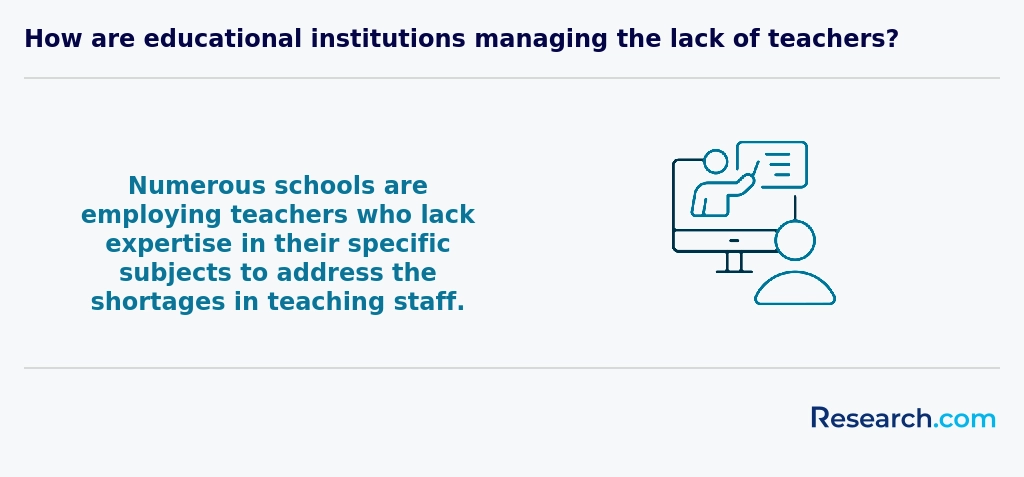
After earning your education degree, the next critical step is obtaining state certification to legally teach in Louisiana’s public schools. Most programs require candidates to pass the Praxis Core Academic Skills for Educators exams (Reading, Writing, Mathematics) and the appropriate Praxis Subject Assessment for their specialization. Applicants must also complete a background check and submit official transcripts to the Louisiana Board of Elementary and Secondary Education (BESE). Upon passing these assessments and meeting the program’s professional standards, candidates apply online through BESE’s licensing portal, paying a fee and selecting the certificate type-either Initial Teaching Certificate (valid for four years) or Standard Teaching Certificate (renewable every five years with continuing education). To maintain and upgrade certification, educators can convert an Initial Certificate to a Standard Certificate by completing six credit hours of approved graduate coursework or passing an advanced Praxis exam. For those considering further advancement through an online master’s program, exploring options like the Most Affordable Online Master's in Education Degree Programs Ranking in Iowa can provide a cost-effective path to leadership roles and specialized licensure endorsements.
What financial aid is available to education degree students in Louisiana?
If you're thinking about earning an education degree in Louisiana, there's a good chance you'll find some solid financial aid options to lighten the load. Many students at places like Louisiana State University or the University of Louisiana at Lafayette have shared how federal Pell Grants helped cover a big chunk of their tuition-these grants can go up to $7,395 a year and don't have to be paid back, which feels like a huge relief.
On top of that, the Louisiana Go Grant is a real game changer for low- and middle-income students, making college more affordable at public schools around the state. And if you're aiming to teach in a high-need school, the Louisiana Teacher Loan Forgiveness program offers up to $2,500 a year for up to four years, which has saved grads a ton on loan debt.
Plus, a bunch of local universities provide their own scholarships specifically for education majors, rewarding both academic effort and the promise to stay and teach right here in Louisiana. That's a pretty encouraging setup for anyone wanting to make a difference without breaking the bank.
Return on Investment for Education Degrees in Louisiana
Calculating the return on investment (ROI) of an education degree in Louisiana involves comparing program costs against potential earnings and career advancement. On average, a four-year bachelor’s degree in education at a public in-state university costs about $108,584 in tuition and fees, while private institutions can total upwards of $234,512. Graduates enter the workforce with a mean annual salary ranging from $38,640 for early childhood educators to $73,080 for instructional designers, yielding a payback period of roughly 5–7 years under typical debt-to-income ratios. Factors improving ROI include: • Loan forgiveness and teaching stipends in high-need districts, which can reduce effective debt by up to 50%. • Accelerated master’s or certification programs that add $5,000–$15,000 to costs but unlock higher-paying roles such as school administration. • Online degree options, which often cut living expenses and offer flexible pacing-prospective students may also explore the Most Affordable Online Master's in Education Degree Programs Ranking in Iowa to benchmark low-cost alternatives and financial aid models. Comparing ROI across regions reveals that Louisiana’s moderate tuition combined with competitive public-school salaries produces a favorable break-even timeline. By factoring in state grants like TOPS and TEACH, graduates can further accelerate ROI and achieve positive cash flow sooner, making an education degree a sound long-term investment.
What are the prerequisites for enrolling in education degree program in Louisiana?
If you're thinking about jumping into an education degree in Louisiana, there are a few must-haves to keep in mind. First off, almost every program wants you to have a high school diploma or something similar like a GED. For example, graduates from universities like LSU or University of Louisiana at Lafayette often share how their solid high school records helped smooth their way into these programs.
Most colleges will also ask for your SAT or ACT scores, though many schools are going test-optional now, especially after the pandemic. So, if you didn't take those tests or didn't score how you wanted, don't stress too much-schools like Tulane and others have relaxed these rules.
You'll need to show your transcripts too, with good grades in subjects like English and math. Usually, a GPA around 2.5 to 3.0 does the trick. Plus, some programs require a background check and passing basic skills tests, like the Praxis Core, to make sure you're ready and safe for the classroom. Lots of Louisiana grads say these steps aren't as daunting as they sound and are totally doable with some prep!
Teacher Certification and Licensure Requirements in Louisiana
Earning an education degree in Louisiana is only the first step toward becoming a licensed teacher. To ensure compliance with state standards and enhance employability, graduates must obtain certification through the Louisiana Board of Elementary and Secondary Education (BESE). First, candidates must pass the Praxis Core Academic Skills for Educators exams in Reading, Writing and Mathematics, as well as the Praxis II content test specific to their subject area. Upon successful completion, applicants submit official transcripts, Praxis scores and a signed application for certification along with the required fee to BESE. For those pursuing advanced certifications or leadership roles, a master’s degree often qualifies candidates for Level II or Level III certification. If you’re considering an online master’s path to meet advanced licensure requirements, explore our Most Affordable Online Master's in Education Degree Programs Ranking in Iowa for cost-effective options. Alternative certification routes are available for career changers; these programs combine accelerated coursework with supervised teaching internships and often waive certain prerequisites in exchange for higher tuition costs. Renewal and maintenance of teaching credentials require completing 6 semester hours of professional development or equivalent clock hours every five years, which may include workshops, coursework in special education or educational technology. Understanding these licensure steps will help prospective educators navigate the certification process smoothly, ensuring they meet both academic and regulatory standards before stepping into the classroom.
What courses are typically in education degree programs in Louisiana?
If you're diving into an education degree in Louisiana, expect to tackle a variety of courses that really prepare you for the classroom. Graduates from popular schools like Louisiana State University or the University of Louisiana at Lafayette often share how courses like Foundations of Education helped them understand the state's unique school system and history, which made their teaching feel more connected to the community.
Other classes, like Child and Adolescent Development, get you thinking about how students grow and learn at different ages-super useful when you're planning lessons. Instructional Methods and Assessment courses teach you real strategies for managing classrooms and measuring student progress, skills grads say feel like secret weapons on day one of student teaching.
Tech Integration is also a big deal now, especially after remote learning became a must. Plus, many say their practicum or student teaching experience in local Louisiana schools made everything click-getting hands-on really pumps up your confidence and excitement for a teaching career right in your own backyard.
What types of specializations are available in education degree programs in Louisiana?
If you're looking into education degree specializations in Louisiana, you'll find a bunch of options that really fit what you want to do as a teacher. Many graduates from popular schools like Louisiana State University or University of Louisiana at Lafayette talk about how Elementary Education gave them a solid foundation to teach young kids in public schools. It's all about building core skills in reading, math, and social studies for grades K-5, which is super important since Louisiana has a big demand for elementary teachers.
For those who vibe with working older kids, Secondary Education offers chances to focus on subjects like English or science for middle and high school students. Plus, there's a huge need for people trained in Special Education, especially because about 14% of Louisiana's public school kids get those services. Lots of graduates feel proud making a real difference with these students.
Other grads mention specializations like Early Childhood Education or Educational Leadership, perfect for those dreaming about roles beyond the classroom. You can even explore areas like bilingual teaching or Health and Physical Education. If you want a quicker path to advanced credentials, some students love the online edd options available to speed things up.
In short, Louisiana teaching certification programs cover tons of ground, so whether you want to teach little ones, teens, or take on leadership, there's a track for you that fits local school needs and your own goals.
How do you choose the best education degree in Louisiana?
When choosing the best education degree programs Louisiana offers, it's smart to focus on what fits your lifestyle and goals. Graduates from schools like Louisiana State University often mention how the strong ties between the university and local schools make student teaching super practical and useful for job hunting later. Plus, knowing your program is accredited is a game-changer-it means you're set up for state licensure without unexpected hurdles.
Tuition costs here are pretty affordable compared to other states, which helps if you're worried about money. Many students appreciate options like the TOPS scholarship, which eases financial stress for locals pursuing affordable teaching degrees in Louisiana. If you need more flexibility, programs often offer online or hybrid formats so you can juggle work or family alongside school.
Don't forget to check out graduation and employment rates before committing. For some great ideas, check the Most Affordable Online Master's in Education Degree Programs Ranking in Iowa-it's a helpful resource even if you're in Louisiana and looking to compare options.
What career paths are available for education degree students in Louisiana?
If you're earning an education degree in Louisiana, you've got a bunch of great career paths waiting for you. Graduates from popular schools like LSU or the University of Louisiana at Lafayette often start as licensed public school teachers, working with kids in elementary, middle, or high school. Many find it rewarding to specialize in subjects like math, science, or special education, shaping young minds while earning solid salaries. Beyond teaching, folks have stepped into roles as school counselors, instructional coordinators, or even administrators like assistant principals, where they lead schools and make important decisions.
Some graduates dive into higher education, becoming academic advisors or student affairs professionals at Louisiana colleges. It's a sweet spot if you enjoy helping others navigate college life. Others explore educational technology or adult education, fields growing fast thanks to Louisiana's push for innovative learning. The career options linked to education degree career opportunities Louisiana are broad and exciting, whether you're drawn to classroom teaching or behind-the-scenes roles.
Plus, many who want more flexibility explore nonprofit or government jobs, using their skills to boost community education and workforce training. If you're curious about quick starts, check out programs like an accelerated online associates business degree for a speedy route into the workforce.
What is the job market for education degree in Louisiana?
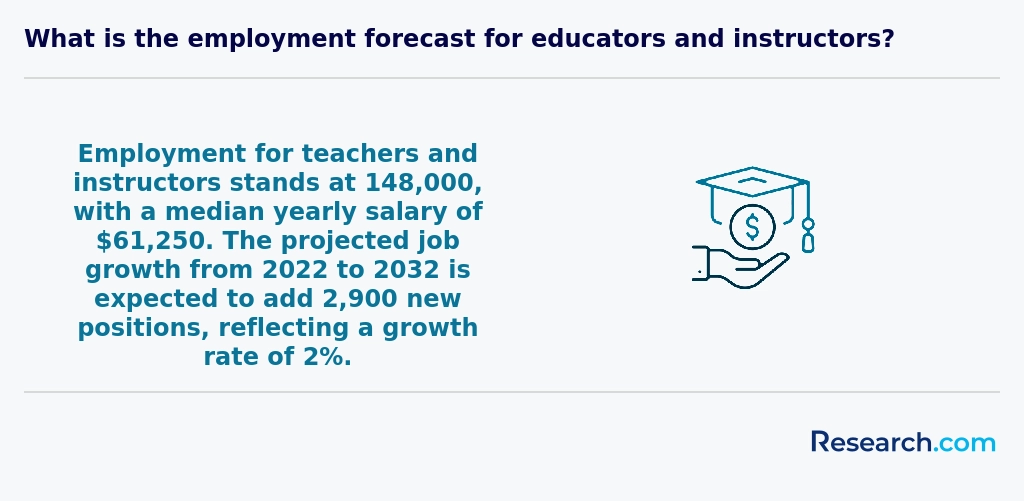
The education degree job outlook in Louisiana is pretty upbeat right now, especially if you're aiming to teach in public schools. Graduates from popular programs at colleges like Louisiana State University or University of Louisiana at Lafayette often share how securing a state teaching license makes landing a job much easier. There's a steady demand, particularly for subjects like math, science, and bilingual education, which means those who specialize can find themselves with great opportunities and even better salaries compared to general teaching roles.
Many education grads find that Louisiana's teacher employment opportunities 2027 are promising due to the ongoing teacher shortages. This really helps graduates from places such as Tulane University feel confident about entering the workforce, knowing schools are actively looking for qualified educators. Plus, some grads mention that exploring alternative roles-like curriculum development or educational tech-opens up even more doors, especially since schools here keep adapting to new learning tools and digital classrooms.
For those wondering about the easiest way to get a master's degree, many Louisiana students combine earning their teaching license with graduate studies to boost their chances in this competitive field. It's a pretty practical approach that balances real-world classroom experience with advanced knowledge.
Frequently Asked Questions About education
Education degree students in Louisiana can maximize their learning experience by engaging actively in both theoretical and practical components of their programs. Louisiana requires aspiring teachers to complete a student-teaching internship, which provides valuable hands-on classroom experience. Participating fully in these internships helps students apply educational theories in real settings.
Students should also take advantage of Louisiana's diverse school districts for field observations, exposing themselves to a range of student backgrounds and learning styles. According to the Louisiana Board of Elementary and Secondary Education, nearly 90% of teachers benefit from varied classroom experiences during training.
Additionally, joining professional organizations like the Louisiana Association of Teacher Educators can expand networking opportunities and support ongoing professional growth.
Emerging niches within the education field in Louisiana reflect broader national trends, with special education, STEM education, and educational technology among the fastest-growing areas. The Louisiana Department of Education highlights a rising demand for professionals skilled in digital literacy and technology integration in classrooms. This is driven by ongoing efforts to improve student engagement and performance through innovative tech tools.
Additionally, bilingual education and English as a Second Language (ESL) teaching are gaining importance due to Louisiana's diverse population. Special education remains critical, as the state seeks qualified teachers to meet federal mandates for students with disabilities. These niches offer promising career paths for education degree candidates focused on making a measurable impact in local schools and communities.
Graduates with education degrees in Louisiana can improve their job prospects by focusing on practical experience. Completing student teaching hours, often required by Louisiana's Board of Elementary and Secondary Education, is essential. This hands-on practice enhances classroom management skills and understanding of curriculum standards. Networking with local schools during internships can lead to job opportunities.
Professional certification is another key step. In Louisiana, new teachers must obtain a Standard Teaching Certificate, which requires passing the Praxis exams. Staying updated with Louisiana's teacher evaluation systems and continuing education can also boost employability.
Finally, leveraging resources from Louisiana Department of Education and using statewide job boards can help graduates find open teaching positions aligned with their specialization.
Employers in Louisiana prioritize strong communication skills in education degree graduates. Teachers must effectively engage diverse student populations and collaborate with parents and colleagues. According to the Louisiana Department of Education, cultural responsiveness and adaptability rank highly due to the state's varied student demographics.
Classroom management is another critical skill. Graduates who can maintain a positive learning environment while addressing behavioral issues are in demand. The Baton Rouge Area Foundation reports that 68% of school districts seek teachers demonstrating these abilities.
Additionally, proficiency in technology integration is essential. With increasing use of digital tools, educators must know how to incorporate online resources and educational software. Louisiana's ongoing emphasis on STEM education also makes content knowledge in science, technology, engineering, and math valued by employers.
Finding internships in Louisiana relevant to an education degree involves several practical steps. Start by contacting local school districts, as many offer education-focused internships to assist with classroom experience. The Louisiana Department of Education website provides updated lists of partner programs and certification requirements, which help align internships with licensure goals.
Universities such as Louisiana State University and University of Louisiana at Lafayette often have dedicated career services that connect students with nearby schools and educational nonprofits. According to the Louisiana Board of Regents, over 60% of education students participate in supervised field experiences during their studies, reflecting the state's commitment to practical training.
Networking through professional organizations like the Louisiana Association of Educators also improves internship access. Additionally, monitoring job boards specific to education or local government websites can reveal short-term internships or assistant teaching roles tailored for education majors.
In Louisiana, obtaining an education degree significantly enhances career mobility and advancement opportunities within the state's education sector. According to the Louisiana Board of Elementary and Secondary Education (BESE), teachers with a bachelor's or higher degree are more likely to obtain certified positions and access leadership roles, such as department heads or curriculum specialists. Additionally, the Louisiana Department of Education reports that educators with advanced degrees frequently receive higher salaries, reflecting their qualifications and experience.
Having an education degree also enables professionals to qualify for specialized roles, including special education, instructional coordination, and administration. The demand for qualified educators in Louisiana's public schools continues to grow, especially in rural areas, increasing job security for degree holders.
Furthermore, attaining certification through Louisiana's state-approved education programs is essential for professional progression. Teachers who engage in continuous education and earn advanced credentials often benefit from greater flexibility to transfer between districts and rise within the system.
Studying for an education degree in Louisiana equips students with skills that extend beyond traditional teaching roles, preparing them for interdisciplinary careers. Louisiana's education programs emphasize collaboration across subjects such as psychology, sociology, and technology, reflecting the state's focus on holistic student development. According to Louisiana Board of Regents data from 2023, over 65% of education graduates engage in coursework that merges educational theory with social sciences and digital literacy. This integration fosters adaptable educators capable of working in diverse settings, including community health, educational consulting, and policy development.
When choosing between a thesis and a non-thesis education degree program in Louisiana, students should consider their career goals and learning preferences. Thesis programs often suit those interested in research or pursuing a doctoral degree, requiring original research and a written dissertation. Non-thesis programs focus more on coursework and practical skills, ideal for professionals seeking immediate application in teaching or administration.
In Louisiana, institutions like Louisiana State University and University of Louisiana at Lafayette offer both options, reflecting national trends. According to the Louisiana Board of Regents, nearly 40% of graduate education students opt for thesis tracks, highlighting ongoing research interest in the state.
Students should also evaluate time commitment: thesis programs may require two years or more due to research demands, while non-thesis options can be completed faster. Financial considerations matter, too, as thesis candidates might qualify for assistantships or research funding.
Ultimately, knowing local program specifics and workforce needs helps inform a balanced decision.
Students based in Louisiana who wish to study education abroad have several options through university partnerships and exchange programs. Some Louisiana universities, such as Louisiana State University and the University of Louisiana at Lafayette, offer study abroad opportunities specifically for education majors. These programs typically allow students to earn course credits while gaining international classroom experience.
Additionally, students can participate in national programs like the Benjamin A. Gilman International Scholarship, which helps undergraduates with financial aid to study abroad. According to the Louisiana Board of Regents, 1.5% of Louisiana's college students study abroad each year, offering increasing global exposure for education students.
Faculty-led trips and internships in countries with diverse educational systems also provide valuable perspectives on teaching methodologies. Students interested should consult their institution's study abroad office for specific offerings and credit transfer policies. Understanding licensure requirements overseas is important for those aiming to teach internationally after graduation.
Students pursuing education degrees in Louisiana often seek part-time jobs that enhance their teaching skills and classroom experience. Common opportunities include tutoring local K-12 students, assisting in after-school programs, or working as teacher's aides in public schools. According to the Louisiana Department of Education, nearly 90% of school districts regularly employ paraprofessionals, offering hands-on learning for education majors.
Many universities in Louisiana also provide on-campus roles such as peer mentors or education lab assistants. These positions help students develop communication and organizational skills essential for future educators. Furthermore, working in community centers or literacy programs offers practical experience while serving local populations.
Education students in Louisiana have several networking opportunities through university-sponsored organizations and regional professional groups. Many colleges, including Louisiana State University and University of Louisiana at Lafayette, host chapters of the Student Louisiana Association of Educators (SLAE), which connects future teachers with local educators and education leaders.
Statewide events like the Louisiana Association of School Superintendents conferences provide students chances to meet education professionals and learn about current trends in K-12 education. Additionally, students can join the Louisiana Board of Regents' Teacher Preparation Advisory Committee meetings to engage with policymakers.
Internships and field placements in Louisiana public schools offer practical experience and networking. According to the Louisiana Department of Education, over 80% of student teachers secure employment through these connections each year.
Alumni networks offer significant advantages for education degree students in Louisiana. These networks provide opportunities for mentorship, allowing current students to connect with experienced graduates working in local schools. According to the Louisiana Department of Education, strong professional connections can improve job placement rates, which is crucial in a state where educator shortages persist.
Additionally, alumni often share practical insights about licensure requirements and teaching strategies specific to Louisiana classrooms. Many universities, such as Louisiana State University, actively support alumni events and job fairs, helping students expand their professional circles. Engaging with alumni also fosters a sense of community and ongoing professional growth throughout a teacher's career.
In Louisiana, students can customize their education degree programs by selecting specific concentrations aligned with their career goals, such as special education, curriculum development, or educational leadership. Many universities, including Louisiana State University and University of Louisiana at Lafayette, offer flexible elective options and certification tracks that allow students to tailor their studies.
Additionally, students can choose between traditional in-person courses, online learning, or hybrid models to fit their schedules. According to the Louisiana Board of Regents, over 60% of education programs now provide these adaptable formats.
Internships and field experiences are often customizable to focus on desired grade levels or school settings, which enhances practical skills relevant to targeted job markets.
Education students in Louisiana face several notable challenges as they pursue their degrees. One key difficulty is the limited availability of clinical placements and student teaching opportunities, especially in rural areas, which can delay graduation and practical experience.
Financial constraints also impact many students, with Louisiana ranking below the national average in state funding for higher education. According to the Louisiana Board of Regents, affordable tuition and access to scholarships remain critical concerns for prospective educators.
Furthermore, students often report balancing coursework with part-time work or family responsibilities, making time management a common struggle. Lastly, meeting diverse certification requirements set by the Louisiana Department of Education can be complex and demanding.
With an education degree in Louisiana, graduates can pursue several professional certifications to enhance their careers. One key certification is the Louisiana Teaching Certificate, required for K-12 public school teachers. This credential involves passing the Praxis exams and meeting state-specific requirements managed by the Louisiana Department of Education.
Other sought-after certifications include National Board Certification, which recognizes advanced teaching knowledge and can lead to salary incentives. Additionally, educators can specialize through endorsements in areas like special education, ESL, or educational leadership.
According to the Louisiana Department of Education, over 20,000 certified teachers work in the state, highlighting strong demand for qualified educators with professional credentials.
When applying for an education degree program in Louisiana, crafting a strong application is essential. Begin by carefully reviewing the specific requirements of your chosen university, as schools like Louisiana State University and University of Louisiana at Lafayette each have distinct criteria. Highlight your passion for teaching and community engagement, which align with Louisiana's emphasis on localized education improvement.
Include a well-written personal statement that reflects your understanding of challenges in Louisiana's K-12 system, such as teacher shortages noted by the Louisiana Department of Education. Use clear examples from your academic and volunteer experiences to demonstrate your commitment.
Strong letters of recommendation from academic or professional references are critical. Also, ensure your transcripts reflect solid academic performance, as the average GPA for admitted education students in Louisiana is around 3.0. Finally, meet all deadlines and submit required standardized test scores, if applicable, to increase your chances of acceptance.
Education careers in Louisiana are shaped by broader global trends emphasizing adaptability and cultural awareness. Educators today need skills to support diverse student populations, reflecting the global emphasis on inclusivity and equity. According to the Louisiana Department of Education, nearly 64% of public school students are from minority backgrounds, highlighting the need for culturally responsive teaching.
Globally, education professionals must engage with technology and evolving pedagogies, aligning well with Louisiana's investment in educational technology initiatives such as the Louisiana Believes platform. The international focus on lifelong learning also encourages Louisiana educators to pursue continuous professional development.
US education degrees, including those offered in Louisiana, are recognized worldwide, which can open opportunities to work abroad or with international organizations. This global perspective is critical for today's educators, who must prepare students for interconnected economies and multicultural environments.
Gaining practical experience during an education degree in Louisiana is essential for success in the teaching profession. Most universities in the state require students to complete supervised student teaching placements, often lasting one full semester. These placements provide hands-on classroom experience under the guidance of experienced educators.
Additionally, many programs partner with local schools through internships or practicum opportunities, allowing students to engage with diverse student populations. According to the Louisiana Department of Education, hands-on experience helps candidates meet state certification requirements, which include a combination of coursework and practical training.
Some universities also offer service learning or tutoring roles to supplement formal teaching experience, enhancing skills in real-world settings.
When choosing a concentration within an education degree program in Louisiana, start by identifying your career goals. Whether you want to teach early childhood, special education, or secondary subjects, Louisiana offers various concentrations aligned with the state's licensure requirements.
Research state-specific regulations through the Louisiana Department of Education, which defines necessary certifications for different teaching roles. Some concentrations, like special education, show growing demand with Louisiana public schools needing qualified specialists.
Consider program availability at institutions such as Louisiana State University or the University of Louisiana system, which provide accredited paths matching these concentrations. Reviewing graduation rates and job placement data can also help assess program quality.
Align your choice with the demographic needs in Louisiana-rural versus urban schools often have different staffing demands, influencing concentration popularity and opportunities.
Related Education Rankings for Nearby States
- 2027 Best Online Education Degree Programs Ranking in Mississippi
- 2027 Best Online Education Degree Programs Ranking in Texas
- 2027 Best Online Education Degree Programs Ranking in Missouri
- 2027 Best Online Education Degree Programs Ranking in Florida
- 2027 Best Online Education Degree Programs Ranking in Kentucky
- 2027 Best Online Education Degree Programs Ranking in Georgia
- 2027 Best Online Education Degree Programs Ranking in Illinois
- 2027 Best Online Education Degree Programs Ranking in Kansas
- 2027 Best Online Education Degree Programs Ranking in Iowa
- 2027 Best Online Education Degree Programs Ranking in South Carolina
Top Trending Education Rankings
See What Experts Have To Say About Studying Education
Read our interview with Education experts

Nooshan Ashtari
Education Expert
Professor & Book Author
University of Southern California

Alan J. Singer
Education Expert
Professor of Teaching, Learning and Technology
Hofstra University

References
- Promising Niches in the Global EdTech Landscape - Blog https://rocketech.it/blog/post/global-edtech-landscape-what-niches-are-the-most-promising
- How to Become a Teacher in Louisiana https://iteach.net/how-teacher-certification-works/how-to-become-a-teacher-in-louisiana/
- Seven Major Challenges Facing Education in the 21st Century https://www.internationalschoolparent.com/articles/seven-global-education-challenges/
- Finding Networking Opportunities as a Student | National Society of High School Scholars https://www.nshss.org/resources/blog/blog-posts/how-to-find-networking-opportunities-as-a-student/
- Finding Your Path: How to Align Studies with Career Goals https://www.alfabetaglobal.com/blogs/finding-your-path-how-to-align-your-studies-with-your-career-goals
- Why Is Education Important in Your Career Advancement? - KWSP Malaysia https://www.kwsp.gov.my/en/w/article/career-advancement
- Tips for Choosing Your Graduate Concentration - Graduate Programs for Educators https://www.graduateprogram.org/blog/tips-for-choosing-your-graduate-concentration/
- Louisiana Department of Education https://www.teachlouisiana.net/prospect.aspx
- How to Build Work Experience While Studying - EN Global Education Ltd https://englobaleducation.co.uk/how-to-build-work-experience-while-studying/
- International teaching and education jobs https://www.tes.com/jobs/search/international


