
2027 Best Online Education Degree Programs Ranking in Missouri

Co-Founder and Chief Data Scientist
Choosing the right education degree program can feel overwhelming, especially with so many options available in Missouri. This article presents the 2027 Best Online Education Degree Programs Ranking in Missouri, carefully created by the Research.com team of data scientists to guide you in making a well-informed decision.
By exploring this ranking, you'll discover which programs stand out for quality and value. Earning an education degree opens doors to meaningful careers and personal growth, making your journey worthwhile and rewarding.
Key benefits of getting online education degree in Missouri
- Salary for education degree graduates: Graduates in Missouri can expect competitive salaries such as $70,740 for Elementary School Teachers and $76,000 for Special Education Teachers, reflecting strong earning potential in education careers.
- Career paths: Education degree holders from schools like the University of Missouri can explore diverse roles including Early Childhood Educator, Instructional Designer, or ESL Teacher, offering rewarding opportunities to make a meaningful impact.
- Benefits of online degrees: Completing an education degree online provides flexible scheduling and access to quality programs like those at Missouri State University, enabling you to balance life and learning with ease.
- Key benefits of getting online education degree in Missouri
- What can I expect from online education degree in Missouri?
- Where can I work with online education degree in Missouri?
- How much can I make with online education degree in Missouri?
- 2027 Best Online Education Degree Programs Ranking in Missouri
- Key Findings
- How long does it take to complete online education degree in Missouri?
- Affordability and Financial Considerations in Online Education Programs in Missouri
- What's the difference between online and on-campus education degree?
- Licensing and Certification Requirements in Missouri
- What is the average cost of online education degree in Missouri?
- Licensure and Certification Requirements in Missouri
- What financial aid is available to online education degree students in Missouri?
- Tips for Online Learning Success
- What are the prerequisites for enrolling in online education degree program in Missouri?
- Licensing and Certification Requirements in Missouri
- What courses are typically in online education degree programs in Missouri?
- What types of specializations are available in online education degree programs in Missouri?
- How do you choose the best online education degree in Missouri?
- What career paths are available for online education degree students in Missouri?
- What is the job market for online education degree in Missouri?
- Related Education Rankings for Nearby States
- Top Trending Education Rankings
- See What Experts Have To Say About Studying Education
What can I expect from online education degree in Missouri?
The average cost of an online education degree in Missouri typically ranges between $250 and $350 per credit hour for undergraduate programs at public universities, while graduate programs generally fall between $400 and $600 per credit hour. For instance, many students attending well-regarded institutions like the University of Missouri system share that these rates offer an accessible pathway to earning their degrees without compromising quality. One graduate described how they balanced working full-time and completing their coursework online, appreciating the affordability alongside rigorous curriculum aligned with Missouri's teaching standards.
Students find value in financial aid options tailored specifically for Missouri residents, which help offset costs and reduce the financial burden. Public universities maintain competitive pricing compared to out-of-state alternatives, making education degrees feasible for many aspiring teachers. Graduates often highlight how these programs, combined with local practicum experiences, prepare them effectively for certification exams such as Praxis, making the investment worthwhile both professionally and personally.
Where can I work with online education degree in Missouri?
Graduates with an online education degree in Missouri often secure teaching positions across public and private K-12 schools, where demand remains high. For instance, graduates from the University of Missouri system frequently begin classroom careers in districts around St. Louis or Kansas City, states that employed over 67,000 certified teachers during the 2022-2023 school year, per DESE data. These roles often require state certification, which accredited online programs-like those at Missouri State University-help students obtain efficiently.
Beyond teaching, many graduates leverage their degrees to become curriculum specialists or instructional coordinators, roles typically requiring a master's degree. These positions focus on improving educational programs, an opportunity found in schools and nonprofits statewide. Careers in higher education, such as academic advising and online learning coordination, appeal to graduates from institutions like Webster University.
Additionally, some alumni transition to Missouri-based edtech firms developing digital learning tools, blending education expertise with technology skills. This variety of pathways reflects a strong employment outlook, supported by MERIC's 5% projected job growth in education through 2030, making these careers both fulfilling and stable.
How much can I make with online education degree in Missouri?
Graduates with online education degrees in Missouri can expect median annual earnings that vary by specialization and position. For example, elementary school teachers earn about $70,740 annually on average, reflecting solid entry into public education roles. Those focusing on special education can anticipate higher wages, with mean salaries around $76,000, benefiting from demand in this important area.
ESL teachers also enjoy competitive pay, averaging $65,430 yearly, supported by the growing need for language education in urban centers like St. Louis and Kansas City. Early childhood educators typically start with mean annual wages near $41,410, providing a pathway into education that merges passion with a respectable salary.
Instructional designers-graduates who craft educational content-command even higher mean salaries, around $77,200 annually, a figure that reflects the value of combining education expertise with technology skills.
Missouri graduates from universities such as the University of Missouri or Missouri State University often share enthusiasm about how their online degrees helped them secure rewarding roles with competitive pay, especially in districts that value advanced certifications and experience.
2027 Best Online Education Degree Programs Ranking in Missouri
How do we rank schools?
Investing in your education is a significant decision that can shape your future, and the Research.com team recognizes the importance of making well-informed choices. To support prospective students in Missouri, we have carefully developed the "2027 Best Online Education Degree Programs Ranking in Missouri." Our dedication to quality, credibility, and accuracy is demonstrated through extensive research and thorough analysis behind this ranking.
We utilized the following reputable data sources to ensure a comprehensive evaluation of online education degree programs:
By exploring this ranking, readers will gain valuable insights into the best online education degree programs in Missouri, enabling them to make confident and informed decisions about their academic and professional futures. For more information about our research process, please visit our Research.com methodology page.

# 2 position
University of Missouri
Bachelor of Human Development and Family Science with an emphasis in Early Childhood Education in a Mobile Society

# 4 position
Southeast Missouri State University
Master of Teaching English to Speakers of Other Languages (TESOL)


Key Findings
- Online education degrees in Missouri are available fully online or in hybrid formats from accredited public and private institutions.
- Tuition for in-state students at public universities ranges from $7,000 to $12,000 per year, while private schools charge between $15,000 and $25,000 annually.
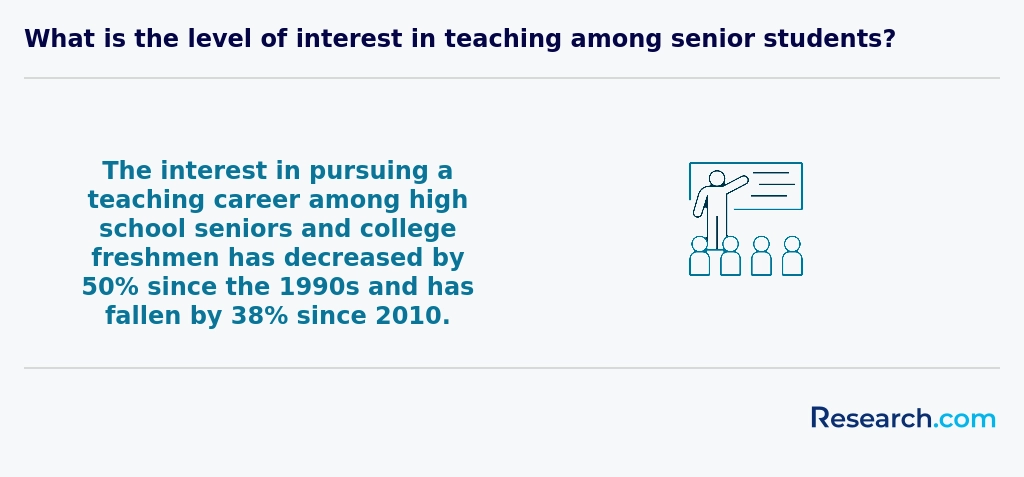
- There is strong demand for teachers in Missouri, especially in rural areas and in subjects like math, science, and special education.
- Starting salaries for teachers in Missouri typically range from $38,000 to $45,000, with experienced educators earning more than $60,000 per year.
- Many online programs include pathways to Missouri teacher certification, which requires specific coursework, student teaching, and passing state tests.
How long does it take to complete online education degree in Missouri?
Completing an online education degree in Missouri generally ranges from three to five years for bachelor's programs, depending on how students manage their course loads. Graduates from universities like the University of Missouri or Missouri State often share that taking a full-time online path with accelerated courses helped them finish in about three years, balancing work and study effectively.
Many online students value the flexible scheduling offered by institutions, allowing for year-round classes or part-time enrollment, which can extend completion to five or more years. For instance, a part-time student at a popular Missouri college might take evenings and weekends to fit classes around family responsibilities, making the longer timeline worthwhile for steady progress.
Master's degrees in education typically require 1.5 to 2 years of study post-bachelor's, with courses offered online through schools like Saint Louis University. These programs require 30 to 36 credit hours and often include focused tracks that appeal to professionals aiming to advance quickly in curriculum development or leadership roles.
The Missouri Department of Higher Education notes that while the average undergraduate takes about 5.1 years to graduate, motivated online learners who utilize transfer credits and consistent enrollment frequently complete their degrees sooner, reflecting a positive and achievable journey despite challenges.
Affordability and Financial Considerations in Online Education Programs in Missouri
When exploring online education programs in Missouri, affordability is a crucial factor to consider. Prospective students should research the total cost of attendance, including tuition, fees, and living expenses, to ensure they can manage the financial commitment. Many institutions offer affordable online education programs in Missouri, providing flexible payment plans and financial aid options to support students in achieving their educational goals. By understanding the financial aspects and available support, students can make informed decisions about their online education journey, empowering them to pursue their passions without undue financial burden.
What's the difference between online and on-campus education degree?
Online and on-campus education degrees in Missouri differ mainly in flexibility, interaction, and environment. Online programs, favored by many working adults and rural residents, offer the freedom to study at home or anywhere, fitting around busy schedules. Graduates from online programs at universities like Missouri State University often express appreciation for avoiding long commutes and maintaining their current jobs while earning their degree.
On-campus programs at institutions such as the University of Missouri-Columbia provide a structured experience with rich face-to-face engagement, immediate faculty feedback, and access to campus facilities like libraries and labs. Many graduates highlight the motivating campus atmosphere and peer interaction as factors that enhanced their learning and retention.
Cost differences also influence choice; annual in-state tuition averages around $10,000, but online students save on housing and travel expenses common in urban areas like St. Louis. However, some online courses may carry extra technology fees, making tuition competitive with on-campus rates.
Both formats demand self-discipline, but on-campus study may better suit those thriving on routine and direct mentorship, while online education appeals to students valuing convenience and adaptability. Ensuring programs are CAEP-accredited remains crucial for career prospects in Missouri's education field.
Licensing and Certification Requirements in Missouri
Earning an Online Education degree in Missouri is only the first step toward a fulfilling teaching career-you must also satisfy the Missouri Department of Elementary and Secondary Education (DESE) licensure requirements. To become a certified teacher in Missouri, candidates must: • Complete an accredited teacher preparation program. Ensure your online degree is regionally accredited and approved by DESE. • Pass the Missouri General Education Assessment (MoGEA) or hold qualifying SAT/ACT scores. This exam measures proficiency in communication arts, mathematics, social studies, and science. • Succeed on the Praxis Subject Assessments for your endorsement area (e.g., Elementary Education, Secondary Mathematics). Most programs integrate test prep into their curriculum to increase first-attempt pass rates. • Undergo a fingerprint-based background check. DESE requires proof of good moral character and a clean record for child safety. • Submit an application and pay the licensure fee. After passing exams and completing your program, file online with DESE to receive your Initial Professional Certificate. Beyond the Initial Professional Certificate, educators can pursue alternative and expedited pathways, such as the Missouri Path to Teaching (MPT), which allows career changers to teach while completing certification requirements on the job. Additionally, Missouri offers endorsement add-ons-like English as a Second Language (ESL), Special Education, and Educational Technology-that expand your employability and address critical shortages. To maintain certification, teachers must complete 24 clock hours of professional development annually or enroll in graduate-level coursework, ensuring skills remain current. For those aiming to advance into leadership or doctoral studies, consider exploring affordable programs beyond Missouri. You can compare costs and program structures by visiting Affordable Online Doctorate in Education Degree Programs Ranking in Virginia Beach, VA, which highlights cost-effective doctoral pathways that align with Missouri’s ongoing professional development requirements.
What is the average cost of online education degree in Missouri?
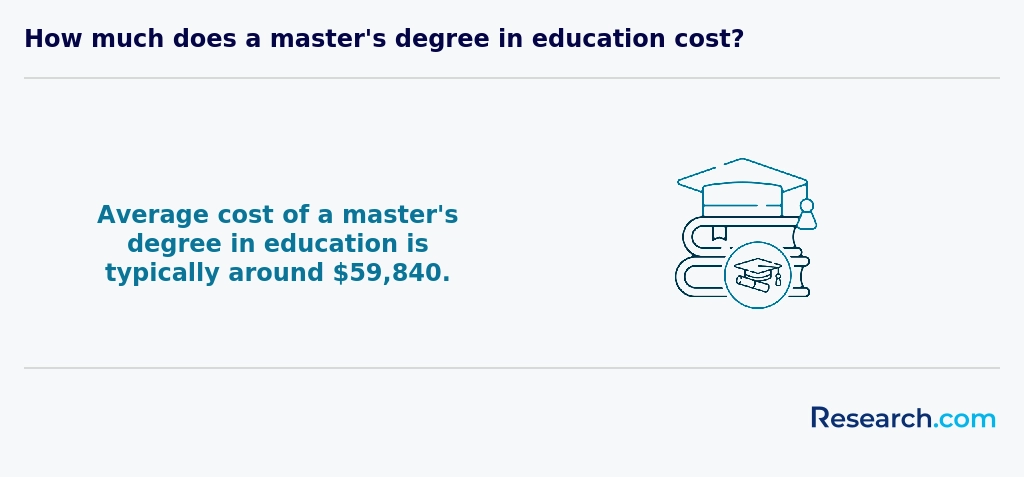
The average cost of an online education degree in Missouri varies notably depending on residency and institution type. For in-state students, the median total tuition and fees stand at approximately $12,738, which is substantially lower than the $24,948 median total cost for out-of-state students. This pricing structure underscores the affordability benefits many Missouri residents experience when attending public universities offering education degrees online.
Graduates from popular institutions like the University of Missouri or Missouri State University often reflect positively on their investment, highlighting how online study allowed them to balance family and work commitments while saving on commuting and housing expenses. These programs generally require 30 to 36 credit hours for master's degrees, with per-credit tuition fees varying but averaging between $400 and $450 for in-state students, making budgeting more predictable.
Private universities tend to charge higher tuition, sometimes reaching $15,000 to $30,000 for full degrees, but many students find value in these programs due to flexible schedules and specialized training. Additional costs such as technology fees and certification exams can add a few hundred dollars but are frequently offset by financial aid or employer tuition reimbursement programs.
Prospective students seeking a comprehensive understanding of total tuition and fees for education degree Missouri programs should explore options carefully. Many find that consulting resources like the Missouri Department of Higher Education or researching affordable online education programs in Missouri helps clarify the net costs and funding opportunities to fit their goals.
Licensure and Certification Requirements in Missouri
After completing an online education degree in Missouri, graduates must navigate the state’s teacher certification process, which ensures they meet rigorous standards for classroom readiness and professional competence. To begin, candidates should apply through the Missouri Department of Elementary and Secondary Education (DESE) Educator Certification System, submitting official transcripts, background checks, and a passing score on the Missouri General Education Assessment (MoGEA) or equivalent. Most initial licenses also require successful completion of the Praxis Subject Assessments in your chosen teaching area. For individuals who complete a non‐traditional or alternative certification program, provisional teaching certificates may be granted, allowing classroom experience while fulfilling remaining exam or coursework requirements. Once certified, educators must renew their teaching certificate every five years by completing approved continuing education units (CEUs) or advanced degrees. Specialized endorsements-such as English as a Second Language (ESL), Special Education, or Reading Specialist-demand additional coursework and Praxis exams, enhancing both expertise and marketability. For those interested in leadership roles or deeper specialization, pursuing a doctorate can expand opportunities for administrative positions, university teaching, and policy development; you can explore options through our Affordable Online Doctorate in Education Degree Programs Ranking in Virginia Beach, VA. Understanding these licensure pathways not only aligns your qualifications with state requirements but also sets a clear trajectory for career advancement in Missouri’s dynamic education landscape.
What financial aid is available to online education degree students in Missouri?
Students enrolled in online education degree programs in Missouri frequently rely on federal financial aid through FAFSA, unlocking grants such as the Pell Grant, which offers up to $7,395 for the 2023-2024 year. Many graduates from institutions like the University of Missouri-Columbia report this aid significantly reducing their financial burden.
State-level support also plays a crucial role. Programs like the Access Missouri Financial Assistance and the A+ Scholarship target in-state students based on need and academic commitment. For example, recent high school graduates attending schools approved by the A+ program often receive scholarship funds contingent on agreeing to work in Missouri post-graduation.
Universities including Missouri State University frequently provide tailored institutional scholarships that consider merit and financial need, which current students find helpful for managing non-tuition expenses. Veterans studying online in Missouri can benefit from the GI Bill, covering tuition and monthly stipends, easing the path toward degree completion.
Private scholarships through organizations like the Missouri Community Foundation further support education majors, especially those aiming for teaching careers within the state, creating a robust network of aid options that many students actively leverage to make their degrees more affordable.
Tips for Online Learning Success
Online education requires a different set of strategies compared to traditional, on-campus learning. To help you make the most of your Missouri online education degree program, consider these actionable tips: • Develop a Structured Routine: Establish a dedicated workspace and set a consistent schedule to balance coursework, work, and personal commitments. This consistency can lead to improved focus and effectively manage deadlines. • Enhance Digital Skills: Familiarize yourself with the online learning platforms and tools used by your program. Proactively troubleshooting common technical issues and engaging with digital resources can boost your efficiency and confidence. • Actively Engage with Instructors and Peers: Participation in discussion forums, virtual study groups, and interactive webinars builds a sense of community and fosters deeper learning. Reaching out to faculty for clarification or mentorship also enriches your educational journey. • Leverage Available Support Services: Many programs offer academic advising, tutoring, and career counseling. Making full use of these services can help you navigate challenges and set clear academic and career goals. • Explore Related Educational Opportunities: Continually expanding your skillset is crucial in today’s evolving educational landscape. For instance, you might consider learning more about advanced degree options, such as Most Affordable Online Masters Degrees in Teaching, to further enhance your expertise and career prospects. By implementing these strategies, you can transform potential challenges into opportunities for growth and ensure a successful and rewarding online learning experience.
What are the prerequisites for enrolling in online education degree program in Missouri?
Enrolling in an online education degree program in Missouri requires several clear prerequisites that ensure readiness for academic challenges. Most importantly, candidates must hold a high school diploma or equivalent like a GED to apply for bachelor's programs. For graduate-level studies, such as a master's degree, a completed bachelor's degree from a regionally accredited institution-often recognized by the Higher Learning Commission-is mandatory, ensuring seamless transferability of credits and state recognition.
Standardized test scores like the SAT or ACT are typically needed for undergraduate admission, though some universities in Missouri waive these for applicants with strong GPAs, reflecting a flexible approach that working adults appreciate. Graduate programs commonly request GRE scores, but adjustments by universities help broaden access, making it feasible for busy professionals.
Applicants often submit letters of recommendation, personal statements, and resumes that highlight relevant experience, showcasing commitment and suitability. Graduates from Missouri institutions frequently praise this comprehensive process for preparing them well both professionally and personally.
For certification, passing Missouri Educator Gateway Assessments (MEGA) is required post-degree, yet many programs include preparatory coursework. Public universities like the University of Missouri provide a cost-effective pathway with annual tuition near $10,000 for in-state students, making education degrees accessible without sacrificing quality.
Licensing and Certification Requirements in Missouri
After earning an online education degree in Missouri, graduates must obtain state certification through the Missouri Department of Elementary and Secondary Education (DESE) to teach in K-12 schools. Key steps include:
- Bachelor’s Degree and Approved Program: Completion of a DESE-approved online education program is mandatory to qualify for certification.
- Content and Pedagogy Exams: Prospective teachers must pass the Missouri Content Assessment (e.g., PRAXIS II) for their chosen subject area and, when required, the Missouri General Education Assessment (MoGEA).
- Background Check and Application: A clean criminal background check, fingerprinting, and submission of the Educator Certification Application through the DESE Educator Certification System (ECS) are essential.
- Endorsements and Levels: Candidates select endorsements aligned with grade bands (Elementary K-6, Secondary 9-12) or specialized areas (Special Education, ESL, Educational Technology), depending on their degree focus.
- Alternative Certification Routes: Career changers and military veterans may qualify for the Missouri Troops to Teachers program or Alternative Certification Pathway, which allow candidates to teach under provisional certification while completing mentoring and additional coursework.
- Renewal and Professional Development: Initial certificates are valid for five years. Renewal requires 50 approved content-area professional development hours or completion of a DESE-approved graduate degree. Navigating Missouri’s certification process ensures that online education graduates transition smoothly from classroom theory to accredited teaching practice. For educators planning to advance their credentials further, Research.com also features the Affordable Online Doctorate in Education Degree Programs Ranking in Virginia Beach, VA, offering a pathway to leadership and research roles in the field.
What courses are typically in online education degree programs in Missouri?
Online education degree programs in Missouri consistently include core courses such as Foundations of Education, which explores the history and philosophy of U.S. education, and Educational Psychology, focusing on student learning development. Graduates from institutions like the University of Missouri report how Instructional Methods and Curriculum Development courses equipped them to design effective, engaging lesson plans tailored to diverse classrooms.
Classroom Management and Assessment & Evaluation classes prepare students to handle real-life challenges, such as maintaining order in busy elementary schools and accurately measuring student progress. Universities emphasize Educational Technology, training candidates to integrate digital tools, a skill highly praised by recent graduates who found it essential during remote teaching scenarios.
Additionally, many Missouri programs include Differentiated Instruction to support students with varying learning needs. Hands-on student-teaching experiences within local schools solidify these skills, aligning with Missouri Department of Elementary and Secondary Education's licensure requirements and providing meaningful, practical application of coursework.
What types of specializations are available in online education degree programs in Missouri?
Online education degree specializations in Missouri cover a broad spectrum tailored to distinct educational roles. Graduates from institutions such as Missouri State University and the University of Missouri system often highlight programs focused on Elementary Education, preparing teachers for K-6 classrooms with strong foundations in literacy and math. Special Education is another key area, providing strategies to support students with diverse learning needs. Many students pursuing secondary education degrees choose to specialize in subjects like science or social studies for grades 7-12, reflecting regional job market demands.
For professionals aiming at leadership, specializations in Educational Leadership and Administration equip them for roles as principals or district administrators, incorporating practical skills in management and school policy. Early Childhood Education programs emphasize teaching techniques for children up to age eight, while Reading and Literacy specializations address interventions to boost student reading success across grades. These options align well with Missouri's certification standards, making programs attractive to working teachers advancing their careers. Prospective students can explore Most Affordable Online Masters Degrees in Teaching to find programs combining quality and affordability within the best education degree programs Missouri online.
How do you choose the best online education degree in Missouri?
Choosing the best online education degree in Missouri involves verifying that the program holds regional accreditation, such as from the Higher Learning Commission, and approval from the Missouri Department of Elementary and Secondary Education. Graduates from popular schools in Missouri often highlight how this ensures their degrees are recognized by employers and qualify them for licensure. Assessing curriculum relevance is equally important; students pursuing the best online education degree programs Missouri find value in tailored courses that align with career goals, whether for teaching or administration.
Cost comparisons matter significantly. For instance, public universities in Missouri reported average undergraduate tuition around $9,400 per year for in-state students in 2022-2023, but online programs may vary. Students frequently share that understanding total expenses including fees and technology makes budgeting more manageable. Programs with robust student support services, offering academic advising and career counseling, improve persistence and satisfaction, a benefit noted by many Missouri education graduates.
Flexibility in course delivery is a key factor as many balance work and family. Asynchronous or hybrid formats with local practicum options are preferred, which help maintain licensure pathways. For advice on affordability, see the Affordable Online Doctorate in Education Degree Programs Ranking in Virginia Beach, VA.
What career paths are available for online education degree students in Missouri?
Graduates with an online education degree in Missouri have diverse career paths available. Many pursue licensure as teachers, filling critical roles in public and private schools across the state. Certification requires completion of an approved preparation program and passing state exams, which numerous online options at institutions like the University of Missouri and Missouri State University support. According to education graduates, these programs provide flexible study schedules that fit around their work and family commitments, enhancing satisfaction and success. Demand is especially high in subjects such as math, science, and special education in rural districts.
Additional career opportunities for education graduates Missouri include educational administration roles like principals or curriculum coordinators. These positions often require advanced degrees offered online by several well-regarded Missouri colleges. The Missouri Economic Research and Information Center reports median salaries for educational administrators range from $60,000 to $90,000 annually, reflecting promising job growth.
Other roles filled by graduates include school counselors, instructional coordinators, and adult education instructors. Some embrace emerging paths as educational technology specialists or online program coordinators, responding to the increasing integration of digital platforms in Missouri classrooms where over 30% of K-12 students participate in online learning. For those seeking cost-effective programs with wide options, many find the best affordable online schools for job holders in Missouri especially appealing.
What is the job market for online education degree in Missouri?
The job market for graduates with an online education degree in Missouri remains robust, reflecting steady demand across public schools in both urban and rural areas. Missouri employs over 70,000 teachers, and ongoing retirements coupled with regional population growth sustain consistent hiring needs. Graduates from universities in Missouri often describe a strong sense of readiness when entering classrooms, thanks to programs designed to meet Missouri Department of Elementary and Secondary Education standards and provide state certification pathways.
With the Missouri teaching careers online degree market emphasizing flexibility, many candidates balance work and study effectively, a factor frequently highlighted by recent graduates. Salaries average around $56,000 annually, with higher compensation often available in STEM, special education, and English language learning positions. Rural schools may offer unique incentives such as signing bonuses and housing assistance, which further attract new educators.
Many prospective students find online education degrees in Missouri a cost-effective choice. Public institutions' tuition rates are competitive, and earning a degree online opens doors locally. Those exploring further academic routes might also consider dual graduate degree programs to enhance their qualifications and job prospects.
Overall, the outlook aligns well with the 4% regional job growth projection through 2030 reported by labor statistics, supporting positive career trajectories for online education degree job prospects Missouri.
Frequently Asked Questions About education
Students pursuing online education degrees in Missouri can enhance their learning by actively engaging with digital course materials and participating in virtual discussions. Research from the Missouri Department of Higher Education highlights that students who regularly interact with instructors and peers online report higher satisfaction and better retention.
Additionally, balancing study time with practical experiences, such as internships or classroom observations, reinforces theoretical knowledge. Missouri offers several resources, including tutoring and library access, through public university networks, aiding comprehension and research skills.
Maintaining a disciplined schedule and utilizing state student support services also contribute significantly to academic success in online programs.
The education field in Missouri is rapidly evolving, creating new opportunities for online degree seekers. Emerging niches include educational technology, where educators learn to integrate digital tools effectively in classrooms. The Missouri Department of Elementary and Secondary Education (DESE) reports growing demand for specialists in online curriculum design and blended learning strategies.
Another expanding area is special education, focusing on inclusive practices for diverse learners. Professionals trained in this niche are increasingly valued as Missouri schools strive to meet federal requirements and accommodate student needs.
Additionally, leadership roles in education administration, especially for online and virtual schools, are gaining prominence. According to recent trends, Missouri is witnessing growth in online master's degrees specializing in educational leadership to prepare candidates for these roles.
After completing an online education degree in Missouri, preparing for the job market involves several key steps. Start by understanding the demand for educators in Missouri, where the Department of Elementary and Secondary Education reports ongoing shortages in special education and STEM fields. Tailor your job search to districts actively hiring in these areas.
Networking is crucial. Connect with local education professionals and join Missouri-based teaching organizations to gain insights and job leads. Additionally, obtaining Missouri educator certification, required for most teaching positions, ensures you meet state standards.
Finally, consider gaining practical experience through substitute teaching or internships to enhance your resume and improve your employment prospects.
Employers in Missouri highly value education degree graduates who demonstrate strong communication and classroom management skills. According to the Missouri Department of Elementary and Secondary Education, effective verbal and written communication is essential for collaboration with students, parents, and staff. Additionally, adaptability is a key skill as educators often face diverse classroom challenges.
Missouri schools emphasize proficiency in digital literacy due to the increasing use of technology in education. Data from the Missouri Economic Research and Information Center shows a growing demand for teachers skilled in integrating tech tools for remote and in-person learning.
Critical thinking and problem-solving abilities are also crucial, enabling teachers to design effective lesson plans that meet state standards.
Finding internships in Missouri related to an education degree involves several strategic steps. Start by exploring local school districts, as many offer internships or student teaching opportunities essential for licensure. The Missouri Department of Elementary and Secondary Education (DESE) provides resources and guidelines for education students seeking practical experience.
Universities often partner with schools and community organizations to facilitate internships. Contact your online program's career services for Missouri-specific placements. Additionally, professional associations like the Missouri State Teachers Association can offer networking opportunities and internship listings.
Job portals such as Handshake and local education job boards also feature internships within Missouri schools. Early application and clear communication of your education goals improve your chances of securing meaningful internships.
Obtaining an online education degree in Missouri can significantly enhance career mobility and opportunities for advancement. According to the Missouri Department of Elementary and Secondary Education, educators with a bachelor's or master's degree often qualify for higher salary tiers and leadership roles within school districts. Online degree programs provide flexible access to these credentials, especially important in rural areas where traditional classes might be limited.
Missouri's education sector shows a consistent demand for qualified teachers and administrators, with a projected 7% job growth by 2030 according to state labor statistics. Professionals with advanced online degrees can leverage this growth to move into specialized roles such as curriculum designers or district supervisors.
The ability to earn a degree online also helps working educators balance job responsibilities with continuing education, a factor shown by a University of Missouri study to correlate with higher retention and promotion rates within the state's schools.
Studying for an education degree in Missouri offers strong preparation for interdisciplinary roles by combining core teaching methods with knowledge from areas such as psychology, sociology, and technology. Missouri universities emphasize collaboration skills, critical thinking, and curriculum design that integrate diverse subjects.
According to the Missouri Department of Elementary and Secondary Education, teacher preparation programs also include practicum experiences in varied settings, promoting adaptability across educational disciplines.
Moreover, many online programs in Missouri incorporate the latest digital tools, allowing future educators to work effectively with specialists in fields like special education, counseling, and administration.
This interdisciplinary training aligns with Missouri's emphasis on producing versatile educators ready to meet diverse student needs in modern classrooms.
When choosing between a thesis and a non-thesis online education degree program in Missouri, consider your career goals and learning preferences. Thesis programs involve conducting original research and are ideal for students aiming for doctoral studies or research roles. Non-thesis programs focus more on coursework and practical skills, fitting those who plan to work directly in educational settings.
In Missouri, many public universities, such as the University of Missouri system, offer both options. According to the Missouri Department of Higher Education, about 40% of graduate education students opt for thesis tracks when interested in advancing academic careers. Funding and time commitment differ as thesis programs usually require more months to complete, including research and writing phases.
Reflect on your ability to manage independent research and seek guidance from academic advisors. This approach ensures the chosen path aligns with your professional ambitions and personal circumstances.
Students based in Missouri seeking to study education abroad through online programs have several pathways. Many Missouri public universities, such as the University of Missouri system, offer online education degrees with options for international study experiences or partnerships. These programs often incorporate virtual exchange opportunities or short-term study abroad components.
While there are no Missouri-specific regulations limiting online education degrees with international components, students must ensure the programs are accredited by recognized agencies like the Council for Higher Education Accreditation (CHEA).
According to the Missouri Department of Higher Education & Workforce Development, nearly 20% of Missouri students enrolled in online degrees engage in some form of international education each year, reflecting growing interest.
For students intent on education abroad, combining an online degree with approved study abroad or international internship experiences remains a practical option.
In Missouri, part-time job opportunities that complement education degree studies are diverse and practical. Many students find roles as teacher assistants in public and private schools, gaining firsthand classroom experience. According to the Missouri Department of Elementary and Secondary Education, these roles often require less than full-time hours, fitting well with online coursework.
Another popular opportunity is tutoring. With changing educational demands, tutoring services in Missouri have grown, especially in urban areas like St. Louis and Kansas City. This role allows students to apply pedagogical theories directly.
Additionally, working as substitute teachers offers flexible schedules and valuable exposure to multiple grade levels. Missouri's Substitute Teacher license makes this accessible for online education students.
Online education students in Missouri benefit from several networking opportunities designed to connect them with peers and professionals. Many universities offer virtual events, workshops, and discussion forums tailored to online learners. For example, Missouri State University and the University of Missouri system provide online student organizations and career services that facilitate networking.
Additionally, the Missouri Department of Higher Education encourages participation in statewide professional associations, such as the Missouri Association of Colleges for Teacher Education (MACTE), which hosts conferences and seminars open to online students.
These platforms help students build relationships crucial for job placement and career advancement in education fields.
Alumni networks play a significant role for online education degree students in Missouri by providing valuable professional connections. Graduates from Missouri institutions often join these networks to access career resources and job opportunities tailored to the state's education sector. According to the Missouri Department of Higher Education, strong alumni engagement can increase employment chances by up to 30% through referrals and networking events.
These networks also offer mentorship programs where experienced alumni guide current students through career planning and licensure processes. For online learners, alumni groups create a sense of community despite physical distance. Participation in alumni activities can enhance a student's resume and open doors to leadership roles in local schools or educational organizations.
Customizing an online education degree program in Missouri allows students to align their studies with specific career goals. Many Missouri public and private universities offer flexible online programs with various concentration options, such as special education, administration, or curriculum design. Selecting appropriate electives and internships helps build relevant skills tailored to individual career paths.
Students should explore schools accredited by the Council for the Accreditation of Educator Preparation (CAEP), ensuring program quality and recognition by Missouri's Department of Elementary and Secondary Education. According to recent Missouri Department of Higher Education data, enrollment in online education degrees has increased by 15% over five years, highlighting demand for adaptable programs.
Advisors at Missouri institutions often work closely with students to create personalized degree plans, fitting online course schedules around professional and personal commitments.
Online education students in Missouri often face several challenges that can impact their academic success. One common issue is balancing coursework with work and family responsibilities, as many students are working adults or parents. According to the Missouri Department of Higher Education & Workforce Development, over 60% of online learners in the state are part-time students juggling multiple obligations.
Another challenge is limited access to reliable high-speed internet, especially in rural areas where approximately 15% of Missouri residents experience connectivity issues, affecting their ability to participate in live classes or access materials.
Additionally, some students report a lack of direct interaction with faculty and peers, which can reduce motivation and limit academic support.
With an online education degree in Missouri, you can pursue several professional certifications that enhance your teaching credentials and career prospects. One common certification is the Missouri Teaching Certificate, required for public school teachers in the state. Many graduates also seek National Board Certification, which is a prestigious credential recognized nationwide.
Additional certifications include Reading Specialist and Principal Licensure, useful for those aiming to specialize or move into administrative roles. According to the Missouri Department of Elementary and Secondary Education, teachers with such certifications often see higher salaries and improved job security. Online degrees typically prepare students to meet these certification requirements efficiently.
Writing a winning application for an online education program in Missouri starts with understanding the requirements set by local institutions. Most Missouri public universities, such as the University of Missouri system, look for strong academic records and relevant experience. Highlight your background in education or any related volunteer work to strengthen your profile.
Missouri values diverse experiences; mention your motivation to teach or advance your career. Utilize clear, concise language in your personal statement to show commitment. Including Missouri-specific goals or how you plan to contribute to local communities can be beneficial.
Ensure all transcripts, test scores, and recommendations are submitted promptly. According to the Missouri Department of Higher Education & Workforce Development, thorough and timely applications improve chances of acceptance.
Globally, education careers are valued for their role in shaping future generations and supporting social development. In the United States, including Missouri, educators are increasingly expected to adapt to diverse classrooms and integrate technology effectively. According to the Missouri Department of Elementary and Secondary Education, demand for qualified teachers is steady, especially in special education and STEM fields.
Many countries emphasize continuous professional development, and U.S. educators often engage with global best practices through online resources and collaborations. Online education degrees in Missouri help prepare candidates for this evolving field by combining theoretical knowledge with practical skills.
Understanding global perspectives, such as inclusivity and digital learning trends, is essential to succeed as a contemporary educator in Missouri's diverse educational landscape.
Gaining practical experience while studying for an online education degree in Missouri is essential to prepare for a teaching career. Many Missouri universities require or encourage students to complete field experiences, such as student teaching or internships, in local schools. These practicum opportunities allow students to apply theoretical knowledge in real classrooms under the supervision of certified teachers.
Missouri's Department of Elementary and Secondary Education (DESE) oversees educator preparation and often partners with school districts to facilitate placements. According to DESE data, over 80% of teacher candidates complete their practicum within Missouri public schools, ensuring relevant, hands-on experience.
Additionally, online students can seek substitute teaching roles or volunteer positions in nearby districts. This approach provides valuable exposure to classroom dynamics and instructional strategies while balancing online coursework.
Choosing the right concentration within an online education degree program in Missouri requires understanding your career goals and local demand. Missouri's education system often seeks specialists in special education, early childhood, and STEM fields, reflecting state priorities outlined by the Missouri Department of Elementary and Secondary Education.
Research the concentrations offered by accredited online programs, especially those recognized by the Missouri Coordinating Board for Higher Education. Consider how each concentration aligns with licensure requirements; for example, some teaching fields need specific endorsements for certification.
Labor market data from the Missouri Economic Research and Information Center indicates increased opportunities for educators skilled in special education and English language learning.
Finally, evaluate program flexibility and support services to ensure the concentration fits your schedule and learning style.
Related Education Rankings for Nearby States
- 2027 Best Online Education Degree Programs Ranking in Kansas
- 2027 Best Online Education Degree Programs Ranking in Iowa
- 2027 Best Online Education Degree Programs Ranking in Nebraska
- 2027 Best Online Education Degree Programs Ranking in Illinois
- 2027 Best Online Education Degree Programs Ranking in Kentucky
- 2027 Best Online Education Degree Programs Ranking in Indiana
- 2027 Best Online Education Degree Programs Ranking in South Dakota
- 2027 Best Online Education Degree Programs Ranking in Minnesota
- 2027 Best Online Education Degree Programs Ranking in Wisconsin
- 2027 Best Online Education Degree Programs Ranking in Mississippi
Top Trending Education Rankings
See What Experts Have To Say About Studying Education
Read our interview with Education experts

Nooshan Ashtari
Education Expert
Professor & Book Author
University of Southern California


References
- How to Choose a Concentration for Your Master of Education 3 Questions to Consider https://www.aiuniv.edu/degrees/education/articles/how-to-choose-an-education-specialization
- Is a thesis always mandatory in a master's degree program? - EFMU: The Euler-Franeker Memorial University and Institute https://euler.euclid.int/is-a-thesis-always-mandatory-in-masters-degree-program/
- Online Colleges in Missouri https://www.onlineschools.org/guides/missouri/
- Finding Your Path: How to Align Studies with Career Goals https://www.alfabetaglobal.com/blogs/finding-your-path-how-to-align-your-studies-with-your-career-goals
- Students: This is How You Should Prepare for the Job Market https://www.agencycentral.co.uk/articles/students-this-is-how-you-should-prepare-for-the-job-market/
- Teacher of Global Perspectives (IGCSE) https://www.scie.com.cn/jobs-global-perspectives/
- Benefits of Networking for Students https://www.melioeducation.com/blog/benefits-of-networking-for-students/
- Teaching Job Roles | Teach For Life https://www.teachforlife.com/teachingjobs/global-perspectives-teacher
- Online Degree vs. Traditional: Choosing the Right Path https://beal.edu/online-degree-vs-traditional/
- Online Colleges in Missouri | OEDb.org https://www.oedb.org/missouri/


