
2027 Best Online Education Degree Programs Ranking in Minnesota

Co-Founder and Chief Data Scientist
Choosing the right online education degree program in Minnesota can feel overwhelming. Our article offers a clear guide with the 2027 Best Online Education Degree Programs Ranking in Minnesota, created by the Research.com team of data scientists. This ranking helps you explore programs that truly stand out.
Getting an education degree opens doors to rewarding careers and personal growth. By reading this article, you'll find trustworthy insights to make an informed decision about your future. Take the next step confidently toward achieving your goals with the best options available.
Key benefits of getting online education degree in Minnesota
- Salary for education degree graduates: Graduates can expect competitive salaries such as $70,740 annually for elementary school teachers and $76,000 for special education teachers, reflecting strong earning potential in Minnesota.
- Career paths: Education degree holders from Minnesota State University often pursue rewarding roles as instructional designers, early childhood educators, or ESL teachers, offering diverse opportunities in schools and educational organizations.
- Online degree advantages: Completing an education degree online at the University of Minnesota allows flexibility, saving time and commuting costs while gaining the same respected credentials as traditional programs.
- Key benefits of getting online education degree in Minnesota
- What can I expect from online education degree in Minnesota?
- Where can I work with online education degree in Minnesota?
- How much can I make with online education degree in Minnesota?
- 2027 Best Online Education Degree Programs Ranking in Minnesota
- Key Findings
- How long does it take to complete online education degree in Minnesota?
- What Is the Application Process and Timeline for Online Education Programs in Minnesota?
- What's the difference between online and on-campus education degree?
- Essential Tips for Success in Your Online Education Journey
- What is the average cost of online education degree in Minnesota?
- The Importance of Accreditation in Online Education Programs
- What financial aid is available to online education degree students in Minnesota?
- Certification and Licensure Requirements in Minnesota
- What are the prerequisites for enrolling in online education degree program in Minnesota?
- Accreditation and Certification
- What courses are typically in online education degree programs in Minnesota?
- What types of specializations are available in online education degree programs in Minnesota?
- How do you choose the best online education degree in Minnesota?
- What career paths are available for online education degree students in Minnesota?
- What is the job market for online education degree in Minnesota?
- Related Education Rankings for Nearby States
- Top Trending Education Rankings
- See What Experts Have To Say About Studying Education
What can I expect from online education degree in Minnesota?
The average cost of earning an online education degree in Minnesota typically falls between $10,000 and $15,000 per year for undergraduate programs, aligning with in-state tuition rates at public universities. For example, graduates from the University of Minnesota often share how this investment felt manageable, especially when paired with available financial aid and scholarships targeted at education students.
Many find balancing coursework and life commitments smoother thanks to flexible online formats at institutions like Bemidji State University. Graduates describe completing their degrees without sacrificing work or family time, which adds to positive feelings about the value of their educational investment.
Additionally, the hands-on field experiences required by these programs are usually arranged locally, reducing extra costs while fostering real confidence in classroom skills. This combination of affordability, flexibility, and practical training encourages students to envision a fulfilling teaching career in Minnesota's diverse schools without overwhelming financial strain.
Where can I work with online education degree in Minnesota?
Graduates with an online education degree in Minnesota often find rewarding roles in the state's diverse school systems, from bustling urban districts to small rural communities. Many alumni from universities like the University of Minnesota share how their remote studies prepared them to confidently enter classrooms throughout Minnesota's nearly 2,000 public schools, addressing critical needs in special education, STEM subjects, and English language learning.
Others experience fulfilling careers in early childhood education programs supported by initiatives like Parent Aware, which focus on quality care and learning environments. These graduates feel especially proud knowing they serve communities where skilled educators are urgently needed.
Higher education institutions and private colleges across the state also employ education graduates in dynamic roles-such as academic advising or curriculum development-allowing them to contribute to shaping future teachers through online and hybrid models.
Emerging opportunities in educational technology and nonprofit sectors provide exciting career paths for graduates passionate about innovation and social impact. The growing acceptance of remote and hybrid roles opens doors to flexible employment while helping to expand educational access statewide.
How much can I make with online education degree in Minnesota?
Graduates with an online education degree in Minnesota can anticipate earning competitive salaries that grow with experience and specialization. For example, those who start teaching early childhood education may see mean annual wages around $41,410, providing a solid entry point into the profession.
As graduates gain experience and pursue certifications, earnings increase. Elementary school teachers report mean wages near $70,740 annually, while special education teachers in Minnesota often earn about $76,000, reflecting the value of advanced skills in supporting diverse learners.
English as a Second Language (ESL) teachers have a mean salary of approximately $65,430, which aligns well with districts offering bonuses for linguistic expertise. Instructional designers, often graduates advancing through programs at reputable institutions like the University of Minnesota or St. Cloud State University, earn around $77,200 annually, highlighting promising career trajectories beyond classroom roles.
Graduates share that their online programs not only boosted their knowledge but also expanded their opportunities, enabling them to pursue exciting roles with increasing pay. This evolving landscape in Minnesota's education workforce suggests a bright future for graduates ready to innovate and lead.
2027 Best Online Education Degree Programs Ranking in Minnesota
How do we rank schools?
Investing in your education is a significant decision that can shape your future, and the Research.com team understands the importance of making informed choices. To assist prospective students in Minnesota, we have meticulously crafted the "2027 Best Online Education Degree Programs Ranking in Minnesota." Our commitment to quality, credibility, and accuracy is reflected in the extensive research and analysis conducted to compile this ranking.
We utilized the following reputable data sources to ensure a comprehensive evaluation of online education degree programs:
By exploring this ranking, readers will gain valuable insights into the best online education degree programs available in Minnesota, helping them make well-informed decisions about their educational and career paths. For a detailed explanation of our approach, please visit our Research.com methodology page.
# 1 position
Bethel University, Minnesota
Master of Education K-12
# 2 position
Bethel University, Minnesota
Bachelor of Special Education

# 5 position
Bethel University, Minnesota
Doctor of Leadership (K-12 Education) (Higher Education)

# 8 position
Walden University
Doctor of Education

# 9 position
Walden University
Master of Education

Key Findings
- Tuition for online education degrees in Minnesota ranges from $15,000 to $30,000 per year, with public universities offering lower rates for in-state students.
- New education graduates in Minnesota typically start with salaries between $40,000 and $45,000 annually, while those with master's degrees can earn $60,000 or more.
- Minnesota ranks above the national average for employment in education fields like teaching, administration, and special education.
- Most online education programs in Minnesota meet state certification requirements, essential for teaching in public schools.
- Experienced educators in Minnesota earn median salaries from $55,000 to $70,000, varying by role and district.
How long does it take to complete online education degree in Minnesota?
Completing an online education degree in Minnesota typically spans around four years for a bachelor's, mirroring the experience of many graduates who successfully balanced studies with other life commitments. For instance, graduates from the University of Minnesota's online Bachelor of Science in Education often share how the standard four-year timeline felt manageable due to flexible scheduling and occasional accelerated courses.
Master's degree seekers at Minnesota State Colleges frequently report a range between 1.5 to 3 years, adjusting their pace based on work and family demands. Many appreciated the fully asynchronous format that allowed them to study during evenings or weekends, fostering a sense of accomplishment despite busy routines.
Transfer credits or part-time enrollment also shape the completion timeline. Graduates who leveraged prior credits enjoyed shorter durations, while others embraced the extended timeframe to deeply engage with teaching licenses and student-teaching requirements. This adaptability often brings relief and motivation, making the degree feel achievable rather than overwhelming.
What Is the Application Process and Timeline for Online Education Programs in Minnesota?
When you’re ready to apply for an online education degree in Minnesota, following a clear, step-by-step process will help ensure your materials are submitted accurately and on time. Below is an overview of the typical application workflow and key deadlines: 1. Research Programs and Requirements • Identify target institutions-such as the University of Minnesota or Minnesota State University-and verify each program’s accreditation and specialization offerings. • Compare costs and financing options; for those exploring cost-effective pathways in other states, you might find our Cheapest Online Doctorate in Education Degree Programs Ranking in Virginia resource useful. 2. Prepare Application Materials • Official Transcripts: Request sealed transcripts from all previously attended colleges or universities. • Standardized Tests: If required, submit ACT/SAT or GRE scores according to each program’s guidelines. • Personal Statement or Statement of Purpose: Craft a 500–750-word essay detailing your teaching philosophy, career goals, and reasons for choosing an online format. • Letters of Recommendation: Secure two to three letters from academic advisors, employers, or education professionals who can speak to your readiness for graduate-level study. 3. Complete the Online Application • Create an applicant portal account and carefully fill in personal, academic, and professional details. • Upload supporting documents (resume/CV, writing sample, test scores). • Pay the non-refundable application fee, typically ranging from $50 to $75. 4. Track Deadlines and Submission Windows • Fall Intake: Applications often open in January, with deadlines in May or June. • Spring Intake: Deadlines generally fall between October and November. • Summer Intake: Limited programs may offer rolling admissions; confirm specific dates on each school’s website. 5. Financial Aid and FAFSA • Complete the FAFSA as soon as October 1 to maximize grant and loan eligibility. • Submit any additional state grant applications (e.g., Minnesota State Grant) by the February deadline. 6. Interview or Writing Assessment (if applicable) • Some programs require a brief interview via Zoom or an on-campus visit. • Others may include a timed writing exercise to assess pedagogical reasoning and communication skills. 7. Admissions Decision and Next Steps • Expect to receive admissions decisions within 4–6 weeks post-deadline. • Upon acceptance, review your offer letter, confirm enrollment, and attend any required orientation sessions to familiarize yourself with the online learning platform and support services. By adhering to this timeline and preparing all materials in advance, you’ll position yourself for a seamless application experience and can begin your journey toward an enriching online education degree in Minnesota.
What's the difference between online and on-campus education degree?
Graduates from institutions like the University of Minnesota often describe online education degrees as a gateway to balancing busy lives. They appreciate the freedom to study asynchronously, fitting coursework around work or family commitments without traveling to campus. This flexibility especially benefits those living in Minnesota's rural areas, where commuting to a traditional classroom can be challenging.
On the other hand, on-campus students at Minnesota State Colleges often highlight the energizing atmosphere of face-to-face interactions. Access to libraries, labs, and campus events builds a strong community and sparks motivation. These direct connections with professors and peers create networks that online formats still strive to fully replicate.
Looking ahead, the blend of these experiences could evolve as more Minnesota programs enhance virtual platforms with immersive tools, offering the convenience of online study while fostering meaningful engagement. Imagine a graduate joining a live discussion from home but feeling as connected as if seated in a well-equipped Twin Cities classroom.
Essential Tips for Success in Your Online Education Journey
Succeeding in an online education program in Minnesota involves more than just choosing the right degree-it requires proactive strategies and self-discipline. To maximize your learning experience, consider establishing a dedicated study routine, setting clear academic goals, and actively engaging with both classmates and instructors through discussion boards and virtual study groups. Embracing digital tools and time management techniques can help you stay organized and motivated throughout your program. For instance, leveraging services that offer insights into program affordability, like affordable online master's degrees in teaching, can be a crucial part of planning your educational journey. Additionally, don’t hesitate to join online forums or alumni networks where you can exchange tips and success stories. These communities often provide real-world advice on balancing coursework with personal commitments, ensuring that you not only achieve academic success but also build the skills necessary for a rewarding career in education.
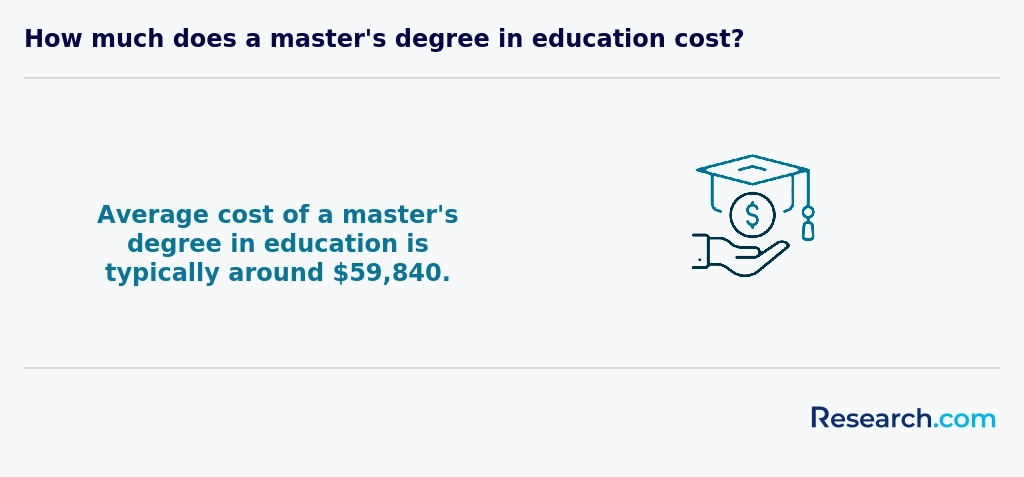
What is the average cost of online education degree in Minnesota?
The average cost of an online education degree in Minnesota for in-state students typically falls around $11,520, reflecting data that many graduates from public universities in the region have experienced. Online education degree tuition and fees Minnesota are often calculated per credit hour, with public institutions charging roughly between $400 and $700 for each credit. This approach gives prospective students the flexibility to manage their course loads while monitoring costs closely.
Graduates from schools like the University of Minnesota share that while tuition is a significant factor, the overall affordability is enhanced by access to financial aid and scholarships, making the investment in an online education degree feel more attainable. Students enrolling in Minnesota State Colleges often note that credit costs around $290 to $350, creating more economical pathways that still lead to respected credentials in education.
When considering these figures, one should also factor in additional expenses such as technology fees, textbooks, and course materials, which may add several hundred extra dollars per semester. Yet, the strong reputation of Minnesota's education programs and the flexibility offered is a compelling balance for many. Those looking for guidance on budget-friendly options can explore the most affordable online education programs in Minnesota, which highlight a variety of pathways perfectly suited for today's learners invested in affordable, quality education.
The Importance of Accreditation in Online Education Programs
When exploring online education degree programs in Minnesota, one crucial aspect to consider is accreditation. Accreditation ensures that the program meets certain standards of quality and is recognized by employers and other educational institutions. To find the most affordable options, consider visiting most affordable online education programs in Minnesota to make an informed decision. A reputable accrediting agency evaluates the program's curriculum, faculty, and resources to confirm that it provides a high-quality education. Graduates from accredited programs are more likely to be eligible for certification, licensing, and advancement opportunities, making accreditation a vital factor in choosing an online education degree program.
What financial aid is available to online education degree students in Minnesota?
Students pursuing an online education degree in Minnesota often tap into federal student aid, such as Pell Grants, which can provide up to $7,395 annually without the burden of repayment. Many graduates recall how completing the FAFSA opened doors to these vital funds, enabling them to focus on studies at institutions like the University of Minnesota without overwhelming financial stress.
State-specific programs like the Minnesota State Grant also offer substantial support. For example, a graduate from Minnesota State University found that this need-based aid helped cover a significant portion of their tuition, reflecting the program's adaptive approach to enrollment status and financial need.
Institutional scholarships tailored for education majors prove another valuable resource. Graduates frequently mention exploring their college's financial aid office websites early on, discovering scholarships that transformed their ability to afford quality online programs.
Emerging trends suggest that employer tuition reimbursement and veterans' benefits are becoming increasingly common, providing even greater access for future education professionals balancing work and study in today's evolving landscape.
Certification and Licensure Requirements in Minnesota
Earning an online education degree in Minnesota is just the first step toward a rewarding teaching career; obtaining state licensure ensures you’re fully qualified to lead classrooms and impact student success. Most programs align closely with Minnesota Teacher Licensure Examinations (MTLE) requirements, covering both content knowledge and pedagogical skills. After completing your online coursework, you must: 1. Hold a bachelor’s degree from an accredited institution. 2. Complete approved educator preparation, including supervised student teaching or practicum hours. 3. Pass the MTLE subject-area and pedagogy exams. 4. Submit official transcripts and test scores to the Minnesota Professional Educator Licensing and Standards Board (PELSB). 5. Apply for an Initial Minnesota Teaching License, valid for five years and renewable upon completion of a mentoring program and continuing education credits. Many online programs integrate exam preparation modules and virtual coaching to boost pass rates. Additionally, if you’re considering leadership roles or advanced positions, exploring doctoral pathways can be invaluable-compare options like the Cheapest Online Doctorate in Education Degree Programs Ranking in Virginia to plan your long-term career trajectory. By understanding the licensure process and choosing programs with robust support resources, you’ll transition smoothly from student to certified educator, fully equipped to meet Minnesota’s high standards and positively influence the next generation.
What are the prerequisites for enrolling in online education degree program in Minnesota?
Enrolling in online education degree programs in Minnesota commonly requires meeting clear academic standards, yet the path is becoming more flexible and inclusive. For undergraduate applicants, having a high school diploma or GED remains essential, along with a minimum GPA around 2.5. However, some institutions are increasingly embracing test-optional policies, meaning SAT or ACT scores might not always be mandatory-a change that reflects a more holistic view of student potential.
Graduate programs usually ask for a bachelor's degree with a GPA near 3.0, but some schools accept slightly lower GPAs plus additional materials like strong recommendation letters or relevant professional experience. For instance, many graduates from popular Minnesota colleges share how their thorough statements of purpose helped them stand out, emphasizing their dedication to educational leadership or advanced teaching methods.
Certification seekers must navigate specific licensure steps governed by the state's licensing board, including background checks and exams. This structured process assures that future educators are ready not only in knowledge but also in character and commitment, which many online students find reassuring as they embark on their teaching careers.
Accreditation and Certification
Accreditation is a critical indicator of program quality and eligibility for state licensure, financial aid, and professional advancement. All online education degree programs in Minnesota should be regionally accredited by the Higher Learning Commission (HLC) and approved by the Minnesota Professional Educator Licensing and Standards Board (PELSB). Many programs also hold specialized accreditation from the Council for the Accreditation of Educator Preparation (CAEP), ensuring adherence to rigorous standards in curriculum design, faculty credentials, and clinical experiences. When evaluating online programs, confirm that the curriculum aligns with Minnesota’s Teacher Licensure Standards, including requirements for pedagogical theory, student teaching hours, and content-area mastery. Graduates of CAEP-accredited programs often receive streamlined approval for licensure exams such as the Minnesota Teacher Licensure Examinations (MTLE) and may qualify for reciprocity in other states through the National Association of State Directors of Teacher Education and Certification (NASDTEC). For educators aiming to pursue doctoral studies, affordability and accreditation remain paramount. To explore cost-effective, regionally accredited doctoral options that meet professional standards, consider our Cheapest Online Doctorate in Education Degree Programs Ranking in Virginia. This resource highlights programs that combine rigorous accreditation with budget-conscious tuition, preparing you for leadership roles in curriculum development, educational policy, and higher education administration.
What courses are typically in online education degree programs in Minnesota?
Minnesota's online education degrees typically include courses designed to build both foundational knowledge and practical skills needed in today's classrooms. Graduates from universities such as the University of Minnesota Twin Cities often share how courses like Educational Foundations helped them connect theory with real-world teaching challenges, deepening their appreciation for diverse student backgrounds.
Instructional Strategies and Classroom Management trainings frequently come alive through interactive assignments, allowing students to experiment with lesson plans or behavior approaches before stepping into a live classroom. Educational Psychology courses are praised for helping future teachers understand their students' unique learning styles, a crucial insight especially emphasized in programs from institutions known for innovative online formats.
Many students recall how Curriculum Development and Assessment classes prepared them to create engaging, standards-aligned lessons and evaluate progress effectively-skills vital to success in Minnesota's varied school districts. Special Education coursework also stands out, enabling learners to craft inclusive environments that support all students. These program components, combined with practicum experiences coordinated locally, foster confidence and excitement about entering Minnesota's teaching profession.
What types of specializations are available in online education degree programs in Minnesota?
Online education degree specializations in Minnesota commonly include areas like Early Childhood Education, Elementary and Secondary Education, and Special Education. Graduates from popular institutions such as the University of Minnesota and St. Cloud State University often share how these programs build confidence in managing diverse classrooms, especially when delivered with a flexible online format that fits busy lives. Many appreciate training in Educational Leadership, which prepares them to take on roles as principals or administrators, envisioning a future where they influence school policy and culture.
Emerging fields like bilingual education and STEM education reflect Minnesota's commitment to inclusivity and innovation, equipping students to meet the needs of an evolving, diverse student body. Those pursuing Minnesota online teaching degree options report feeling empowered by curricula that integrate culturally responsive pedagogy and practical classroom strategies. For many, choosing an online path means accessing quality education conveniently, often through cost-effective programs offered by state universities.
Some graduates highlight how specialized tracks in Curriculum and Instruction sharpen their abilities to design engaging and effective lesson plans, a skill highly valued across the state. Aspiring educators looking for affordable options often turn to affordable online master's degrees in teaching, which balance quality with tuition rates below national averages.
How do you choose the best online education degree in Minnesota?
Choosing the best online education degree in Minnesota increasingly involves weighing how programs adapt to evolving educational needs and technology. Graduates from popular universities in the state often describe feeling empowered by programs that offer flexible, asynchronous courses paired with interactive synchronous sessions, striking a balance that fits busy lifestyles. For example, those pursuing affordable online teaching degrees Minnesota appreciate how such formats help them juggle family and work commitments without sacrificing the quality of instruction.
Future-focused students look closely at program accreditation, favoring degrees aligned with CAEP or Minnesota's Professional Educator Licensing and Standards Board to ensure seamless licensure preparation. Many graduates recall the confidence gained from programs that integrate state-specific licensure pathways, easing their transition into Minnesota classrooms. Cost transparency is another vital factor; comparing tuition and aid options can prevent surprises and help students invest wisely in their careers.
Exploring student support services also shapes one's journey. Graduates frequently highlight how mentoring, career counseling, and tech support made their experience feel personalized and engaging. Those interested in advanced opportunities may also consult resources like the Cheapest Online Doctorate in Education Degree Programs Ranking in Virginia to plan long-term goals while studying in Minnesota's best online education degree programs.

What career paths are available for online education degree students in Minnesota?
Graduates with an online education degree in Minnesota find a wide spectrum of career paths awaiting them, reflecting the state's dynamic educational landscape. Many step confidently into K-12 licensed teaching roles, filling important positions in core subjects like math, science, or special education at well-known institutions such as the University of Minnesota or St. Cloud State University. These educators often share how their flexible online programs allowed them to balance coursework with real classroom experience, boosting their confidence to thrive in Minnesota teaching jobs with online degree credentials.
Beyond the classroom, the future of educational leadership is bright for graduates aiming for roles like school principals or curriculum coordinators. As schools increasingly embrace technology, there's growing demand for experts in instructional design and educational technology. Graduates from programs at institutions popular in Minnesota express enthusiasm about careers involving e-learning development or digital curriculum design, signaling a shift towards innovative teaching methods.
For those interested in support roles, educational counseling and special education support remain vital career avenues. Students pursuing online paths share stories of impact within diverse communities, fueled by Minnesota's investment in educational equity. To explore best options and costs, students can consult resources on best accredited non profit online colleges tailored for education careers in Minnesota.
What is the job market for online education degree in Minnesota?
The job market for those pursuing an online education degree in Minnesota is growing steadily, supported by ongoing teacher shortages in key subjects like math, science, and special education. Graduates from popular institutions such as the University of Minnesota and St. Cloud State University often find themselves welcomed into classrooms across the state, particularly in rural areas eager for fresh talent. Many share that the flexibility of online programs helped them balance work and family responsibilities while meeting state licensure requirements, which is a critical step for Minnesota teaching jobs for education graduates.
Beyond traditional K-12 roles, there's also rising demand for specialists in educational technology and curriculum design. Some graduates who started in classroom teaching have transitioned to roles developing online courses and learning tools, reflecting broader trends in remote education. The evolving nature of these careers offers promising opportunities, especially as institutions adapt to the digital age.
Those exploring paths after graduation often look into various certifications that boost earning potential or target administrative roles. For many, the affordability of online degrees in Minnesota combined with strong local demand creates a sense of optimism about their future careers. Students interested in alternatives can also explore high paying jobs with trade school, which complement education sector pathways.
Frequently Asked Questions About education
Online education degree students in Minnesota can maximize their learning experience by actively engaging with their coursework and instructors. Research shows that students who participate regularly in online discussions tend to earn higher grades and retain more knowledge.
Utilizing campus resources, such as Minnesota's university tutoring centers and library databases, can provide valuable academic support. Additionally, setting a consistent study schedule helps manage time effectively, which is crucial for balancing work, life, and school responsibilities.
According to the Minnesota Office of Higher Education, over 40% of students in the state enroll in online courses annually, making virtual networking with peers an important tool for collaboration and motivation.
Emerging niches within the education field in Minnesota reflect broader national trends emphasizing technology, diversity, and mental health. Online degrees increasingly focus on areas like educational technology, where professionals learn to integrate digital tools into classrooms. According to the Minnesota Department of Education, demand for educators with skills in remote learning support has grown by 15% in recent years.
Another growing niche is special education, especially in serving diverse student populations. Minnesota schools report a 10% increase in special education roles, prompting universities to offer tailored online degrees.
Mental health in schools is also gaining attention, with programs emphasizing counseling and adolescent psychology. This aligns with Minnesota's initiatives to improve student well-being statewide.
After completing an online education degree in Minnesota, preparing for the job market involves several strategic steps. Start by gaining relevant experience through student teaching or internships, which many Minnesota programs require. According to the Minnesota Department of Education, hands-on experience significantly boosts employability in the state's competitive education job market.
Networking is crucial; connect with local school districts and educational organizations via events or online platforms like LinkedIn. This can open doors to job opportunities throughout Minnesota's 320+ public school districts.
Additionally, obtain necessary licensure from the Minnesota Board of Teaching, as state certification is mandatory for most teaching positions. Finally, stay updated on Minnesota's education standards and continue professional development to enhance your resume.
Employers in Minnesota prioritize several key skills when hiring education degree graduates, especially those completing their studies online. Strong communication skills top the list, essential for effectively engaging with students and parents. According to the Minnesota Department of Education, classroom management expertise is also critical to ensure a productive learning environment. Additionally, proficiency in technology integration reflects the growing importance of digital tools in teaching.
Critical thinking and adaptability rank highly, helping educators address diverse student needs. Minnesota's focus on inclusive education demands cultural competency as a valuable asset. These skills align with the state's standards and boost employment prospects for graduates across K-12 settings and beyond.
Finding internships in Minnesota relevant to an education degree involves targeted research and networking. Start by exploring university career centers and online platforms such as Handshake, which many Minnesota colleges use to connect students with internship opportunities. The Minnesota Department of Education often lists internship and student teaching openings critical for licensure.
Local school districts-like Minneapolis Public Schools and St. Paul Public Schools-also offer positions for education students, often requiring enrollment in an accredited degree program. The U.S. Bureau of Labor Statistics notes Minnesota has a steady demand for educators, increasing internship availability.
Additionally, professional organizations such as the Minnesota Education Association provide resources and networking events to help secure internships aligned with education degrees.
Obtaining an online education degree in Minnesota significantly enhances career mobility and advancement opportunities for professionals. According to the Minnesota Office of Higher Education, educators with a bachelor's or master's degree have higher employment rates and access to better-paying positions within the state's $4 billion education sector. Online programs provide flexibility, allowing working adults to earn credentials without interrupting their careers.
Graduates of Minnesota's online education degrees often qualify for licensure and advanced certifications, which are essential for promotions and leadership roles in schools. The state's focus on continuing education supports these online pathways, helping candidates meet demands in both urban and rural districts.
Studying for an education degree online in Minnesota equips students with versatile skills to excel in interdisciplinary roles. Many programs emphasize collaboration across fields such as psychology, technology, and social work. This approach reflects Minnesota's commitment to a holistic education system, with 63% of educators holding advanced degrees as of recent state data.
Online education degrees often integrate coursework on diverse learning needs, digital literacy, and community engagement. These components prepare graduates to work beyond traditional classrooms-in healthcare, business, and nonprofit sectors. The Minnesota Office of Higher Education notes growing demand for educators capable of adapting to varied professional settings.
Ultimately, Minnesota's online education programs foster critical thinking, communication, and adaptability-skills essential for interdisciplinary teamwork and leadership in today's complex work environments.
Choosing between a thesis and a non-thesis education degree program in Minnesota depends on your career goals and learning preferences. Thesis programs typically involve conducting original research and writing a detailed paper, which can be ideal for those seeking roles in academia, research, or pursuing a doctoral degree.
Non-thesis programs focus more on coursework and practical skills, suiting professionals aiming to advance in K-12 or administrative positions without engaging in extensive research.
According to the Minnesota Office of Higher Education, online education degrees with thesis tracks often require an additional semester compared to non-thesis options, impacting time and cost.
Reflect on your professional trajectory and available time when selecting between these paths.
Students in Minnesota seeking to study education abroad through online programs have several practical options. While physical study abroad experiences may be limited, many U.S. universities offer accredited online education degrees that include international perspectives in their curriculum. According to the Minnesota Office of Higher Education, over 30% of undergraduate students in Minnesota enroll in some form of online learning, reflecting growing accessibility. Some institutions also partner with foreign universities to provide virtual exchange programs, thereby broadening global awareness without leaving home. These options enable Minnesota residents to earn recognized teaching credentials while gaining exposure to diverse educational systems.
Students pursuing online education degrees in Minnesota can benefit from several part-time job opportunities that complement their studies. Teaching assistant roles in local schools or community colleges allow students to gain practical classroom experience. Additionally, tutoring jobs, both in-person and online, are increasingly available, reflecting a statewide demand for supplemental education support.
According to the Minnesota Department of Employment and Economic Development, education-related occupations grew by 5% between 2018 and 2022. Working as a substitute teacher is another viable option; it offers flexible hours and valuable insight into diverse classroom environments. These roles strengthen pedagogical skills and build professional networks useful for future educators.
Online education students in Minnesota have several networking opportunities despite studying remotely. Many universities, including the University of Minnesota and Minnesota State system schools, offer virtual career fairs and online student organizations that connect learners across the state.
Additionally, Minnesota's strong professional networks in education provide access to workshops, webinars, and mentorship programs tailored for online students. For example, the Minnesota Educators of Online Teaching and Learning (MEOTL) hosts events that help online students build connections.
Students can also engage with local alumni chapters, which facilitate networking in many Minnesota cities. According to the Minnesota Department of Education, 42% of education professionals reported benefiting from online networking tools in recent years.
Alumni networks offer valuable support to online education degree students in Minnesota. These networks provide connections to experienced graduates who can share career advice and job leads. According to the Minnesota Private College Council, strong alumni communities often improve job placement rates by up to 20% for recent graduates in education fields.
Students benefit from mentorship opportunities, which help them navigate certification requirements specific to Minnesota, such as those set by the Minnesota Professional Educator Licensing and Standards Board. Additionally, alumni events and online forums foster professional relationships that can lead to collaborations and continuing education.
Customizing an online education degree program in Minnesota allows students to align their studies with specific career goals. Many institutions offer flexible curricula that include electives in special education, administration, or curriculum design. According to the Minnesota Office of Higher Education, online programs often let students choose concentrations or add endorsements, which are crucial for teachers seeking licensure in areas like ESL or STEM.
Students can also benefit from practicum placements in Minnesota schools, enabling real-world experience tailored to their interests. This hands-on element helps bridge theory with practice and enhances job readiness in local districts.
Some universities provide advisors to help plan coursework around career ambitions, ensuring the degree supports advancement or certification.
Online education students in Minnesota often face challenges related to balancing coursework with personal and professional responsibilities. According to the Minnesota Office of Higher Education, 68% of online learners juggle jobs alongside their studies, which can cause time management difficulties.
Technical issues also present obstacles, especially for those living in rural areas with less reliable internet access. The state's broadband initiative aims to improve connectivity, but gaps remain.
Additionally, some students report feelings of isolation and a lack of direct interaction with instructors and peers. This can impact motivation and engagement during the program.
Understanding these challenges helps prospective students prepare realistically for online education in Minnesota.
With an online education degree in Minnesota, you can pursue various professional certifications that enhance your career prospects. One common certification is the Minnesota Teaching License, required for K-12 educators in public schools. This license aligns with the standards set by the Minnesota Professional Educator Licensing and Standards Board (PELSB).
Many graduates also aim for National Board Certification, a prestigious credential that demonstrates advanced teaching skills. Additionally, options like the Reading Specialist License or Special Education Licenses are available for those focusing on specific educational needs.
Certifications such as the Educational Leadership license enable graduates to move into administrative roles, including principals or curriculum coordinators. These certifications require meeting coursework and exam criteria recognized in Minnesota.
According to PELSB, over 70% of Minnesota's educators hold one or more specialized certifications, highlighting their importance in the region's education system.
To write a winning application for an online education program in Minnesota, start by carefully reviewing the specific requirements of your chosen institution. Many Minnesota universities emphasize strong academic records and relevant experience. Highlight your background in education or related fields, and provide clear, concise statements about your career goals.
Demonstrate your understanding of online learning by mentioning any prior experience with virtual platforms. Minnesota's education system values practical skills, so include examples of your teaching or leadership activities.
According to the Minnesota Office of Higher Education, incorporating measurable achievements and maintaining a professional tone improves admission chances. Lastly, ensure all documents, including transcripts and recommendation letters, are submitted on time.
Education careers are viewed globally as essential for social and economic development. In the United States, including Minnesota, teaching remains a respected and stable profession. According to the Minnesota Department of Education, over 91,000 licensed teachers serve in the state, reflecting a strong demand for qualified educators.
Globally, educators are encouraged to embrace diverse cultural perspectives and innovative teaching strategies. Many U.S. online education degree programs, including those in Minnesota, integrate global education standards to prepare teachers for diverse classrooms. This international focus supports the development of skills relevant in multicultural environments.
Economic trends also influence education careers. The U.S. Bureau of Labor Statistics projects a 7% growth rate for education-related jobs through 2031, signaling steady opportunities for candidates with online degrees from Minnesota's institutions.
Gaining practical experience while pursuing an online education degree in Minnesota is essential for career readiness. Many Minnesota universities offering online education programs encourage students to complete field experiences or student teaching in local schools. According to the Minnesota Department of Education, these placements often require collaboration with partner schools, providing real-world classroom exposure.
Online students can also participate in virtual simulations and interactive case studies designed to build teaching skills. Additionally, some programs offer internships or practicum opportunities that allow students to work with educators remotely.
Engaging in these experiences helps fulfill licensure requirements and enhances professional development while studying online in Minnesota.
Choosing the right concentration within an online education degree in Minnesota begins with understanding your career goals. Minnesota offers diverse options, including special education, educational technology, and curriculum design. According to the Minnesota Office of Higher Education, special education roles are growing due to increased student needs, making it a promising field. Consider your interests and local demand; for example, EdTech is expanding nationwide, benefiting remote and urban learners alike.
Review program accreditation and faculty expertise to ensure quality education. Research job placement rates for graduates in your chosen concentration. Additionally, check Minnesota's Department of Education for licensing requirements tied to specific concentrations. This will help align your studies with practical career pathways in the state.
Related Education Rankings for Nearby States
- 2027 Best Online Education Degree Programs Ranking in Wisconsin
- 2027 Best Online Education Degree Programs Ranking in Iowa
- 2027 Best Online Education Degree Programs Ranking in North Dakota
- 2027 Best Online Education Degree Programs Ranking in South Dakota
- 2027 Best Online Education Degree Programs Ranking in Nebraska
- 2027 Best Online Education Degree Programs Ranking in Illinois
- 2027 Best Online Education Degree Programs Ranking in Missouri
- 2027 Best Online Education Degree Programs Ranking in Michigan
- 2027 Best Online Education Degree Programs Ranking in Kansas
- 2027 Best Online Education Degree Programs Ranking in Indiana
Top Trending Education Rankings
See What Experts Have To Say About Studying Education
Read our interview with Education experts


Alan J. Singer
Education Expert
Professor of Teaching, Learning and Technology
Hofstra University

References
- The importance of networking in the education sector https://www.tlclive.com/blog/the-importance-of-networking-in-the-education-sector
- 100% Online Bachelor Degree Completion Programs and Certificates https://mankato.mnsu.edu/academics/online-and-off-campus-programs/online-education/online-bachelors-completion-programs/
- Why Is Education Important in Your Career Advancement? - KWSP Malaysia https://www.kwsp.gov.my/en/w/article/career-advancement
- Career Goals: 17 Inspirational Examples for you in 2026 https://www.imd.org/blog/learning-and-development/career-goals/
- 10 Reasons Why Education Helps to Advance Your Career - Insight Training https://insight.edu.au/blog/career-advancement-through-education/
- How to Become a Teacher in Minnesota | Zen Educate https://www.zeneducate.com/us/resources/becoming-a-teacher/become-a-teacher-in-minnesota/
- Networking Tips and Advice for Students https://schoolshouldbe.com/post/networking-tips-and-advice-for-students/
- Online Degree vs. Traditional | University of Arkansas Grantham https://www.uagrantham.edu/blog/pros-cons-online-degree-vs-traditional-university/
- Know more about thesis vs non- thesis: what is the difference? https://studyfans.com/en/blogs/816
- Events & Opportunities https://connect.teachforall.org/events-opportunities


