
2027 Best Online Education Degree Programs Ranking in Maine

Co-Founder and Chief Data Scientist
Choosing the right education degree program is an important step for students in Maine looking to advance their careers and make a positive impact. This article introduces the 2027 Best Online Education Degree Programs Ranking in Maine, developed by the Research.com team of data scientists.
Designed to guide you through a wide range of options, the ranking helps identify programs that truly stand out in quality and flexibility. Exploring these programs can open doors to new opportunities and personal growth, making your educational journey both rewarding and inspiring.
Key benefits of getting online education degree in Maine
- Salary benefits: Graduates with an education degree in Maine can expect rewarding salaries, such as $77,200 for Instructional Designers and $41,410 for Early Childhood Educators, reflecting strong earning potential in diverse roles.
- Career paths: Graduates from the University of Maine often pursue careers as Elementary or Special Education Teachers, with average annual wages of $70,740 and $76,000 respectively, demonstrating varied and fulfilling opportunities.
- Online degree advantages: Earning a degree online from institutions like the University of Southern Maine offers flexibility and convenience, enabling working adults to balance studies and life while opening doors to professional growth in education.
- Key benefits of getting online education degree in Maine
- What can I expect from online education degree in Maine?
- Where can I work with online education degree in Maine?
- How much can I make with online education degree in Maine?
- 2027 Best Online Education Degree Programs Ranking in Maine
- Key Findings
- How long does it take to complete online education degree in Maine?
- Licensure and Certification Requirements in Maine
- What's the difference between online and on-campus education degree?
- Future Trends in Online Education
- What is the average cost of online education degree in Maine?
- Teacher Certification and Accreditation Requirements in Maine
- What financial aid is available to online education degree students in Maine?
- Licensure and Certification Requirements for Educators in Maine
- What are the prerequisites for enrolling in online education degree program in Maine?
- Affordability and Financial Considerations for Online Education Degrees in Maine
- What courses are typically in online education degree programs in Maine?
- What types of specializations are available in online education degree programs in Maine?
- How do you choose the best online education degree in Maine?
- What career paths are available for online education degree students in Maine?
- What is the job market for online education degree in Maine?
- Related Education Rankings for Nearby States
- Top Trending Education Rankings
- See What Experts Have To Say About Studying Education
What can I expect from online education degree in Maine?
The average cost of an online education degree in Maine is often more wallet-friendly than attending classes on campus. Graduates from schools like the University of Maine and the University of New England frequently mention how saving on commuting and housing made a huge difference. Instead of worrying about daily travel expenses or student housing fees, they could focus more on their studies and still get quality education from their own living rooms.
Typically, tuition varies depending on the program, but many find federal grants and state scholarships helpful in covering costs. Students juggling jobs and family appreciate that these programs offer flexible schedules without breaking the bank. Imagine finishing a video lecture during your lunch break or participating in lively online discussions late in the evening-this flexibility can really lighten the financial and time load.
Plus, Maine's online degrees meet state education standards, so you're investing in a credential that prepares you well for local teaching jobs without extra surprises in costs. It's a practical, cost-effective step toward your dream career in education.
Where can I work with online education degree in Maine?
If you earn an online education degree in Maine, you'll find plenty of places to put that knowledge to work. Many grads jump right into teaching in K-12 public schools across the state-places like Portland or Bangor-where the demand for passionate educators is always strong. Imagine helping students succeed in your local elementary school while feeling connected to the community.
Others find themselves behind the scenes as educational coordinators or administrators, maybe working at the University of Maine or a community college, shaping curriculum and supporting staff. It's pretty rewarding to know you're improving education beyond just one classroom.
Some graduates dive into special education roles, supporting students with disabilities through Maine's well-funded programs. Whether in public schools or community agencies, these jobs make a real difference. Plus, with Maine's push for remote learning, education tech specialists are in demand-perfect for those who love mixing teaching with technology.
There's even room to start tutoring or consulting, especially in rural areas, helping learners of all ages. Working for state government or nonprofits focused on education policy is another route, offering meaningful, varied opportunities right here in Maine.
How much can I make with online education degree in Maine?
If you're studying for an online education degree in Maine, you're probably wondering, "How much can I make?" Well, grads from popular programs like those at University of Southern Maine or the University of Maine typically start near $40,000 to $45,000 if they jump into K-12 teaching. But the real exciting part is how quickly you can boost that. For example, teachers with a master's degree can earn about $10,000 more a year-so mid-career educators often see salaries around $70,000.
Plus, if you choose paths like becoming an instructional designer-which some Maine graduates have successfully done-you could be looking at mean salaries around $77,200. ESL teachers also do well, pulling in roughly $65,430 annually, which is great if you love working with diverse student groups.
Even entry-level positions like early childhood educators start around $41,410, so your degree opens lots of doors. Many grads have found that combining their online studies with Maine's supportive district systems makes a real difference in how fast they grow their salary.
2027 Best Online Education Degree Programs Ranking in Maine
How do we rank schools?
Investing in your education is a significant decision that can shape your future, and the Research.com team understands the importance of making informed choices. To assist prospective students in Maine, we have meticulously crafted the "2027 Best Online Education Degree Programs Ranking in Maine." Our commitment to quality, credibility, and accuracy is reflected in the extensive research and analysis conducted to compile this ranking.
We utilized the following reputable data sources to ensure a comprehensive evaluation of education programs:
By exploring this ranking, readers will gain valuable insights into the best online education degree programs available in Maine, helping them make informed decisions about their educational paths. For more details on our methodology, please visit our Research.com methodology page.

# 2 position
University of Maine
Master of Elementary and Secondary Education (Curriculum, Assessment and Instruction)


Key Findings
- Online education degrees in Maine are offered mostly at the bachelor's and master's levels through public and private institutions, with programs meeting state certification standards.
- Tuition for in-state online students at public universities ranges from $10,000 to $15,000 annually, while private colleges may charge over $20,000 per year.
- Entry-level salaries for education graduates in Maine average between $42,000 and $48,000 annually, with potential to increase to $60,000 or more with experience and additional certifications.
- Job growth in Maine shows steady demand for teachers, especially in rural areas, with high demand for special education and STEM teaching positions.
- Online programs include technology training to prepare graduates for both traditional and virtual classrooms, reflecting Maine's focus on digital learning.
How long does it take to complete online education degree in Maine?
In Maine, finishing an online education degree usually takes around the same time as on-campus programs, but with way more flexibility. For instance, if you're aiming for a bachelor's in education from a place like the University of Southern Maine, expect about four years if you're studying full-time. Graduates often share how juggling work and family while taking evening or asynchronous classes really helped them stay on track without feeling overwhelmed.
If you're going for an associate degree, many students at community colleges like Central Maine Community College wrap it up in about two years full-time. Part-time learners might stretch it to three or four years, taking classes when it fits their schedule.
Master's programs, like those offered through the University of Maine System, are usually one to two years full-time, but many Maine students appreciate the option to take longer-sometimes up to three or four years-so they can keep working and still advance their education on their own terms.
Transfer credits and previous experience often speed things up, which is a big relief for busy adults trying to finish faster.
Licensure and Certification Requirements in Maine
Prospective online education degree graduates in Maine must meet specific state licensure requirements to teach in public schools. To earn an Initial Teaching License through the Maine Department of Education, candidates should:
- Complete an accredited teacher preparation program aligned with Maine’s standards.
- Pass required Praxis® Subject Assessments (or alternate state-approved exams).
- Fulfill fingerprinting and a criminal background check.
- Submit official transcripts, certification application, and associated fees.
- Complete supervised student teaching or practicum hours as mandated by their program. For those advancing to a master’s level, Professional Teacher Certification requires holding an Initial License, maintaining a minimum GPA, and completing graduate-level coursework in areas like educational leadership or curriculum development. While Maine’s licensure pathway is tailored to state regulations, you can compare the affordability and outcomes of master’s programs in other regions by exploring the Most Affordable Online Master’s in Education Degree Programs Ranking in Iowa. Understanding exam dates, application deadlines, and Continuing Professional Development (CPD) requirements-such as training in special education, technology integration, and cultural competency-ensures a seamless transition from online student to certified educator in Maine’s public school system.
What's the difference between online and on-campus education degree?
If you're thinking about earning your education degree in Maine, the biggest difference between online and on-campus programs really boils down to how you experience learning day-to-day. For example, graduates from the University of Southern Maine who chose the online route often rave about the freedom to study whenever it fits their busy lives - whether that's late nights after work or weekend mornings with the kids around. It's perfect if you need flexibility and can't picture yourself sitting in a classroom every week.
On the flip side, those who went the traditional route at colleges like Maine Maritime Academy mention how engaging it is to be on campus, chatting with professors face-to-face, joining study groups, and diving into hands-on teaching practice at local schools. That in-person vibe really helps build confidence and strong connections.
Cost-wise, online students appreciate saving on parking and housing fees, even though some programs might add tech fees. But either way, Maine's public universities tend to keep tuition around $8,500 a year, so it's about what learning style suits you best.
Future Trends in Online Education
As the landscape of online education continues to evolve, staying informed about future trends can empower prospective students to make even more confident decisions. Recent developments in digital learning technologies, such as artificial intelligence-driven tutoring and virtual reality simulations, are reshaping how courses are delivered and experienced. Institutions are increasingly offering streamlined programs that can be completed in condensed timeframes; for example, many students now explore opportunities like 1 year online masters in education programs cheap to fast-track their careers. Moreover, the integration of micro-credentialing and stackable credits allows learners to customize their education paths, ensuring that courses remain highly relevant to current job market demands. Emerging specializations in data-driven instruction and educational technology are equipping graduates with the skills needed to thrive in an increasingly digital world. As educators and institutions continue to innovate, the emphasis on flexible, tech-enhanced learning environments is expected to grow, making it easier for students to balance academic pursuits with professional and personal commitments. Understanding these trends and anticipating their impact not only adds depth to your educational journey but also ensures that your qualifications remain competitive in a rapidly changing market.
What is the average cost of online education degree in Maine?
The average cost of an online education degree in Maine usually falls around $17,000, with in-state students often paying slightly less, near $15,500. For those attending well-known institutions like the University of Southern Maine or the University of Maine at Farmington, graduates often share how the balance between cost and quality made their investment feel worth it. Many found that these programs offered a great mix of academic rigor and practical experience without breaking the bank.
When thinking about the total expenses for online education degree Maine students encounter, it's not just the tuition-they also factor in technology fees, books, and other study materials. One graduate mentioned how budgeting for these extras helped keep surprises to a minimum during their studies. The familiarity with familiar public universities means many students can save money thanks to their lower tuition rates versus private schools.
Out-of-state students sometimes face higher costs, but Maine's public schools often provide regional discounts or special rates, which soften the impact. It's worth checking these options early on, especially if you want to find the cheapest online education school in Maine. Many folks in education programs also highlight how financial aid and scholarships can make a big difference, letting them focus more on their passion for teaching instead of worrying about bills.
Teacher Certification and Accreditation Requirements in Maine
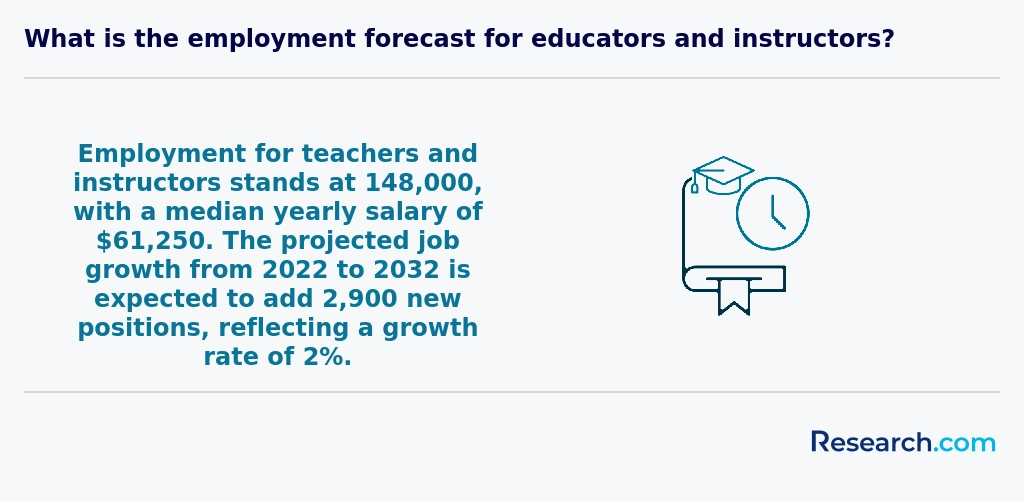
To ensure your online education degree aligns with Maine’s licensure standards and regional accreditation, it’s essential to understand the key requirements set by the Maine Department of Education (DOE) and the New England Commission of Higher Education (NECHE). Graduates must complete an approved teacher preparation program, satisfy exam benchmarks, and fulfill practical teaching experiences before applying for certification. • Regional Accreditation: Verify that your institution is accredited by NECHE (formerly NEASC). NECHE accreditation confirms that the curriculum, faculty qualifications, and student support services meet rigorous quality standards. • State Program Approval: The online program must be approved by the Maine DOE. Approved programs include coursework in pedagogy, classroom management, and subject-specific methods, ensuring graduates are classroom-ready. • Standardized Assessments: Candidates must pass the Praxis Core Academic Skills for Educators (reading, writing, and mathematics) and Praxis Subject Assessments in their teaching field. Some endorsements, such as Special Education or English Language Learner, require additional exams. • Clinical Practice & Student Teaching: A minimum of 12 weeks of supervised student teaching in a Maine K–12 setting is required. This practicum develops classroom management, lesson delivery, and assessment skills under the mentorship of a certified teacher. • Background Check and Fingerprinting: All applicants must submit to state and federal criminal background checks and fingerprinting, in accordance with Maine DOE regulations, to ensure student safety. • Application for Initial Teaching Certificate: Upon completing the approved program and exams, submit your application, official transcripts, practicum verification, and exam scores through the Maine DOE’s online certification portal. Expect processing times of 4–6 weeks. For candidates interested in advancing or comparing options outside Maine, our Most Affordable Online Master’s in Education Degree Programs Ranking in Iowa provides a detailed look at cost-effective master’s pathways that maintain high accreditation and certification standards.
What financial aid is available to online education degree students in Maine?
If you're going for an online education degree in Maine, there's a bunch of financial aid options to help ease the cost. Most students start by filling out the FAFSA, which opens the door to federal grants like the Pell Grant-something many folks snag for its no-payback funding. For example, grads from the University of Maine Online often mention how a Pell Grant covering up to $6,895 made a real difference in paying tuition.
On top of federal aid, Maine offers its own State Grant Program, especially helpful for students enrolled in local public schools like the University of Southern Maine. Past students say the average $2,000 award really helped lower their bill.
Then there are scholarships tailored just for education majors or online learners, which a lot of schools have. Plus, federal student loans and work-study gigs are usually options, letting you keep money in your pocket while gaining experience. Students have often found this combo makes juggling work and study feel a bit less crazy.
So really, whether you're in Bangor or Portland, there's a ton of support to make earning that degree online a lot more affordable.
Licensure and Certification Requirements for Educators in Maine
Becoming a licensed teacher in Maine requires more than earning an online education degree; it involves meeting state-specific certification criteria designed to ensure classroom readiness and professional competence. First, candidates must complete an educator preparation program approved by the Maine Department of Education (MDOE), which typically includes both coursework in pedagogy and a supervised student-teaching residency. Next, aspiring teachers must pass the relevant Praxis examinations-most commonly the Praxis Core Academic Skills for Educators and the Praxis Subject Assessments in their chosen teaching field-to demonstrate proficiency in reading, writing, mathematics, and content knowledge. After completing your program and passing the required exams, you’ll submit an application for a Professional Teacher Certificate through the MDOE portal. This process involves:
- A criminal background check and fingerprinting.
- Verification of your degree and an official transcript showing completion of your educator preparation program.
- Documentation of supervised clinical hours, which ensure practical experience in diverse K-12 settings. For educators who already hold a bachelor’s degree in a non-education field, Maine offers an Alternative Route to Teacher Certification, combining accelerated pedagogical coursework with on-the-job mentoring. Many candidates find that enrolling in a specialized graduate program-such as an online master’s in education-can streamline this pathway. If you’re considering graduate study to meet certification requirements, you might explore our Most Affordable Online Master's in Education Degree Programs Ranking in Iowa, which highlights cost-effective options that often include robust licensure support and exam preparation resources. Once certified, Maine educators must complete 90 contact hours of professional development every five years to maintain their credential, ensuring they stay current with instructional best practices and state standards. By understanding and planning for each step-from approved programs and Praxis testing to application procedures and ongoing renewal-you’ll be well-equipped to launch a successful teaching career in Maine’s dynamic K-12 system.
What are the prerequisites for enrolling in online education degree program in Maine?
If you're thinking about enrolling in an online education degree program in Maine, you'll need to have your basics covered first. Most schools, like those popular at the University of Southern Maine or the University of Maine at Farmington, expect you to have finished high school or have a GED for undergrad programs. Graduates often say submitting official transcripts was an easy but important step to prove their readiness.
For those aiming higher, like a master's or doctorate, you'll usually need a bachelor's degree in education or a related field. GPA matters too-many programs look for something between 2.5 and 3.0 at the undergrad level and closer to 3.0 for grad studies. One grad shared how meeting the GPA requirements gave them confidence going into the program.
Since Maine licenses teachers, you might have to pass state exams or show skills in English and math before jumping in. Some programs still ask for test scores like the GRE or SAT, but many schools now lean toward test-optional policies. Plus, having reliable internet and feeling comfortable with online learning tools can really boost your experience-just like others have noted when getting tech help from their school's support team.

Affordability and Financial Considerations for Online Education Degrees in Maine
When considering an online education degree in Maine, one of the crucial factors to evaluate is affordability. Prospective students often find themselves weighing the costs of tuition, textbooks, and technology against the potential benefits of their desired program. For those seeking the cheapest online education school in Maine, it's essential to research institutions that offer competitive pricing without compromising on the quality of education. Many universities in Maine provide financial aid, scholarships, and grants to help offset the costs, making higher education more accessible. By exploring the various financial options available and understanding the return on investment, aspiring educators can make informed decisions about their online education degree, ultimately paving the way for a fulfilling career in teaching or educational leadership.
What courses are typically in online education degree programs in Maine?
If you're diving into an online education degree in Maine, expect to tackle courses that really get you ready for the classroom and beyond. You'll find yourself exploring stuff like Educational Psychology, which helps you understand how kids learn and grow-super useful when you're planning lessons at, say, the University of Maine at Farmington. Curriculum Design and Instruction classes will have you creating engaging lesson plans, just like graduates who've found that hands-on approach totally transformed their teaching style.
Classroom Management is another big one. Many online students from colleges like the University of Southern Maine rave about how managing real-life classroom situations felt so much easier after these courses. Plus, you'll learn to use cool digital tools with Educational Technology classes, making lessons more interactive and fun, perfect for teaching in today's tech-savvy classrooms.
Then there's the local twist-with courses aligned to Maine's Learning Results, you'll get a clear roadmap of what the state expects from educators, which grads say made landing jobs in local schools a lot smoother. Advanced topics like Special Education and Educational Leadership also pop up if you're aiming high, helping you support diverse learners or step into admin roles down the line.
What types of specializations are available in online education degree programs in Maine?
If you're diving into online education degree specializations in Maine, you'll find plenty of options that really fit what you want to do. Graduates from popular Maine colleges often talk about how the Elementary Education track helped them feel confident managing classrooms and connecting with younger kids. Others loved focusing on Secondary Education, where they could specialize in subjects like math or science-perfect if you want to teach middle or high school students.
Specialized education programs Maine online also include leadership-focused paths like Educational Administration, which prepares you to lead schools and make a real impact on local education. Some grads mention how the Special Education route opened doors to working with students who have learning challenges, giving them the skills to design IEPs and customize teaching approaches.
Plus, with more schools offering options in Educational Technology, you'll get comfortable using digital tools-something graduates say is a game-changer in today's classrooms. If you're curious about costs, check out this 1 year online masters in education programs cheap that fit Maine's needs perfectly.
How do you choose the best online education degree in Maine?
Choosing the best online education degree in Maine means thinking about what fits YOUR life and goals. Many graduates from places like the University of Southern Maine share how important it was to find programs that matched state certification rules and offered local student teaching options. That hands-on experience made all the difference when they started working in Maine schools.
Cost matters too. Finding affordable education degree programs Maine offers can feel like a puzzle, but checking out public universities and comparing fees helps. Online programs often give you flexibility with asynchronous classes, so you can juggle work and family without stress-just like many successful students have experienced.
Don't forget to dig into support services and graduation rates. Some students rave about how strong advising and career help made their journey smoother. To get a sense of your best options, you might want to explore the Most Affordable Online Master's in Education Degree Programs Ranking in Iowa as a start for comparison.
What career paths are available for online education degree students in Maine?
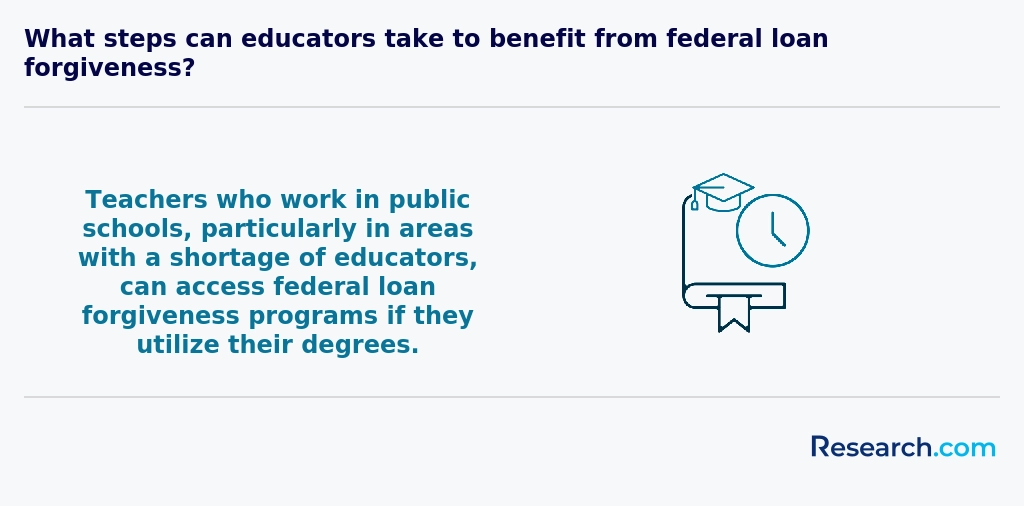
If you're earning an online education degree in Maine, you've got a bunch of great career paths waiting for you. Graduates from popular local colleges often land teaching jobs with online education degree Maine that let them work as licensed teachers in elementary, middle, or high schools. It's exciting because Maine's certification process is well-supported by many online programs, making that first step smooth and doable.
Many grads also find themselves moving into school administration roles, like principal or vice-principal, after gaining some experience. These jobs offer a nice salary bump and a chance to shape school environments. Plus, others go into special education-there's a real need here, and online degrees often include endorsements to help you qualify.
For those who love tech, working as instructional coordinators or educational technology specialists in Maine schools is growing fast, especially with more remote learning. If you want to peek at affordable options for these paths, check out the Most Affordable Online Master's in Education Degree Programs Ranking in Iowa, which can give you ideas about budget-friendly options nearby.
- Classroom Teacher (elementary, middle, or high school)
- School Administrator (principal, vice-principal)
- Special Education Teacher
- Instructional Coordinator
- Educational Technology Specialist
- Adult and Continuing Education Instructor
- Educational Consultant
What is the job market for online education degree in Maine?
The job market for an online education degree in Maine is pretty steady, which is great news if you're thinking about teaching or working in school systems here. Many graduates from universities like the University of Maine find that schools across the state, especially in rural areas, are eager to hire professionals who hold online degrees that meet state certification requirements. This means your degree really counts, and with Maine's focus on education, those with degrees often land jobs in K-12 schools or even specialized programs.
Graduates with a bit of extra training in areas like special education or curriculum development usually have an edge. For example, special education teachers earn a median salary around $60,000, which is a solid paycheck for the area. Plus, schools are looking for tech-savvy candidates, so if you're into education technology, the demand is growing. You could even explore paths alongside adult education by checking out options like online college degrees for seniors, which adds another layer of opportunity.
Overall, the online education degree job prospects Maine offer are encouraging if you want a career that fulfills you while also fitting into the communities and schools across the state.
Frequently Asked Questions About education
Online education degree students in Maine can maximize their learning experience by actively engaging with their coursework and utilizing available resources. According to the Maine Department of Education, students benefit from setting a consistent study schedule to balance professional, personal, and academic responsibilities effectively.
Participation in virtual discussions and collaboration with peers enhances understanding and retention of material. Utilizing tutoring services and academic advising offered by Maine's public universities, such as the University of Maine system, supports student success.
Additionally, taking advantage of state-specific financial aid programs and online library resources can widen access to essential learning materials. Research from the National Center for Education Statistics highlights that students who combine structured study habits with institutional support show higher graduation rates.
The field of education is rapidly evolving, and new niches are emerging that align with current societal and technological trends. In Maine, online education degrees increasingly focus on specializations like educational technology, which integrates digital tools to enhance learning experiences. Another growing area is STEM education, aimed at improving science, technology, engineering, and math teaching, reflecting national demand.
Special education also remains a vital niche, with Maine reporting continued needs for qualified professionals to support diverse learners. Early childhood education programs emphasize developmental research and family engagement, important for community growth.
According to data from the Maine Department of Education and the National Center for Education Statistics, these emerging niches offer practical career opportunities aligned with workforce demands through 2027.
After completing an online education degree in Maine, it is essential to actively prepare for the job market. Start by gaining relevant teaching certifications required in Maine, such as the Maine Initial Educator or Professional Educator certificate, which are necessary for most public school roles. According to the Maine Department of Education, certification significantly increases employment opportunities.
Networking is also crucial. Join Maine-based professional education organizations like the Maine Education Association to connect with local educators and access job resources. Additionally, internships and student teaching experiences, often included in programs, provide practical skills and help build your resume.
Job seekers should utilize Maine's local job boards and state workforce services, which frequently list teaching and education-related openings. Keeping up with statewide educational trends will also improve your market readiness.
Employers in Maine prioritize several key skills when hiring graduates with education degrees, especially those trained through online programs. Strong communication skills are critical, as teachers must effectively engage with students, parents, and colleagues. According to the Maine Department of Education, adaptability and classroom management are also highly valued, reflecting the state's emphasis on maintaining positive learning environments.
Additionally, proficiency in integrating technology into lesson plans is increasingly important due to the rise in digital learning tools. Maine's schools have reported growing demand for educators skilled in remote and hybrid teaching methods.
Finally, employers seek candidates with a solid foundation in subject matter expertise and collaboration, which support student success and professional growth.
Finding internships in Maine related to an education degree involves several practical steps for students. First, explore opportunities through Maine's public school districts, as many offer internships or student teaching placements crucial for licensure. According to the Maine Department of Education, networking with local schools can provide valuable hands-on experience.
Additionally, check with nearby universities offering education programs; they often have partnerships with schools and education centers for internships. Online job portals like the Maine JobLink might also list education internship openings.
Joining professional associations such as the Maine Education Association can provide access to internship announcements and mentorship programs.
Obtaining an online education degree in Maine significantly enhances career mobility and advancement opportunities for educators. According to the Maine Department of Education, certified teachers with advanced degrees often qualify for higher salary tiers and more leadership roles within schools. Online degrees provide flexible learning paths, making it easier for working professionals to upgrade their qualifications without relocating.
Data from the National Center for Education Statistics shows that educators holding at least a master's degree tend to experience faster promotions and greater job security in Maine's education sector. Additionally, many Maine school districts prioritize candidates with higher education credentials when hiring for administrative or specialized positions.
Overall, completing an online education degree can lead to increased earning potential and expanded career options throughout the state's public and private school systems.
Studying for an education degree in Maine offers strong preparation for interdisciplinary roles by integrating diverse subject areas. Many Maine institutions emphasize collaboration between education, psychology, technology, and social sciences. This approach equips graduates to address complex classroom challenges that cross traditional disciplinary boundaries.
Maine's education programs often include field experience in varied school settings, exposing students to real-world scenarios requiring adaptability and teamwork. According to the Maine Department of Education, nearly 80% of teacher candidates complete practicum placements that focus on inclusive and interdisciplinary teaching strategies.
The state's emphasis on digital literacy also supports interdisciplinary work, preparing educators to use technology effectively in different subject areas. This skill set is vital as schools increasingly adopt blended learning models.
Overall, Maine's education degrees foster critical thinking and flexible problem-solving skills essential for today's multifaceted educational environments.
When choosing between a thesis and a non-thesis online education degree program in Maine, consider your career goals and learning preferences. Thesis programs require original research and a written dissertation, which is ideal if you plan to pursue a doctoral degree or a research-oriented job in education.
Non-thesis options typically focus on coursework and practical skills, appealing to students seeking immediate professional advancement in teaching or administration. According to the Maine Department of Education, the demand for education professionals with strong applied skills is growing, influencing program choices.
Cost, time commitment, and faculty support are also key factors. Thesis tracks often take longer and demand intensive faculty mentorship, while non-thesis tracks can be completed more quickly.
Research Maine-based institutions' offerings, such as the University of Southern Maine's online Master of Education programs, to find the best fit aligned with your goals.
Students in Maine interested in pursuing education degrees abroad have several avenues through online programs and partnerships. Many U.S. universities offer dual-degree or exchange programs that allow Maine residents to study with international institutions while remaining enrolled stateside. These hybrid models provide cross-cultural experience without full relocation.
Additionally, Maine students can enroll in fully online education degrees offered by nationally accredited universities with global curriculum options. According to the Maine Department of Education, about 12% of enrolled education students participate in remote learning, including international collaborations.
Financial aid and student visa considerations also shape opportunities when studying abroad. Maine students ought to consult their chosen institution's international office for advising to ensure credit transferability and program accreditation.
In Maine, part-time jobs that complement an education degree often involve roles within schools or community programs. One common opportunity is working as a teacher's assistant, helping with classroom management and student support. Such positions provide practical experience while studying.
Other part-time roles include tutoring services, both in-person and online, which align well with education students' skill sets. According to the Maine Department of Labor, tutoring is expected to grow by 8% through 2028, supporting increased demand.
Additionally, after-school program coordinators and childcare providers offer relevant experience in child development and education.
These roles help build skills that support future teaching careers in Maine's education system.
Online education students in Maine have growing opportunities to network despite physical distance. Many Maine colleges offering online education degrees host virtual events, webinars, and discussion forums designed to connect students, faculty, and professionals statewide.
Institutions such as the University of Maine System promote online student engagement through learning communities and alumni networks. According to the Maine Department of Education, about 35% of higher education enrollments involve some form of online course participation, creating a substantial cohort for peer interaction.
Students can also leverage regional education conferences and Maine-based education associations that welcome online learners. These platforms enable professional connections, internships, and collaboration, crucial for career advancement in education fields.
Alumni networks provide significant benefits for students pursuing online education degrees in Maine. These networks connect current students with graduates who have navigated similar academic paths and local job markets. Participation in alumni groups can enhance access to internships, job opportunities, and professional mentorship specific to Maine's education sector. According to the Maine Department of Education, over 40% of teachers statewide find employment through professional connections, highlighting the value of networking.
Moreover, alumni networks often organize events and workshops tailored to regional educational trends and requirements. This ongoing support helps online students stay connected despite geographical distances, improving career readiness and community engagement in Maine's unique educational environment.
Customizing an online education degree in Maine to fit career goals often begins with selecting a specialization that matches your interests, such as curriculum development, educational leadership, or special education. Many Maine institutions offer flexible course options and electives tailored to diverse career paths. You can also choose between certificate programs, bachelor's, or master's degrees, depending on your experience and objectives.
Advisors at Maine colleges typically assist in creating personalized learning plans, helping balance credits with professional goals. According to the Maine Department of Education, nearly 60% of online education students tailor courses for licensure or advanced roles. This flexibility allows you to align studies with job market demands in Maine's schools and communities.
Online education students in Maine often face challenges related to limited internet access, especially in rural areas where broadband availability is below the national average. According to the Federal Communications Commission, about 15% of Maine's households lack reliable high-speed internet, which can hinder participation in synchronous classes and accessing digital resources.
Another common difficulty is balancing coursework with work and family responsibilities. Maine has a high percentage of adult learners who juggle jobs and caregiving duties while earning their degrees.
Additionally, some students report feelings of isolation due to reduced face-to-face interaction, impacting motivation and engagement. Support services and peer networking opportunities can sometimes be limited in online programs, adding to these challenges.
With an online education degree, students in Maine can pursue several professional certifications to enhance their teaching careers. One common certification is the Maine Initial Teacher Certification, which qualifies graduates to teach in public schools across the state. The Maine DOE reports that about 75% of education degree holders seek this pathway.
Other certifications include the National Board Certification, recognized nationwide for advanced teaching skills. Additionally, specialists can obtain endorsements in areas such as special education, ESL, or reading instruction, which are highly valued in Maine's diverse school systems.
These certifications help graduates meet state requirements and improve their employment prospects in education.
Writing a winning application for an online education program in Maine requires clear attention to detail and strong preparation. Begin by researching programs approved by the Maine Department of Education or accredited by agencies recognized by the U.S. Department of Education, ensuring your degree holds value in the state job market.
Highlight your relevant experience, academic background, and career goals in a focused personal statement. According to the National Center for Education Statistics, Maine's online learners benefit greatly from emphasizing adaptability and time management skills due to the self-paced nature of many programs.
Include clear evidence of prior academic success, such as transcripts or letters of recommendation from professors familiar with your abilities. Finally, proofread thoroughly and meet all application deadlines to maximize your chances.
A career in education is increasingly valued worldwide for its role in shaping future generations. Within the United States, including Maine, educators are recognized not only as teachers but also as community leaders and innovators. According to the Maine Department of Education, the demand for qualified teachers in subjects like math, science, and special education remains strong, reflecting a global need for skilled educators.
Globally, education careers often emphasize cross-cultural understanding and adaptability, as education systems evolve with technological and social changes. Online education degrees in Maine prepare students to meet these challenges by combining flexible learning formats with rigorous teacher preparation.
Statistics from the National Center for Education Statistics show that US education professionals who engage with international teaching methods experience higher job satisfaction and career growth. Maine's focus on online degree programs aligns well with global trends toward remote and digital learning environments, offering local students access to broad, relevant perspectives.
Students pursuing an online education degree in Maine can gain practical experience through several key avenues. Many programs incorporate required student teaching placements, coordinated with local schools to comply with Maine's Department of Education guidelines. This hands-on training is essential for earning teaching licensure.
Additionally, some universities offer virtual internships or practicum experiences, allowing students to work remotely with educators or educational organizations. According to the Maine Department of Education, over 90% of accredited teacher preparation programs in the state include supervised fieldwork.
Engaging with Maine's educational communities through volunteer opportunities or professional development workshops can also provide valuable insight and experience during studies.
Choosing the right concentration within an online education degree in Maine involves assessing your career goals and the state's educational needs. Maine's Department of Education highlights high demand for special education and STEM-related teaching roles, which can guide your choice. Consider concentrations like early childhood education or educational technology, which align with current trends in Maine's schools.
Research program accreditation and faculty expertise to ensure quality. Many Maine institutions offer options tailored for in-state certification requirements, making licensure smoother. According to the National Center for Education Statistics, focusing on Maine-specific standards improves job placement chances after graduation.
Additionally, reflect on your interests in student age groups or teaching methods, as these impact your long-term satisfaction and success in education careers.
Related Education Rankings for Nearby States
- 2027 Best Online Education Degree Programs Ranking in Massachusetts
- 2027 Best Online Education Degree Programs Ranking in New York
- 2027 Best Online Education Degree Programs Ranking in New Jersey
- 2027 Best Online Education Degree Programs Ranking in Pennsylvania
- 2027 Best Online Education Degree Programs Ranking in Virginia
- 2027 Best Online Education Degree Programs Ranking in Ohio
- 2027 Best Online Education Degree Programs Ranking in Kentucky
- 2027 Best Online Education Degree Programs Ranking in North Carolina
- 2027 Best Online Education Degree Programs Ranking in South Carolina
- 2027 Best Online Education Degree Programs Ranking in Indiana
Top Trending Education Rankings
See What Experts Have To Say About Studying Education
Read our interview with Education experts


Alan J. Singer
Education Expert
Professor of Teaching, Learning and Technology
Hofstra University

References
- Comprehensive Guide to Choosing the Right Educational Program https://veritaseedcenter.gr/blog/comprehensive-guide-to-choosing-the-right-educational-program
- Maine Launches Statewide Career Exploration Survey to ... https://mainedoenews.net/2026/02/06/maine-launches-statewide-career-exploration-survey-to-strengthen-resources-and-opportunities-for-students/
- What Can I Do With a Teaching Degree (Besides Teach)? https://www.alleducationschools.com/blog/what-can-i-do-with-a-teaching-degree-besides-teach/
- Tips for Choosing Your Graduate Concentration - Graduate Programs for Educators https://www.graduateprogram.org/blog/tips-for-choosing-your-graduate-concentration/
- Maine Colleges Evolving to Meet Demand for Online Classes https://www.govtech.com/education/higher-ed/maine-colleges-evolving-to-meet-demand-for-online-classes
- What Employers Actually Want From Graduates https://bodyswaps.co/resources/blog/what-employers-actually-want-from-graduates
- Home https://www.teachercertificationdegrees.com/
- Career Goals: 17 Inspirational Examples for you in 2026 https://www.imd.org/blog/learning-and-development/career-goals/
- Can Higher Education Improve Long-Term Career Success https://studysphereadvisors.com/how-higher-education-influences-long-term-career-growth/
- Benefits of Networking for Students https://www.melioeducation.com/blog/benefits-of-networking-for-students/


