
2027 Best Online Education Degree Programs Ranking in Virginia

Co-Founder and Chief Data Scientist
Choosing the right online education degree program in Virginia can feel overwhelming. To make this easier, the Research.com team of data scientists has created the 2027 Best Online Education Degree Programs Ranking in Virginia. This ranking helps students find programs that stand out for quality and value.
By exploring this article, you'll discover trustworthy options tailored to your goals. Earning an education degree opens doors to rewarding careers and personal growth. Let this guide support your journey toward a fulfilling future.
Key benefits of getting online education degree in Virginia
- Education degree graduates in Virginia can expect rewarding salaries, such as Special Education Teachers earning around $76,000 and Instructional Designers about $77,200 annually, offering strong financial stability.
- Graduates from Virginia universities often find diverse career paths, from teaching young children to designing instructional materials, showing a broad range of rewarding opportunities.
- Online education degrees provide flexible scheduling and accessibility, as seen with online graduates from Virginia Commonwealth University, helping students balance work and study for a smoother experience.
- Key benefits of getting online education degree in Virginia
- What can I expect from online education degree in Virginia?
- Where can I work with online education degree in Virginia?
- How much can I make with online education degree in Virginia?
- 2027 Best Online Education Degree Programs Ranking in Virginia
- Key Findings
- How long does it take to complete online education degree in Virginia?
- Teacher Certification and Licensing in Virginia
- What's the difference between online and on-campus education degree?
- Choosing the Right Online Education Program in Virginia
- What is the average cost of online education degree in Virginia?
- Tips for Succeeding in Your Online Education Program
- What financial aid is available to online education degree students in Virginia?
- Licensure and Certification Requirements in Virginia
- What are the prerequisites for enrolling in online education degree program in Virginia?
- Teacher Licensure and Certification in Virginia
- What courses are typically in online education degree programs in Virginia?
- What types of specializations are available in online education degree programs in Virginia?
- How do you choose the best online education degree in Virginia?
- What career paths are available for online education degree students in Virginia?
- What is the job market for online education degree in Virginia?
- Related Education Rankings for Nearby States
- Top Trending Education Rankings
- See What Experts Have To Say About Studying Education
What can I expect from online education degree in Virginia?
The average cost of an online education degree in Virginia often proves more affordable than many anticipate, especially when compared to national averages. Graduates from programs at institutions like Old Dominion University and Virginia Commonwealth University commonly note that their in-state tuition rates significantly eased their financial burden. One graduate shared that balancing work and family commitments was manageable partly because the lower tuition costs avoided the stress of overwhelming debt.
However, while public universities offer competitive tuition, private or out-of-state options may present higher expenses, a factor prospective students should carefully consider. Financial aid and scholarships tailored specifically for education students in Virginia can soften these costs, though availability varies.
In practical terms, students often find that the investment aligns well with the flexibility and quality of instruction provided, such as asynchronous courses combined with real-time interaction. This mix fosters a meaningful educational experience without sacrificing job or family responsibilities.
Where can I work with online education degree in Virginia?
Graduates from online education programs at Virginia's well-regarded universities often find rewarding positions as licensed K-12 teachers, particularly in public schools where demand remains high for subjects like special education and STEM fields. For example, a graduate from a program at a major Virginia university shared how licensure requirements from the Virginia Department of Education ensured their degree was recognized and valued by local districts, boosting confidence during job hunting.
Beyond classroom teaching, many find fulfilling roles in instructional coordination or curriculum development within school districts. These positions allow graduates to influence educational practices and improve teacher training. Alumni from state colleges frequently mention how their advanced studies prepared them to navigate such administrative challenges successfully, leading to higher salaries and job stability.
Some graduates pursue careers in higher education as academic advisors or instructional designers, supporting both online and campus learners. With Virginia's growing emphasis on digital pedagogy, those skilled in educational technology report excitement about contributing to innovative learning environments at local colleges.
Others leverage their expertise in consulting or nonprofit roles focused on youth development, finding personal satisfaction in advancing community education beyond traditional schools. These diverse pathways reflect the vibrant opportunities available to online education graduates in Virginia's evolving educational landscape.
How much can I make with online education degree in Virginia?
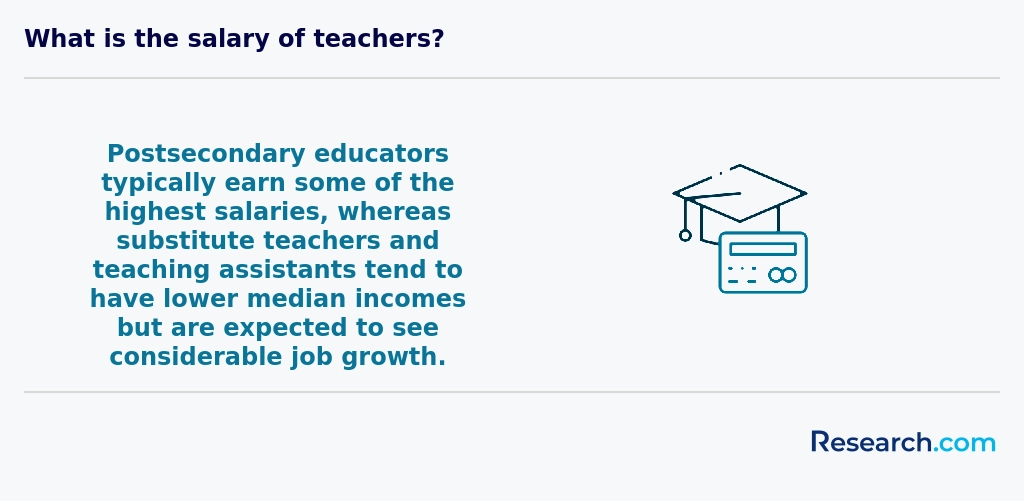
Graduates with online education degrees in Virginia can expect a range of salary outcomes based on their specific career paths and roles. For example, elementary school teachers, a common entry point for many education graduates from institutions like Virginia Commonwealth University, earn an average annual wage of about $70,740 according to recent Bureau of Labor Statistics data. This figure often reflects classroom experience combined with state certification.
For those specializing in special education, salaries tend to be higher, averaging around $76,000 per year. This aligns with reports from graduates of Radford University, who highlight the rewarding nature of these roles and the strong financial prospects they offer. ESL teachers, another popular focus for online education students, earn approximately $65,430 annually, providing a solid income for those working in diverse classroom environments across Virginia.
Instructional designers represent a growing niche, especially for graduates integrating technology into education in schools like George Mason University. They earn a median salary near $77,200, reflecting demand for digital curriculum specialists. These earnings illustrate that an online education degree in Virginia can open doors beyond traditional teaching roles, offering viable and competitive career opportunities.
2027 Best Online Education Degree Programs Ranking in Virginia
How do we rank schools?
Investing in your education is a significant decision that can shape your career and future, and the Research.com team fully recognizes the importance of making well-informed choices. To assist prospective students, we have carefully developed the "2027 Best Online Education Degree Programs Ranking in Virginia." Our commitment to quality, credibility, and accuracy is demonstrated by the rigorous research and analysis underpinning this ranking.
We utilized the following reputable data sources to ensure a comprehensive evaluation of online education degree programs:
By exploring this ranking, readers will gain valuable insights into the highest-quality online education degree programs available in Virginia, enabling them to make confident and informed decisions about their educational pursuits. For more information about our approach, please visit our Research.com methodology page.




Key Findings
- Online education degrees in Virginia include bachelor's, master's, and doctoral programs focusing on teaching, administration, special education, and curriculum development.
- Tuition for in-state students typically ranges from $8,000 to $15,000 per year, with public universities generally offering lower costs than private institutions.
- Financial aid options such as scholarships, grants, and federal loans are widely available to help cover tuition, fees, and materials.
- Starting salaries for entry-level teachers average around $44,000 annually, with potential to rise to about $60,000 as experience increases.
- The demand for teachers, especially in special education, STEM, and ESL, is expected to remain steady through 2030 due to K-12 enrollment growth.
- Teacher licensure in Virginia requires passing state exams and clinical experiences, often supported by local partnerships in online programs.
How long does it take to complete online education degree in Virginia?
Completing an online education degree in Virginia typically takes around four years for bachelor's degrees when studying full-time, though flexibility in pacing often allows students to adjust this timeline. For example, graduates from institutions like George Mason University have reported completing their degrees faster by leveraging accelerated courses or part-time enrollment during busy work periods.
Associate degrees usually demand about two years of full-time study at community colleges such as Northern Virginia Community College, offering foundational credits that many later transfer toward bachelor's programs. For those pursuing a Master of Education, programs at Virginia Commonwealth University often span 18 months to three years, depending on whether students balance coursework with professional responsibilities.
Many students find value in the ability to transfer credits or use competency-based assessments, enabling them to shorten completion time while managing personal commitments. This flexibility is a key reason why students feel encouraged and motivated despite challenges, as they can adapt their studies to fit real-life situations without compromising quality.
Teacher Certification and Licensing in Virginia
Obtaining your Online Education degree is just the first step; to teach in Virginia public schools, you must secure a Virginia teaching license through the Board of Education. First, complete an approved educator preparation program (EPP) accredited by the Council for the Accreditation of Educator Preparation (CAEP). Next, pass the Virginia Communication and Literacy Assessment (VCLA) and the Praxis exams relevant to your endorsement area, such as Praxis® Core Academic Skills or subject-specific Praxis® II assessments. If you’re pursuing a master’s, many candidates combine licensure coursework with graduate studies-if you plan to further your credentials online, explore the Most Affordable Online Master's in Education Degree Programs Ranking in Massachusetts for cost-effective pathways. After passing exams, apply for an Initial License via the Virginia Department of Education’s licensing portal, submitting official transcripts, exam scores, and background check results. The Initial License is valid for three years, during which you must complete mentored teaching (induction) and accrue professional development hours. To upgrade to a Professional License, you’ll need two years of teaching experience, a master’s degree or 30 graduate credits in education, and 180 professional learning points. Maintaining your license requires renewal every five years, which involves 75 professional learning points and evidence of student growth. Understanding these requirements ensures your degree translates into a sustainable teaching career in Virginia, aligning academic achievements with state standards for educator quality and effectiveness.
What's the difference between online and on-campus education degree?
The fundamental difference between online and on-campus education degrees in Virginia rests largely on the mode of delivery. Graduates from the University of Virginia and Virginia Commonwealth University have noted that on-campus programs offer immersive, face-to-face engagement with peers and professors, which enriches the learning experience through spontaneous discussions and immediate feedback. In contrast, graduates from George Mason University's online education program emphasize the flexibility to study around work and family commitments, which can be essential for adult learners balancing multiple responsibilities.
Both formats share rigorous accreditation standards, ensuring that diplomas from Virginia's accredited institutions carry equal weight. However, the social environment diverges: traditional students enjoy the campus atmosphere and extracurricular opportunities, while online learners develop strong self-discipline and technological skills through virtual platforms. A graduate from James Madison University's online education program recalled how discussion boards and video calls fostered a supportive yet autonomous learning community.
Cost differences exist, with public universities charging about $11,000 yearly for in-state on-campus students, but online students often save on commuting and housing expenses. Ultimately, the choice aligns with individual needs and preferred learning styles in Virginia's diverse education landscape.
Choosing the Right Online Education Program in Virginia
When selecting an online education program in Virginia, it's essential to consider several factors that can impact your academic journey and future career. One crucial step is to research and compare different programs, taking into account their accreditation, program offerings, cost, and support services. For instance, prospective students can explore the best education schools in Virginia to find institutions that align with their academic and career goals. By weighing these factors and exploring available options, students can make informed decisions about their educational path and set themselves up for success in their future careers. Additionally, understanding the importance of accreditation and program specializations can help students choose a program that meets their needs and prepares them for their desired career path.
What is the average cost of online education degree in Virginia?
The average cost of an online education degree in Virginia varies notably depending on residency status and institution type. For in-state students, tuition and fees for online education degrees typically amount to about $22,591 total; out-of-state students see a higher median cost near $33,759. Graduates from well-known programs at universities like Old Dominion University or George Mason University often note that these prices align reasonably with the quality and flexibility offered by their online formats.
Many prospective learners weigh these costs against the savings gained by studying online, such as eliminating expenses for commuting or on-campus housing. Still, additional fees for technology and course materials can add several hundred dollars per semester, which should not be overlooked when estimating the total financial commitment. This nuance means that while the headline tuition may seem affordable, budgeting for these extras is vital for managing overall expenses effectively.
Considering tuition and fees for online education degrees in Virginia is essential for students aiming to make financially sound decisions. Graduates often share that selecting programs at public universities with strong reputations provides a sensible balance between cost and educational value. For those researching options, exploring the best education schools in Virginia can uncover institutions that offer competitive pricing combined with accredited, reputable curricula.

Tips for Succeeding in Your Online Education Program
Succeeding in an online education program not only relies on choosing the right institution but also on implementing effective strategies tailored for virtual learning. First, develop a dedicated study schedule that mirrors the structure of in-person classes-this establishes a routine that minimizes distractions and helps you stay on track. It’s important to create a designated workspace that is quiet and free from interruptions, as this environment facilitates productive study sessions. Next, take full advantage of the digital tools and resources your program offers. Actively participate in discussion boards, virtual study groups, and live sessions, as they foster collaboration and create a sense of community similar to a traditional campus setting. Establishing clear communication channels with instructors and peers can also provide timely feedback and support throughout your studies. Moreover, continuously track your progress by setting short- and long-term goals. Regularly review course materials and seek additional resources or tutoring when needed to reinforce difficult concepts. Balancing your academic responsibilities with personal commitments is key, and learning effective time management skills will significantly enhance your overall success in the program. For those exploring further opportunities to advance their education, you might consider exploring most affordable online masters degrees in teaching, which can offer additional pathways to career advancement in education. Adopting these practices will not only help you succeed academically but also prepare you for a rewarding career in the field of education.
What financial aid is available to online education degree students in Virginia?
Students pursuing online education degrees in Virginia often rely on a mix of federal aid, state grants, and institutional scholarships to manage rising tuition costs. Many graduates from institutions like Virginia Commonwealth University recall how completing the FAFSA unlocked Pell Grants, which covered substantial portions of their expenses without the burden of repayment. However, not all students qualify for these funds, pointing to the need for exploring alternative options.
State-specific programs such as the Virginia Tuition Assistance Grant (VTAG) provide crucial support for those attending private nonprofits offering online education degrees. Graduates often share how VTAG scholarships lightened their financial load, allowing more focus on studies and less anxiety over bills. Meanwhile, public universities frequently extend merit or need-based scholarships geared explicitly toward education majors, rewarding commitment and academic achievement.
Loan forgiveness programs targeting educators in Virginia's public schools add another layer of financial relief, with former students emphasizing the motivation these incentives provide to serve local communities. Nonprofits like the Virginia Education Association Foundation also contribute, though their awards tend to be competitive and require proactive application efforts.
Licensure and Certification Requirements in Virginia
Earning an online education degree is just the first step toward a classroom career in Virginia; obtaining the proper teaching license and certification is equally crucial. Here’s what you need to know: 1. Virginia Department of Education (VDOE) Endorsements - Complete a state-approved educator preparation program, which you’ll find integrated into most accredited online degrees. - Submit official transcripts and program verification to VDOE for evaluation. 2. Required Examinations - Pass the Praxis Core Academic Skills for Educators tests (Reading, Writing, Mathematics) unless exempted by SAT/ACT scores. - Pass the Praxis Subject Assessments relevant to your endorsement area (e.g., Elementary Education, English as a Second Language). 3. Background Check and Fingerprinting - Undergo a criminal history record check and submit fingerprints via the Virginia State Police and FBI-approved vendor. - Clearance must be on file with VDOE before your license can be issued. 4. Application and Fees - Complete the VDOE Online Licensing Application, selecting the appropriate endorsement and experience level. - Pay the non-refundable application fee (currently $95 for initial licenses). 5. Provisional to Renewable Licenses - New teachers often receive a five-year provisional license; to renew, complete three years of teaching under mentorship and meet professional development requirements. - Document continuing education credits or advanced degrees to qualify for renewable professional licenses. 6. Reciprocity for Out-of-State Educators - If you hold a valid teaching license from another state, apply for Virginia reciprocity by submitting your out-of-state license, transcripts, and Praxis scores (if required). - Review VDOE’s reciprocity guidelines to ensure a smooth transition. By understanding and fulfilling these certification steps, online education graduates can confidently enter Virginia classrooms. For comparative insights into program affordability beyond Virginia, explore our Most Affordable Online Master's in Education Degree Programs Ranking in Massachusetts.
What are the prerequisites for enrolling in online education degree program in Virginia?
To enroll in an online education degree in Virginia, applicants must typically hold a high school diploma or GED for undergraduate programs, while graduate degrees require a completed bachelor's from an accredited institution. Graduates from popular universities in Virginia often recall how this baseline ensured they were academically prepared for rigorous studies.
Standardized test scores are sometimes required but many schools like Old Dominion University and James Madison University have shifted toward a holistic admissions approach. This includes GPA, recommendation letters, and personal statements, which students find empowering as it allows a fuller picture of their potential beyond test results.
Official transcripts verifying past academic achievement and a minimum GPA-usually between 2.5 and 3.0-are essential. Online learners also value technology proficiency, as virtual coursework demands comfort with digital platforms, which schools support through orientations or assessments.
Those aiming for K-12 licensure in Virginia recognize that meeting state Board of Education standards, including Praxis exam preparation, is a vital and motivating step within or shortly after their programs.
Teacher Licensure and Certification in Virginia
After earning an online education degree in Virginia, the next crucial step is obtaining a valid teaching license from the Virginia Department of Education (VDOE). Licensure ensures you meet the state’s high standards for classroom readiness and student safety. Here’s what you need to know: 1. Approved Program Completion: • Your degree must come from a VDOE-approved educator preparation program. Most accredited online programs in Virginia are recognized, but always verify approval status on the VDOE website. • If you’re exploring master’s level credentials, consider programs like the Most Affordable Online Master’s in Education Degree Programs Ranking in Massachusetts, which highlight cost-effective pathways with strong licensure support. 2. Required Examinations: • Praxis CORE: This foundational skills test measures your reading, writing and mathematics proficiency. • Praxis Subject Assessments: Depending on your endorsement area-such as Elementary, Special Education, or ESL-you’ll need to pass specialized Praxis exams. VDOE posts passing score requirements annually, so check current standards. 3. Application and Background Check: • Submit an online licensure application via the VDOE’s educator licensure system, paying the applicable fees. • Complete a Virginia fingerprint‐based background check to ensure compliance with child safety regulations. 4. Endorsement and Renewal: • Endorsements (e.g., School Counseling, Instructional Technology) require additional coursework or test scores. • Initial licenses are valid for five years; renewal demands 150 professional development points, which can be earned through advanced coursework, workshops or mentoring. 5. Reciprocity and Alternative Routes: • Out-of-state teachers can apply for reciprocal licensure if their original state’s requirements align closely with Virginia’s. • Alternative Licensure Programs offer career changers a structured path to certification while teaching under provisional licenses. By understanding Virginia’s licensure framework-approved programs, testing, application procedures and renewal-you’ll transition smoothly from graduate to fully certified educator, ready to impact classrooms across the Commonwealth.
What courses are typically in online education degree programs in Virginia?
Online education degree programs in Virginia commonly include courses like Educational Psychology, which helps students understand how learners develop and stay motivated-an insight that many graduates find immediately useful during their student teaching experiences. For instance, graduates from well-known institutions such as James Madison University often mention how curriculum development classes equipped them to design engaging lesson plans that resonate with diverse classrooms.
Courses in classroom management are also standard, teaching strategies necessary to foster positive learning environments. Students at the University of Virginia highlight how these skills helped them confidently handle real-world challenges during their practicum placements. Instructional technology is another key area, with programs integrating digital tools that many graduates appreciate for their versatility in both in-person and remote settings.
Additionally, a focus on Virginia-specific policies, like the Standards of Learning (SOL) framework and teacher licensure requirements, ensures students understand local expectations. This practical focus often reassures prospective educators aiming to work within the Virginia public school system.
What types of specializations are available in online education degree programs in Virginia?
Students pursuing an online education degree in Virginia often explore a variety of specializations that target real-world educational challenges. Commonly offered tracks include Early Childhood Education, Special Education, Educational Leadership and Administration, Curriculum and Instruction, Instructional Technology, and Secondary Education with subject-specific focuses like Mathematics or English. Graduates from popular Virginia institutions appreciate these options because they reflect the current needs of schools and diverse learner populations.
Choosing a specialization is not merely academic; it shapes practical career paths. For instance, those concentrating on Instructional Technology often balance studies with their jobs, finding new ways to engage students using digital tools, especially amid hybrid learning demands. Others who focus on Educational Leadership prepare to take on roles like principals or policy advocates, deeply influenced by pressing educational policies in Virginia.
Real-life experiences from graduates illustrate the benefit of these concentrations tailored to their goals, highlighting how flexible online formats complement busy lifestyles. Prospective students seeking the most affordable online masters degrees in teaching may find Virginia's programs to be both accessible and aligned with workforce needs, particularly when considering Virginia education degree concentration options.
How do you choose the best online education degree in Virginia?
Choosing the best online education degree in Virginia often involves balancing accreditation, cost, and flexibility. Graduates from institutions like Old Dominion University have praised programs that hold CAEP or regional accreditation, ensuring their degrees meet licensure standards and are valued by Virginia's public schools. Many students highlight the importance of affordable online teaching degrees Virginia offers; for example, tuition can vary significantly, and financial aid opportunities for residents help reduce the burden. Some learners appreciate programs with asynchronous classes, such as those at Virginia Commonwealth University, allowing them to juggle work and family while studying at their own pace.
Others emphasize aligning degree specializations with career objectives, choosing paths in early childhood education or educational leadership to access Virginia's teacher certification routes. Prospective students are advised to critically compare these factors and reflect on personal circumstances rather than assuming that a lower cost or prestigious name guarantees the right fit. For a comprehensive comparison of costs and program offerings, exploring the Most Affordable Online Master's in Education Degree Programs Ranking in Massachusetts can provide valuable insights.
What career paths are available for online education degree students in Virginia?
Graduates with an online education degree in Virginia often find multiple career paths that reflect both their training and the region's educational demands. Many pursue teaching jobs with online education degree Virginia, qualifying as K-12 teachers across subjects like math, science, or special education. These roles, common among graduates from well-known institutions in Virginia, offer rewarding experiences, particularly in schools emphasizing STEM disciplines. Others explore educational administration, taking on positions such as principals or curriculum coordinators, often supported by further graduate study completed online. These roles demand leadership and offer competitive salaries, enhancing job satisfaction.
Instructional design and educational technology represent growing fields where online education graduates can innovate by integrating digital tools into classrooms. As Virginia's schools increasingly adopt technology, those with a passion for creativity and digital learning find fulfilling roles. Some graduates also become adult education instructors or corporate trainers, applying their skills in varied settings. Those interested in curriculum and policy may work as education consultants, supporting school improvements. For students weighing costs, exploring options like the Most Affordable Online Master's in Education Degree Programs Ranking in Massachusetts can provide useful financial insight and broaden perspective on educational investments.
What is the job market for online education degree in Virginia?
The job market for online education degree holders in Virginia shows promising potential, especially as the state projects nearly 100,000 teaching positions by 2028. Graduates from Virginia's popular institutions often find that their online degrees equip them well for roles in K-12 public schools and educational organizations. Many graduates appreciate the flexibility of online programs, allowing them to balance work and study while preparing effectively for licensure through the Virginia Department of Education. This flexibility can be a significant advantage when compared to traditional on-campus programs.
While average salaries hover around $62,000 annually, educators with online master's degrees from well-regarded colleges frequently see paths to higher compensation and specialized positions like instructional design or school administration. Job growth in areas such as special education and ESL offers additional prospects for those holding relevant certifications. Those exploring educational paths may find it useful to consider which programs meet state licensure requirements and look into which universities offer dual degree options to broaden career opportunities, especially given the steady demand in Virginia's education sector.
Overall, the online education degree job outlook Virginia reflects both the benefits of accessible, accredited training and the importance of targeted preparation to succeed in this evolving professional landscape.
Frequently Asked Questions About education
Online education degree students in Virginia can maximize their learning experience by actively engaging with their course materials and instructors. Research shows that students who participate regularly in discussion forums and virtual study groups tend to perform better. Virginia's higher education institutions, like Old Dominion University and George Mason University, offer robust online resources that students should fully utilize.
Time management is crucial; setting a consistent study schedule helps students balance their coursework with personal responsibilities. According to the State Council of Higher Education for Virginia (SCHEV), around 50% of undergraduate students in the state enroll in some form of online learning, emphasizing the importance of self-discipline.
Finally, students should seek academic advising and technical support early to prevent delays in their studies and maintain steady progress toward their degrees.
The education field in Virginia is experiencing growth in several emerging niches driven by evolving technology and societal needs. One key area is educational technology (EdTech), where professionals develop tools and platforms to enhance online and hybrid learning. Virginia's investments in digital infrastructure have increased demand for expertise in this sector.
Special education remains a critical field, with Virginia reporting a steady need for specialists who support students with diverse learning challenges, according to the Virginia Department of Education. Another growing niche involves instructional design, where educators create effective online course content aligned with adult learning principles.
Additionally, bilingual education is expanding as Virginia's diverse population rises, creating demand for educators skilled in language acquisition and culturally responsive teaching. These niches reflect broader national trends, aligning with technological advances and demographic shifts in education.
After earning an online education degree in Virginia, graduates should focus on building a strong professional network. Joining state organizations like the Virginia Education Association can connect you with local educators and job leads. Additionally, obtaining Virginia teaching licensure is crucial for many education careers; check requirements through the Virginia Department of Education.
Internships and student teaching experiences gained during your program greatly improve employability. According to the Virginia Employment Commission, candidates with practical experience have higher job placement rates. Also, consider tailoring your resume and practicing interview skills specific to Virginia's school districts to better align with hiring practices.
Finally, staying current with Virginia's educational policies and trends, such as those promoted by the Virginia Department of Education, demonstrates your commitment and knowledge during job interviews and networking events.
Employers in Virginia highly value education degree graduates who demonstrate strong communication skills. The ability to clearly explain concepts and engage diverse students is essential in classroom environments. According to the Virginia Department of Education, collaboration skills rank next, as teachers often work with parents, administrators, and fellow educators.
Critical thinking and adaptability are also sought-after qualities. Virginia's shifting educational standards and increasing use of technology require graduates to be flexible and innovative. Data from the National Center for Education Statistics shows that Virginia schools emphasize these skills in teacher evaluations.
Additionally, knowledge of instructional technology and cultural competence are growing priorities in the state's education sector.
Finding internships in Virginia relevant to an education degree involves utilizing several reliable resources. Virginia hosts over 100 school districts, many partnering with higher education institutions to offer practical experiences. Students enrolled in online education programs should contact their university's career services, as many offer connections to local school districts and educational nonprofits.
The Virginia Department of Education's website provides listings of approved internship opportunities and cooperative education programs. Additionally, organizations like the Virginia Education Association support aspiring educators with networking and internship placement advice. According to the National Center for Education Statistics, Virginia's public school enrollment exceeds 1.3 million, indicating numerous potential placements.
Students should also explore local government websites, school district portals, and nonprofit educator networks to find openings. Internships usually require formal applications and sometimes background checks, so early preparation is essential.
An online education degree in Virginia can significantly impact career mobility and advancement. According to the Virginia Department of Education, professionals with a bachelor's or master's degree in education often qualify for higher-paying roles and leadership positions within schools, such as instructional coordinators or principals. The flexibility of online programs allows educators to continue working while earning credentials, which enhances opportunities for promotions.
Data from the U.S. Bureau of Labor Statistics shows a projected 5% growth in educational roles in Virginia through 2031, indicating a steady demand for qualified educators. Employers increasingly recognize online degrees from accredited Virginia institutions as valid credentials.
Institutions like Virginia Commonwealth University and Old Dominion University offer online education degrees that emphasize practical skills, preparing graduates for career advancement in Virginia's diverse educational settings.
Studying for an education degree in Virginia offers strong preparation for interdisciplinary roles through a curriculum that integrates teaching theory with fields such as psychology, technology, and leadership. Virginia's online education programs emphasize skills in communication, critical thinking, and collaboration, enabling graduates to work effectively across various sectors.
Many Virginia institutions align with state standards set by the Virginia Department of Education and incorporate research-based strategies from multiple disciplines. For example, candidates learn how to apply educational technology tools and understand diverse learner needs, addressing challenges beyond traditional classroom teaching.
According to the Virginia Education Association, such cross-disciplinary competencies are increasingly valued in roles like curriculum development, education policy, and administration, where educators engage with broader community and social services.
Choosing between a thesis and a non-thesis online education degree in Virginia depends on your career goals and learning preferences. A thesis option involves conducting original research and writing a detailed paper, which is ideal for students aiming at academic or research careers. According to the Virginia Department of Education, about 30% of master's programs offer thesis tracks, especially in universities like the University of Virginia.
The non-thesis route emphasizes coursework and practical skills, appealing to professionals seeking advanced credentials without the research burden. This path often requires comprehensive exams or capstone projects. Virginia's online programs have expanded, with over 40% providing these options to accommodate working adults. Consider your time availability and interest in research before deciding.
Students based in Virginia seeking to study education abroad through online programs have a variety of options connected to U.S. higher education institutions. Many Virginia universities partner with international schools or offer study-abroad components integrated with online coursework, supporting those interested in global education perspectives. According to the Virginia Department of Education, nearly 15% of education students engage in international learning experiences annually, often facilitated by virtual exchange programs.
Popular study-abroad online programs emphasize cultural competency and global teaching methods, allowing students to earn Virginia-recognized credits while abroad. These options are particularly valuable for Virginia residents who want an international dimension without relocating. Additionally, institutions accredited by the Council for Higher Education Accreditation (CHEA) ensure quality and credit transferability.
Part-time job opportunities in Virginia that complement education degree studies often align with both classroom experience and educational support roles. Many online education students find work as teacher assistants, where they gain firsthand insight into instructional strategies and classroom management. According to the Virginia Department of Education, the demand for paraprofessionals is expected to grow by 7% through 2030.
Other roles include tutoring, which allows students to apply pedagogical theories in real time. Virginia's robust public and private tutoring networks often seek part-time tutors, especially in underserved rural areas. Additionally, positions such as after-school program coordinators or educational content creators offer flexibility and relevant experience.
Working in school administrative support or as substitute teachers can also provide valuable exposure to school operations and policy implementation. These jobs not only supplement income but help build skills critical to future educators in the state's diverse and evolving education system.
Online education students in Virginia benefit from various networking opportunities that connect them with peers, faculty, and education professionals. Many universities offer virtual events, discussion forums, and webinars designed specifically for online learners to foster interaction. For example, institutions like the University of Virginia and Liberty University provide active online communities and alumni networks.
Additionally, students can join statewide educational associations such as the Virginia Association for Supervision and Curriculum Development, which hosts conferences and professional development sessions. According to the Virginia Department of Education, these organizations often facilitate mentorship programs and local meetups.
Participating in internships and practicum placements within Virginia's school districts also helps online students build professional relationships critical to career advancement.
Alumni networks provide significant advantages to online education degree students in Virginia by creating strong professional connections. These networks often include thousands of graduates from institutions like the University of Virginia and Virginia Commonwealth University, helping students access job opportunities and mentorships.
Research from the Virginia Department of Education highlights that nearly 70% of graduates find employment through contacts made within alumni groups. For online learners, these connections compensate for reduced on-campus interaction by fostering community and career support.
Moreover, alumni organizations frequently offer exclusive workshops, webinars, and networking events tailored to education professionals, enhancing skills and industry knowledge. This active engagement can lead to higher job placement rates and career growth specifically in Virginia's K-12 and higher education systems.
In Virginia, many accredited universities offer flexible online education degree programs that allow students to tailor their studies to specific career goals. Customization often includes selecting concentrations such as special education, curriculum development, or educational technology. This flexibility helps align coursework with professional aspirations.
Students can also choose part-time or full-time study formats, fitting education around work and life commitments. According to the Virginia Department of Education, over 30% of online learners pursue degrees designed for licensure or advanced certification.
Advisors play a key role in guiding students to pick electives and practicum experiences suited to their ambitions, enhancing employability upon graduation.
Online education students in Virginia commonly face challenges related to time management and balancing coursework with personal and professional responsibilities. According to the Virginia Department of Education, more than 60% of online learners juggle full-time jobs while pursuing their degrees. This can increase stress and limit study time.
Access to reliable high-speed internet is another concern, especially in rural areas where service quality can vary. The Federal Communications Commission reports that about 15% of Virginia residents lack broadband access, impacting their ability to engage fully in online learning.
Additionally, some students experience limited interaction with instructors and peers, which can affect engagement and motivation. Despite improvements in digital platforms, fostering a strong sense of community remains a common hurdle for Virginia's online education programs.
With an online education degree in Virginia, you can pursue several professional certifications that enhance your teaching credentials and career prospects. The Virginia Board of Education oversees certification for roles such as Licensed Teacher, which requires passing the Praxis exams and meeting state-specific coursework criteria.
Additionally, educators can seek certification in specialized areas like Special Education, Reading Specialist, or School Administration. For example, the National Board for Professional Teaching Standards (NBPTS) offers advanced certifications recognized nationally, strengthening your expertise.
According to the Virginia Department of Education, nearly 40,000 teachers held licenses statewide in 2023, with demand growing in areas like STEM and early childhood education. Pursuing additional credentials through your online degree can open pathways to these high-need sectors.
Writing a winning application for an online education program in Virginia begins with understanding the specific requirements of state institutions. Most programs value clear, concise personal statements that explain your motivation and career goals. According to the Virginia Department of Education, highlighting how an online degree fits with local workforce needs can strengthen your case.
Applicants should provide official transcripts showing prior academic success, as many Virginia schools have minimum GPA requirements, often around 3.0 for competitive programs. Recommendations from professors or education professionals familiar with your skills add credibility. Additionally, demonstrating familiarity with digital learning tools signals readiness for online study, an important factor given that Virginians enroll increasingly in distance education. Following guidelines precisely ensures your application meets institutional standards.
Careers in education hold substantial value worldwide, especially within the United States, where teaching is consistently ranked among respected professions. In Virginia, the demand for qualified educators is strong, supported by a 5% projected growth in education jobs from 2022 to 2032 according to the U.S. Bureau of Labor Statistics.
Globally, education professionals are seen as pivotal to societal development. The U.S. Department of Education emphasizes that a career in teaching offers opportunities to influence future generations and engage in lifelong learning.
Virginia's focus on online education degrees reflects broader trends; such programs prepare graduates to meet diverse classroom needs and adapt to digital learning environments. These degrees often include curricula aligned with national teaching standards, enabling graduates to pursue licensure within Virginia and other states.
Gaining practical experience while studying for an online education degree in Virginia is essential for career readiness. Many Virginia universities partner with local schools, offering virtual student-teaching placements. For example, the Virginia Department of Education endorses internships and field experiences that comply with state licensure requirements. These opportunities allow students to apply teaching theories in real classrooms under supervision.
Additionally, online students can participate in community tutoring programs or educational workshops, which Virginia's education networks often facilitate. Using platforms like Virtual Virginia, students also engage with interactive lesson planning and digital teaching tools, enhancing their practical skills.
Choosing the right concentration within an online education degree program in Virginia depends on your career goals and interests. Virginia offers concentrations such as curriculum design, special education, educational leadership, and technology integration, reflecting the diverse needs of the state's school systems. According to the Virginia Department of Education, special education remains a high-demand field due to a shortage of certified professionals.
Research the job market in your area and consider state licensure requirements. Some concentrations prepare you directly for licensure, while others focus on broader education skills.
Look for programs accredited by bodies like CAEP to ensure quality education.
Related Education Rankings for Nearby States
- 2027 Best Online Education Degree Programs Ranking in North Carolina
- 2027 Best Online Education Degree Programs Ranking in Kentucky
- 2027 Best Online Education Degree Programs Ranking in Pennsylvania
- 2027 Best Online Education Degree Programs Ranking in South Carolina
- 2027 Best Online Education Degree Programs Ranking in Ohio
- 2027 Best Online Education Degree Programs Ranking in New Jersey
- 2027 Best Online Education Degree Programs Ranking in Georgia
- 2027 Best Online Education Degree Programs Ranking in Indiana
- 2027 Best Online Education Degree Programs Ranking in New York
- 2027 Best Online Education Degree Programs Ranking in Florida
Top Trending Education Rankings
See What Experts Have To Say About Studying Education
Read our interview with Education experts

Alan J. Singer
Education Expert
Professor of Teaching, Learning and Technology
Hofstra University

Nooshan Ashtari
Education Expert
Professor & Book Author
University of Southern California

References
- Education Technology Trends to Watch in 2065: 10 Innovations Shaping the Future of Learning https://www.digitallearninginstitute.com/blog/education-technology-trends-to-watch-in-2026
- MONPERATOTO Jati Diri Situs Togel Online Resmi Bersama Agen Toto Togel 4D Terpercaya https://writerslife.org/educational-markets/
- Putting theory into practice: The value of an interdisciplinary approach to teaching https://my.chartered.college/impact_article/putting-theory-into-practice-the-value-of-an-interdisciplinary-approach-to-teaching/
- Education Study Abroad | CIEE https://www.ciee.org/go-abroad/college-study-abroad/programs/subjects-disciplines/education-study-abroad
- The 8 challenges of education in a changing world https://casvitrescantos.com/en/the-8-challenges-of-education-in-a-changing-world/
- Perspective | Developing global perspectives for future teachers - and their students https://www.ednc.org/developing-global-perspectives-for-future-teachers-and-their-students/
- Students: This is How You Should Prepare for the Job Market https://www.agencycentral.co.uk/articles/students-this-is-how-you-should-prepare-for-the-job-market/
- Events & Opportunities https://connect.teachforall.org/events-opportunities
- Online Degree vs. Traditional | University of Arkansas Grantham https://www.uagrantham.edu/blog/pros-cons-online-degree-vs-traditional-university/
- Networking Tips and Advice for Students https://schoolshouldbe.com/post/networking-tips-and-advice-for-students/


