
2027 Fastest Online Bachelor's in Education Degree Programs Ranking in the Northeast

Co-Founder and Chief Data Scientist
Choosing the right education degree program can be challenging, especially when time is a factor. This article presents the 2027 Fastest Online Bachelor's in Education Degree Programs Ranking in the Northeast, developed by the Research.com team of data scientists to help you make an informed choice.
By exploring these programs, you'll discover quality options that fit your busy lifestyle and career goals.
Investing in an education degree opens doors to meaningful work and personal growth. Let this guide inspire and support your path forward.
Key benefits of getting online education degree in the Northeast
- Graduates with an education degree in the Northeast can expect strong salaries, such as Special Education Teachers earning around $76,000 and Instructional Designers making approximately $77,200 annually, reflecting promising financial stability.
- Career paths often include roles like Elementary School Teacher, ESL Teacher, or Early Childhood Educator, providing diverse opportunities to impact students' lives positively in schools across the region.
- Completing an education degree online offers flexibility and convenience, allowing students from busy lifestyles in the Northeast to balance work and study efficiently, just as many successful online graduates from local universities have experienced.
- Key benefits of getting online education degree in the Northeast
- What can I expect from online education degree in the Northeast?
- Where can I work with online education degree in the Northeast?
- How much can I make with online education degree in the Northeast?
- 2027 Fastest Online Bachelor's in Education Degree Programs Ranking in the Northeast
- Key Findings
- How long does it take to complete online education degree in the Northeast?
- State Certification and Licensure Requirements
- What's the difference between online and on-campus education degree?
- Teacher Certification and Licensure in the Northeast
- What is the average cost of online education degree in the Northeast?
- Why Choose an Accredited Online Education Program in the Northeast
- What financial aid is available to online education degree students in the Northeast?
- Essential Student Success Strategies
- What are the prerequisites for enrolling in online education degree program in the Northeast?
- Student Support Services for Online Education Degrees
- What courses are typically in online education degree programs in the Northeast?
- What types of specializations are available in online education degree programs in the Northeast?
- How do you choose the best online education degree in the Northeast?
- What career paths are available for online education degree students in the Northeast?
- What is the job market for online education degree in the Northeast?
- Top Trending Education Rankings
- See What Experts Have To Say About Studying Education
What can I expect from online education degree in the Northeast?
The average cost of an online education degree in the Northeast tends to be higher than the national average, reflecting the prestige and academic rigor of institutions such as those in New York and Massachusetts. Graduates from well-known universities in this region often share that tuition can range from moderate to expensive, depending on factors like residency status and program length. For instance, some graduates recall balancing the financial investment with the value of strong accreditation and the opportunity to engage in practical experiences like virtual student teaching or local internships.
Many students appreciate that despite higher tuition, numerous programs offer financial aid, scholarships, or in-state tuition rates, which can significantly alleviate costs. Transfer-friendly policies also allow students to leverage credits from community colleges, making degree completion more affordable and flexible.
While the upfront costs may seem daunting, graduates often emphasize the long-term benefits of networking opportunities and career services linked to the region's robust educational system, which can justify the investment in an online education degree from the Northeast.
Where can I work with online education degree in the Northeast?
Graduates of online education programs from institutions like Boston University or the University of Pennsylvania often find themselves stepping confidently into the Northeast's vibrant education sector. Many pursue licensure to become certified K-12 teachers, a path well supported by the region's emphasis on rigorous preparation and practical student teaching experiences embedded in their programs. For example, graduates recall how coursework tailored to New York or Massachusetts state requirements helped them feel ready for classroom challenges.
Beyond teaching, several alumni have transitioned into roles such as curriculum developers or instructional coordinators in urban school districts like those in Philadelphia or Boston. These positions offer a creative outlet and the chance to influence teaching methods and technology use, which is a rewarding shift from direct instruction.
Others have moved into higher education roles, including academic advising or adjunct teaching, leveraging advanced online degrees from universities like Northeastern. These graduates appreciate the flexibility online learning offered while preparing them for diverse careers supporting student success.
Some also find fulfillment working in private tutoring, nonprofits, or education policy within state agencies, discovering that these alternatives can bring just as much impact and job satisfaction as classroom roles. This diversity of options highlights the broad potential of an online education degree in the Northeast.
How much can I make with online education degree in the Northeast?
Graduates with online education degrees in the Northeast often find starting salaries reflecting regional demand and local cost of living. For instance, elementary school teachers typically earn around $70,740 annually, a figure supported by data from institutions like Boston University and Teachers College at Columbia University, where many graduates begin careers in vibrant, diverse districts. Those pursuing special education roles can expect higher averages closer to $76,000, illustrating a rewarding path for those committed to specialized student needs.
Emerging educators who focus on English as a Second Language (ESL) often report wages near $65,430, which aligns with growing needs in metropolitan areas such as New York City. Early childhood educators, while earning comparatively less at $41,410, often highlight the emotional satisfaction of shaping young minds and the potential for growth in higher education settings like University of Massachusetts.
Instructional designers stand out with median wages around $77,200, reflecting their technical and creative influence in curriculum development for schools and universities alike. Graduates appreciate how these roles combine education expertise with innovative technology, a trend growing in reputable Northeastern programs.
2027 Fastest Online Bachelor's in Education Degree Programs Ranking in the Northeast
How do we rank schools?
Investing in your education is a significant decision that can shape your future, and the Research.com team understands the importance of making informed choices. To assist prospective students in the Northeast, we have meticulously crafted the "2027 Fastest Online Bachelor's in Education Degree Programs Ranking in the Northeast." Our commitment to quality, credibility, and accuracy is reflected in the extensive research and analysis conducted to compile this ranking.
We utilized the following reputable data sources to ensure a comprehensive evaluation of education programs:
By exploring this ranking, readers will gain valuable insights into the fastest online education degree programs, empowering them to make well-informed decisions tailored to their career goals. For more details on our methodology, please visit our Research.com methodology page.


# 3 position
State University of New York at Oswego
Bachelor of Career and Technical Educator Preparation

# 4 position
Holy Apostles College and Seminary
Bachelor of History in the Social Studies


Key Findings
- The average tuition for an online bachelor's in education in the Northeast ranges from $15,000 to $30,000, with public state schools offering lower rates for in-state residents.
- Graduates typically start with salaries between $45,000 and $50,000 annually, which can increase to $60,000-$75,000 after 5 to 10 years.
- There is steady demand for education professionals in states like New York, Massachusetts, and Pennsylvania, especially in special education, STEM, and bilingual fields.
- Many online programs require local field placements or internships to meet certification standards and emphasize educational technology skills.
- Online degrees are increasingly respected as institutions align curricula with state licensure requirements in the region.
How long does it take to complete online education degree in the Northeast?
Completing an online education degree in the Northeast typically takes around four years, but this timeline varies depending on individual circumstances and program structures. For example, graduates from well-known institutions like Boston University or the University of Massachusetts often share that adhering to a traditional, full-time semester schedule usually leads to a four-year completion.
However, many Northeastern schools offer accelerated programs, allowing motivated students to finish in as few as two to three years. Graduates from these programs frequently express excitement about entering the workforce sooner, praising the flexibility of shorter terms and year-round courses. Conversely, part-time learners balancing jobs and family life-common among students at community colleges in New York or Pennsylvania-may take longer, sometimes beyond four years, but appreciate the ability to tailor their pace to personal needs.
Transfer agreements between community colleges and public universities are often pivotal. Students making use of such policies report feeling empowered by having previous credits count toward their degrees, reducing overall time and cost in a meaningful way.
State Certification and Licensure Requirements
Graduates of online bachelor’s in education programs in the Northeast must navigate varying state certification and licensure requirements to become eligible classroom teachers. While each state’s Department of Education sets its own criteria, common steps include: completing an accredited teacher preparation program, passing standardized exams (such as the Praxis series), and fulfilling a supervised student‐teaching component. For example, Massachusetts requires successful completion of the MTEL (Massachusetts Tests for Educator Licensure) in both general curricula and subject matter, whereas New York mandates the Educating All Students (EAS) assessment in addition to content specialty tests. To streamline your path to certification, verify that your online program’s curriculum aligns with your target state’s educator standards. Many institutions offer state‐specific licensure tracks or partnerships with local school districts to ensure field placements meet regional requirements. In Rhode Island, candidates must complete 600 hours of supervised field experience, while Pennsylvania requires a minimum of 12 credits in professional education and 6 credits in supervised clinical experience. Aspiring educators should consult their state’s official educator licensing website early in their studies and plan for exam preparation timelines. Scholarships, study guides, and preparatory workshops-often available through your online institution-can ease the financial and academic burden of licensure exams. For those interested in deepening their credentials after initial certification, consider exploring our Affordable Online Master’s in Education Degree Programs Ranking in the Midwest to advance your career in educational leadership or specialized instruction.
What's the difference between online and on-campus education degree?
Graduates from institutions like Boston University and the University of Pennsylvania often reflect on how the choice between online and on-campus education degrees shaped their learning experiences. On-campus programs demand regular attendance, offering face-to-face discussions that foster immediate feedback and a strong community feel. Many appreciate the energy of collaborating in university libraries or participating in in-person practicums, which can deepen understanding through direct interaction.
Conversely, graduates from online programs, such as those offered by Northeastern University, emphasize the flexibility to juggle studies with work or family life. They enjoy accessing lectures and assignments anytime, which allows them to tailor their schedules without sacrificing educational quality. However, some note that this independence requires strong self-discipline to stay motivated and engaged.
Cost-wise, both paths may have similar tuition in the Northeast-around $11,500 yearly for public universities-but online students often save on commuting and housing. These tangible benefits make online education appealing, especially when balancing multiple responsibilities.
Teacher Certification and Licensure in the Northeast
Navigating teacher certification and licensure is a critical step for graduates of online education programs in the Northeast. Each state-such as Massachusetts, New York, and Pennsylvania-requires candidates to hold a bachelor’s degree from a state-approved institution, complete a supervised student-teaching practicum, and pass relevant assessments like the Praxis Core and Praxis Subject Assessments. For example, Massachusetts mandates the Communication and Literacy Skills test plus a grade-specific content exam, while New York requires the edTPA performance assessment in addition to the Educating All Students (EAS) test. Understanding these requirements early helps ensure a seamless transition from graduation to classroom placement. Most online bachelor's in education programs in the region are designed to align with state accreditation standards, embedding licensure coursework-such as classroom management, special education law, and English language learner strategies-directly into the curriculum. Prospective teachers should verify that their chosen program holds approval from their target state’s Department of Education and offers a clear roadmap for completing edTPA submissions, fingerprinting, and background checks. Additionally, aspiring educators planning to teach across state lines can explore reciprocity agreements through the National Association of State Directors of Teacher Education and Certification (NASDTEC), which streamline license transfers for qualified candidates. Maintaining licensure involves ongoing professional development: most Northeast states require 6–9 graduate credits or a specified number of professional development hours every five years. For candidates seeking further credentials, our Affordable Online Master's in Education Degree Programs Ranking in the Midwest highlights cost-effective pathways to advanced certification and leadership roles. By proactively meeting these licensure milestones, graduates can secure their teaching credentials and position themselves for long-term success in the competitive education landscape of the Northeast.
What is the average cost of online education degree in the Northeast?
The average cost of an online education degree in the Northeast typically falls around a median total of $43,486, with some variation depending on residency status. For in-state students, the median total cost is approximately $37,465, while out-of-state learners may experience costs closer to $43,772. Graduates from well-known universities in the region often recount the balance of managing these expenses against the value of their degree from respected institutions renowned for their education programs. These costs reflect more than just tuition; fees and materials add to the overall financial commitment.
Students attending popular colleges in the Northeast often highlight how the somewhat higher education costs align with the quality and prestige offered by such programs. For instance, those studying at public institutions report in-state tuition rates that are significantly more affordable. Yet, even private university attendees, where costs can be notably steeper, find the experience rewarding due to extensive networking opportunities and rigorous curricula.
When estimating the average cost of online education degree Northeast schools offer, it is essential to factor in not only tuition but also potential technology fees and course expenses necessary for a comprehensive learning experience. Many learners appreciate the financial aid options available, which ease this investment, allowing them to focus on building teaching careers with confidence and enthusiasm.
For students exploring pathways to advance in education, exploring the most popular education school can provide useful insights and tailored financial planning strategies.
Why Choose an Accredited Online Education Program in the Northeast
When considering an online education degree in the Northeast, one crucial factor to prioritize is accreditation. Accreditation ensures that the program meets rigorous standards of quality, relevance, and effectiveness, thereby enhancing the value of the degree in the job market. Prospective students can verify the accreditation status of institutions through reputable accrediting agencies recognized by the U.S. Department of Education. For instance, to find the most popular education school, one would look for programs that are not only regionally accredited but also have a strong reputation for producing well-prepared educators. Choosing an accredited online education program is vital because it influences the recognition of the degree by employers, the eligibility for financial aid, and the opportunity for advanced studies. Moreover, accredited programs often have well-established networks and resources, including experienced faculty, comprehensive curriculum, and support services, all of which contribute to a more effective and enriching learning experience. By opting for an accredited program, students can ensure that their investment in education yields the desired outcomes, both academically and professionally.
What financial aid is available to online education degree students in the Northeast?
Financial aid for online education degrees in the Northeast encompasses federal, state, and institutional options that can make a significant difference in affordability. Many graduates from institutions like Penn State World Campus have benefited from Federal Pell Grants, which can provide up to $7,395 for those demonstrating financial need. While Pell Grants are valuable, they often require careful navigation of eligibility rules and timely FAFSA submissions, which some students initially find challenging.
State-specific grants such as New York's TAP program and Massachusetts' MassGrant offer targeted support for residents attending public universities with online education offerings. Graduates recall how these programs helped reduce costly tuition burdens, especially when paired with institutional scholarships available at schools like the University of New Hampshire. These university scholarships often reward academic merit or professional experience, adding a personalized layer of financial relief.
It is important to also consider Federal Direct Loans, which provide low-interest borrowing options but require thoughtful planning to avoid long-term debt stress. Additionally, some employers in the Northeast support continuing education through tuition assistance programs, a resource many online education students find both encouraging and empowering as they balance work and study.
Essential Student Success Strategies
Navigating an online education degree requires more than academic dedication-it demands strategic planning, proactive networking, and robust support systems. Successful students often employ time management techniques, such as setting clear goals for daily study sessions and using digital tools to track assignments and deadlines. They cultivate online communities by participating in virtual study groups and discussion forums, which not only enhance understanding of course materials but also provide emotional support during challenging times. Additionally, seeking regular feedback from faculty and leveraging academic resources-like tutoring services and career counseling-is crucial for continuous improvement. For those looking to further elevate their qualifications affordably, exploring cheap online masters degrees can be a smart transition after completing a bachelor’s program. Emphasizing self-discipline, digital literacy, and effective communication, these strategies empower students to thrive in a flexible yet demanding online learning environment while preparing them for success in the evolving educational landscape.
What are the prerequisites for enrolling in online education degree program in the Northeast?
To enroll in an online education degree program in the Northeast, applicants typically need a high school diploma or equivalent such as a GED. Graduates from well-known institutions like Boston University have shared how submitting official transcripts with minimum GPA requirements-often around 2.5-was a key step in demonstrating their academic readiness.
Some programs might request SAT or ACT scores, although many have made these optional. For example, students pursuing degrees at the University of Pennsylvania found test scores less emphasized, reflecting a broader regional trend toward flexible admissions criteria.
Letters of recommendation and personal statements often play a crucial role. Recent graduates recount how crafting thoughtful personal statements helped admissions see their genuine commitment to teaching, making the application feel more personal rather than purely procedural.
Those aiming for licensure should be prepared for additional prerequisites, such as background checks and maintaining certain grades in professional courses, especially at teacher preparation programs within institutions like Syracuse University.
Finally, technological readiness is vital. Students pursuing online education degrees frequently mention how reliable internet access and familiarity with platforms like Canvas were essential to staying engaged and successful throughout their studies.
Student Support Services for Online Education Degrees
A robust network of student support services is essential for success in online education degree programs. From academic advising to technical assistance, Northeastern institutions often provide comprehensive resources designed to mirror the support found on campus. Key offerings typically include: • Dedicated Academic Advising: Personalized guidance on course selection, degree planning, and progress tracking helps students stay on target. Advisors can recommend electives that align with career goals and suggest accelerated pathways. • 24/7 Technical Support: Reliable help desks ensure that learners can resolve login issues, troubleshoot video conferencing tools, and access digital library resources without interruption. • Virtual Writing and Tutoring Centers: One-on-one sessions with writing coaches or subject-matter tutors reinforce foundational skills in curriculum development, assessment design, and educational research. • Career Services and Networking: Online job boards, résumé workshops, and virtual networking events connect graduates with K–12 schools, higher‐ed institutions, and corporate training departments. For those considering advanced study, our Affordable Online Master's in Education Degree Programs Ranking in the Midwest highlights cost-effective master’s paths that complement bachelor's credentials. • Mental Health and Wellness Programs: Access to licensed counselors and peer support groups addresses the unique stressors of balancing work, family, and rigorous coursework. • Library Access and Research Databases: Digital collections, interlibrary loan services, and research workshops equip students to engage deeply with educational theories and data-driven teaching strategies. By leveraging these support systems, online learners in the Northeast can overcome common challenges-such as isolation and time management-and graduate with the confidence and skills necessary to excel in diverse educational roles.
What courses are typically in online education degree programs in the Northeast?
Online education degrees in the Northeast typically include a mix of foundational and practical courses designed to equip students with a broad skill set. Graduates from well-regarded institutions often recall how core classes like Instructional Design and Technology helped them create engaging lesson plans they could immediately apply in diverse classrooms. Coursework in Child and Adolescent Development and Classroom Management Techniques often stands out as vital, providing insights into how students learn and behave, which many found essential when stepping into real teaching roles.
Many programs also emphasize Diversity and Inclusion in Education, reflecting the varied populations students encounter in Northeastern schools. Graduates appreciate that such courses prepare them to support all learners, fostering equitable environments. Additionally, study of Educational Leadership and Administration attracts those aiming for roles beyond the classroom, highlighting opportunities in school management and policy implementation.
Students sometimes note the challenge of adapting these courses to online formats but often praise Northeast colleges for blending theory with accessible practical experiences, including state-appropriate internships or student teaching, which bolster confidence and readiness.
What types of specializations are available in online education degree programs in the Northeast?
Online education degree specializations in the Northeast typically offer practical options that align with regional workforce needs and individual career goals. Graduates from well-known institutions such as the University of Massachusetts often highlight tracks like Elementary Education, Secondary Education, and Special Education for their direct applicability in local school districts. These specializations cater to real classroom challenges, from foundational teaching techniques to addressing diverse learning needs, reflecting common priorities in Northeast schools.
Other popular options include Educational Leadership and Curriculum and Instruction, which prepare students for administrative roles or innovative teaching approaches. For example, many graduates from Penn State emphasize how these specializations helped them navigate evolving educational policies and classroom technologies. However, it's important to consider that some specializations may require additional certifications, affecting both time and cost.
Those seeking flexible, affordable paths might explore offerings from various universities, with some students successfully pursuing cheap online masters degrees focused on TESOL or Early Childhood Education, areas increasingly relevant with diverse student populations in the Northeast. This diversity of choices within education majors for online degrees in Northeast schools allows students to tailor their studies while staying responsive to shifting educational demands.
How do you choose the best online education degree in the Northeast?
Choosing the best online education degree programs Northeast means looking beyond rankings to consider accreditation, state requirements, and program flexibility. Graduates from well-regarded institutions in the region often praise programs that blend asynchronous learning with occasional synchronous sessions, allowing them to balance work and family while completing their degrees. However, prospective students should verify if their chosen program meets local licensure standards, especially when planning to teach in a specific state. Cost is another critical factor; many students appreciate transparent tuition policies and financial aid opportunities. For instance, some universities in the Northeast charge full out-of-state rates for online study, which can be a surprise for those seeking affordable online teaching degrees in Northeast.
Career support is frequently highlighted by graduates, who find value in partnerships between universities and local schools that offer practicum opportunities and job placement assistance. The success of these connections often reflects in licensure exam pass rates and steady employment after graduation. For those prioritizing affordability and quality, exploring rankings such as the Affordable Online Master's in Education Degree Programs Ranking in the Midwest can provide insight and alternatives worth considering.
What career paths are available for online education degree students in the Northeast?
Graduates with an online education degree in the Northeast often find a variety of career paths, but the choice depends on individual goals and regional demands. Many pursue teaching jobs in the Northeast US, especially in states like New York and Massachusetts, where certification is essential. Graduates from well-known institutions such as Boston University or the University of Pennsylvania frequently mention the satisfaction of shaping young minds in K-12 roles, including special education or ESL teaching.
Others expand into educational technology or curriculum development, leveraging the Northeast's growing edtech scene around Boston and New York City. For example, graduates working as instructional coordinators describe how their online programs prepared them to adapt lessons for hybrid classrooms. Additionally, career opportunities in college academic advising or online program coordination are increasing, reflecting the rise in remote learning.
For those exploring different paths, corporate training and nonprofit development roles offer meaningful alternatives. Prospective students curious about affordability and program options can explore the Affordable Online Master's in Education Degree Programs Ranking in the Midwest, which offers comparative insights. Overall, the Northeast's robust education infrastructure supports diverse online education degree careers Northeast, blending tradition with innovation.
What is the job market for online education degree in the Northeast?
The online education degree job outlook Northeast demonstrates a promising trajectory, particularly for graduates from well-regarded institutions such as Boston University and Teachers College at Columbia University. Graduates report encouraging experiences securing positions in both urban public schools and suburban charter schools, reflecting the region's ongoing demand for qualified educators. The Northeast's dense population and established educational systems make finding employment realistic for many online degree holders.
Teaching career opportunities Northeast region extend beyond traditional public schools. Graduates often find roles in adult education centers, educational technology firms, and higher education as adjunct instructors. These diverse opportunities reflect a broad acceptance of online education credentials, especially when combined with specialization in fields like special education or STEM, enhancing employability and salary potential.
Salary prospects in the Northeast tend to surpass national averages, with some states like Massachusetts offering secondary teacher salaries near $82,000 annually. However, tuition costs can vary widely and should be considered carefully. Prospective students may explore financial strategies when evaluating programs, especially since online options frequently provide competitive pricing in the region. For those curious about program costs relative to benefits, data on bachelor's degrees that make the most money can offer useful insights.
Frequently Asked Questions About education
Students pursuing online education degrees in the Northeast can maximize their learning by engaging actively with their courses. Research from the National Center for Education Statistics shows that interaction with instructors and peers significantly improves retention and success rates. Utilizing virtual office hours and discussion forums helps build important academic networks. Additionally, choosing programs accredited by regional bodies like the Middle States Commission on Higher Education ensures quality and transferability of credits. Time management is critical-setting a consistent study schedule promotes steady progress.
Using local resources, such as state libraries or learning centers, also enhances understanding. The Northeast boasts many institutions offering free online workshops and tutoring services tailored to online learners, supporting diverse learning styles and needs.
Emerging niches within education increasingly focus on technology integration and specialized student support. In the Northeast, online education degrees are responding to demands for expertise in areas like educational technology, special education, and bilingual education. According to the National Center for Education Statistics, programs that train educators to use digital tools and platforms have seen enrollment growth of over 20% in recent years.
Additionally, there is a rising need for teachers skilled in working with diverse learners, including students with disabilities and English language learners. Institutions in the region emphasize these specialties to meet local demographic changes and policy shifts.
Graduates with online education degrees in the Northeast can strengthen their job market readiness by obtaining state certification, which is often required for teaching positions. According to the New England Board of Higher Education, certification standards vary by state but generally include passing licensure exams and completing supervised teaching hours.
Networking plays a crucial role; joining regional professional organizations such as the New York State United Teachers or the Massachusetts Teachers Association can provide valuable contacts and job leads. Internships or student teaching placements during the degree program also enhance practical experience, increasing employability.
Furthermore, staying updated on state education policies and local school district needs is essential. Salary trends in the Northeast are promising - the Bureau of Labor Statistics reports median teacher salaries exceed the national average, which may encourage recent graduates.
Employers in the Northeast consistently prioritize several key skills when hiring education degree graduates. Strong communication abilities are vital, enabling future teachers to effectively engage with diverse student populations and collaborate with colleagues. Classroom management skills also rank highly, as maintaining a productive learning environment is essential. Additionally, adaptability and proficiency in educational technology are increasingly important, given the region's push toward blended and online learning environments.
According to the New England Board of Higher Education (NEBHE), nearly 70% of school districts in the region seek candidates experienced with digital teaching tools. Critical thinking and cultural competency are also emphasized, reflecting the Northeast's diverse communities and evolving educational standards.
Finding internships in the Northeast relevant to an education degree requires strategic efforts. Start by leveraging your online program's career services, which often connect students with local school districts and educational organizations. The Northeast, including states like New York, Massachusetts, and Pennsylvania, hosts many public and private schools offering internship opportunities. According to the National Center for Education Statistics, over 8 million students are enrolled in K-12 schools in this region, highlighting the demand for education interns.
Networking is also key. Join state education associations such as the New York State United Teachers or the Massachusetts Teachers Association. These groups share internship listings and professional development events. Additionally, explore partnerships between universities and school districts, which frequently provide structured internships enabling practical experience required for teacher certification.
An online education degree significantly enhances career mobility and advancement for professionals in the Northeast. According to the National Center for Education Statistics, over 30% of working adults in this region hold or pursue degrees through online formats, reflecting growing employer acceptance. Many schools in the Northeast offer accredited programs that align with state licensure requirements, enabling graduates to qualify for teaching roles across multiple states.
Data from the Bureau of Labor Statistics shows teachers with bachelor's degrees-especially those earned online-enjoy higher hiring rates and increased chances for promotions in both K-12 and higher education sectors. This flexibility benefits those balancing work and study.
Furthermore, online degrees often provide access to specialized credentials and professional development, which employers in the Northeast value for leadership positions.
Studying for an education degree online in the Northeast offers strong preparation for interdisciplinary roles by emphasizing diverse skill sets and collaboration. Many programs integrate coursework in psychology, technology, and administration, equipping students to work beyond traditional classroom teaching. According to the National Center for Education Statistics, Northeast institutions rank highly for innovative education programs that incorporate cross-disciplinary approaches.
Students also benefit from partnerships with regional schools and organizations, providing practical experience in varied settings. This blend of theory and hands-on learning prepares graduates for roles in curriculum design, special education, and educational technology. Such versatility is increasingly valuable in today's evolving education landscape.
Choosing between a thesis and a non-thesis education degree program in the Northeast largely depends on your career goals and learning preferences. Thesis programs focus on original research, preparing students for roles in academia or advanced study. In contrast, non-thesis options emphasize practical skills and coursework, ideal for immediate application in teaching or administration.
According to the National Center for Education Statistics, many Northeast institutions offer flexible online formats for both paths, accommodating working professionals. Graduate enrollment in these programs has grown by 12% in the region over recent years, reflecting demand for varied learning styles.
Consider also time commitment: thesis tracks often require longer completion times due to research and writing. Review specific state licensure requirements, as some states in the Northeast may prefer one format over another for certification.
Students in the Northeast seeking online education degrees with an international focus have several pathways to study education abroad. Many accredited universities in states like New York, Massachusetts, and Pennsylvania offer online programs that include global education components or study abroad options. These programs often partner with institutions in countries such as the United Kingdom, Ireland, and Australia, allowing students to complete part of their coursework overseas.
According to the National Center for Education Statistics (NCES), approximately 15% of Northeast college students engage in study abroad programs, a rate higher than the national average.
Additionally, virtual exchange programs provide remote collaboration with international peers, enhancing cultural competence without traveling. These flexible options benefit working professionals and remote learners aiming to expand their global education expertise.
Part-time jobs in the Northeast that complement education degree studies often focus on gaining practical experience in educational settings. Positions such as teacher's assistants, tutoring roles, and after-school program aides are common. According to the U.S. Bureau of Labor Statistics, the Northeast has a higher-than-average demand for educational support roles, particularly in Massachusetts and New York.
Working as a substitute teacher is another viable option, allowing flexible hours while developing classroom management skills. Many online education students leverage roles in childcare centers or community education programs to build their resumes and apply theory in real-world environments.
These positions offer valuable exposure to K-12 education, which enhances students' understanding of diverse learning needs and educational strategies.
Online education students in the Northeast have access to various networking opportunities through regional and institutional resources. Many universities offer virtual career fairs, alumni networking groups, and industry-specific webinars to connect students. According to the National Center for Education Statistics, over 70% of public colleges in the Northeast provide dedicated online student support services that include networking events.
Professional organizations, such as the New England Educational Research Organization (NEERO), also host online conferences and workshops, allowing students to engage with educators and policymakers. Additionally, local educational consortia and state departments of education often facilitate partnerships that benefit online learners.
Alumni networks play a vital role in supporting online education degree students in the Northeast. These networks offer access to a broad community of graduates who can provide mentorship, career advice, and job opportunities. According to the National Association of Colleges and Employers, 70% of jobs are found through networking, making alumni connections particularly valuable.
In the Northeast, several universities with prominent online education programs, such as Penn State World Campus and Northeastern University, maintain active alumni groups. These groups often host events and maintain online forums, helping students build local and regional professional relationships despite studying remotely.
Moreover, alumni networks help ease the transition from study to workforce by sharing internship openings and regional education industry insights tailored to the Northeast job market. This targeted support improves career outcomes for online education graduates, enhancing the value of their degrees.
Customizing an online education degree program in the Northeast allows students to align their studies with specific career goals. Many regional institutions offer flexible course selections, including electives in special education, curriculum design, or educational technology. This adaptability helps meet certification requirements in states such as New York and Massachusetts, where over 30% of online education candidates focus on licensure pathways, according to the National Center for Education Statistics (NCES).
Students can also choose hybrid models or accelerated courses that fit their schedules, catering to working professionals. Partnerships between universities and local school districts provide practical experience opportunities, ensuring programs are career-focused. Staying informed about state regulations and accreditation ensures the degree supports future employment in education roles.
Online education students in the Northeast often face challenges related to technology access and reliable internet connectivity. Rural areas in states like Maine and Vermont report slower broadband speeds, which can hinder participation in live lectures and timely submission of assignments, according to the Federal Communications Commission (FCC).
Time management is another common challenge, especially for students balancing work or family responsibilities alongside their studies. Many adults pursuing education degrees juggle these competing demands without structured campus support.
Additionally, some students experience limited opportunities for hands-on practice and face-to-face interaction, which are vital for education degrees requiring classroom experience. Navigating financial aid options and accreditation status of institutions can also be confusing, impacting students' confidence in their program's legitimacy.
With an online education degree, many professional certifications become accessible, particularly for those aiming to work in K-12 or specialized education fields. In the Northeast, educators often pursue state-specific teaching certifications, such as the Massachusetts Initial License or New York State Initial Certification, which require passing exams like the MTEL or the NYSTCE, respectively.
Beyond teaching licenses, graduates can seek certifications in special education, ESL (English as a Second Language), or school administration. Certifications from the National Board for Professional Teaching Standards (NBPTS) also enhance career prospects and are recognized nationwide.
According to the U.S. Bureau of Labor Statistics, certified teachers in the Northeast report higher employment rates and salaries, emphasizing the value of these credentials in the region.
Crafting a winning application for an online education program in the Northeast requires clear focus and preparation. Start by highlighting your academic achievements and any relevant experience in teaching or education, as many programs value practical knowledge. According to the National Center for Education Statistics, Northeastern states show strong demand for qualified educators, increasing program competitiveness.
Tailor your personal statement to reflect your passion for education and your reasons for choosing an online path, emphasizing flexibility and career goals. Make sure to follow each school's specific application guidelines carefully, including recommendation letters, transcripts, and test scores, if required. Attention to detail demonstrates professionalism and commitment.
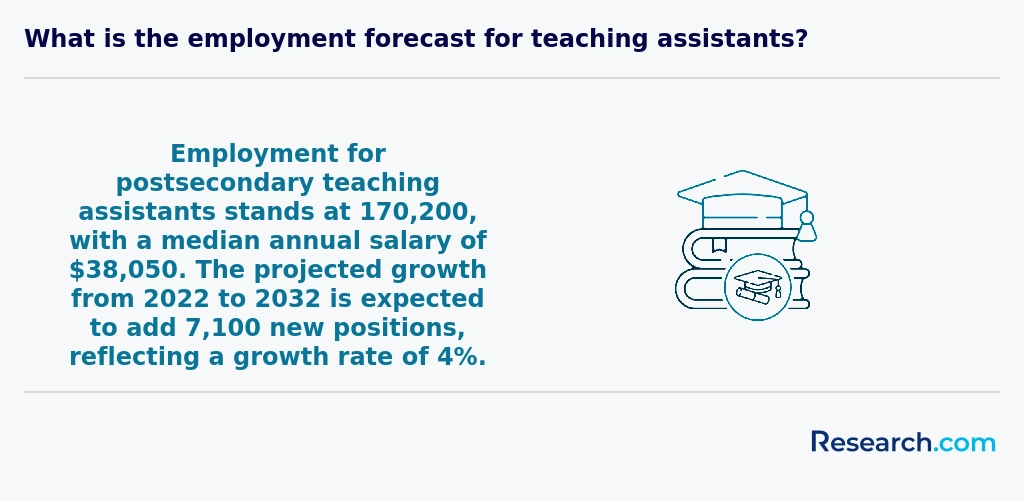
Globally, an education career is valued for its crucial role in shaping societies and economies. In the United States, particularly in the Northeast, educators benefit from strong demand due to dense populations and significant investment in schooling. According to the Bureau of Labor Statistics, teacher employment in Northeastern states is expected to grow 4% from 2022 to 2032, aligning with national trends.
Internationally, education professionals are increasingly recognized for their adaptability as global education standards rise. U.S.-based online education degrees provide Northeastern students with flexible pathways to join a respected profession that supports lifelong learning worldwide.
Regional agencies such as the New England Board of Higher Education emphasize cross-border collaboration, reflecting a growing global perspective on the importance of teaching skills and innovation in education careers.
Students pursuing online education degrees in the Northeast can gain practical experience through several methods. Many accredited programs require student teaching or practicum placements, often arranged by the university with local schools. These opportunities allow hands-on teaching experience under supervision, essential for certification. According to the National Center for Education Statistics, over 30% of Northeast education programs include required clinical practice components.
Additionally, internships with educational organizations and tutoring roles provide real-world exposure. Some programs collaborate with nearby districts in states like New York and Massachusetts to facilitate these experiences remotely or in-person.
Volunteering and part-time work in schools also builds practical skills alongside coursework, helping to meet licensure requirements.
Choosing the right concentration within an online education degree in the Northeast involves examining your career goals and regional job market demands. For example, Massachusetts and New York report growing needs for special education and STEM-focused teachers, according to the Northeast Regional Education Lab.
Consider concentrations like early childhood education, literacy, or educational technology, as these align with current trends in K-12 schools throughout the region. Research state certification requirements since they often influence which concentrations are most practical for licensure.
Also, evaluate program flexibility and faculty expertise at schools offering the concentration. Programs accredited by the Council for the Accreditation of Educator Preparation (CAEP) ensure quality and recognition across Northeast states.
Top Trending Education Rankings
See What Experts Have To Say About Studying Education
Read our interview with Education experts


Nooshan Ashtari
Education Expert
Professor & Book Author
University of Southern California

References
- Can Higher Education Improve Long-Term Career Success https://studysphereadvisors.com/how-higher-education-influences-long-term-career-growth/
- The 8 challenges of education in a changing world https://casvitrescantos.com/en/the-8-challenges-of-education-in-a-changing-world/
- Know more about thesis vs non- thesis: what is the difference? https://studyfans.com/en/blogs/816
- 10 Reasons Why Education Helps to Advance Your Career - Insight Training https://insight.edu.au/blog/career-advancement-through-education/
- Degree Programs for Working Adults - Online & In Person | NEIT https://www.neit.edu/the-neit-edge/degree-pathways/for-working-professionals
- The importance of networking in the education sector https://www.tlclive.com/blog/the-importance-of-networking-in-the-education-sector
- How to Write a Great Letter of Intent for a Teaching Job | Zen Educate https://www.zeneducate.com/us/resources/becoming-a-teacher/how-to-write-letter-of-intent-teaching-job/
- Online Degree vs. Traditional | University of Arkansas Grantham https://www.uagrantham.edu/blog/pros-cons-online-degree-vs-traditional-university/
- How to Gain Real-World Experience While Studying Online | American National University https://an.edu/how-to-gain-real-world-experience-while-studying-online/
- Undergraduate Online https://www.nec.edu/undergraduate-online


