
2027 Most Affordable Education Degree Programs Ranking in Indiana

Co-Founder and Chief Data Scientist
If you're considering a career in education and looking for affordable options in Indiana, this article is here to help. We present the 2027 Most Affordable Education Degree Programs Ranking in Indiana, developed by the Research.com team of data scientists to guide you toward smart choices.
Exploring this ranking can save you time and effort by highlighting programs that balance cost and quality. Pursuing an education degree can open doors to rewarding opportunities, and this resource aims to make your path clearer and more achievable.
Key benefits of getting education degree in Indiana
- Graduates with an education degree in Indiana often enjoy competitive salaries, such as Special Education Teachers earning about $76,000 annually and Instructional Designers making around $77,200, reflecting strong career earning potential.
- Education degree holders from Indiana universities commonly pursue diverse roles like Early Childhood Educators or ESL Teachers, offering fulfilling opportunities to impact students' lives at various stages.
- Completing an education degree online from a well-known Indiana university provides flexibility and convenience, helping students balance studies with life and gain skills efficiently in a supportive virtual environment.
- Key benefits of getting education degree in Indiana
- What can I expect from education degree in Indiana?
- Where can I work with education degree in Indiana?
- How much can I make with education degree in Indiana?
- 2027 Most Affordable Education Degree Programs Ranking in Indiana
- Key Findings
- How long does it take to complete education degree in Indiana?
- Certification and Licensure Requirements for Indiana Educators
- What's the difference between online and on-campus education degree?
- Tips for Successful Application and Career Advancement
- What is the average cost of education degree in Indiana?
- Understanding Indiana Teacher Licensure Requirements
- What financial aid is available to education degree students in Indiana?
- Teacher Certification and Licensure Requirements in Indiana
- What are the prerequisites for enrolling in education degree program in Indiana?
- Exploring Affordable Education Options in Indiana
- What courses are typically in education degree programs in Indiana?
- What types of specializations are available in education degree programs in Indiana?
- How do you choose the best education degree in Indiana?
- What career paths are available for education degree students in Indiana?
- What is the job market for education degree in Indiana?
- Related Education Rankings for Nearby States
- Top Trending Education Rankings
- See What Experts Have To Say About Studying Education
What can I expect from education degree in Indiana?
The average cost of pursuing an education degree in Indiana typically falls between $10,000 and $12,000 per year for in-state students at public universities like Indiana University Bloomington, Purdue University, or Ball State University. Graduates often recall managing this expense alongside the excitement of hands-on student-teaching experiences, whether in urban schools or rural classrooms where their impact feels immediate and meaningful.
A common sentiment among these students is a mix of pride and motivation-they appreciate that their tuition investment is directly tied to comprehensive training, from pedagogy to classroom management. One graduate described balancing costs with the reassurance that financial aid and scholarships, especially those targeting education majors committed to underserved areas, often soften the financial challenge.
This reality grounds the educational journey in something tangible: you're paying not just for theory, but for immersive, supervised experiences that shape effective educators ready to meet Indiana's diverse school needs. It's a cost that feels worthwhile as students envision their future classroom successes.
Where can I work with education degree in Indiana?
Graduates from education programs at well-known Indiana universities often find themselves stepping beyond the traditional classroom roles. Many begin as K-12 teachers, responding to the steady demand highlighted by the Indiana Department of Education, particularly in subjects like special education and STEM fields. One alum from a respected state college recalls the excitement of securing a teaching position in a public middle school, where their training translated directly into daily impact.
But education degrees in Indiana open doors far beyond teaching. Some graduates pursue leadership roles such as school principals or instructional coordinators, fueled by additional certifications and advanced degrees. The real-world appeal is evident in stories of former students who've progressed into administrative positions, balancing impactful decisions with competitive salaries.
Others embrace early childhood education, supported by networks like the Indiana Association for Child Care Resource & Referral. Graduates share enthusiasm for contributing to foundational learning in preschools and community programs. Meanwhile, career paths in nonprofits, government agencies, or higher education institutions offer roles in curriculum development, policy, and research-showcasing the versatile opportunities available statewide.
How much can I make with education degree in Indiana?
Graduates from education programs at institutions like Indiana University or Ball State University often discover their degrees unlock diverse salary paths within Indiana's education landscape. For example, starting as an elementary school teacher, many find themselves earning around $70,740 annually according to recent data-well above what many expect starting out. This aligns with the lived experiences of many new teachers who feel a rewarding boost as they step into classrooms across Indianapolis or Fort Wayne.
Those who specialize further, such as special education teachers, see even greater returns. Their specialized skills translate into an average salary of about $76,000, a figure that reflects not only the demand for these roles but also the personal fulfillment graduates find in making a difference.
Beyond classroom roles, some graduates explore careers as instructional designers, earning approximately $77,200 per year. This path, particularly appealing to those studying at Purdue University, opens doors to impactful work behind the scenes in education technology and curriculum development.
2027 Most Affordable Education Degree Programs Ranking in Indiana
How do we rank schools?
Investing in your education is a significant decision that can shape your future, and the Research.com team understands the importance of making informed choices. To assist prospective students in Indiana, we have meticulously crafted the "2027 Most Affordable Education Degree Programs Ranking in Indiana." Our commitment to quality, credibility, and accuracy is reflected in the extensive research and analysis conducted to compile this ranking.
We utilized the following reputable data sources to ensure a comprehensive evaluation of education degree programs:
By exploring this ranking, readers will gain valuable insights into the most affordable education degree options in Indiana, empowering them to make confident and well-informed decisions about their academic and financial futures. For more details on our methodology, please visit our Research.com methodology page.


# 6 position
Martin University
Bachelor of Arts in Education


Key Findings
- The average cost for a bachelor's degree in education at public Indiana universities is about $10,000 to $12,000 per year for in-state students, excluding living expenses.
- Private institutions often charge more, with tuition sometimes exceeding $20,000 annually.
- Starting salaries for education graduates in Indiana average around $44,000 per year, varying by school district and role.
- Experienced educators can earn a median salary between $58,000 and $60,000 annually.
- Indiana requires teacher candidates to pass licensure exams, complete state-approved preparation programs, and renew licenses every five years.
How long does it take to complete education degree in Indiana?
Completing an education degree in Indiana typically takes about four years for full-time students, mirroring the traditional undergraduate path. Graduates from Indiana University or Ball State University often reflect on those years as a blend of rigorous coursework and rewarding student teaching experiences that truly shaped their practical skills.
Yet, the timeline isn't set in stone. Many part-time students juggling jobs or family find themselves extending their studies beyond four years, sometimes to five or more. Their journey feels less like a race and more like a steady climb, with flexible scheduling options from universities easing the balance between life and learning.
For those diving into graduate education-such as a Master of Education-the timeframe shrinks to about 1.5 to 2 years, though accelerated and online formats offered by Indiana institutions can speed up this process. And alternative licensure routes, ideal for career changers, pack in essential certification within 12 to 18 months, proving that education paths in Indiana are as diverse as the students walking them.
Certification and Licensure Requirements for Indiana Educators
To become a licensed teacher in Indiana, you must complete an approved educator preparation program, pass the state-required exams, and apply for certification through the Indiana Department of Education (IDOE). First, enroll in a program accredited by the Council for the Accreditation of Educator Preparation (CAEP) or NCATE; this ensures your coursework aligns with state standards. Next, register for and pass the Praxis Core Academic Skills for Educators assessments (reading, writing, math) as well as the Praxis II content exam specific to your teaching field. Once exam scores are submitted, you’ll complete a criminal background check and submit a formal application via the IDOE’s online portal, including official transcripts and verification of student teaching hours. Indiana also offers alternative licensure routes: career changers can enroll in the Transition to Teaching program, which pairs on-the-job classroom experience with mentor support, while out-of-state certified teachers may qualify for reciprocity pending transcript evaluation and test score review. After initial licensure, maintain your credential by completing 30 professional growth points every five years-through workshops, graduate courses, or leadership activities-and renewing via the IDOE system. For candidates comparing cost-effective online pathways and licensure support, consider reviewing the Cheapest Online Bachelor's in Education Degree Programs Ranking in Kansas to benchmark program affordability and certification timelines. By understanding and planning for these requirements up front, you’ll streamline your journey from classroom observation to full-time educator in Indiana.
What's the difference between online and on-campus education degree?
Choosing between online and on-campus education degrees in Indiana feels like deciding between two distinct worlds. Graduates from Indiana University recall the energizing buzz of stepping into a classroom, exchanging ideas face-to-face with professors and peers, and benefiting from immediate feedback and campus resources. This environment fosters a strong sense of community and professional networking that often leaves students feeling supported and motivated.
Conversely, graduates from Ball State University's online program describe a different kind of triumph-the freedom to balance work, family, and studies on their own terms. They highlight the challenge of mastering self-discipline but celebrate the convenience of studying from home without sacrificing accreditation or the quality of instruction. These students appreciate that practical teaching internships still anchor their learning in real Indiana classrooms, blending flexibility with hands-on experience.
In Indiana, where the average tuition hovers around $10,000 to $12,000 annually, the choice isn't just cost-driven but a personal reflection on how you want to experience your education journey-within vibrant campus walls or through the empowering challenge of self-directed online study.
Tips for Successful Application and Career Advancement
Navigating the application process and planning for career growth are critical components for prospective education degree students in Indiana. To successfully stand out, focus on building a strong academic record, gathering impactful letters of recommendation, and showcasing any hands-on experience within educational settings. Early preparation-which includes engaging in extracurricular activities and volunteering in local schools-can significantly strengthen your application portfolio. Additionally, consider exploring complementary fields to broaden your skill set and enhance your overall career prospects. For instance, combining your education degree with advanced studies in library science can open doors to innovative instructional roles. Many prospective students have found value in checking out Affordable Online Masters Degrees in Library Science as a way to integrate technology and information management into their teaching strategies. By staying informed about admission deadlines, scholarship opportunities, and continuing education options, you can ensure that your transition from classroom learning to professional practice is both smooth and successful. Balancing academic rigor with practical experience ultimately positions you to make a lasting impact in the field of education.
What is the average cost of education degree in Indiana?
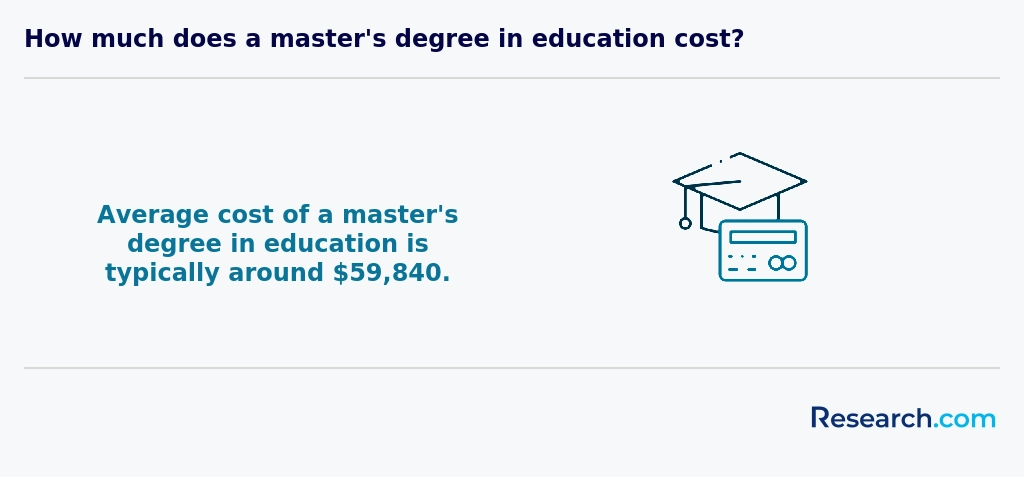
The average cost of education degree programs in Indiana challenges many students to balance ambition with financial reality. While the median in-state total cost hovers around $27,900, this figure encompasses tuition, fees, and typical expenses that education students encounter over their studies. Graduates of Indiana University Bloomington often reflect on the value of paying roughly $11,000 per year in undergraduate tuition, appreciating the blend of quality and affordability that has supported their career launch.
Students enrolled at Ball State University frequently highlight an atmosphere where education feels accessible without sacrificing depth, thanks to an in-state tuition near $9,000 annually. Yet, those pursuing advanced degrees must prepare for higher tuition costs ranging from $12,000 to $18,000, which can provoke careful financial planning but ultimately foster a strong sense of accomplishment. Private institutions, while pricier-sometimes exceeding $50,000 per year-offer substantial merit-based aid that can ease the burden and allow students to focus on their passion for teaching.
When considering total expenses for education degrees Indiana 2027, it is essential to account for textbooks, supplies, and potential licensure fees, which add layers to the investment beyond tuition alone. Many students find reassurance in the support systems at their universities and seek opportunities like scholarships or flexible programs. For those exploring cost-effective paths, exploring the cheapest online education programs in Indiana can offer surprising alternatives that align with both aspirations and budgets.

Understanding Indiana Teacher Licensure Requirements
Navigating the path from degree completion to classroom placement requires a clear understanding of Indiana’s teacher licensure process. To earn your Initial License, you must: 1. Hold a bachelor’s degree from an accredited institution and complete a state-approved teacher preparation program. 2. Pass the CORE Assessments (Praxis CORE) in Reading, Writing and Mathematics, followed by the appropriate Praxis Subject Assessments for your endorsement area. 3. Complete a criminal background check and fingerprinting as mandated by the Indiana Department of Education (IDOE). 4. Submit an online application through the IDOE Educator Licensing portal, including official transcripts, test scores, and verification of program completion. After your Initial License, you’ll advance to the Professional License by:
- Accumulating two years of mentored teaching, documented via the Mentor Evaluation Plan.
- Completing 30 professional growth points through approved professional development activities.
- Passing the edTPA performance assessment if required by your preparation program. Once licensed, maintain and renew your credential every five years by earning 60 Professional Growth Points (PGPs) in areas such as instructional improvement, leadership, and community engagement. Points can be obtained through workshops, graduate coursework, or presenting at educational conferences. For those exploring online pathways, comparing licensure-aligned curricula in neighboring states can provide fresh perspectives. For instance, the Cheapest Online Bachelor’s in Education Degree Programs Ranking in Kansas highlights programs that balance affordability with state requirements, offering insights into streamlined online coursework and exam preparation resources. By mastering Indiana’s licensure benchmarks-academic prerequisites, testing, background checks, and professional growth requirements-you’ll be well-equipped to transition from student to certified educator, ready to inspire the next generation.
What financial aid is available to education degree students in Indiana?
Financial aid for education students in Indiana goes far beyond simple tuition relief-it's a lifeline that transforms ambitions into reality. Graduates from Indiana University often recall receiving Pell Grants, which can cover up to $7,395 annually without repayment, lifting a heavy financial burden early in their studies. Meanwhile, Purdue University education majors benefit from the Frank O'Bannon Grant, a state-supported award offering around $4,600 a year based on need, making higher education feel attainable rather than out of reach.
Many students don't just rely on grants alone-they find work-study roles on campus, earning while they learn and gaining hands-on experience that textbook learning can't provide. Those committed to teaching in high-need Indiana schools find extra support through programs like the Teacher Loan Forgiveness and the federal TEACH Grant, which can forgive loans or offer up to $4,000 annually in exchange for service.
The tailored scholarships and opportunities offered by institutions like Ball State University foster a sense of optimism and community, proving that financial aid isn't just money-it's hope made tangible.
Teacher Certification and Licensure Requirements in Indiana
To begin teaching in Indiana public schools, graduates must secure state licensure through the Indiana Department of Education, ensuring they meet both academic and professional standards. Here’s an overview of the essential steps: 1. Complete an Approved Educator Preparation Program: Enroll in and graduate from a program accredited by the Council for the Accreditation of Educator Preparation (CAEP) or approved by the Indiana Commission for Higher Education. 2. Pass Required Examinations: - Indiana CORE Assessments or Praxis Core Academic Skills for Educators (covering Reading, Writing, and Mathematics) with minimum passing scores set by the state board. - Subject-area Praxis II or CORE Content Assessments aligned with your chosen endorsement (e.g., Secondary Mathematics 5164). - edTPA performance assessment demonstrating effective planning, instruction, and assessment skills in a real classroom setting. 3. Background Check and Character Fitness: Submit fingerprints for a state and national criminal history check. Candidates must attest to good moral character and absence of disqualifying offenses. 4. Apply via the Educator Licensing Online Network (ELON): Create an ELON account, upload official transcripts, test score reports, and pay the licensure application fee. Licenses are typically issued within 4–6 weeks of a complete application. 5. Maintain and Renew Your License: Indiana initial licenses are valid for five years. To renew, complete a minimum of 30 professional growth points (PGPs) through continuing education, professional development, or advanced coursework. For out-of-state candidates or those considering online study, it’s helpful to compare affordability and requirements across regions. You may also find value in exploring our Cheapest Online Bachelor's in Education Degree Programs Ranking in Kansas to assess cost differences and licensure pathways. Understanding these certification steps ensures your hard-earned degree in Education not only unlocks classroom opportunities but also aligns with state regulations, enabling you to begin making a difference in Indiana’s schools as a fully licensed educator.
What are the prerequisites for enrolling in education degree program in Indiana?
To step into education degree programs in Indiana, a high school diploma or its equivalent is non-negotiable, laying the groundwork for your academic journey. Graduates from popular Indiana universities often recall how their strong bases in English, math, and social studies didn't just fulfill requirements-they fueled their passion for teaching. While some campuses still request SAT or ACT scores, a growing number embrace test-optional policies, reflecting a shift toward valuing potential beyond standardized exams.
Applicants are also expected to demonstrate commitment through personal essays or recommendation letters, drawing from real-life experiences like tutoring younger students or volunteering in schools. One graduate from a well-known Indiana college described how volunteering in local classrooms transformed anxiety into excitement, preparing them emotionally for the profession.
For those pursuing graduate education degrees, Indiana institutions typically ask for a bachelor's degree with a minimum GPA around 3.0, signaling readiness for more rigorous study. These prerequisites weave together academic achievement and practical experience-a combination that Indiana's education programs emphasize to shape confident, empathetic educators.
Exploring Affordable Education Options in Indiana
To make informed decisions about your educational journey, it's essential to explore the various affordable education options available in Indiana. Pursuing a degree in education can be a significant investment, but with the right program, you can achieve your goals without excessive financial burden. If you're looking for cheapest online education programs in Indiana, you'll find numerous institutions offering competitive pricing and flexible learning formats. Many of these programs are designed to accommodate working professionals and those with family commitments, allowing you to balance your studies with other responsibilities. By considering factors such as accreditation, program reputation, and curriculum, you can find an affordable education degree program in Indiana that aligns with your career aspirations and financial situation.
What courses are typically in education degree programs in Indiana?
Courses in education degrees in Indiana reach far beyond textbooks, shaping graduates who feel truly prepared for the classroom. At notable institutions like Indiana University Bloomington or Ball State, students dive into Educational Psychology, gaining insights into how kids think and grow-knowledge that one graduate found transformative while tutoring a struggling elementary student. Curriculum and Instruction classes aren't just theory; they challenge future teachers to design engaging lessons that resonate with diverse learners, a skill honed during student teaching in local public schools.
Other courses such as Classroom Management present real-world scenarios where students role-play handling disruptions, sparking confidence instead of fear. Assessment and Evaluation classes teach candidates to interpret test data, a skill praised by a graduate who later shaped personalized learning plans. Special Education courses prepare educators to embrace diversity, reminding students that every classroom includes unique challenges and exceptional potential.
Ultimately, this curriculum combines theory with practical application, empowering education students across Indiana to enter the workforce ready, inspired, and capable.
What types of specializations are available in education degree programs in Indiana?
Choosing an education degree in Indiana means engaging with a spectrum of specializations tailored to diverse career goals. Graduates from Indiana University or Purdue University often recount how the focus on elementary education equipped them with practical strategies to inspire young learners through literacy and math. This hands-on approach reveals how Indiana's education degree specializations in Indiana truly prepare students beyond theory, embedding them in real classrooms early on.
On the flip side, those drawn to secondary education highlight the challenge and reward of mastering subject-specific teaching skills for middle and high schools. This path is not just about content delivery but about shaping adolescents' intellectual curiosities and social development, a transformative experience praised by many Indiana teaching degree program options alumni.
Special education draws deeply passionate educators who feel called to support students with disabilities. Indiana's growing emphasis, backed by state regulations and community needs, ensures these graduates emerge ready to champion inclusion-and their joy in fostering breakthrough moments is palpable. Other specializations like early childhood education and educational leadership expand the horizon further, appealing to those envisioning different roles in education.
Students who consider this field also explore options such as school counseling or curriculum and instruction, reflecting the field's broad, evolving landscape. For those balancing work or family commitments, Affordable Online Masters Degrees in Library Science highlight how accessible and versatile continuing education can be in Indiana's context.
How do you choose the best education degree in Indiana?
Choosing the best education degree in Indiana goes beyond just picking a school-it's about aligning the program with your passion and career vision. Graduates from popular institutions often share how selecting a top accredited teaching program in Indiana shaped their confidence through rigorous student teaching placements and personalized mentorship. Imagine yourself in a bustling classroom during your internship; the real-time feedback and hands-on experience often become the highlight of your journey, reinforcing why accreditation matters.
Cost is a frequent concern for many, but some have found surprising relief through Indiana's state scholarships and federal grants tailored specifically for education majors. Those who chose less conventional paths, such as attending community colleges first, appreciated the affordability without compromising quality-a smart move toward the best affordable education degrees Indiana offers. Exploring options like the Cheapest Online Bachelor's in Education Degree Programs Ranking in Kansas can add a new dimension to your decision.
What career paths are available for education degree students in Indiana?
Graduates with an education degree in Indiana often discover their career paths extend far beyond traditional teaching roles. Many find fulfillment becoming licensed K-12 teachers, especially in high-demand areas like mathematics, science, and special education, reflecting the state's urgent need for skilled educators. Those from flagship institutions such as Indiana University or Purdue University frequently share experiences of rigorous preparation combined with vibrant community engagement, which cultivates confidence in handling real classroom challenges. This practical grounding highlights the broad scope of teaching jobs for education graduates Indiana offers, encouraging them to embrace diverse opportunities.
Beyond teaching, education degree career opportunities Indiana include leadership roles like school administration or counseling, where graduates impact student success on a deeper level. Imagine guiding a school as a principal or offering vital emotional support as a counselor, roles that often demand further certification, yet promise rewarding influence on school culture and student outcomes. Other graduates channel their skills into curriculum development or early childhood education, crafting programs that shape learning from the ground up, fueled by exchanges within Indiana's supportive academic networks.
For students weighing costs, Indiana's public universities offer competitive tuition, often between $10,000 and $12,000 annually, making education degrees more accessible. Many aspiring educators explore financial aid options or compare programs through resources like the Cheapest Online Bachelor's in Education Degree Programs Ranking in Kansas. Such planning empowers Indiana's education students to envision careers that not only satisfy personal purpose but also address community needs with meaningful impact.
What is the job market for education degree in Indiana?
The job market for education degree holders in Indiana challenges the idea that opportunities are limited to conventional classroom teaching. Graduates from well-known public universities and colleges often find themselves stepping into roles that blend teaching with educational leadership, thanks to the state's growing emphasis on special education and STEM subjects. These roles not only offer stable employment but also meaningful impact in communities across the state.
Indiana's teaching career outlook 2027 shows promising openings, with about 2,000 new teachers needed annually. Many recent graduates recall how affordable in-state tuition, averaging around $10,000, eased their transition into the workforce without overwhelming debt. This financial advantage often encourages educators to stay and grow professionally within Indiana's supportive educational system.
Exploring options beyond traditional classrooms, some graduates pursue curriculum development or become school counselors, driven by state-supported initiatives that boost retention and career growth. For those balancing work and study, programs like the quickest online bachelor degree programs for working adults have opened doors, making education degrees more accessible while maintaining job prospects.
Frequently Asked Questions About education
Education degree students in Indiana can maximize their learning experience by actively engaging with both coursework and practical opportunities. Indiana requires a mix of classroom instruction and student teaching for licensure, emphasizing hands-on experience in local schools (Indiana Department of Education, 2023). Participating in diverse clinical placements exposes students to varied teaching environments and student needs.
Students should also leverage resources at state-supported universities, many of which offer tutoring, mentorship, and professional development workshops. According to the National Center for Education Statistics, Indiana's public institutions had a 70% retention rate for education majors in 2022, highlighting the importance of academic support programs.
Joining education-focused student organizations can build networking skills and peer support. Utilizing Indiana's Educator Talent Network and attending state education conferences helps students stay current with teaching methods and policies.
Emerging niches within the education field in Indiana reflect broader national trends focused on technology and inclusivity. One fast-growing area is educational technology, where professionals design digital tools to enhance learning. Indiana schools increasingly adopt platforms for virtual and hybrid classrooms, creating demand for specialists with degrees in this niche.
Another expanding segment is special education, especially programs supporting students with autism spectrum disorders. Indiana's Department of Education reports a steady rise in such enrollments, boosting the need for trained educators skilled in individualized approaches.
Additionally, career and technical education (CTE) is gaining prominence in Indiana, aligning with workforce needs in manufacturing and healthcare sectors. Educators preparing students for these fields are highly sought after, particularly in community colleges and vocational schools.
To prepare for the job market after completing an education degree in Indiana, students should pursue state licensure through the Indiana Department of Education, which is required for public school teaching roles. Gaining practical experience via student teaching placements is essential, offering hands-on classroom engagement and networking opportunities. Indiana's education job market is expected to grow by approximately 3% through 2031, aligned with U.S. Bureau of Labor Statistics data, underscoring steady demand for qualified educators.
Developing skills in technology integration and special education can enhance employability, as Indiana schools increasingly value these competencies. Joining professional organizations, such as the Indiana Association of Teachers, also helps graduates connect with district leaders and stay updated on job openings.
Employers in Indiana highly value education degree graduates who demonstrate strong classroom management skills. According to the Indiana Department of Education, effective behavior management leads to improved student outcomes, making this skill critical for new teachers.
Communication abilities are also essential. Graduates must clearly convey information to students, parents, and colleagues. Indiana employers emphasize both verbal and written communication, backed by research showing better family engagement improves student achievement.
Instructional planning and adaptability are top priorities as well. Employers look for graduates proficient in creating lesson plans aligned with Indiana's academic standards and adaptable to diverse learning needs. The National Center for Education Statistics reports these skills correlate with higher teacher retention rates in the state.
Finding internships in Indiana relevant to an education degree involves several strategic steps. Many universities, including Indiana University and Purdue University, maintain partnerships with local school districts to provide education students with practicum placements. According to the Indiana Department of Education, internships and student teaching experiences are often required for licensure.
Students should utilize university career centers, which frequently list local internship opportunities in schools or educational organizations. Networking with faculty members and attending education job fairs hosted by Indiana institutions can also lead to valuable leads.
Additionally, checking state resources such as the Indiana Career Connect platform can help identify paid or unpaid internships in various educational settings, including K-12 schools and community programs.
In Indiana, earning an education degree significantly enhances career mobility and opportunities for advancement. According to the Indiana Department of Education, certified educators with bachelor's or master's degrees generally have access to higher-paying positions and leadership roles such as instructional coordinators or school administrators.
Indiana's teacher licensing requirements often favor candidates with formal education degrees, which improves job prospects within the state's public schools. Additionally, data from the National Center for Education Statistics (NCES) indicates that educators in Indiana with advanced degrees can earn up to 20% more than those without.
Having an education degree also facilitates career shifts into related fields like curriculum design and education policy, broadening professional options statewide.
Studying for an education degree in Indiana offers students a strong foundation for interdisciplinary roles by emphasizing collaborative skills and diverse teaching strategies. Indiana universities incorporate coursework that blends education with psychology, technology, and social sciences. This approach prepares graduates to adapt teaching methods to various learners and work alongside professionals in health, social work, and administration.
According to data from the Indiana Commission for Higher Education, many programs require practical experiences in multiple settings, enhancing real-world problem-solving skills. The state's focus on STEM education also encourages future educators to integrate cross-disciplinary knowledge into their teaching. This combination equips graduates to contribute effectively in broad educational environments.
Choosing between a thesis and a non-thesis education degree program in Indiana depends largely on your career goals and learning preferences. A thesis option involves conducting original research and writing a substantial paper, suitable if you plan to pursue a doctoral degree or a career in academia or research.
Non-thesis programs focus more on coursework and practical skills, often preferred by professionals aiming for administrative or teaching positions rather than research roles. According to the National Center for Education Statistics, Indiana universities offer a mix of both options, with about 60% of education graduate programs providing a thesis choice.
Consider your available time and resources, as thesis programs usually require more commitment over multiple semesters. Consulting advisors at schools like Indiana University or Purdue University can provide personalized guidance based on the exact program details and your objectives.
Students based in Indiana seeking to study education abroad have several opportunities through partnerships between Indiana universities and international institutions. Many Indiana schools, including Indiana University and Purdue University, offer study abroad programs specifically designed for education majors. These programs often combine coursework with hands-on teaching experience in diverse cultural settings.
According to the Indiana Commission for Higher Education, nearly 10% of education students participate in study abroad activities to enhance their global teaching skills. Popular destinations include the United Kingdom, Australia, and Spain, where students engage in classroom observation and pedagogy workshops.
Additionally, Indiana's public universities typically facilitate credit transfer for recognized international education programs, allowing students to apply study abroad experiences toward degree completion. This practical approach helps future educators gain cross-cultural competencies essential for today's classrooms.
Students pursuing education degrees in Indiana have several part-time job options that align well with their academic goals. Working as teacher's aides in public schools is a popular choice, allowing hands-on experience in classroom management and lesson support. Indiana's Department of Education reports over 1.1 million K-12 students enrolled statewide, providing substantial opportunities for such positions.
Another option is tutoring, especially in subjects like math and reading, which complements pedagogical training. Local libraries and community centers in Indiana often seek educational assistants, offering flexible hours for students.
Lastly, childcare roles or after-school program facilitators help build skills in child development and communication, critical for future educators.
Education students in Indiana have multiple networking opportunities through university-sponsored events, professional organizations, and internships. Many institutions, such as Indiana University and Purdue University, host career fairs and workshops connecting students with K-12 schools and education leaders.
Statewide organizations like the Indiana Association of Colleges for Teacher Education (IACTE) provide platforms for networking and professional development. Additionally, Indiana's strong focus on public school partnerships offers internships and student teaching placements crucial for building local connections.
According to the Indiana Department of Education, over 30,000 new teachers enter the workforce annually, emphasizing the need for robust networking to stand out in this competitive environment.
Alumni networks provide significant benefits to education degree students in Indiana by offering valuable professional connections and mentorship opportunities. Graduates often tap into these networks to find teaching positions across Indiana's diverse school districts. According to the Indiana Commission for Higher Education, over 75% of recent education graduates secured employment within their alumni network contacts.
These networks also facilitate workshops and continuing education events, helping students stay current with state teaching standards and innovations. Furthermore, alumni can provide guidance on certification processes unique to Indiana, improving students' chances of success in licensure exams.
Overall, these networks strengthen career prospects and professional growth for education students statewide.
In Indiana, customizing an education degree program to align with your career goals begins with selecting a specialization that matches your interests, such as early childhood education, special education, or educational leadership. Many universities offer elective courses allowing students to tailor their studies toward specific teaching fields or administrative roles.
Additionally, Indiana's Teacher Education Program includes options for internships and practicum experiences in local schools, which provide practical training relevant to your desired career path. Some institutions also offer online or hybrid formats to fit diverse schedules.
The Indiana Commission for Higher Education reports that approximately 75% of education graduates find employment within the state, highlighting the importance of relevant, focused training. Exploring certification tracks, such as ESL or STEM endorsements, can further enhance your qualifications and marketability in Indiana's growing education sector.
Education students in Indiana often face challenges related to balancing coursework with practical experience requirements. Many programs mandate extensive student teaching hours, which can be difficult to manage alongside academic obligations.
Additionally, affordability remains a concern. Indiana's average tuition for education degrees is approximately $10,000 per year at public institutions, but costs vary widely, impacting students from lower-income backgrounds (National Center for Education Statistics, 2023).
Another challenge is adapting to changing educational standards. Indiana frequently updates its teacher certification requirements, requiring students to stay informed and pass new exams.
Furthermore, limited access to diverse classroom settings during internships can affect preparedness for real-world teaching.
With an education degree in Indiana, graduates have access to several professional certifications that can enhance their teaching careers. One of the primary certifications is the Indiana Professional Teaching License, required to teach in public K-12 schools. This license is obtainable through passing the Praxis exams and completing a state-approved teacher preparation program.
Beyond the initial license, educators can pursue endorsements in areas like special education, ESL (English as a Second Language), or middle school content to expand their qualifications. Additionally, National Board Certification offers advanced recognition and potential salary benefits for experienced teachers.
According to the Indiana Department of Education, over 20,000 educators held valid teaching licenses in 2023, reflecting the demand for certified professionals statewide.
To write a winning application for an education program in Indiana, start by carefully reviewing specific program requirements on the school's official website. Most programs require a bachelor's degree with a minimum GPA, commonly around 2.75 to 3.0. Highlight your academic strengths and relevant experiences, such as volunteer work or teaching internships.
Include a well-crafted personal statement explaining your motivation to teach and your understanding of Indiana's diverse student population. According to the Indiana Commission for Higher Education, applicants with clear career goals and community involvement stand out.
Request strong letters of recommendation from former professors or employers who can vouch for your skills and character. Proofread your application thoroughly to avoid errors, as attention to detail matters in competitive admissions.
Education careers in Indiana reflect broader trends seen across the United States, where teaching is highly regarded yet faces challenges such as workforce shortages. Globally, educators are recognized as essential for economic growth and social development, but compensation and working conditions vary widely. In Indiana, recent data from the Indiana Commission for Higher Education shows a steady increase in enrollment in education degrees, signaling sustained interest in the profession despite national concerns over teacher retention.
Internationally, the demand for qualified teachers is growing, especially in STEM fields and English language instruction. Indiana's emphasis on practical training and state certification aligns well with these global needs, preparing graduates for both local and international opportunities. The global perspective highlights the critical role of adaptable teacher preparation programs to meet diverse educational demands worldwide.
To gain practical experience while studying for an education degree in Indiana, students commonly participate in clinical practice and student teaching placements. Most Indiana teacher preparation programs require supervised internships in local K-12 schools. These placements allow students to apply instructional techniques, classroom management, and lesson planning in real settings.
Additionally, partnerships between Indiana universities and school districts provide structured opportunities for hands-on experience. According to the Indiana Department of Education, over 90% of education degree candidates complete at least one student teaching semester before graduation.
Students may also engage in service learning, tutoring, or after-school program work to further develop skills. These experiences complement academic coursework and build essential professional competencies necessary for Indiana's teaching workforce.
Choosing the right concentration within an education degree program in Indiana involves understanding your career goals and the state's educational priorities. Indiana offers concentrations such as elementary education, special education, and secondary education, each tailored to specific student populations and grade levels. According to the Indiana Department of Education, demand is notably high for special education teachers, reflecting a statewide need for specialists in this area. Consider how your interests align with job availability and certification requirements. Additionally, researching program specifics at Indiana colleges can help you find concentrations that offer practical experience and state licensure preparation.
Related Education Rankings for Nearby States
- 2027 Most Affordable Online Education Degree Programs Ranking in Ohio
- 2027 Most Affordable Online Education Degree Programs Ranking in Illinois
- 2027 Most Affordable Online Education Degree Programs Ranking in Kentucky
- 2027 Most Affordable Online Education Degree Programs Ranking in Michigan
- 2027 Most Affordable Online Education Degree Programs Ranking in Wisconsin
- 2027 Most Affordable Online Education Degree Programs Ranking in Missouri
- 2027 Most Affordable Online Education Degree Programs Ranking in Iowa
- 2027 Most Affordable Online Education Degree Programs Ranking in Minnesota
- 2027 Most Affordable Online Education Degree Programs Ranking in Pennsylvania
- 2027 Most Affordable Online Education Degree Programs Ranking in Georgia
Top Trending Education Rankings
See What Experts Have To Say About Studying Education
Read our interview with Education experts

Alan J. Singer
Education Expert
Professor of Teaching, Learning and Technology
Hofstra University

Nooshan Ashtari
Education Expert
Professor & Book Author
University of Southern California

References
- Promising Niches in the Global EdTech Landscape - Blog https://rocketech.it/blog/post/global-edtech-landscape-what-niches-are-the-most-promising
- How to Build Work Experience While Studying - EN Global Education Ltd https://englobaleducation.co.uk/how-to-build-work-experience-while-studying/
- Children & Youth - Horizon Education Alliance https://heaindiana.org/children-youth/
- 10 Strategies for Networking as a High School Student https://riseglobaleducation.com/blogs/best-strategies-for-networking-as-a-high-school-student
- Indiana CTE Solutions that Support Indiana Career Pathways https://www.savvas.com/indiana/solutions/career-and-technical-education
- Skills Employers Look for in Business Graduates – EU Business School https://www.euruni.edu/blog/skills-employers-look-for-in-business-graduates/
- How to Get Teaching Certification in Indiana | All Education Schools https://www.alleducationschools.com/teacher-certification/indiana/
- Indiana Career Interest vs Workforce Demand: Where Students Align-and Where Gaps Remain https://skyepack.com/indiana-career-interest-vs-workforce-demandk12/education/k-12-education/
- Is a thesis always mandatory in a master's degree program? - EFMU: The Euler-Franeker Memorial University and Institute https://euler.euclid.int/is-a-thesis-always-mandatory-in-masters-degree-program/
- Education Study Abroad | CIEE https://www.ciee.org/go-abroad/college-study-abroad/programs/subjects-disciplines/education-study-abroad


