
2027 Most Valuable Education Degree Programs Ranking in Arkansas

Co-Founder and Chief Data Scientist
Choosing the right education degree in Arkansas can shape your future success. This article introduces the 2027 Most Valuable Education Degree Programs Ranking in Arkansas, developed by the Research.com team of data scientists to guide you toward the best options.
By exploring this ranking, you'll gain valuable insight into degree programs that offer strong career potential and fulfillment. Whether you want to inspire young minds or build a rewarding career, understanding the top programs helps you make an informed decision.
Investing in an education degree is a step toward a meaningful and impactful profession.
Key benefits of getting education degree in Arkansas
- Graduates with an education degree in Arkansas can enjoy competitive salaries, such as $70,740 annually for elementary school teachers and up to $77,200 for instructional designers, offering financial stability and career growth.
- Career paths include roles like special education teachers, early childhood educators, and ESL teachers, reflecting diverse opportunities available within the Arkansas education system for graduates from institutions like the University of Arkansas.
- Online education degrees from Arkansas universities provide flexibility and convenience, allowing students to balance studies with work or family, making earning a degree more accessible and manageable.
- Key benefits of getting education degree in Arkansas
- What can I expect from education degree in Arkansas?
- Where can I work with education degree in Arkansas?
- How much can I make with education degree in Arkansas?
- 2027 Most Valuable Education Degree Programs Ranking in Arkansas
- Key Findings
- How long does it take to complete education degree in Arkansas?
- Certification and Licensure Requirements in Arkansas
- What's the difference between online and on-campus education degree?
- Teacher Certification and Accreditation Requirements in Arkansas
- What is the average cost of education degree in Arkansas?
- Teacher Certification and Licensure in Arkansas
- What financial aid is available to education degree students in Arkansas?
- Most Affordable Education Institutions in Arkansas
- What are the prerequisites for enrolling in education degree program in Arkansas?
- Career Paths: Navigating Your Future in Education
- What courses are typically in education degree programs in Arkansas?
- What types of specializations are available in education degree programs in Arkansas?
- How do you choose the best education degree in Arkansas?
- What career paths are available for education degree students in Arkansas?
- What is the job market for education degree in Arkansas?
- Related Education Rankings for Nearby States
- Top Trending Education Rankings
- See What Experts Have To Say About Studying Education
What can I expect from education degree in Arkansas?
The average cost of pursuing an education degree in Arkansas varies depending on the institution and degree level but generally remains affordable compared to national averages. Graduates from public universities like the University of Arkansas or Arkansas State University often share that tuition for a four-year bachelor's degree typically ranges from $7,000 to $10,000 per year for in-state students. This makes a full bachelor's around $28,000 to $40,000, including fees and materials.
Many former students recall balancing financial responsibilities with their studies, grateful for state scholarships and grants targeted at education majors. Programs like the Arkansas Teacher Opportunity Program not only ease the cost burden but inspire commitment to serve local communities, particularly in rural schools facing teacher shortages.
Master's programs in education leadership or curriculum development usually add about $8,000 to $12,000 annually when attending these universities. Graduates appreciate that these costs reflect a strong investment in practical experience and licensure preparation, integral to their confident entry into Arkansas classrooms.
Where can I work with education degree in Arkansas?
Graduates with an education degree in Arkansas often find fulfilling careers as K-12 teachers in public and private schools across the state. Many recall their excitement teaching in rural communities where the need for educators in special education, math, and science remains strong. This hands-on experience, common among graduates from the University of Arkansas or Arkansas State University, nurtures a deep connection to their students and local culture.
Beyond classroom teaching, some graduates move into roles like school administrators or counselors, driven by a desire to shape policies and support student well-being. These paths often require further certification or graduate study but open doors to meaningful leadership positions that expand their impact.
Others embrace early childhood education, working in pre-K programs supported by Arkansas's commitment to early learning. The chance to foster a child's first steps in education brings a rewarding sense of purpose reported frequently by education majors from Hendrix College and similar institutions.
Education graduates also thrive in less traditional roles such as curriculum development, educational technology, and higher education support. Whether advising university students or creating innovative learning tools, these positions offer diverse ways to contribute to Arkansas's growing educational landscape.
How much can I make with education degree in Arkansas?
Graduates with an education degree from universities like the University of Arkansas often find rewarding career opportunities in the local education system, with starting salaries that align with realistic expectations. For example, elementary school teachers in Arkansas typically earn around $52,000 annually, which is somewhat below the national mean of $70,740, as reported by the U.S. Bureau of Labor Statistics. This initial figure reflects entry-level positions in both urban and rural districts, with many graduates appreciating the stability and community impact these roles offer.
Special education teachers enjoy a higher salary range, often between $50,000 and $57,000 in Arkansas, while the BLS data shows a mean annual wage of $76,000 nationally, suggesting potential growth with experience and specialization. Instructional designers, a growing field often pursued by education graduates, earn about $77,200 annually on average nationwide, highlighting an alternative career path beyond classroom teaching.
Many graduates from Arkansas State University have shared how advancing their degrees or certifications helped them move into higher-paying roles such as instructional coordinators, whose salaries nationwide average around $65,000 to $77,000. These examples demonstrate how an education degree in Arkansas opens doors to meaningful work that balances personal fulfillment with steady earning potential.
2027 Most Valuable Education Degree Programs Ranking in Arkansas
How do we rank schools?
Investing in your education is a significant decision that can shape your future, and the Research.com team understands the importance of making informed choices. To assist prospective students in Arkansas, we have meticulously created the "2027 Most Valuable Education Degree Programs Ranking in Arkansas." Our dedication to quality, credibility, and accuracy is demonstrated through the thorough research and analysis involved in compiling this ranking.
We utilized the following reputable data sources to ensure a comprehensive evaluation of education degree programs:
By exploring this ranking, readers will gain valuable insights into the education programs that offer the greatest value in Arkansas, empowering them to make well-informed decisions about their academic futures. For more information on how this ranking was created, please visit our Research.com methodology page.


# 7 position
University of Arkansas at Monticello
Master of Arts in Teaching


# 15 position
University of Arkansas-Fort Smith
Bachelor of Science in Education


# 18 position
University of Arkansas at Monticello
Bachelor of Science in Education

Key Findings
- Annual tuition for in-state students at public universities in Arkansas ranges from $9,000 to $11,000, while private schools often charge over $20,000.
- Starting salaries for education graduates in Arkansas average about $40,000 per year, which is slightly below the national average.
- Experienced teachers typically earn around $55,000 annually, depending on district and certifications.
- Arkansas faces teacher shortages in rural areas and in subjects like math, science, and special education, increasing job opportunities.
- Teaching licensure requires completing an accredited education program and passing certification exams.
- Financial aid options include scholarships and loan forgiveness programs such as the Arkansas Teacher Opportunity Program for those committed to teaching in public schools.
How long does it take to complete education degree in Arkansas?
Completing an education degree in Arkansas typically takes about four years for a bachelor's degree, reflecting the experience of many graduates from popular institutions like the University of Arkansas or Arkansas State University. These students often recall balancing general education with specialized teaching courses, feeling a steady progression toward their goal. The four-year timeline feels both manageable and fulfilling when coupled with hands-on practicum experiences that bring classroom theories to life.
For those pursuing a master's degree in education in Arkansas, the journey usually extends one to two additional years. Graduates from local universities often describe this period as an enriching challenge, especially when programs offer flexible schedules to accommodate working professionals. Evening or online classes provide a way to grow professionally without sacrificing personal commitments.
Doctoral candidates report varied completion times-anywhere from three to six years-depending on research scope and full- or part-time enrollment. At institutions like the University of Arkansas at Little Rock, the pursuit of an advanced degree feels like an investment in leadership and long-term impact, driving many to push forward despite hurdles.
Certification and Licensure Requirements in Arkansas
Becoming a licensed teacher in Arkansas involves a structured process designed to ensure high standards of professional competence and student safety. Whether you pursue an on-campus or online Education degree, understanding these requirements early can streamline your path to the classroom. 1. Approved Educator Preparation Program • Complete a program accredited by the Arkansas Department of Education (ADE). • Verify that your institution’s curriculum aligns with ADE content standards and pedagogy requirements. 2. Required Examinations • Praxis Core Academic Skills for Educators: Assess reading, writing, and mathematics fundamentals. • Praxis II Subject Assessments: Demonstrate proficiency in your chosen teaching field (e.g., Elementary, Secondary Math). • edTPA Performance Assessment: Evaluate your ability to plan, instruct, and assess K–12 learners. 3. Background Check and Fingerprinting • Submit fingerprints for state and federal criminal history checks. • Pass the ADE clearance to ensure compliance with child protection and safety regulations. 4. Application for Initial License • Apply online through the ADE eLicensing portal. • Provide official transcripts, test scores, and confirmation of program completion. • Pay the non-refundable application fee. 5. Professional Development and Renewal • Complete 60 clock hours of ADE-approved professional development every five years. • Maintain documentation of workshops, seminars, and continuing education courses. • Renew your license online before the expiration date to avoid lapses in eligibility. By integrating your degree coursework with these licensure steps, you’ll be well positioned for immediate entry into Arkansas classrooms. For additional flexibility, consider parallel training through online pathways such as the Low Cost Online Education Degree Programs Ranking in Slippery Rock, PA, which can help you fulfill credit requirements while gaining practical skills.
What's the difference between online and on-campus education degree?
Choosing between online and on-campus education degrees in Arkansas often comes down to how students envision their learning experience and lifestyle. Graduates from the University of Arkansas reflect fondly on the face-to-face interactions they had with professors and peers, which enriched their understanding and built lasting professional networks. Being on campus meant easy access to resources like tutoring centers and technology labs, which made difficult coursework more manageable.
Conversely, students who opted for online education programs appreciated the flexibility to balance studies with jobs or family responsibilities. Arkansas State University graduates shared how studying remotely allowed them to learn at their own pace without sacrificing quality, though they still valued occasional in-person practicum opportunities essential for licensure.
Both paths require student teaching, but on-campus programs often ease placement in nearby districts, enhancing hands-on experience. Many find that these differences reflect their personal priorities: community and direct support on campus versus adaptability and independence online, each leading confidently toward a fulfilling educational career.
Teacher Certification and Accreditation Requirements in Arkansas
To teach in Arkansas, graduates must complete a CAEP-accredited Education degree program and obtain state licensure through the Arkansas Department of Education (ADE). Accreditation by the Council for the Accreditation of Educator Preparation (CAEP) ensures your program meets rigorous standards in curriculum design, clinical partnerships, and candidate performance. After graduation, candidates must pass the Praxis Core Academic Skills for Educators tests in reading, writing, and mathematics, as well as the relevant Praxis Subject Assessments for their specialty. These examinations evaluate pedagogical knowledge and content mastery, laying the foundation for effective classroom instruction. Prospective teachers should also be aware of alternative certification pathways, such as the ADE’s Alternate Route to Licensure, which allows individuals with a bachelor’s degree in another field to enter the classroom under provisional licensure while completing pedagogy coursework. Maintaining certification requires renewal every five years, which can be achieved by completing 60 professional development units or holding a master’s degree in education. For students seeking affordable online pathways to certification, explore Low Cost Online Education Degree Programs Ranking in Slippery Rock, PA, which highlights flexible degree options that align with state accreditation standards. Understanding these requirements early in your academic journey will streamline the transition from student to certified educator. Engaging with your university’s licensure office, attending ADE workshops, and forming study groups for Praxis preparation are proven strategies that boost your success rate. By fulfilling both accreditation and licensure criteria, Arkansas Education degree graduates demonstrate the expertise and professionalism that schools and districts value.
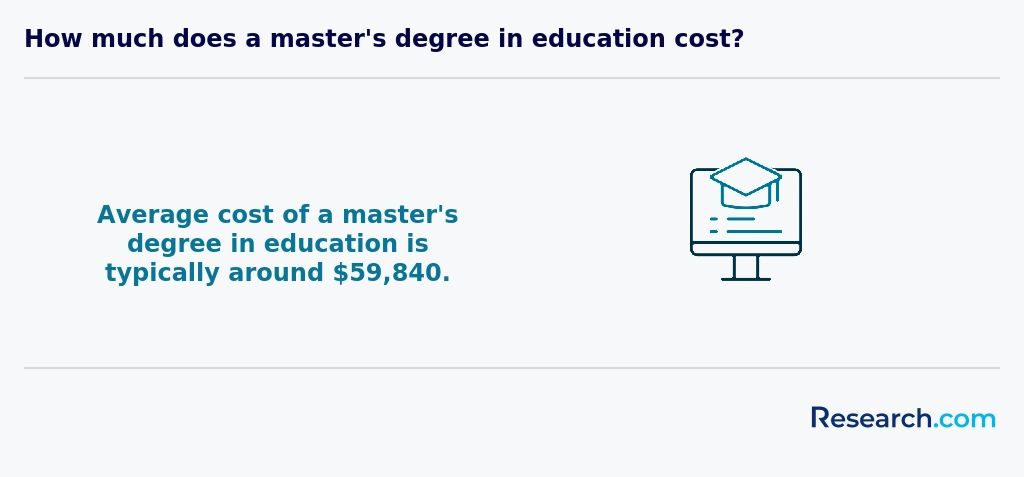
What is the average cost of education degree in Arkansas?
The average cost of an education degree in Arkansas for in-state students typically centers around $10,104, considering tuition, fees, and related expenses. Graduates from well-regarded universities such as the University of Arkansas often reflect on how manageable these costs felt compared to out-of-state alternatives, making the pursuit of an education degree in Arkansas a practical and fulfilling journey. For many, the balance of cost and quality enables them to focus more on their studies and less on the financial burden.
When exploring the tuition and fees for Arkansas education programs, public institutions generally provide a more affordable path, with annual tuition ranging from approximately $7,000 to $9,000 for in-state students. Private universities in the state, while offering unique programs and scholarships, often have tuition fees ranging between $20,000 and $30,000, which can make a significant difference in budgeting. Students who experienced the personalized support of a private university often emphasize the value of financial aid packages that helped reduce their out-of-pocket costs while enriching their academic experience.
Beyond tuition, it's important to remember additional expenses such as books, supplies, and living costs, which can add roughly $1,200 annually in educational materials alone. Many students find that living in Arkansas is a positive factor, thanks to generally lower living costs compared to other states. For those seeking the cheapest education school in Arkansas, these factors combined create an encouraging environment to pursue an education degree without overwhelming financial stress.
Teacher Certification and Licensure in Arkansas
After completing an accredited Education degree program in Arkansas, graduates must obtain state licensure before entering the classroom. The Arkansas Department of Education (ADE) oversees this process, ensuring that new teachers meet rigorous standards for knowledge and practical skills. Steps to Certification:
- Approved Educator Preparation Program: Enroll in and graduate from an ADE-approved teacher preparation program, which includes coursework in pedagogy, content specialization, and clinical experiences.
- Required Examinations: • Praxis Core Academic Skills for Educators (reading, writing, mathematics) • Praxis Subject Assessments in your chosen specialization (e.g., Elementary Education, Special Education)
- Student Teaching Residency: Complete a full-time, supervised student teaching residency, demonstrating proficiency in lesson planning, classroom management, and differentiated instruction.
- Background Check and Fingerprinting: Submit fingerprints and pass a criminal history background check as mandated by Arkansas law.
- Application Submission: Apply online through the ADE Educator Licensure and Support System (ELSS), uploading official transcripts, test scores, and proof of program completion. Alternative Routes and Continuing Education: Arkansas offers alternative licensure pathways for career changers or those with out-of-state credentials. Candidates may pursue provisional licensure while completing missing requirements. For affordable preparatory options, consider exploring Low Cost Online Education Degree Programs Ranking in Slippery Rock, PA, which list cost-effective online programs that meet ADE standards. License Renewal and Career Growth: Standard teaching licenses in Arkansas are valid for five years. Renewal requires:
- Completion of 120 Professional Development Hours (PDHs) in approved workshops, conferences, or coursework.
- Documentation of effective teaching practice, as evaluated through ADE’s Induction and Mentoring Framework. By understanding and navigating the licensure process, new educators can transition smoothly from graduation to a successful teaching career in Arkansas.
What financial aid is available to education degree students in Arkansas?
Many education students in Arkansas find financial aid to be a crucial part of their journey, helping to ease concerns about tuition and living costs. For instance, a graduate from the University of Arkansas recalls how the Pell Grant, offering up to $7,395 annually, made attending college feel attainable without overwhelming debt. Those grants are a foundation for many, paired with Federal Direct Subsidized Loans that provide low-interest help based on financial need.
State programs like the Arkansas Teacher Opportunity Program (ATOP) create another layer of support, especially for those willing to serve in high-need public schools. Graduates from Arkansas State University often share how forgivable loans through ATOP motivated them to teach in communities that truly need help.
Additionally, institutional scholarships at these universities can significantly reduce costs, often ranging between $1,000 and $5,000 or more depending on merit and need. Some local districts also offer tuition reimbursement, making the decision to stay and teach locally both practical and rewarding.
Graduate students pursuing a master's in education frequently benefit from teaching assistantships and competitive scholarships, which further lighten financial burdens. These layers of aid reflect Arkansas's commitment to nurturing educators, turning challenging financial hurdles into opportunities for growth and service.
Most Affordable Education Institutions in Arkansas
To pursue a career in education without accumulating significant debt, it's essential to consider the cost of attending an institution. In Arkansas, prospective students can explore various affordable options, including public universities and community colleges. For those looking for the cheapest education school in Arkansas, cheapest education school in Arkansas can provide valuable insights, helping them make informed decisions about their educational investment. By evaluating factors such as tuition fees, scholarships, and financial aid packages, students can find institutions that offer high-quality education programs at an affordable cost, making their dream of becoming an educator more accessible. This consideration is crucial in ensuring that future educators can focus on their studies and professional development without the burden of excessive financial debt.
What are the prerequisites for enrolling in education degree program in Arkansas?
Enrolling in an education degree program in Arkansas begins with meeting foundational requirements that set the stage for success. Graduates from popular institutions like the University of Arkansas share how holding a high school diploma or GED with at least a 2.5 GPA gave them confidence in tackling the demanding coursework ahead.
Submitting ACT or SAT scores is another important step. Many recall how their ACT scores, typically ranging from 20 to 24, strengthened their applications and opened doors to their preferred education programs. Even where some programs offer test-optional paths, having scores often eases the admission process.
Communication skills are crucial. Imagine preparing a personal statement or participating in interviews that showcase your passion and interpersonal strength-experiences graduates repeatedly describe as empowering and revealing their readiness to engage with diverse classrooms.
Arkansas universities also require clear background checks to ensure student safety during clinical placements. Some programs might ask for prerequisite courses in core subjects, so connecting with academic advisors early can clarify these expectations and set you up for success.
Career Paths: Navigating Your Future in Education
A comprehensive understanding of potential career paths can empower education graduates in Arkansas to make informed decisions that align with their personal strengths and professional interests. In this section, we explore the various trajectories available-from classroom teaching and administrative leadership to roles in educational technology and policy-making. Graduates may choose to become classroom teachers in K–12 settings, where foundational skills in lesson planning and student engagement are put into practice on a daily basis. Alternatively, many find fulfillment in administrative positions such as school principals or district coordinators, where they work to shape the overall educational environment. Beyond traditional roles, there is a growing demand for professionals skilled in curriculum development, educational consulting, and even corporate training. For those with advanced qualifications, opportunities abound in research and higher education, elevating the impact of their work on educational practices and policy reform. Many institutions also offer career services and mentorship programs, enabling recent graduates to secure positions within the network of renowned local and national institutions. For example, exploring pathways to the highest paying education jobs may provide valuable insights into long-term career growth and financial stability. By aligning your academic achievements with your career aspirations and tapping into professional development resources, you can confidently navigate the evolving landscape of education. This approach not only helps in setting clear career goals but also in adapting to the demands of an ever-changing job market, ensuring a rewarding professional journey in the field of education.
What courses are typically in education degree programs in Arkansas?
Students pursuing education degrees in Arkansas often find themselves immersed in courses that blend theory with practical skills essential for real classrooms. Graduates from institutions like the University of Arkansas or Arkansas State University frequently highlight how courses such as Classroom Management and Curriculum Development prepared them to confidently handle diverse student needs, making their first years teaching less daunting and more fulfilling.
Courses in Educational Psychology and Instructional Strategies offer a deep understanding of how students learn, which greatly benefits future teachers in tailoring lessons effectively. Many graduates recall projects where they applied these strategies during student teaching placements, translating abstract theories into engaging activities that truly resonate with children.
Educational Technology courses stand out as particularly valuable, equipping students to integrate digital tools seamlessly in lessons-a skill increasingly vital in Arkansas classrooms. Special Education Foundations also provide a rewarding perspective, enabling graduates to support all learners.
The Student Teaching Practicum connects coursework to daily teacher experiences, creating memorable moments of growth and confidence. These carefully structured courses reflect Arkansas's commitment to preparing educators who are not only knowledgeable but genuinely ready to inspire their students.
What types of specializations are available in education degree programs in Arkansas?
In Arkansas, education degree programs offer a variety of specializations that reflect the diversity of teaching needs across the state. Graduates from popular universities such as the University of Arkansas often speak fondly of the Elementary Education track, where their training centered on fostering literacy and STEM skills among young learners in grades K-6. This specialization aligns well with Arkansas' focus on early learning foundations, and students frequently describe the rewarding challenge of shaping a child's academic journey in classrooms throughout the state.
Those pursuing Arkansas teaching career pathways often gravitate toward Secondary Education, where they prepare to instruct subjects like math and social studies for middle and high school levels. Here, graduates appreciate the blend of subject expertise and pedagogy, allowing them to engage teenagers in meaningful ways at colleges like Arkansas State University.
Another strong emphasis in Arkansas is on special education, a field where graduates recall developing tailored approaches to help students with disabilities thrive. These efforts mirror the state's commitment, ensuring about 13% of pupils receive appropriate support. Alongside these, specializations such as Early Childhood Education, Educational Leadership, and English as a Second Language deepen the impact of educators.
Exploring these options prepares students not only to meet rigorous certification requirements but also opens pathways to numerous fulfilling roles. For those curious about earning potential, resources highlighting the highest paying education jobs can provide valuable insights before choosing among Arkansas education degree specializations.
How do you choose the best education degree in Arkansas?
Choosing the best education degree programs in Arkansas means balancing your personal goals with practical considerations. Graduates often recall how attending institutions like the University of Arkansas or Arkansas State University connected them directly to local schools, providing hands-on classroom experience that boosted their confidence and readiness. Many found that selecting programs accredited by respected bodies assured them of meeting Arkansas Department of Education standards, an essential step toward effective teaching licensure.
Affordability also shaped their decisions, with in-state tuition around $8,368 making public universities attractive options. Those seeking flexibility admired programs such as online master's degrees in education leadership offered by Arkansas Tech University, which supported them in managing work and study. For students weighing cost and quality, exploring options like the Low Cost Online Education Degree Programs Ranking in Slippery Rock, PA helped inspire financially smart choices. This thoughtful approach reflects the growing demand for affordable education degrees Arkansas 2027 and beyond.

What career paths are available for education degree students in Arkansas?
Graduates with an education degree career opportunities in Arkansas frequently begin their journeys as licensed K-12 teachers, often drawing from experiences at popular institutions like the University of Arkansas or Arkansas State University. These graduates find rewarding roles shaping young minds in both urban and rural school districts, motivated by a genuine desire to make a difference. Many appreciate how Arkansas's reasonable tuition and strong state certification process make entering the classroom accessible and fulfilling.
Beyond teaching, education degree holders often transition into specialized roles such as school counseling or administration, utilizing additional certifications to advance. Some graduates have shared how becoming school counselors or principals in their communities enriched their sense of purpose, as these positions allow for broader impacts on student well-being and school culture.
Other notable career paths include curriculum development, special education, adult education, and educational technology coordination. Those seeking to elevate their careers might consider pursuing a masters in one year to unlock leadership opportunities, a choice many Arkansas graduates value for its balance of efficiency and depth.
Overall, Arkansas teaching jobs with education degree prepare individuals for a variety of meaningful roles that uphold the state's commitment to educational growth and innovation.
What is the job market for education degree in Arkansas?
The job market for education degree holders in Arkansas offers steady opportunities, especially for graduates from well-regarded institutions like the University of Arkansas and Arkansas State University. Many graduates find rewarding teaching roles in public schools, where the demand remains high, particularly in specialties such as special education, science, and ESL. This steady demand means that those entering the field can feel confident about their prospects, appreciating the chance to make a real difference in classrooms across the state.
However, aspiring educators should be aware that Arkansas teaching jobs and salary outlook reflect the state's budget realities, with average salaries lower than the national average. Many graduates share a strong sense of fulfillment despite this, often highlighting the supportive communities and diverse career paths available, such as administrative roles or curriculum design. Some graduates choose to pursue a quickest online masters degree to enhance their career growth and salary potential while staying connected to Arkansas's educational ecosystem.
For those exploring education degree job opportunities in Arkansas, rural and underserved areas can provide the most rewarding yet challenging positions. Graduates frequently describe the emotional reward of impacting students' lives in these communities, supported by loan forgiveness programs and signing bonuses that help ease financial concerns as they build their careers.
Frequently Asked Questions About education
Education degree students in Arkansas can maximize their learning experience by engaging deeply with both theoretical studies and practical applications. Arkansas mandates clinical experiences and student teaching as part of teacher education programs, allowing students to gain hands-on practice in real classrooms before graduation. According to the Arkansas Department of Education, these experiences improve readiness and employment outcomes.
Students should also take advantage of partnerships between universities and local school districts, which provide mentorship and networking opportunities. Additionally, staying informed about state certification requirements and ongoing professional development supports long-term career success.
Utilizing campus resources such as tutoring centers and education technology labs further enhances learning. Research from Arkansas' higher education reports shows students involved in such supplemental programs tend to achieve higher retention rates and academic success.
Emerging niches within the education field in Arkansas reflect broader national trends driven by technology and changing student needs. One growing area is educational technology, where specialists design digital tools to enhance learning experiences. Arkansas schools increasingly seek educators skilled in online instruction, a demand amplified by shifts during the COVID-19 pandemic.
Another important niche is special education, which continues to grow as schools expand services for diverse learners. According to the Arkansas Department of Education, the state has seen a steady rise in students receiving special education support.
Additionally, bilingual and ESL education is expanding due to Arkansas's increasing linguistic diversity. Teachers who can support English language learners are highly valued in many districts.
Preparing for the job market after obtaining an education degree in Arkansas involves several strategic steps. Graduates should first ensure they have completed state-required licensure, which typically includes passing the Praxis exams and meeting Arkansas Department of Education standards. According to the Arkansas Department of Education, having a valid teaching license is essential for employment in public schools.
Networking is also crucial. Arkansas has numerous professional organizations, such as the Arkansas Education Association, which offer resources and events to connect with educators statewide. Additionally, gaining practical experience through student teaching or internships strengthens resumes.
Finally, staying informed about regional employment trends helps. The Arkansas Economic Development Commission reports steady demand for educators, especially in STEM and special education fields, increasing job opportunities for qualified graduates.
Employers in Arkansas highly value education degree graduates who demonstrate strong classroom management skills. According to the Arkansas Department of Education, effective handling of diverse student behaviors and fostering a positive learning environment are essential for success in local schools.
Communication and collaboration abilities also top the list. Graduates who can engage with families, coworkers, and the wider community are preferred. The Arkansas Division of Elementary and Secondary Education highlights teamwork as key to improving student outcomes statewide.
Additionally, proficiency in technology integration is increasingly demanded. As Arkansas schools expand digital learning platforms, teachers skilled in educational technology tools earn advantages.
Critical thinking and adaptability round out sought-after traits, enabling educators to tailor instruction to varied student needs and new standards.
Finding internships in Arkansas relevant to an education degree involves several practical steps. First, students should explore partnerships between their university education departments and local school districts. Many Arkansas institutions, including the University of Arkansas and Arkansas State University, facilitate internship placements through their College of Education programs.
Additionally, the Arkansas Department of Education offers resources and job boards listing teaching internships and assistantship opportunities statewide. Networking with faculty and attending education job fairs can also expose students to openings. According to the Arkansas Department of Education, over 50% of education students secure internships within their first year due to these built-in connections.
Engaging with local public and private schools directly, especially in urban centers like Little Rock and Fayetteville, can lead to valuable internships. Finally, some nonprofits and educational organizations in Arkansas also offer internships that enhance classroom experience and community involvement.
An education degree significantly enhances career mobility and advancement opportunities in Arkansas. According to the Arkansas Department of Education, individuals with teaching credentials often experience higher employment rates than those without. Holding an education degree opens doors to various roles beyond classroom teaching, including administration, counseling, and specialized instructional positions.
Arkansas ranks among states offering salary increases tied to higher education credentials and advanced certifications. For example, the state's teacher salary schedule rewards additional degrees, contributing to upward professional and financial movement over time. This structure encourages continuous learning and specialization within the education sector.
Furthermore, degree holders gain eligibility for leadership roles in schools, districts, and educational agencies, which require advanced knowledge and training. These positions often come with greater responsibilities and pay. State workforce reports highlight that education remains a stable profession in Arkansas, with growing demand in rural and underserved areas.
Studying for an education degree in Arkansas equips students with interdisciplinary skills necessary for diverse roles in teaching, administration, and community engagement. Arkansas colleges emphasize a broad curriculum, combining pedagogy with psychology, sociology, and communication studies. This approach prepares graduates to address varied student needs and collaborate across professional fields.
According to the Arkansas Department of Education, programs integrate technology and special education training, reflecting the state's growing demand for versatile educators. Additionally, partnerships with local schools provide practical experience in real-world settings, fostering adaptability and problem-solving abilities.
These factors help graduates contribute effectively beyond traditional classroom roles, supporting holistic education development statewide.
Choosing between a thesis and a non-thesis education degree program in Arkansas depends on your career goals and personal preferences. Thesis programs require original research, ideal for those considering doctoral studies or a research-focused career. Non-thesis options emphasize coursework and practical skills, suitable for educators seeking immediate application in classrooms or administrative roles.
Arkansas universities like the University of Arkansas offer both formats for their master's programs. According to the Arkansas Department of Education, nearly 60% of educators pursue non-thesis degrees for faster completion and practical training. Meanwhile, thesis students often receive more faculty mentorship, enhancing academic experience.
Consider your long-term objectives, time commitment, and interest in research when deciding between the two options.
Students in Arkansas interested in studying education abroad have several pathways to consider through their home institutions. Many Arkansas universities, such as the University of Arkansas and Arkansas State University, offer study abroad programs or partnerships with international universities that allow education majors to gain global experience.
These programs often include short-term teaching practicums or semester exchanges in countries like the United Kingdom, Australia, or Spain, which provide practical classroom exposure along with cultural immersion. According to the Institute of International Education, about 3% of Arkansas college students participate in study abroad, reflecting a growing interest in global education perspectives.
In addition, students may pursue joint degrees or certificates focused on international education, sometimes facilitated by Arkansas institutions' partnerships. Financial aid and scholarships specifically for study abroad are also available, helping offset costs. Students should consult their university's education department and study abroad office to explore tailored options that align with licensure and degree requirements in Arkansas and abroad.
Students pursuing education degrees in Arkansas have multiple part-time job opportunities that enhance their classroom knowledge. Positions such as teacher aides or paraprofessionals in local schools allow hands-on experience with classroom management and instructional support. According to the Arkansas Department of Education, nearly 15% of students work in such roles while studying.
Additionally, tutoring jobs, either independently or through organizations, help reinforce teaching skills. Many universities in Arkansas encourage education majors to assist in campus literacy programs or after-school activities, providing valuable real-world exposure. These roles develop communication abilities and classroom strategies useful when entering full-time teaching.
Education students in Arkansas have access to various networking opportunities that can enhance their career prospects. Many universities, such as the University of Arkansas and Arkansas State University, offer professional education organizations and student chapters of groups like the Arkansas Education Association (AEA). These organizations host events, workshops, and conferences that connect students with experienced educators and administrators.
Additionally, local school districts across Arkansas often collaborate with universities to provide student teaching placements and mentorship programs. According to the Arkansas Department of Education, these partnerships help students engage directly with practicing teachers, gaining valuable professional contacts and firsthand experience.
Alumni networks provide significant value to education degree students in Arkansas by offering professional connections and career support. Graduates from Arkansas institutions, such as the University of Arkansas and Arkansas State University, join extensive alumni networks that facilitate job placement and mentoring opportunities. According to the Arkansas Department of Education, connections formed through these networks often help new educators secure positions within local school districts.
These networks also promote continued learning and professional development through workshops and seminars. For students, this access to experienced educators and resources enhances their readiness for licensure and classroom challenges. The collaborative environment encourages knowledge exchange, which benefits both new and veteran teachers in the state.
Customizing an education degree program in Arkansas starts with selecting a university that offers flexible curriculum options. Many Arkansas institutions, such as the University of Arkansas and Arkansas State University, provide specialization tracks within their education degrees. These tracks allow students to focus on areas like early childhood education, special education, or educational leadership.
Students can also tailor their coursework by choosing electives that align with their career goals, such as technology in education or curriculum development. Completing field experiences and internships in Arkansas schools helps build practical skills suited to local educational environments. According to the Arkansas Department of Education, hands-on experience is critical for licensure and career readiness in the state.
Additionally, many programs offer online or evening courses aiding working professionals in balancing study with employment. Consulting academic advisors and reviewing Arkansas licensure requirements ensures the degree aligns with intended teaching certifications or administrative roles.
Education students in Arkansas face several common challenges during their studies. One significant issue is the limited availability of local teaching placements, which can hinder required hands-on experience. According to the Arkansas Department of Education, approximately 25% of student teachers report difficulty finding suitable practicum sites. Additionally, funding constraints affect many education programs, leading to larger class sizes and fewer resources, which impacts both learning and preparation.
Many students also struggle with balancing coursework and financial pressures. The National Center for Education Statistics notes that Arkansas ranks below the national average in state funding per pupil, influencing overall support for future educators. These challenges combine to create a demanding environment for education students here.
With an education degree in Arkansas, you can pursue various professional certifications that enhance your teaching credentials and career prospects. The most common certification is the Arkansas Teaching License, required for public school teachers. This license includes areas such as Elementary, Secondary, and Special Education. According to the Arkansas Department of Education, candidates must pass the Praxis exams and complete a state-approved educator preparation program.
Additional certifications include ESL (English as a Second Language) and National Board Certification, which can increase salary and professional recognition. Arkansas also supports endorsements in areas like Gifted and Talented education and Reading Specialist credentials.
To write a winning application for an education program in Arkansas, start by researching the specific requirements of your chosen school. Many Arkansas institutions, like the University of Arkansas and Arkansas State University, emphasize a solid academic record and relevant experience. According to Arkansas Department of Higher Education data, including volunteer work or internships in educational settings strengthens your profile.
Be clear and specific in your personal statement, explaining your motivation for teaching and how you plan to contribute to Arkansas schools. Highlight any knowledge of state education standards or local community needs, which demonstrates your commitment.
Request strong recommendation letters from educators who know your potential. Maintain a polished resume that outlines your academic achievements and extracurricular activities. Finally, proofread carefully to avoid errors, as Arkansas programs value professionalism.
The global perspective on an education career highlights the growing importance of skilled educators in shaping future generations. In the United States, including Arkansas, education degrees prepare students to meet diverse classroom needs and evolving teaching methods. According to the Arkansas Department of Education, the state experiences steady demand for qualified teachers, with an expected 9% growth in education jobs by 2030. Globally, education professionals are recognized for their role in promoting lifelong learning and cultural understanding. Arkansas students earning education degrees align with international trends emphasizing technology integration and inclusive teaching practices to address various learner needs.
Gaining practical experience while studying for an education degree in Arkansas is key to preparing for a teaching career. Many universities in Arkansas incorporate student teaching or practicum placements as graduation requirements. These opportunities allow students to work directly in local classrooms under the supervision of licensed teachers.
Arkansas Department of Education reports that student teachers typically complete 12 to 16 weeks in diverse school settings. This hands-on experience helps develop classroom management and instructional skills.
In addition to student teaching, Arkansas education programs may offer internships, volunteer options, and partnerships with local school districts to enhance practical learning.
When choosing a concentration within an education degree program in Arkansas, start by considering your career goals. Arkansas offers concentrations like Elementary Education, Special Education, and Secondary Education, each tailored to different teaching environments. According to the Arkansas Department of Education, demand is growing for special education teachers due to increasing student needs.
Researching job market trends in Arkansas can help; for example, the Arkansas Workforce Report highlights teacher shortages in rural districts, especially in science and math subjects. Additionally, consider your strengths and interests, as well as certification requirements, which vary by concentration and impact your eligibility to teach in Arkansas public schools.
Exploring programs at institutions such as the University of Arkansas or Arkansas State University can provide insight into specialized course offerings and practical experience opportunities important for your chosen concentration.
Related Education Rankings for Nearby States
- 2027 Most Valuable Online Education Degree Programs Ranking in Missouri
- 2027 Most Valuable Online Education Degree Programs Ranking in Mississippi
- 2027 Most Valuable Online Education Degree Programs Ranking in Kentucky
- 2027 Most Valuable Online Education Degree Programs Ranking in Kansas
- 2027 Most Valuable Online Education Degree Programs Ranking in Illinois
- 2027 Most Valuable Online Education Degree Programs Ranking in Iowa
- 2027 Most Valuable Online Education Degree Programs Ranking in Indiana
- 2027 Most Valuable Online Education Degree Programs Ranking in Georgia
- 2027 Most Valuable Online Education Degree Programs Ranking in Florida
- 2027 Most Valuable Online Education Degree Programs Ranking in Ohio
Top Trending Education Rankings
See What Experts Have To Say About Studying Education
Read our interview with Education experts

Nooshan Ashtari
Education Expert
Professor & Book Author
University of Southern California

Alan J. Singer
Education Expert
Professor of Teaching, Learning and Technology
Hofstra University

References
- MONPERATOTO Jati Diri Situs Togel Online Resmi Bersama Agen Toto Togel 4D Terpercaya https://writerslife.org/educational-markets/
- K-12 Teacher Education https://www.nwacc.edu/academicdivisions/socbehavsci/teachereducation.html
- Education degree - Tłumaczenie po angielsku - Słownik angielsko-polski Diki https://www.diki.pl/slownik-angielskiego
- Education Technology Trends to Watch in 2065: 10 Innovations Shaping the Future of Learning https://www.digitallearninginstitute.com/blog/education-technology-trends-to-watch-in-2026
- Seven Major Challenges Facing Education in the 21st Century https://www.internationalschoolparent.com/articles/seven-global-education-challenges/
- Education Study Abroad Programs | Go Overseas https://www.gooverseas.com/study-abroad/education
- Can Higher Education Improve Long-Term Career Success https://studysphereadvisors.com/how-higher-education-influences-long-term-career-growth/
- 10 Reasons Why Education Helps to Advance Your Career - Insight Training https://insight.edu.au/blog/career-advancement-through-education/
- Networking For Educators: How To Grow A Professional Circle - Carlow University https://www.carlow.edu/networking-for-educators/
- Finding Networking Opportunities as a Student | National Society of High School Scholars https://www.nshss.org/resources/blog/blog-posts/how-to-find-networking-opportunities-as-a-student/


