
2027 Most Valuable Education Degree Programs Ranking in Massachusetts

Co-Founder and Chief Data Scientist
Choosing the right education degree program can shape your future career and personal growth. This article presents the 2027 Most Valuable Education Degree Programs Ranking in Massachusetts, developed by the Research.com team of data scientists. It aims to guide students in making informed decisions about which programs offer the best value and opportunities.
By exploring this ranking, you'll discover programs that combine quality, affordability, and strong career prospects. Pursuing an education degree can open doors to meaningful work and lasting impact in your community.
Key benefits of getting education degree in Massachusetts
- Graduates with an education degree in Massachusetts can expect competitive salaries, such as $76,000 annually for Special Education Teachers and $77,200 for Instructional Designers, ensuring financial stability and a rewarding career.
- Career paths for education graduates include roles as Elementary School Teachers or Early Childhood Educators, with opportunities to grow in Massachusetts' strong educational community, notably seen among graduates from institutions like Boston University.
- Online education degrees from schools such as the University of Massachusetts offer flexible schedules and allow graduates to balance work and study, making it easier to start or advance careers without relocating or pausing life.
- Key benefits of getting education degree in Massachusetts
- What can I expect from education degree in Massachusetts?
- Where can I work with education degree in Massachusetts?
- How much can I make with education degree in Massachusetts?
- 2027 Most Valuable Education Degree Programs Ranking in Massachusetts
- Key Findings
- How long does it take to complete education degree in Massachusetts?
- Licensure and Certification Requirements in Massachusetts
- What's the difference between online and on-campus education degree?
- Finding Affordable Education Programs in Massachusetts
- What is the average cost of education degree in Massachusetts?
- Teacher Certification and Licensing Requirements in Massachusetts
- What financial aid is available to education degree students in Massachusetts?
- Teacher Licensure and Certification in Massachusetts
- What are the prerequisites for enrolling in education degree program in Massachusetts?
- Emerging Trends Shaping the Future of Education Careers in Massachusetts
- What courses are typically in education degree programs in Massachusetts?
- What types of specializations are available in education degree programs in Massachusetts?
- How do you choose the best education degree in Massachusetts?
- What career paths are available for education degree students in Massachusetts?
- What is the job market for education degree in Massachusetts?
- Related Education Rankings for Nearby States
- Top Trending Education Rankings
- See What Experts Have To Say About Studying Education
What can I expect from education degree in Massachusetts?
The average cost of pursuing an education degree in Massachusetts varies notably depending on the type of institution. For in-state students, public universities typically charge around $15,000 annually. Graduates from University of Massachusetts Amherst often recall managing tuition alongside part-time jobs or campus aid, which helped make their education more affordable. In contrast, private institutions like Boston University or Harvard Graduate School of Education can exceed $40,000 per year, a significant investment that some consider worthwhile for the networking and prestige those schools offer.
Students frequently highlight the availability of scholarships and financial aid as crucial factors that ease the financial burden. One graduate from a private program noted that these resources, combined with carefully planned internships, helped balance the cost and provide valuable hands-on experience, enhancing their career readiness without overwhelming debt.
While higher tuition at private colleges can seem daunting, the quality of education and licensure preparation built into these programs often justifies the expense for students aiming for specialized roles in educational leadership or counseling in Massachusetts.
Where can I work with education degree in Massachusetts?
Graduates from education programs at well-known Massachusetts institutions often find rewarding roles as K-12 teachers in public schools, where demand remains strong, especially in special education and licensed subjects. For example, alumni from universities like Boston College describe the meaningful impact of working directly with students in diverse classrooms, a testament to the state's commitment to inclusive education.
Others pursue careers beyond teaching, stepping into administrative positions such as principals or curriculum coordinators, often after earning a master's degree or additional certification. Graduates from schools like the University of Massachusetts Amherst note the challenge and fulfillment in shaping school policies and leading efforts to improve educational outcomes at the district level.
Massachusetts also offers opportunities in early childhood centers, adult education, and workforce development programs. Education graduates from institutions such as Wheelock College highlight their role in fostering lifelong learning and supporting state initiatives focused on workforce preparedness, which feels both impactful and essential.
Furthermore, sectors like educational consulting and ed-tech attract graduates combining pedagogy with innovation, especially in hubs like Cambridge, home to numerous research universities. Here, graduates contribute to creating engaging learning tools and shaping educational programs, experiences described as exciting and forward-thinking by many.
How much can I make with education degree in Massachusetts?
Graduates with education degrees in Massachusetts typically see a wide range of earning potential depending on their chosen career path. For instance, those entering elementary education often start with mean annual wages around $70,740, aligning closely with figures reported at local institutions such as Boston University or the University of Massachusetts. Meanwhile, special education graduates may expect salaries near $76,000, reflecting their specialized training and the increasing demand for such skills.
Others pursuing roles like English as a Second Language (ESL) teacher earn approximately $65,430 annually, a figure reported by recent alumni who have found rewarding positions within diverse Boston-area school districts. Early childhood educators, while passionate about their work, see mean earnings closer to $41,410, which may influence graduates weighing financial considerations alongside career fulfillment.
Instructional designers represent an emerging path for education degree holders, with salaries averaging $77,200-an attractive option for those interested in curriculum development beyond traditional classrooms. Graduates from Massachusetts colleges often highlight the benefit of regional demand, where urban districts tend to offer more competitive pay compared to rural areas, without sacrificing the supportive academic environments they experienced during their studies.
2027 Most Valuable Education Degree Programs Ranking in Massachusetts
How do we rank schools?
Investing in your education is a significant decision that can shape your future, and the Research.com team fully recognizes the importance of making well-informed choices. To support prospective students in Massachusetts, we have carefully developed the "2027 Most Valuable Education Degree Programs Ranking in Massachusetts." Our dedication to quality, credibility, and accuracy is demonstrated through rigorous research and thorough analysis behind this ranking.
We utilized the following reputable data sources to ensure a comprehensive evaluation of education degree programs:
By reviewing this ranking, readers will gain valuable insights into the most valuable education degree programs in Massachusetts, empowering them to make confident decisions about their academic and professional futures. For a deeper understanding of how this ranking was created, please visit our Research.com methodology page.


# 8 position
Cambridge College
Master of Education


# 18 position
University of Massachusetts-Lowell
Master of Education in Curriculum and Instruction, M.Ed.

# 19 position
Northeastern University Professional Programs
Master of Education


Key Findings
- In-state undergraduate tuition at public universities in Massachusetts averages around $16,000 per year, while private institutions often charge over $40,000 annually.
- Education graduates typically start with an average salary of about $50,000 per year, with experienced professionals earning between $70,000 and $80,000 annually.
- Job growth in education is expected to increase, especially in early childhood education, special education, and STEM teaching fields.
- State certification requires completing a teacher preparation program and passing the Massachusetts Tests for Educator Licensure (MTEL).
- Financial aid and scholarships are available for education majors, and loan forgiveness programs exist for those who teach in high-need districts.
How long does it take to complete education degree in Massachusetts?
Completing an education degree in Massachusetts generally requires around four years for a bachelor's, reflecting the experience of many graduates from institutions like Boston University. These students often balance demanding coursework with hands-on fieldwork, which makes the timeline feel both challenging and rewarding. For those pursuing a master's degree, an additional one to two years is typical, though some find their studies shortened by accelerated programs or extended through part-time enrollment to accommodate work or family commitments.
Doctoral candidates at schools such as Harvard Graduate School of Education often describe the process as intense but fulfilling, spending three to six years navigating complex research, teaching duties, and dissertation writing. This flexible range allows students to tailor their experience but requires significant time investment.
Moreover, many educators pursue extra certification or licensure, adding several months to a year depending on their route. These variations underline the importance of considering personal circumstances, including financial factors, when estimating how long earning an education degree in Massachusetts will take.
Licensure and Certification Requirements in Massachusetts
In Massachusetts, earning an Education degree is only the first step toward a rewarding teaching career. To become a licensed educator, graduates must obtain certification through the Massachusetts Department of Elementary and Secondary Education (DESE). The process typically includes passing the Massachusetts Tests for Educator Licensure (MTEL), completing a state-approved educator preparation program, and accumulating supervised clinical practice hours. Aspiring teachers should review specific requirements for their specialization-such as Early Childhood, Elementary, Secondary, or Special Education-on DESE’s Educator Licensure website. Most programs mandate the following milestones: 1. MTEL Subject and Communication and Literacy Tests: These exams assess content knowledge and foundational teaching skills. Candidates usually register through the MTEL portal and must achieve minimum passing scores. 2. Clinical Practice (Student Teaching): A supervised practicum, often 12–16 weeks long, where candidates apply pedagogical theories in real classrooms. Feedback from cooperating teachers and university supervisors is crucial for meeting DESE’s performance standards. 3. Portfolio or Performance Assessment: Some institutions require submission of a teaching portfolio or completion of the edTPA performance assessment to demonstrate instructional planning and teaching effectiveness. 4. Application for Initial License: Once all academic and exam requirements are fulfilled, candidates submit an online application with official transcripts and MTEL scores. The Initial License is valid for five years, after which renewal requires professional development credits. Prospective students interested in flexible, affordable paths may also want to explore our Low Cost Online Education Degree Programs Ranking in Minnesota, which highlights cost-effective alternatives for completing certification requirements. By understanding and planning for these licensure steps early, future educators can streamline their path to the classroom and ensure compliance with Massachusetts’s rigorous standards.
What's the difference between online and on-campus education degree?
Online and on-campus education degree programs in Massachusetts present distinct experiences that cater to different student needs. Graduates from Boston University's online education program often highlight the flexibility to study around work and family obligations, appreciating virtual lectures and digital forums that make pacing one's learning manageable. However, they sometimes note missing the direct, in-person mentoring that on-campus students find invaluable.
On the other hand, students at Fitchburg State University who attend classes on campus describe the energizing environment of face-to-face discussions and the benefits of hands-on fieldwork in local schools. These immersive experiences often foster meaningful connections with peers and faculty, which graduates say greatly enrich their understanding and confidence.
Cost considerations also differ subtly. While tuition generally matches the school rather than the format, online learners might save money on commuting or housing but sometimes face additional technology fees. Both pathways require passage of the same Massachusetts educator licensure exams, leaving professional qualification consistent regardless of delivery mode.
Finding Affordable Education Programs in Massachusetts
To make the most out of your education journey in Massachusetts, it's crucial to consider the financial aspect of pursuing a degree. While the cost of education can seem daunting, there are numerous affordable options available. For those looking to minimize their expenses without compromising on the quality of education, exploring most affordable online education schools in massachusetts can be a viable strategy. Many of these programs offer flexible scheduling, allowing students to balance their academic commitments with work or other responsibilities. Furthermore, online education often reduces the need for relocating or commuting, which can significantly cut down on living expenses and transportation costs. By opting for an affordable online education program, aspiring educators can focus on acquiring the skills and knowledge necessary for a successful career in education without the burden of hefty tuition fees.
What is the average cost of education degree in Massachusetts?
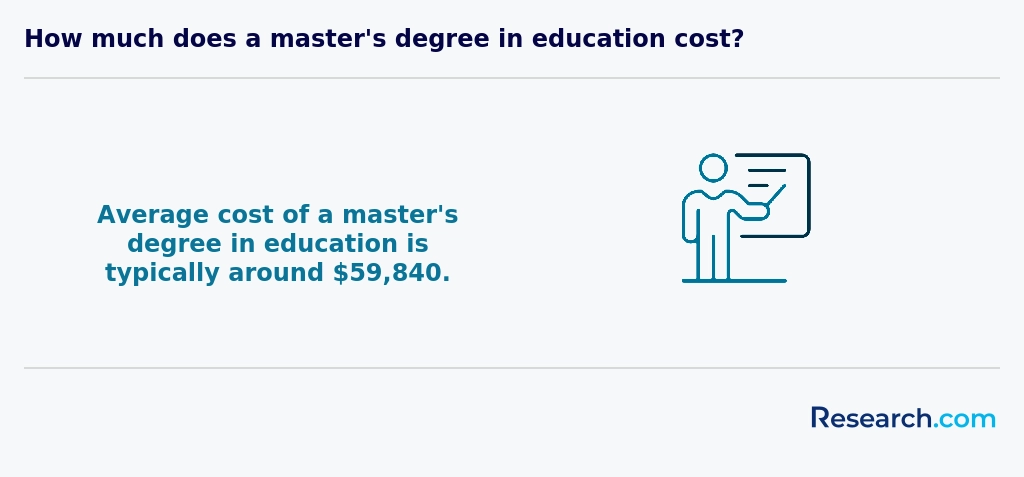
The average cost of earning an education degree in Massachusetts can be quite varied, but recent data places the median total cost at about $57,230. For in-state students, this number typically falls closer to $43,325, which illustrates the tangible financial benefit of residency when pursuing education degrees within public universities. Graduates from such programs often recount balancing their budgets carefully, appreciating the more affordable tuition while navigating living expenses in Massachusetts' higher-cost environment.
This median cost figure aligns with reports from well-known institutions across the state. For example, graduates of master's education programs at public universities like the University of Massachusetts Amherst often find themselves paying in the range of $16,000 annually for tuition alone, although the total expenses including books, housing, and other fees can push their overall cost significantly higher. By contrast, private colleges and universities-renowned for their prestigious education programs-may charge upwards of $40,000 each year, placing the total cost near or above the median total cost mentioned.
Students pursuing these degrees consistently emphasize the importance of considering not only tuition but also ancillary expenses, which can add between $12,000 and $18,000 yearly. This is particularly relevant for those living off-campus or balancing family commitments. Due to such financial demands, many look to financial aid, scholarships, and assistantships to help offset costs and make their educational aspirations attainable.
For prospective students focused on cost-effectiveness, exploring institutions through resources highlighting the most affordable online education schools in Massachusetts can provide valuable insight into options that reduce the overall debt burden without compromising educational quality.
Teacher Certification and Licensing Requirements in Massachusetts
Pursuing an Education degree in Massachusetts culminates in obtaining the necessary state teaching license. Understanding the certification process ensures you meet all requirements and enter the classroom fully prepared. Massachusetts Teaching Licenses:
- Initial License (Pre-K–8, 5–12, or K–12): Granted upon completion of an approved educator preparation program, passing the Massachusetts Tests for Educator Licensure (MTEL), and satisfying the edTPA performance assessment.
- Professional License: Available after three years of satisfactory teaching experience and approved by your district administrator.
- Standard License: For out-of-state certified teachers who hold comparable credentials, enabling transition without retaking all exams. Key Steps to Certification: 1. Complete an Approved Program Enroll in a program accredited by the Massachusetts Department of Elementary and Secondary Education (DESE). If cost is a concern, consider exploring affordable online options such as the Low Cost Online Education Degree Programs Ranking in Minnesota to compare tuition and curriculum quality. 2. Pass the MTEL Exams - Communication and Literacy Skills Test - Subject Matter Test for your endorsement area - Foundations of Reading Test (for Pre-K–Grade 6 candidates) 3. Submit Your edTPA Portfolio Demonstrate your teaching effectiveness through a performance-based teaching portfolio, evaluated against state rubrics. 4. Apply for Initial License Through the DESE eCertification system, upload transcripts, test scores, and edTPA results. Pay the application fee and complete a background check. 5. Upgrade to Professional License After three years, submit the Professional License application, including verification of experience and professional development hours. Ongoing Renewal and Endorsements:
- Renew licenses every five years by completing 150 professional development points.
- Add endorsements (e.g., special education, ESL) by passing additional MTEL tests or completing targeted coursework. Navigating these requirements early in your degree program will streamline your path to becoming a licensed educator in Massachusetts.
What financial aid is available to education degree students in Massachusetts?
Education students in Massachusetts benefit from a mix of federal and state financial aid, though navigating these options requires some effort. Many graduates from institutions like Boston University and the University of Massachusetts recall how applying for FAFSA unlocked access to Pell Grants and federal loans with manageable terms, easing immediate tuition concerns.
State programs such as the Massachusetts State Grant and the John and Abigail Adams Scholarship further lower costs, especially for those attending in-state colleges. For example, education majors at UMass often mention how these awards reduced their financial stress, allowing them to focus more on coursework than on mounting bills.
Moreover, loan forgiveness programs tied to teaching in high-need areas reflect a practical incentive. Graduates committed to working in public schools report feeling motivated by these pathways, recognizing both the financial relief and the community impact of their careers.
Work-study opportunities also play a valuable role, providing hands-on experience alongside income. Though these resources are beneficial, students must proactively seek them out to fully benefit, highlighting the importance of early and informed planning.
Teacher Licensure and Certification in Massachusetts
Becoming a certified teacher in Massachusetts involves fulfilling specific academic, examination, and practical requirements set by the Department of Elementary and Secondary Education (DESE). First, candidates must complete a state-approved educator preparation program, which typically includes coursework in pedagogy, classroom management, and subject-area methods. Upon program completion, aspiring teachers must pass the Massachusetts Tests for Educator Licensure (MTEL), covering both Communication and Literacy Skills as well as a subject-specific exam. Next, candidates submit an application through the eLicensing system, providing official transcripts, MTEL scores, a fingerprint-based CORI/SORI background check, and a recommendation from their program provider. Upon approval, DESE issues an Initial License, valid for five years and allowing full teaching responsibilities in the approved endorsement area. During this period, educators work under the guidance of a mentor and complete a performance assessment such as the edTPA to qualify for the Professional License, which requires three years of teaching experience. Massachusetts also offers alternative routes to certification for career changers and those with non-education degrees, including the Preliminary License pathway. Candidates teach full-time while completing approved coursework and exams. For those seeking budget-friendly training, consider exploring the Low Cost Online Education Degree Programs Ranking in Minnesota to compare affordable online educator preparation programs. Finally, maintaining licensure requires ongoing professional development: educators must earn 100 renewal points every five years through workshops, graduate coursework, or leadership roles. Understanding these steps ensures a smooth transition from student to certified teacher in the Commonwealth.
What are the prerequisites for enrolling in education degree program in Massachusetts?
Enrolling in an education degree program in Massachusetts typically means meeting a blend of academic and practical prerequisites. For example, at well-known institutions like Boston University or UMass Amherst, undergraduates need a high school diploma or GED with solid grades in reading, writing, and math. Many graduates recall the stress of deciding whether to submit SAT scores when some schools offered test-optional policies, reflecting evolving admissions trends.
Graduate applicants often share that holding a bachelor's degree with a minimum GPA around 3.0 was crucial, especially if their degree wasn't directly in education. For instance, a graduate from a master's program at Simmons University described completing prerequisite coursework to bridge gaps in knowledge.
All prospective students, whether at state or private colleges, face non-academic hurdles like criminal background checks and providing letters of recommendation. Many found writing a personal statement both challenging and rewarding, as it forced reflection on their commitment to teaching. Volunteer work or practical experience with children, such as substitute teaching in Boston public schools, often strengthened applications and built confidence for future classrooms.
Emerging Trends Shaping the Future of Education Careers in Massachusetts
As the education landscape evolves, several emerging trends are redefining what it means to pursue a successful career in the field. In Massachusetts, institutions and educators alike are embracing digital transformation, innovative teaching methodologies, and hybrid learning models that combine the best of both online and in-person experiences. This shift is not only transforming classroom dynamics but also broadening the scope of career opportunities for graduates. For example, advancements in educational technology are enabling teachers to integrate interactive digital tools into their lessons, significantly enhancing student engagement and learning outcomes. Additionally, the rising popularity of micro-credentials and short-term certification programs is allowing professionals to continuously update their skill sets and remain competitive in a rapidly changing job market. Embracing these trends means future educators must be adaptable, tech-savvy, and ready to innovate in real-time classroom settings. If you are looking to explore new horizons in higher education opportunities, consider learning more about the top high-paying education careers by visiting https://research.com/careers/best-highest-paying-masters-in-education-jobs. These trends underscore the importance of lifelong learning and professional growth, ensuring that Massachusetts remains at the forefront of delivering outstanding education and fostering a generation of innovative educators.
What courses are typically in education degree programs in Massachusetts?
Education degree programs in Massachusetts typically include courses such as Foundations of Education, Educational Psychology, and Curriculum Development. Graduates from institutions like Boston College or UMass Amherst often describe how studying child development theories helped them better understand diverse learning needs, which proved vital during their student teaching placements in local schools.
Courses in assessment and evaluation are common, teaching future educators to measure progress with both standardized tests and more informal methods, reflecting the state's rigorous assessment standards. Some students have found these classes challenging but rewarding, emphasizing how such training prepared them to handle real classroom data effectively.
Massachusetts programs also prioritize inclusivity. Classes on Special Education and Multicultural Education equip candidates to create respectful and supportive environments beyond academics. Graduates recall feeling inspired when learning to address cultural differences and disabilities-skills they applied confidently during internships.
Practical courses like Classroom Management and Educational Technology Integration round out the curriculum, offering hands-on strategies that graduates appreciate for making real-world teaching more engaging and effective.
What types of specializations are available in education degree programs in Massachusetts?
Education degree specializations in Massachusetts reflect a wide spectrum tailored to diverse student interests and state needs. Graduates from well-known institutions often highlight Early Childhood Education, a specialization focusing on infants through grade 3, where practical experiences with developmental psychology and family engagement prove rewarding in local preschools. Conversely, those pursuing Elementary Education report a deep dive into foundational literacy and math skills for grades 1 through 6, preparing them for steady demand in Massachusetts schools.
Secondary Education attracts students passionate about specific subjects such as English or science for grades 6 to 12, where licensure programs at prominent Massachusetts colleges emphasize subject mastery aligned with state certification. Some graduates advocate for special education specialization, noting the fulfilling challenge of supporting students with disabilities through inclusive methods and legal knowledge, reflecting nationwide growth opportunities.
Other emerging specializations like Curriculum and Instruction or TESOL appeal to those aiming beyond classroom teaching, often requiring advanced study and leadership skills. From personal accounts, navigating Massachusetts education degree program options encourages thoughtful consideration of both career goals and practical costs. Prospective students might also explore resources like https://research.com/careers/best-highest-paying-masters-in-education-jobs for insights on rewarding paths.
How do you choose the best education degree in Massachusetts?
Choosing the best education degree in Massachusetts involves more than just selecting a school; it requires evaluating program quality, cost, and career alignment. Graduates from prominent Massachusetts universities often share how balancing affordability with strong practical experiences-like student teaching placements in local school districts-made their programs stand out. For example, those pursuing top affordable education degrees in Massachusetts emphasize how accredited programs ensure readiness for certification exams while opening doors to specialized fields such as special education or educational leadership.
Cost considerations also weigh heavily. Public institutions typically offer tuition ranging from $14,000 to $17,000 annually, which contrasts sharply with private college fees. Many students find that researching financial aid and exploring resources such as the Low Cost Online Education Degree Programs Ranking in Minnesota helps identify budget-friendly options without sacrificing program quality.
Ultimately, choosing an education degree here means aligning personal career goals with a program's structure, faculty expertise, and reputation-ensuring not only a meaningful academic journey but also fulfilling employment opportunities in Massachusetts's evolving education sector.

What career paths are available for education degree students in Massachusetts?
Graduates with an education degree in Massachusetts often find the state's strong educational infrastructure opens numerous doors. Many pursue K-12 teaching roles, particularly in subjects like math and special education, where demand remains high. Students from well-known institutions such as Boston College or UMass Amherst express satisfaction with the practical training they receive, which helps them confidently step into classrooms across the Commonwealth. However, the job market can be competitive, prompting some graduates to explore alternative paths.
Educational leadership careers-like becoming school principals or curriculum coordinators-are common for those seeking to affect school-wide policies. These roles, while requiring further certification, are attractive due to their impact and higher earning potential. Several graduates share that the combination of classroom experience and advanced degrees from institutions like Harvard Graduate School of Education equips them well for these positions. Such job opportunities for education graduates Massachusetts-wide can be quite rewarding both personally and financially.
Some graduates turn to specialized fields like educational technology or counseling, equipping schools with digital tools or supporting students' mental health. These pathways reflect evolving educational needs and provide meaningful alternatives to traditional teaching. Examples from diverse campuses underscore flexible career trajectories enhanced by programs such as accelerated online degrees for working adults. Considering these varied career options in Massachusetts helps students make informed choices tailored to their passions and local opportunities.
What is the job market for education degree in Massachusetts?
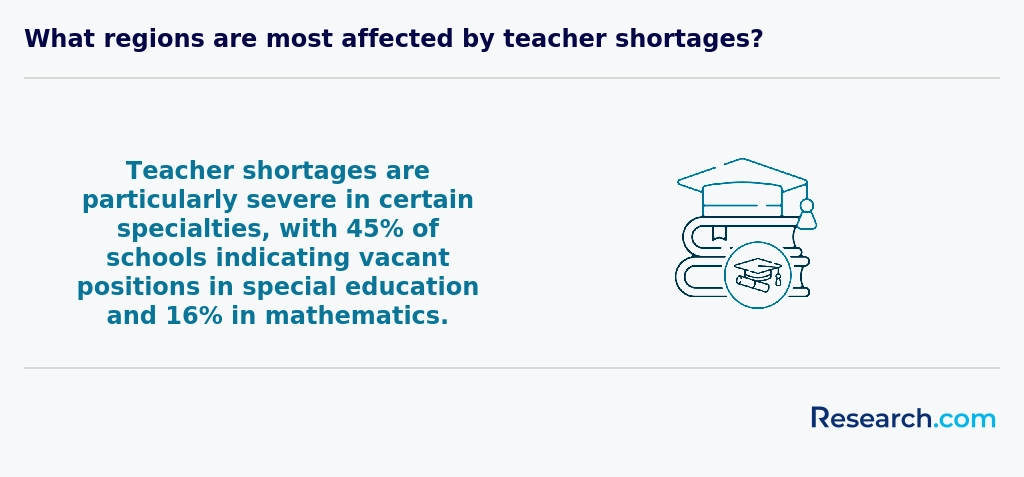
The job market for education degree graduates in Massachusetts remains promising but requires careful navigation. Many graduates from well-known institutions in the state find rewarding teaching career opportunities in Massachusetts, particularly in public schools facing shortages in STEM subjects and special education. These shortages create tangible openings, helping new educators quickly transition into classrooms where their skills are most needed.
For example, graduates often share that salaries here tend to be about 18% higher than the national average, which enhances the appeal of pursuing an education degree job outlook Massachusetts offers. Still, job seekers may find competition intense in areas without shortages or in private institutions. Additionally, the expanding roles in education administration and policy provide alternatives beyond direct teaching, appealing to graduates interested in broader impact.
Financial investment in education programs in Massachusetts is notable, but many students benefit from state-supported grants and loan forgiveness, making the pursuit more affordable. Graduates often explore options such as a cheap doctorate degree online to advance their careers and increase opportunities.
Frequently Asked Questions About education
Education degree students in Massachusetts can maximize their learning experience by actively engaging in both theoretical and practical components of their programs. Massachusetts hosts numerous top-ranked institutions, such as Boston University and the University of Massachusetts, which emphasize hands-on teaching practice along with coursework. Participating in internships or student teaching placements within diverse schools across the state helps develop real-world skills and understanding of varied classroom environments.
Utilizing resources like the Massachusetts Department of Elementary and Secondary Education provides students with data on state teaching standards and professional development opportunities. Additionally, joining student organizations focused on education can enhance collaboration and networking, which are key for career readiness. According to the National Center for Education Statistics, Massachusetts invests significantly in higher education, supporting robust academic advising and support services that students should take full advantage of to excel.
Emerging niches within the education field in Massachusetts reflect growing demands for specialized skills and innovative teaching methods. One key area is educational technology, where professionals who understand digital tools and remote learning platforms are increasingly sought after. According to the Massachusetts Department of Elementary and Secondary Education, districts are investing more in tech integration to support hybrid and distance learning. Another niche is special education, especially focused on autism spectrum disorders, as the state reports a steady rise in students requiring tailored support. Additionally, bilingual education and English Language Learner (ELL) programs are expanding due to Massachusetts' diverse population.
Preparing for the job market after completing an education degree in Massachusetts involves several key steps. First, obtaining state licensure is essential to teach in public schools, requiring passing the Massachusetts Test for Education Licensure (MTEL). According to the Massachusetts Department of Elementary and Secondary Education, over 90 percent of public school teachers hold a valid license, highlighting its importance.
Gaining classroom experience through student teaching or internships during the degree program can improve employability. Networking with local school districts and education organizations in Massachusetts can also help graduates find job openings.
Additionally, pursuing continuing education or advanced certifications, such as a Master's degree or endorsements in special education, can increase job market competitiveness. The Massachusetts Department of Elementary and Secondary Education reports rising demand for teachers in STEM and bilingual education fields.
Employers in Massachusetts value education degree graduates who demonstrate strong communication skills, both verbal and written. Clear communication is essential for effective teaching and collaboration with colleagues and families.
Critical thinking and problem-solving abilities are also highly sought after. These skills enable educators to adapt lesson plans and address diverse student needs effectively, a necessity in the state's varied school environments.
According to the Massachusetts Department of Elementary and Secondary Education, cultural competence and the ability to work with diverse populations are increasingly important due to the state's demographic shifts. Graduates must show sensitivity and inclusiveness in their teaching methods.
Finally, technological proficiency is a key skill. Massachusetts schools are integrating digital tools, so having experience with educational technology enhances a candidate's employability.
Finding internships in Massachusetts relevant to an education degree involves utilizing several local resources and statewide programs. Many universities in Massachusetts have partnerships with public school districts, providing education students with hands-on internship opportunities as part of their degree requirements. The Massachusetts Department of Elementary and Secondary Education offers a database of approved internship sites, facilitating placements in K-12 schools throughout the state.
Additionally, education students should explore opportunities through organizations like the Massachusetts Teachers Association, which sometimes connects interns with local schools. Networking events and career fairs at institutions such as Boston University or UMass Amherst are valuable for meeting potential internship supervisors.
Research shows that about 85% of education programs in Massachusetts incorporate some form of practical internship or field experience (Massachusetts Department of Higher Education, 2023). Students are encouraged to start their search early, utilizing campus career services and official state educational platforms for the most current listings and application procedures.
In Massachusetts, earning an education degree significantly enhances career mobility and advancement opportunities within the state's robust educational sector. According to the Massachusetts Department of Elementary and Secondary Education, educators with advanced degrees often qualify for higher salary scales and leadership roles.
Professionals with a Bachelor's or Master's in Education have better prospects for transitioning into specialized positions such as curriculum coordinator, instructional coach, or school administrator. The state's emphasis on educator licensure, which requires accredited degrees and continuing education, further supports professional growth.
Additionally, data from the U.S. Bureau of Labor Statistics highlights that Massachusetts offers some of the highest median wages for teachers nationally, making advanced degrees a worthwhile investment for long-term career stability and progression.
Studying for an education degree in Massachusetts equips students with skills essential for interdisciplinary roles by emphasizing collaboration across multiple fields. Programs often integrate courses in psychology, sociology, and technology, reflecting the state's approach to comprehensive teacher preparation. For example, Massachusetts Department of Elementary and Secondary Education highlights that teacher candidates must demonstrate knowledge in diverse areas, preparing them for varied educational settings.
Massachusetts institutions also foster partnerships with local organizations and schools, offering practical experience that blends educational theory with real-world challenges. This hands-on approach helps graduates adapt to roles requiring knowledge beyond traditional classroom instruction, such as curriculum development, special education, and educational technology.
Overall, the state's education degrees encourage adaptability and broad expertise, responding to the evolving demands of educational professionals in interdisciplinary contexts.
Choosing between a thesis and a non-thesis education degree program in Massachusetts depends on your career goals and learning preferences. Thesis programs typically require original research and are ideal if you plan to pursue a doctorate or a career in academia. According to the Massachusetts Department of Higher Education, many top public and private universities offer both options, but thesis tracks may demand more time and research skills.
Non-thesis programs focus on coursework and practical skills, suiting those aiming for immediate employment in schools or administrative roles. The Massachusetts Board of Elementary and Secondary Education recognizes the value of both for teacher certification.
Consider your interest in research, time commitment, and future plans when deciding.
Students in Massachusetts interested in pursuing education degrees abroad have several structured options through their home institutions. Many Massachusetts universities, such as Boston University and the University of Massachusetts, offer study abroad programs with partner universities specializing in education. These programs often include placements in countries with strong education systems, such as Finland or the United Kingdom, known for their innovative teaching methods.
Participation in these programs allows students to gain international perspectives on pedagogy and classroom management, which is invaluable for future educators. According to the Institute of International Education's 2023 report, Massachusetts ranks high in sending education majors abroad, with over 400 students participating annually. These experiences complement licensure requirements in Massachusetts by broadening students' cultural competency and instructional skills.
Students pursuing education degrees in Massachusetts can benefit from part-time jobs that enhance their skills and offer practical experience. Common roles include teacher aides, which allow students to assist licensed teachers in classrooms while developing instructional techniques.
Working as a substitute teacher is another valuable option, especially in districts experiencing staff shortages. According to the Massachusetts Department of Elementary and Secondary Education, substitute teaching positions can provide flexible schedules and insight into classroom management.
Other complementary roles include tutoring positions, both through schools and private organizations, where students can apply educational theories in real time. These jobs often pay between $15 and $25 per hour, depending on the subject and location.
Education students in Massachusetts have access to numerous networking opportunities through universities, professional organizations, and statewide events. Institutions such as Boston University and Harvard Graduate School of Education frequently host career fairs, guest lectures, and workshops that connect students with experienced educators and administrators.
The Massachusetts Teachers Association (MTA) offers memberships and events specifically designed to help education students build professional relationships. Additionally, the state's Department of Elementary and Secondary Education (DESE) provides information sessions and partnerships that facilitate internships and mentoring programs.
The Massachusetts Department of Higher Education reports that about 85% of graduates find jobs within six months, often citing networking as a key factor. Local conferences, such as the annual Massachusetts Educational Technology Conference, also provide platforms for students to meet innovators and potential employers in the education sector.
Alumni networks play a significant role in supporting education degree students in Massachusetts. Many universities in the state, such as Boston University and the University of Massachusetts, have active alumni associations that offer mentorship, career advice, and networking events. These connections can be especially valuable in Massachusetts, where education jobs are competitive.
Studies show that 85% of jobs are filled through networking, making alumni networks a critical resource for recent graduates. Alumni often provide insights into regional school districts, helping students understand Massachusetts-specific requirements and job expectations.
Furthermore, alumni networks frequently share internship opportunities and workshops, enhancing practical skills. According to the Massachusetts Department of Elementary and Secondary Education, students linked to active alumni communities tend to have higher employment rates after graduation.
Customizing an education degree program in Massachusetts allows students to align their studies with specific career goals. Many institutions offer flexible curricula where you choose concentrations such as special education, literacy, STEM, or administration. According to the Massachusetts Department of Elementary and Secondary Education, over 50% of education degree programs include practicum opportunities that can be tailored to your preferred grade level or subject area. Additionally, students can often select electives or dual certifications to enhance employability in specialized fields like bilingual education or educational technology. These choices enable aspiring educators to develop practical skills and knowledge that meet local school demands.
Education students in Massachusetts often face challenges balancing rigorous coursework with demanding field experiences. Many programs require hundreds of clinical hours in local schools, which can conflict with personal and work responsibilities. According to the Massachusetts Department of Elementary and Secondary Education, student teachers must complete at least 100 hours of supervised practicum before official student teaching, adding to their time commitments.
Financial strain is another significant concern. Despite scholarships, tuition and living costs in Massachusetts remain high. The Massachusetts Institute of Technology (MIT) and Harvard's financial aid reports highlight that cost barriers can deter some from completing degrees. Additionally, navigating licensure requirements specific to the state presents complexity for many.
With an education degree in Massachusetts, graduates can pursue several professional certifications to enhance their careers. The most common certification is the Massachusetts Initial Educator License, allowing individuals to teach in public schools. This license requires completion of a state-approved educator preparation program and passing the Massachusetts Tests for Educator Licensure (MTEL).
Additional certifications include the Professional License, which requires three years of teaching experience and further coursework. Educators may also earn specialized endorsements in areas such as special education, English as a Second Language (ESL), or administrative roles. According to the Massachusetts Department of Elementary and Secondary Education, these certifications increase job opportunities and earning potential within the state's competitive education job market.
To write a winning application for an education program in Massachusetts, start by thoroughly researching the specific program requirements. Many Massachusetts institutions value clear communication of your passion for teaching and educational development.
Highlight relevant experiences, such as volunteering in schools or tutoring, as practical knowledge is highly regarded. Massachusetts has some of the nation's top public schools, so showing familiarity with local educational challenges can strengthen your application.
Be concise and focused in your personal statement. The Massachusetts Department of Elementary and Secondary Education recommends emphasizing your commitment to diversity, equity, and inclusion, key priorities in local education.
Finally, secure strong letters of recommendation from educators who know your academic and interpersonal skills well, as they significantly impact admission decisions across the state.
Education careers in Massachusetts reflect a growing emphasis on global competencies and cultural awareness. Institutions increasingly prepare educators to engage diverse student populations, reflecting global trends that value inclusivity and cross-cultural understanding. According to the Massachusetts Department of Elementary and Secondary Education, nearly 28% of public-school students speak a first language other than English, highlighting the need for global perspectives in teaching.
The U.S. higher education system also encourages study abroad programs and international partnerships to broaden educators' worldviews. For students in Massachusetts, this means their education degrees often include training on global education standards and practices recognized by organizations like UNESCO. These experiences equip future teachers with skills to navigate global challenges in classrooms domestically and abroad.
In Massachusetts, gaining practical experience while earning an education degree is a crucial step toward licensure and effective teaching. Most state-approved programs include supervised student teaching or practicum placements in local K-12 schools. These experiences allow candidates to apply theory in real classrooms under the guidance of certified mentors.
Additionally, Massachusetts requires teacher candidates to complete at least 600 hours of fieldwork before recommendation for licensure, according to the Massachusetts Department of Elementary and Secondary Education.
Many universities partner with public school districts across the state, offering diverse settings from urban Boston to suburban communities. This exposure helps students understand different educational environments and student needs.
Some programs also provide internships, tutoring, and volunteer opportunities to further enhance hands-on skills. Engaging in these practical experiences ensures candidates are better prepared for the challenges of today's classrooms.
Choosing the right concentration within an education degree program in Massachusetts begins with understanding your career goals. Popular concentrations include early childhood, special education, and educational leadership, each aligning with different job markets. For example, Massachusetts reports a growing demand for special education teachers, with the Department of Elementary and Secondary Education noting approximately 10% growth in this area over recent years.
Consider the program's curriculum and how well it prepares you for licensure in Massachusetts. Most programs incorporate state-required content and practical experience through student teaching. According to the Massachusetts Board of Higher Education, programs accredited by CAEP or the Massachusetts Department of Elementary and Secondary Education offer strong pathways to certification.
Also evaluate your interests and strengths-whether you prefer working with young children, managing schools, or supporting students with disabilities. Reviewing local job market trends can help identify concentrations with higher employment prospects. Utilizing resources like the Massachusetts Executive Office of Education labor reports provides valuable insight into regional needs.
Related Education Rankings for Nearby States
- 2027 Most Valuable Online Education Degree Programs Ranking in New York
- 2027 Most Valuable Online Education Degree Programs Ranking in New Jersey
- 2027 Most Valuable Online Education Degree Programs Ranking in Maine
- 2027 Most Valuable Online Education Degree Programs Ranking in Pennsylvania
- 2027 Most Valuable Online Education Degree Programs Ranking in Ohio
- 2027 Most Valuable Online Education Degree Programs Ranking in Kentucky
- 2027 Most Valuable Online Education Degree Programs Ranking in North Carolina
- 2027 Most Valuable Online Education Degree Programs Ranking in South Carolina
- 2027 Most Valuable Online Education Degree Programs Ranking in Indiana
- 2027 Most Valuable Online Education Degree Programs Ranking in Michigan
Top Trending Education Rankings
See What Experts Have To Say About Studying Education
Read our interview with Education experts


Alan J. Singer
Education Expert
Professor of Teaching, Learning and Technology
Hofstra University

References
- Know more about thesis vs non- thesis: what is the difference? https://studyfans.com/en/blogs/816
- The importance of networking in the education sector https://www.tlclive.com/blog/the-importance-of-networking-in-the-education-sector
- #Research & Reports - Massachusetts Business Alliance for Education https://www.mbae.org/reports/
- Teaching Career Pathways - How to Become a Teacher https://www.umassglobal.edu/blog-news/teaching-career-pathways-become-a-teacher
- Elementary Education Bachelor's Degree Program https://www.baypath.edu/academics/undergraduate-programs/elementary-education/availability/online/
- Education Study Abroad | CIEE https://www.ciee.org/go-abroad/college-study-abroad/programs/subjects-disciplines/education-study-abroad
- Massachusetts Teacher Certification Guide | All Education Schools https://www.alleducationschools.com/teacher-certification/massachusetts/
- Teaching Job Roles | Teach For Life https://www.teachforlife.com/teachingjobs/global-perspectives-teacher
- Average Cost of College by State [2025]: Tuition + Fees https://educationdata.org/average-cost-of-college-by-state
- Education degree - Tłumaczenie po angielsku - Słownik angielsko-polski Diki https://www.diki.pl/slownik-angielskiego


