
2027 Most Valuable Education Degree Programs Ranking in Nevada

Co-Founder and Chief Data Scientist
Choosing the right education degree program can shape your future opportunities and career success. For students in Nevada, understanding which programs offer the most value is essential in making a confident decision.
This article introduces the 2027 Most Valuable Education Degree Programs Ranking in Nevada, developed by the Research.com team of data scientists. It provides clear insights into degree options that balance quality and career prospects.
Reading this ranking will help you discover rewarding education paths that inspire and equip you for a fulfilling career in teaching or education leadership.
Key benefits of getting education degree in Nevada
- Graduates with an education degree in Nevada can expect competitive salaries, such as elementary school teachers earning around $70,740 annually and special education teachers earning about $76,000 per year, providing financial stability and rewarding careers.
- Career paths for education graduates are diverse, including roles like instructional designers or ESL teachers, as shown by graduates from the University of Nevada, Reno, who find fulfilling opportunities in both classroom settings and educational technology.
- Online education degrees offer flexibility and convenience, allowing students from Nevada to balance work and study, as demonstrated by online graduates from Nevada State College who successfully enter the workforce without relocating or interrupting their lives.
- Key benefits of getting education degree in Nevada
- What can I expect from education degree in Nevada?
- Where can I work with education degree in Nevada?
- How much can I make with education degree in Nevada?
- 2027 Most Valuable Education Degree Programs Ranking in Nevada
- Key Findings
- How long does it take to complete education degree in Nevada?
- Exploring Affordable Education Options in Nevada
- What's the difference between online and on-campus education degree?
- Licensing and Certification Requirements for Educators in Nevada
- What is the average cost of education degree in Nevada?
- Real-World Career Success Insights
- What financial aid is available to education degree students in Nevada?
- Certification and Licensure Requirements for Nevada Educators
- What are the prerequisites for enrolling in education degree program in Nevada?
- Teacher Certification and Licensure in Nevada
- What courses are typically in education degree programs in Nevada?
- What types of specializations are available in education degree programs in Nevada?
- How do you choose the best education degree in Nevada?
- What career paths are available for education degree students in Nevada?
- What is the job market for education degree in Nevada?
- Related Education Rankings for Nearby States
- Top Trending Education Rankings
- See What Experts Have To Say About Studying Education
What can I expect from education degree in Nevada?
The average cost of an education degree in Nevada varies depending on the institution and degree level, but many graduates from the University of Nevada, Reno, and the University of Nevada, Las Vegas report tuition and fees generally range from moderate to affordable compared to national averages. While specific overall costs can fluctuate, graduates often mention that state-funded grants and scholarships significantly offset expenses, making the financial burden manageable for many students.
For example, some education students at these universities share how combining financial aid with part-time work and field placements helps them balance costs while gaining valuable classroom experience. Others appreciate the practical structure of their programs, which include in-school student teaching that does not add to expenses but enhances career readiness.
However, it's important to note that costs may increase for out-of-state students or those pursuing advanced degrees. Still, many students feel supported by Nevada's education system and are optimistic about future salary prospects that justify their investment, especially with the state's focus on teacher retention through ongoing professional development.
Where can I work with education degree in Nevada?
Graduates from education programs at institutions like the University of Nevada, Las Vegas, and Nevada State College often find varied employment opportunities throughout the state. Many enter public K-12 schools, especially in high-demand areas like Clark and Washoe counties, where their teaching licenses qualify them for roles in core subjects and special education. One graduate shared the rewarding experience of leading a middle school science class, emphasizing how directly impacting student growth fosters a strong sense of purpose.
Others pursue careers as school counselors or educational specialists, roles that may require extra certification but allow deeper involvement in student support and personalized interventions. The increasing need for such professionals in underserved communities reflects both challenge and opportunity.
Some graduates choose early childhood education, working in private daycares or public programs-a path that brings joy in nurturing young children's development. Additionally, those from Nevada's colleges often advance into academic advising or instructional design positions at local colleges, blending education with innovation.
Administration roles in schools and nonprofit sectors also attract graduates seeking leadership, though these often demand further study. Each pathway presents its unique rewards and challenges, illustrating the broad landscape of education careers in Nevada.
How much can I make with education degree in Nevada?
Graduates with education degrees in Nevada can generally expect a range of earnings depending on their chosen path and experience. For example, elementary school teachers earn an average of about $70,740 annually, a figure that aligns with reports from universities such as UNLV and Nevada State College where many students complete their education programs.
Special education teachers earn more, with mean annual wages reaching around $76,000. This reflects the additional training required and the rewarding challenges graduates often describe when working with diverse learner needs.
Some graduates pursue roles like instructional designers, earning on average $77,200 a year, blending educational expertise with technology skills. Meanwhile, English as a Second Language (ESL) teachers stand at about $65,430 annually, benefiting from Nevada's growing multilingual student populations.
Early childhood educators, who play essential roles in foundational learning stages, typically make approximately $41,410 yearly. These figures indicate that earnings vary widely, emphasizing the importance of career interests and qualifications.
Graduates report that their actual income can also depend on location within Nevada, with urban areas such as Las Vegas offering somewhat higher salaries due to cost-of-living differences. Overall, education degrees from Nevada's institutions open doors to stable careers with promising salaries when aligned with personal goals and ongoing professional development.
2027 Most Valuable Education Degree Programs Ranking in Nevada
How do we rank schools?
Investing in your education is a significant decision that can have a lasting impact on your future, and the Research.com team recognizes the importance of providing trustworthy and precise information. To support students and professionals in Nevada, we have carefully developed the "2027 Most Valuable Education Degree Programs Ranking in Nevada." Our dedication to quality, credibility, and accuracy is demonstrated through thorough research and rigorous analysis.
We utilized the following reputable data sources to create this comprehensive ranking:
By consulting this ranking, readers will obtain valuable insights into the most advantageous education degree programs in Nevada, empowering them to make well-informed decisions about their educational investments. For a deeper understanding of our ranking process, please visit our Research.com methodology page.


Key Findings
- In-state tuition for public universities in Nevada ranges from about $8,000 to $10,000 per year, while private schools can cost up to $30,000 annually.
- The job market is growing, with thousands of new teaching jobs expected over the next decade due to population growth and education improvements.
- Starting salaries for education graduates are typically between $42,000 and $48,000 per year, with experienced teachers earning over $70,000 after 10 years.
- Nevada offers teacher licensure programs with required student-teaching and has alternative certification options for career changers.
- Graduates can pursue careers beyond teaching, including roles in curriculum development, administration, and counseling.
- Financial aid like grants and loan forgiveness is available, especially for those working in high-need or underserved schools.
How long does it take to complete education degree in Nevada?
Completing an education degree in Nevada typically takes about four years for a bachelor's, with most students attending well-known institutions like the University of Nevada, Reno or the University of Nevada, Las Vegas. Graduates often recall balancing full-time coursework, including around 120 credit hours, with hands-on student teaching experiences that bring theory to life in local classrooms. This standard timeline reflects a steady path for many, but it's important to recognize that individual experiences vary.
Some students appreciate the flexibility of part-time enrollment or accelerated options, which can shorten or extend the process depending on personal circumstances and prior credits. For example, a graduate might pause to work or accommodate family responsibilities, adding time but enriching their real-world skills.
For those pursuing a master's degree in education, the journey usually adds 1.5 to 2 years, with programs often involving engaging projects and clinical work that deepen expertise-especially in specialized fields like special education or administration.
The pathway in Nevada feels both challenging and rewarding for many, as they navigate licensure requirements alongside their studies, gradually building confidence and professional readiness.
Exploring Affordable Education Options in Nevada
To make informed decisions about their educational paths, prospective students in Nevada should also consider the affordability of education degree programs. Exploring affordable education programs in Nevada can provide valuable insights into cost-effective options that offer both quality and value. Many institutions in Nevada, such as community colleges and public universities, offer competitive tuition rates and financial aid packages that can help mitigate the costs associated with pursuing an education degree. By examining the total annual costs, including tuition, room, and board, as well as available financial aid options, students can identify programs that fit their budget and help them achieve their academic and professional goals. Furthermore, some programs may offer specializations or concentrations that can enhance job prospects and salary potential, making them a worthwhile investment for those interested in a career in education.
What's the difference between online and on-campus education degree?
For Nevada students pursuing education degrees, the choice between online and on-campus programs often hinges on lifestyle and learning preferences. Graduates from the University of Nevada, Las Vegas, share how online education allowed them to balance work and family, appreciating the flexibility to access lectures on their own schedule. This mode suits those living in rural Nevada or with commitments that make regular campus attendance challenging.
Conversely, on-campus students at institutions like Nevada State College value the immediate interaction with instructors and peers. These face-to-face settings foster dynamic discussions and quicker support during practical teaching experiences, which some find vital for their confidence and skill-building.
Cost-wise, both formats tend to align closely, with in-state tuition averaging around $8,700 yearly at Nevada's public universities. While online students save on commuting, those on campus benefit from direct access to resources and networking opportunities that may enhance their career readiness.
- Online education offers flexibility and accessibility for diverse lifestyles in Nevada.
- On-campus study provides immersive, hands-on experiences crucial for some learners.
- Both routes lead to accredited degrees accepted by Nevada licensing boards.
- Tuition costs are similar, but associated expenses differ depending on the format chosen.
Licensing and Certification Requirements for Educators in Nevada
In Nevada, earning an Education degree is only the first step toward classroom teaching; graduates must also secure state licensure through the Nevada Department of Education. First, candidates must pass the Praxis Core Academic Skills for Educators tests (reading, writing, mathematics) and appropriate Praxis Subject Assessments for their specialization. These scores demonstrate foundational knowledge and subject-matter competency, ensuring alignment with Nevada’s rigorous teacher standards. Next, applicants apply for a Nevada Teaching License via the Educator Licensure Online System (ELMS). Standard requirements include:
- Official transcripts verifying completion of a state-approved educator preparation program.
- A completed background check and fingerprint clearance.
- Submission of Praxis score reports with minimum passing scores set by the Board of Educational Examiners. Alternative licensure routes, such as the Nevada Provisional License, accommodate career changers who hold a bachelor’s degree but lack a formal teacher preparation program. Provisional License holders must complete an approved “fast-track” certification program within three years and pass all required Praxis exams to transition to a Full Standard License. Upon initial licensure, Nevada educators must engage in ongoing professional development to renew their license every five years. This includes earning at least 30 renewal credits through approved workshops, graduate coursework, or in-district training. Many graduates compare program costs and financial aid options by consulting resources like the Most Affordable Online Education Degree Programs Ranking in Murray, KY to plan both pre-service and in-service expenses. Understanding these certification pathways and renewal requirements empowers prospective teachers to select programs that not only deliver academic excellence but also streamline the transition from graduate to licensed educator in Nevada.
What is the average cost of education degree in Nevada?
The average cost of obtaining an education degree in Nevada typically ranges around $9,500 for in-state students, reflecting a relatively affordable path compared to many other states. Graduates from public universities such as the University of Nevada, Las Vegas, often share that managing tuition alongside living expenses requires early financial planning but remains achievable without excessive debt. Tuition and fees for education degrees Nevada in public institutions usually fall between $8,000 and $9,000 per year, with total costs including additional expenses like books and housing reaching closer to $15,000 annually.
Graduate programs tend to be somewhat pricier, with annual tuition averaging from $8,500 up to $11,000. Some students pursuing advanced degrees find the investment worthwhile, citing enhanced career opportunities and higher earning potential post-graduation. However, private colleges in Nevada, including institutions such as Nevada State College, may charge fees exceeding $15,000 yearly, which can challenge some students financially despite smaller campus communities and personalized instruction.
Many education students benefit from various financial aid options offered by universities and the Nevada Department of Education. Scholarships, grants, and work-study programs can significantly reduce out-of-pocket expenses, making it more realistic to complete degrees without overwhelming debt. For those exploring their options, researching affordable education programs in Nevada early on can provide a clearer financial roadmap and peace of mind.

Real-World Career Success Insights
While the article provides a comprehensive overview of education degree programs in Nevada, a crucial missing section is one that guides graduates on how to transition from their academic journey to a successful career. This section should offer actionable advice on networking, mentorship, continued skill development, and strategies for leveraging credentials in the competitive job market. Below is a draft that incorporates these elements and an internal link to further career opportunities: Navigating the transition from graduation to a thriving career is as critical as selecting the right education program. Graduates should focus on building a professional network by attending local education conferences, participating in mentorship programs, and engaging with alumni groups. Actively seeking internships and volunteer opportunities can also provide real-world experience that complements classroom knowledge. It is important to remember that landing a desirable job isn’t solely based on academic credentials. Ongoing professional development, including obtaining additional certifications and staying updated on emerging educational technologies, can set you apart in a competitive market. For instance, exploring advanced career opportunities and insights can further enhance your prospects; you can discover top-paying roles and related information here. Furthermore, leveraging platforms that specialize in education career planning, along with seeking guidance from professionals in the field, can help you chart a clear career trajectory. Regularly revisiting and updating your resume, engaging in mock interviews, and refining your communication skills through feedback are all essential steps to ensure you remain a strong candidate in an evolving job landscape. In summary, taking a proactive approach by combining practical experience with continuous learning enables education graduates to confidently step into roles that not only match their skill set but also promise sustainable career growth.
What financial aid is available to education degree students in Nevada?
Students pursuing education degrees at universities like the University of Nevada, Reno, or Nevada State College often find federal financial aid crucial. Many rely on the Pell Grant, which for 2024-2025 offers up to $7,395, effectively covering much of the $8,000 in-state tuition. Graduates recall how this grant alleviated the pressure of balancing work and study, enabling them to focus on their teacher preparation programs.
State-specific aid is another key support. The Nevada Governor Guinn Millennium Scholarship, for instance, rewards those graduating from Nevada high schools with at least a 3.25 GPA. Many education students describe this scholarship as a game-changer, allowing them to attend schools like UNLV or College of Southern Nevada without accumulating heavy debt.
Beyond grants, loan forgiveness programs encourage commitment to teaching careers in underserved areas. Former students share stories of relief after federal Teacher Loan Forgiveness erased up to $17,500 in student debt following five years in low-income schools. However, some caution that qualifying conditions can be strict, requiring careful planning.
Finally, institution-based scholarships tailored for education majors provide vital additional aid. While less publicized, these often target diversity or critical subject areas, reflecting an acknowledgment of specific community needs within Nevada's education system.
Certification and Licensure Requirements for Nevada Educators
To teach in Nevada’s public schools, graduates must earn state licensure through the Nevada Department of Education. This process ensures that candidates meet rigorous standards of knowledge, pedagogy and professional ethics before entering the classroom. Step-by-Step Pathway to Certification: 1. Earn a regionally accredited education degree with the appropriate specialization (e.g., Elementary, Secondary, Special Education). 2. Pass the Praxis Core Academic Skills for Educators (reading, writing, math) and relevant Praxis Subject Assessments. 3. Complete a background check and fingerprint clearance through the Nevada Department of Public Safety. 4. Submit an application for the Initial Standard License, including official transcripts, test scores and a supervised teaching practicum evaluation. 5. Secure mentoring and complete required professional development hours during the first two years of teaching to transition to the Professional License. Key Considerations:
- Reciprocity: Out-of-state educators can apply for licensure by endorsement if they hold a comparable license and have met equivalent educational and testing requirements.
- Renewal: All Nevada teaching licenses require renewal every three years, which involves completing 30 clock hours of approved continuing education or professional development.
- Alternative Pathways: Candidates with bachelor’s degrees in non-education fields may qualify for an alternative licensure program approved by the state board. For aspiring teachers seeking flexible program delivery, consider exploring the Most Affordable Online Education Degree Programs Ranking in Murray, KY to identify cost-effective pathways that align with Nevada’s certification requirements.
What are the prerequisites for enrolling in education degree program in Nevada?
To enroll in an education degree program in Nevada, prospective students must first hold a high school diploma or GED, a fundamental step emphasized by both Nevada State College and the University of Nevada, Reno. Graduates often recall how this baseline credential felt like a solid foundation, sparking excitement for their college journey. Beyond that, meeting a minimum GPA-commonly around 2.5-is typical, though some programs raise the bar to reflect their competitive nature, challenging students to prove their academic resolve early on.
Many students from Nevada's colleges describe compiling personal statements and recommendation letters as opportunities to express their passion, rather than just bureaucratic hurdles. While some institutions still consider test scores such as the SAT or ACT, a growing number embrace test-optional policies, easing stress and broadening access for candidates from diverse backgrounds.
Graduate programs require a bachelor's degree with a higher GPA, often 3.0 or more, supporting a demonstrated commitment to education through professional recommendations and relevant experience. Such prerequisites, coupled with the affordable tuition rates typical for Nevada public universities, create a pathway that many find both accessible and motivating.
Teacher Certification and Licensure in Nevada
Navigating the Nevada teacher certification and licensure process is a critical step after earning your education degree. First, candidates must complete a state-approved educator preparation program and pass the Praxis Core Academic Skills for Educators tests, followed by the Praxis II subject assessments aligned with their specialization. Once exam scores are obtained, applicants submit an application to the Nevada Department of Education, including official transcripts, proof of passing scores, and a background check. The standard initial license, the Nevada Standard License, authorizes holders to teach in K–12 classrooms for up to three years. After gaining classroom experience, educators can pursue the Nevada Professional License by completing two years of mentored teaching and a performance evaluation. This tiered system encourages continuous professional growth: provisional teaching, supervised mentorship, and full licensure. For those interested in alternative pathways, Nevada also offers the Nevada Alternative License for career changers and adults with various professional backgrounds; applicants must hold a bachelor’s degree and demonstrate subject-matter competency through exams or relevant work experience. Maintaining a Nevada teaching license requires ongoing professional development. Educators must renew their licenses every five years by completing 30 professional development units (PDUs) approved by the state board. Courses can include workshops on classroom management, special education strategies, or technology integration. Many candidates seek cost-effective online programs-consider exploring our Most Affordable Online Education Degree Programs Ranking in Murray, KY-to fulfill PDUs while balancing work and learning. Understanding the full certification journey-from initial licensing to professional renewal-ensures that Nevada educators are well-prepared, compliant, and continually refining their teaching practice to meet state standards and improve student outcomes.
What courses are typically in education degree programs in Nevada?
Education degree programs in Nevada commonly include courses like Introduction to Education, Educational Psychology, and Curriculum Development and Instruction, giving students a strong foundation in teaching principles and child development. Graduates from institutions such as the University of Nevada, Reno, often describe how courses like Classroom Management helped them confidently handle diverse student behaviors during their student teaching experiences, making the theory feel relevant and empowering.
Other essential classes, including Multicultural Education and Instructional Technology, reflect Nevada's commitment to diversity and modern teaching tools. For example, students at Nevada State College share how learning about culturally responsive teaching opened their eyes to the rich backgrounds of their future classrooms, fostering enthusiasm for inclusivity.
Special Education Foundations and hands-on practicums ensure readiness for real classroom challenges. These practical components, especially at well-established colleges, give students positive, tangible preparation that aligns with Nevada's licensure requirements and the local educational landscape.
What types of specializations are available in education degree programs in Nevada?
Education degree specializations in Nevada frequently include Elementary Education, Secondary Education, and Special Education, each catering to different career goals within the teaching profession. Many graduates from universities known for their education programs share how focusing on Elementary Education prepared them to confidently engage young learners in foundational skills like literacy and math, essential given Nevada's steady demand for elementary educators. Those pursuing Secondary Education often emphasize mastering subject content and adolescent teaching methods, which can feel intellectually fulfilling yet challenging in dynamic classroom environments.
Special Education specializations attract students motivated by a deep sense of purpose, working with diverse learners facing unique challenges. Involving skills beyond traditional teaching, this path aligns with Nevada's strong emphasis on inclusion, and graduates often describe their journey as both emotionally rewarding and demanding. For individuals interested in broader support roles, Educational Counseling offers training to meet social and emotional needs, fostering meaningful connections within K-12 settings.
Several education students reveal that Educational Leadership and Administration specializations equip them with practical skills for managing schools and shaping policy, providing a pathway to impact education beyond direct classroom work. Cost considerations are also crucial, and for potential students comparing best education majors Nevada colleges offer, exploring financial aid options and average in-state tuition around $7,100 can influence decisions significantly. For those curious about career outcomes, it helps to discover top-paying roles and related information here.
How do you choose the best education degree in Nevada?
Choosing the best education degree programs Nevada requires you to weigh accreditation, specialization, cost, and outcomes carefully. Graduates from the University of Nevada, Reno, often highlight the value of CAEP accreditation, which opens doors to licensure and ensures rigorous training. Specialization is key; some students pursuing elementary education appreciate programs that emphasize hands-on practicum, enriching their classroom readiness and confidence. Others opt for educational leadership tracks, reflecting diverse career ambitions.
Cost considerations vary widely. While public institutions average around $7,200 annually for in-state tuition, private colleges tend to be pricier but sometimes offer robust scholarships. One graduate noted balancing tuition with living expenses in urban areas like Las Vegas significantly impacted affordability and study-life balance. To align budget with goals, exploring options such as the Most Affordable Online Education Degree Programs Ranking in Murray, KY can provide insights into cost-effective pathways.
Additionally, assessing career placement is crucial. Nevada State College alumni often cite partnerships with local districts as a major advantage in securing jobs that pay between $55,000 and $65,000. Reflecting on these factors while considering your unique circumstances empowers informed decisions about affordable education degrees Nevada 2027 and beyond.
What career paths are available for education degree students in Nevada?
Graduates with an education degree in Nevada find diverse career paths beyond traditional teaching roles. Many become licensed teachers in public or private schools across the state, meeting Nevada's specific certification requirements. For those attending institutions like the University of Nevada, Reno, or community colleges, firsthand experiences highlight that specializing in areas such as special education or STEM teaching can improve job security and salary potential, reflecting the ongoing need for qualified professionals. This reflects broader education degree career opportunities in Nevada, where such roles respond to workforce shortages.
Additional avenues include school counseling, administration, and curriculum development, with higher qualifications often unlocking leadership roles like principalships. Some graduates share that their strong pedagogical foundation has empowered them to branch into educational consulting or nonprofit work, demonstrating flexible paths outside the classroom. Prospective students seeking accelerated programs might consider best associate degrees in 6 months online, balancing cost with career readiness.
What is the job market for education degree in Nevada?
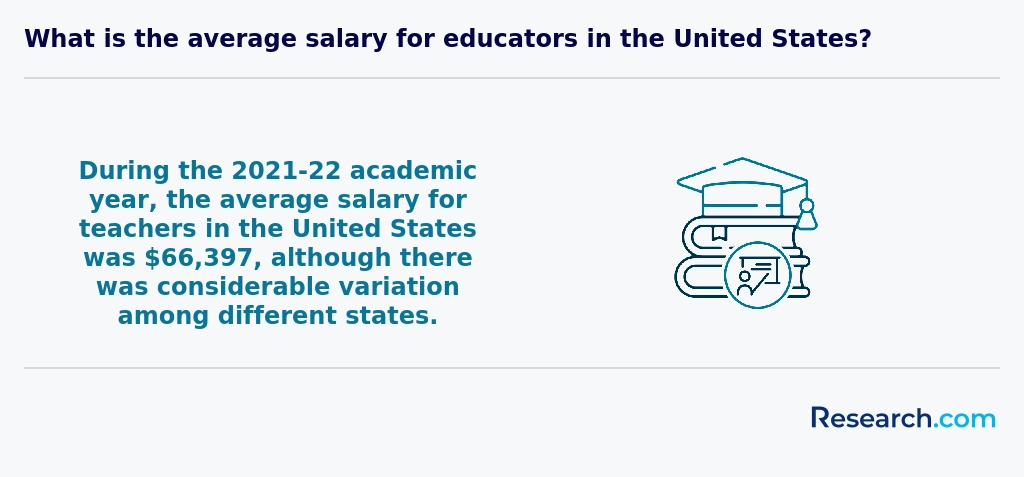
The education degree job outlook Nevada presents is generally favorable, especially for graduates from institutions like the University of Nevada, Las Vegas (UNLV). Many graduates report feeling optimistic about finding positions in areas such as elementary and secondary teaching, given the state's steady growth in student enrollment. Demand is strongest in special education, STEM fields, and bilingual classrooms, creating opportunities but also requiring specialized skills. While salaries average around $66,000 annually-higher than the national average-entry-level teachers might start lower and see gradual increases with experience and further certification.
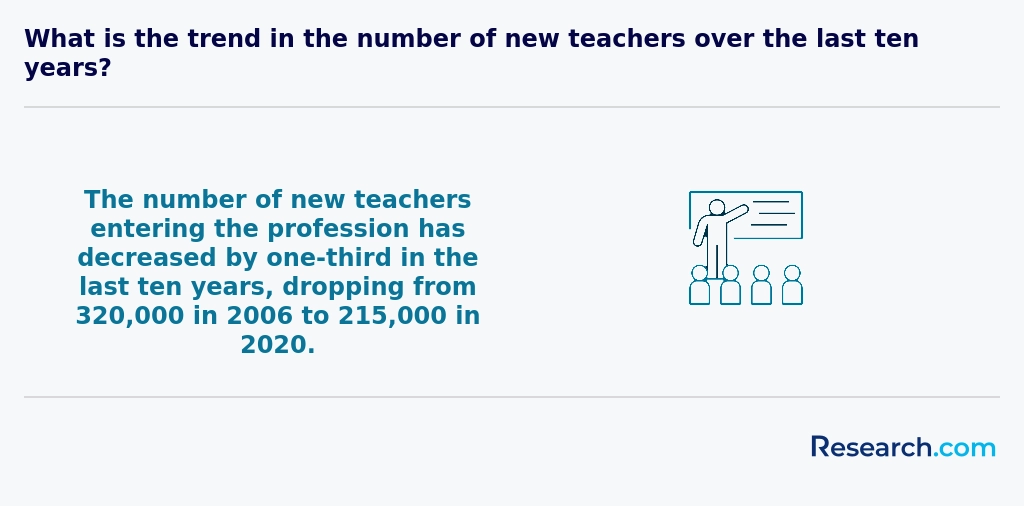
Job seekers should be mindful that competition exists for certain roles, particularly in urban districts, while rural areas sometimes struggle to find qualified educators. Beyond traditional teaching, career options in administration and counseling steadily open up, requiring additional qualifications but offering rewarding paths for leadership. Many graduates from public universities appreciate affordable tuition costs, which ease the financial burden of pursuing advanced education degrees. Those interested in streamlined programs might explore easy degrees to get, aiding in more efficient entry into the workforce. Overall, Nevada education career opportunities are shaped by evolving demographic needs and policy emphasis on education reform.
Frequently Asked Questions About education
Education degree students in Nevada can maximize their learning experience by engaging in both academic and practical opportunities. Nevada's universities, such as the University of Nevada, Las Vegas (UNLV) and University of Nevada, Reno (UNR), offer hands-on student teaching placements that align with state licensure requirements. Participating actively in these placements allows students to build real-world skills essential for classroom success.
Additionally, students should take advantage of internships and mentorship programs, which increase job readiness and professional networking. According to the Nevada Department of Education, nearly 80% of graduates find employment within six months, highlighting the importance of practical experience.
Joining education-focused student organizations and attending relevant workshops can deepen understanding of innovative teaching methods and Nevada's diverse student populations.
In Nevada, several emerging niches within the education field reflect broader national trends and local demands. One growing area is educational technology, where professionals develop digital tools and curricula to support remote or hybrid learning models. According to the Nevada Department of Education, interest in tech integration has surged since 2020, creating new job roles requiring specialized training.
Special education remains vital due to Nevada's increasing student diversity. Educators with expertise in individualized learning plans are in high demand.
Another niche gaining momentum is early childhood education, supported by state initiatives aimed at expanding access to preschool programs. Additionally, leadership roles in education administration are growing as schools seek experts to manage changing regulatory and funding landscapes.
After completing an education degree in Nevada, preparing for the job market involves several strategic steps. Start by obtaining teacher licensure through the Nevada Department of Education, which is required for public school positions. Gain practical experience via student teaching or internships, often included in degree programs. Networking with local educators and joining organizations like the Nevada State Education Association can provide valuable connections.
Understand that Nevada's public school system is growing, with a 3.4% increase in teacher employment projected through 2030 according to the Bureau of Labor Statistics. Tailoring your resume to highlight skills in diverse classrooms and technology integration is essential. Consider additional certifications to increase marketability.
Employers in Nevada value education degree graduates who possess strong communication and classroom management skills. Teaching effectively in diverse classrooms is crucial, given Nevada's growing multicultural student population, which according to the Nevada Department of Education, comprises over 40% of English language learners.
Analytical skills to assess student progress and adapt instructional strategies are highly sought after. Graduates with proficiency in educational technology are also preferred, as digital learning tools become standard in Nevada schools. Collaboration abilities, including working with parents and colleagues, are essential to support student success.
Additionally, knowledge of Nevada's state standards and legal requirements ensures graduates are prepared to meet local education mandates.
Finding internships in Nevada relevant to an education degree involves several strategic steps to gain practical experience. Many Nevada universities with education programs, such as the University of Nevada, Reno, and Nevada State College, collaborate with local K-12 schools to offer internship placements.
Students should start by consulting their university's career services or education department, which often maintain lists of approved internship sites in Nevada's Clark and Washoe school districts. According to the Nevada Department of Education, internships are a vital component of teacher preparation programs.
Online platforms like Handshake and the Nevada Department of Education website provide updated internship opportunities statewide. Networking with educators and attending local education job fairs can also enhance internship prospects.
In Nevada, earning an education degree significantly boosts career mobility and advancement opportunities. According to the Nevada Department of Education, teachers with bachelor's degrees or higher tend to qualify for higher salaries and leadership roles faster than those without. This credential often opens doors to specialized positions such as curriculum specialists, instructional coordinators, or school administrators.
Data from the National Center for Education Statistics shows that Nevada's education sector growth supports ongoing demand for qualified educators, promoting job stability. Furthermore, advanced degrees often correlate with eligibility for state certification renewals and endorsements, enhancing professional prospects statewide.
Overall, an education degree in Nevada represents a key investment for career progression in the evolving educational landscape.
Studying for an education degree in Nevada equips students with skills to work across multiple disciplines. Nevada's universities emphasize collaborative teaching strategies, integrating subjects such as psychology, technology, and special education. This interdisciplinary approach reflects workforce demands where educators often engage with diverse teams.
Programs like those at the University of Nevada, Reno, include coursework in counseling and educational technology, preparing graduates for varied roles beyond traditional classrooms. According to the Nevada Department of Education, 65% of new educators participate in interdisciplinary training to address inclusive learning environments.
This preparation helps graduates adapt to evolving education needs in Nevada's growing and diverse school districts.
When choosing between thesis and non-thesis education degree programs in Nevada, consider your career goals and learning style. Thesis programs require original research and are suited for students aiming for academic or research careers. Non-thesis options often include additional coursework or practical experiences, appealing to those focused on professional advancement.
In Nevada, universities like the University of Nevada, Reno report that around 40% of education graduate students opt for thesis tracks, mainly due to interests in education policy or doctoral preparation (source: UNR Graduate Studies, 2023). Non-thesis routes are popular for those seeking immediate employment in school administration or curriculum development.
Financial and time commitments also differ; thesis programs generally take longer due to research demands. Prospective students should consult academic advisors and review program requirements to align choices with long-term objectives.
Students in Nevada interested in studying education abroad have several pathways to consider. Many Nevada universities, such as the University of Nevada, Reno, and UNLV, offer study abroad programs or exchange partnerships that include education-focused destinations. These programs provide opportunities to gain international teaching experience and understand diverse educational systems.
Alternatively, students may pursue accredited online education degrees from foreign institutions, allowing flexible study while residing in Nevada. The Nevada System of Higher Education supports these international collaborations, enhancing global competencies for future educators.
According to the Institute of International Education, approximately 7% of U.S. education majors study abroad annually, indicating growing interest among Nevada students as well.
Part-time job opportunities in Nevada that can complement education degree programs include roles such as teacher aides, tutoring specialists, and childcare assistants. These positions provide practical experience working with students and support skills development valuable for future educators.
According to Nevada's Department of Education, teacher aide jobs grew by 5% between 2018 and 2023, reflecting the demand for support staff in classrooms. Tutoring roles, often available through local learning centers or online platforms, allow students to practice instructional techniques and communication skills.
Additionally, many school districts in Nevada offer part-time substitute teaching roles to those pursuing education degrees, providing firsthand classroom management experience. These opportunities help build resumes and prepare candidates for full-time teaching careers after graduation.
Education students in Nevada have access to a variety of networking opportunities designed to support their professional growth. Key universities such as the University of Nevada, Reno, and the University of Nevada, Las Vegas, host education-focused events and career fairs, connecting students with local school districts and education organizations.
Statewide, the Nevada Department of Education offers workshops and seminars that promote collaboration among future teachers. Additionally, organizations like the Nevada Association of School Administrators provide student memberships, allowing education majors to engage with established educators and leaders.
According to the National Center for Education Statistics, Nevada's teacher workforce is growing steadily, increasing the demand for networking to find job placements and mentorships. These connections are crucial in a state experiencing ongoing educational reforms and growth.
Alumni networks offer significant advantages for education degree students in Nevada by providing access to professional connections and mentorship opportunities. Graduates from Nevada universities often share job leads and teaching resources through these networks, which can be especially valuable given Nevada's growing demand for qualified educators. According to the Nevada Department of Education, teacher retention improves when new educators have support systems, including alumni mentors. These networks also facilitate collaboration and continuing education, helping students stay current with teaching methods and licensure requirements. For many students, alumni groups become vital resources for career advancement within Nevada's diverse school districts.
In Nevada, students can tailor their education degree programs through various specialization options and elective courses aligned with career goals. Many universities, such as the University of Nevada, Las Vegas (UNLV), offer tracks in elementary education, special education, or educational leadership, allowing students to focus on areas like curriculum development or school administration. Customizing a program often involves selecting relevant internships or practicum placements, which provide practical experience within local school districts.
Additionally, Nevada supports licensure pathways for teaching diverse populations, including English Language Learners, enhancing career flexibility. According to the Nevada Department of Education, statewide demand for qualified teachers in STEM and special education is growing, guiding students to prioritize these fields.
Education students in Nevada face several common challenges during their studies. A major issue is balancing coursework with field experiences, as many programs require extensive student teaching in diverse and often underserved school districts. According to the Nevada Department of Education, classrooms in the state are increasingly multicultural and English language learner populations are growing, which demands strong cultural competence and language skills from future teachers.
Additionally, financial pressures affect many students. Nevada's average annual tuition for public universities is around $8,800 for in-state students, which can be a barrier without sufficient financial aid. Lastly, the state's ongoing teacher shortage creates both opportunities and pressures, leading some students to feel unprepared for high-demand subject areas like STEM and special education, as reported by Teach Nevada Alliance.
With an education degree in Nevada, students can pursue several professional certifications to enhance their teaching careers. The most common is obtaining a Nevada Teaching License through the Nevada Department of Education, which authorizes individuals to teach in public schools across the state. Candidates typically complete teacher preparation programs and pass the Praxis exams.
Additional certifications include endorsements in Special Education, English as a Second Language (ESL), and Administration. For example, the ESL endorsement is gaining importance as Nevada's student population becomes more diverse. Educators may also pursue National Board Certification for advanced teaching credentials recognized nationwide.
These certifications improve job prospects and salary potential within Nevada's education system.
When applying for an education degree program in Nevada, start by thoroughly researching the specific school's requirements. Many Nevada institutions, such as the University of Nevada, Reno, emphasize a strong academic record and relevant experience. According to the Nevada Department of Education, highlighting any prior teaching or volunteer work in local schools can strengthen your application.
Craft a clear personal statement that explains your passion for education and your career goals. Use specific examples related to Nevada's diverse student population and educational challenges, showing your readiness to contribute positively.
Ensure your application includes all necessary documents, such as transcripts, letters of recommendation, and standardized test scores, if required. Meeting deadlines and following instructions carefully can greatly improve your chances.
Education careers in the United States, including Nevada, are increasingly viewed through a global lens. Teachers today must be prepared to work with diverse student populations influenced by worldwide cultures and languages. According to the National Center for Education Statistics, Nevada has a growing number of students from various backgrounds, amplifying the need for culturally competent educators.
Globally, education is seen as a key driver of economic growth and social progress. U.S. credentials, including those from Nevada universities, are respected internationally, which can open doors for educators seeking opportunities abroad. Furthermore, many education programs now emphasize global teaching standards and comparative education studies to equip students for a globalized classroom environment.
Gaining practical experience while studying for an education degree in Nevada is essential to prepare for a successful teaching career. Most Nevada universities, such as the University of Nevada, Reno, and the University of Nevada, Las Vegas, include supervised student teaching or practicum components within their education programs. These placements allow students to work directly in K-12 classrooms under the mentorship of licensed teachers.
Additionally, students often participate in internships or volunteer opportunities with local school districts, providing hands-on experience in diverse educational settings. According to the Nevada Department of Education, these experiences are required for state teacher licensure.
Engaging in these practical experiences helps students apply theory to real situations and enhances their classroom management and instructional skills.
Choosing the right concentration within an education degree program in Nevada depends on your career goals and interests in the field of education. Nevada offers various concentrations such as elementary education, special education, secondary education, and counseling. According to the Nevada Department of Education, special education teachers are in high demand due to the growing student population requiring tailored learning plans.
It's important to review licensure requirements for your desired concentration, as Nevada mandates specific endorsements for teaching different grade levels or subjects. Additionally, consider job placement rates; recent data shows programs with a focus on early childhood education have higher employment statistics statewide.
Research workforce needs in Nevada's school districts via official education reports to align your concentration choice with market demand.
Related Education Rankings for Nearby States
- 2027 Most Valuable Online Education Degree Programs Ranking in California
- 2027 Most Valuable Online Education Degree Programs Ranking in Idaho
- 2027 Most Valuable Online Education Degree Programs Ranking in Colorado
- 2027 Most Valuable Online Education Degree Programs Ranking in Nebraska
- 2027 Most Valuable Online Education Degree Programs Ranking in South Dakota
- 2027 Most Valuable Online Education Degree Programs Ranking in Kansas
- 2027 Most Valuable Online Education Degree Programs Ranking in Minnesota
- 2027 Most Valuable Online Education Degree Programs Ranking in Iowa
- 2027 Most Valuable Online Education Degree Programs Ranking in Missouri
- 2027 Most Valuable Online Education Degree Programs Ranking in Arkansas
Top Trending Education Rankings
See What Experts Have To Say About Studying Education
Read our interview with Education experts

Nooshan Ashtari
Education Expert
Professor & Book Author
University of Southern California


References
- 10 Ideas for Jobs You Could do After Teaching - Twinkl https://www.twinkl.com/blog/ten-ideas-for-jobs-you-could-do-after-teaching
- The Future of Education: Emerging Trends Reshaping Learning Environments http://www.gesseducation.com/gess-talks/articles/future-education-emerging-trends-reshaping-learning-environments
- How to Become a Teacher in Nevada https://iteach.net/how-teacher-certification-works/how-to-become-a-teacher-in-nevada/
- Skills Employers Look for in Business Graduates – EU Business School https://www.euruni.edu/blog/skills-employers-look-for-in-business-graduates/
- Nevada Prepaid Tuition - NVigate https://nvigate.gov/programs/nevada-prepaid-tuition/
- Is a thesis always mandatory in a master's degree program? - EFMU: The Euler-Franeker Memorial University and Institute https://euler.euclid.int/is-a-thesis-always-mandatory-in-masters-degree-program/
- Finding Networking Opportunities as a Student | National Society of High School Scholars https://www.nshss.org/resources/blog/blog-posts/how-to-find-networking-opportunities-as-a-student/
- Education Degree Entry Requirements https://universitycompare.com/advice/student/education-degree-entry-requirements
- Bachelor of Education Degree (Here's What To Expect) https://www.alleducationschools.com/teaching-degrees/bachelors-in-education/
- Considering Financial Aid? - The Nevada Registry https://www.nevadaregistry.org/ece-resources/educational-resources/considering-financial-aid/


