
2027 Most Valuable Online Education Degree Programs Ranking in Massachusetts

Co-Founder and Chief Data Scientist
Choosing the right education degree program can be a challenging journey, especially with so many options available online. This article introduces the 2027 Most Valuable Online Education Degree Programs Ranking in Massachusetts, created by a team of skilled data scientists at Research.com.
Designed to help you make an informed decision, this ranking highlights programs that offer strong career prospects and real value. Whether you're starting fresh or advancing your skills, exploring these top programs can bring you closer to your goals and a fulfilling future.
Key benefits of getting online education degree in Massachusetts
- Graduates with education degrees in Massachusetts can expect competitive salaries, such as $70,740 annually for elementary school teachers and $76,000 for special education teachers, offering financial stability and rewarding careers.
- Education degree holders from institutions like Boston University often pursue diverse career paths including teaching, instructional design, and early childhood education, providing flexibility to find the perfect fit.
- Completing an education degree online from schools like Northeastern University offers convenience and the ability to balance work and study, enabling you to advance your career without pausing your life.
- Key benefits of getting online education degree in Massachusetts
- What can I expect from online education degree in Massachusetts?
- Where can I work with online education degree in Massachusetts?
- How much can I make with online education degree in Massachusetts?
- 2027 Most Valuable Online Education Degree Programs Ranking in Massachusetts
- Key Findings
- How long does it take to complete online education degree in Massachusetts?
- Teacher Certification and Licensure in Massachusetts
- What's the difference between online and on-campus education degree?
- What is the average cost of online education degree in Massachusetts?
- Tips for Succeeding in Your Online Education Journey in Massachusetts
- What financial aid is available to online education degree students in Massachusetts?
- Cost Considerations and Financial Assistance for Online Education in Massachusetts
- What are the prerequisites for enrolling in online education degree program in Massachusetts?
- Student Support and Resources
- What courses are typically in online education degree programs in Massachusetts?
- What types of specializations are available in online education degree programs in Massachusetts?
- How do you choose the best online education degree in Massachusetts?
- What career paths are available for online education degree students in Massachusetts?
- What is the job market for online education degree in Massachusetts?
- Related Education Rankings for Nearby States
- Top Trending Education Rankings
- See What Experts Have To Say About Studying Education
What can I expect from online education degree in Massachusetts?
The average cost of an online education degree in Massachusetts can vary significantly, but public institutions like the University of Massachusetts Amherst often offer in-state tuition rates that make these programs more affordable for residents. Graduates frequently mention that this pricing, combined with available financial aid, alleviates much of the financial stress typically associated with earning a degree. However, out-of-state tuition can be substantially higher, which has led some students to seek residency status or select schools like Bridgewater State University that also provide competitive rates.
Many students share that while cost is an important factor, the value of faculty expertise and practical experience-such as virtual simulations or local teaching placements-greatly enriches their learning without inflating expenses. This balance encourages a positive, confident outlook toward completing their degrees without feeling overwhelmed by debt. Conversely, some students note that private institutions may offer more specialized programs but at a premium cost, demanding careful budget planning and consideration of long-term outcomes.
Where can I work with online education degree in Massachusetts?
Graduates with an online education degree in Massachusetts often find rewarding opportunities within the state's diverse educational landscape. Many secure teaching roles in K-12 public and private schools, benefiting from Massachusetts's strong reputation for education quality. For instance, graduates from institutions like Boston University and Wheelock College report feeling confident stepping into classrooms, especially in high-demand subjects such as special education or STEM fields.
Others apply their skills in early childhood education centers, where licensed programs require knowledgeable staff to meet state standards. This practical experience is valuable for those looking to make a direct impact on young learners' development.
Beyond teaching, some graduates pursue careers in higher education as academic advisors or instructional designers at local community colleges and universities. This path appeals to those passionate about supporting student success and innovation in online learning.
Graduates aiming for leadership roles may find positions in educational administration or nonprofits focused on outreach and tutoring. While these roles often demand advanced credentials, they offer fulfilling ways to shape educational policy and community programs.
How much can I make with online education degree in Massachusetts?
Graduates from online education programs in Massachusetts often find salary outcomes reflective of the state's robust educational sector. For instance, those who become elementary school teachers earn a mean annual wage around $70,740, which aligns closely with data from state education departments. Special education teachers typically see a slightly higher average salary, about $76,000, acknowledging the specialized skills required in that field.
Graduates focusing on instructional design, a growing career path in education technology, report mean annual wages near $77,200, which corresponds well with the increasing demand for digital learning resources in schools like those affiliated with Boston University or UMass Amherst.
ESL teachers earn approximately $65,430 annually, which suits graduates passionate about working in diverse urban districts like Boston, where multicultural classrooms are common. Early childhood educators tend to earn around $41,410, reflecting entry-level salary expectations that may improve with experience and additional certifications.
Positive feedback from graduates of programs at institutions such as Northeastern University highlights how online degrees provide flexibility while positioning them for rewarding careers with competitive salaries. Nonetheless, salary figures vary based on location and experience, so weighing these factors is crucial for prospective students aiming to maximize their earnings in Massachusetts' education field.
2027 Most Valuable Online Education Degree Programs Ranking in Massachusetts
How do we rank schools?
Investing in your education is a significant decision that can shape your future, and the Research.com team understands the importance of making informed choices. To assist prospective students in Massachusetts, we have meticulously crafted the "2027 Most Valuable Online Education Degree Programs Ranking in Massachusetts." Our commitment to quality, credibility, and accuracy is reflected in the extensive research and analysis conducted to compile this ranking.
We utilized the following reputable data sources to ensure a comprehensive evaluation of education programs:
By exploring this ranking, readers will gain valuable insights into the most valuable online education degree programs available in Massachusetts, enabling them to make informed decisions about their educational investment. For more details on our methodology, please visit our Research.com methodology page.


# 9 position
Hebrew College
Master of Jewish Education


Key Findings
- Online education degree tuition in Massachusetts ranges from $10,000 to $20,000 per year at public universities, while private programs can exceed $30,000 annually.
- The average starting salary for teachers in Massachusetts is about $45,000 per year, with career earnings rising to around $75,000 depending on experience and degree level.
- Massachusetts expects 5% job growth in education-related employment over the next decade, aligning with the national average.
- Many online degree programs in the state are regionally accredited by the New England Commission of Higher Education (NECHE), assuring quality and credit transferability.
- State grants and federal aid programs are available to support online learners financially in Massachusetts.
How long does it take to complete online education degree in Massachusetts?
Completing an online education degree in Massachusetts varies widely, often depending on how much time students can dedicate. Graduates from well-known institutions like Boston University or UMass Amherst often share that finishing a bachelor's degree full-time takes about four years, aligning with traditional expectations. However, many appreciate the flexibility their programs offer, such as accelerated courses or part-time schedules, which can adjust completion timeframes significantly.
For example, some students at Fitchburg State find that balancing work and study extends their master's program to nearly three years, which while longer than full-time pacing, enables them to manage life's demands effectively. Others pursuing part-time options at Bridgewater State report feeling empowered by pacing their studies to fit their unique needs, making their educational journey feel less stressful and more attainable.
Factors like credit transfers and competency-based learning options often allow students to shorten their time to degree completion. Yet, for those preparing for teacher licensure, required field placements can add months, reinforcing that timeline estimates depend heavily on individual circumstances and program specifics.
Teacher Certification and Licensure in Massachusetts
Becoming a licensed K-12 educator in Massachusetts requires more than earning an online education degree; you must also satisfy the state’s Department of Elementary and Secondary Education (DESE) requirements for certification. First, you’ll need to complete a state-approved educator preparation program-many online degrees in Massachusetts are explicitly designed to meet DESE standards. Next, candidates must pass the Massachusetts Tests for Educator Licensure (MTEL), including the Communication and Literacy Skills test and a subject-specific exam aligned with your teaching endorsement (e.g., Early Childhood, English, Mathematics). After passing the MTEL, you’ll submit a certification application to DESE, which involves providing official transcripts, proof of program completion, and a cleared CORI/SORI background check. Some applicants also complete a performance-based assessment (e.g., edTPA), demonstrating real-world classroom planning, instruction, and assessment skills. Note that timelines vary: while many bachelor’s programs integrate MTEL preparation into the curriculum, master’s and certification-only routes may require additional months of focused exam prep and DESE processing time. Choosing an online program that aligns with licensure pathways can streamline your journey. Look for degree tracks that include supervised teaching practicums in Massachusetts schools, have built-in MTEL prep modules, and maintain active DESE approval. For aspiring educators mindful of budget and accreditation, explore our Low Cost Online Education Degree Programs Ranking in the South to find affordable, high-quality options and compare state licensure support features.
What's the difference between online and on-campus education degree?
In Massachusetts, choosing between online and on-campus education degrees often comes down to how students prefer to engage with their studies. Graduates from institutions like Boston University appreciate the on-campus experience for its immediate access to professors and collaborative study groups, fostering a strong sense of community. Conversely, education students pursuing online degrees from universities such as the University of Massachusetts Amherst value the flexibility to balance coursework with jobs or family life, often studying from home without the constraints of commuting or strict class times.
Cost differences also influence decisions. While average tuition for in-state students hovers around $15,000 annually, those studying online might save significantly by eliminating housing and transportation expenses, a practical consideration shared by many working professionals.
Access to resources varies as well. On-campus learners benefit from face-to-face tutoring and networking events, which some graduates report made their learning journey more engaging. In contrast, online students rely on virtual services, requiring greater self-discipline but also offering a personalized pace that suits diverse lifestyles.
What is the average cost of online education degree in Massachusetts?
The average cost of a online education degree in Massachusetts can vary significantly based on the type of institution and residency status, but median data shows a typical total expense around $20,220. However, this figure requires careful interpretation because many students report that out-of-state tuition, commonly priced around $46,200, can heavily influence the overall perception of costs, especially at public universities like the University of Massachusetts system.
Graduates who pursued their education degrees online in Massachusetts often describe balancing these tuition demands with their daily lives, appreciating programs that offer transparent per-credit prices. For example, at UMass Amherst, students observed tuition around $900 to $1,200 per credit hour, making the full program cost fluctuate depending on credit requirements between 30 and 36 credits. Such structured pricing helps prospective students anticipate financial commitments clearly while managing work and family alongside their studies.
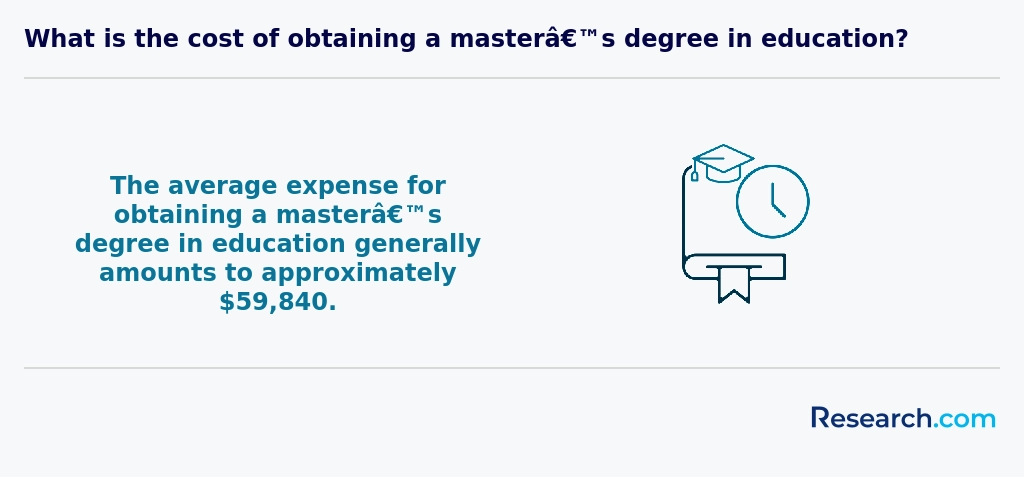
Considering tuition and fees for online education degrees Massachusetts also reveals that private universities such as Boston University and Northeastern University typically have higher costs, which can range up to $60,000 for master's level programs. Despite higher prices, many graduates find that scholarships, financial aid, and employer tuition assistance play a crucial role in making these degrees accessible and worthwhile. Students looking for more affordable options might explore the cheapest education schools! in Massachusetts to strategically reduce expenses without compromising quality.

Tips for Succeeding in Your Online Education Journey in Massachusetts
Achieving success in your online education program requires a blend of strategic planning, disciplined time management, and proactive engagement. First, set clear short- and long-term goals so you can stay motivated and measure your progress. A structured daily routine that allocates time for studying, assignments, and breaks can help you balance coursework with other life commitments. Engage actively in online discussion boards and virtual study groups to enhance your understanding and forge valuable connections with peers and instructors. Additionally, take full advantage of academic support services-such as tutoring, career advising, and virtual office hours-to clarify doubts early and stay ahead in your studies. As you prepare for financial investment in your education, it’s important to research cost-effective options; for example, you may want to explore what is the most affordable online education degree to ensure you select a program that meets both your academic and budgetary needs. Finally, remember that continuous self-assessment and seeking feedback are key to refining your study strategies. By implementing these practices, you can optimize your learning experience and pave the way to a rewarding career in education.
What financial aid is available to online education degree students in Massachusetts?
Students pursuing online education degrees in Massachusetts find crucial financial support through federal and state aid programs. For instance, graduates from institutions like the University of Massachusetts or Boston University often rely on the Free Application for Federal Student Aid (FAFSA) to access Pell Grants, which can contribute up to $7,395 annually. While typically tied to on-campus enrollment, many accredited online programs qualify, easing financial strain significantly.
State-specific aid, such as the MassGrant provided by the Massachusetts Office of Student Financial Assistance (OSFA), also plays a vital role. Graduates recall how this grant, varying by need and institution, helped bridge funding gaps when attending in-state universities offering online education tracks.
Many students share that institutional scholarships and reduced tuition rates, particularly those offered by public universities for fully online courses, add a layer of affordability. Additionally, employer tuition reimbursements, common in Massachusetts's robust education and healthcare sectors, often boost financial feasibility.
However, it's important to critically consider loan obligations. Student loans remain accessible, but graduates emphasize borrowing cautiously and exploring loan forgiveness programs like Federal Teacher Loan Forgiveness, especially for those entering high-need educational roles.
Cost Considerations and Financial Assistance for Online Education in Massachusetts
When pursuing an online education degree in Massachusetts, understanding the cost implications and available financial assistance is crucial for making informed decisions. The cost of tuition can vary significantly between institutions, with public universities generally offering more affordable options compared to private ones. For instance, students looking for the most affordable options might want to explore the cheapest education schools! in Massachusetts to find programs that fit their budget. Additionally, many students rely on financial aid, including grants, scholarships, and loans, to help cover the costs of their education. Some notable financial aid options include the MASSGrant for undergraduates and the TEACH Grant for those committing to teach in low-income schools. By carefully considering these factors and exploring available financial assistance, prospective students can navigate the financial aspects of pursuing an online education degree in Massachusetts and set themselves up for success.
What are the prerequisites for enrolling in online education degree program in Massachusetts?
To enroll in an online education degree program in Massachusetts, prospective students must navigate several key prerequisites that prepare them for success. For example, graduates from programs at institutions like Boston University or UMass Amherst often recall starting their journey with a required high school diploma or equivalent, such as a GED, for undergraduate studies. Graduate applicants commonly need a bachelor's degree from an accredited college, frequently accompanied by a minimum GPA around 2.5 to 3.0, reflecting consistent academic commitment.
Many students appreciate that some Massachusetts colleges have waived standardized tests like the SAT or ACT, easing the application process. However, those targeting competitive programs are advised to confirm current requirements with their chosen school. Additionally, graduates pursuing teacher certification emphasize the importance of completing background checks and fingerprinting mandated by the Massachusetts Department of Elementary and Secondary Education, vital steps ensuring children's safety and regulatory compliance.
Letters of recommendation and personal statements add a personal dimension, allowing candidates to express motivation and readiness-elements that former students describe as opportunities to stand out. Moreover, relevant experience in educational settings can bolster applications, particularly for career changers advancing their qualifications. These requirements, while demanding, support a pathway that many describe as rewarding and deeply fulfilling.
Student Support and Resources
When pursuing an online education degree in Massachusetts, access to comprehensive support services can make the difference between merely completing your program and truly excelling. Most top-ranked online programs in the state offer dedicated academic advising, ensuring that you have a personalized study plan, regular check-ins with a faculty mentor, and clear guidance on course selection and licensure requirements. Additionally, career services teams provide resume workshops, mock interviews, and job placement assistance, helping you transition smoothly from graduation to employment. Technical support is another cornerstone of a seamless online learning experience. Whether you encounter issues with the learning management system, need troubleshooting for video conferencing tools, or require accommodations for assistive technologies, 24/7 help desks and online tutorials are typically available to keep you connected and on track. Many institutions also grant remote access to digital libraries and research databases, so you can conduct literature reviews, cite authoritative sources, and stay current with educational trends without stepping foot on campus. Beyond academics and technology, quality online programs prioritize student well-being through virtual peer communities, mental health counseling, and accessibility services. Discussion boards, study groups, and student organizations foster a sense of belonging, while licensed counselors and disability coordinators ensure that all learners receive the support they need. For students exploring options that balance robust support with affordability, our Low Cost Online Education Degree Programs Ranking in the South offers a curated list of budget-friendly pathways in neighboring regions.
What courses are typically in online education degree programs in Massachusetts?
Online education degrees in Massachusetts generally include courses that blend theory with practical teaching skills, tailored to meet state standards. Graduates from well-regarded institutions like Boston University and UMass Amherst often highlight foundational classes such as Educational Psychology, where they gain insight into how diverse students learn and adapt in various settings. These courses often feel immediately relevant as students apply concepts to real classroom challenges during their practicum experiences.
Instructional Strategies courses stand out by equipping learners with methods suited for Massachusetts' diverse classrooms, fostering confidence in newly certified teachers. Coursework on Curriculum Design and Assessment encourages thoughtful creation and evaluation of educational programs, a skill graduates describe as empowering when they later shape school curricula.
Specialized topics such as Classroom Management and educational technology reflect the state's investment in modern teaching approaches, helping students from schools like Wheelock College to embrace both traditional and digital tools. This practical emphasis resonates strongly with learners eager to lead effectively in dynamic educational environments across Massachusetts.
What types of specializations are available in online education degree programs in Massachusetts?
Online education degree specializations in Massachusetts typically include Elementary Education, Secondary Education, Special Education, Educational Leadership and Administration, Curriculum and Instruction, Early Childhood Education, and Higher Education. Graduates from well-known institutions in the state often share how these programs allow them to balance work and study efficiently, especially through subject-specific tracks like math or social studies that cater to middle and high school teaching roles. The range of options reflects not only personal career goals but also the regulatory standards set by the Massachusetts Department of Elementary and Secondary Education (DESE).
For students weighing their options for the best education degree programs Massachusetts offers, practical experience reports highlight how curriculum and instruction specializations can deepen teaching methods and technology integration skills, which feel immediately applicable in real classrooms. Some graduates praise the opportunity to pursue administrative roles without sacrificing their current jobs, thanks to the flexibility of online studies. For those curious about costs, exploring what is the most affordable online education degree can be a wise step to balance investment with career objectives.
How do you choose the best online education degree in Massachusetts?
Choosing the best online education degree in Massachusetts requires a nuanced evaluation beyond just program reputation. Graduates from prominent institutions often emphasize the importance of regional accreditation, such as from NECHE, ensuring their degrees are recognized and valued locally. For example, alumni from well-known Massachusetts colleges appreciate programs that align closely with licensure requirements set by the Massachusetts Department of Elementary and Secondary Education, which helped them transition smoothly into teaching careers.
While exploring programs, consider your career goals in relation to the curriculum. Those pursuing special education or administration note how relevant course offerings shaped their confidence and competence. The best affordable online education degrees Massachusetts programs balance rigorous academics with flexibility, a combination praised by working professionals managing families or jobs.
Additionally, financial considerations are critical. Evaluating tuition alongside financial aid can change outcomes dramatically; many students find Low Cost Online Education Degree Programs Ranking in the South useful for comparison despite regional differences. Ultimately, looking at graduation rates and student support services ensures you pick a program fostering success and satisfaction.
What career paths are available for online education degree students in Massachusetts?
Graduates with an online education degree in Massachusetts often find diverse career paths, shaped by the state's high standards and job market needs. Many pursue licensure to become teachers, especially in high-demand areas such as special education or STEM fields. For example, graduates from popular institutions like Boston University or UMass Amherst report finding fulfilling roles in public schools, where their preparation aligns well with Massachusetts' rigorous education requirements. However, becoming licensed requires more than completing a degree-students must navigate certification processes, which can vary in complexity.
Beyond teaching, career options for education graduates Massachusetts include roles in administration, curriculum development, or educational technology, fields that reflect shifting educational trends. Graduates who choose leadership paths often enhance their qualifications through additional certifications while working as principals or instructional coordinators, finding rewarding opportunities in school districts around Boston.
Real-life experiences from online graduates illustrate satisfaction working as academic advisors or adult educators in community colleges, adapting to various learner needs. For those weighing alternatives to teaching, the expanding demand for educational technology specialists offers appeal and innovation. Prospective students interested in fast-tracking their credentials might explore the best accelerated online associates business degree programs that complement education roles, especially for those interested in educational administration.
What is the job market for online education degree in Massachusetts?
The job market for graduates with an online education degree in Massachusetts is notably strong, driven by the state's prioritization of quality education and teacher certification. Graduates from well-known institutions in Massachusetts often share positive experiences, reporting flexible pathways to certification that balance rigorous coursework with practical teaching opportunities. This flexibility supports a promising online education degree job outlook Massachusetts, particularly in areas such as special education and STEM, which are in high demand.
Employment opportunities for education graduates Massachusetts extend beyond classroom teaching. Many find rewarding careers as curriculum developers and instructional designers, roles that benefit from the state's emphasis on educational innovation. The state's competitive average teacher salary, often around $80,000, further attracts candidates to pursue these paths. Additionally, financial aid options reduce tuition burdens for those enrolling in online programs at respected local universities, making these programs more accessible.
Students often explore multiple pathways and resources, including top online trade colleges, to complement their education degrees, enhancing their marketability. While competition exists, Massachusetts's diverse and evolving educational landscape supports continuous demand for qualified professionals equipped through accredited online programs.
Frequently Asked Questions About education
Students pursuing online education degrees in Massachusetts can enhance their learning by actively engaging with course materials and participating in virtual discussions. Research from the Massachusetts Department of Higher Education shows that students who interact regularly with peers and instructors report higher satisfaction and better retention.
Time management is crucial. Creating a consistent study schedule helps balance coursework with personal and professional responsibilities. Massachusetts ranks among the top states for digital connectivity, making reliable internet access a key asset for online learners.
Utilizing available campus resources, such as online tutoring and academic advising, further supports student success. According to a 2023 report, students who use these services are 30% more likely to complete their degrees on time.
Finally, networking with local education professionals and joining Massachusetts-based online student groups can provide valuable career insights and foster motivation throughout the program.
Emerging niches within the education field reflect growing demands for specialized knowledge and skills. In Massachusetts, online education degrees increasingly focus on areas such as educational technology, special education, and bilingual education. According to the Massachusetts Department of Elementary and Secondary Education, there is a rising need for teachers skilled in integrating digital tools into classrooms and supporting diverse learners.
Another expanding area is early childhood education, driven by state initiatives to enhance quality care and learning for young children. Additionally, leadership roles in educational administration and policy are growing, as schools require experts to navigate evolving educational standards and equity issues.
These trends suggest promising career paths for students pursuing online education degrees in Massachusetts seeking to meet future workforce needs.
Graduates with online education degrees in Massachusetts should begin preparing for the job market by gaining relevant teaching experience through internships or substitute teaching roles. Massachusetts reports that over 20% of public school teachers enter via alternative pathways, showing that practical experience is highly valued by employers.
Networking is crucial; joining state education associations such as the Massachusetts Teachers Association can provide connections and job leads. Additionally, Massachusetts requires educators to hold state certification, so completing the appropriate licensure exams post-graduation is essential.
Building a strong digital portfolio showcasing lesson plans and technology integration skills can give candidates an edge, especially as many districts emphasize remote learning competencies.
Continuing education and professional development in line with Massachusetts Department of Elementary and Secondary Education guidelines can further improve employment prospects.
Employers in Massachusetts prioritize several key skills when hiring graduates with education degrees, especially for online degree holders. Strong communication abilities are essential, enabling educators to convey information clearly to diverse student populations. Massachusetts educators also need classroom management skills tailored to evolving educational technology use.
Critical thinking and problem-solving abilities are highly valued, as teachers often adapt lessons to meet individual student needs. According to the Massachusetts Department of Elementary and Secondary Education, proficiency in culturally responsive teaching is increasingly important given the state's diverse student demographics.
Data literacy is another growing requirement; educators must analyze student performance metrics to improve outcomes. Collaboration skills remain crucial, as Massachusetts schools emphasize teamwork among staff to support student success.
Finding internships in Massachusetts relevant to an education degree involves a combination of research, networking, and using university resources. Many Massachusetts colleges and universities offer dedicated career services that help education students connect with local K-12 schools, educational nonprofits, and after-school programs for internship opportunities.
Massachusetts is known for its strong education sector, with over 300 public school districts statewide, providing ample sites for practical experience. According to the Massachusetts Department of Elementary and Secondary Education, participating in internships can increase job prospects by up to 25% for education graduates.
Students should also explore statewide job boards like MassHire and education-focused platforms. Joining professional organizations such as the Massachusetts Teachers Association can offer additional internship leads and networking events.
In Massachusetts, earning an online education degree can significantly boost career mobility and advancement opportunities. According to the Massachusetts Department of Higher Education, educators with advanced degrees, especially in education, often qualify for higher salary tiers and leadership roles within schools and districts. Online programs offer flexibility, allowing working professionals to upskill without interrupting their careers.
Data from the Bureau of Labor Statistics highlights that Massachusetts expects a 5% growth in education-related jobs through 2030, emphasizing the demand for qualified teachers and administrators. Holding an online degree from an accredited Massachusetts institution can improve eligibility for licensure and specialized certifications required by schools.
Such credentials are valued in hiring and promotion decisions, opening pathways to roles like curriculum coordinator, instructional coach, or school principal. The convenience of online study also encourages continuous professional development, which is essential for career progress in Massachusetts' competitive education field.
Studying for an education degree in Massachusetts equips students with skills ideal for interdisciplinary roles through diverse coursework and practical experiences. Massachusetts schools emphasize integrating fields such as psychology, technology, and sociology into education training, reflecting the state's commitment to well-rounded teaching professionals.
According to the Massachusetts Department of Elementary and Secondary Education, many programs require internships that expose students to collaborating with health professionals, social workers, and curriculum designers, fostering cross-disciplinary teamwork.
Additionally, top institutions incorporate current educational technology and data analysis methods, preparing graduates to utilize diverse tools and knowledge areas effectively.
Choosing between a thesis and a non-thesis education degree program in Massachusetts largely depends on your career goals and learning preferences. Thesis programs focus on original research and are ideal for students planning to pursue doctoral studies or careers in academia. Non-thesis programs typically emphasize practical skills and coursework, suited for professionals seeking to advance or change careers quickly.
According to the Massachusetts Department of Higher Education, many online master's programs offer both options, allowing flexibility for working adults. Thesis students must complete extensive research projects, while non-thesis students often complete additional classes or capstone projects instead.
Understanding these differences helps you align your choice with long-term objectives and workload capacity.
Students based in Massachusetts who wish to study education abroad have growing opportunities through partnerships between local universities and foreign institutions. Many Massachusetts colleges, including the University of Massachusetts system, offer exchange programs and dual-degree options that allow students to earn credits overseas while completing their degree locally. According to the Institute of International Education, Massachusetts ranks among the top states for participation in study abroad programs, with education majors comprising a significant portion.
Online programs in Massachusetts also increasingly incorporate global perspectives, offering virtual collaborations with international peers. These blended options provide flexible routes for gaining international experience without extended travel. Additionally, students can explore certificate programs focusing on global education standards, which are often recognized in Massachusetts teacher licensure requirements.
Part-time job opportunities in Massachusetts that complement education degree studies are diverse and practical for gaining relevant experience. Many students find roles as teacher's assistants in public and private schools, offering hands-on classroom exposure while pursuing their degree. According to the Massachusetts Department of Elementary and Secondary Education, approximately 900,000 students are enrolled statewide, creating consistent demand for educational support staff.
Other popular options include tutoring services, where educators can work one-on-one with K-12 students in subjects like math and reading. Additionally, after-school program staff and childcare providers provide valuable experience working with children. These roles often offer flexible hours suited for students' schedules.
Employment in libraries or educational nonprofits can also build skills in curriculum support and literacy promotion. Data from the Massachusetts Executive Office of Labor and Workforce Development highlights education-related support roles as steadily growing job categories, projecting 5% growth through 2030.
Online education students in Massachusetts benefit from a variety of networking opportunities designed to connect them with peers, faculty, and industry professionals. Many Massachusetts universities, such as the University of Massachusetts Online and Boston University Online, offer virtual events, discussion forums, and alumni networks tailored specifically for remote learners. According to the Massachusetts Department of Higher Education, over 70% of institutions statewide provide online platforms to support student interaction.
Additionally, professional organizations like the Massachusetts Association of School Superintendents offer webinars and local meetups that online students can access. These connections help build valuable professional relationships and enhance career prospects within the state's robust education sector.
Alumni networks provide significant advantages to online education degree students in Massachusetts by offering access to professional connections and mentorship. Graduates can tap into a broad community that often includes thousands of members statewide and nationally. These connections facilitate job placements, internships, and career growth, particularly in Massachusetts's competitive education sector.
According to data from the Massachusetts Department of Higher Education, schools with active alumni associations report higher graduate employment rates within six months post-graduation. Furthermore, many networks host webinars and local events tailored for online students, helping them build real-world relationships despite studying remotely.
Such networks also foster lifelong learning by sharing resources like workshops and scholarship opportunities, enhancing student success beyond graduation.
Customizing an online education degree program in Massachusetts allows students to align their studies with specific career goals. Many universities offer specialization tracks or elective courses in areas such as curriculum design, educational technology, or special education. According to the Massachusetts Department of Higher Education, flexibility in course selection supports diverse professional objectives.
Students can often choose to focus on early childhood, K-12, or adult education, tailoring their degree to their preferred teaching environment. Additionally, some programs provide options for certification preparation, vital for licensure in Massachusetts public schools. This customization helps graduates meet state standards and enhances job market readiness.
Research from the Boston Public Schools indicates that targeted expertise boosts employment opportunities. Online formats frequently include internships or practicum placements, providing hands-on experience aligned with career aims. This adaptability makes online education degrees in Massachusetts a practical choice for those seeking specific educational roles.
Students pursuing online education degrees in Massachusetts often face challenges related to technology access and connectivity. While Massachusetts has a high internet penetration rate of about 90%, rural areas may still experience slower or unreliable service, affecting live participation and content streaming (Massachusetts Broadband Institute, 2023).
Another significant hurdle is balancing coursework with personal and professional responsibilities. Many online students are working adults, making time management crucial but difficult without structured on-campus schedules.
Additionally, some students report feelings of isolation and limited interaction with peers and instructors. Despite advances in virtual classrooms, building a supportive community can be challenging, impacting motivation and engagement.
Lastly, navigating financial aid options specific to online programs can be confusing, with fewer clear resources compared to traditional degrees.
With an online education degree, Massachusetts students can pursue several professional certifications to advance their careers. The most common is the Massachusetts Initial Educator License, which is required for teaching in public schools. This license often leads to the Professional License after completing additional experience and coursework.
Other certifications include the Massachusetts Department of Elementary and Secondary Education (DESE) endorsements in special education, bilingual education, and administration. Educators can also seek National Board Certification, recognized nationwide for advanced teaching expertise.
According to DESE data, over 80% of licensed educators in Massachusetts hold some form of professional certification beyond their degree, highlighting its importance.
When applying to online education programs in Massachusetts, presenting a clear and focused application is essential. Start by thoroughly researching the program's requirements and tailor your personal statement to highlight your passion for teaching and online learning.
Massachusetts has some of the highest-ranked public education institutions, so demonstrating knowledge of local education challenges and goals can strengthen your application. According to the Massachusetts Department of Elementary and Secondary Education, nearly 45% of educators pursue certification renewal through online programs, emphasizing their credibility.
Include relevant academic achievements and any experience with technology-enhanced learning. Letters of recommendation from professionals familiar with your abilities can also improve your chances.
Globally, education careers are regarded as vital to economic growth and social development. In the United States, and specifically in Massachusetts, there is a strong emphasis on training skilled educators through accredited online degree programs.
Massachusetts ranks among the top states for educational attainment and invests significantly in teacher preparation. According to the Massachusetts Department of Elementary and Secondary Education, nearly 200,000 teachers serve in the state, many benefiting from ongoing professional development offered online.
Internationally, education professionals are increasingly expected to embrace technology and cultural competency. Online degrees from Massachusetts institutions align with these trends, offering curricula that address global education standards and equity issues.
Moreover, the demand for qualified teachers in STEM and special education fields is rising, matching global workforce needs identified by UNESCO and U.S. labor statistics.
Gaining practical experience while studying for an online education degree in Massachusetts is essential for career readiness. Many accredited programs encourage students to complete supervised fieldwork or student teaching, often arranged in partnership with local Massachusetts schools. This hands-on approach helps students apply theory in real classroom settings.
The Massachusetts Department of Elementary and Secondary Education requires educator candidates to complete a practicum or internship for state licensure, ensuring valuable practical exposure. Additionally, some universities offer virtual simulations and interactive projects that mimic classroom challenges.
Networking with local schools and education organizations also provides opportunities for volunteering or part-time roles, enriching practical skills during online study.
Choosing the right concentration in an online education degree program in Massachusetts involves evaluating your career goals and regional job market demands. Popular concentrations include curriculum design, educational leadership, and special education, reflecting Massachusetts's commitment to diverse learner needs.
Research from the Massachusetts Department of Elementary and Secondary Education shows a rising demand for qualified special education teachers, making that concentration a strategic choice. Additionally, educational leadership prepares graduates for administrative roles in a state known for its high-performing schools.
Consider accredited programs recognized by the Council for the Accreditation of Educator Preparation (CAEP) to ensure quality and state licensure compatibility.
Reviewing faculty expertise and alignment with your interests can further guide your decision toward a concentration that matches both personal strengths and regional employment trends.
Related Education Rankings for Nearby States
- 2027 Most Valuable Online Education Degree Programs Ranking in New York
- 2027 Most Valuable Online Education Degree Programs Ranking in New Jersey
- 2027 Most Valuable Online Education Degree Programs Ranking in Maine
- 2027 Most Valuable Online Education Degree Programs Ranking in Pennsylvania
- 2027 Most Valuable Online Education Degree Programs Ranking in Ohio
- 2027 Most Valuable Online Education Degree Programs Ranking in Kentucky
- 2027 Most Valuable Online Education Degree Programs Ranking in North Carolina
- 2027 Most Valuable Online Education Degree Programs Ranking in South Carolina
- 2027 Most Valuable Online Education Degree Programs Ranking in Indiana
- 2027 Most Valuable Online Education Degree Programs Ranking in Michigan
Top Trending Education Rankings
See What Experts Have To Say About Studying Education
Read our interview with Education experts

Nooshan Ashtari
Education Expert
Professor & Book Author
University of Southern California

Alan J. Singer
Education Expert
Professor of Teaching, Learning and Technology
Hofstra University

References
- How to Choose a Concentration for Your Master of Education 3 Questions to Consider https://www.aiuniv.edu/degrees/education/articles/how-to-choose-an-education-specialization
- The Advantages of Studying an Online Degree https://www.falmouth.ac.uk/news/advantages-studying-online-degree
- Road to 60 – Massachusetts: ‘Education state’ tackles tough equity challenges https://sova.org/road-to-60-massachusetts-education-state-tackles-tough-equity-challenges/
- What Can I Do With a Teaching Degree (Besides Teach)? https://www.alleducationschools.com/blog/what-can-i-do-with-a-teaching-degree-besides-teach/
- Online Degree vs. Traditional: Choosing the Right Path https://beal.edu/online-degree-vs-traditional/
- Top 10 Effective Networking Tips for Students https://www.unfc.ca/blog/networking-tips-for-students
- Guide to Online Education Degrees | OEDb.org https://www.oedb.org/rankings/online-education-programs/
- Tips for Choosing Your Graduate Concentration - Graduate Programs for Educators https://www.graduateprogram.org/blog/tips-for-choosing-your-graduate-concentration/
- Students: This is How You Should Prepare for the Job Market https://www.agencycentral.co.uk/articles/students-this-is-how-you-should-prepare-for-the-job-market/
- Online Bachelor’s Degree Programs at UMass Global https://www.umassglobal.edu/academic-programs/bachelors-degrees


