
2027 Most Valuable Online Master's in Education Degree Programs Ranking in Arizona

Co-Founder and Chief Data Scientist
Choosing the right online master's in education degree program can be a big step for Arizona students seeking growth and impact in their careers. This article presents the 2027 Most Valuable Online Master's in Education Degree Programs Ranking in Arizona, carefully created by the Research.com team of data scientists. The ranking is designed to help you make a well-informed decision about which programs offer the best value and opportunities.
You'll find insights that highlight programs combining quality, flexibility, and career potential. Earning an education degree opens doors to rewarding paths, and this guide aims to support your journey every step of the way.
Key benefits of getting online education degree in Arizona
- The average annual salary for education degree graduates in Arizona includes roles like Education Managers earning about $129,330, Education Program Managers around $104,920, and Curriculum Specialists approximately $77,200, showing strong earning potential.
- Graduates from Arizona State University with an education degree often pursue diverse careers such as teaching, school administration, or educational consulting, offering many pathways for growth and impact.
- Completing an education degree online through a school like the University of Arizona allows for flexible scheduling, letting you balance work and study while gaining practical skills that employers appreciate.
- Key benefits of getting online education degree in Arizona
- What can I expect from online education degree in Arizona?
- Where can I work with online education degree in Arizona?
- How much can I make with online education degree in Arizona?
- 2027 Most Valuable Online Master's in Education Degree Programs Ranking in Arizona
- Key Findings
- How long does it take to complete online education degree in Arizona?
- Return on Investment (ROI) for Online Master’s in Education Degrees in Arizona
- What's the difference between online and on-campus education degree?
- Comparison with National Affordability Benchmarks
- What is the average cost of online education degree in Arizona?
- Scholarships and Financial Assistance for Online Education Students in Arizona
- What financial aid is available to online education degree students in Arizona?
- Maximizing Your Online Education Experience: Essential Tips and Strategies
- What are the prerequisites for enrolling in online education degree program in Arizona?
- Return on Investment (ROI) for Online Master's in Education in Arizona
- What courses are typically in online education degree programs in Arizona?
- What types of specializations are available in online education degree programs in Arizona?
- How do you choose the best online education degree in Arizona?
- What career paths are available for online education degree students in Arizona?
- What is the job market for online education degree in Arizona?
- Related Education Rankings for Nearby States
- Top Trending Education Rankings
- See What Experts Have To Say About Studying Education
What can I expect from online education degree in Arizona?
The average cost of an online education degree in Arizona typically ranges from $10,000 to $20,000 per year for graduate programs, especially at well-known public universities like Arizona State University and Northern Arizona University. Graduates often describe their experience as a worthwhile investment, noting that the competitive tuition rates enable them to balance financial responsibilities while advancing their careers.
Many students appreciate the flexibility of these programs, which combine synchronous and asynchronous coursework, allowing them to study around demanding work schedules. For instance, graduates from ASU often mention how manageable the cost paired with financial aid and scholarships helped them pursue specializations such as educational leadership without incurring overwhelming debt.
Moreover, students engaging in fieldwork and virtual simulations gain practical skills essential for Arizona's teaching certifications, making their degrees highly valued by local school districts. This real-world applicability alongside affordable costs encourages many to embark on or continue their education careers within the state with confidence and optimism.
Where can I work with online education degree in Arizona?
Graduates with an online education degree in Arizona frequently find rewarding careers within K-12 public and private school systems, where demand for qualified teachers remains robust-over 51,000 educators serve Arizona's public schools as of 2023-24. Many alumni from institutions like Arizona State University and Northern Arizona University have successfully transitioned into teaching roles, appreciating the direct impact they make on student growth and community development.
Others pursue positions as instructional coordinators, shaping curricula and supporting teachers in district and charter school settings. This pathway is promising given the nationwide 7% job growth projected through 2031. Working in higher education is also common; graduates take on roles such as academic advisors or program coordinators, helping peers navigate their academic journeys at local universities.
Special education offers career satisfaction for those passionate about supporting diverse learners, with about 13% of Arizona's public school students receiving such services. Additionally, some graduates find fulfilling roles in corporate training, educational technology, and nonprofit sectors, where their skills in curriculum design and instructional methods are highly valued.
How much can I make with online education degree in Arizona?
Graduates holding an online education degree from well-regarded Arizona institutions, such as Arizona State University or the University of Arizona, can anticipate competitive salaries across various educational careers. For instance, higher education professors in Arizona earn a mean annual wage of approximately $96,570, reflecting the robust demand for experienced faculty within the state's expanding college systems.
Education managers, often responsible for overseeing academic programs at K-12 schools or universities, report even higher median earnings, with an average around $129,330 annually. Similarly, education program managers, who coordinate specific instructional initiatives, earn about $104,920 per year, a figure that encourages many degree holders to pursue leadership roles.
For those interested in specialized fields, curriculum specialists average salaries near $77,200, supporting curriculum development and instructional quality. Education consultants, frequently sought for their expertise consulting school districts or educational nonprofits, make roughly $95,600 annually. These salaries highlight promising financial returns for Arizona students advancing through online education degree programs and entering diverse, rewarding careers.
2027 Most Valuable Online Master's in Education Degree Programs Ranking in Arizona
How do we rank schools?
Investing in your education is a significant decision that can shape your future, and the Research.com team understands the importance of making informed choices. To assist prospective students in Arizona, we have meticulously crafted the "2027 Most Valuable Online Master's in Education Degree Programs Ranking in Arizona." Our commitment to quality, credibility, and accuracy is reflected in the extensive research and analysis conducted to compile this ranking.
We utilized the following reputable data sources to ensure a comprehensive evaluation of education programs:
By exploring this ranking, readers will gain valuable insights into the most valuable online education master's programs in Arizona, enabling them to make well-informed decisions about their educational investments. For more details on our methodology, please visit our Research.com methodology page.


# 4 position
Arizona State University Campus Immersion
Master of Early Childhood Education - Teacher Certification

# 5 position
Aspen University
Master of Education

Key Findings
- Arizona offers fully online education degrees from accredited institutions, including bachelor's, master's, and doctoral levels designed for working professionals.
- Tuition for online education master's degrees generally ranges from $10,000 to $25,000, with public universities offering lower costs especially for in-state students.
- Starting salaries for graduates with an online master's in education in Arizona range from $45,000 to $55,000 annually.
- Mid-career educators earn between $60,000 and $70,000 per year, while specialists in administration and instructional coordination can earn over $80,000.
- Many programs prepare students for Arizona state certification required for public school teaching positions, so verifying program eligibility is important.
How long does it take to complete online education degree in Arizona?
Completing an online education degree in Arizona typically ranges from one to three years, depending on enrollment status and program structure. Many graduates from Arizona State University find that pursuing a Master of Education full-time allows completion in as little as 18 months, fitting well with busy professional and personal lives. Part-time students often take closer to three years, balancing coursework with work and family obligations.
Some institutions in Arizona offer accelerated programs with 12- to 18-month timelines, attracting professionals eager to advance quickly. These intensive formats avoid traditional semester breaks, enabling continuous progress. Graduates appreciate this flexibility, which helps maintain momentum and motivation amid other responsibilities.
Programs usually require 30 to 36 credit hours, including practical components such as internships or student teaching. These vital experiences integrate into the timeline but are crucial for certification and career readiness, underscoring how real-world practice complements academic study.
Return on Investment (ROI) for Online Master’s in Education Degrees in Arizona
Calculating the return on investment (ROI) for an online Master’s in Education in Arizona helps you make an informed financial decision. Start by comparing total program costs-including tuition, fees, and materials-against average post‐graduation salaries and career advancement opportunities. For example, if you invest $30,000 in tuition and fees and step into a teaching role with a starting salary of $50,000, your payback period can be as short as 1–2 years once salary increases and leadership bonuses are factored in. Beyond Arizona’s in‐state rates, prospective students seeking even lower tuition may explore out‐of‐state or regional options; for instance, the Cheapest Online Education Degree Programs Ranking in North Carolina showcases programs with median annual costs under $10,000. Factoring in scholarships, grants and tax‐advantaged savings plans like 529 accounts can further reduce your net outlay. When assessing ROI, consider:
- Salary Growth Trajectory: Graduates in administrative or specialized roles often earn $70,000–$80,000 within five years.
- Advancement Speed: Leadership tracks can add $5,000–$10,000 in annual income for each certification or endorsement completed.
- Opportunity Cost: Compare the earnings you forgo during full‐time study versus part‐time online formats that allow simultaneous employment. In summary, an Arizona online Master’s in Education can deliver a robust ROI when you leverage in‐state tuition rates, financial aid, and accelerated career pathways-transforming your educational investment into long‐term salary gains and professional fulfillment.
What's the difference between online and on-campus education degree?
Online and on-campus education degree programs in Arizona differ primarily in delivery format and student experience. Online students at institutions like Arizona State University appreciate the flexibility to complete coursework remotely, which allows them to juggle professional and family commitments effectively. Graduates often mention the convenience of asynchronous classes combined with periodic live sessions, fitting studies around their busy schedules without sacrificing quality.
In contrast, on-campus programs at universities such as the University of Arizona demand regular in-person attendance, fostering direct interaction with faculty and peers. Many graduates value this environment for its structured routine and opportunities for immediate feedback and collaboration, which enhance practical learning and networking.
Cost differences also impact decisions. While tuition rates for online and on-campus education degrees in Arizona tend to be comparable, online students save significantly on commuting and living expenses, reducing overall education costs. Both formats maintain access to academic support services, yet online learners benefit from enhanced digital resources tailored to remote study.
Comparison with National Affordability Benchmarks
When evaluating the true value of an online master’s in education, it’s essential to compare Arizona’s costs and outcomes with national affordability benchmarks. In-state tuition for public institutions in Arizona averages around $9,750 per year, while out-of-state students face roughly $27,457. By contrast, some states have managed to keep overall program costs even lower without sacrificing quality. For instance, you can explore the Cheapest Online Education Degree Programs Ranking in North Carolina to see how other regions optimize affordability through efficient course delivery and state-supported scholarships. Beyond tuition, total cost of attendance-including fees, technology expenses, and textbooks-can push Arizona averages up to $27,146 for in-state and $45,708 for out-of-state students annually. In North Carolina, leading programs often bundle digital resources into flat-rate fees, reducing textbook and software costs by up to 30%. Understanding these differences can help Arizona students advocate for similar cost-saving measures, such as flat-rate technology fees or digital library access. Outcome metrics also matter: the average post-graduation salary for Arizona online master’s in education holders ranges from $40,000 to $50,000 starting, with experienced specialists earning upwards of $70,000. North Carolina’s most affordable programs report comparable starting salaries but achieve higher graduation rates-42% completing within four years nationally versus some North Carolina institutions boasting 55% four-year completion. By benchmarking these figures, Arizona educators and policymakers can identify best practices to improve retention, reduce debt, and elevate overall program value.
What is the average cost of online education degree in Arizona?
The average cost of an online education degree in Arizona typically centers around $21,528, reflecting a balance between affordability and quality. Graduates from institutions like Arizona State University and Northern Arizona University often appreciate how the total tuition and fees for Arizona online education master's programs remain comparatively moderate, enabling many to pursue their degrees without overwhelming financial stress. For example, many students find that public universities offer tuition per credit hour between $300 and $450 for in-state residents, making each course more accessible while still delivering strong academic support.
Many candidates who have completed education degrees online in Arizona report satisfaction not only with the cost but also with the overall value of their experience. They benefit from programs designed to fit busy schedules and utilize digital resources that often reduce additional costs such as textbooks. Those seeking the most economical options frequently consult the cheapest education school in Arizona, ensuring they find quality programs tailored to their financial situations and career goals.
While private institutions in Arizona generally charge higher tuition fees that can range from $20,000 to $30,000 or more, public universities remain a popular choice for in-state students due to their competitive pricing and reputation. This pricing structure makes it possible to manage the average cost of online education degrees in Arizona without sacrificing educational quality or personal goals.

Scholarships and Financial Assistance for Online Education Students in Arizona
To alleviate the financial burden associated with pursuing an online education degree in Arizona, numerous scholarships and financial assistance programs are available. One such option is the cheapest education school in Arizona, which can significantly reduce tuition costs. Additionally, the Arizona Teachers Academy Tuition Scholarship covers full tuition for students who promise to teach in Arizona public schools for at least a year post-graduation. The TEACH Grant offers up to $4,000 annually for those planning to teach in low-income schools, while the Arizona Leveraging Educational Assistance Partnership (AzLEAP) provides a need-based grant of up to $2,500 per year. Many Arizona universities also automatically consider students for scholarships based on their enrollment in education programs. By exploring these financial aid options, aspiring educators can focus on developing their skills and knowledge without being overly concerned about the financial implications of their online education degree.
What financial aid is available to online education degree students in Arizona?
Students pursuing online education degrees in Arizona often rely on a range of financial aid options to make their studies affordable. Completing the FAFSA is essential for accessing federal grants and loans, such as Federal Pell Grants and Direct Loans, which many graduates from Arizona State University and Northern Arizona University have successfully used to ease tuition costs.
State-specific programs like the Arizona Leveraging Educational Assistance Partnership (AzLEAP) also provide critical support, though availability varies annually. Several graduates have benefited from state scholarships aimed at future educators committed to working in Arizona's public schools, creating rewarding career paths close to home.
Institutional scholarships and assistantships at universities like the University of Arizona often reduce financial stress significantly. Graduates recall how these awards, combined with employer tuition reimbursement efforts typical in Arizona school districts, transformed their ability to advance professionally without overwhelming debt.
Professional organizations such as the Arizona Education Association offer targeted scholarships that many students have used to specialize their education degrees. Moreover, federal tax credits like the Lifetime Learning Credit provide added savings on tuition expenses after graduation.
Maximizing Your Online Education Experience: Essential Tips and Strategies
Achieving success in an online master's program requires more than choosing the right school-it involves practical strategies to optimize your learning, manage your time effectively, and stay motivated throughout your journey. Start by setting a consistent routine and creating a dedicated study space; this discipline not only boosts productivity but also minimizes distractions. Integrate technology by leveraging digital tools such as calendar apps, productivity trackers, and interactive discussion forums to fully immerse yourself in the learning environment. Networking plays a critical role in your professional growth. Engage actively with peers and faculty through virtual study groups and online communities; this helps build lasting relationships and can lead to mentorship opportunities. In addition, consider exploring resources that offer affordable online degrees in education to ensure you receive both quality education and financial value. Moreover, regularly review course materials and set realistic, achievable goals for each semester. Utilize feedback from assignments and online interactions to adjust your study strategies and improve continuously. By combining these actionable insights with the quality programs available in Arizona, you pave your way to not only academic success but also a flourishing career in education.
What are the prerequisites for enrolling in online education degree program in Arizona?
Enrolling in an online education degree program in Arizona typically requires a bachelor's degree from a regionally accredited institution, ensuring a solid academic foundation. Graduates from universities like Arizona State University often highlight the clarity this prerequisite brings, fostering confidence as they transition to graduate-level coursework. Applicants must provide official transcripts demonstrating at least a 3.0 GPA, though some programs accept slightly lower scores if accompanied by strong recommendation letters or a compelling statement of purpose.
Standardized test scores such as the GRE may be required but are increasingly waived, especially for candidates with relevant teaching experience or advanced degrees. Many successful online students from the University of Arizona share how prior classroom experience enriched their understanding and engagement with course material, making their studies more meaningful.
Technical readiness is also emphasized, with reliable internet and familiarity with platforms like Canvas essential for participation. This practical preparation ensures students feel equipped and motivated to succeed in Arizona's rigorous yet supportive online education programs.
Return on Investment (ROI) for Online Master's in Education in Arizona
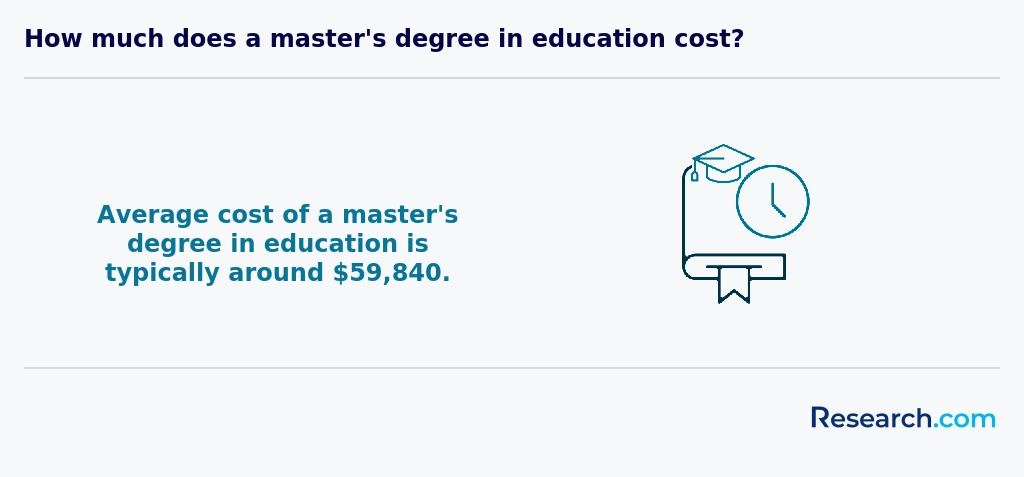
When evaluating an online master’s in education in Arizona, it’s crucial to weigh the total investment against long-term earning potential and career growth. On average, in-state tuition for Arizona public universities sits around $9,750 per year, while out-of-state rates can reach $27,457. Factoring in additional costs-technology fees, textbooks, and living expenses-your total investment may range from $25,000 to $40,000 over two years. With graduates reporting starting salaries between $40,000 and $50,000 and mid-career earnings surpassing $70,000, many see a payback period of just 2–4 years. Beyond raw numbers, ROI also involves career advancement. Alumni often move into high-earning administrative roles-principals, instructional coordinators, and educational consultants-within 5–7 years post-graduation. These positions can command salaries from $60,000 up to $90,000, underscoring the value of specialized leadership training included in many Arizona programs. When comparing program value, don’t overlook affordability: for students prioritizing cost, explore the Cheapest Online Education Degree Programs Ranking in North Carolina to benchmark tuition and debt levels nationwide. Additionally, consider non-monetary returns: flexible scheduling that reduces lost wages, digital literacy skills that enhance employability, and a robust alumni network that accelerates job placement. Together, these factors contribute to a comprehensive ROI-one that extends well beyond the classroom into sustained career growth and community impact.
What courses are typically in online education degree programs in Arizona?
Online education degree programs in Arizona typically include a diverse set of courses that equip students with essential skills for modern classrooms. Graduates from institutions like Arizona State University often highlight courses such as Educational Psychology, which deepens understanding of how students think and learn, providing a foundation for effective teaching.
Curriculum Design and Instruction courses are central, encouraging students to create engaging lesson plans tailored to varied learning styles. Many find the Assessment and Data Analysis courses particularly valuable, as they offer practical tools to measure student progress and improve outcomes.
Classroom Management training prepares students to foster positive, productive learning spaces, a challenge many online learners say they eagerly embraced when transitioning theory into practice locally. The growing focus on Educational Technology reflects the digital age, enabling graduates to confidently integrate new tools into their teaching.
Special Education courses and Educational Leadership and Policy studies prepare students for inclusive classrooms and administrative roles, respectively. Many graduates appreciate how these courses translate directly into impactful careers within Arizona's schools and educational systems.
What types of specializations are available in online education degree programs in Arizona?
Online education degree specializations in Arizona encompass a variety of focused areas designed to meet the needs of educators pursuing advanced careers. Graduates from institutions known for strong education programs often highlight specializations such as Curriculum and Instruction, which equips teachers with innovative strategies to enhance student learning. Educational Leadership prepares candidates for roles like school principals and district administrators, fostering impactful decision-making skills crucial for Arizona's growing school districts.
Special Education is especially sought after given Arizona's commitment to inclusive classrooms, addressing diverse learner needs. The ESL specialization holds particular significance in the state, supporting educators who work with Arizona's multilingual student population. School Counseling and Technology in Education also remain popular tracks, reflecting modern demands. Many students from renowned Arizona colleges appreciate the flexibility and relevance of their courses, enabling them to balance professional responsibilities while advancing their careers.
Candidates seeking program affordability often explore options among the affordable online degrees in education that maintain rigorous accreditation. This makes Arizona master's in education program options widely accessible and attractive to a broad range of learners.
How do you choose the best online education degree in Arizona?
Accreditation is the foremost criterion when selecting the best online education degree programs Arizona has to offer. Graduates from Arizona State University often emphasize how accreditation by bodies such as the Council for the Accreditation of Educator Preparation (CAEP) ensures their qualifications are widely recognized by employers and licensing boards, boosting career confidence.
Specialization is equally vital. Students pursuing an online master's in education frequently highlight the value of tailored tracks like educational leadership or special education, aligning studies with their unique career ambitions. Institutions like the University of Arizona provide diverse program options that fit various professional goals, enhancing both job satisfaction and practical skills.
Affordability remains crucial to many learners. Arizona's public universities typically offer in-state tuition that is significantly lower than the national average, making an affordable Arizona online master's in education achievable. For prospective students seeking cost-effective paths, the Cheapest Online Education Degree Programs Ranking in North Carolina can serve as a comparative resource to understand pricing trends nationally.
Strong student support and flexible scheduling deeply impact the learning experience. Arizona students juggling work and family commitments report that asynchronous courses and accessible faculty at institutions like Arizona State University enable them to thrive without sacrificing personal responsibilities.
What career paths are available for online education degree students in Arizona?
Graduates holding an online education degree in Arizona find diverse career paths tailored to their interests and goals. Many pursue licensure as K-12 teachers, addressing high demand in subjects such as math, science, and special education across the state. Completing an approved educator preparation program at prominent institutions equips them to meet certification requirements while balancing work and family commitments, a flexibility praised by recent graduates. Those interested in leadership roles advance into positions like instructional coordinators, school principals, or district administrators, shaping policies and improving outcomes in Arizona's school systems. The state's growing focus on educational technology also fosters opportunities in curriculum development and instructional design, with professionals creating innovative digital content for school districts and corporate training. Additionally, some graduates expand into counseling or educational psychology, supporting student well-being. Arizona residents benefit from accessible tuition rates and can explore options at online colleges that are nationally accredited, making these pathways achievable. These varied options highlight the beneficial impact of online education degree careers Arizona offers.
What is the job market for online education degree in Arizona?
The job market for graduates holding an online education degree in Arizona remains robust, driven by continuous growth in K-12 enrollment and statewide investment in education quality. Graduates of prominent universities and colleges in Arizona frequently find opportunities as certified K-12 teachers, instructional coordinators, and school administrators. The state's growing demand for qualified education professionals aligns well with online degree programs, offering flexibility to working adults seeking advancement.
Arizona employment opportunities for education graduates often include roles in special education and adult learning, where advanced degrees can lead to leadership positions and higher salaries. Many graduates recall balancing coursework with teaching assignments, emphasizing the practical benefits of online programs from institutions such as Arizona State University. These programs equip them to meet certification requirements efficiently while maintaining their career momentum.
For those evaluating cost and career returns, the affordability of online education degrees in Arizona combined with regional workforce needs makes continuing education an appealing path. Prospective students curious about advanced study options might explore what is the easiest phd to get online for options compatible with their schedules and financial plans.
Frequently Asked Questions About education
Online education degree students in Arizona can maximize their learning experience by developing strong time management skills. Balancing coursework with personal and professional responsibilities is essential for success in remote programs. Using tools like digital calendars and task managers helps students stay organized and meet deadlines.
Active participation in virtual discussions and group projects enhances understanding and builds connections with peers. Arizona students should also utilize university resources, such as online tutoring and academic advising, which many state schools offer.
According to the Arizona Board of Regents, institutions in the state have increased online support services by 25% since 2020 to help distance learners.
The education field is evolving rapidly, with several emerging niches gaining prominence in Arizona. One notable area is educational technology, which integrates digital tools to enhance learning experiences. With Arizona's commitment to expanding broadband access in rural schools, demand for specialists in this area is rising, as reported by the Arizona Department of Education.
Another growing niche is special education leadership, reflecting a statewide focus on improving services for students with disabilities. Data from the National Center for Education Statistics shows that Arizona's enrollment in special education programs increased by 5% over the past five years, signaling stronger job prospects in this area.
Additionally, culturally responsive teaching has become increasingly valued, considering Arizona's diverse student population. Experts recommend that educators skilled in these approaches are crucial for fostering inclusive classrooms and equitable outcomes.
Preparing for the job market after earning an online education degree in Arizona involves several critical steps. Graduates should begin by gaining relevant teaching certifications, as Arizona requires state certification for many education positions. According to the Arizona Department of Education, completing a thorough preparation program and passing required exams such as the Arizona Educator Proficiency Assessments is essential.
Networking is also crucial. Joining local education associations like the Arizona Education Association can connect graduates with job openings and mentorship opportunities. Additionally, practical experience through student teaching or internships significantly enhances employability.
Understanding Arizona's job trends is beneficial. The U.S. Bureau of Labor Statistics projects a 7% growth in Arizona's education sector through 2030, with increased demand for specialized roles in special education and STEM fields.
Finally, tailoring resumes to highlight technology proficiency and experience in online learning environments can help graduates stand out in Arizona's increasingly digital education landscape.
Employers in Arizona prioritize several key skills when hiring graduates with education degrees. Strong communication abilities top the list, enabling teachers to engage effectively with students, parents, and colleagues. Arizona school districts also emphasize classroom management skills, essential for fostering a positive learning environment. Data from the Arizona Department of Education highlights the growing importance of technological proficiency, especially as digital tools become integral to instruction. Additionally, critical thinking and adaptability are valued, preparing educators to meet diverse student needs. Finally, cultural competency is crucial in Arizona's diverse classrooms, helping educators address varied backgrounds respectfully and inclusively.
Finding internships in Arizona relevant to an education degree involves several strategic steps. Many Arizona universities, such as Arizona State University, offer career centers that connect students with local school districts and educational organizations for internships. According to the Arizona Department of Education, internships provide crucial hands-on experience and often lead to licensure opportunities in teaching.
Students should also explore online platforms like Handshake and the Arizona Education Association, which list education-related internships across the state. Networking with local teachers and attending education job fairs in Arizona can enhance internship prospects. Engaging early with school districts often results in better placement options.
An online education degree in Arizona can significantly enhance career mobility and advancement opportunities. According to the Arizona Department of Education, educators with advanced degrees often qualify for higher salary scales and leadership roles within schools. Many districts recognize online degrees, provided the institution is regionally accredited. This flexibility allows working professionals to advance their qualifications without relocating.
Moreover, the Bureau of Labor Statistics notes that jobs for education administrators in Arizona are projected to grow by 8% from 2022 to 2032. Holding an online master's degree in education can position candidates for these growing roles. Additionally, online programs often emphasize current educational technologies and strategies, which increases graduates' competitiveness in the local job market.
Studying for an education degree in Arizona equips students with skills that extend beyond traditional teaching roles. Many programs emphasize interdisciplinary approaches, integrating knowledge from psychology, technology, and management to prepare graduates for diverse educational settings. According to the Arizona Board of Regents, online education degrees often include coursework on curriculum design, leadership, and cultural competence, fostering adaptability.
Arizona's diverse student population encourages future educators to engage with multiple disciplines to address varied learning needs. The demand for professionals comfortable in interdisciplinary collaboration is growing, particularly in special education and educational technology fields.
These programs prepare graduates to work effectively in schools, community organizations, and policy environments, supporting a broad range of educational goals.
When choosing between a thesis and a non-thesis online education degree program in Arizona, students should consider their career goals and learning preferences. Thesis programs typically involve substantial research, preparing students for doctoral studies or research-oriented roles. Non-thesis programs focus more on practical skills and coursework, appealing to those aiming for leadership or administrative positions in education.
Arizona's universities offer both paths, with non-thesis options being more common for working professionals seeking flexibility. According to the Arizona Commission for Postsecondary Education, about 60% of online master's students prefer non-thesis tracks for quicker completion. Understanding program requirements and post-graduation plans helps students select the best fit for their professional growth.
Students based in Arizona interested in studying education abroad have several accessible paths through online programs affiliated with U.S. institutions. Many Arizona universities partner with international schools or offer global immersion components as part of their online education degrees, allowing students to gain cross-cultural experience without relocating permanently.
The Arizona Board of Regents supports various exchange and study abroad programs, facilitating credit transfers for international coursework. Additionally, organizations like the Institute of International Education report that approximately 3% of Arizona college students engage in study abroad each year, reflecting growing interest in global education perspectives.
Online master's programs in education often include opportunities for virtual international collaboration, which can satisfy some experiential requirements while accommodating Arizona students' schedules. This hybrid approach is increasingly popular as it blends distance learning with international exposure.
In Arizona, part-time jobs that complement education degrees offer valuable practical experience alongside academic studies. Positions such as teacher assistants, substitute teachers, and after-school program facilitators are popular choices. These roles allow aspiring educators to apply theory in real classroom settings and enhance their teaching skills.
According to the Arizona Department of Education, the demand for qualified teacher assistants is expected to grow by 5% through 2028. Additionally, many school districts hire substitute teachers on a flexible basis, providing income while gaining classroom management experience.
Employment in tutoring or educational support services is also common. These opportunities strengthen understanding of student needs and curriculum design.
Online education students in Arizona have several networking opportunities that help build professional connections despite the virtual format. Many universities offer virtual career fairs and webinars, allowing students to engage with education professionals statewide. For example, Arizona State University hosts online events connecting education students with alumni and potential employers.
Additionally, membership in professional organizations like the Arizona Education Association provides access to local networking events and resources. Students can also join online forums and social media groups focused on education careers in Arizona. According to the Arizona Board of Regents, these platforms significantly enhance the professional growth of online students.
Alumni networks provide significant benefits for online education degree students in Arizona. These networks create opportunities for mentorship, professional growth, and job connections within the local education community. According to the Arizona Board of Regents, graduates from Arizona institutions often find career support through active alumni groups that host events and share job openings.
Engaging with alumni can lead to collaborations on educational projects and access to valuable advice from experienced educators. Networking through these groups can increase employment prospects, particularly in Arizona's growing school districts and educational organizations. Alumni connections often enhance leadership skills and knowledge sharing in this field.
Customizing an online education degree program in Arizona allows students to align their studies with specific career goals in teaching, administration, or counseling. Many Arizona universities offer flexible curricula featuring elective courses, concentrations, and certification options. For example, Arizona State University provides pathways in special education, educational leadership, and curriculum design, which can be tailored based on a student's interests.
Students should review program requirements and consult academic advisors to select courses that enhance skills relevant to their desired profession. Incorporating practicum or internship experiences within Arizona schools further strengthens practical knowledge. According to the Arizona Board of Regents, personalized program structures support diverse career outcomes.
Students pursuing online education degrees in Arizona often encounter several challenges that can affect their learning experience. A common difficulty is maintaining consistent access to reliable internet, especially in rural areas where connectivity can be limited, as reported by the Arizona Department of Education. This can hinder participation in live lectures and timely submission of assignments.
Many students also face time management issues, balancing coursework with work and family responsibilities. According to a 2023 report by the National Center for Education Statistics, about 40% of Arizona's online learners juggle full-time jobs alongside their studies.
Another challenge is the feeling of isolation due to limited peer interaction, which can impact motivation and engagement. Additionally, some students struggle with adapting to technology platforms used by universities, highlighting the need for stronger technical support services.
With an online education degree in Arizona, you can pursue several professional certifications to advance your career. Common options include Arizona's Elementary or Secondary Education teaching certifications, which allow graduates to work in public and charter schools. These certifications require passing the Arizona Educator Proficiency Assessments (AEPA).
Additionally, specialized endorsements such as Special Education, English as a Second Language (ESL), or School Counseling can be pursued with supplementary coursework and exams.
For those focused on leadership, the Arizona Department of Education offers certifications in Educational Administration and Principalship, essential for school leadership roles.
Each of these certifications aligns with the state's rigorous standards detailed by the Arizona Department of Education website.
Writing a winning application for an online education program in Arizona requires clear focus and preparation. Start by carefully researching programs accredited by the Arizona State Board for Private Postsecondary Education or recognized regional accreditors. Accreditation ensures quality and eligibility for federal aid. Emphasize your relevant experience in education or leadership, as programs often seek candidates with practical skills. Highlight your goals and how the degree will support your career growth, especially addressing Arizona's education needs, such as increasing teacher retention in rural areas, noted by the Arizona Department of Education.
Strong letters of recommendation from supervisors or educators familiar with your work add value. Ensure your personal statement is concise and free of errors; use it to demonstrate your commitment to advancing education in Arizona communities. Lastly, meet all deadlines and submit all required documents promptly, as this reflects professionalism and readiness for graduate study.
Careers in education are valued worldwide for their role in shaping societies. In the United States, including Arizona, teaching professions remain critical amid ongoing demands for qualified educators. According to the Arizona Department of Education, the state anticipates a steady growth of 8% in education jobs through 2030, reflecting a national trend of expanding educational opportunities.
Globally, education careers are often seen as essential for economic and social development. Many countries emphasize advanced degrees for educators to ensure higher quality teaching. In the U.S., a master's degree in education, particularly online programs accessible in Arizona, aligns well with these international standards.
Selected institutions in Arizona offer accredited online education degrees, making advanced study convenient for working professionals. This flexibility supports the global push for lifelong learning and continuous professional development among educators.
Students pursuing an online education degree in Arizona can gain practical experience through several pathways even while studying remotely. Many programs include student teaching or practicum components, often arranged with local schools across Arizona. According to the Arizona Department of Education, these placements allow candidates to work directly with students under licensed teacher supervision.
Additionally, internships or volunteer opportunities in educational organizations provide hands-on experience in diverse settings. Online learners can also engage in virtual simulations or collaborative projects, which some Arizona universities integrate to enhance applied skills. Leveraging Arizona's strong network of public and charter schools is a key resource for practical training during online studies.
Choosing the right concentration within an online education degree in Arizona depends on your career goals and interests. Popular concentrations include curriculum design, special education, and educational leadership, each aligning with specific professional paths. For example, Arizona's demand for special education teachers is rising, with the Department of Education estimating a 12% growth by 2028.
Consider the concentration's relevance to Arizona's public school needs and certification requirements. Some programs offer pathways toward state licensure, which is essential for teaching roles.
Reviewing job market trends and Arizona-specific salary data from the Bureau of Labor Statistics can also help ensure your choice supports long-term career growth.
Related Education Rankings for Nearby States
- 2027 Most Valuable Online Master's in Education Degree Programs Ranking in California
- 2027 Most Valuable Online Master's in Education Degree Programs Ranking in Colorado
- 2027 Most Valuable Online Master's in Education Degree Programs Ranking in Texas
- 2027 Most Valuable Online Master's in Education Degree Programs Ranking in Kansas
- 2027 Most Valuable Online Master's in Education Degree Programs Ranking in South Dakota
- 2027 Most Valuable Online Master's in Education Degree Programs Ranking in Missouri
- 2027 Most Valuable Online Master's in Education Degree Programs Ranking in Iowa
- 2027 Most Valuable Online Master's in Education Degree Programs Ranking in Minnesota
- 2027 Most Valuable Online Master's in Education Degree Programs Ranking in Wisconsin
- 2027 Most Valuable Online Master's in Education Degree Programs Ranking in Illinois
Top Trending Education Rankings
See What Experts Have To Say About Studying Education
Read our interview with Education experts

Alan J. Singer
Education Expert
Professor of Teaching, Learning and Technology
Hofstra University

Nooshan Ashtari
Education Expert
Professor & Book Author
University of Southern California

References
- Online Teaching Jobs | Elevate K-12 https://www.elevatek12.com/online-teaching-jobs/
- Online Colleges in Arizona | OnlineColleges.net https://www.onlinecolleges.net/arizona/
- The Ripple Effect of Education: How Acacia University Empowers Teachers to Inspire Beyond the Classroom - Acacia https://acacia.edu/blog/the-ripple-effect-of-education-how-acacia-university-empowers-teachers-to-inspire-beyond-the-classroom/
- Can Higher Education Improve Long-Term Career Success https://studysphereadvisors.com/how-higher-education-influences-long-term-career-growth/
- Online Degree vs. Traditional | University of Arkansas Grantham https://www.uagrantham.edu/blog/pros-cons-online-degree-vs-traditional-university/
- Education Study Abroad Programs | Go Overseas https://www.gooverseas.com/study-abroad/education
- Teaching Job Roles | Teach For Life https://www.teachforlife.com/teachingjobs/global-perspectives-teacher
- 5 Tips on Choosing the Right Course or Study Program - Edunation https://www.edunation.co/5-tips-on-choosing-the-right-course-or-study-program/
- 10 Reasons Why Education Helps to Advance Your Career - Insight Training https://insight.edu.au/blog/career-advancement-through-education/
- Is a thesis always mandatory in a master's degree program? - EFMU: The Euler-Franeker Memorial University and Institute https://euler.euclid.int/is-a-thesis-always-mandatory-in-masters-degree-program/


