
2027 Most Valuable Online Education Degree Programs Ranking in Virginia

Co-Founder and Chief Data Scientist
Choosing the right education degree program can feel overwhelming, especially with so many options available online. To help Virginia students make informed decisions, this article presents the 2027 Most Valuable Online Education Degree Programs Ranking in Virginia created by the Research.com team of data scientists.
This ranking highlights programs that offer strong career potential and meaningful learning experiences. By exploring this guide, you'll discover which education degrees are truly worth considering as you plan your future.
Investing in an education degree is a powerful step toward making a positive impact and opening new opportunities. Let this article support your journey toward success.
Key benefits of getting online education degree in Virginia
- Salary for education graduates in Virginia can be rewarding, with Special Education Teachers earning around $76,000 annually and Instructional Designers making approximately $77,200, reflecting strong financial potential in this field.
- Graduates from popular Virginia universities often explore diverse career paths like Elementary School Teacher, ESL Teacher, or Early Childhood Educator, enjoying supportive communities and local job opportunities.
- Online education degrees offer flexible schedules and convenient learning, enabling students to balance work and studies effectively, as demonstrated by successful graduates from well-known Virginia colleges.
- Key benefits of getting online education degree in Virginia
- What can I expect from online education degree in Virginia?
- Where can I work with online education degree in Virginia?
- How much can I make with online education degree in Virginia?
- 2027 Most Valuable Online Education Degree Programs Ranking in Virginia
- Key Findings
- How long does it take to complete online education degree in Virginia?
- Accreditation and Credit Transfer
- What's the difference between online and on-campus education degree?
- Tips for Maximizing Your Online Learning Experience
- What is the average cost of online education degree in Virginia?
- Top Ranked Online Education Programs in Virginia
- What financial aid is available to online education degree students in Virginia?
- Finding Affordable Education Options in Virginia
- What are the prerequisites for enrolling in online education degree program in Virginia?
- Accreditation and Quality Assurance
- What courses are typically in online education degree programs in Virginia?
- What types of specializations are available in online education degree programs in Virginia?
- How do you choose the best online education degree in Virginia?
- What career paths are available for online education degree students in Virginia?
- What is the job market for online education degree in Virginia?
- Related Education Rankings for Nearby States
- Top Trending Education Rankings
- See What Experts Have To Say About Studying Education
What can I expect from online education degree in Virginia?
The average cost of an online education degree in Virginia typically falls between $400 and $700 per credit hour at public universities, making it accessible for many aspiring educators. Graduates from schools like Old Dominion University often share how this pricing enabled them to balance work and study without overwhelming financial stress. Many find the tuition reasonable compared to nationwide averages, appreciating that in-state rates significantly reduce expenses.
Financial aid and scholarships targeted at education students further ease the burden, creating opportunities to focus on learning rather than finances. Imagine a teacher in Richmond using these resources to advance toward a master's degree while maintaining a full classroom schedule-this flexibility sparks motivation and a sense of achievement.
As online offerings evolve, Virginia's established universities continue to invest in affordable, high-quality programs that align with licensure requirements. Future trends may bring even more competitive pricing and payment plans, helping more students embark on their educational careers with confidence.
Where can I work with online education degree in Virginia?
Graduates from online education programs at respected Virginia institutions often step into dynamic roles within both public and private sectors. Many find rewarding careers as licensed K-12 teachers in public schools governed by the Virginia Department of Education, fueled by the state's projected growth of over 8,000 teaching positions through 2032. These graduates frequently share stories of serving vibrant classrooms in Fairfax or Arlington, where competitive salaries and diverse student needs foster professional fulfillment.
Beyond teaching, some graduates transition into educational administration-working as counselors, curriculum designers, or instructional coordinators-roles that align well with skills gained from their online studies and draw on Virginia's commitment to innovative teaching methods. Examples include those employed by Northern Virginia school districts, where technology integration is prioritized to enhance learning outcomes.
Others embrace emerging opportunities in virtual education and nonprofits emphasizing digital learning and literacy. Graduates appreciate that their degree equips them for roles at organizations like the Virginia Virtual Academy or youth-focused agencies, enabling them to impact communities in new and meaningful ways.
How much can I make with online education degree in Virginia?
Graduates with an online education degree from Virginia universities often find promising salary opportunities aligned with their chosen roles. For instance, elementary school teachers in Virginia earn a mean annual wage of about $70,740, reflecting growing demand across public schools near institutions like James Madison University. Special education teachers stand to earn even more, around $76,000 annually, which is encouraging for those passionate about impactful roles in inclusive classrooms.
Those pursuing instructional design-an emerging field for education grads-can expect salaries near $77,200. This path suits graduates from programs such as the University of Virginia's online education offerings, blending technology and curriculum development with competitive pay.
Meanwhile, English as a Second Language (ESL) teachers earn approximately $65,430 yearly, a satisfying return for graduates working with Virginia's diverse student populations. Early childhood educators, often starting their careers with online degrees, earn about $41,410 on average, a solid foundation for future growth.
One graduate's journey from online coursework at George Mason University to securing a $75,000 instructional design role demonstrates the real possibilities online education degrees unlock in Virginia's evolving education landscape.
2027 Most Valuable Online Education Degree Programs Ranking in Virginia
How do we rank schools?
Investing in your education is a significant decision that can shape your future, and the Research.com team understands the importance of making informed choices. To assist prospective students in Virginia, we have meticulously crafted the "2027 Most Valuable Online Education Degree Programs Ranking in Virginia." Our commitment to quality, credibility, and accuracy is reflected in the extensive research and analysis conducted to compile this ranking.
We utilized the following reputable data sources to ensure a comprehensive evaluation of education programs:
By exploring this ranking, readers will gain valuable insights into the most valuable online education degree programs available in Virginia, empowering them to make well-informed decisions about their educational investments. For more information about how this ranking was created, please visit our Research.com methodology page.




Key Findings
- Tuition for public in-state online education programs in Virginia ranges from $8,000 to $15,000 per year, while private institutions charge between $20,000 and $35,000 annually.
- Graduates typically start with salaries around $40,000 to $45,000 depending on certification and location.
- Mid-career educators and those in administrative roles can earn between $60,000 and $80,000 annually.
- Virginia expects 5% to 7% job growth in education over the next decade, especially in rural and underserved areas.
- Many online programs include teacher licensure preparation and support for passing Praxis exams needed for certification.
How long does it take to complete online education degree in Virginia?
Completing an online education degree in Virginia often depends on how students balance their commitments and take advantage of program options. Graduates from well-known schools like James Madison University or Old Dominion University often share how accelerated tracks enabled them to finish a bachelor's degree in just three years by transferring credits and enrolling year-round. This flexibility suits busy professionals eager to advance without compromising income or family time.
Many Virginia students pursuing a master's in education report completing their programs within two years of full-time study. For example, those at the University of Virginia appreciate part-time options that extend duration to three years, allowing steady progress alongside careers. One graduate described feeling empowered by online practicum options integrated into their coursework, which enriched their learning while fitting their schedules.
Looking ahead, as more Virginia institutions enhance digital tools and offer customized pacing, online education degrees may become even more accessible and quicker to complete-especially for motivated learners who want to transform their futures efficiently.
Accreditation and Credit Transfer
When evaluating an online education degree program in Virginia, ensuring regional accreditation is essential for guaranteeing the quality of your education and the transferability of credits. Accredited institutions have met rigorous standards set by recognized agencies such as the Southern Association of Colleges and Schools Commission on Colleges (SACSCOC), which not only validates your degree for employers but also qualifies you for federal financial aid. Before enrolling, verify a program’s accreditation status through the U.S. Department of Education’s Database of Accredited Postsecondary Institutions and Programs to avoid unexpected roadblocks in licensure or graduate studies. Credit transfer policies vary by institution, so it’s crucial to review articulation agreements and residency requirements up front. Many Virginia universities accept credits from community colleges and other accredited schools, allowing you to accelerate your degree completion. If you’re considering options beyond the state, you might explore our Low Cost Online Education Degree Programs Ranking in Indiana for insight into affordable, accredited pathways that can supplement your Virginia coursework. Additionally, programs with transfer-friendly policies often provide dedicated advisors to guide you through the evaluation of previous coursework and to map out your academic plan. Taking advantage of these support services can save time and money by preventing unnecessary duplicate coursework. Ultimately, confirming both accreditation and credit transferability upfront ensures a seamless educational journey and maximizes the return on your investment.
What's the difference between online and on-campus education degree?
Graduates from Virginia's well-known institutions, such as the University of Virginia and James Madison University, often describe the shift between on-campus and online education degrees as a transition from traditional immersion to flexible autonomy. On-campus students share lively classroom debates and spontaneous study sessions in libraries, creating bonds that shape their educational journey. By contrast, online learners at schools like Old Dominion University appreciate crafting their schedules around work and family, tapping into vibrant virtual communities and resources.
Looking ahead, this evolving landscape hints at blended models where campus hubs might integrate more immersive digital tools, making remote interaction feel as immediate as face-to-face. Imagine attending a virtual practicum for your teaching license while benefiting from local campus mentorship in Virginia's community colleges. Such hybrid options will likely narrow the emotional gap graduates currently feel between virtual convenience and tangible campus camaraderie.
Both paths share accredited curriculum standards regulated by SACSCOC, ensuring that no matter the format, Virginia education degrees empower students to succeed in diverse classroom settings. Excitement builds as technology enhances personalized learning, preparing future educators for a dynamic world.
Tips for Maximizing Your Online Learning Experience
Embarking on an online education journey requires not only choosing the right program but also adopting effective strategies to thrive in a virtual learning environment. Successful online students recommend establishing a dedicated study area, developing a consistent schedule, and utilizing available digital tools to stay organized and motivated. In addition, actively engaging in virtual discussions and networking with peers and faculty can bridge the gap created by the lack of physical classroom interactions. Aspiring educators who opt for innovative programs, such as a list of short doctor of education online degrees, often report enhanced time management skills and improved learning outcomes. Furthermore, taking advantage of university-provided academic support services-like tutoring, career counseling, and technical assistance-can significantly boost both your academic performance and professional readiness. Adopting these proactive strategies not only ensures a more efficient study routine but also enriches the overall online learning experience, preparing you for a successful future in education.
What is the average cost of online education degree in Virginia?
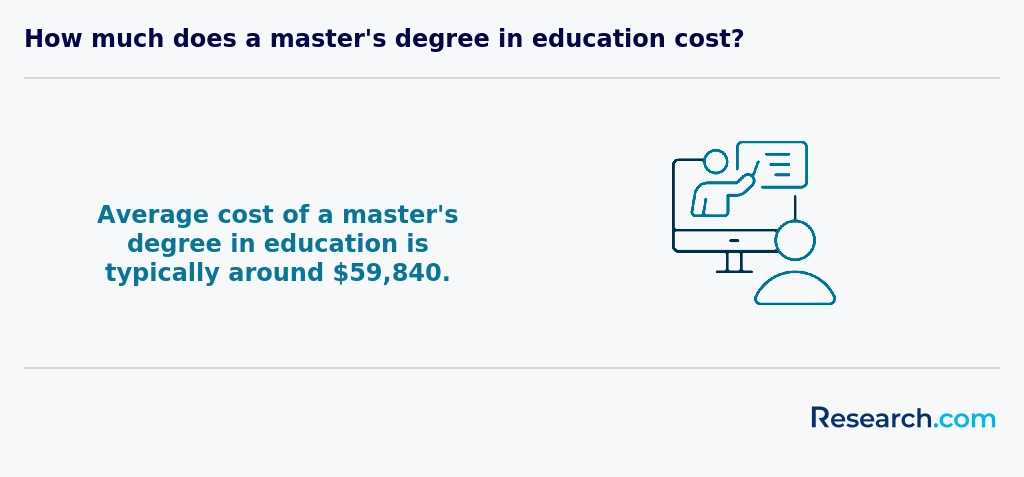
The average cost of an online education degree in Virginia varies significantly based on residency and institution type, with in-state students typically paying around $22,591 for the entire program. Graduates from well-known Virginia public universities often share how this affordability made pursuing their education degrees online both manageable and rewarding. These schools offer degrees that blend academic rigor with flexible schedules, creating an encouraging environment that helps students balance work, family, and study.
Out-of-state students face higher costs, often totaling near $33,759 for their education degrees, reflecting the premium associated with non-resident tuition fees at public universities. Private institutions can push costs even higher but sometimes provide scholarships specifically for online learners, easing the financial burden in unexpected ways. Reflecting on personal stories, many graduates mention how these financial aids and grants gave them hope and motivation during tough economic times.
Virginia's online education degree tuition fees are shaped by factors like credit hour costs and program length - typically ranging from bachelor's to master's degrees - with total expenses mirroring the state's commitment to affordability and quality. Considering these realities, potential students might find it useful to explore detailed listings and real-time data about programs, such as the most affordable education schools in Virginia, which highlight emerging options that combine economic value with academic excellence.
Top Ranked Online Education Programs in Virginia
To help you pinpoint the most valuable options for 2024, here are the top five online education degree programs in Virginia, ranked by our comprehensive methodology: 1. University of Virginia – M.Ed. in Curriculum & Instruction • Accredited by the Virginia Department of Education • Average net tuition: $16,200/year • Median alumni salary: $72,500 • Features synchronous seminars and personalized mentorship 2. George Mason University – M.Ed. in Instructional Design & Technology • CAEP-accredited program with a 95% graduation rate • Average net tuition: $14,750/year • Median alumni salary: $73,080 • Emphasis on hands-on digital learning projects 3. Old Dominion University – M.Ed. in Educational Leadership • VDOE-approved for initial school leadership licensure • Average net tuition: $13,900/year • Median alumni salary: $78,200 • Includes an on-campus residency experience 4. James Madison University – M.A.Ed. in Elementary Education • Recognized for its flexible, accelerated track • Average net tuition: $15,400/year • Median alumni salary: $58,300 • Offers cohort-based peer support and virtual internships 5. Virginia Commonwealth University – M.Ed. in Special Education • Council for Exceptional Children accreditation • Average net tuition: $12,850/year • Median alumni salary: $65,900 • Integrates evidence-based intervention strategies For students comparing cost-effective programs beyond Virginia, explore our Low Cost Online Education Degree Programs Ranking in Indiana.
What financial aid is available to online education degree students in Virginia?
Students pursuing online education degrees in Virginia often find relief through federal aid programs like Pell Grants, which offer up to $7,395 annually without repayment, and Direct Subsidized Loans where interest is waived during enrollment. Graduates from institutions such as Old Dominion University have shared how these resources eased their financial stress, allowing them to focus more on coursework and less on bills.
State-level support also plays a crucial role, notably through the Virginia Tuition Assistance Grant (VTAG). This grant, favored by many attending private nonprofit colleges online, can slash tuition costs by thousands each year, making advanced degrees more accessible. Attendees of James Madison University often highlight this aid as a game-changer in their journey toward teaching careers.
Looking ahead, emerging trends suggest an increase in employer tuition reimbursement programs within Virginia's school districts, reinforcing education workforce development. Combined with loan forgiveness initiatives for educators in high-need areas, these financial options create a hopeful path for future online learners in education fields, ensuring both affordability and opportunity.
Finding Affordable Education Options in Virginia
To enhance their educational journey, prospective students in Virginia should also consider the affordability of online education degree programs. Exploring options that balance quality education with financial feasibility is crucial. For those interested in pursuing higher education in Virginia without breaking the bank, researching the most affordable education schools in Virginia can provide valuable insights. This approach allows students to make informed decisions about their educational paths, ensuring that they can achieve their goals without accumulating excessive debt. By prioritizing affordability and quality, students can set themselves up for success in their future careers.
What are the prerequisites for enrolling in online education degree program in Virginia?
Enrolling in an online education degree in Virginia increasingly hinges on meeting both traditional and evolving prerequisites tailored to today's learners. Graduates from institutions like James Madison University often recall the reassurance they felt submitting their high school diplomas or GEDs as a baseline requirement, knowing these credentials linked them to a strong foundation recognized statewide.
For bachelor's programs, many students found themselves navigating decisions around submitting SAT or ACT scores, with some campuses now offering test-optional paths-a flexibility reflecting an educational landscape reshaped by recent events. Such shifts provide hopeful candidates greater confidence to apply without the pressure of standardized exams.
Graduate applicants, especially at schools like Old Dominion University, typically share stories of meeting GPA thresholds near 3.0 and presenting compelling personal statements. These glimpses into their motivations often sparked enthusiasm among admission committees, fostering a sense of purpose and readiness.
- Professional experience or prior teaching certifications enhance candidacy, especially for specialized tracks.
- Letters of recommendation serve as heartfelt endorsements from mentors who witnessed applicants' dedication firsthand.
- Criminal background checks ensure a safe learning environment, reflecting Virginia's commitment to ethical teaching standards.
Prospective students envision themselves confidently navigating these prerequisites, supported by transparent information from Virginia's dynamic institutions and education policies.

Accreditation and Quality Assurance
Accreditation is a non-negotiable mark of quality when evaluating online education degree programs in Virginia. Regionally accredited institutions-such as those approved by the Southern Association of Colleges and Schools Commission on Colleges (SACSCOC)-ensure that credits transfer smoothly and that employers recognize your credential. Additionally, programmatic accreditation by bodies like the Council for the Accreditation of Educator Preparation (CAEP) or the National Council for Accreditation of Teacher Education (NCATE) signals that a program meets rigorous standards specific to teacher preparation. Before applying, verify accreditation status via the U.S. Department of Education’s Database of Accredited Postsecondary Institutions and Programs or the Council for Higher Education Accreditation (CHEA). Look for statements on institutional websites that confirm both regional and programmatic accreditation. Accredited programs must undergo regular review cycles, demonstrating continuous improvement in curriculum design, faculty qualifications, student outcomes, and support services. While accreditation safeguards quality and federal financial aid eligibility, cost remains a key decision factor. For a comparative look at accredited, budget-friendly options beyond Virginia, check out our Low Cost Online Education Degree Programs Ranking in Indiana. Choosing an accredited, cost-effective program helps ensure both academic integrity and return on investment in your teaching career.
What courses are typically in online education degree programs in Virginia?
Online education degrees in Virginia typically include courses like Educational Psychology, Curriculum Development, and Classroom Management that prepare students for real classroom challenges. Graduates from popular schools such as Liberty University or Old Dominion University often share how learning Classroom Management online helped them confidently handle diverse student behaviors during their local student teaching experiences.
Courses on Instructional Technology are increasingly vital, as many graduates recall using these skills to design engaging virtual lessons that capture students' attention. Assessment and Evaluation classes teach future educators how to measure student progress effectively, a crucial skill when balancing remote and in-person instruction.
Specialized courses tailored to fields like ESL or special education reflect Virginia's diverse student population, enabling graduates to feel empowered working with learners of different backgrounds. The flexibility of these programs lets students manage family and work commitments while gaining hands-on experience near home, fostering a strong sense of accomplishment and readiness for Virginia's classrooms.
What types of specializations are available in online education degree programs in Virginia?
Online education degree specializations Virginia typically include dynamic fields like Elementary Education, Secondary Education with subject-area focuses, and Special Education, reflecting the evolving demands of classroom diversity and technology integration. Graduates from popular Virginia colleges often share how these programs helped them confidently navigate licensure requirements and hands-on practicum experiences, making real-world teaching both effective and rewarding.
Virginia online teaching degree options also embrace forward-looking areas such as Educational Administration and Leadership, preparing students to become innovative school principals or district leaders who influence policy and school culture. Instructional Technology, another specialization, equips educators to harness digital tools creatively, a skill highly prized amid rapidly changing education landscapes.
Students pursuing these degrees often remark on flexible pacing that fits their busy lives, especially in well-known Virginia universities. To explore accelerated paths in education, many consider programs featured in the list of short doctor of education online degrees, advancing their careers with efficiency and purpose.
How do you choose the best online education degree in Virginia?
Choosing the best online education degree in Virginia starts with considering program accreditation and flexibility. Graduates from well-regarded Virginia colleges often share how regional accreditation ensured their degree was respected by local school districts, giving them confidence in their career path. Since many learners juggle work and family, programs offering asynchronous classes and clear timelines help maintain motivation, especially for those balancing parenting or jobs. Affordable education degree programs Virginia provide options tailored to different budgets; some graduates express relief finding universities with reduced online tuition or flexible payment plans.
Success factors like preparation for Virginia's Praxis exams and opportunities for local student teaching make a real difference. Personal stories from graduates highlight how programs with strong professional affiliations and local internship options made transitioning to teaching roles smoother and more rewarding. For those curious about cost-effective online options, exploring rankings like the Low Cost Online Education Degree Programs Ranking in Indiana can inspire ideas on affordability in Virginia. Aligning your goals with a program specializing in areas such as special education or leadership can truly enhance your future impact as an educator.

What career paths are available for online education degree students in Virginia?
Graduates pursuing an online education degree in Virginia find diverse opportunities ranging from becoming licensed K-12 teachers to educational administrators. Many alumni from well-known Virginia institutions describe feeling empowered as they transition into teaching roles where specialized subjects such as mathematics and special education are in particularly high demand. This growth opens satisfying career options that align closely with personal passions and the state's workforce needs.
Others embark on leadership paths in schools, advancing toward positions like principals or instructional coordinators. These roles often require a master's degree, commonly achievable through flexible online programs, enabling professionals to balance work and study seamlessly. Graduates frequently share experiences of developing practical skills in curriculum design and educational policy, helping shape future generations.
Additional career paths emphasize counseling and special education, fields offering deeply rewarding work that supports students' unique needs. These roles highlight the importance of certifications accessible via online education degree career options Virginia offers today. For those curious about how to maximize earning potential alongside passion, exploring the best money making majors can provide valuable insight into strategic career planning.
What is the job market for online education degree in Virginia?
The job market for online education degree graduates in Virginia is increasingly promising, backed by steady demand in K-12 schools and rising initiatives in special education and STEM fields. Graduates from well-known Virginia institutions often share how online programs have equipped them with flexible yet rigorous training, readying them for roles in classrooms or educational technology departments. This positive outlook reflects the broader Virginia online education degree employment opportunities, where digital fluency and updated teaching methods open doors beyond traditional teaching.
Many graduates find roles not only as educators but also in curriculum development or school administration, showing the value of versatile online education degrees. A graduate from a popular Virginia college recently expressed excitement about joining a local district that values teachers trained with digital tools, highlighting how the blend of theory and practice in online programs aligns well with modern classrooms. Pricing transparency and affordability help reduce student debt, making these paths even more appealing.
With competitive salaries near $60,000 for secondary educators and state licensure recognizing accredited online degrees, ongoing enrollment growth suggests that those considering this career should also explore what masters degree makes the most money to maximize future options. Overall, the online education degree job outlook Virginia favors graduates ready to adapt and lead in evolving educational settings.
Frequently Asked Questions About education
Online education degree students in Virginia can maximize their learning experience by actively engaging in virtual classrooms and utilizing available resources. Many Virginia institutions, such as the University of Virginia and Virginia Commonwealth University, offer robust online platforms with live sessions, discussion boards, and multimedia materials. Research from the Virginia Department of Education emphasizes that consistent communication with instructors enhances student performance by up to 20%.
Time management is critical; setting a regular study schedule helps balance coursework with personal and professional responsibilities. Additionally, students should leverage tutoring services and virtual libraries, which Virginia's public universities provide extensively. Networking through student groups and online forums also supports collaborative learning and career development.
Emerging niches within Virginia's education field reflect broader trends in the US but also highlight local demands. Online degrees focusing on special education are growing rapidly due to Virginia's increasing investment in inclusive classrooms. According to the Virginia Department of Education, nearly 15% of K-12 students receive special education services, creating demand for qualified teachers.
Another key niche is educational technology. Programs teaching how to integrate digital tools are expanding as Virginia schools modernize. The sector expects a 10% growth through 2030, per the U.S. Bureau of Labor Statistics.
Additionally, English as a Second Language (ESL) education is vital given Virginia's diverse and growing immigrant communities. Online degrees prepare educators to meet these needs with specialized skills. Focus areas such as curriculum design and literacy development are increasingly popular.
After earning an online education degree in Virginia, effective job market preparation is crucial. Graduates should begin by updating their resumes to highlight relevant skills and online learning experiences. Networking remains essential; joining Virginia-based educator associations or attending virtual job fairs can connect graduates with local schools and districts. According to the Virginia Department of Education, teacher vacancies have increased by 8% recently, signaling growing opportunities.
Internships and substitute teaching roles help gain practical experience. Additionally, obtaining Virginia licensure or endorsements, guided by the Virginia Board of Education, enhances hireability. Familiarity with Virginia's testing requirements, such as the Praxis exams, also prepares graduates for credentialing.
Employers in Virginia prioritize several key skills when hiring graduates with education degrees. Among the most valued are strong classroom management abilities, which directly impact student engagement and learning outcomes. According to the Virginia Department of Education, effective communication skills are essential for teachers to collaborate with students, parents, and colleagues.
Critical thinking and problem-solving skills are also highly sought after, enabling educators to adapt lesson plans to diverse learning needs. Data from the National Center for Education Statistics (NCES) shows that technology integration skills are increasingly important, especially for those pursuing online education degrees. Additionally, cultural competence and an understanding of Virginia's diverse student population significantly enhance employability.
Finding internships in Virginia related to an education degree involves several strategic steps. Start by exploring university career centers, which often provide listings specifically for education students. For example, institutions like Virginia Commonwealth University and Old Dominion University host online job portals tailored for internships.
Additionally, many Virginia school districts, such as Fairfax County Public Schools-one of the largest in the state-offer internship and student-teaching opportunities. Checking district websites regularly is recommended.
Professional organizations like the Virginia Education Association also provide resources and networking events that can connect you to internship options.
Lastly, consider using statewide platforms like Virginia Career Works, which facilitate internships with education-related employers across the state.
An online education degree in Virginia significantly enhances career mobility and advancement for educators and professionals in the state. According to the Virginia Department of Education, educators with advanced degrees often qualify for higher salary tiers and leadership roles within K-12 and higher education institutions. Online degrees provide flexibility, allowing working professionals to upskill without interrupting their current employment.
Virginia's commitment to supporting online learning has increased access to accredited programs, which are recognized statewide. This recognition ensures graduates meet licensure requirements and are competitive for positions such as curriculum specialists, instructional coordinators, or administrative roles.
Moreover, data from the National Center for Education Statistics show that educators with master's degrees in Virginia typically earn 15-25% more than those with only a bachelor's degree, illustrating the financial benefits of career advancement through online education degrees.
Studying for an education degree online in Virginia equips students with versatile skills needed for interdisciplinary roles in modern workplaces. Virginia's education programs emphasize collaboration across fields such as psychology, technology, and social sciences. This approach aligns with recommendations from the Virginia Department of Education, which highlights the importance of adaptable teaching strategies and a broad knowledge base.
Many Virginia universities integrate coursework on educational technology, leadership, and diverse learner engagement. According to the National Center for Education Statistics, 45% of Virginia's education graduates pursue roles beyond traditional classroom teaching, including curriculum design and educational consulting.
These programs prepare students to connect theory and practice across disciplines, enhancing their ability to address complex educational challenges.
Choosing between a thesis and a non-thesis education degree in Virginia depends largely on your career goals and learning preferences. A thesis program involves in-depth research culminating in a formal paper, making it ideal for those considering doctoral studies or roles in academic research. In contrast, non-thesis programs emphasize practical skills and coursework, suited for educators seeking immediate application in schools or administrative positions.
Virginia's online education degrees often reflect these paths, with many institutions like George Mason University offering both options. According to the Virginia Department of Education, growth in education technology roles supports non-thesis graduates entering classrooms or education management.
Costs and time commitments also vary; thesis tracks may require more semesters due to research demands. Reviewing accreditation and program specifics ensures alignment with your professional objectives.
Students based in Virginia seeking to study education abroad have several pathways to explore. Many Virginia institutions, such as George Mason University and the University of Virginia, participate in exchange programs that partner with universities worldwide, allowing students to earn credits toward their education degrees remotely.
Additionally, Virginia's State Council of Higher Education supports various study abroad initiatives, enhancing global learning opportunities. Online education programs increasingly offer international components, such as virtual internships and cross-cultural coursework, enabling students to gain global experience without relocating.
According to the Institute of International Education, Virginia ranks among the top states for student participation in education-related study abroad programs, reflecting its strong commitment to global learning.
Students pursuing online education degrees in Virginia can benefit from part-time jobs that enhance their professional skills. Positions such as teacher assistants, after-school tutors, and substitute teachers provide practical classroom experience while supporting local school systems.
Virginia's Department of Education reports that over 10,000 substitute teacher openings occur annually, reflecting strong demand in this flexible role. Additionally, roles in educational nonprofits, libraries, or community centers offer opportunities to develop curriculum planning and student engagement skills.
Engaging in these part-time roles complements academic learning and strengthens resumes for future teaching careers in the state's diverse educational landscape.
Online education students in Virginia have growing networking opportunities despite the virtual format. Many universities offer dedicated online student organizations and virtual events where students can connect with peers and faculty. For example, institutions like Virginia Tech and Old Dominion University provide access to online career fairs and alumni networking platforms.
Statewide initiatives also support networking; the Virginia Department of Education promotes partnerships between schools and professional groups. Additionally, platforms such as LinkedIn host active Virginia education communities where students can engage with local professionals and potential employers.
These resources help students build professional contacts essential for career advancement in education.
Alumni networks play a crucial role for online education degree students in Virginia by offering access to career resources and professional connections. According to the Virginia Department of Education, strong alumni engagement enhances job placement rates by up to 20% for graduates. These networks provide mentorship opportunities, helping students navigate the unique challenges of remote learning and career development.
In Virginia, many universities' alumni groups host virtual events and workshops, fostering peer support and collaboration. This community connection is especially valuable for online students who might lack on-campus interactions.
Moreover, alumni networks often share exclusive internships and job openings within Virginia's education sector, strengthening local employment prospects.
Many online education degree programs in Virginia offer flexible curricula that allow students to tailor their studies according to specific career goals. For example, students can choose concentrations such as special education, curriculum design, or educational leadership. According to the Virginia Department of Education, over 70% of online programs in the state provide elective courses that focus on emerging teaching technologies and inclusive education.
Virginia universities often permit credit transfer from prior coursework, enabling professionals to accelerate degree completion. Partnerships with local school districts also provide practical experience options, which is essential for licensure in teaching careers.
Students can consult academic advisors to select courses aligned with certification requirements, making it easier to enter or advance in areas like administration or counseling. Customization ensures that the degree supports both immediate job needs and long-term career planning.
Online education students in Virginia often face several challenges that can impact their academic success. One common difficulty is maintaining consistent motivation and time management skills without the structure of traditional classes. According to the Virginia Community College System, many online learners report struggles balancing coursework with work and family responsibilities.
Technical issues are another significant barrier. Reliable internet access remains a concern, especially in rural areas of Virginia where broadband connectivity is limited, as noted by the Virginia Department of Education.
Additionally, some students find it challenging to engage effectively with instructors and peers, which can affect their learning experience and sense of community. These factors combine to create a demanding environment for online education students in the state.
With an online education degree in Virginia, you can pursue a variety of professional certifications that enhance your teaching career. Popular options include the Virginia Board of Education's Professional Teaching License, which is essential for K-12 public school educators in the state.
Other certifications include National Board Certification, a respected credential demonstrating advanced teaching skills. Additionally, specialists can pursue certifications in areas like special education, instructional technology, or TESOL (Teaching English to Speakers of Other Languages), which are in demand statewide.
Many online programs align coursework to meet the Virginia Department of Education requirements, preparing graduates for these credentials efficiently. According to the Virginia Department of Education, individuals with certifications typically see improved job prospects and salary benefits.
Applying for an online education program in Virginia requires thorough preparation to stand out. Start by carefully reviewing the program's admission criteria, noting deadlines and required documents. Many Virginia institutions emphasize a clear statement of purpose explaining your motivation and career goals; this is your chance to demonstrate your commitment to education.
Include any relevant teaching experience or certifications, as Virginia values practical knowledge in education applicants, according to the Virginia Department of Education. Strong letters of recommendation from educators or supervisors can reinforce your application.
Pay careful attention to your resume, highlighting experiences that align with online learning and educational development. Finally, proofread all materials to ensure clarity and professionalism.
Globally, education careers are valued for their role in shaping societies and supporting economic growth. In the United States, including Virginia, teachers and education professionals are recognized as essential contributors to workforce development. According to the Virginia Department of Education, demand for qualified educators is expected to grow by 7% through 2030, reflecting national trends reported by the U.S. Bureau of Labor Statistics.
Internationally, education careers often carry varying levels of prestige and compensation, but the underlying emphasis on quality teaching remains consistent. For students in Virginia seeking online education degrees, understanding these global contexts highlights the adaptability and relevance of their skills worldwide.
Higher education institutions in Virginia increasingly offer accredited online programs that align with national certification standards, ensuring graduates meet both local and international expectations in education fields.
Gaining practical experience while pursuing an online education degree in Virginia is crucial for career readiness. Many Virginia universities offer virtual internships, allowing students to apply pedagogical theories in real classroom settings remotely. According to Virginia's Department of Education, over 70% of teacher preparation programs incorporate practicum or student teaching components even for online students.
In addition, partnerships with local schools enable online students to complete in-person student teaching hours required for licensure. Volunteering or assistant roles in community education programs also provide hands-on experience.
Using simulation tools and virtual classrooms is another growing method for practice, supported by some accredited Virginia institutions.
Choosing the right concentration within an online education degree program in Virginia requires careful consideration of your career goals and interests. Virginia offers diverse specializations including curriculum design, educational leadership, and special education, each aligned with in-demand roles. According to the Virginia Department of Education, leadership and special education positions are growing by roughly 6% annually through 2030. Prospective students should review course content, certification opportunities, and licensing requirements specific to Virginia, as these factors influence employability within the state. Additionally, looking at faculty expertise and program flexibility can help ensure the concentration meets your professional and personal needs.
Related Education Rankings for Nearby States
- 2027 Most Valuable Online Education Degree Programs Ranking in North Carolina
- 2027 Most Valuable Online Education Degree Programs Ranking in Kentucky
- 2027 Most Valuable Online Education Degree Programs Ranking in Pennsylvania
- 2027 Most Valuable Online Education Degree Programs Ranking in South Carolina
- 2027 Most Valuable Online Education Degree Programs Ranking in Ohio
- 2027 Most Valuable Online Education Degree Programs Ranking in New Jersey
- 2027 Most Valuable Online Education Degree Programs Ranking in Georgia
- 2027 Most Valuable Online Education Degree Programs Ranking in Indiana
- 2027 Most Valuable Online Education Degree Programs Ranking in New York
- 2027 Most Valuable Online Education Degree Programs Ranking in Florida
Top Trending Education Rankings
See What Experts Have To Say About Studying Education
Read our interview with Education experts

Alan J. Singer
Education Expert
Professor of Teaching, Learning and Technology
Hofstra University

Nooshan Ashtari
Education Expert
Professor & Book Author
University of Southern California

References
- Online Education Associate to Bachelor's Degree Program | UVA Wise https://www.uvawise.edu/academics/departments/education/associate-to-bachelors
- Online Programs https://www.vpcc.edu/academics/online-programs/
- Careers - Virtual Virginia https://virtualvirginia.org/about/careers/
- The Future of Education: Emerging Trends Reshaping Learning Environments http://www.gesseducation.com/gess-talks/articles/future-education-emerging-trends-reshaping-learning-environments
- Virginia Alternative Teacher Certification https://iteach.net/alternative-teacher-certification/virginia-teacher-alternative-route-to-licensure/
- Federal and State Financial Aid | SCHEV's Level Up https://www.levelupvirginia.org/finance/financial-aid/federal-and-state-financial-aid
- Job Training Programs | VA | FastForward https://fastforwardva.org/
- Networking Tips and Advice for Students https://schoolshouldbe.com/post/networking-tips-and-advice-for-students/
- Education Study Abroad Programs | Go Overseas https://www.gooverseas.com/study-abroad/education
- Get the skills employers want | Study UK https://study-uk.britishcouncil.org/why-study/succeed-your-career/get-skills-employers-want


