
2027 Fastest Online Healthcare Degree Programs Ranking in Florida

Co-Founder and Chief Data Scientist
Considering a healthcare degree in Florida? Choosing the right program can shape your future and career success. Our article introduces the 2027 Fastest Online Healthcare Degree Programs Ranking in Florida, compiled by the Research.com team of data scientists.
This ranking helps you identify the fastest programs that balance quality education with flexibility, making your learning journey smoother.
Explore clear insights to find programs worth your time and investment, and take a confident step toward a rewarding healthcare career.
Key benefits of getting online healthcare degree in Florida
- Healthcare degree graduates in Florida can expect competitive salaries, such as Patient Care Technicians earning a mean annual wage of $60,790 and Quality Improvement Coordinators earning up to $103,150, reflecting strong financial opportunities in the field.
- Career paths after earning a healthcare degree include roles like Medical Assistant, Health Information Technician, or Clinical Research Coordinator, providing a variety of rewarding options in hospitals, clinics, or research settings.
- Online healthcare degrees offer flexibility and convenience, allowing graduates to balance work and study effectively, as seen with successful students from popular Florida universities who enjoy job readiness without interrupting their lives.
- Key benefits of getting online healthcare degree in Florida
- What can I expect from online healthcare degree in Florida?
- Where can I work with online healthcare degree in Florida?
- How much can I make with online healthcare degree in Florida?
- 2027 Fastest Online Healthcare Degree Programs Ranking in Florida
- Key Findings
- How long does it take to complete online healthcare degree in Florida?
- Industry Trends and Future Outlook for Online Healthcare Education in Florida
- What's the difference between online and on-campus healthcare degree?
- Licensing and Certification Requirements in Florida
- What is the average cost of online healthcare degree in Florida?
- How to Apply and Prepare: Tips for Success in Online Healthcare Programs
- What financial aid is available to online healthcare degree students in Florida?
- Licensure and Certification Guidance
- What are the prerequisites for enrolling in online healthcare degree program in Florida?
- Return on Investment of Online Healthcare Degrees in Florida
- What courses are typically in online healthcare degree programs in Florida?
- What types of specializations are available in online healthcare degree programs in Florida?
- How do you choose the best online healthcare degree in Florida?
- What career paths are available for online healthcare degree students in Florida?
- What is the job market for online healthcare degree in Florida?
- Related Healthcare Rankings for Nearby States
- Top Trending Healthcare Rankings
- See What Experts Have To Say About Studying Healthcare
What can I expect from online healthcare degree in Florida?
The average cost of an online healthcare degree in Florida varies depending on the institution and level of study, but many students find that programs at schools like the University of Florida or Nova Southeastern University offer tuition rates ranging from approximately $8,000 to $20,000 per year. Graduates often mention that these costs feel reasonable compared to traditional campus-based programs, especially when factoring in savings from commuting or housing. One graduate described how finishing an accelerated bachelor's program online allowed them to manage both work and family commitments without the additional financial pressure of relocation.
It's important to note that while in-state tuition tends to be more affordable, some private institutions may charge higher rates. Scholarship opportunities and financial aid can significantly offset these expenses, but prospective students should evaluate total costs carefully, including fees for clinical practicum typically completed at Florida healthcare facilities.
Ultimately, the cost-efficiency of online healthcare degrees in Florida is enhanced by flexible pacing and program structures that accommodate working adults, making the investment more manageable in real-world terms.
Where can I work with online healthcare degree in Florida?
Graduates with an online healthcare degree in Florida often find themselves working in diverse environments, reflecting the state's varied healthcare landscape. For example, many graduates from universities such as the University of Florida or Florida State University secure positions in large hospital systems across Miami, Tampa, and Orlando. These hospitals offer roles ranging from nursing to health information management, providing a dynamic and rewarding workplace for those eager to apply their skills.
Others discover fulfilling careers in Florida's numerous nursing homes and assisted living facilities, especially in cities with large retiree populations. Here, graduates often take on patient care coordination or gerontology roles, experiencing the personal satisfaction of directly improving quality of life for elderly residents.
Some graduates have shared that working in outpatient care centers or urgent care clinics provides a fast-paced yet manageable work setting, ideal for those interested in healthcare management or administrative positions. Similarly, home health and hospice care networks employ professionals focused on delivering compassionate, patient-centered care in-home, a path many find meaningfully engages their clinical and organizational training.
Public health agencies and insurance companies represent less traditional but growing career paths. These sectors attract graduates aiming to influence healthcare policy or manage medical services, often in urban areas. The ability to contribute to systemic improvements in healthcare can be particularly motivating for these professionals.
How much can I make with online healthcare degree in Florida?
Graduates with online healthcare degrees in Florida often find that their earnings vary widely depending on their chosen path and level of education. For example, those entering roles like medical assistants can expect starting salaries near $43,350 annually, reflecting entry-level responsibilities but crucial experience gained at institutions like the University of Florida or Florida State University.
Other careers, such as patient care technicians, provide higher median incomes, around $60,790 per year. This can enable graduates to feel confident in pursuing hands-on clinical roles while continuing education or gaining certifications.
More specialized fields like health information technicians, typically associated with colleges such as the University of Central Florida, offer salaries near $43,380 annually. Although not the highest paying, these roles benefit from Florida's growing emphasis on digital healthcare management, inspiring graduates with a tech-forward career outlook.
Those reaching into administrative or quality improvement positions may see significant salary jumps-quality improvement coordinators in Florida earn mean wages of about $103,150. Graduates pursuing advanced degrees or certifications from institutions known for healthcare management programs often celebrate these rewards, appreciating the tangible return on investment in their education.
2027 Fastest Online Healthcare Degree Programs Ranking in Florida
How do we rank schools?
Investing in your education is a significant decision that can shape your future, and the Research.com team understands the importance of making informed choices. To assist prospective students in Florida, we have carefully developed the "2027 Fastest Online Healthcare Degree Programs Ranking in Florida." Our dedication to quality, credibility, and accuracy is evident in the thorough research and analysis performed to compile this ranking.
We utilized the following reputable data sources to ensure a comprehensive evaluation of healthcare degree programs:
By exploring this ranking, readers will gain valuable insights into the fastest programs to complete an online healthcare degree in Florida, enabling them to make well-informed decisions tailored to their educational and career goals. For more details on our methodology, please visit our Research.com methodology page.


# 12 position
Florida State College at Jacksonville
Bachelor of Nursing

# 16 position
Seminole State College of Florida
Bachelor of Health Sciences


# 18 position
University of Florida
Master of Health Science in Environmental and Global Health: Concentration One Health
Key Findings
- Many Florida online healthcare degree programs are accredited by CCNE or ACEN, ensuring quality education.
- Annual tuition ranges from $4,000 to $8,000 for in-state students at public schools, while private schools may charge $15,000 to $30,000.
- Healthcare jobs in Florida are expected to grow by 15% over the next decade, well above the average for all occupations.
- Starting salaries for healthcare graduates typically range from $45,000 to $55,000, with experienced professionals earning $80,000 to $110,000.
- Online programs often include local clinical placements, helping students meet licensure requirements without relocating.
How long does it take to complete online healthcare degree in Florida?
Completing an online healthcare degree in Florida generally spans from two to five years, but this timeline varies widely depending on degree level and individual circumstances. For example, graduates from popular institutions like the University of Florida often report finishing their Associate of Science in Nursing within about two years when studying full-time, appreciating the program's solid structure and supportive online environment.
Bachelor's degrees, such as the Bachelor of Science in Nursing offered by Florida State University, typically require around four years, though many students find that transferring prior credits or choosing accelerated tracks reduces this timeframe. One graduate shared how flexible scheduling enabled balancing work and study, making the process feel manageable rather than overwhelming.
Master's programs, especially MSN degrees found at institutions like Nova Southeastern University, vary between 1.5 and 3 years. Many students choose part-time options, noting the relief of pacing their studies alongside professional duties while still advancing career goals.
Doctoral degrees demand a longer commitment-often 3 to 5 years-with intensive research components. Students at Florida Atlantic University describe this stage as challenging but deeply rewarding, highlighting the importance of program flexibility to maintain life balance.
Ultimately, factors such as enrollment status, program design, and prior experience significantly influence completion time. The ability to adapt to personal life demands in these Florida-based programs often turns uncertainty into a hopeful, empowering journey toward a healthcare career.
Industry Trends and Future Outlook for Online Healthcare Education in Florida
The rapid evolution of healthcare and technology is reshaping how online education is delivered and received. Emerging trends such as telemedicine, artificial intelligence in diagnostics, and personalized patient care are influencing curriculum design, ensuring that programs remain current and practical. As digital transformation accelerates, online healthcare programs in Florida are increasingly incorporating cutting-edge tools and methodologies to foster a robust learning environment. This forward-thinking approach not only enhances academic rigor but also equips graduates with adaptable skills needed in a dynamic job market. Prospective students should also consider reviewing resources like the most affordable healthcare programs in florida to identify institutions that balance advanced technology with cost efficiency. With ongoing investments in digital learning platforms and evolving industry standards, the future of online healthcare education in Florida is both promising and poised for substantial growth.
What's the difference between online and on-campus healthcare degree?
Online healthcare degrees from Florida universities like the University of Central Florida offer flexibility that attracts many students balancing work and family. Graduates often recall appreciating the ability to complete coursework from home, especially during evening hours, which helped them stay on track without disrupting their daily lives. This contrasts with on-campus programs, such as those at the University of Florida, where students experience structured schedules and hands-on clinical training at local hospitals.
While online students might face challenges like less immediate interaction with professors and peers, graduates emphasize using virtual study groups and video consultations to create a supportive community. On-campus students benefit from face-to-face networking and direct access to campus resources, which some find motivating and energizing.
Cost plays a notable role; for example, Florida State University's on-campus learners often budget for housing and meals in addition to tuition, whereas online students save on these expenses but must invest time in locating suitable clinical sites. Both paths meet Florida's licensing requirements, but the choice depends largely on individual circumstances and learning preferences.
Licensing and Certification Requirements in Florida
Graduates of online healthcare degree programs in Florida must navigate state‐specific licensing and national certification processes to practice legally and advance their careers. Most clinical roles require passing a recognized exam and obtaining a license or credential before employment: • Nursing (RN/NP): After completing a BSN program, candidates must pass the NCLEX‐RN exam and apply for licensure through the Florida Board of Nursing. Advanced practice nurses (NPs) also register with the Florida Department of Health and meet supervised clinical hour requirements. • Health Information Management: Graduates typically sit for the Registered Health Information Technician (RHIT) exam administered by AHIMA. Florida institutions often integrate RHIT preparation into coursework. • Diagnostic Medical Sonography: To become a Registered Diagnostic Medical Sonographer (RDMS), students must complete an accredited program and pass ARDMS exams in specialties such as abdomen or obstetrics. For a list of accredited colleges with diagnostic medical sonography, consult our comprehensive guide. • Allied Health and Therapeutic Fields: Respiratory therapists, radiologic technologists and other specialists pursue credentials like the CRT (Respiratory Care) or ARRT (Radiography) exams, then apply for Florida licenses through their respective boards. Key steps to ensure timely certification: 1. Verify program accreditation by regional accrediting bodies and professional agencies (e.g., CAAHEP for sonography). 2. Confirm clinical hour requirements and supervised practicum placements with program advisors. 3. Schedule and pass national certification exams within six months of graduation to maintain momentum. 4. Submit licensure applications online via MyFloridaLicense and track continuing education units (CEUs) for renewal. By planning early-selecting accredited online programs, securing clinical experiences and scheduling certification exams-students can streamline their transition from graduation to professional practice in Florida’s dynamic healthcare sector.
What is the average cost of online healthcare degree in Florida?
The average cost of an online healthcare degree in Florida typically aligns with the state's competitive educational market, but costs can vary significantly depending on factors like residency and institution type. Data shows that the median in-state total cost hovers around $23,494, which offers a more affordable option for Florida residents when compared to the median out-of-state total cost of approximately $39,700. These figures reflect the overall investment students might expect, including tuition, fees, and necessary course materials.
Graduates from well-known public universities such as the University of Florida or Florida State University often share how the reasonable tuition fees, ranging around $3,500 to $6,000 annually for online undergraduate healthcare programs, enabled them to pursue their degrees without overwhelming debt. For those studying graduate healthcare programs, including nursing and health administration, costs can rise closer to $10,000-$18,000 per year, underscoring the importance of budgeting thoughtfully.
Private colleges in Florida offering online healthcare degrees usually charge more, sometimes as high as $15,000 to $30,000 yearly. However, many students highlight the benefit of flexible payment plans and targeted scholarships that make these programs more accessible, emphasizing that the average cost of online healthcare degree in Florida can be managed with proper planning. Prospective students should look into the most affordable healthcare programs in florida to find options that best suit their financial situations and career goals.

How to Apply and Prepare: Tips for Success in Online Healthcare Programs
Embarking on your online healthcare degree journey begins long before submission of applications-it requires careful preparation and strategic planning. Start by researching each program’s admission criteria and gathering necessary documentation such as transcripts, letters of recommendation, and personal statements that highlight your passion for healthcare. Understand the technology requirements of online learning environments, ensuring you have a reliable internet connection and a conducive study space to maximize your learning potential. Financial planning is equally important. Many prospective students find it beneficial to explore funding options early on. For instance, if you are interested in additional financial support, be sure to check out fafsa for medical billing and coding, which provides detailed guidance on applying for federal aid tailored to healthcare education. Moreover, prepare for the transition to online classes by setting clear schedules, developing effective time-management strategies, and seeking out academic support services offered by the institution. Participating in virtual orientations and engaging with current students through online forums can provide valuable insights into balancing coursework with other commitments. Following these steps will not only streamline your application process but also lay a strong foundation for academic success in an ever-evolving healthcare landscape.
What financial aid is available to online healthcare degree students in Florida?
Students pursuing online healthcare degrees in Florida often rely on a combination of federal and state financial aid to manage costs. For example, graduates from the University of Central Florida frequently mention the crucial role of the Federal Pell Grant, which can offer up to $7,395 annually without the burden of repayment. This grant significantly eases the financial load during studies.
State-level aid, such as the Florida Student Assistance Grant (FSAG), also supports many learners. At Florida International University, graduates recall how receiving around $392 per semester from FSAG helped bridge gaps that federal aid alone couldn't cover. However, eligibility criteria mean not all students qualify, underscoring the importance of exploring all available options.
Scholarships from healthcare-focused organizations provide another vital resource. Students completing nursing or allied health programs at institutions like the University of Florida have shared uplifting stories about the scholarships they earned from groups like the Florida Nurses Foundation, which celebrate commitment to local healthcare careers.
In practical terms, working professionals often benefit from employer tuition reimbursement plans, especially within Florida's robust healthcare industry. This direct support helps students continue their education confidently while employed, demonstrating an effective way to alleviate financial stress during their degree journey.
Licensure and Certification Guidance
Before committing to an online healthcare degree program, it’s vital to understand the post-graduate licensure and certification requirements that can pave the way for long-term career success. Prospective students should investigate the specific licensing criteria for their chosen field in Florida-for example, registered nurses must clear the NCLEX-RN exam, while other areas may require specialized certifications such as Certified Health Executive (CHE) or similar credentials. In addition to academic rigor, an ideal program should provide strong exam preparation, career counseling, and support services to help you navigate state-specific licensure hurdles. Exploring programs that combine affordability with quality is also important; for instance, reviewing the most affordable healthcare programs in florida can offer insight into courses that balance cost and career readiness. By prioritizing programs with robust certification support and clear pathways to licensure, you’ll be better equipped to transition smoothly from your online studies into a competitive and rewarding healthcare career.
What are the prerequisites for enrolling in online healthcare degree program in Florida?
Enrolling in an online healthcare degree program in Florida typically starts with having a high school diploma or GED, a baseline that ensures readiness for demanding coursework. Graduates from schools like the University of Central Florida or Florida International University often mention how this foundation helped them confidently tackle subjects like biology and anatomy, which many programs require as prerequisites.
Beyond basic education, applicants may need to complete courses in sciences or English composition beforehand. While some programs request SAT or ACT scores, many Florida institutions have become test-optional, reflecting a broader trend toward accessibility. This flexibility resonates positively with students balancing work or family commitments while studying online.
For graduate degrees like a Master of Science in Nursing, students must already hold relevant bachelor's credentials and usually an active Florida RN license. Alumni from colleges such as the University of Florida appreciate how these requirements reinforced their professional skills, making the transition smoother. Also, clinical programs often need background checks and up-to-date immunizations, highlighting safety without deterring motivated learners.

Return on Investment of Online Healthcare Degrees in Florida
One of the most critical considerations for prospective students is the return on investment (ROI) of an online healthcare degree. By comparing total program costs against average starting salaries and long-term earnings, students can estimate a payback period and overall financial benefit. For example, with an average total cost of $38,830 for an online bachelor’s degree and a mean annual wage of $55,860 for a Patient Care Technician, the initial investment could be recouped in under one year of full-time employment. Similarly, graduates entering health information roles earning $41,260 annually see a payback in just over nine months. Beyond immediate salary gains, career growth accelerates ROI. Many online healthcare graduates advance into managerial or specialized positions-such as health informatics analyst or nurse practitioner-where median salaries range from $70,000 to over $120,000. Factoring in a conservative 5% annual salary increase, the net present value of earning potential over a 10-year career easily exceeds twice the program cost, underscoring the long-term financial advantages of an online healthcare education in Florida. For those evaluating affordable pathways into advanced healthcare leadership, it’s helpful to compare cost-effectiveness across degree levels. Students interested in doctoral programs may explore our sister ranking of cost-efficient doctorates, which offers additional data on tuition, completion time, and post-graduation earnings. You can find more details in the Inexpensive Online Doctorate in Healthcare Degree Programs Ranking in St. Louis, MO, helping you make an informed decision about maximizing your investment.
What courses are typically in online healthcare degree programs in Florida?
Online healthcare degree programs in Florida commonly include courses such as anatomy and physiology, medical terminology, and healthcare ethics, all of which form the foundational knowledge essential for understanding patient care. Graduates from universities like the University of Florida often highlight how anatomy classes helped them visualize complex body systems, making clinical work less intimidating.
Healthcare policy and administration are also central, reflecting the state's growing need for well-managed medical services. Students at institutions such as Florida State University appreciate learning about the regulatory environment, as it prepares them to navigate real challenges in healthcare organizations.
Courses in public health and epidemiology further equip learners to address community health issues seen across diverse Florida populations. Graduates recall applying these lessons when engaging with public health campaigns during internships. Alongside these, health informatics and data management have risen in importance, especially as telehealth expands in Florida.
Pharmacology and clinical practice coursework round out the curriculum, providing practical skills essential for hands-on roles in healthcare settings. This blend of theory and applied learning resonates with many students pursuing meaningful careers in Florida's healthcare landscape.
What types of specializations are available in online healthcare degree programs in Florida?
Online healthcare degree specializations in Florida offer diverse pathways reflecting the state's evolving healthcare environment. Graduates from popular institutions often highlight programs in Healthcare Administration, where students manage hospital operations and policy, preparing them for leadership roles. Nursing remains a high-demand specialization, particularly RN to BSN or MSN tracks, addressing Florida's nursing shortage with options in pediatrics or gerontology that feel immediately relevant to caregiving scenarios.
The specialization in Public Health appeals to those motivated by community wellness, especially given Florida's demographic diversity. Students emphasize hands-on experiences developing disease prevention programs. Another rapidly growing area is Health Informatics, combining healthcare knowledge with IT skills to manage patient data-a specialization increasingly critical in modern healthcare systems. Programs for Occupational Therapy or Physical Therapy Assistants also align well with the state's aging population needs.
For those exploring online healthcare degree specializations Florida offers, costs and accreditation vary, so graduates often advise reviewing requirements carefully. Additionally, exploring options like fafsa for medical billing and coding can support financing these specialized degrees.
How do you choose the best online healthcare degree in Florida?
Choosing the best online healthcare degree in Florida involves careful consideration of accreditation, curriculum relevance, and affordability. Graduates from popular institutions like Florida International University emphasize the importance of programs accredited by agencies such as CCNE or ACEN, which not only validate educational quality but also ease licensure in the state. For those seeking affordable healthcare degrees online Florida offers public universities that provide in-state tuition rates and scholarships, making cost a manageable concern alongside quality.
Flexibility is often highlighted by working students who appreciate asynchronous courses and part-time options that fit around busy schedules. However, ensuring the program includes robust clinical experiences is equally vital. Hands-on practicum placements helped many graduates feel confident transitioning to their roles, especially when schools assist in local healthcare facility connections. Exploring specific pathways could involve visiting colleges with diagnostic medical sonography programs if that specialization interests you, showing how aligning degree choices with Florida's job market boosts career readiness.
What career paths are available for online healthcare degree students in Florida?
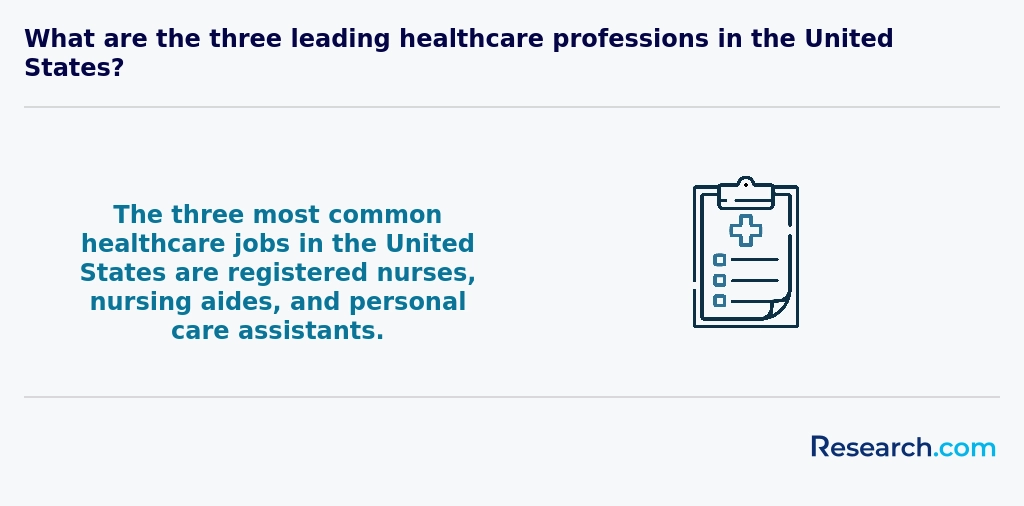
Graduates with an online healthcare degree career options Florida find a variety of roles that leverage their training, ranging from clinical to administrative positions. Many seek work as Registered Nurses or Medical and Health Services Managers, roles with high demand supported by Florida's growing population. For example, graduates from the University of Florida's online healthcare programs often report immediate employment, benefiting from strong local networks and internship opportunities that bridge academic learning with practical application. Others pursue careers as Physical Therapist Assistants or Healthcare Informatics Specialists, roles critical to the state's aging demographic and evolving technology needs.
Healthcare degree jobs in Florida also include pathways in health administration and public health sectors. Graduates from Florida State University highlight how their degrees enabled them to take on positions in healthcare administration or as Health Educators, delivering wellness programs tailored to diverse communities across both urban and rural settings. Some choose specialized certifications to become Medical Billing and Coding Specialists, providing essential support behind the scenes. It is important to consider licensure requirements when planning these career trajectories.
For students concerned about cost, programs from state universities and community colleges remain competitively priced and accessible. Those interested can explore options further through resources like the Inexpensive Online Doctorate in Healthcare Degree Programs Ranking in St. Louis, MO, which offers insights into affordable advanced degrees similar in scope. These choices exemplify how Florida's online healthcare degrees blend affordability, flexibility, and career readiness.
What is the job market for online healthcare degree in Florida?
The job market for online healthcare degree holders in Florida remains promising yet competitive. Graduates from popular institutions like the University of Florida and Florida Atlantic University often find that strong demand exists for roles such as Registered Nurses and Medical and Health Services Managers. This demand is driven by the state's growing senior population, which increases healthcare needs statewide. Many graduates share how their flexible online programs allowed them to balance work and study, making the transition into healthcare careers smoother.
However, success depends on navigating licensure requirements specific to Florida. Graduates frequently emphasize the importance of accredited programs that meet these criteria. Florida's healthcare sector growth, estimated at 22% over the decade, provides steady opportunities, but students should remain aware of local job competition and wage variations. Those seeking to accelerate their entry might explore best 6 month online programs that pay well which appeal to many working adults looking to upskill quickly within the online healthcare jobs in Florida market.
Frequently Asked Questions About healthcare
Online healthcare degree students in Florida can maximize their learning by actively engaging with course materials and instructors. Utilizing interactive tools such as discussion boards and virtual labs improves understanding and retention. Florida's healthcare sector is growing rapidly, with a 17% job increase projected by the U.S. Bureau of Labor Statistics through 2031, highlighting the importance of updated knowledge and skills.
Students should also seek local clinical placements or internships to gain hands-on experience essential for healthcare careers. Leveraging Florida-based healthcare resources and professional networks helps build practical insights and job opportunities.
Time management and creating a dedicated, distraction-free study space enhance focus and success in online programs.
The healthcare field is expanding rapidly in Florida, with several emerging niches attracting attention. One key area is telehealth, which has grown significantly due to increased demand for remote care. The Florida Department of Health reports a 45% rise in telemedicine visits between 2020 and 2023.
Another fast-growing niche is geriatric care, driven by Florida's large senior population-the state is home to nearly 22% of residents aged 65 and older, according to the U.S. Census Bureau. Specialized training in eldercare is becoming essential.
Healthcare informatics is also gaining prominence, combining technology with patient care to improve outcomes. According to the Florida Center for Nursing, job openings in health IT increased by 35% in recent years.
These niches represent promising paths for students pursuing online healthcare degrees in Florida.
After completing an online healthcare degree in Florida, preparing for the job market involves targeted steps. First, familiarize yourself with Florida's licensing requirements, which vary by healthcare profession. For example, registered nurses must pass the NCLEX-RN exam to practice. Joining state-specific professional organizations, like the Florida Healthcare Association, can provide networking opportunities and job leads.
Internships and clinical placements-even if done virtually-can enhance practical experience. Florida's healthcare sector is growing rapidly, with the Agency for Health Care Administration projecting a 15% employment increase in healthcare roles by 2030. Utilizing resources such as Florida's CareerSource network can help graduates find job openings and receive career counseling tailored to the state's market needs.
Developing soft skills like communication and critical thinking is crucial, as employers seek adaptable professionals ready for busy healthcare environments. Maintaining up-to-date certifications and continuing education also gives graduates a competitive edge in Florida's evolving healthcare job market.
Employers in Florida highly value healthcare degree graduates who demonstrate strong clinical skills combined with effective communication. According to the Florida Department of Health, about 60% of healthcare employers prioritize candidates who can deliver patient-centered care while navigating complex medical environments.
Critical thinking and problem-solving abilities are also essential, as they support quick, accurate decision-making in fast-paced settings. Additionally, knowledge of healthcare technology is increasingly important due to Florida's growing adoption of electronic health records and telemedicine.
Interpersonal skills, including teamwork and cultural competence, enable professionals to collaborate effectively within Florida's diverse communities. These soft skills, paired with technical expertise, are key to advancing healthcare quality statewide.
Finding internships in Florida that align with a healthcare degree begins with leveraging both educational and healthcare industry resources. Many Florida universities offering online healthcare programs maintain partnerships with local hospitals and clinics, providing students access to internship opportunities. According to the Florida Department of Health, the state has over 1,200 healthcare facilities, creating a broad range of potential placements.
Students should also explore resources such as the Florida Hospital Association and regional workforce boards, which often list healthcare internships. Networking through professional organizations like the Florida Nurses Association or the Florida Public Health Association can further connect students with internships relevant to their field.
Online platforms like Handshake or Indeed frequently feature healthcare internships in Florida. Additionally, contacting potential employers directly, such as major systems like AdventHealth or Baptist Health South Florida, can uncover unadvertised opportunities.
Visa and licensure requirements may vary for internships, so checking regulatory details with the Florida Board of Medicine or Nursing is important before accepting a position.
Obtaining an online healthcare degree in Florida can significantly enhance career mobility and advancement within the state's growing healthcare sector. Florida employs over 1.3 million healthcare workers, with demand projected to increase due to an aging population and expanding medical facilities, according to the Florida Department of Economic Opportunity.
Online degrees offer flexibility, allowing professionals to continue working while earning credentials that qualify them for higher-level positions. Graduates often advance into roles such as healthcare administration, nursing management, or specialized clinical care. Additionally, many Florida employers recognize accredited online degrees, facilitating smoother career transitions.
With competitive salaries and leadership roles tied to advanced qualifications, an online healthcare degree is a practical investment to navigate Florida's dynamic job market.
Studying for a healthcare degree online in Florida equips students with skills crucial for interdisciplinary roles by emphasizing collaboration across various health sectors. Florida's programs often integrate courses in healthcare management, public health, and clinical practices, fostering teamwork among nurses, therapists, and administrators.
According to the Florida Department of Health, the state's demand for versatile healthcare professionals is growing rapidly. Online curricula reflect this by including case studies that require synthesizing knowledge from multiple healthcare disciplines.
Additionally, accredited Florida institutions frequently provide virtual simulations and group projects, enhancing communication and problem-solving skills vital for interdisciplinary settings.
When choosing between a thesis and a non-thesis healthcare degree program in Florida, consider your career goals and time commitment. Thesis programs require conducting original research and writing a substantial paper, which can prepare students for academic or research positions.
Non-thesis options typically focus on practical skills and coursework, allowing for faster completion and often appealing to professionals seeking advancement in clinical or administrative roles. According to the Florida Department of Education, healthcare-related jobs in the state are projected to grow 15% by 2030, increasing the demand for both research and applied healthcare expertise.
Assess your interest in research, workload capacity, and future employment when deciding between these paths.
Students based in Florida seeking to study healthcare abroad through online programs have limited but growing options. Most U.S. institutions offering accredited online healthcare degrees enable Florida residents to enroll without geographic restrictions. However, truly international study experiences often require travel or partnerships with foreign universities.
Florida's Commission for Independent Education ensures that online healthcare programs meet state standards, but studying at foreign institutions online can present licensing and accreditation challenges for clinical roles.
According to the Florida Department of Education, around 70% of healthcare degrees awarded in Florida are from programs with hybrid or online options, offering flexibility for students considering global curricula.
Students keen on international healthcare perspectives should explore U.S.-based programs with global health tracks or exchange opportunities rather than fully foreign online degrees, which remain scarce and less recognized.
Florida offers various part-time job opportunities that can complement online healthcare degree education. Positions such as medical assistants, patient care technicians, and pharmacy aides provide practical experience relevant to healthcare studies. These roles often require minimal prior experience or certification, making them accessible for students.
According to the Florida Department of Economic Opportunity, healthcare support occupations in the state are projected to grow by over 15% through 2030. This growth expands opportunities for part-time employment while studying.
Working in clinical settings or community health centers helps students apply theoretical knowledge, build professional networks, and improve patient interaction skills essential for future careers.
Online healthcare students in Florida benefit from a variety of networking opportunities designed to connect them with peers and professionals. Many Florida universities offering online programs provide virtual events, discussion boards, and alumni groups that foster collaboration and career growth. Additionally, statewide healthcare organizations such as the Florida Hospital Association host conferences and webinars accessible to students, helping them build industry connections.
Florida's large healthcare sector, employing over 1.2 million people, offers ample internship and volunteer opportunities which online students can seek locally. According to the Florida Department of Economic Opportunity, healthcare occupations are expected to grow 16% by 2030, increasing chances to network through professional associations and job fairs.
Alumni networks play a crucial role for online healthcare degree students in Florida by offering valuable professional connections. These networks often provide access to job opportunities within Florida's extensive healthcare sector, ranked among the largest in the U.S. according to the Florida Department of Economic Opportunity.
Members benefit from mentorship programs, workshops, and local events that support career growth. Alumni are also a source of industry insights, helping graduates navigate licensure requirements and healthcare trends specific to Florida. For online learners, who may have limited face-to-face interaction, these connections create a sense of community and open doors in competitive healthcare fields.
Florida's online healthcare degree programs offer various ways to tailor your education to match your career goals. Many institutions provide specialization options such as nursing, health informatics, or public health. Choosing relevant electives lets you develop skills aligned with your desired role.
Some programs allow credit transfers from previous coursework or work experience, accelerating completion and focusing on your strengths. Florida is also known for its strong healthcare job market, with over 1.5 million healthcare workers statewide in 2023, according to the Florida Department of Economic Opportunity.
Advisors at online programs help customize study plans based on industry needs and your ambitions. This flexibility ensures your degree supports your future in Florida's evolving healthcare field.
Online healthcare students in Florida face several notable challenges. One common difficulty is balancing clinical requirements with remote learning. Healthcare programs often require hands-on practice, which can be limited due to geographic constraints or local facility availability.
Florida has over 1.5 million healthcare workers, creating competition for clinical placements, especially in high-demand regions like Miami and Tampa (Florida Department of Health, 2023).
Another issue involves navigating complex state licensing requirements after graduation. Students must ensure their programs meet Florida Board of Nursing or other professional standards, which can differ from other states.
Additionally, internet connectivity problems in rural areas hinder access to live lectures and resources. According to the Pew Research Center, about 13% of Floridians in rural counties lack reliable broadband, impacting study consistency.
With an online healthcare degree from Florida, students can pursue several key professional certifications that enhance career prospects. Popular certifications include the Certified Medical Assistant (CMA), Registered Health Information Technician (RHIT), and Certified Professional in Healthcare Quality (CPHQ). These credentials are widely recognized by Florida employers in hospitals, clinics, and public health organizations.
Florida's growing healthcare sector, which employs over 1.5 million people, supports high demand for certified professionals, especially in administrative and clinical roles (Florida Health, 2023). Certification requirements generally involve passing specialized exams administered by organizations like the American Health Information Management Association or the National Healthcareer Association.
Obtaining these certifications after graduation strengthens your qualifications and can lead to higher salaries and advancement opportunities. Many online healthcare programs in Florida also incorporate preparatory coursework to help students sit for these exams.
When applying for an online healthcare program in Florida, start by thoroughly researching each school's admission requirements to ensure you qualify. Florida has over 20 institutions offering online healthcare degrees, with competition increasing annually.
Highlight your relevant experience and skills in healthcare or related fields in your personal statement. Focus on demonstrating your motivation and how the program aligns with your career goals. According to the Florida Department of Education, healthcare occupations are projected to grow by 17% through 2030, making it important to emphasize your commitment to this expanding sector.
Be sure to gather strong letters of recommendation, preferably from healthcare professionals or academic mentors familiar with your abilities. Finally, maintain a clear, well-edited application and submit all materials before deadlines to improve your chances significantly.
The healthcare field is increasingly viewed as a vital and growing sector worldwide, with the United States playing a leading role in setting education and professional standards. In Florida, healthcare careers benefit from the state's large, diverse population and expanding medical facilities. According to the Florida Department of Economic Opportunity, healthcare occupations are projected to grow 16% between 2020 and 2030, well above the national average.
The global perspective emphasizes adaptability and cultural competence, as healthcare professionals often collaborate across borders. U.S. online healthcare degrees, including those offered in Florida, prepare students by combining technical skills with an understanding of global health challenges.
Additionally, many Florida programs align with nationally recognized accrediting bodies, ensuring graduates meet rigorous professional criteria sought worldwide. This global recognition enhances employment opportunities domestically and internationally.
Gaining practical experience while studying for an online healthcare degree in Florida is essential for job readiness. Many accredited Florida programs require clinical rotations or internships, which students can complete at healthcare facilities near their homes. This hands-on training often includes hospitals, clinics, or long-term care centers.
The Florida Department of Health supports partnerships between educational institutions and healthcare providers to ensure students get real-world experience. Additionally, some programs offer virtual simulations and lab work to complement in-person training.
According to the Florida Center for Nursing, the demand for healthcare professionals is growing, creating numerous opportunities for students to find quality internships throughout the state.
Choosing the right concentration within an online healthcare degree program in Florida begins with understanding your career goals and local job market demands. Florida's healthcare sector is rapidly growing, with the Florida Hospital Association reporting a 15% increase in healthcare jobs from 2019 to 2024. Specializations like nursing, health informatics, and public health often show strong demand statewide.
Consider concentrations aligned with Florida's population health needs, such as geriatrics or chronic disease management, since Florida has one of the highest elderly populations in the US, according to the U.S. Census Bureau. Also, review program accreditation to ensure it meets state licensing requirements.
Research each concentration's curriculum to see which skills and certifications you'll gain. You can also check data from the Florida Department of Education on graduate employment rates by concentration, which helps identify programs with successful job placement.
Related Healthcare Rankings for Nearby States
- 2027 Fastest Online Healthcare Degree Programs Ranking in South Carolina
- 2027 Fastest Online Healthcare Degree Programs Ranking in Mississippi
- 2027 Fastest Online Healthcare Degree Programs Ranking in Tennessee
- 2027 Fastest Online Healthcare Degree Programs Ranking in North Carolina
- 2027 Fastest Online Healthcare Degree Programs Ranking in Louisiana
- 2027 Fastest Online Healthcare Degree Programs Ranking in Kentucky
- 2027 Fastest Online Healthcare Degree Programs Ranking in Virginia
- 2027 Fastest Online Healthcare Degree Programs Ranking in West Virginia
- 2027 Fastest Online Healthcare Degree Programs Ranking in Missouri
- 2027 Fastest Online Healthcare Degree Programs Ranking in Ohio
Top Trending Healthcare Rankings
See What Experts Have To Say About Studying Healthcare
Read our interview with Healthcare experts

References
- Trends and opportunities in healthcare across emerging markets - Inizio https://inizio.com/insights/trends-and-opportunities-in-healthcare-across-emerging-markets/
- Advancing Your Career in Healthcare: Tips and Strategies https://www.sunshinecarenetwork.com/blog/advancing-your-career-in-healthcare-tips-and-strategies
- Students and Alumni associations - Europubhealth https://www.europubhealth.org/students-alumni-associations/
- Health Management Careers https://www.ache.org/Career-Resources/Start-Your-Career/Health-Management-Careers
- How to Find Healthcare Internships: A Step-by-Step Guide for Students and New Graduates https://hipaatraining.net/how-to-find-healthcare-internships-a-step-by-step-guide-for-students-and-new-graduates
- The impact of postgraduate education on career advancement in healthcare https://sets.com.ua/journals/vol-3-no-2-2024/the-impact-of-postgraduate-education-on-career-advancement-in-healthcare
- How to Set and Achieve Career Goals in Health and Social Care | Royal Open College https://royalopencollege.org/blog/health-and-social-care/how-to-set-and-achieve-career-goals/
- Online Healthcare Administration Degrees in Florida: Compare Schools https://www.edumed.org/online-schools/healthcare-administration-degrees/florida-fl/
- Global Health Perspectives https://globalhealthperspectives.com/
- How to Create a Healthcare Career Roadmap https://www.ihire.com/resourcecenter/jobseeker/pages/how-to-create-a-healthcare-career-roadmap


