
2027 Most Valuable Healthcare Degree Programs Ranking in Tacoma

Co-Founder and Chief Data Scientist
Choosing the right healthcare degree program in Tacoma can shape your future career and personal growth. To support your decision, this article presents the 2027 Most Valuable Healthcare Degree Programs Ranking in Tacoma, developed by the Research.com team of data scientists.
By exploring this ranking, you'll discover which programs offer the best value and opportunities for success in the healthcare field. Pursuing a healthcare degree is a rewarding path, opening doors to meaningful work and positive community impact.
Take this step confidently with clear, trustworthy insights tailored for Tacoma students like you.
Key benefits of getting healthcare degree in Tacoma
- Salary for healthcare degree graduates: Graduates in Tacoma can expect competitive wages such as $43,350 annually for Medical Assistants and Clinical Research Coordinators, while Quality Improvement Coordinators earn up to $103,150 yearly, reflecting rewarding financial opportunities.
- Career paths: For instance, a healthcare graduate from Tacoma Community College can pursue diverse roles including Health Information Technician, Patient Care Technician, or Quality Improvement Coordinator, offering flexibility and growth in many healthcare sectors.
- Online degree benefits: Completing a healthcare degree online from a school like the University of Washington Tacoma allows flexibility to balance work and study, often accelerating career progress without sacrificing quality education.
- Key benefits of getting healthcare degree in Tacoma
- What can I expect from healthcare degree in Tacoma?
- Where can I work with healthcare degree in Tacoma?
- How much can I make with healthcare degree in Tacoma?
- 2027 Most Valuable Healthcare Degree Programs Ranking in Tacoma
- Key Findings
- How long does it take to complete healthcare degree in Tacoma?
- Licensing and Certification Requirements for Healthcare Graduates in Tacoma, WA
- What's the difference between online and on-campus healthcare degree?
- Emerging Trends in Healthcare Education in Tacoma, WA
- What is the average cost of healthcare degree in Tacoma?
- Accreditation and Licensing Requirements
- What financial aid is available to healthcare degree students in Tacoma?
- Future Trends and Innovations in Healthcare Education
- What are the prerequisites for enrolling in healthcare degree program in Tacoma?
- Certification and Licensing Requirements
- What courses are typically in healthcare degree programs in Tacoma?
- What types of specializations are available in healthcare degree programs in Tacoma?
- How do you choose the best healthcare degree in Tacoma?
- What career paths are available for healthcare degree students in Tacoma?
- What is the job market for healthcare degree in Tacoma?
- Top Trending Healthcare Rankings
- See What Experts Have To Say About Studying Healthcare
What can I expect from healthcare degree in Tacoma?
The average cost of a healthcare degree in Tacoma varies but tends to be affordable, especially at public institutions. For example, healthcare students at Tacoma Community College, known for its nursing associate degree, often find tuition rates manageable compared to private schools. Graduates frequently mention the relief of balancing quality education with reasonable expenses, which is crucial when managing other life costs.
Financial aid and scholarships play a major role here. Many students report receiving targeted support for healthcare programs, helping reduce out-of-pocket costs significantly. The University of Washington Tacoma, offering bachelor's degrees in healthcare management and public health, also maintains competitive tuition, attracting students who value both quality and cost efficiency.
In real terms, this means a student can budget for tuition that won't overwhelm them, while gaining access to the strong clinical partnerships Tacoma provides-essential for hands-on experience. The balance between cost and opportunity here enables students to focus on learning and growth without constant financial stress.
Where can I work with healthcare degree in Tacoma?
Graduates with healthcare degrees from Tacoma Community College or the University of Washington Tacoma typically find a wide range of employment options right in their hometown. Many secure roles at MultiCare Tacoma General Hospital or the Franciscan Health System, where hands-on experience gained during clinical placements proves invaluable. These positions include registered nursing, medical technologist, and patient care coordinator roles-each offering stable careers with room to grow.
Others have found rewarding work in outpatient clinics, urgent care centers, or rehabilitation facilities. For example, graduates often transition into mental health or diagnostic lab roles, expanding their skills beyond traditional patient care. Working in public health agencies also appeals to many, with opportunities in community health education and epidemiology, where they feel they make a direct impact on local residents' well-being.
For those interested in healthcare administration, Tacoma's expanding home health care and hospice sectors offer growing demand for professionals managing operations and compliance. Graduates consistently express pride and optimism knowing their education leads to meaningful, community-centered careers.
How much can I make with healthcare degree in Tacoma?
Graduates from healthcare programs at Tacoma Community College or the University of Washington Tacoma often find solid earning opportunities right after completing their degrees. For instance, medical assistants typically earn about $43,350 annually, which can comfortably support a starting lifestyle in Tacoma. Patient care technicians, another common role for healthcare grads, make around $60,790 per year, reflecting increased responsibilities and patient interaction.
A health information technician graduate enjoys similar earnings to medical assistants, with an annual mean wage near $43,380, offering a stable entry-level position in healthcare administration within Tacoma's growing health sector. Those moving into research-related roles, such as clinical research coordinators, also start near $43,350 yearly, helping to advance local medical studies and healthcare quality.
For graduates aiming higher, becoming a quality improvement coordinator in Tacoma can be very rewarding, with average salaries exceeding $103,000 annually. This role involves improving patient outcomes and healthcare processes, making it a dynamic path for driven individuals.
Graduates consistently emphasize how Tacoma's healthcare job market supports career growth, especially when combining local education with certifications and hands-on practice. The region's healthcare demand gives new degree holders a real advantage in salary negotiations and career development.
2027 Most Valuable Healthcare Degree Programs Ranking in Tacoma
How do we rank schools?
Investing in your education is a significant decision that can shape your future, and the Research.com team understands the importance of making informed choices. To assist prospective students in Tacoma, we have meticulously crafted the "2027 Most Valuable Healthcare Degree Programs Ranking in Tacoma." Our commitment to quality, credibility, and accuracy is reflected in the extensive research and analysis conducted to compile this ranking.
We utilized the following reputable data sources to ensure a comprehensive evaluation of healthcare degree programs:
By exploring this ranking, readers will gain valuable insights into the most valuable healthcare degree programs available in Tacoma, empowering them to make well-informed decisions about their educational and professional futures. For more details on our methodology, please visit our Research.com methodology page.


# 5 position
Tacoma Community College
Bachelor of Applied Science in Health Information Management

Key Findings
- Healthcare degrees in Tacoma are offered by institutions like Pierce College and the University of Washington Tacoma, with associate degrees taking two years and bachelor's degrees four years.
- Annual tuition for community colleges is about $4,500 for in-district students, while four-year universities charge between $10,000 and $15,000 for residents.
- Additional costs may include books, supplies, and clinical fees, increasing the overall expense of earning a healthcare degree.
- Starting salaries for healthcare graduates range from $50,000 to $60,000 annually, with experienced professionals earning over $80,000 in fields such as nursing and healthcare administration.
- Employment growth in healthcare in Tacoma is expected to exceed national averages, with high demand for roles like registered nurses, medical assistants, and physical therapy assistants.
How long does it take to complete healthcare degree in Tacoma?
Completing a healthcare degree in Tacoma typically takes timeframes that fit your career goals and life situation. For example, graduates from Tacoma Community College often finish an associate degree in about two years, combining classroom learning with hands-on clinical experience. This pathway suits those eager to start working quickly in roles like Licensed Practical Nurse or Respiratory Therapy.
At the University of Washington Tacoma, many students spend around four years earning their bachelor's degree in health sciences or nursing. These programs demand dedication but prepare you fully for skilled healthcare positions with a strong foundation.
If you're aiming higher, like a Master of Science in Nursing or a Physician Assistant program, expect an additional two to three years beyond your bachelor's. Some local programs even offer accelerated tracks, helping busy students juggle family, work, and study more efficiently.
Certificate programs at Tacoma schools can take just a few months to a year, ideal for specialized healthcare roles when you want faster entry into the field.
Licensing and Certification Requirements for Healthcare Graduates in Tacoma, WA
Before launching your career in Tacoma’s healthcare sector, understanding state licensure and national certification is essential. Most clinical roles-such as registered nursing, radiologic technology, and respiratory therapy-require graduates to pass Washington State Department of Health exams and maintain current credentials through continuing education. For example, aspiring nurses must clear the NCLEX-RN within six months of graduation and complete at least 15 contact hours of approved continuing education every two years to renew their license. Health Information Technicians, meanwhile, typically pursue the Certified Health Data Analyst (CHDA) or Registered Health Information Technician (RHIT) credentials. These certifications not only validate your expertise in medical coding and data management but also boost employability. State-approved programs at institutions like the University of Washington Tacoma include preparatory courses aligned with exam blueprints, ensuring graduates meet all eligibility criteria. For roles in allied health-such as physical therapy assistants or dental hygienists-candidates must satisfy specific supervised clinical hour requirements before sitting for their national board exams. Employers in Tacoma often preferentially hire applicants who hold both state licensure and nationally recognized certifications, reflecting the city’s commitment to high-quality patient care. If you’re considering advanced degrees or bridging programs, our Cheapest Online Master's in Healthcare Degree Programs Ranking in Virginia highlights cost-effective online options that fulfill rigorous certification prerequisites and help you stay compliant with Washington’s professional standards.
What's the difference between online and on-campus healthcare degree?
Choosing between online and on-campus healthcare degrees in Tacoma means weighing how you prefer to learn and manage your time. On-campus students at Tacoma's well-known colleges experience face-to-face classes, which helps with hands-on practice in labs and clinical rotations at nearby hospitals. Graduates often recall how real-time feedback from instructors and collaborating with classmates boosted their confidence and skills, essential for nursing or physical therapy careers.
In contrast, online students benefit from flexible schedules, perfect for those juggling jobs or family. Programs use video lectures and virtual discussions, but online learners must arrange local clinical placements themselves. Many find this independence rewarding yet challenging, fostering self-discipline and tech proficiency-important traits in today's healthcare environment.
Costs differ, too. On-campus tuition at Tacoma schools ranges roughly from $8,000 to $15,000 annually, plus fees, while online programs may be more affordable, cutting out commuting and housing expenses. Both types require accreditation to ensure quality and licensure eligibility, so students are advised to verify program credentials carefully before enrolling.
Emerging Trends in Healthcare Education in Tacoma, WA
Tacoma’s healthcare education landscape is rapidly evolving amid technological advancements and shifting industry demands. Students and professionals alike are experiencing a wave of innovation through virtual simulations, telemedicine integration, and data-driven learning approaches. Today’s programs are increasingly blending traditional hands-on training with digital resources, ensuring graduates are ready to tackle modern challenges. For instance, many institutions are expanding their online offerings, allowing busy students to engage in interactive modules and virtual labs. For more flexible options, check out mph programs online, which exemplify how remote learning can combine convenience with quality education. Faculty are now incorporating real-time data analytics and emerging technologies-such as augmented reality in clinical training-to simulate real-world scenarios more effectively. This shift not only deepens the learners’ practical insights but also provides an added layer of preparedness for the dynamic nature of healthcare workplaces. Moreover, partnerships between academic programs and local healthcare providers have intensified, creating pipelines for internships, mentorships, and job placements that reflect current industry needs. Staying informed about these trends is essential for prospective students. By embracing these changes, you can gain a competitive edge in your career while contributing to the transformation of healthcare services in Tacoma.
What is the average cost of healthcare degree in Tacoma?
The average cost of a healthcare degree in Tacoma varies significantly depending on the institution and program level. Typically, students attending Tacoma Community College or other local community colleges pay around $4,000 to $5,000 annually for in-district tuition. Graduates from these programs often appreciate the affordability combined with hands-on experience in nursing or dental hygiene, helping them enter the workforce without overwhelming debt.
For those pursuing a bachelor's degree in healthcare at four-year institutions like the University of Washington Tacoma, the total tuition and fees for Tacoma healthcare programs average about $13,168 for in-state students. This amount covers tuition but doesn't include additional expenses such as books, equipment, or clinical fees. Many local graduates find that planning ahead and applying for scholarships or financial aid makes this investment more manageable, allowing them to focus on their studies and future careers.
Private colleges in Tacoma typically charge higher tuition, with overall costs potentially reaching over $20,000 per year. Many students at these schools benefit from employer tuition assistance and other financial support specific to healthcare fields, which helps ease the financial burden. Exploring options can be crucial, as prospective students need to balance quality education with affordability.
Healthcare students in Tacoma often emphasize the value of attending valuable healthcare schools in washington, which provide strong job placement and practical experience, justifying their investment. Understanding the average cost of healthcare degrees in Tacoma in advance helps you create a clear financial roadmap to achieve your career goals.

Accreditation and Licensing Requirements
Accreditation ensures your degree meets industry standards and qualifies you for certification exams. In Tacoma, look for programs accredited by:
- Accreditation Commission for Education in Nursing (ACEN)
- Commission on Collegiate Nursing Education (CCNE)
- Commission on Accreditation of Healthcare Management Education (CAHME)
Graduates must satisfy Washington State Department of Health licensure steps, including passing the NCLEX for nurses or the Certified Medical Assistant exam. For flexible pathways, consider a healthcare management degree online program accredited regionally.
What financial aid is available to healthcare degree students in Tacoma?
Healthcare students in Tacoma should begin by filling out the FAFSA to access federal aid like Pell Grants, which can cover up to $7,395 annually based on financial need. Many students attending Tacoma Community College find this step essential to reduce their tuition costs, which can otherwise stretch beyond $8,000 per year.
Beyond federal aid, Washington's Health Professional Loan Repayment Program offers a practical solution for students willing to work in underserved Tacoma neighborhoods. Graduates who chose this path often describe relief in managing student debt while making a real difference in local healthcare.
Tacoma Community College and other local schools frequently award scholarships targeted specifically for healthcare students, with amounts ranging from a few hundred to thousands of dollars, easing financial pressure. Those working part-time via work-study programs report gaining hands-on experience alongside financial relief.
Local hospitals sometimes provide tuition reimbursement or sign-on bonuses for graduates stepping into high-demand roles like nursing, transforming the challenging cost of education into an opportunity that feels achievable and rewarding.
Future Trends and Innovations in Healthcare Education
As the healthcare industry continues to evolve, future trends and technological advancements are reshaping how education prepares students for tomorrow’s challenges. Emerging technologies such as telemedicine, artificial intelligence, and virtual simulation labs are not only revolutionizing patient care but are also being integrated into curricula across Tacoma, WA. This forward-thinking approach ensures that graduates are equipped with both the clinical expertise and digital savvy necessary in a rapidly changing field. Students today can expect programs to offer enhanced digital coursework, collaborative online platforms, and partnerships with innovative healthcare providers. These elements work together to create a dynamic learning environment where traditional classroom instruction is augmented by real-world technology applications. For instance, simulation labs now mimic critical care scenarios that allow students to practice decision-making in a secure, risk-free setting. Staying informed about these trends is essential for making well-rounded decisions about your educational future. By exploring the latest developments in healthcare education, you can align your learning journey with industry demands and emerging career opportunities. To further understand how innovation is being prioritized, check out our detailed ranking of valuable healthcare schools in washington, which highlights programs that are at the cutting edge of integrating technology with practical training.
What are the prerequisites for enrolling in healthcare degree program in Tacoma?
To enroll in a healthcare degree program in Tacoma, start by securing a high school diploma or GED, which serves as the essential foundation. For example, graduates from Tacoma Community College often recall how mastering biology and chemistry in high school gave them confidence to tackle healthcare coursework. Focus on building strong skills in science and math early, as many programs require specific courses with good grades.
Standardized tests like the SAT or ACT might be necessary, especially if aiming for a bachelor's degree at local universities. However, some Tacoma community colleges waive these exams, easing entry for associate degrees. Practical requirements such as background checks and immunization records are crucial; one recent graduate mentioned how completing these steps smoothly allowed quick placement in clinical rotations.
Additionally, gaining volunteer or work experience in healthcare settings around Tacoma can significantly boost your application. Former students often highlight that hands-on patient interactions helped them feel prepared and passionate from day one. Following these steps carefully will place you on the fast track toward a fulfilling healthcare career in Tacoma.
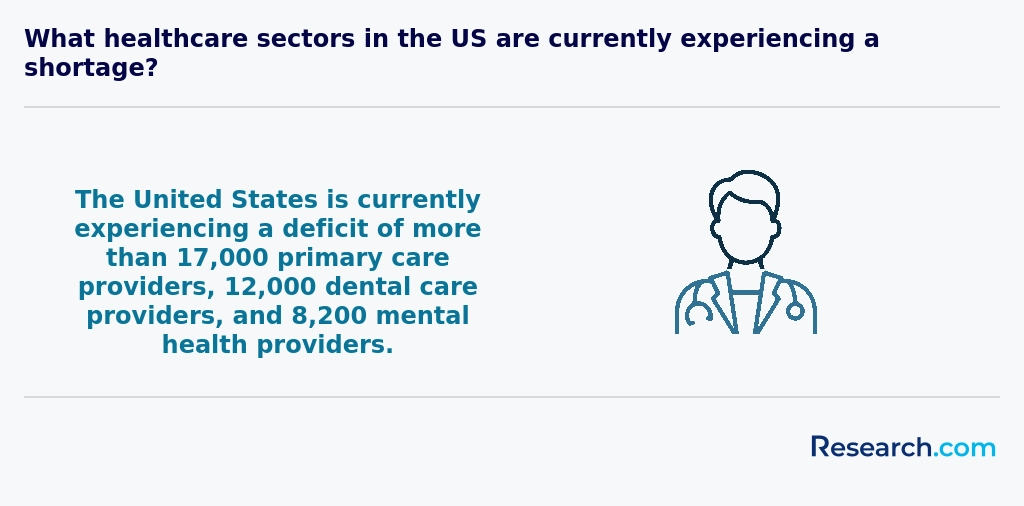
Certification and Licensing Requirements
After completing a healthcare degree in Tacoma, WA, graduates must navigate state and national certification to practice legally and excel in their chosen field. Meeting these requirements ensures compliance with Washington State Department of Health regulations and enhances professional credibility. • Nursing Licensure (NCLEX-RN): – Eligibility: Bachelor of Science in Nursing (BSN) or Associate Degree in Nursing (ADN) from an ACEN- or CCNE-accredited program. – Examination: Successful completion of the NCLEX-RN exam, administered by the National Council of State Boards of Nursing (NCSBN). – Renewal: Biennial renewal with 30 continuing education hours, including 1 hour in pain management and 2 hours in ethics. • Health Information Technician Certification (RHIT): – Eligibility: Graduates of a CAHIIM-accredited Health Information Management program. – Examination: RHIT exam offered by the American Health Information Management Association (AHIMA). – Maintenance: 20 continuing education units every two years to stay current with evolving health data standards. • Medical Assistant Certification (CCMA/CMAA): – Eligibility: Completion of a CAAHEP- or ABHES-accredited medical assisting program. – Examination: Certified Clinical Medical Assistant (CCMA) via NHA or Certified Medical Administrative Assistant (CMAA) via NHA. – Impact: Certified assistants report 15% higher entry-level salaries in Pierce County. • Specialized Licensure and Advanced Paths: Many graduates pursue specialized credentials-such as Pharmacy Technician (CPhT) or Surgical Technologist (CST)-to increase earnings and job security. Students interested in accelerated pharmacy training often explore options like the 3-year online pharmd, which integrates didactic coursework with licensure exam prep. Understanding these certification processes early helps Tacoma students plan clinical hours, exam fees, and continued education, ensuring a seamless transition from degree completion to state-licensed professional.
What courses are typically in healthcare degree programs in Tacoma?
Healthcare degree programs in Tacoma typically start with foundational courses like anatomy, physiology, and medical terminology, equipping students with essential knowledge about the human body and healthcare language. At institutions such as Tacoma Community College and the University of Washington Tacoma, graduates often recall how these basics made clinical rotations much less intimidating.
Core classes also include areas like healthcare systems, medical ethics, health informatics, patient care, pharmacology, and public health principles. For example, students share how their health informatics classes helped them confidently navigate electronic health records during internships at local hospitals.
Depending on the degree focus, specialized courses vary. Nursing students advance into patient assessment and disease management, while those studying healthcare administration tackle healthcare finance and organizational behavior. Graduates mention how these courses connect directly to day-to-day responsibilities in Tacoma's growing healthcare sector, making their job transitions smoother and more positive.
What types of specializations are available in healthcare degree programs in Tacoma?
Healthcare degree specializations in Tacoma cover a range of practical fields designed to meet local and national demand. For example, nursing is a top choice, with programs for Registered Nursing (RN), Nurse Practitioner (NP), and Licensed Practical Nursing (LPN). Graduates find that the clinical skills gained at Tacoma community colleges or universities prepare them well for patient care and healthcare management roles.
Many students also pursue allied health professions such as physical therapy, occupational therapy, radiologic technology, and respiratory therapy. These programs emphasize hands-on training, often supported by partnerships with local providers like MultiCare Health System, giving students real-world experience before graduation.
Other common specializations include healthcare administration, which focuses on managing healthcare facilities, and public health, which covers community health education and health policy. Those interested in lab work can choose medical laboratory science for training in vital diagnostic testing.
For students considering flexible options, certain mph programs online can complement their education, broadening career opportunities in public health.
This practical range of options ensures Tacoma's healthcare degree specializations are well aligned with today's workforce needs, making them some of the best healthcare programs Tacoma offers.
How do you choose the best healthcare degree in Tacoma?
To choose the best healthcare degree in Tacoma, start by defining your career path clearly. Graduates from Tacoma Community College often share how deciding between an Associate Degree in Nursing or a bachelor's degree helped them target specific roles like registered nursing or healthcare administration. Look for programs that balance affordability and quality, as affordable healthcare degrees Tacoma can vary widely. Public colleges here tend to offer tuition between $7,000 and $11,000 annually for in-state students, while private options can cost more.
Accreditation is crucial; programs recognized by CCNE or ACEN ensure your education meets industry standards and licensure requirements. Practical experience matters, too-schools near MultiCare Health System or CHI Franciscan often provide internships that boost job prospects, as reported by local graduates who benefited from hands-on clinical training.
Consider flexible scheduling options-many Tacoma schools offer evening, weekend, and online courses, ideal for balancing work and studies. For those aiming for advanced credentials, exploring pathways like 3-year online pharmd programs can save time without sacrificing quality.
What career paths are available for healthcare degree students in Tacoma?
Graduates with a healthcare degree in Tacoma have access to diverse career paths aligned with the city's strong medical infrastructure. Popular roles include Registered Nurse (RN), where many graduates from Tacoma Community College quickly find employment due to local demand, and Medical and Health Services Manager positions, favored by those pursuing advanced degrees at the University of Washington Tacoma. These roles offer practical, stable career options in high demand healthcare jobs Tacoma.
Other notable options are Physical Therapist positions in rehabilitation centers, ideal for graduates seeking hands-on patient care, and Pharmacy Technician or Pharmacist jobs supported by Tacoma's numerous retail and hospital pharmacies. Graduates often highlight how their education in Tacoma prepared them well for these roles, providing both theoretical knowledge and real-world experience.
For those exploring alternative paths, healthcare degrees also lead to specialized fields like healthcare informatics or public health education. Students looking for cost-effective routes to advanced careers can explore programs ranked in the Cheapest Online Master's in Healthcare Degree Programs Ranking in Virginia. This pragmatic approach aligns with Tacoma's evolving healthcare landscape and student ambitions.
What is the job market for healthcare degree in Tacoma?
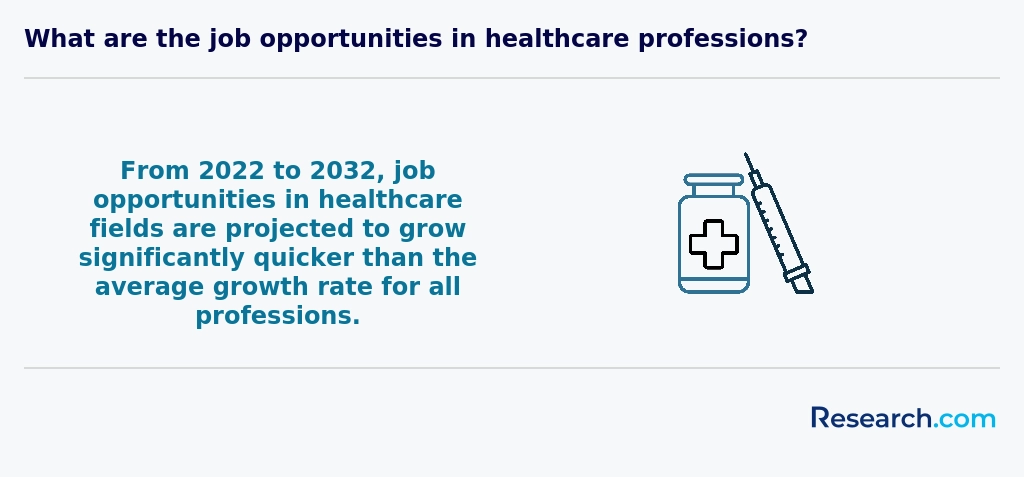
Graduates with healthcare degrees in Tacoma find a robust job market fueled by steady growth and diverse career opportunities. The healthcare job outlook Tacoma shows a projected 15% growth in healthcare occupations over the next decade, driven by demand for nurses, medical assistants, and health administrators. Graduates from Tacoma's well-regarded colleges often share how their associate or bachelor's degrees helped them secure competitive positions within prominent employers like MultiCare Health System and CHI Franciscan Health.
Entry-level wages are encouraging, with registered nurses earning around $85,000 annually, reflecting local demand and cost of living. For students weighing options, Tacoma's relatively affordable education costs combined with strong financial aid support make investing in a healthcare degree a practical choice. Many graduates appreciate flexible programs that allow them to balance studies and part-time work, easing financial burdens while gaining relevant experience.
Students interested in exploring career paths after their degree should consider Tacoma's proximity to Seattle for expanded opportunities. To make informed decisions, commuters and future healthcare professionals often research the best college majors in healthcare to align their goals strategically with industry trends and local job availability, enhancing career opportunities healthcare degrees Tacoma can provide.
Frequently Asked Questions About healthcare
Healthcare degree students in Tacoma can enhance their learning by engaging deeply with both classroom instruction and practical experience. Tacoma hosts reputable institutions like Tacoma Community College and the University of Washington Tacoma, offering strong healthcare programs that blend theory with hands-on training.
Students should actively seek internships or clinical placements in Tacoma's hospitals and healthcare centers, such as MultiCare Tacoma General Hospital, which serves as a prime training ground. This exposure helps develop real-world skills and professional networks. According to the Washington State Department of Health, practical experience improves job placement rates by up to 30% for healthcare graduates.
Additionally, joining local professional healthcare organizations and participating in workshops can foster continuous learning and career growth. Staying updated with regional healthcare trends through Tacoma Public Library's digital resources also benefits student knowledge and readiness.
Emerging niches in the healthcare field reflect the evolving needs of Tacoma's growing population. One significant area is telehealth, which expanded rapidly during the COVID-19 pandemic and continues to offer opportunities for healthcare professionals skilled in virtual care technologies. According to the Washington State Department of Health, telehealth usage in Pierce County, including Tacoma, increased by over 150% between 2019 and 2023.
Another niche is geriatric care, driven by Tacoma's aging population. The U.S. Census Bureau reports that people aged 65 and older make up nearly 14% of Pierce County's residents, boosting demand for specialists in elder care and chronic disease management.
Additionally, fields like health informatics and personalized medicine are gaining traction due to advances in data analysis and biotechnology. These specialties require strong technical and clinical knowledge, making healthcare degrees with a focus on technology highly valuable in Tacoma's job market.
Preparing for the job market after completing a healthcare degree in Tacoma involves strategic planning and skill development. Tacoma is part of the Puget Sound region, benefiting from a growing healthcare sector driven by local hospitals like MultiCare and CHI Franciscan. Graduates should seek internships or clinical rotations during their studies to gain hands-on experience, which is highly valued by employers.
Networking through local healthcare associations such as the Washington State Hospital Association can open job opportunities. Additionally, Tacoma's healthcare employment is expected to grow by 16% from 2020 to 2030, according to the Washington State Employment Security Department, making professional certifications and continued education crucial for competitiveness.
Employers in Tacoma highly value healthcare graduates who demonstrate strong clinical skills combined with effective communication. According to the Washington State Department of Health, proficiency in patient care and familiarity with electronic health records are essential in local healthcare settings. Critical thinking and problem-solving abilities rank prominently, as they ensure professionals can adapt to changing patient needs and complex cases.
Additionally, teamwork and cultural competence are vital due to Tacoma's diverse population and collaborative work environments. Data from Tacoma-Pierce County Health Department highlights the growing demand for graduates who can navigate both technical and interpersonal challenges in healthcare facilities.
Time management and ethical decision-making further support employability in this competitive field.
Finding internships in Tacoma relevant to healthcare degrees involves leveraging local healthcare providers and educational resources. Tacoma has several major healthcare facilities, including MultiCare Health System and Franciscan Health System, which frequently offer internship opportunities to students. These organizations collaborate with regional colleges such as the University of Puget Sound and Tacoma Community College.
Students should also use online portals like Handshake and the Washington State Department of Labor & Industries website, which list healthcare internships tailored to Tacoma's job market. According to Tacoma-Pierce County Public Health data, healthcare remains a leading employment sector, increasing access to practical training.
Networking through campus career centers and professional organizations in Tacoma can further enhance internship prospects.
Obtaining a healthcare degree in Tacoma significantly enhances career mobility and advancement opportunities. Tacoma's growing healthcare sector, driven by regional hospitals like MultiCare Tacoma General, employs over 20,000 healthcare workers, creating strong demand for qualified professionals (Washington State Employment Security Department, 2023).
Healthcare degrees provide foundational knowledge and credentials required for roles such as nursing, health administration, and medical technology. Many employers in Tacoma prefer or require degree holders for promotions and leadership positions.
Additionally, degree programs often include clinical experience and networking opportunities within local healthcare institutions, facilitating smoother job transitions and career growth.
Professionals with advanced healthcare degrees in Tacoma typically earn higher salaries and enjoy greater job stability compared to those without formal qualifications.
Studying for a healthcare degree in Tacoma offers students a strong foundation for interdisciplinary roles, reflecting the city's growing demand for collaborative healthcare professionals. Tacoma's educational institutions emphasize teamwork across nursing, public health, and medical technology programs, aligning with industry standards that encourage integrated care delivery. According to the Washington State Department of Health, Tacoma's healthcare sector is among the fastest-growing in the region, increasing the need for specialists who can communicate effectively with various healthcare teams. Coursework often includes case studies and practical simulations involving multiple health disciplines, preparing graduates to coordinate patient care efficiently in diverse settings.
Choosing between a thesis and a non-thesis healthcare degree program in Tacoma depends largely on your career goals and learning preferences. Thesis programs emphasize research, ideal for students interested in advancing to doctoral studies or careers in research and academia. Non-thesis options focus more on practical skills, often including internships or capstone projects that prepare students for clinical or administrative roles.
In Tacoma, healthcare employers value hands-on experience, which makes non-thesis programs appealing for those aiming to enter the workforce quickly. According to the Washington State Employment Security Department, healthcare jobs in Tacoma are projected to grow by 15% over the next decade, highlighting the demand for applied skills.
Students should also consider program duration and financial costs. Thesis routes often take longer and may require additional resources for research. Consulting local university advisors and reviewing Tacoma-based healthcare career trends can help make the best choice.
Students in Tacoma interested in studying healthcare abroad often look to programs affiliated with US institutions that offer international clinical experiences. Many universities with healthcare degrees, including those accessible to Tacoma residents, provide exchange opportunities or study-abroad options in countries like the United Kingdom, Australia, or Spain, focusing on nursing, public health, or allied health fields.
According to the Institute of International Education, approximately 15% of US healthcare students participated in international programs as of 2022. These experiences enhance cultural competence, a key skill in healthcare careers. Tacoma students can pursue options through regional universities such as the University of Washington, which partners internationally in healthcare education.
Financial aid and scholarships specifically for study-abroad healthcare programs may be available, reducing the cost barrier associated with overseas study. It is recommended for students to consult with academic advisors or study-abroad offices to explore accredited programs meeting US licensing requirements.
Students pursuing healthcare degrees in Tacoma have several part-time job opportunities that align well with their studies. Common positions include medical assistants, pharmacy technicians, and patient care aides. Local hospitals such as MultiCare and CHI Franciscan often seek part-time workers to support clinical and administrative roles.
According to Washington State Employment Security Department data, healthcare support occupations in Tacoma are projected to grow by 15% through 2028, highlighting demand for skilled workers.
These jobs not only provide income but also valuable hands-on experience and networking opportunities within the medical community. Working in clinics or long-term care facilities can enhance practical skills crucial for future healthcare professionals.
Healthcare students in Tacoma benefit from multiple networking opportunities through local colleges and healthcare institutions. Tacoma hosts several higher education centers, such as the University of Washington Tacoma and Bates Technical College, that collaborate with nearby hospitals and clinics for clinical placements and internships.
Organizations like the Tacoma-Pierce County Chamber of Commerce and the Tacoma Healthcare Consortium offer networking events and career fairs, regularly attracting healthcare employers. Students can connect with professionals from Large employers such as MultiCare Health System and CHI Franciscan Health, two leading healthcare providers in the area.
Participation in student healthcare organizations and local conferences also helps build valuable professional contacts. These connections are critical for career readiness and job placement within the Tacoma healthcare market, which has seen steady growth over recent years.
Alumni networks play a key role in supporting healthcare degree students in Tacoma. Graduates from local institutions like Tacoma Community College and the University of Washington Tacoma often stay connected through these networks, which provide valuable mentorship opportunities. These connections can help students navigate clinical placements and job searches in Tacoma's growing healthcare sector, including prominent employers such as MultiCare Health System.
According to the Washington State Department of Health, Tacoma's healthcare industry is expanding, creating more demand for skilled professionals. Alumni networks facilitate introductions to practicing professionals and help students learn about current job openings before they are publicly posted.
Participation in alumni events and online groups also offers students guidance on licensure requirements in Washington State, a critical step for careers in nursing, medical technology, and allied health fields. This peer support enhances career readiness and employment outcomes.
Customizing a healthcare degree program in Tacoma involves selecting courses and specializations that align with your specific career goals. Many local institutions offer flexible options such as certificates or minors in fields like public health, health informatics, or medical assisting. This allows students to gain targeted skills alongside core healthcare knowledge.
Internship opportunities with Tacoma's network of hospitals and clinics, including MultiCare Health System, provide practical experience suited to your interests. According to the Tacoma-Pierce County Health Department, hands-on training is crucial for employment in the region's competitive healthcare market.
Additionally, online and hybrid learning formats offered by Tacoma-based schools help working professionals tailor their schedules while specializing. Taking advantage of these flexible structures enables students to efficiently meet credential requirements and prepare for certification exams relevant to their desired healthcare roles.
Healthcare students in Tacoma often face rigorous academic demands, balancing intense coursework with clinical rotations. The high cost of tuition, which can exceed $15,000 annually at some local institutions, adds financial stress. Many students also struggle to find affordable housing near their campuses or clinical sites, a challenge amplified by Tacoma's rising living costs.
Another significant hurdle is securing quality clinical placements. With Tacoma's competitive healthcare market, students frequently compete for limited internship spots in hospitals like MultiCare and CHI Franciscan. According to Tacoma Community College data, roughly 30% of students report difficulties in finding clinical opportunities that fit their schedules.
Additionally, coping with the emotional weight of patient care and maintaining mental health amid demanding programs is a widespread concern. This combination of financial, logistical, and emotional challenges shapes the healthcare education experience in Tacoma today.
With a healthcare degree in Tacoma, graduates can pursue a variety of professional certifications to enhance their careers. Common certifications include Certified Nursing Assistant (CNA), Licensed Practical Nurse (LPN), and Registered Nurse (RN), which are essential for nursing roles. For those interested in administrative roles, certifications like the Certified Healthcare Administrative Professional (cHAP) are valuable.
Specialized certifications such as Medical Assistant (MA), Phlebotomy Technician, and Emergency Medical Technician (EMT) are also available and widely recognized across Washington state. According to the Washington State Department of Health, these credentials improve job prospects in Tacoma's growing healthcare sector.
Advancing further, certifications like the Certified Professional Coder (CPC) or Health Information Technician certification can lead to careers in medical billing and records management, fields with steady demand locally. These certifications generally require passing national standardized exams and sometimes additional state licensing.
To write a winning application for a healthcare program in Tacoma, start by thoroughly researching the specific program requirements. Most programs value strong academic records, especially in biology, chemistry, and mathematics. Highlight your relevant coursework and any healthcare-related experience. Tacoma's healthcare industry is growing rapidly, with institutions like MultiCare Health System and CHI Franciscan playing key roles, so practical experience is particularly valued.
Clear, concise personal statements that explain your motivation for a healthcare career and your connection to Tacoma can make a strong impact. Include volunteer work or internships to demonstrate commitment. Finally, obtain letters of recommendation from educators or healthcare professionals who can speak to your abilities and character.
Healthcare careers are recognized globally as vital to improving public health and well-being. In the United States, including Tacoma, the demand for qualified healthcare professionals continues to grow due to an aging population and advances in medical technology. According to the U.S. Bureau of Labor Statistics, healthcare occupations are projected to grow 13% from 2021 to 2031, much faster than average.
Globally, healthcare systems share similar challenges such as workforce shortages and the need for cultural competence. Studying healthcare in Tacoma provides students with access to diverse clinical experiences that reflect these worldwide trends, preparing graduates to work in various healthcare settings at home or abroad.
Educational standards in the U.S., including Tacoma's accredited institutions, emphasize evidence-based practice and interprofessional collaboration, which are valued worldwide. Familiarity with American healthcare practices also opens career mobility to international organizations involved in health policy and global health initiatives.
Gaining practical experience is essential while studying for a healthcare degree in Tacoma. Many local programs, including those at Tacoma Community College and the University of Washington Tacoma, integrate clinical rotations and internships into their curricula. These opportunities allow students to work directly with patients in hospitals, clinics, and community health centers.
Tacoma's healthcare sector includes major employers like MultiCare Health System and CHI Franciscan Health, which often offer externships and volunteer positions tailored for students. According to the Washington State Department of Health, students completing hands-on training have higher employment rates post-graduation.
Additionally, joining student healthcare organizations or participating in community outreach projects can further enhance practical skills and professional networks in the region.
Choosing the right concentration within a healthcare degree program in Tacoma involves assessing your interests, career goals, and local job market trends. Tacoma's healthcare industry employs over 30,000 professionals, with strong demand for registered nurses, medical assistants, and health information managers, according to the Washington State Employment Security Department. Consider concentrations aligned with these areas to increase job prospects.
Research specific programs offered by Tacoma Community College or the University of Washington Tacoma, noting which specializations have clinical partnerships or internship opportunities. Additionally, seek concentrations that match your personal strengths and preferred work environments, such as patient care, administration, or technology.
Review accreditation and licensure requirements for your chosen concentration to ensure eligibility for certification and employment in Washington State.
Related Healthcare Rankings for Nearby Cities
- 2027 Most Valuable Healthcare Degree Programs Ranking in Oakland
- 2027 Most Valuable Healthcare Degree Programs Ranking in San Francisco
- 2027 Most Valuable Healthcare Degree Programs Ranking in Los Angeles
- 2027 Most Valuable Healthcare Degree Programs Ranking in Anaheim
- 2027 Most Valuable Healthcare Degree Programs Ranking in Irvine
- 2027 Most Valuable Healthcare Degree Programs Ranking in Riverside
- 2027 Most Valuable Healthcare Degree Programs Ranking in Denver
- 2027 Most Valuable Healthcare Degree Programs Ranking in La Jolla
- 2027 Most Valuable Healthcare Degree Programs Ranking in San Diego
- 2027 Most Valuable Healthcare Degree Programs Ranking in Colorado Springs
Top Trending Healthcare Rankings
See What Experts Have To Say About Studying Healthcare
Read our interview with Healthcare experts

References
- Career Opportunities in Healthcare Without a Medical Degree https://www.just-medical.ch/en/blog/medical-careers-without-formal-education
- Networking and Mentorship During Clinical Rotations https://rotatingroom.com/blog/medical-students-the-importance-of-networking-mentorship-during-your-clinical-rotations
- Students and Alumni associations - Europubhealth https://www.europubhealth.org/students-alumni-associations/
- Pre-Med Study Abroad Programs | Go Overseas https://www.gooverseas.com/study-abroad/pre-med
- What is the Timeline for Obtaining a Degree in Healthcare Management? - Healthcare Management Degree Guide https://www.healthcare-management-degree.net/faq/what-is-the-timeline-for-obtaining-a-degree-in-healthcare-management/
- Community Health https://www.tacomacc.edu/academics-programs/your-tcc-path/healthcare/community-health/index
- Healthcare Assistant Cover Letter Templates | myPerfectCV https://www.myperfectcv.co.uk/cover-letter/examples/healthcare-assistant-cover-letter
- Can't afford to return to school https://uwtacoma.concerncenter.com/concern/4860
- Job-Ready Healthcare Skills for 2026 https://cliniwave.in/blogs/latest-article/job-ready-healthcare-skills
- Top 5 Part-Time Healthcare Jobs For Students https://www.sumnercollege.edu/blog/top-5-part-time-healthcare-jobs-for-students/


