
2027 Best MBA Degree Programs Ranking in Baltimore

Co-Founder and Chief Data Scientist
Choosing the right MBA program can shape your future career and open new opportunities.
This article presents the 2027 Best MBA Degree Programs Ranking in Baltimore, developed by the Research.com team of data scientists to help you make an informed decision.
By exploring this ranking, you'll gain clear insights into top programs that suit your goals and lifestyle.
Investing in an MBA is a powerful step toward personal growth and professional success.
Discover which Baltimore programs stand out and begin your journey with confidence.
Key benefits of getting MBA degree in Baltimore
- Salary benefits: Although specific salary data for Baltimore MBA graduates is not available, MBA holders in the US often earn between $80,000 and $120,000 annually, reflecting strong earning potential in business roles.
- Career paths: Graduates from Baltimore's popular universities pursue diverse careers such as marketing managers, financial analysts, and business consultants, offering exciting growth opportunities in many industries.
- Online degree advantages: Earning an MBA online from recognized Baltimore institutions provides flexibility for working professionals and often reduces costs, allowing students to balance life while advancing their careers.
- Key benefits of getting MBA degree in Baltimore
- What can I expect from MBA degree in Baltimore?
- Where can I work with MBA degree in Baltimore?
- How much can I make with MBA degree in Baltimore?
- 2027 Best MBA Degree Programs Ranking in Baltimore
- Key Findings
- How long does it take to complete MBA degree in Baltimore?
- Affordable MBA Programs and ROI Analysis
- What's the difference between online and on-campus MBA degree?
- MBA Application Tips for Success
- What is the average cost of MBA degree in Baltimore?
- Return on Investment: Calculating Your MBA Payback Period in Baltimore, MD
- What financial aid is available to MBA degree students in Baltimore?
- What are the prerequisites for enrolling in MBA degree program in Baltimore?
- Affordability and ROI of MBA Programs in Baltimore, MD
- What courses are typically in MBA degree programs in Baltimore?
- What types of specializations are available in MBA degree programs in Baltimore?
- How do you choose the best MBA degree in Baltimore?
- What career paths are available for MBA degree students in Baltimore?
- What is the job market for MBA degree in Baltimore?
- Top Trending MBA Rankings
What can I expect from MBA degree in Baltimore?
If you're thinking about getting an MBA in Baltimore, the average cost typically falls between $60,000 and $120,000 for the whole program. For example, graduates from Johns Hopkins Carey Business School often mention investing around this range but feel it's totally worth it because of the quality and connections they gain. Many appreciate how flexible programs accommodate working professionals, so you don't have to drop everything to go back to school.
One common story from grads is how the local business scene, especially in healthcare and finance, gave them a leg up after investing in their education here. The cost might seem steep upfront, but students find the networking events, internships, and hands-on experience in Baltimore's bustling economy help boost their careers fast.
Plus, plenty of part-time and online options at Baltimore schools help spread out costs while keeping your income going, making it feel more manageable for busy adults wanting to upskill without huge financial stress.
Where can I work with MBA degree in Baltimore?
If you're earning your MBA in Baltimore-from schools like Johns Hopkins or University of Maryland, Baltimore County-you'll find plenty of doors opening after graduation. Many grads land jobs in finance, thanks to big names like T. Rowe Price and Legg Mason nearby. Imagine working on financial strategies or managing portfolios in these bustling firms-that's a real possibility here.
Others find their groove in healthcare, joining top hospitals that need savvy MBAs for admin and operations roles. It's pretty cool to think you could help streamline things at places like Johns Hopkins Hospital, making a real impact behind the scenes.
Government jobs also attract MBAs, where graduates help improve city services or work on urban projects. Plus, Baltimore's growing tech scene means MBAs with IT or product management skills can thrive with startups or even federal contracts near Fort Meade.
Most grads report feeling excited and optimistic because Baltimore's job market truly values the mix of business smarts and local connections they bring from their MBA experience.
How much can I make with MBA degree in Baltimore?
If you're thinking about getting an MBA in Baltimore, you're probably curious about how much you can actually make afterward. On average, MBA grads here can expect starting salaries between $75,000 and $95,000 a year. This is a sweet spot that gives you a solid foundation to build your career. For example, many grads from Johns Hopkins Carey Business School share how their starting pay was around $90,000, which really helps with that first apartment or paying off student loans faster.
The real kicker is that if you jump into fields like finance or consulting, especially in Baltimore's bustling market, you might see salaries from $90,000 up to $120,000 right out of the gate. As you gain experience over 5 to 10 years, it's not uncommon to hit $130,000 to $160,000, which can totally change your lifestyle.
Plus, if you land in the healthcare or IT management sectors, which are booming in Baltimore, starting salaries tend to be competitive too-about $85,000 to $130,000 depending on the role. It's exciting to think that your MBA can open a bunch of doors, and the cash usually follows. Plenty of local companies here also toss in bonuses, adding even more to your paycheck.
2027 Best MBA Degree Programs Ranking in Baltimore
How do we rank schools?
Investing in your education is a significant decision that can shape your future, and the Research.com team understands the importance of making informed choices. To assist prospective students in Baltimore, we have meticulously crafted the "2027 Best MBA Degree Programs Ranking in Baltimore." Our commitment to quality, credibility, and accuracy is reflected in the extensive research and analysis conducted to compile this ranking.
We utilized the following reputable data sources to ensure a comprehensive evaluation of MBA programs:
By exploring this ranking, readers will gain valuable insights into the best MBA degree programs available in Baltimore, helping them make informed decisions about their educational paths. For more details on our methodology, please visit our Research.com methodology page.


Key Findings
- Baltimore offers MBA programs at schools like University of Maryland, Baltimore County and Loyola University Maryland, with full-time, part-time, and online options.
- Tuition costs range from $30,000 to $60,000, with public schools generally being more affordable than private ones.
- Entry-level MBA salaries in Baltimore start around $70,000 and can exceed $110,000 after five to ten years of experience.
- Key industries for MBA graduates include healthcare management, finance, consulting, technology, and government-related roles.
- Many MBA programs emphasize networking, internships, and career services tailored to Baltimore's local business market.
How long does it take to complete MBA degree in Baltimore?
If you're wondering how long it takes to finish an MBA in Baltimore, it really depends on your schedule and the program you pick. Most full-time students at places like Loyola University Maryland or University of Baltimore wrap up their degree in about two years. Think of it like a steady, focused journey, attending classes during the day and maybe squeezing in internships to really boost your experience.
But if you're working full-time or juggling other commitments, a part-time or evening program stretching around three years might be your best bet. A lot of students appreciate this flexible pace because it lets them keep the paycheck flowing while earning their MBA.
Some brave grads even dive into accelerated programs that squeeze everything into just one year, which can be intense but rewarding if you want to hit the ground running quickly.
And if you're all about flexibility, online MBAs in Baltimore give you the power to set your own pace, often finishing between two and three years depending on how fast you want to move.
Affordable MBA Programs and ROI Analysis
When budgeting for an MBA in Baltimore, MD, understanding both upfront costs and long-term returns is essential. Many prospective students seek wallet-friendly options without sacrificing quality. Public institutions like the University of Baltimore and Morgan State University often offer lower in-state tuition, while part-time and accelerated tracks can reduce living expenses. For those open to hybrid or fully online formats, exploring rankings such as the Low Cost Online Master's in MBA Degree Programs Ranking in Virginia can reveal nationally recognized programs that balance affordability with rigorous curriculum and networking opportunities. Calculating your return on investment (ROI) involves comparing total program expenses-tuition, fees, and living costs-with anticipated post-MBA salary increases. In Baltimore, graduates report median starting salaries between $80,000 and $120,000; if your total cost of attendance is $50,000, the payback period could be under one year. Scholarships, assistantships, and employer sponsorship can further shorten this timeline. For example, securing a 25% merit scholarship at a $60,000 program lowers your net cost to $45,000, translating to an ROI of 167% within the first year of employment. To maximize ROI:
- Compare net tuition after aid at each school.
- Evaluate part-time or accelerated paths to maintain income while studying.
- Leverage alumni networks for mentorship and job placement.
- Factor in industry growth rates-healthcare management and technology leadership roles in Baltimore often see above-average salary growth. By strategically selecting cost-effective programs and leveraging financial aid, Baltimore MBA candidates can achieve a fast payback period and strong career advancement, ensuring their investment yields significant professional and monetary returns.
What's the difference between online and on-campus MBA degree?
If you're thinking about getting an MBA in Baltimore, the big difference between online and on-campus programs is how you experience the whole thing. Online MBAs let you study whenever and wherever you want, which is perfect if you're juggling a job or family. Graduates from places like Loyola University Maryland often say they loved the freedom to watch lectures late at night or on weekends without missing a beat.
On the flip side, the on-campus vibe at schools like the University of Baltimore is all about in-person connections. Students share stories about grabbing coffee after class or attending networking events downtown, which really helped them build lasting business relationships. The energy of being physically present makes a difference, especially if you learn best through face-to-face interaction.
Costs vary, too-online programs often come with lower overall fees, so that's a plus if budget's a concern. But on-campus students enjoy perks like access to campus facilities and mentoring, which many find worth the extra investment.
MBA Application Tips for Success
When planning your MBA journey in Baltimore, MD, it’s essential to ensure that every element of your application highlights your unique strengths and aligns with the program’s values. Start by carefully researching each school’s culture and tailoring your personal statement to reflect how your professional goals complement their curriculum. Building a strong resume with relevant work experience, leadership roles, and extracurricular achievements can set you apart in a competitive applicant pool. In addition, take ample time to secure detailed letters of recommendation from mentors who can attest to your achievements and potential. Dedicated preparation for standardized tests like the GMAT or GRE is critical, and seeking out preparatory courses or online resources can bolster your confidence and score. For example, if you’re considering the flexibility of distance learning, exploring options such as a fast mba online program may provide insights into balancing rigorous academics with professional responsibilities. Lastly, leverage networking opportunities by connecting with current students and alumni to gain insider perspectives that can further refine your application strategy.
What is the average cost of MBA degree in Baltimore?
The average cost of an MBA degree in Baltimore usually lands around $62,655, with in-state students paying closer to $50,080. This means if you're aiming for a program at places like the University of Maryland, Baltimore County (UMBC), the pricing feels a bit lighter on your wallet compared to private schools. Baltimore MBA program tuition and fees at private institutions, such as Johns Hopkins Carey Business School, tend to be higher, but many graduates say the investment is worth it for the quality and connections they gain.
One graduate shared how balancing work and part-time studies stretched tuition payments out but increased the overall per-credit cost. Yet, the flexibility helped them manage both career and education, making the expense more manageable. Plus, there's usually some good news on scholarships or employer tuition support, which can ease costs and make the whole MBA journey less daunting.
When looking at the average cost of MBA degree in Baltimore, don't forget to consider living expenses, though Baltimore's cost of living is fair compared to other big cities. If you want to explore affordable mba programs in maryland, you might find some great options that fit your budget without sacrificing quality.
Return on Investment: Calculating Your MBA Payback Period in Baltimore, MD
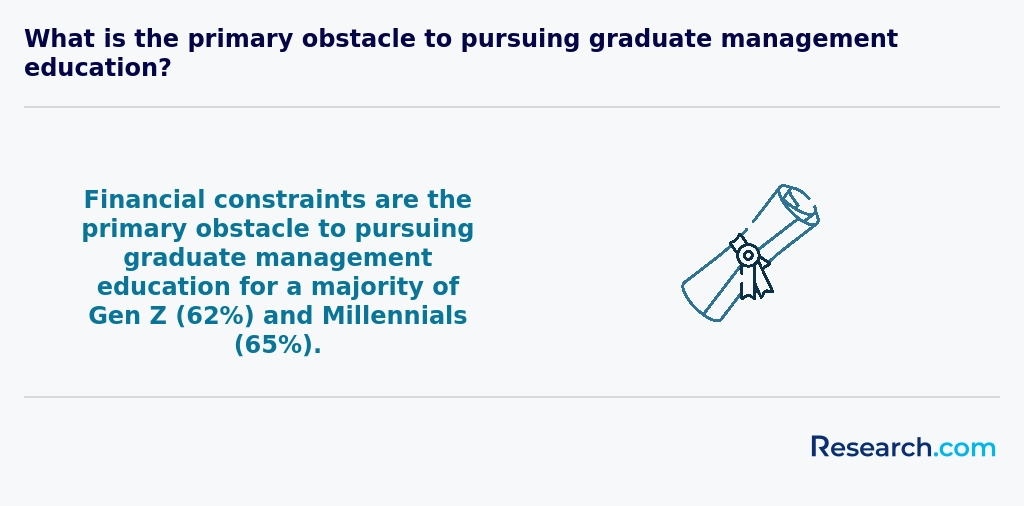
Understanding the true value of an MBA means looking beyond sticker price to the time it takes to recoup your investment. In Baltimore, the average total cost of a two-year full-time MBA ranges from $80,000 to $120,000, including tuition, fees, and living expenses. With starting salaries for graduates often between $80,000 and $120,000, many students break even within two to three years post-graduation. To calculate your payback period: 1. Estimate your net cost (tuition + fees + living expenses – scholarships and grants). 2. Determine your expected salary increase (post-MBA salary minus pre-MBA income). 3. Divide net cost by annual salary increase. For example, if your net cost is $90,000 and your salary jumps from $60,000 to $100,000 after graduation, your annual increase is $40,000, yielding a payback period of just over two years. Maximize ROI by:
- Pursuing assistantships or employer sponsorships to reduce net cost.
- Selecting high-growth specializations such as Finance or Business Analytics.
- Leveraging networking events and career services to secure early promotions. For cost-conscious students, exploring reputable online alternatives can further shorten payback time. Check out our Low Cost Online Master's in MBA Degree Programs Ranking in Virginia to compare tuition rates, residency requirements, and program formats that may align with your career goals and budget.
What financial aid is available to MBA degree students in Baltimore?
If you're eyeing an MBA in Baltimore, you'll be glad to know there's a bunch of financial aid options to ease the cost. Many students at places like Johns Hopkins Carey Business School or Towson University tap into federal student aid, which means grants, low-interest loans, and income-driven repayment plans once you're out in the workforce. Filling out the FAFSA is a must to get started on that.
Then there are merit-based scholarships that grads from Baltimore schools often rave about. These awards, given for things like strong academics or leadership, can slice your tuition bill by up to half. It's always smart to check each school's site for fresh scholarship chances and deadlines.
If you're working while studying, you might score some sweet tuition help from your employer. Lots of local companies up here are keen to chip in on MBA costs, especially for part-time or executive programs.
And don't forget about assistantships or fellowships-though rarer for MBAs in Baltimore, some students snag teaching gigs or tuition waivers that come as handy perks.
Some grads also turn to private loans, but they're careful about rates and payback. Bottom line? Planning early and knowing your options can really brighten your MBA journey in Baltimore.
What are the prerequisites for enrolling in MBA degree program in Baltimore?
If you're thinking about jumping into an MBA program here in Baltimore, you'll quickly find that most schools want to see a bachelor's degree first-doesn't have to be business, though. Plenty of grads from Johns Hopkins or Towson University came from all kinds of fields like engineering or social sciences, and that diversity actually makes classroom chats way more interesting.
Now, about those test scores: many Baltimore programs ask for the GMAT, with median scores roughly between 600 and 670. Some schools are cool with GRE scores or even skipping the test if you've got strong experience. Speaking of experience, having two to five years in the workforce really helps-you'd be surprised how practical insights from real jobs spice up class discussions, especially in programs at the University of Baltimore.
Don't forget letters of recommendation and personal essays. Graduates from Maryland's well-known schools often mention how those essays helped them share their unique goals and vibes with admissions teams, making their applications stand out.
Also, if you're an international student, expect to show English proficiency, and some programs may ask you to brush up with courses in stats or accounting first. But overall, Baltimore's MBA admissions look for a mix of solid academics, work smarts, and clear career dreams.

Affordability and ROI of MBA Programs in Baltimore, MD
The decision to pursue an MBA is significantly influenced by the program's affordability and potential return on investment (ROI). Prospective students often weigh the costs of tuition, living expenses, and other fees against the potential salary increases and career advancements that an MBA can offer. In Baltimore, MD, the average cost of an MBA program can vary widely, depending on the institution and the specific program. To make an informed decision, it's essential to explore not only the upfront costs but also the potential long-term benefits, such as increased earning potential and improved job prospects. For instance, graduates of affordable MBA programs in Maryland, such as those found through affordable mba programs in maryland, often report significant career advancements and salary increases, making the investment worthwhile. By considering both the financial aspects and the career implications, prospective MBA students in Baltimore can make a decision that aligns with their financial situation, career goals, and personal aspirations.
What courses are typically in MBA degree programs in Baltimore?
If you're diving into an MBA in Baltimore, expect to tackle courses that really build your business smarts from the ground up. Graduates from schools like University of Baltimore or Johns Hopkins Carey Business School often mention how classes such as Financial and Managerial Accounting helped them get fluent in reading and using financial numbers, a total game-changer when making real-world decisions.
Marketing Management is another favorite, with students learning how to craft strategies that actually attract and keep customers. At the same time, Operations Management courses break down the nuts and bolts of running smooth business processes, something many grads say prepared them well for leadership roles in busy companies around Baltimore's growing industries.
On top of that, people highlight Organizational Behavior and Strategic Management classes as eye-openers for understanding people and planning big-picture moves. Plus, the chance to pick electives like healthcare management or logistics means you can focus exactly where Baltimore shines, making your MBA super relevant and exciting.
What types of specializations are available in MBA degree programs in Baltimore?
Baltimore's business schools offer a bunch of cool MBA specializations that really tap into the city's vibe. Graduates from local colleges often rave about Healthcare Management, thanks to Baltimore's top hospitals and medical hubs, which sets you up for leadership roles in healthcare companies. Finance is another big draw, with classes diving into everything from investments to risk management, perfect for those eyeing jobs in the city's growing financial district.
Marketing and Supply Chain Management are favorites too-imagine working on digital marketing campaigns or managing logistics connected to Baltimore's busy port. Tech Management is catching on fast, reflecting Baltimore's growing tech scene. Lots of students appreciate this mix because it lets them shape their expertise based on where they want to go.
If you're pressed for time or juggling work, some schools offer great fast mba online options, adding even more flexibility to these popular MBA concentrations Baltimore programs provide.
How do you choose the best MBA degree in Baltimore?
When choosing the best MBA degree in Baltimore, think about what fits your life and goals. Many grads from UMBC's Merrick School of Business love the AACSB accreditation because it feels like a solid stamp of quality when job hunting. If you're juggling work and classes, part-time or online programs here are a lifesaver-offering the flexibility to keep your job and family time intact. Baltimore's mix of public and private schools means you'll want to factor in cost carefully. Local students often save with in-state tuition, but private schools might be worth the extra investment for certain career paths, especially if you find one that matches your passions.
Networking is huge in Baltimore's business scene. Many grads rave about how connections made through internships and local industry ties opened doors, especially in healthcare and tech sectors. If you want to explore these best affordable MBA programs in Baltimore, check out options tailored to your interest and lifestyle. Also, if budget's a main concern, don't miss the Low Cost Online Master's in MBA Degree Programs Ranking in Virginia for some great affordable online picks.
Look at programs offering the right specializations for you-whether it's finance, entrepreneurship, or healthcare management. Recent grads often mention how this focus made coursework feel practical and relevant, boosting confidence and job prospects coming out of the program.
What career paths are available for MBA degree students in Baltimore?
If you're pursuing an MBA degree in Baltimore, you're stepping into a market full of exciting opportunities. Graduates from well-known schools like the University of Baltimore often find themselves landing finance and banking roles, thanks to the city's solid connection to major financial hubs nearby. You might find yourself analyzing investments or managing corporate finances, which can be as rewarding as it is challenging. This is just one of the many business management jobs Baltimore market offers.
Others, especially those who studied at universities close to top healthcare institutions like Johns Hopkins, have moved into healthcare administration, managing big hospital operations. It feels great knowing your MBA skills help improve healthcare services in a city that values innovation in this field.
Plus, with Baltimore's growing tech scene, plenty of grads are diving into technology and data analytics roles, driving innovation as product managers or business intelligence experts. If you're curious about the most successful college majors, an MBA here gives you the flexibility to explore those paths and more.
What is the job market for MBA degree in Baltimore?
Looking for MBA job opportunities in Baltimore? The city's job market is buzzing, especially for grads from schools like the University of Baltimore. Many MBA graduates find themselves working with big healthcare players like Johns Hopkins, handling hospital administration or consulting projects. Others dive into finance roles at local banks and investment firms, thanks to Baltimore's handy spot near D.C., which supercharges opportunities in risk management and corporate finance.
What's really exciting is how the tech scene here is growing. MBA grads with skills in data analytics and entrepreneurship are getting into startups and supply chain roles that blend business smarts with innovation. Many students tell me how networking through their university's alumni groups made landing these jobs way smoother.
Plus, Baltimore's MBA tuition tends to be easier on the wallet-like the University of Baltimore's $30,000-$40,000 range for full-time programs-making it a smart investment paired with solid salary trends. For those curious about certification jobs that pay well, combining certifications with an MBA here can open even more doors.
Frequently Asked Questions About MBA
To maximize their learning experience, MBA students in Baltimore should actively engage with local business networks and communities. Baltimore's diverse economy, which includes finance, healthcare, and technology sectors, offers practical opportunities for internships and projects. According to the Greater Baltimore Committee, network participation can significantly enhance access to mentorship and job placements.
Students can also benefit from Baltimore's proximity to notable business hubs like Washington, D.C. Collaborating with peers and attending conferences broadens perspectives and practical understanding. Additionally, leveraging resources at universities-including career centers and guest lectures-helps translate theory into practice.
Consistently balancing coursework with real-world experiences remains essential for skill development in Maryland's competitive MBA landscape.
Emerging niches within the MBA field reflect the shifting demands of today's business world, particularly in Baltimore's evolving economy. One notable area is healthcare management, where Baltimore's proximity to major hospitals and biotech firms drives demand for professionals skilled in both business and healthcare regulation.
Another growing niche is sustainability and green business. As companies prioritize environmental impact, MBA programs in Baltimore increasingly offer specializations focusing on sustainable business practices and corporate social responsibility.
Additionally, finance and fintech remain strong due to Baltimore's expanding tech scene and financial services sector. Customized MBA tracks guide students through blockchain, digital payments, and data analytics.
According to the U.S. News & World Report 2023 rankings and local university data, MBA programs here are adapting curricula to meet these niche demands, preparing graduates for specialized roles in a competitive market.
After completing an MBA degree in Baltimore, graduates should focus on building a strong professional network. Baltimore's proximity to Washington D.C. and robust business community offer ample networking opportunities through local chapters of organizations like the Baltimore Chamber of Commerce and industry-specific meetups.
Internships and practical experience gained during the MBA program are crucial. According to the Graduate Management Admission Council (GMAC), 89% of MBA graduates in Maryland secure employment within three months of graduation.
Additionally, mastering skills such as data analytics, leadership, and digital marketing can enhance employability. Utilizing career services at Baltimore universities also helps in targeted job search strategies and interview preparation.
Employers in Baltimore highly value a combination of analytical and interpersonal skills among MBA graduates. According to the 2023 Graduate Management Admission Council (GMAC) survey, 81% of employers seek candidates with strong problem-solving abilities and data-driven decision making. This is especially relevant in Baltimore's diverse business sectors such as healthcare, finance, and technology.
Leadership and communication skills also rank prominently, with 75% of surveyed employers emphasizing effective team management and clear communication as critical for MBA hires. Baltimore's collaborative work environments demand graduates who can lead cross-functional teams. Additionally, adaptability and digital literacy are increasingly important due to rapid technological changes affecting local industries.
Finally, strategic thinking and ethical judgment are valued skills. MBA programs in Baltimore often tailor curricula to enhance these competencies, aligning graduates with regional employers' expectations for responsible and innovative leadership.
Finding internships in Baltimore for MBA students involves leveraging local business networks and university resources. Many Baltimore universities, such as Johns Hopkins Carey Business School and the University of Baltimore Merrick School of Business, offer dedicated career services that connect students with internship opportunities across finance, healthcare, and technology sectors.
Baltimore's economic landscape supports strong internship prospects, especially in industries like healthcare administration and cybersecurity, which align with many MBA specializations. According to Maryland's Department of Labor, internship placements in the Baltimore metro area increased by 8% from 2022 to 2023, reflecting growing demand.
Additionally, MBA candidates should explore professional organizations like the Baltimore Business Networking Group and attend career fairs held by local chambers of commerce. These platforms often list internships tailored for MBA expertise and facilitate direct employer contacts.
In Baltimore, earning an MBA significantly enhances career mobility and advancement opportunities. According to the U.S. Bureau of Labor Statistics, professionals with an MBA tend to experience faster promotions and higher earning potential compared to those with only a bachelor's degree. Local employers, especially in finance, healthcare, and technology sectors, value MBA graduates for their leadership and strategic skills.
Data from the Association to Advance Collegiate Schools of Business (AACSB) shows that Baltimore-area MBA graduates report a median salary increase of 25% within three years post-graduation. Networking connections formed during MBA programs in Baltimore also open doors to executive-level positions within the city's diverse business community.
Studying for an MBA degree in Baltimore offers unique advantages for preparing students for interdisciplinary roles. Baltimore's MBA programs emphasize collaboration across business, technology, healthcare, and government sectors, reflecting the city's diverse economy. According to the Association to Advance Collegiate Schools of Business (AACSB), several Baltimore institutions provide specialized concentrations that blend finance, management, and data analytics, equipping students to adapt across fields.
Local internships and partnerships with companies like Johns Hopkins Medicine and regional banks give practical experience in multifaceted environments. This hands-on approach builds skills in problem-solving and communication, essential for roles requiring coordination among different departments and industries. Baltimore's MBA curriculum also often incorporates leadership training and ethical decision-making, further enhancing interdisciplinary readiness.
Choosing between a thesis and a non-thesis MBA program in Baltimore depends largely on your career goals and learning preferences. Thesis programs generally emphasize in-depth research, ideal for students interested in academic, analytical, or consulting roles. Completing a thesis can take additional time, often extending the program by a semester.
Non-thesis MBA programs typically focus on practical skills and coursework, appealing to professionals aiming for management or leadership positions. These programs may also offer internships or capstone projects instead of a thesis.
Baltimore schools such as Johns Hopkins University offer both options, with reported graduation rates near 75%, indicating strong support for diverse learning paths (IPEDS, 2023).
Students based in Baltimore who wish to study for an MBA abroad have several pathways to consider. While Baltimore itself hosts reputable MBA programs like those at Johns Hopkins Carey Business School, many local students explore international options through partnerships and exchange programs. According to the Graduate Management Admission Council (GMAC), about 20% of US MBA candidates express interest in global study opportunities, reflecting growing demand.
Some Baltimore institutions offer dual-degree or study-abroad options, allowing students to earn credits overseas at partner universities, primarily in Europe and Asia. Additionally, programs like the Fulbright U.S. Student Program provide funding possibilities for MBA candidates pursuing research or coursework abroad. These international study experiences can enhance cultural understanding and global business skills, which are highly valued by employers today.
Baltimore offers diverse part-time job opportunities that complement MBA education by providing practical business experience. Roles in financial services are prominent due to the city's strong banking sector, including positions as financial analysts or client associates at firms like T. Rowe Price.
Consulting and marketing internships also align well with MBA coursework, allowing students to apply strategic thinking and market analysis skills. The local cybersecurity industry, growing in Baltimore, provides project management roles ideal for MBA students focusing on information systems.
Nonprofit organizations in the city often seek part-time fundraisers or program coordinators, enhancing leadership and organizational abilities. According to the Baltimore Business Journal, students holding part-time roles in these sectors gain an average 15-20 hours per week while increasing their professional network.
Baltimore offers robust networking opportunities for MBA students, leveraging its diverse economy and proximity to major business hubs like Washington, D.C. Local institutions such as Johns Hopkins Carey Business School provide regular networking events, workshops, and alumni meetups that connect students with industry professionals.
The Baltimore Business Journal highlights that MBA students can engage with active professional organizations, including the Baltimore Chamber of Commerce and industry-specific groups in finance, healthcare, and technology. These memberships often facilitate internships and mentorships.
Additionally, many Baltimore universities partner with local companies, allowing MBA candidates to participate in live consulting projects and networking dinners, crucial for building real-world connections.
Alumni networks play a crucial role in enhancing the experience of MBA students in Baltimore. These networks offer valuable opportunities for mentorship, allowing current students to connect with graduates who have navigated similar career paths. For example, Johns Hopkins Carey Business School boasts an active alumni network that regularly hosts networking events and career workshops.
Access to these networks can significantly improve job placement rates, as many Baltimore-based companies prefer candidates recommended by their alumni. According to a 2023 report by the Graduate Management Admission Council, 65% of MBA graduates secure jobs through alumni connections or university-related contacts.
Moreover, alumni often provide internships and project collaborations, giving students hands-on experience in Baltimore's diverse industries like healthcare, finance, and technology. This practical exposure enhances students' resumes and professional skills.
Customizing an MBA degree program in Baltimore to align with your career goals is increasingly accessible due to the flexibility offered by local universities. Many programs allow students to choose concentrations such as finance, healthcare management, or entrepreneurship, which are tailored to Baltimore's economic sectors. For instance, Johns Hopkins Carey Business School offers options in healthcare and technology management, reflecting the city's industry strengths.
You can also select electives and participate in experiential learning like internships with Baltimore-based companies, enhancing practical skills aligned with your career path. Part-time and online formats offer working professionals added scheduling flexibility. Current data from the Graduate Management Admission Council highlights that 67% of MBA candidates pursue programs fitting their specific job goals, a trend strongly supported in Baltimore's market.
MBA students in Baltimore commonly face challenges balancing rigorous coursework with professional and personal responsibilities. Many students work full-time while pursuing their degree, which adds significant time management pressure. According to the Association to Advance Collegiate Schools of Business (AACSB), nearly 60% of MBA candidates in the US juggle work and studies simultaneously.
Additionally, the cost of obtaining an MBA in Baltimore can be substantial. Tuition fees vary widely, with some programs exceeding $50,000, leading to concerns about student debt. Financial aid and employer sponsorships are often essential for managing these expenses.
Networking opportunities are vital but can be limited for part-time and online students who miss in-person interactions. Finally, adapting to hybrid or virtual learning environments introduced during the pandemic remains an adjustment for many Baltimore MBA students.
With an MBA degree in Baltimore, graduates can pursue various professional certifications to enhance their career prospects. Common options include the Project Management Professional (PMP), highly respected across industries. Another popular choice is the Certified Public Accountant (CPA), especially for those focusing on finance or accounting roles.
Additionally, the Certified Financial Planner (CFP) and Chartered Financial Analyst (CFA) certifications are valuable for MBA holders seeking careers in financial services.
According to the U.S. Bureau of Labor Statistics, holders of these certifications often see higher salaries and better job security. In Baltimore, with its strong business and financial sectors, these certifications complement an MBA well.
Local institutions such as the University of Baltimore and Johns Hopkins Carey Business School offer resources and preparatory programs tailored to these certifications, helping graduates take advantage of regional opportunities.
Writing a winning application for an MBA program in Baltimore requires clear focus and preparation. Start by researching the specific schools, such as Johns Hopkins Carey Business School or University of Baltimore, to tailor your application to their values and program strengths. According to U.S. News 2024 rankings, Baltimore's MBA programs emphasize leadership and local business connections.
Highlight your work experience with concrete achievements, as most Baltimore MBA programs prefer candidates with at least two to three years in professional roles. A strong GMAT or GRE score can improve your chances; for example, Johns Hopkins reports a median GMAT score near 655.
Craft a compelling personal statement that explains why an MBA in Baltimore fits your career goals and how you plan to contribute to the program. Include specific references to Baltimore's growing business sectors like cybersecurity and healthcare management.
Finally, secure professional recommendations that reflect your leadership potential and collaboration skills. Meeting or exceeding application deadlines and formatting requirements is equally important to demonstrate your organizational skills.
The global perspective on an MBA career highlights growing demand for business leaders equipped with international skills. According to the Graduate Management Admission Council (GMAC), nearly 40% of MBA students in the U.S. report plans to work globally after graduation. For Baltimore-based MBA candidates, this trend reflects opportunities to join multinational corporations headquartered in the region, such as T. Rowe Price and Under Armour.
MBAs often pursue careers in consulting, finance, and technology-fields with strong global connectivity. The U.S. Bureau of Labor Statistics projects a 7% growth in management occupations through 2031, emphasizing leadership roles that value cross-cultural business knowledge.
Additionally, Baltimore's proximity to Washington, D.C. provides networking advantages for MBAs interested in government or international development careers with a global scope. Data from the Baltimore Business Journal shows local MBA graduates contributing significantly in these sectors.
Gaining practical experience during an MBA in Baltimore is achievable through various opportunities integrated within local programs. Many schools offer internships with Baltimore's diverse economy, including finance, healthcare, and technology sectors. For example, Johns Hopkins Carey Business School encourages internships that provide real-world business challenges.
Students can also participate in consulting projects or business competitions hosted by universities, which simulate practical management tasks. Networking events with Baltimore-based companies further enhance exposure to industry professionals.
According to the Graduate Management Admission Council, nearly 79% of MBA students nationally secure internships, a trend mirrored in Baltimore's universities, enabling students to apply classroom knowledge effectively.
Choosing the right concentration within an MBA program in Baltimore starts with assessing your career goals and interests. For example, Baltimore's strong healthcare sector makes concentrations like Healthcare Management highly relevant and practical. According to the Baltimore Business Journal, healthcare accounts for a significant portion of local employment, offering numerous opportunities for MBA graduates specialized in this area.
Financial services is another prominent industry in Baltimore, with firms seeking professionals skilled in finance and investment management. Research from the Maryland Higher Education Commission shows that MBA programs in Baltimore often tailor curriculum to local market needs, emphasizing finance, marketing, and entrepreneurship.
When selecting a concentration, consider local industry trends, your skills, and internships or networking opportunities offered by the program. Specialized tracks aligned with Baltimore's economy enhance employment prospects post-graduation.
Related MBA Rankings for Nearby Cities
- 2027 Best MBA Degree Programs Ranking in Washington
- 2027 Best MBA Degree Programs Ranking in Arlington
- 2027 Best MBA Degree Programs Ranking in Philadelphia
- 2027 Best MBA Degree Programs Ranking in Scranton
- 2027 Best MBA Degree Programs Ranking in Newark
- 2027 Best MBA Degree Programs Ranking in New York
- 2027 Best MBA Degree Programs Ranking in Brooklyn
- 2027 Best MBA Degree Programs Ranking in Virginia Beach
- 2027 Best MBA Degree Programs Ranking in Bronx
- 2027 Best MBA Degree Programs Ranking in Lynchburg
Top Trending MBA Rankings
References
- 6 Tips to Make the Most of Your MBA Experience https://mbaschooled.com/2020/01/14/6-tips-to-make-the-most-of-your-mba-experience/
- Why Employers Prize a Global Perspective from MBA Graduates | WU Executive Academy https://executiveacademy.at/en/knowledge/career/why-employers-prize-a-global-perspective-from-mba-graduates
- How Affordable are Baltimore MBA Programs Compared to DC? https://www.metromba.com/2018/02/affordable-baltimore-mba-dc/
- Top 6 MBA Career Paths https://stmary.edu/prelaw/top-mba-career-paths.html
- What Work Experience Do You Need For an MBA? | Articles | Unimy https://www.unimy.com/article/blog-mba-preparation-admissions-mba-work-experience
- Experiential and Consequential Learning https://willamette.edu/academics/mba/experiential-learning/
- MBA Career Outlook from a Global Perspective Margaret Buj https://interview-coach.co.uk/mba-career-outlook-from-a-global-perspective/
- Tips for Writing an MBA Program Essay - GMAT Ninja https://www.gmatninja.com/articles/mba-admissions/essays-and-applications/minimizing-mba-application-essay-agony/
- Skills Employers Look for in Business Graduates – EU Business School https://www.euruni.edu/blog/skills-employers-look-for-in-business-graduates/
- Why Fit Matters: Matching Your Profile and Career Goals to Your Dream MBA Program https://merchantmba.com/blog/why-fit-matters-matching-your-profile-and-career-goals-to-your-dream-mba-program


