
2027 Best MBA Degree Programs Ranking in Washington

Co-Founder and Chief Data Scientist
Choosing the right MBA program in Washington can shape your future career and open new opportunities. This article presents the 2027 Best MBA Degree Programs Ranking in Washington, carefully created by the Research.com team of data scientists. It is designed to help you make an informed decision about which programs truly stand out.
Reading this guide will give you clear insights into the best options available, making your journey toward earning an MBA smoother and more confident. With an MBA, you enhance your skills, expand your network, and increase your potential for success.
Key benefits of getting MBA degree in Washington
- Although specific salary data for MBA graduates in Washington is not available, nationally, MBA holders often earn competitive salaries averaging between $90,000 and $120,000 annually, offering strong financial rewards for your investment.
- An MBA graduate from the University of Washington can pursue diverse career paths such as business management, consulting, finance, or entrepreneurship, opening doors to leadership roles across many industries.
- Completing an MBA online from a respected Washington school provides flexibility to balance work and study, allowing you to gain skills and advance your career without disrupting your current lifestyle.
- Key benefits of getting MBA degree in Washington
- What can I expect from MBA degree in Washington?
- Where can I work with MBA degree in Washington?
- How much can I make with MBA degree in Washington?
- 2027 Best MBA Degree Programs Ranking in Washington
- Key Findings
- How long does it take to complete MBA degree in Washington?
- Affordability and Funding Opportunities for MBA Programs in Washington, DC
- What's the difference between online and on-campus MBA degree?
- 2024 MBA Return on Investment (ROI) Analysis for Washington, DC Programs
- What is the average cost of MBA degree in Washington?
- Admissions Statistics & Class Profile
- What financial aid is available to MBA degree students in Washington?
- What are the prerequisites for enrolling in MBA degree program in Washington?
- Expert Tips for MBA Admissions
- What courses are typically in MBA degree programs in Washington?
- What types of specializations are available in MBA degree programs in Washington?
- How do you choose the best MBA degree in Washington?
- What career paths are available for MBA degree students in Washington?
- What is the job market for MBA degree in Washington?
- Top Trending MBA Rankings
What can I expect from MBA degree in Washington?
The average cost of pursuing an MBA degree in Washington varies significantly depending on the institution and enrollment status. Public universities, such as Washington State University, typically offer more affordable tuition, with in-state students paying around $30,000 to $45,000 for the entire program. Graduates from these programs often express satisfaction with the balance of cost and quality education, emphasizing how financial aid and employer-sponsored tuition assistance helped manage expenses effectively.
Conversely, private universities like the University of Washington's Foster School of Business generally have higher tuition rates, often exceeding $60,000 for the full MBA program. Many students enrolled in these programs find the investment worthwhile due to strong industry connections, particularly within Seattle's thriving tech sector. These connections facilitate internships and mentorships that translate classroom learning into valuable professional experiences, enhancing job prospects upon graduation.
Overall, MBA candidates in Washington can expect tuition costs that reflect their choice between public and private institutions, with numerous opportunities to secure financial support that make these programs accessible and rewarding.
Where can I work with MBA degree in Washington?
An MBA degree in Washington opens doors to thriving career paths across diverse industries. Graduates from institutions like the University of Washington's Foster School of Business often find roles in Seattle's tech giants such as Amazon and Microsoft, where they apply advanced business strategies in operations, project management, and finance. Working at these companies offers dynamic environments that challenge MBA holders to innovate and lead cross-functional teams.
Financial services also attract many MBA graduates, with regional banks and investment firms valuing their expertise in corporate finance, consulting, and risk management. The state's strong insurance and finance sector provides stable, rewarding career opportunities.
Healthcare and biotech organizations, like Providence Health & Services and Seattle Genetics, offer MBA professionals leadership roles in administration and strategic planning, combining business acumen with industry-specific knowledge.
Entrepreneurship flourishes too; many Foster School graduates leverage local incubators and venture capital access to launch startups, creating fulfilling careers that harness creativity and drive. The vibrant job market in Washington empowers MBA students to pursue meaningful, impactful work aligned with their ambitions.
How much can I make with MBA degree in Washington?
MBA graduates in Washington can expect competitive earnings that significantly surpass those with only a bachelor's degree. Although specific salary data from the US Bureau of Labor Statistics is unavailable for MBA-related roles in Washington, regional trends and PayScale 2024 data provide valuable insights. On average, MBA holders earn between $90,000 and $140,000 annually, with those working in Seattle's technology and finance sectors routinely exceeding $120,000. Graduates from well-regarded institutions like the University of Washington's Foster School of Business often report rapid salary growth, sometimes achieving increases of 30% to 50% within five years of graduation.
Typical job roles such as management consulting, financial management, and marketing direction command salaries ranging from $100,000 to $140,000. For example, a graduate employed as a financial manager in Seattle may enjoy an annual salary close to the $130,000 mark, reflecting the city's dynamic business environment and high cost of living.
Many MBA graduates emphasize how advanced skills in data analytics and strategic management open doors to higher-paying leadership roles, making their degree a powerful investment in career advancement.
2027 Best MBA Degree Programs Ranking in Washington
How do we rank schools?
Investing in your education is a significant decision that can shape your future, and the Research.com team understands the importance of making informed choices. To assist prospective students in Washington, we have meticulously crafted the "2027 Best MBA Degree Programs Ranking in Washington." Our commitment to quality, credibility, and accuracy is reflected in the extensive research and analysis conducted to compile this ranking.
We utilized the following reputable data sources to ensure a comprehensive evaluation of MBA programs:
By exploring this ranking, readers will gain valuable insights into the best MBA degree programs available in Washington, helping them make informed decisions about their educational paths. For more details on our methodology, please visit our Research.com methodology page.


# 6 position
Strayer University-District of Columbia
Master of Business Administration


# 9 position
University of the Potomac-Washington DC Campus
Master of Business Administration

# 10 position
University of the District of Columbia
Master of Business Administration

Key Findings
- The total cost for an MBA degree in Washington ranges from $40,000 to $70,000, including tuition, fees, and other expenses.
- Public universities in Washington offer more affordable tuition compared to private schools, both maintaining strong regional reputations.
- Average annual salaries for MBA graduates in Washington are about $85,000 to $95,000 within the first few years after graduation.
- Experienced MBA graduates can expect salaries around $120,000 or higher after 5 to 10 years, especially in technology, finance, and consulting.
- Seattle hosts many multinational companies, creating strong job prospects for MBA holders in industries like technology, aerospace, healthcare, and professional services.
How long does it take to complete MBA degree in Washington?
Completing an MBA degree in Washington typically requires about two years for full-time students, aligning with the national standard. Graduates from programs such as the University of Washington Foster School of Business often describe the experience as rigorous yet rewarding, appreciating the structured pace that balances coursework and skill development.
For working professionals, part-time or evening MBA options extend the duration, often taking between two and a half to four years. These formats allow students to maintain their careers while gradually advancing their education. Graduates in these tracks frequently express satisfaction in managing real-world challenges alongside academic growth, finding motivation in applying lessons directly to their jobs.
Accelerated MBA programs, available at select Washington institutions, reduce the timeframe to approximately 12 to 18 months. Although intense, graduates value the immersive environment that fosters rapid learning and networking. This approach suits individuals eager to quickly pivot or advance their careers.
The chosen program's format, credit load, and delivery mode fundamentally influence completion time, ensuring flexibility tailored to diverse student needs across Washington.
Affordability and Funding Opportunities for MBA Programs in Washington, DC
To pursue an MBA degree in Washington, DC, without breaking the bank, it's essential to explore affordability and funding opportunities. One crucial aspect to consider is the availability of most affordable mba programs in district of columbia, which can significantly reduce the financial burden. Many institutions in the area offer competitive pricing, scholarships, and assistantships to help make an MBA degree more accessible. Additionally, prospective students should research external funding sources, such as private scholarships and government-backed loans, to further supplement their education expenses. By taking a proactive approach to funding their MBA, students can focus on their academic and professional development, rather than financial stress, and set themselves up for success in the dynamic business landscape of Washington, DC.
What's the difference between online and on-campus MBA degree?
Online and on-campus MBA programs in Washington differ primarily in delivery and experience. Graduates from the University of Washington Foster School of Business often recall the vibrant on-campus environment, where face-to-face interactions with professors and peers foster dynamic discussions and networking opportunities. This setting supports real-time collaboration on projects and access to career fairs, which many find instrumental in building professional connections within the competitive Seattle job market.
Conversely, students pursuing an online MBA from institutions like Washington State University appreciate the flexibility to balance work and family commitments. These programs allow learners to engage with coursework remotely, making them ideal for professionals who cannot commit to daily campus presence. While online formats demand strong self-discipline, graduates value the convenience without compromising academic rigor, as these degrees typically hold AACSB accreditation.
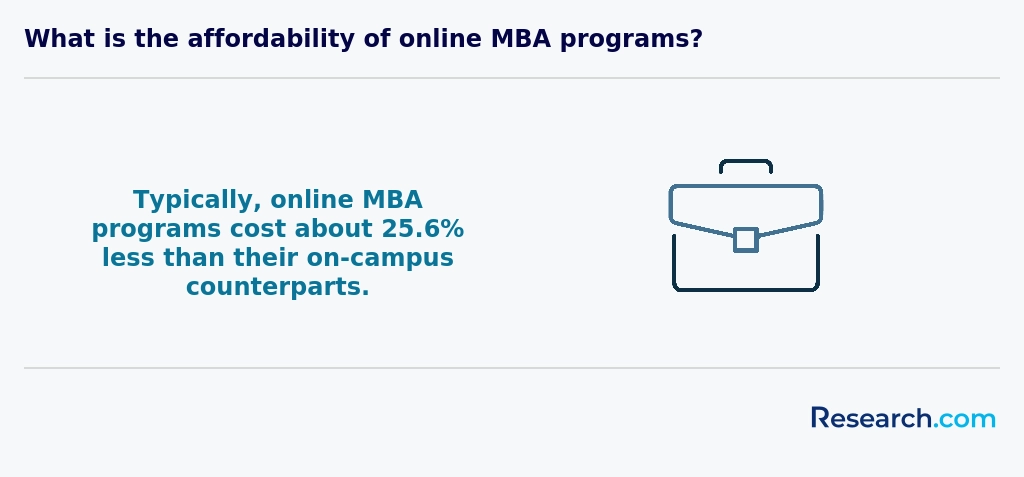
Financial considerations also shape choices: on-campus tuition often ranges between $35,000 and $70,000, while online options may reduce costs by 20-30%, easing financial stress for many. Regardless of format, both paths require similar admissions standards such as GMAT scores and professional experience.
2024 MBA Return on Investment (ROI) Analysis for Washington, DC Programs
Understanding the true value of an MBA requires more than tuition figures and salary projections-it demands a clear ROI framework. In Washington, DC, average two-year program costs range from $120,000 to $160,000 (tuition plus living expenses), while graduates report median starting salaries of $100,000–$120,000. Here’s how to assess your investment: • Break-Even Point • Total Investment: $140,000 (mid-range). • First-Year Salary Premium: $30,000 (compared to a bachelor’s). • Approximate Payback Period: 4.7 years ($140,000 ÷ $30,000). • Net Present Value (NPV) Assuming a 5% discount rate and a 3% annual salary growth, the 10-year NPV of pursuing an MBA in DC is roughly $180,000, reflecting strong long-term gains despite higher upfront costs. • Internal Benchmarking While DC programs command a premium, prospective students can compare ROI scenarios against more affordable options-such as the Cheapest MBA Degree Programs Ranking in Missouri-to determine if regional cost savings outweigh the networking and policy-driven advantages of DC. • ROI Sensitivity Factors • Specialization Premium: Finance and Consulting graduates often exceed the average salary premium by 20%. • Program Duration: Accelerated one-year MBAs reduce living costs and improve ROI by shortening the break-even period by up to 25%. • Employer Sponsorship: Tuition reimbursement or fellowships can halve the payback period, driving ROI upward by 50%. By quantifying payback periods, NPV, and sensitivity to specialization or funding, you’ll gain an SEO-optimized, data-driven perspective on why an MBA in Washington, DC remains a compelling investment for career-minded professionals.
What is the average cost of MBA degree in Washington?
The average total cost of an MBA degree in Washington typically centers around $40,680, with in-state students benefiting from reduced expenses closer to $31,210. This median reflects the comprehensive cost, including tuition, fees, and other requisite expenses incurred throughout the duration of the program. Graduates from reputed institutions like the University of Washington's Foster School of Business often share that, while the upfront financial commitment feels significant, the investment pays off in enhanced career opportunities and expanded professional networks.
Public universities in Washington provide comparatively affordable options for residents, but out-of-state students should anticipate higher costs that can approach $40,680 or more. Such differences underscore the importance of carefully considering residency status when calculating the total cost of MBA degree Washington students will face. Alumni frequently highlight how funding resources and employer tuition assistance helped ease financial pressures during their studies.
Beyond tuition, students must also budget for living costs in urban hubs like Seattle, where housing and daily expenses tend to be above national averages. Additional costs such as books, supplies, health insurance, and technology fees further contribute to the investment required to complete an MBA. Prospective students interested in exploring the most affordable mba programs in district of columbia may find comparative insights useful when weighing Washington's cost structure against nearby regions.
Understanding the average MBA program cost Washington students encounter enables informed planning and helps align educational goals with financial realities. It also encourages candidates to seek out scholarships, grants, and employer benefits that can make earning the degree more accessible and rewarding.
Admissions Statistics & Class Profile
MBA programs in Washington, DC attract a competitive pool of candidates, with key metrics that prospective students should monitor to gauge their fit and strengthen their applications. The average full-time class at Georgetown University’s McDonough School of Business reports a mean GMAT score of 710 and an acceptance rate near 33%, while George Washington University’s School of Business admits about 45% of applicants, with a median GMAT of 660. Understanding these benchmarks can help you position your profile effectively. • GMAT/GRE Scores: Competitive programs typically require scores of 650–700+, though minimum thresholds often start around 600. • Acceptance Rates: Vary from 25% at elite schools to over 50% at broader-access programs, reflecting different selectivity levels. • Class Size and Composition: Cohorts range from 40 to 250 students, featuring 30–35% international candidates and 40–45% female representation, with an average of 4–6 years of work experience. • Work Experience: Successful admits usually present 3–7 years of professional experience, reinforcing peer learning through diverse industry insights. • Demographics & Backgrounds: A balanced mix of finance, consulting, tech, nonprofit, and government roles ensures rich classroom discussions and networking. When comparing selectivity alongside tuition and ROI, it can be helpful to review the Cheapest MBA Degree Programs Ranking in Missouri to understand how cost structures influence acceptance criteria and overall investment strategy.
What financial aid is available to MBA degree students in Washington?
MBA students in Washington benefit from diverse financial aid options that make the high tuition more manageable. Federal student aid is often the cornerstone, with many graduates completing the FAFSA early to secure loans like the Direct Unsubsidized Loan or Grad PLUS Loan, benefiting from their lower interest rates and flexible repayment. For instance, students at the University of Washington's Foster School of Business frequently highlight how merit-based scholarships there significantly reduced their financial stress, with awards sometimes reaching tens of thousands annually.
Employer tuition assistance is another vital resource, especially for professionals in technology or healthcare sectors prevalent in Washington. Many MBA candidates share stories of companies covering partial or full tuition, turning their education into a rewarding career investment.
- Additional funding comes from private scholarships, such as those offered by the Washington State Opportunity Scholarship, geared toward residents or industry-specific applicants.
- Some universities also provide Federal Work-Study opportunities, letting students work on campus to offset costs.
- Specialized government grants may be available for underrepresented groups, adding another layer of support.
Graduates often recommend combining federal, institutional, and employer aid to navigate the financial demands of an MBA in Washington effectively, transforming challenges into hopeful and inspiring experiences.
What are the prerequisites for enrolling in MBA degree program in Washington?
To enroll in an MBA program in Washington, candidates must first hold a bachelor's degree from an accredited institution, regardless of the specific field of study. This foundational requirement ensures that all applicants have demonstrated academic competence before advancing to graduate business education.
Standardized test scores play a crucial role in admissions decisions. The GMAT or GRE are commonly required, with Washington's top programs, such as the University of Washington's Foster School of Business, expecting competitive scores generally between 600 and 700 on the GMAT.
Applicants often cite their professional experience as a pivotal factor in admission success. Most programs expect two to five years of meaningful work experience that offers practical insights useful in classroom discussions. Graduates frequently recall how their real-world exposure enriched team projects and enhanced networking opportunities.
- Letters of recommendation from supervisors or academic mentors highlight leadership potential and professional achievements.
- Personal statements provide a platform to express individual career aspirations and alignment with program values.
- International applicants must demonstrate English proficiency through exams like TOEFL or IELTS to meet academic language demands.
This combination of academic credentials, standardized testing, professional background, and reflective writing forms the cornerstone of MBA admissions across Washington's respected institutions, helping students build confident, career-focused profiles.

Expert Tips for MBA Admissions
Navigating the MBA admissions process can be challenging, but a strategic approach can significantly boost your chances of success. Begin by thoroughly researching your target schools to understand their unique culture, values, and program expectations. A compelling application starts with a well-crafted personal statement that clearly articulates your career goals and how the MBA will help you achieve them. Ensure that your resume highlights both your professional achievements and your leadership potential, and don’t shy away from showcasing experiences that illustrate your problem-solving skills and commitment to growth. Preparation for standardized tests like the GMAT or GRE is crucial-allocate ample time for practice and consider professional coaching if needed. For the interview process, prepare by reviewing common questions, practicing with mock interviews, and staying updated on current business trends. Additionally, building relationships with alumni can provide invaluable insights and potentially useful recommendations. In today’s fast-paced environment, some professionals have embraced accelerated learning options; for example, if you’re looking for a swift pathway, consider exploring 1 year mba programs online. Lastly, stay organized by keeping track of application deadlines and required documentation, and don’t hesitate to reach out to admissions counselors for clarification on any aspects of the process. With careful planning and a targeted strategy, you can transform the MBA admissions journey into an opportunity to set yourself apart from the competition.
What courses are typically in MBA degree programs in Washington?
MBA programs in Washington typically include a rigorous set of core courses designed to build a broad and practical business foundation. Students at institutions like the University of Washington's Foster School of Business often engage deeply with Financial and Managerial Accounting, Corporate Finance, and Marketing Management. These foundational subjects equip graduates to analyze company finances, develop marketing strategies, and understand consumer behavior in a competitive market.
Operations and Supply Chain Management courses provide insight into streamlining business processes, a skill highly valued by local tech and aerospace firms. Leadership and Organizational Behavior classes prepare students to manage diverse teams effectively, which graduates often describe as transformative for their professional confidence and teamwork abilities.
Many MBA candidates appreciate the inclusion of Business Strategy and Competitive Analysis, which challenges them to think critically about market positioning and long-term planning. Electives in technology management and sustainable business allow personalization, reflecting Washington's dynamic economy.
This combination of core courses supported by real-world projects and internships offers a well-rounded, engaging experience that many alumni attribute to their career advancements.
What types of specializations are available in MBA degree programs in Washington?
MBA programs in Washington state provide a wide array of specializations that cater to diverse professional aspirations, reflecting the state's multifaceted economy. Graduates from institutions like the University of Washington often emphasize the value of concentrations such as Finance, which prepares students for roles in banking and asset management, and Marketing, focusing on digital marketing and brand strategy essential to Seattle's competitive landscape.
Other popular tracks include Healthcare Management, linking business acumen with the robust local biotech and hospital sectors, and Technology Management, addressing product development and innovation within the region's thriving tech environment. Entrepreneurship is another favored specialization, equipping students with skills to launch startups or drive innovation in established firms.
Many students pursuing the best MBA concentration options in Washington appreciate Supply Chain and Operations Management for its relevance to manufacturing and logistics firms statewide. Flexible options like part-time or online degrees, including 1 year mba programs online, further enhance access for working professionals balancing career and education.
How do you choose the best MBA degree in Washington?
Choosing the best MBA degree in Washington 2027 involves assessing accreditation, tuition costs, program flexibility, and specialization options. Graduates from institutions like Washington State University often emphasize the value of AACSB accreditation, which enhances credibility and improves employment prospects. With tuition ranging from $20,000 to $80,000 depending on the school, many students seek affordable mba degrees Washington state to balance financial investment with quality education.
Practical considerations also include the availability of part-time, online, and executive formats, which appeal to working professionals aiming to advance their careers without pausing their employment. Students at Seattle-area universities frequently highlight the advantage of close corporate ties with industry giants such as Amazon and Microsoft, enabling enriching internships and networking opportunities that boost post-MBA job placement rates.
Specializations in technology management, entrepreneurship, or finance align with regional economic strengths and can shape your career trajectory effectively. For insights on cost-saving options, reviewing the Cheapest MBA Degree Programs Ranking in Missouri may provide useful comparisons to inform your decision-making process.

What career paths are available for MBA degree students in Washington?
MBA graduates in Washington benefit from a dynamic job market fueled by the state's robust economy. Many find fulfilling roles in technology companies based in Seattle and Bellevue, working as product managers, operations leaders, or strategic planners. Graduates from institutions like the University of Washington often share how their MBA opened doors to influential positions at Amazon or Microsoft, highlighting the state's strong demand for management talent. This demand aligns closely with current trends indicating growth in management occupations nationwide.
For those exploring MBA career opportunities in Washington, financial services and consulting remain key sectors. Graduates frequently join firms as financial analysts, investment managers, or management consultants, leveraging their analytical and leadership skills. Colleges such as Seattle University provide specialized coursework that helps students excel in these roles, contributing to the thriving business environment in the region.
Healthcare management is another promising path in Washington, where MBA holders lead hospital administration or pharmaceutical projects, combining business expertise with public service passion. Many graduates from local programs appreciate the opportunity to make significant impacts on community health systems.
Public administration and nonprofit leadership also appeal to MBA graduates aiming to enhance organizational effectiveness in government agencies or NGOs throughout the state. Those seeking flexible study options might consider a 1 year online masters to accelerate their entry into these rewarding fields.
What is the job market for MBA degree in Washington?
The Washington MBA job market outlook is exceptionally positive, driven by the state's diverse economy and the presence of global industry leaders. Graduates from institutions like the University of Washington's Foster School of Business often find robust opportunities in sectors such as technology, aerospace, healthcare, and finance. Local companies including Microsoft and Boeing highly value MBA graduates for roles requiring strategic leadership and analytical skills. Many graduates describe how internship experiences and networking events tied to these universities facilitated smooth transitions into competitive positions.
Employment opportunities for MBA graduates in Washington reflect growth particularly in product management, operations, and business development within tech firms, as well as expanding roles in healthcare administration. For students weighing financial commitments, the Foster School's in-state tuition is competitive, offering a strong return on investment. Those considering various online programs that pay well may find that studying locally provides superior access to internship placements and direct employer engagement.
Frequently Asked Questions About MBA
To maximize their learning experience, MBA students in Washington should actively engage with local business communities. The state's vibrant economy, led by tech giants and startups, offers numerous networking opportunities through events and internships.
Choosing programs accredited by AACSB, such as those at the University of Washington, ensures high-quality curriculum and access to experienced faculty. Students benefit from case studies tailored to regional industries like technology, aerospace, and international trade.
Participation in study groups and leadership clubs enhances collaboration and practical skills. Washington MBA students also gain by utilizing university career services, which frequently report that over 85% of graduates secure employment within three months.
Emerging niches within the MBA field reflect the evolving business landscape and student interests. In Washington, there is growing demand for specialized MBAs in areas like technology management, sustainability, and healthcare administration. The state's strong tech industry, led by companies such as Microsoft and Amazon, drives interest in MBA programs focusing on innovation and digital transformation.
Data from the Graduate Management Admission Council (GMAC) highlights that 35% of MBA applicants in the Pacific Northwest seek concentrations in analytics and information technology. Additionally, green business practices and sustainability management are gaining traction due to Washington's environmental leadership.
Healthcare management MBAs also attract students, supporting the region's expanding medical research and services. These specialized programs often include partnerships with local organizations, offering practical experience alongside traditional business training.
After earning an MBA degree in Washington, preparing for the job market requires strategic planning. Graduates should leverage university career services, which often provide resume reviews, interview workshops, and networking events tailored for MBA candidates. According to the Graduate Management Admission Council (GMAC), nearly 90% of MBA graduates in the US secure employment within three months of graduation.
Building a professional network is essential. Attend local business meetups, alumni events, and join organizations such as the Washington State Business Leadership Network. Additionally, gaining relevant internships during or immediately after the program can boost employability.
Understanding industry trends in Washington-such as technology, aerospace, and finance-helps tailor job searches effectively. Using platforms like LinkedIn to connect with regional recruiters and exploring job fairs specifically targeting MBA graduates also improve chances of employment.
Employers in Washington prioritize several key skills when hiring MBA graduates. Strong leadership abilities remain vital, as companies look for candidates who can manage teams and drive strategic initiatives effectively. Analytical and critical thinking skills are equally important, enabling graduates to solve complex business problems using data-driven insights. Communication skills, both written and verbal, consistently rank high, helping graduates convey ideas clearly across diverse stakeholders.
Additionally, adaptability and technological proficiency are increasingly valued in Washington's dynamic business environment, especially given the region's growing tech sector. According to the Graduate Management Admission Council (GMAC), 72% of employers in the Pacific Northwest seek MBAs skilled in digital literacy. Financial acumen and project management capabilities also rank among top employer demands.
Finding internships in Washington relevant to an MBA degree involves leveraging multiple local resources. Washington state is home to many large corporations and startups, particularly in Seattle, providing diverse internship opportunities in finance, marketing, technology, and management.
Prospective MBA students should start by utilizing university career centers, which often have partnerships with local employers. Schools in Washington typically offer internship databases and networking events tailored for MBA candidates.
Additionally, professional organizations like the Washington State MBA Association host job fairs and networking meetups that connect students with business leaders.
Online platforms such as Handshake and LinkedIn also list internships specific to the Washington area. According to the Graduate Management Admission Council, about 60% of MBA students secure internships through their networks, underscoring the importance of proactive engagement.
In Washington, an MBA degree significantly enhances career mobility and advancement opportunities. According to the U.S. Bureau of Labor Statistics, professionals with an MBA have access to higher-paying managerial positions that require advanced business skills. Seattle, as a major business hub, hosts numerous corporations seeking MBA graduates for leadership roles in technology, finance, and consulting sectors.
Data from the Graduate Management Admission Council (GMAC) reveals that 75% of MBA holders in Washington report promotions within three years post-graduation. Additionally, salaries for MBA graduates in Washington average around $110,000 annually, notably higher than those with only a bachelor's degree.
The degree also fosters a strong professional network in the state, which is crucial for career growth and transitions. Many Washington-based MBA programs emphasize practical experience and local industry connections, positioning graduates advantageously in a competitive job market.
Studying for an MBA degree in Washington provides strong preparation for interdisciplinary roles by combining core business knowledge with exposure to diverse fields. Many Washington MBA programs emphasize collaboration across sectors such as technology, nonprofit, and government, reflecting the state's varied economy. For example, the University of Washington's Foster School offers courses that integrate data analytics, leadership, and public policy, equipping students to handle complex challenges.
According to the Graduate Management Admission Council, over 60% of MBA graduates seek roles that require managing teams from multiple disciplines. Washington's MBA curricula often include experiential learning and case studies from local industries, preparing students to adapt quickly and communicate effectively across functions. This training is critical for leadership in today's interconnected professional environment.
Deciding between a thesis and a non-thesis MBA program in Washington depends on your career goals and learning preferences. Thesis programs typically focus on research and require writing a substantial academic paper, which suits those considering doctoral studies or roles in research and analytics. Non-thesis programs emphasize practical skills through coursework and internships, ideal for professionals targeting management or entrepreneurial positions.
In Washington, approximately 40% of MBA candidates opt for non-thesis tracks due to their flexibility and faster completion times, according to the Washington State Board for Community and Technical Colleges. Understanding these differences helps you choose a path aligned with your future ambitions.
Students based in Washington seeking to study for an MBA abroad have several pathways to consider. Many US universities, including those in Washington, partner with international institutions to offer dual-degree programs or exchange opportunities. For example, the University of Washington's Foster School of Business provides exchange programs with schools in Europe and Asia, allowing students to gain global experience while earning credits.
Additionally, Washington-based students can explore full-time MBA programs offered solely overseas. Popular destinations include top-ranked schools in the United Kingdom, France, and Canada. These programs often emphasize international business and may offer specialized tracks in global management. According to the Graduate Management Admission Council, around 15% of US MBA candidates express interest in international study options, reflecting a growing trend among Washington's applicants.
Part-time job opportunities in Washington that complement MBA education often focus on roles offering practical business experience. Common positions include management analyst internships, financial services assistant roles, and marketing coordinator jobs. These roles provide hands-on exposure to business strategy, financial analysis, and market research, aligning well with MBA coursework.
Washington's strong economy, driven by sectors like technology, healthcare, and finance, creates diverse options for MBA students to gain industry-relevant experience. According to the U.S. Bureau of Labor Statistics, the Seattle metropolitan area, a hub for MBA holders, reported a 3.8% unemployment rate as of early 2024, indicating a stable job market.
Additionally, many local companies offer part-time consulting or project management assistant roles tailored for graduate students. These positions enhance leadership and analytical skills crucial for MBA success.
Washington offers MBA students a variety of networking opportunities that can enhance their career prospects. Many universities in the state, including the University of Washington Foster School of Business, host frequent career fairs and industry panels where students connect with local and national employers.
Students also benefit from active alumni networks. For example, Foster School's MBA alumni base exceeds 14,000 professionals worldwide, providing accessible mentorship and job leads. Additionally, Seattle's vibrant business scene allows MBA candidates to attend numerous professional meetups, conferences, and workshops organized by groups like the Washington Technology Industry Association.
Such events often feature influential leaders from top companies such as Microsoft, Amazon, and Boeing, enabling valuable face-to-face interaction. According to a 2023 report by the Graduate Management Admission Council, 65% of MBA graduates in Washington found networking to be a key factor in securing their roles.
Alumni networks offer significant advantages to MBA students in Washington by providing access to experienced professionals and valuable industry connections. These networks often include graduates working across Seattle's key sectors such as technology, finance, and healthcare, which are pivotal in Washington's economy. According to the Graduate Management Admission Council, MBA graduates with strong alumni ties tend to secure jobs 10-15% faster.
Engagement in alumni events and mentorship programs helps students develop leadership skills and gain insights into current market trends. Washington-based schools, like the University of Washington Foster School of Business, report active alumni associations that support networking and career development. Students benefit not only from job referrals but also from guidance on entrepreneurship and continuing education opportunities.
Customizing an MBA degree program in Washington allows students to align their education with specific career goals. Many universities offer concentrations such as finance, marketing, technology management, or entrepreneurship, enabling students to deepen expertise in areas critical to their intended industries.
In addition, students can often choose between full-time, part-time, or online formats, which help balance education with work commitments. Leadership workshops, internships, and networking events available through Washington schools further enhance practical experience.
According to the Graduate Management Admission Council, almost 60% of MBA candidates prioritize programs offering tailored specializations and flexible schedules to support individual career paths.
MBA students in Washington often face challenges related to balancing professional and academic demands. Many programs in the state attract working professionals, which can make managing time between jobs, studies, and personal life difficult. According to the Graduate Management Admission Council, nearly 70% of MBA candidates nationwide work full-time while studying, a trend seen in Washington as well.
Another common challenge is the high cost of education. Tuition for MBA programs in Washington can range from $40,000 to over $70,000, creating financial pressure for students despite available loans and scholarships.
Additionally, networking opportunities can be competitive. Washington's diverse and growing economy means students must actively engage to build meaningful connections within industries like technology and government.
With an MBA degree from Washington, graduates gain a competitive edge when pursuing professional certifications that enhance career prospects. Popular certifications include the Project Management Professional (PMP), which is highly valued across industries for leadership in project execution.
Another sought-after certification is the Certified Financial Planner (CFP), ideal for MBA holders focusing on finance and investment careers. For those interested in accounting, the Certified Public Accountant (CPA) credential remains a top choice, with Washington State requiring specific credit hours and exam passage.
Additionally, the Certified Management Accountant (CMA) is valuable for MBA graduates aiming to specialize in management accounting and financial analysis. According to recent data from the Graduate Management Admission Council (GMAC), over 60% of MBA graduates nationwide, including Washington, pursue at least one professional certification to boost their credentials.
To write a winning application for a MBA program in Washington, start by thoroughly researching the schools you are applying to. Tailor your personal statement to reflect how your goals align with each program's strengths. Admissions committees in Washington, such as at the University of Washington Foster School of Business, highly value leadership experience and clear career objectives.
Highlight your professional achievements with quantifiable impact and explain how the MBA will help you grow. Washington programs often look for diversity in experience and thought, so emphasize unique skills or perspectives. Strong letters of recommendation from employers or mentors familiar with your work ethic add credibility.
Lastly, prepare thoroughly for required tests like the GMAT or GRE, since median GMAT scores for top Washington MBA programs range from 650 to 700, reflecting competitive standards (U.S. News & World Report, 2024).
The global outlook for MBA careers remains strong, especially for graduates from US programs, including those in Washington. Employers worldwide value the strategic thinking and leadership skills developed in MBA curricula. According to the Graduate Management Admission Council (GMAC), 89% of US MBA graduates receive job offers within three months of graduation.
Washington's MBA programs often emphasize international business and innovation, reflecting the city's status as a hub for technology and global trade. Graduates benefit from connections with multinational companies headquartered in the region.
Data from the Bureau of Labor Statistics indicates that MBA holders in the US typically earn 25% to 50% more than those with only a bachelor's degree. This salary premium applies globally but is especially notable in roles related to finance, consulting, and technology.
Gaining practical experience during an MBA program in Washington is essential for career advancement. Many universities offer internships with local businesses, especially in Seattle's thriving tech and finance sectors. For example, the University of Washington's Foster School of Business reports that over 70% of MBA students complete internships during their studies.
Business competitions and consulting projects connected to real companies provide hands-on learning opportunities. Additionally, Washington-based MBA students often participate in part-time roles or cooperative education programs, blending work with academics.
Networking events and mentorship programs hosted by schools link students directly to industry leaders, enhancing experiential learning beyond the classroom.
Choosing the right concentration within an MBA program in Washington involves assessing your career goals and understanding local industry demands. Popular concentrations include Technology Management, Healthcare Administration, and Finance, reflecting the region's strong tech sector and expanding health services.
According to the Graduate Management Admission Council (GMAC), approximately 40% of MBA candidates in the Pacific Northwest pursue concentrations aligned with technology or healthcare, areas with steady employment growth. Researching Washington-specific job market trends, such as those from the Washington State Employment Security Department, can help identify in-demand skills.
Consider program offerings at local schools like the University of Washington Foster School of Business, which tailors concentrations to regional economic strengths. Evaluate each concentration's curriculum, internship opportunities, and alumni network to align your choice with your professional aspirations.
Related MBA Rankings for Nearby Cities
- 2027 Best MBA Degree Programs Ranking in Arlington
- 2027 Best MBA Degree Programs Ranking in Baltimore
- 2027 Best MBA Degree Programs Ranking in Philadelphia
- 2027 Best MBA Degree Programs Ranking in Virginia Beach
- 2027 Best MBA Degree Programs Ranking in Lynchburg
- 2027 Best MBA Degree Programs Ranking in Scranton
- 2027 Best MBA Degree Programs Ranking in Pittsburgh
- 2027 Best MBA Degree Programs Ranking in Newark
- 2027 Best MBA Degree Programs Ranking in Brooklyn
- 2027 Best MBA Degree Programs Ranking in New York
Top Trending MBA Rankings
References
- MBA Requirements https://www.collegeessayguy.com/blog/mba-requirements
- Top Challenges for MBA Students in 2025: Placements and Career Growth in India | BeJobbed.com https://bejobbed.com/challenges-mba-students-placements-career-growth-india/
- Top 6 MBA Career Paths https://stmary.edu/prelaw/top-mba-career-paths.html
- Overcoming Common Challenges Faced by Management Students https://iilm.edu/iilm-lucknow/blog/challenges-faced-by-management-students/
- MBA Career Outlook from a Global Perspective Margaret Buj https://interview-coach.co.uk/mba-career-outlook-from-a-global-perspective/
- Why Fit Matters: Matching Your Profile and Career Goals to Your Dream MBA Program https://merchantmba.com/blog/why-fit-matters-matching-your-profile-and-career-goals-to-your-dream-mba-program
- Tips for Writing an MBA Program Essay - GMAT Ninja https://www.gmatninja.com/articles/mba-admissions/essays-and-applications/minimizing-mba-application-essay-agony/
- MBA Salary: How Much Can You Earn After Graduation? | Walbrook https://www.walbrook.ac.uk/subjects/mba/mba-degree-salary-how-much-can-you-earn/
- 5 Tips on How to Choose the Best MBA Concentration https://www.pointloma.edu/resources/business-leadership/5-tips-how-choose-best-mba-concentration
- What Can You Do with an MBA in Today’s Market? | Elmhurst University Elmhurst University Blog https://www.elmhurst.edu/blog/what-can-you-do-with-an-mba-in-todays-market/


