
2027 Most Affordable MBA Degree Programs Ranking in Mississippi

Co-Founder and Chief Data Scientist
For aspiring MBA students in Mississippi, choosing the right program can feel overwhelming. That's why this article introduces the 2027 Most Affordable MBA Degree Programs Ranking in Mississippi, carefully crafted by the Research.com team of data scientists.
This ranking helps you identify programs that offer excellent value without compromising quality. By exploring it, you'll gain clarity on affordable options that fit your goals.
Investing in an MBA can open doors to career growth and new opportunities. Taking this step with trusted information feels empowering and smart.
Key benefits of getting MBA degree in Mississippi
- While specific salary data for MBA graduates in Mississippi is not available, MBA holders in the US typically earn a median salary around $90,000, reflecting strong earning potential in business and management roles.
- Graduates from Mississippi universities often pursue diverse careers in leadership, finance, marketing, and entrepreneurship, offering exciting opportunities to grow professionally and make an impact locally or nationally.
- Completing an MBA online from a respected Mississippi university provides flexibility and convenience, allowing you to balance work and study while gaining the same valuable skills and credentials as traditional programs.
- Key benefits of getting MBA degree in Mississippi
- What can I expect from MBA degree in Mississippi?
- Where can I work with MBA degree in Mississippi?
- How much can I make with MBA degree in Mississippi?
- 2027 Most Affordable MBA Degree Programs Ranking in Mississippi
- Key Findings
- How long does it take to complete MBA degree in Mississippi?
- Comparing Top MBA Schools in Mississippi
- What's the difference between online and on-campus MBA degree?
- Accreditation and Quality Assurance
- What is the average cost of MBA degree in Mississippi?
- Accreditation and Quality Assurance in Mississippi MBA Programs
- What financial aid is available to MBA degree students in Mississippi?
- What are the prerequisites for enrolling in MBA degree program in Mississippi?
- Return on Investment Analysis for Mississippi MBA Programs
- What courses are typically in MBA degree programs in Mississippi?
- What types of specializations are available in MBA degree programs in Mississippi?
- How do you choose the best MBA degree in Mississippi?
- What career paths are available for MBA degree students in Mississippi?
- What is the job market for MBA degree in Mississippi?
- Related MBA Rankings for Nearby States
- Top Trending MBA Rankings
What can I expect from MBA degree in Mississippi?
The average cost of pursuing an MBA degree in Mississippi generally falls between $7,000 and $10,000 per year for in-state graduate tuition at public universities such as the University of Mississippi (Ole Miss) and Mississippi State University. Graduates often recall balancing this affordability with part-time work, making it manageable without excessive debt. For example, a student attending Ole Miss found that the cost-effectiveness allowed them to focus more on gaining leadership experience during internships rather than worrying about high tuition bills.
Many MBA candidates appreciate that Mississippi schools offer flexible options like online or part-time programs, which can stretch the overall duration but help manage expenses by allowing students to maintain steady income. Graduates highlight how assistantships, scholarships, and employer tuition support further reduce the net cost, making it a practical investment. This affordability, combined with strong ties to local businesses, creates an environment where students feel confident in both managing costs and advancing their careers.
Where can I work with MBA degree in Mississippi?
Graduates from MBA programs at universities like the University of Mississippi and Mississippi State University find diverse career paths across the state. Many step into finance roles at regional banks such as BancorpSouth or Trustmark Corporation, handling investment strategies and financial planning that fuel steady career growth. These positions often require practical decision-making skills honed during their studies, creating confidence in managing real business challenges.
Healthcare administration also offers rewarding opportunities. MBA holders have joined major providers like the University of Mississippi Medical Center, applying their knowledge to improve hospital operations and healthcare consulting projects. This blend of clinical insight and business acumen drives real improvements in community health services.
Manufacturing companies, including Nissan and Toyota in Mississippi, frequently recruit MBAs for supply chain and production management roles. Graduates enjoy the challenge of increasing operational efficiency while leading projects that shape these industry giants' success.
Those inclined toward public service find meaningful work in state and local agencies, managing budgets or crafting economic development plans. Overall, practical MBA experience at Mississippi institutions opens doors to varied sectors ready for strategic leadership and tangible impact.
How much can I make with MBA degree in Mississippi?
MBA graduates from universities in Mississippi often see salaries ranging from about $70,000 to $110,000 annually, reflecting a solid return on their investment. For example, recent graduates working as management analysts in Jackson report starting salaries near $74,000, while those moving into business operations management roles can expect earnings closer to $100,000. These figures highlight the financial benefits tied directly to the specialized knowledge and leadership skills acquired during their studies.
Graduates from institutions like the University of Mississippi or Mississippi State University often share how gaining expertise in strategic planning and financial management helped them negotiate higher salaries, especially when employed by banking or healthcare organizations in larger cities. Entry-level MBAs might start near $60,000, but with five to ten years of experience and growing responsibilities, it's common to surpass six figures in executive roles.
This progression illustrates how practical skills learned during an MBA translate into rewarding careers locally, where cost of living advantages make these salaries even more competitive compared to national averages.
2027 Most Affordable MBA Degree Programs Ranking in Mississippi
How do we rank schools?
Investing in your education is a significant decision that can shape your future, and the Research.com team understands the importance of making informed choices. To support prospective students in Mississippi, we have carefully developed the "2027 Most Affordable MBA Degree Programs Ranking in Mississippi." Our dedication to quality, credibility, and accuracy is demonstrated through thorough research and detailed analysis.
We utilized the following reputable data sources to ensure a comprehensive evaluation of MBA programs:
By examining this ranking, readers will gain valuable insights into affordable MBA options in Mississippi, aiding them in making informed and confident decisions about their education. For more information on how this ranking was created, please visit our Research.com methodology page.


# 7 position
Strayer University-Mississippi
Master of Business Administration


Key Findings
- MBA tuition in Mississippi ranges from $15,000 to $30,000 at public universities, with private schools charging more.
- Most programs take about two years to complete, offering full-time, part-time, and online options.
- Starting salaries for MBA graduates in Mississippi are typically between $55,000 and $65,000 annually.
- Experienced MBA professionals can earn over $90,000 per year, especially in executive roles.
- Key industries employing MBA graduates include healthcare administration, finance, manufacturing, and management consulting.
- Many Mississippi MBA programs have ties with local employers to help with internships and job placements.
How long does it take to complete MBA degree in Mississippi?
Completing an MBA in Mississippi typically takes between one and three years, depending on your program choice and schedule. Full-time students at schools like the University of Mississippi or Mississippi State University usually finish in about two years by completing 36 to 48 credit hours. These graduates often describe the experience as intense but rewarding, balancing several core courses and electives each semester.
If you're working or need more flexibility, part-time programs extend the timeline to around three years or more. Many find this manageable by taking fewer courses per semester, allowing them to juggle job and family responsibilities smoothly.
Accelerated MBA options are also available, letting you graduate in 12 to 18 months by taking heavier course loads or studying through summer sessions. Such programs suit those ready to dedicate significant time and energy.
Online MBAs offer a mix of convenience and pace, with completion times ranging from 18 months to three years, perfect for students balancing career and personal life in Mississippi.
Comparing Top MBA Schools in Mississippi
To make an informed decision about which MBA program in Mississippi best fits your educational and financial goals, it's essential to compare the top MBA schools in the state. By exploring the top mba schools in mississippi, you can gain insights into the programs' academic rigor, career support services, and networking opportunities. This comparison can help you identify the key strengths of each program, ultimately allowing you to choose the one that aligns with your career aspirations and provides the best possible return on investment for your education.
What's the difference between online and on-campus MBA degree?
If you're deciding between an online or on-campus MBA in Mississippi, consider how each fits your daily life. On-campus programs at universities like the University of Mississippi offer face-to-face classes, where graduates recall lively discussions and instant professor feedback that boosted their confidence and networking. Attending in person means fixed schedules and access to campus events, which helps build professional connections but requires commuting and consistent time blocks.
Online MBAs, available through several Mississippi schools, let you study anytime from home. Graduates juggling jobs or family appreciate this flexibility, completing coursework on their own timeline without sacrificing quality. Costs tend to be a bit lower-around $12,000 to $20,000 annually-and students save on housing and commuting. The trade-off is less spontaneous interaction, so staying disciplined and proactive in digital forums is key.
Both options maintain strong accreditation, but your choice should align with your lifestyle and goals. Picture a working professional thriving with a tailored schedule versus an on-campus student thriving in dynamic group settings-both paths lead to success in Mississippi's MBA programs.
Accreditation and Quality Assurance
Ensuring your MBA program holds proper accreditation is the cornerstone of academic legitimacy and long-term career value. In Mississippi, top institutions often boast regional accreditation from the Southern Association of Colleges and Schools Commission on Colleges (SACSCOC) alongside specialized business accreditation by bodies like AACSB, ACBSP, or IACBE. These endorsements guarantee rigorous curriculum standards, faculty credentials, and continuous improvement processes that align with global best practices. When evaluating affordability, verify that in-state tuition savings do not come at the expense of accreditation status. An AACSB-accredited MBA, for example, signals to employers and recruiters that your degree meets the highest benchmarks in business education, translating into stronger job prospects and salary offers. To confirm, consult each university’s official accreditation page and cross-reference listings on the Council for Higher Education Accreditation (CHEA) website. Beyond local options, exploring accredited online programs can broaden your network and expose you to diverse industry perspectives. For comparative insights into highly regarded online curricula, consider our internal resource on the Most Affordable Online Master's in MBA Degree Programs Ranking in Arizona. This guide illustrates how accreditation influences cost-effectiveness and graduate outcomes across state lines. Remember, accreditation impacts credit transferability, eligibility for federal financial aid, and employer recognition-factors that collectively shape your return on investment. Prioritize programs with dual regional and business school accreditation to ensure you receive an education that’s both budget-friendly and universally respected.
What is the average cost of MBA degree in Mississippi?
The average cost of an MBA degree in Mississippi reflects a balance between quality education and affordability. At public universities such as the University of Mississippi and Mississippi State University, the median in-state tuition totals about $10,100, making these programs accessible without overwhelming financial strain. Graduates from these schools often share how this affordability allowed them to focus on expanding their careers rather than worrying about excessive debt.
For out-of-state students, costs are higher but still reasonable, with a median total expense around $25,940. This figure aligns closely with private institutions, which tend to have higher tuition but offer benefits such as smaller class sizes and specialized resources. Many graduates from private universities report that these advantages enhance their learning experience enough to justify the higher price.
When planning your educational investment, consider that additional expenses-like fees, textbooks, and living costs-also affect affordability. Many who have completed their MBA programs in Mississippi benefitted from scholarships or employer tuition assistance, which helped ease these burdens. For those exploring affordable MBA programs Mississippi tuition fees factor heavily into the decision-making process, especially when comparing value across schools.
Researching specific offerings is vital. You can review the top mba schools in mississippi to find programs that combine quality with cost-effectiveness and align best with your career goals.
Accreditation and Quality Assurance in Mississippi MBA Programs
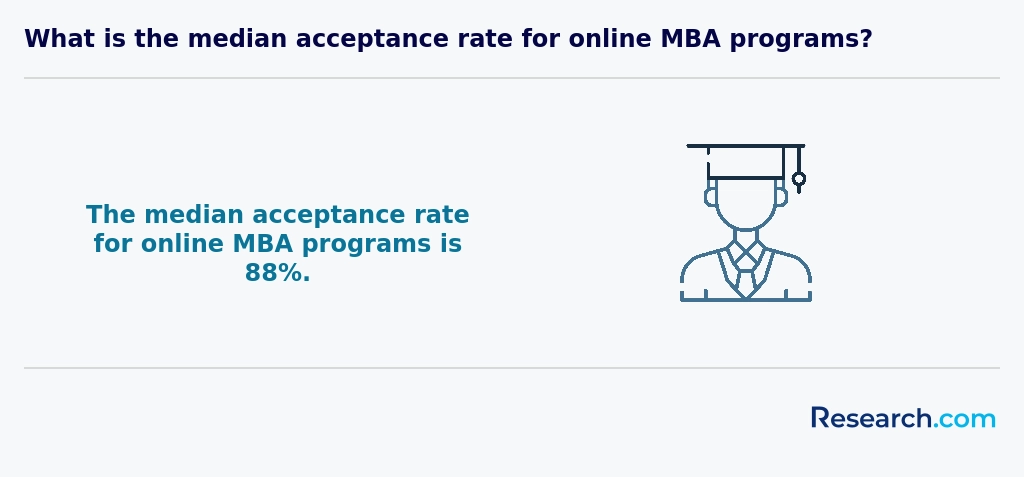
Accreditation is a key indicator of the academic quality and operational excellence of MBA programs. In Mississippi, many affordable MBA degrees hold prestigious regional and national accreditations from bodies such as AACSB, ACBSP, or IACBE, assuring prospective students that the curriculum and faculty meet rigorous standards. These accreditations not only validate the program’s commitment to academic excellence but also enhance graduates’ credibility in the job market. Moreover, accredited programs tend to have robust quality assurance processes, including continuous curriculum updates, faculty development initiatives, and systematic feedback mechanisms that ensure courses remain relevant in today’s rapidly evolving business environment. For instance, when exploring online options, prospective students might wonder what is the cheapest mba online program under 10000 per year while still meeting essential accreditation standards. Understanding the significance of accreditation can empower you to make choices that provide both academic rigor and tangible career benefits, ensuring that your investment in an MBA degree translates into lasting professional impact.
What financial aid is available to MBA degree students in Mississippi?
When pursuing an MBA in Mississippi, several financial aid options can make the investment manageable. Federal aid is a good starting point-graduate students can apply for Direct Unsubsidized Loans or Grad PLUS Loans, which many MBA candidates use to cover fees and living expenses. While Pell Grants are uncommon for graduate studies, these low-interest loans with flexible repayment terms offer practical support.
Mississippi universities like the University of Mississippi and Mississippi State University provide merit-based scholarships and assistantships. Graduates recall how scholarships awarded for leadership and academic excellence cut their tuition bills by nearly half. Some also worked as graduate assistants, gaining valuable teaching or research experience while benefiting from tuition waivers and stipends.
Employer tuition reimbursement programs are another key aid source. Many MBA students in healthcare or finance sectors report significant employer support, transforming their education into a financially rewarding career move. Lastly, applying for private scholarships from groups like the Mississippi Economic Council can provide additional funds when paired with work-study efforts, despite limited availability for graduate students.
What are the prerequisites for enrolling in MBA degree program in Mississippi?
To enroll in an MBA program in Mississippi, you first need a bachelor's degree from an accredited institution. Graduates from the University of Mississippi and Mississippi State University often share that having this degree, regardless of the major, opens doors-but taking courses in areas like accounting or economics helps build confidence when starting the program.
Most programs expect two to five years of professional experience. For example, some students found that highlighting their managerial roles in local businesses made their applications stand out, showing real-world skills that enrich class discussions.
While GMAT or GRE scores are sometimes required, many Mississippi schools have started waiving these tests, especially if your academic record or work history is strong. This flexibility has eased the process for working professionals balancing careers and studies.
Additionally, be prepared to submit letters of recommendation, a personal statement, and a resume. Some programs, like those at Ole Miss, include interviews to assess your motivation, helping students feel they're joining a community that truly values their goals.
Return on Investment Analysis for Mississippi MBA Programs
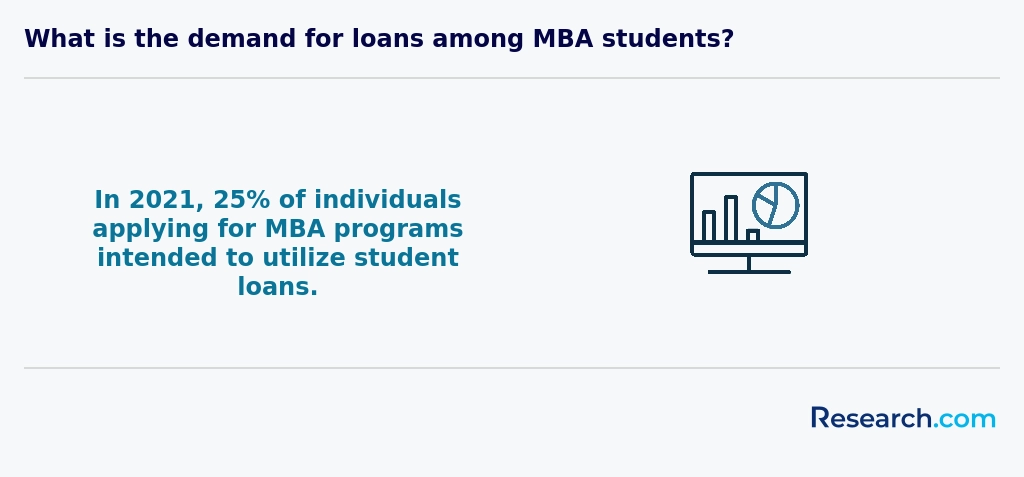
Investing in an MBA is about more than tuition-it’s about the long-term financial benefits. A clear ROI assessment helps you choose programs that maximize salary gains while minimizing debt. Mississippi MBA ROI Snapshot:
- Average In-State Tuition: $230 per credit hour (public) vs. $1,800+ (private)
- Average Starting Salary: $65,000–$75,000 for in-state graduates
- Estimated Payback Period: 2–3 years, based on conservative salary projections
- 10-Year Earnings Premium: $250,000+ above non-MBA peers Key Factors Influencing ROI: 1. Tuition Discounts & Scholarships: Securing assistantships or diversity fellowships can reduce net costs by up to 40%. 2. Salary Growth Trajectory: Graduates often see annual salary increases of 7–10%, driven by promotions into management roles. 3. Career Services Impact: Active placement support accelerates time to first job offer, shortening payback timelines. 4. Geographic Mobility: Willingness to relocate to higher-paying neighboring markets (e.g., Memphis or New Orleans) can boost ROI by 15–20%. Comparative Insight: For students exploring affordability in other regions, our interactive data highlights top value programs-see Most Affordable Online Master's in MBA Degree Programs Ranking in Arizona for a side-by-side cost-benefit perspective. Actionable Tip: Calculate your personal payback period by dividing your total net cost (after aid) by expected annual salary uplift to determine which program delivers the fastest ROI.
What courses are typically in MBA degree programs in Mississippi?
When pursuing an MBA in Mississippi, expect to dive into core courses that build a solid foundation in essential business areas. Graduates from well-known local universities like the University of Mississippi highlight how classes in Financial and Managerial Accounting taught them to confidently analyze company performance and budgets. Corporate Finance courses, covering capital budgeting and risk management, prepare students for real-world decisions on investments and financial planning.
Marketing Management classes focus on crafting strategies based on consumer behavior, skills that alumni say proved invaluable during internships and job placements. Operations and Supply Chain Management courses offer practical insights into streamlining business processes, which graduates appreciated applying in local manufacturing firms or start-ups.
- Organizational Behavior and Leadership
- Business Ethics and Corporate Social Responsibility
- Strategic Management as a capstone project
Electives at Mississippi State University and others offer specialization opportunities like healthcare management or entrepreneurship, allowing students to tailor their education to regional industries. Many students share that the curriculum's mix of case studies, group projects, and leadership training helped them develop communication and teamwork skills, essential for thriving in Mississippi's competitive business environment.
What types of specializations are available in MBA degree programs in Mississippi?
MBA specializations in Mississippi cover practical fields tailored to the state's evolving economy and job market. Graduates from schools like the University of Mississippi and Mississippi State University frequently choose specializations such as Finance, which prepares them for roles in local banks and corporate finance departments. Marketing is another popular concentration, helping students master consumer behavior and brand management-skills highly valued in Mississippi's growing retail and advertising sectors.
For those interested in technology and business integration, Management Information Systems (MIS) is a strong option, aligning with Mississippi's increasing adoption of tech-driven business solutions. Healthcare Management is particularly relevant given the state's extensive healthcare network; many graduates find fulfilling careers managing hospital operations or healthcare policy.
Supply Chain Management suits students targeting logistics and manufacturing industries, crucial in Mississippi's distribution hubs. Entrepreneurship specialization appeals to those aiming to launch local businesses, offering knowledge on innovation and business planning. When budgeting for your education, consider exploring affordable options like these universities that balance quality and cost-you can also check what is the cheapest mba online program under 10000 per year to plan your finances smarter.
Choosing from these best MBA concentrations Mississippi offers means aligning your studies with industries thriving locally, which enhances job prospects and satisfaction after graduation.
How do you choose the best MBA degree in Mississippi?
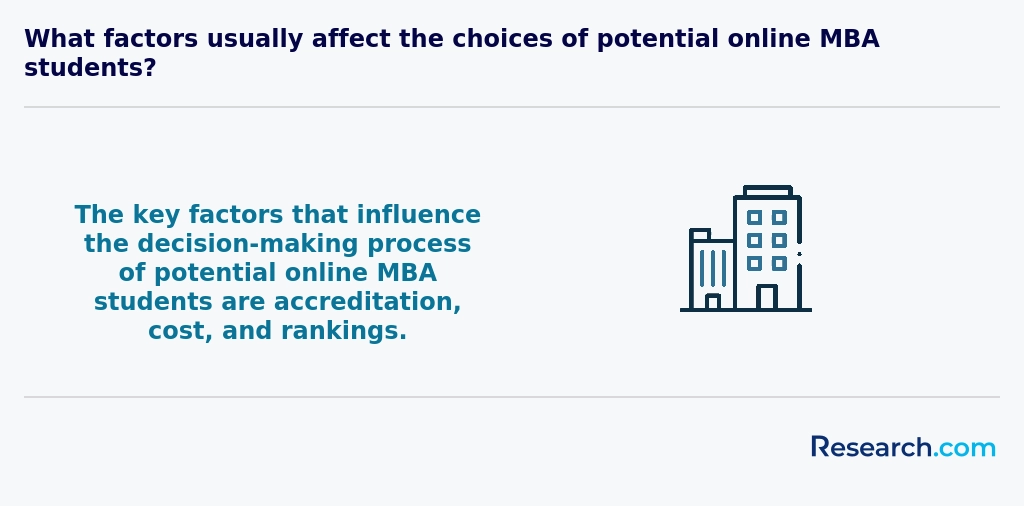
Start by verifying the program's accreditation-graduates often highlight how AACSB or ACBSP accreditation boosted their resumes when interviewing in Mississippi's competitive job market. Next, evaluate your budget: in-state public MBA programs in Mississippi usually cost between $15,000 and $30,000 total, a relief for many compared to national averages. Graduates from institutions like the University of Mississippi have praised balancing quality education with affordability, making these some of the most sought-after affordable MBA programs in Mississippi.
Consider the program format carefully. Many working professionals opt for part-time or online tracks to maintain their job and family life balance, just as local graduates have done. For a flexible start, explore options like the Most Affordable Online Master's in MBA Degree Programs Ranking in Arizona, which offers insight into credible online formats worth considering.
Finally, focus on curriculum relevance and career outcomes. Graduates from Mississippi colleges often recommend choosing programs that emphasize sectors vital to the state's economy, such as healthcare management or supply chain. Look for schools with strong networking connections to local businesses, which can be a game-changer for landing internships and jobs shortly after graduation.
What career paths are available for MBA degree students in Mississippi?
Graduates with an MBA degree in Mississippi find numerous pathways in business management, financial services, healthcare management, marketing, entrepreneurship, and government roles. For example, those from universities like the University of Mississippi or Mississippi State often land roles as operations managers or financial analysts at local companies, gaining practical leadership experience. The state's robust healthcare sector presents opportunities to manage hospitals or clinics, leveraging the strong connections these schools have within local industry.
Mississippi's affordability factor helps MBA students avoid burdensome debt while exploring the best MBA career opportunities Mississippi offers. Many graduates appreciate how internships and networking events during their studies at regional institutions open doors to growing companies such as Sanderson Farms.
For students balancing studies and work, exploring top 6 month associate programs online alongside MBA courses can provide flexible credentials, enhancing employment options and career growth in this competitive regional marketplace.
Top business careers with MBA in Mississippi also include roles in nonprofit leadership or entrepreneurship, where practical skills gained during the program enable graduates to confidently launch small businesses or improve organizational effectiveness in familiar markets.
What is the job market for MBA degree in Mississippi?
The job market for MBA degree holders in Mississippi offers practical opportunities, especially for those graduating from universities like the University of Mississippi or Mississippi State University. Graduates often secure management roles in finance, healthcare administration, and manufacturing, reflecting the state's diverse economy. With urban hubs such as Jackson and Gulfport driving business activity, the demand for skilled business professionals continues to rise.
Salary prospects start around $60,000 for entry-level positions and can surpass $100,000 in senior management, making advances in industries like logistics or operations rewarding. Those pursuing an MBA here benefit from tuition costs between $15,000 and $25,000 at public universities, boosting the return on investment compared to national averages. Many graduates highlight how networking opportunities and leadership skills developed during their MBA helped them navigate this stable job market with confidence.
For students weighing their options, considering the easiest master degree to obtain could also provide alternative routes to enhance career flexibility in Mississippi's growing sectors. Overall, the Mississippi MBA career opportunities align well with steady growth projections and a positive outlook for strategic business roles.
Frequently Asked Questions About MBA
MBA students in Mississippi can maximize their learning by engaging actively with both academic coursework and practical experiences. Many programs in the state, including those at the University of Mississippi and Mississippi State University, emphasize case studies and group projects, which develop critical thinking and teamwork skills. Students should take advantage of internships with local businesses in industries like manufacturing and healthcare, which are major sectors in Mississippi's economy.
Networking is also crucial. Joining student organizations and attending regional business events helps build professional relationships. According to the Graduate Management Admission Council, MBA graduates with strong networks have a higher employment rate within six months of graduation.
Finally, leveraging online resources and Mississippi's growing digital libraries can enhance study efficiency and exposure to diverse business topics.
The MBA field in Mississippi is evolving with several emerging niches gaining popularity among students and employers. According to the latest data from the Mississippi Institutions of Higher Learning, areas such as healthcare management, supply chain analytics, and sustainable business practices are growing rapidly.
Healthcare management MBAs are in demand due to Mississippi's expanding healthcare sector, reflecting broader national trends. Supply chain management programs focus on logistical challenges intensified by recent global disruptions, offering skills vital to local industries.
Additionally, sustainable business MBAs emphasize corporate responsibility and environmental impact, aligning with increasing regulatory and social expectations.
These specialized MBA tracks provide graduates with targeted expertise, enhancing career opportunities within Mississippi's key economic sectors.
After completing an MBA degree in Mississippi, preparing for the job market involves several strategic steps. First, graduates should leverage career services offered by universities such as the University of Mississippi or Mississippi State University, which provide networking events, job fairs, and resume workshops.
Building a strong professional network within Mississippi's key industries, including healthcare, manufacturing, and financial services, increases job prospects. According to the U.S. Bureau of Labor Statistics, the Jackson metropolitan area offers diverse managerial opportunities, making local connections valuable.
Additionally, obtaining relevant internships or practical experience during the MBA program can improve employability. Finally, utilizing online platforms tailored to Mississippi employers helps graduates find job openings aligned with their MBA specialization.
Employers in Mississippi highly value MBA graduates who demonstrate strong leadership and communication skills. According to the Graduate Management Admission Council (GMAC), these skills are essential for effectively managing teams and driving business growth. Analytical thinking and problem-solving abilities are also prioritized, as Mississippi businesses seek professionals who can interpret data and make strategic decisions.
Financial acumen and knowledge of local market dynamics enhance graduates' competitiveness in the state's key sectors, including manufacturing and healthcare. Additionally, adaptability and technological proficiency are increasingly important, reflecting the digital transformation businesses face in Mississippi.
Finding internships in Mississippi relevant to an MBA degree involves several practical steps. Start by exploring university career centers, especially at institutions like the University of Mississippi and Mississippi State University, known for their business programs. These centers often have partnerships with local companies offering MBA internships.
Online job platforms, such as Handshake and LinkedIn, also list internships specifically for MBA students in Mississippi. Networking plays a critical role; attending local business events and joining professional organizations like the Mississippi Economic Council can open doors to internship opportunities.
According to the U.S. Bureau of Labor Statistics, internships increase the likelihood of job placement post-graduation by nearly 60%, emphasizing their value in career development.
In Mississippi, obtaining an MBA degree significantly enhances career mobility and advancement opportunities. Employers increasingly value the leadership, strategic thinking, and financial skills that MBA graduates bring to managerial roles. According to the Bureau of Labor Statistics, management occupations in Mississippi are projected to grow by about 5% through 2031, indicating rising demand for candidates with advanced business education.
The Mississippi Institutions of Higher Learning report that MBA holders typically see salary increases of 20-30% compared to professionals with only a bachelor's degree. Graduates often move into higher-level positions across industries such as healthcare, manufacturing, and financial services within the state.
Additionally, local MBA programs offer networking connections with Mississippi-based companies, facilitating job placement and promotion potential. This combination of skill development and regional business integration makes an MBA a powerful tool for those seeking career growth in Mississippi.
Studying for an MBA degree in Mississippi equips students with diverse skills essential for interdisciplinary roles. Mississippi universities often emphasize a curriculum combining business fundamentals with courses in technology, healthcare, and supply chain management. This blend prepares graduates to collaborate across departments and industries effectively. According to the Mississippi Institutions of Higher Learning (IHL), many MBA programs offer experiential learning opportunities like internships and consulting projects, further enhancing practical interdisciplinary knowledge.
Additionally, programs incorporate leadership training and data analytics, enabling students to approach problems from multiple perspectives. In 2023, around 40% of MBA students in Mississippi reported engaging in cross-industry projects, reflecting the region's growing demand for versatile professionals.
When choosing between a thesis and a non-thesis MBA program in Mississippi, consider your career goals and learning preferences. Thesis programs typically require original research and a formal project, which suits those interested in academic careers or specialized roles. Non-thesis options focus more on practical coursework and internships, appealing to professionals aiming to advance in business practice quickly.
According to the Mississippi Institutions of Higher Learning, thesis MBAs may require an additional 3 to 6 credit hours dedicated to research compared to non-thesis tracks. This can affect program length and workload. Cost differences are usually minimal, but time commitment varies.
Students based in Mississippi seeking to study for an MBA abroad have several pathways available. Many universities in the state support exchange programs with reputable business schools in Europe, Asia, and Canada. These partnerships provide opportunities to earn credits toward an MBA while experiencing international business environments. According to the Mississippi Commission on Higher Education, about 15% of graduate business students engage in some form of study abroad during their program.
Additionally, online MBA programs offered by accredited foreign institutions may appeal to Mississippi residents wanting a global perspective without relocating. The trend toward globalized business education encourages such flexible options.
Prospective students should consider universities accredited by bodies like AACSB, as this ensures quality and recognition when studying abroad or returning to Mississippi for work. Understanding visa requirements and financial aid options is also essential before committing to international study.
Part-time job opportunities in Mississippi that complement MBA education often include roles in business analysis, marketing assistance, and financial services. These positions provide practical experience aligned with MBA coursework, enhancing skills in management and decision-making. For example, business analyst roles in Jackson or Gulfport allow students to engage with data-driven strategies, which is vital for many MBA specializations.
Marketing assistant jobs help develop communication and campaign planning skills, frequently available in local firms and regional branches of larger companies. According to the U.S. Bureau of Labor Statistics, Mississippi's finance and insurance sector grew by 3% from 2020 to 2023, indicating expanding job opportunities in finance-related part-time roles.
Internships or part-time roles in project management within Mississippi's growing manufacturing or healthcare sectors also provide strong practical insight useful in MBA studies. Such hands-on roles help students apply theoretical knowledge in leadership and operations management while supporting their education financially.
MBA students in Mississippi benefit from numerous networking opportunities that connect them to local businesses and industries. Universities such as the University of Mississippi and Mississippi State University host regular career fairs and industry panels that bring together students, alumni, and employers.
The Mississippi Economic Council and local Chambers of Commerce offer events where MBA candidates can meet business leaders and entrepreneurs. Additionally, many programs facilitate internships and mentoring relationships that help build professional networks.
According to the Graduate Management Admission Council, networking is a key factor in MBA career success, and Mississippi's rising business hubs provide a solid environment for meaningful connections.
Alumni networks provide significant advantages to MBA students in Mississippi. Graduates gain access to a broad community of professionals who can offer career advice, job opportunities, and mentorship. Mississippi State University and the University of Mississippi, for example, both maintain active alumni groups that host networking events and workshops.
Research from the Graduate Management Admission Council shows that 85% of MBA graduates find jobs through networking, highlighting the importance of alumni connections. In Mississippi's smaller business communities, these networks often lead to local job placements that might not be publicly advertised.
Moreover, alumni networks help students build lasting professional relationships within the state's diverse industries, strengthening their career prospects well after graduation.
Customizing an MBA degree program in Mississippi allows students to align their education with specific career goals. Many universities in the state offer concentrations such as finance, marketing, healthcare management, and supply chain management, enabling students to specialize. For example, the University of Mississippi and Mississippi State University provide flexible elective options and dual-degree opportunities. Part-time, online, and evening MBA programs add further adaptability for working professionals. According to U.S. News & World Report, tailoring your MBA can increase employability in local industries. Choosing internships or capstone projects related to Mississippi's major economic sectors also enhances practical experience relevant to your career path.
MBA students in Mississippi often face challenges balancing rigorous academic workloads with personal and professional commitments. Many pursue degrees while working full-time jobs, making time management a critical concern. According to the U.S. News & World Report, most regional universities in Mississippi offer flexible schedules, yet juggling classes, projects, and employment can cause stress.
Another common challenge is the financial burden. Although Mississippi has some of the nation's most affordable MBA programs, average tuition still ranges from $10,000 to $25,000, which can be significant for part-time students. Additionally, limited internship and networking opportunities within smaller metro areas may impact career progression.
With an MBA degree in Mississippi, you can pursue several respected professional certifications that enhance career prospects. Common options include the Certified Management Accountant (CMA), which focuses on financial management and is valued in many industries.
The Project Management Professional (PMP) certification is another popular choice, recognized nationwide for expertise in project planning and execution. For those interested in accounting, becoming a Certified Public Accountant (CPA) is achievable with additional requirements beyond an MBA.
Mississippi professionals can also look into the Certified Financial Planner (CFP) certification, ideal for MBA graduates focused on financial advising. These credentials complement an MBA by demonstrating specialized skills to employers.
To write a winning application for an MBA program in Mississippi, focus on clarity and relevance. Start with a strong personal statement that explains your career goals and why an MBA is essential for you. Highlight any leadership experience, community involvement, or professional achievements to demonstrate your potential. Many programs in Mississippi, such as those at the University of Mississippi and Mississippi State University, value candidates who show both academic capability and practical experience.
Ensure your resume is up-to-date and tailored to emphasize skills relevant to business management. According to U.S. News & World Report, competitive MBA applicants typically present a 3.0+ GPA and a GMAT score near the national average of 556. Proofread carefully to avoid errors, as attention to detail matters.
The global perspective on an MBA career highlights growing demand for leadership skills across diverse industries. In Mississippi, MBA graduates benefit from a strong regional economy focused on manufacturing, healthcare, and transportation, sectors that value advanced management expertise. According to the Graduate Management Admission Council's 2023 report, US-based MBA holders see a median starting salary increase of 70% compared to those with only undergraduate degrees.
Mississippi's MBA programs often emphasize global business strategies, preparing students for international markets. Employers increasingly prioritize candidates with cross-cultural communication and strategic thinking skills, reflecting the interconnected nature of today's economy. This trend aligns with national data showing 62% of MBA graduates work in firms with global operations.
For prospective students in Mississippi, earning an MBA can open doors to leadership roles not just locally but worldwide, leveraging both regional economic strengths and global business trends.
Gaining practical experience while studying for an MBA degree in Mississippi is achievable through several avenues. Many universities in the state, such as the University of Mississippi and Mississippi State University, offer internship programs that connect students with local businesses. These internships provide hands-on experience in various industries, helping students apply theoretical knowledge in real-world settings.
Additionally, MBA students can participate in consulting projects or business competitions hosted by their schools. These opportunities often simulate real corporate challenges, enhancing problem-solving skills. According to the Graduate Management Admission Council (GMAC), 70% of MBA students nationwide engage in internships, a figure that reflects Mississippi's business education trends as well.
Networking events and partnerships with Mississippi-based companies further support practical learning and career development during MBA studies.
Choosing the right concentration within an MBA program in Mississippi requires understanding your career goals and the local job market. Popular MBA concentrations in the state include finance, healthcare management, and entrepreneurship, reflecting Mississippi's growing healthcare sector and small business community. According to the Mississippi Institutions of Higher Learning, business programs often align concentrations with regional economic needs, enhancing job prospects after graduation.
Evaluate if the concentration offers relevant internships or partnerships with local companies. Salary data from the U.S. Bureau of Labor Statistics shows that MBA graduates with finance and healthcare management specializations in Mississippi tend to earn higher median salaries. Additionally, consider programs accredited by the AACSB, which often provide robust, specialized curricula.
Related MBA Rankings for Nearby States
- 2027 Most Affordable MBA Degree Programs Ranking in Louisiana
- 2027 Most Affordable MBA Degree Programs Ranking in Alabama
- 2027 Most Affordable MBA Degree Programs Ranking in Arkansas
- 2027 Most Affordable MBA Degree Programs Ranking in Florida
- 2027 Most Affordable MBA Degree Programs Ranking in Georgia
- 2027 Most Affordable MBA Degree Programs Ranking in Kentucky
- 2027 Most Affordable MBA Degree Programs Ranking in Indiana
- 2027 Most Affordable MBA Degree Programs Ranking in Illinois
- 2027 Most Affordable MBA Degree Programs Ranking in Oklahoma
- 2027 Most Affordable MBA Degree Programs Ranking in South Carolina
Top Trending MBA Rankings
References
- MBA Career Outlook from a Global Perspective Margaret Buj https://interview-coach.co.uk/mba-career-outlook-from-a-global-perspective/
- Know more about thesis vs non- thesis: what is the difference? https://studyfans.com/en/blogs/816
- MBA Requirements https://www.collegeessayguy.com/blog/mba-requirements
- 10 MBA Specializations and Why You Should Consider Pursuing One https://www.umassglobal.edu/blog-news/10-mba-specializations-and-why-you-should-consider-pursuing-one
- MBA studies https://moderna.edu.pl/majors/management/master-of-management/mba-management-masters-degree/
- How an MBA contributes to career advancement https://online.wlv.ac.uk/blog/how-an-mba-contributes-to-career-advancement/
- Top MBA programs with the best alumni networks in the world - MBA Crystal Ball https://www.mbacrystalball.com/blog/2025/07/07/top-mba-programs-with-the-best-alumni-network-in-the-world/
- 10 Highest-Paying MBA Specializations in 2026 (With Salary Data) - Paris School of Management (PSM) https://www.psm-paris.fr/en/10-highest-paying-mba-specializations-in-2026/
- How much does an MBA vs. an MS cost in the USA, and what funding options exist? https://mentr-me.com/question/how-much-does-an-mba-vs-an-ms-cost-in-the-usa-and-what-fu
- Skills Employers Look for in Business Graduates – EU Business School https://www.euruni.edu/blog/skills-employers-look-for-in-business-graduates/


