
2027 Most Valuable MBA Degree Programs Ranking in Nebraska

Co-Founder and Chief Data Scientist
Choosing the right MBA program can be a game-changer for your career, especially here in Nebraska. This article presents the 2027 Most Valuable MBA Degree Programs Ranking in Nebraska, carefully crafted by the Research.com team of data scientists.
Designed to help you make an informed decision, this ranking highlights programs that offer strong value and opportunities for growth. Whether you want to boost your skills, expand your network, or increase earning potential, exploring these top programs can be the first step toward your goals.
Investing in an MBA is a rewarding journey, and this guide is here to support you along the way.
Key benefits of getting MBA degree in Nebraska
- In Nebraska, MBA graduates can expect competitive salaries in fields such as management and business analysis, with U.S. averages around $85,000 to $110,000 annually, reflecting strong earning potential.
- An MBA graduate from the University of Nebraska often pursues careers in management, finance, or marketing, opening doors to leadership roles in diverse industries statewide.
- Completing an MBA online, like many students at Creighton University, offers flexibility to balance work and study, making it easier to gain experience while earning your degree.
- Key benefits of getting MBA degree in Nebraska
- What can I expect from MBA degree in Nebraska?
- Where can I work with MBA degree in Nebraska?
- How much can I make with MBA degree in Nebraska?
- 2027 Most Valuable MBA Degree Programs Ranking in Nebraska
- Key Findings
- How long does it take to complete MBA degree in Nebraska?
- Most Affordable MBA Programs in Nebraska
- What's the difference between online and on-campus MBA degree?
- What is the average cost of MBA degree in Nebraska?
- Return on Investment (ROI): Assessing Your MBA’s Value in Nebraska
- What financial aid is available to MBA degree students in Nebraska?
- Student Life and Campus Community: Beyond the Classroom
- What are the prerequisites for enrolling in MBA degree program in Nebraska?
- What courses are typically in MBA degree programs in Nebraska?
- What types of specializations are available in MBA degree programs in Nebraska?
- How do you choose the best MBA degree in Nebraska?
- What career paths are available for MBA degree students in Nebraska?
- What is the job market for MBA degree in Nebraska?
- Related MBA Rankings for Nearby States
- Top Trending MBA Rankings
What can I expect from MBA degree in Nebraska?
If you're eyeing an MBA in Nebraska, expect your investment to hover between $20,000 and $50,000 for the entire program-significantly kinder than many coast-to-coast alternatives. Picture a graduate from the University of Nebraska-Lincoln who balanced a part-time MBA while managing a family business; the lower tuition eased financial pressure, letting them focus on mastering supply chain strategies that directly fueled their regional venture's growth.
These costs often come paired with financial aid, fellowships, or employer tuition support, making the sticker price feel more like a stepping stone than a hurdle. Another alum from Creighton University reflects on the practical value: the tuition felt like a gateway to an expanding Nebraska job market, where sectors such as finance and healthcare administration are blossoming.
In Nebraska, affordability meets opportunity-a blend that invites students to chase ambitions without being bogged down by crushing debt, all while gaining a credential that resonates with local business climates and future growth.
Where can I work with MBA degree in Nebraska?
Graduates from MBA programs at Nebraska's top schools often find themselves stepping into vibrant roles across industries that pulse with opportunity. Imagine landing in Omaha's financial district, where a newly minted MBA navigates the fast-paced corridors of First National Bank, turning complex data into powerful financial strategies. Meanwhile, Lincoln's manufacturing plants buzz with innovation, welcoming MBA holders who transform supply chains and lead teams to exceed goals.
Healthcare giants like Nebraska Medicine beckon MBAs to shape the future of patient care through savvy administration and strategic finance, offering a deeply rewarding career with community impact. Tech startups around the University of Nebraska campus crave MBAs who marry business insight with digital innovation, creating products that anticipate tomorrow's needs.
For some graduates, the heart of Nebraska's economy lies with small businesses where entrepreneurial spirit and marketing savvy thrive, supported by MBA graduates who wield their skills like tools in crafting success stories. Public sector roles invite ambitious MBAs to steer policy and programs that enhance the state's wellbeing, proving that with an MBA here, your path can be as diverse as Nebraska's landscape.
How much can I make with MBA degree in Nebraska?
Completing an MBA in Nebraska sparks a promising financial journey, with graduates often stepping into roles that pay between $70,000 and $120,000 annually. Picture a recent graduate from the University of Nebraska-Lincoln, diving into Omaha's bustling corporate scene, negotiating six-figure management roles within finance or marketing departments. Their MBA acts as a golden key, unlocking doors in industries thriving across Nebraska's economy-from healthcare administration to tech startups blossoming in Lincoln's innovation hubs.
For those starting out, especially in smaller Nebraska communities, entry-level salaries might hover near $60,000, a solid foundation to build upon. As experience accumulates, so does earning power-middle and senior managers routinely command salaries pushing $90,000 to $140,000, reflecting the escalating value Nebraska companies place on advanced business acumen.
Graduates recall feeling empowered stepping into meetings, confident their MBA not only elevated their resume but also their salary prospects, aligning perfectly with Nebraska's diverse, growing markets. The state's balance of opportunity and affordability means investing in an MBA here often pays off handsomely, turning ambitions into tangible income.
2027 Most Valuable MBA Degree Programs Ranking in Nebraska
How do we rank schools?
Investing in your education is a significant decision that can shape your future, and the Research.com team understands the importance of making informed choices. To assist prospective students in Nebraska, we have meticulously developed the "2027 Most Valuable MBA Degree Programs Ranking in Nebraska." Our dedication to quality, credibility, and accuracy is demonstrated through thorough research and analysis carried out to produce this ranking.
We utilized the following reputable data sources to ensure a comprehensive evaluation of MBA programs:
By exploring this ranking, readers will gain valuable insights into the most valuable MBA programs in Nebraska, empowering them to make well-informed decisions about their educational investments. For more details on our methodology, please visit our Research.com methodology page.
# 1 position
Wayne State College
Master of Business Administration


Key Findings
- Tuition for full-time MBA programs in Nebraska generally ranges from $30,000 to $60,000 for the entire degree.
- Part-time and online MBA options often have flexible pricing to accommodate working students.
- Early-career MBA graduates in Nebraska earn between $70,000 and $80,000 annually on average.
- Experienced MBA holders can earn over $110,000 per year in managerial and executive roles.
- Key industries hiring MBA graduates include finance, healthcare administration, manufacturing, agriculture business, and technology.
- Nebraska's lower cost of living helps improve financial stability and career advancement after graduation.
How long does it take to complete MBA degree in Nebraska?
Picture this: a full-time MBA student at the University of Nebraska-Lincoln dives into a 20 to 24-month journey, balancing rigorous coursework with vibrant campus life. The clock ticks steadily, and before they know it, they're stepping confidently into their career, armed with fresh skills and networks.
Meanwhile, a part-time student at Creighton University juggles evening classes with a busy work schedule, stretching their MBA voyage across two to three years. It's a slower dance, but every late-night study session and weekend class feels like a personal triumph, weaving professional growth seamlessly into daily life.
Some opt for acceleration - like those at Creighton's accelerated MBA track - compressing intense study into just 12 to 18 months. It's a whirlwind of deadlines and breakthroughs, a thrilling sprint fueled by ambition and caffeine.
Across Nebraska, online learners from the University of Nebraska Omaha sculpt their own timelines, ranging from 18 months to three years, crafting education around life's unpredictable rhythms and seizing flexibility as their superpower.
Most Affordable MBA Programs in Nebraska
. To find the most cost-effective options for pursuing an MBA in Nebraska, prospective students should consider exploring most affordable mba programs in nebraska, which offer a balance between academic excellence and financial affordability. This approach allows students to invest in their education without shouldering an unsustainable financial burden, ultimately enhancing their return on investment. By evaluating factors such as tuition fees, financial aid options, and the potential for scholarships, students can make informed decisions that align with their budget and career aspirations. The key to finding the most affordable MBA program is to weigh these factors against the program's reputation, curriculum, and potential career outcomes, ensuring that the chosen program provides both value and a strong foundation for future professional success.
What's the difference between online and on-campus MBA degree?
Imagine balancing a bustling life while earning your MBA-this is where online programs like those at the University of Nebraska Omaha become your best ally. Graduates rave about the freedom to tune into lectures between work meetings or family moments, crafting their own study rhythm without sacrificing commitments. It's flexibility wrapped in a digital suit.
Contrast that with the magnetic pulse of on-campus life at places like the University of Nebraska-Lincoln. Here, students thrive on instant face-to-face connections, brainstorming sessions in cozy libraries, and serendipitous hallway conversations that spark future collaborations. These graduates often highlight the vibrant community and structured pace as keys to their success.
Both paths share a common heartbeat: rigorous, AACSB-accredited curricula that command respect across Nebraska's job market. Online learners save on housing, but on-campus students soak in the campus energy that textbooks alone can't capture. Your choice depends on whether you crave digital freedom or the electric buzz of traditional classrooms.
What is the average cost of MBA degree in Nebraska?
The average MBA degree cost in Nebraska offers an inviting blend of opportunity and value, especially for those who call the Cornhusker State home. Local graduates from the University of Nebraska-Lincoln often share stories of managing expenses smartly, paying around $10,434 for in-state tuition. It's this affordability that fuels their enthusiasm and confidence as they balance coursework and family life, proving that pursuing an MBA here is both attainable and rewarding.
For those venturing beyond Nebraska's borders to study as non-residents, the tuition climbs, yet median total MBA tuition fees Nebraska 2027 still settle near $34,349-well below national averages. Imagine a Creighton University MBA grad speaking fondly of the comprehensive education received despite the higher investment, grateful for the private school's distinctive community and connections. Such experiences illustrate a vibrant spectrum of choice.
These figures don't just represent dollars; they tell stories of futures unfolding. Think of students thriving on campus, leveraging affordable tuition to invest in hands-on projects and internships, not just textbooks. This economic balance is why many prospective candidates explore the most affordable mba programs in nebraska, where cost aligns harmoniously with quality.
Return on Investment (ROI): Assessing Your MBA’s Value in Nebraska
Investing in an MBA is as much a financial decision as an academic one. In Nebraska, the average total cost for a two-year MBA-including tuition, fees, and living expenses-ranges from $50,000 to $80,000. Yet graduates typically see starting salaries between $70,000 and $90,000, with mid-career earnings climbing past $120,000. This translates to a payback period of roughly 2.5 to 4 years, depending on your specialization and career trajectory. Key factors influencing your ROI include:
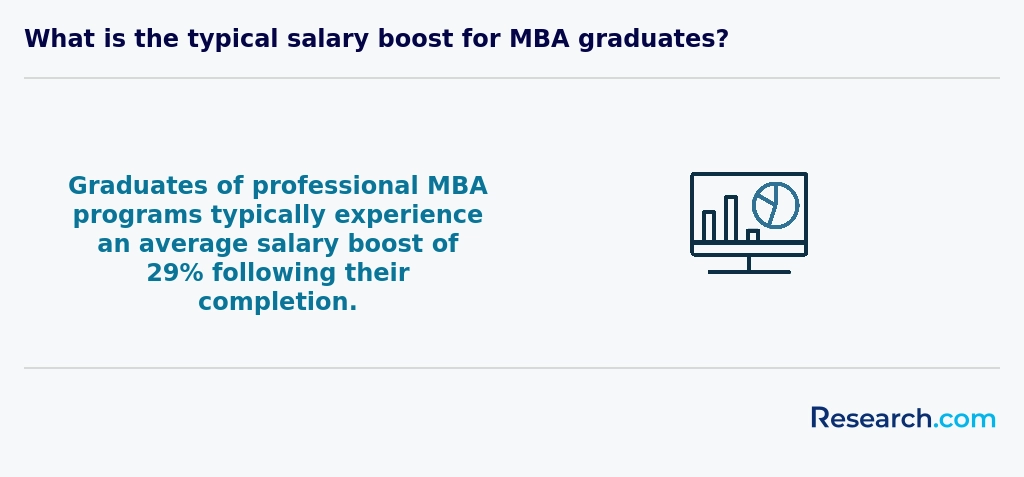
- Salary Uplift: On average, Nebraska MBA alumni report a 35% increase in base salary post-graduation.
- Opportunity Cost: Working professionals who pursue part-time or online formats can continue earning while studying, effectively reducing lost wages and shortening payback time.
- Long-Term Gains: Over a 10-year horizon, graduates can achieve an average net ROI of 250% when accounting for salary growth and career progression. To maximize ROI, consider programs that offer strong industry partnerships and robust career services. For students prioritizing affordability without sacrificing quality, explore our Cheapest MBA Degree Programs Ranking in Washington for insights into cost-effective options and best practices in evaluating net program value.
What financial aid is available to MBA degree students in Nebraska?
Imagine starting your MBA journey at the University of Nebraska-Lincoln, where scholarships feel like secret treasure chests waiting to be unlocked. Many graduates recall the relief when merit-based scholarships softened the blow of tuition, rewarding their leadership efforts and professional grit with partial or even full tuition coverage. Creighton University offers similar golden opportunities, blending merit with the promise of financial support, sometimes without extra hoops to jump through.
Federal aid also becomes a trusty sidekick in this quest. FAFSA opens doors to Direct Unsubsidized and Grad PLUS Loans, lifelines that cover everything from tuition to that cozy apartment near campus. A graduate might breathe easier knowing the U.S. Department of Education sets generous borrowing limits-up to $138,500 total for grad and undergrad studies combined.
Then there's the lesser-known magic of employer tuition reimbursement programs. Picture a local healthcare manager in Omaha whose company cheers her MBA pursuit by covering tuition, turning career dreams into reality with minimal stress.
Adding sparkle to this mosaic are the occasional state grants and niche scholarships from business groups aiming to fuel Nebraska's industries. Roughly 70% of MBA students nationwide tap into some form of aid-so why not you?
Student Life and Campus Community: Beyond the Classroom
Nebraska’s MBA experience extends well beyond lectures and projects-it’s also about immersing oneself in a vibrant community that fosters personal growth and lifelong connections. Students not only engage with top-tier business faculty, but they also benefit from dynamic extracurricular environments, professional networking events, and career development workshops that help build a well-rounded profile. Campus organizations, mentorship programs, and industry speaker sessions create unique opportunities for building relationships with peers and alumni, empowering students with real-world insights and support throughout their academic journey. For those who need flexibility or are balancing professional commitments, alternative formats such as the online emba allow them to access these enriching experiences remotely, ensuring that every learner, regardless of circumstance, is part of a tight-knit community dedicated to success. Whether on campus or online, this blend of academic rigor and community involvement plays a crucial role in shaping confident, well-prepared business professionals.
What are the prerequisites for enrolling in MBA degree program in Nebraska?
Imagine stepping into a bustling classroom at the University of Nebraska-Lincoln, where an MBA candidate eagerly shares how a varied academic past didn't hold her back. In Nebraska, a bachelor's degree from any accredited institution opens the door-no strict requirement to hail from a business background. It's the versatile minds, from engineers to artists, that often bring the richest perspectives.
Graduates recall the challenge of balancing work and study, reflecting how two to three years of professional experience sharpened their insights and boosted confidence in lively discussions. Many found that strong GMAT or GRE scores helped, but local schools like Creighton have become more flexible, sometimes waiving these tests for those with impressive resumes or GPAs.
- Official transcripts with a GPA around 3.0 show readiness and determination.
- Letters of recommendation reveal leadership stories and untold potential.
- A vivid personal essay paints the ambition driving each individual through the rigorous yet rewarding journey.
This blend of academic records, work experience, and personal narrative creates a mosaic of promise that Nebraska MBA programs cherish, turning applicants into thriving professionals bound for success.

What courses are typically in MBA degree programs in Nebraska?
Diving into an MBA in Nebraska means immersing yourself in a vibrant mix of courses designed to sharpen your business savvy from the start. Picture yourself mastering financial and managerial accounting at the University of Nebraska, where graduates often recall translating complex ledgers into clear business decisions that saved companies thousands. Marketing strategy and consumer behavior classes spark creativity, pushing you to decode customer mindsets much like innovators in Omaha's buzzing startup scene.
Operations and supply chain management courses resonate deeply with those close to Nebraska's manufacturing heartland, teaching you to streamline processes in ways that make real impact. And leadership isn't just theory here-graduates from Creighton University share how organizational leadership and human resource management classes boosted their confidence, preparing them to lead diverse teams through challenging projects.
Ethics courses bring real-world dilemmas alive, prompting spirited debates on corporate responsibility that stick with students long after graduation. Strategic management ties it all together, equipping you with the tools to navigate Nebraska's unique business landscape.
What types of specializations are available in MBA degree programs in Nebraska?
Imagine diving into an MBA degree specializations Nebraska offers where Finance isn't just about numbers but unlocking secrets behind Nebraska's budding investment hubs. Graduates from prominent universities like the University of Nebraska-Lincoln share how their finance tracks seamlessly blend national market savvy with local financial trends, creating unmatched career opportunities. Marketing enthusiasts in Nebraska often find themselves crafting digital campaigns that ripple across the Midwest, energized by the state's growing e-commerce wave. Picture Healthcare Management students navigating real-world challenges in institutions like Nebraska Medicine, preparing to innovate within a healthcare landscape vital to the region's economy.
In vibrant programs at colleges such as Creighton University, Entrepreneurship ignites passion for startups and venture creation, fostering fearless innovators who fuel Nebraska's small business scene. Supply Chain Management students embrace Nebraska's pivotal role as a logistics nerve center, strategizing for agriculture and manufacturing giants. For those interested in evolving fields, programs increasingly weave technology management and data analytics into curricula, responding to emerging demands. Prospective students exploring pathways might also consider checking out options for online emba to fit their lifestyle while specializing in their ideal niche of the best MBA programs Nebraska specializations.
How do you choose the best MBA degree in Nebraska?
Choosing the best MBA programs in Nebraska feels like mapping your unique journey through a bustling city of opportunities. Imagine a graduate from the University of Nebraska-Lincoln, energized by the AACSB accreditation that opens doors wide in the job market-this credibility sparks confidence during interviews and networking events. Meanwhile, a working professional enrolled at Bellevue University embraces a hybrid or online format, balancing their 9-to-5 hustle with study sessions on coffee-fueled evenings.
The pulse of affordable MBA degrees Nebraska beats strongest at public universities, where tuition ranges from $25,000 to $40,000 for residents. These options appeal to dreamers mindful of budget, mirroring stories of students who strategically combined scholarships and employer tuition reimbursement to ease financial stress. For those hungry to explore cost dynamics further, consulting the Cheapest MBA Degree Programs Ranking in Washington can inspire creative financial planning.
Think about the curriculum you crave: a finance specialization might put you in boardrooms, while entrepreneurship could have you launching startups. Graduates often rave about career services and alumni networks that fueled their rapid ascent, turning classroom lessons into real-world success. When choosing your path, remember that matching program style and support systems to your lifestyle transforms the MBA pursuit in Nebraska into a thrilling personal adventure.
What career paths are available for MBA degree students in Nebraska?
Imagine launching your career at the University of Nebraska-Lincoln, where an MBA doesn't just open doors-it builds entire pathways. Graduates often dive into high-energy business management jobs Nebraska MBA programs prepare them for, guiding operations in bustling Omaha startups or leading agribusiness ventures that power Nebraska's vast farmlands. These roles demand not only strategic thinking but a genuine passion for transforming local industries.
Some class projects become career blueprints; one graduate now steers financial analysis teams for major Omaha banks, leveraging lessons learned amid Nebraska's unique economic rhythms. Others find themselves innovating at healthcare facilities, balancing patient care with complex hospital management challenges-true testaments to the versatility of MBA graduate career opportunities Nebraska offers.
In the ever-growing tech scene around Lincoln, MBA holders pioneer data-driven startups, weaving entrepreneurship with analytics. For those curious about careers that blend education with impact, exploring certifications that pay the most can be a strategic next step.
What is the job market for MBA degree in Nebraska?
MBA job opportunities in Nebraska unfold like a dynamic canvas painted with bustling businesses and rising industries. Graduates from the University of Nebraska-Lincoln often find themselves stepping into leadership roles within Omaha's Fortune 500 companies, where the thrill of strategic decision-making in finance or healthcare is very real. These eager professionals navigate a landscape rich in agribusiness and manufacturing, transforming Nebraska's central location into a vital logistics hub.
The Nebraska MBA degree employment outlook is energized by regional growth in sectors like healthcare administration and financial services. Many alumni share stories of landing roles that blend analytical rigor with innovation, capitalizing on the state's steady demand for savvy managers and leaders. The synergy between affordable education costs at local universities and these career possibilities creates a uniquely attractive environment for aspiring MBAs.
Those considering an MBA here might explore options to accelerate their journey with a quickest online masters degree, balancing study with gaining hands-on experience. This blend of cost-effective education and a vibrant job market ignites ambition and fuels the pursuit of success amidst Nebraska's evolving economy.
Frequently Asked Questions About MBA
To maximize their learning experience, MBA students in Nebraska should engage actively with both coursework and practical opportunities. Universities like the University of Nebraska-Lincoln offer experiential learning through internships and business consulting projects, which help apply theoretical knowledge to real-world challenges.
Networking is crucial. Nebraska hosts various professional events and alumni groups, providing students a chance to build connections with local industry leaders. According to the Nebraska Department of Labor, MBA graduates in the state see stronger job placements when involved in such networks.
Students should also take advantage of resources such as career services and leadership workshops offered by Nebraska's MBA programs, which are designed to enhance both hard and soft skills.
The MBA field is evolving quickly, with new niches emerging to address changing business needs. In Nebraska, specialized MBAs focusing on healthcare management are gaining popularity due to the state's strong medical and agricultural sectors. Programs integrating data analytics and business intelligence respond to growing demand for professionals skilled in interpreting big data.
Another fast-growing area is sustainability and green business practices, reflecting nationwide interest in environmentally responsible management. MBA programs in Nebraska, such as those at the University of Nebraska-Lincoln, are incorporating these themes into their curriculum.
Additionally, entrepreneurship remains a vital focus, driven by Nebraska's expanding startup ecosystem. According to the Nebraska Business Development Center, businesses led by MBA graduates targeting innovation and technology continue to rise.
Preparing for the job market after completing an MBA degree in Nebraska involves strategic planning and active engagement with both university resources and local industries. Graduates should leverage career services offered by Nebraska's business schools, which often provide networking events, internship placements, and resume workshops tailored to MBA candidates.
Nebraska's economy features strong sectors like agriculture, finance, and healthcare, offering diverse job opportunities for MBA holders. According to the Nebraska Department of Labor, MBA graduates in the state see an average salary of approximately $85,000 within the first year of employment. Networking through local business organizations and chambers of commerce can also open doors to leadership roles.
Additionally, staying updated with skills in data analysis, digital marketing, and project management is crucial, as employers increasingly seek technological proficiency alongside business knowledge.
Employers in Nebraska value MBA graduates who demonstrate strong leadership and strategic thinking abilities. These skills are essential for managing diverse teams and driving business growth in the state's key industries, such as agriculture, manufacturing, and finance. Communication skills, both written and verbal, rank highly as well, enabling graduates to articulate complex ideas clearly.
Analytical skills, particularly in data interpretation and financial modeling, are increasingly in demand given Nebraska's growing focus on technology and innovation. According to the Nebraska Department of Labor, MBA holders with project management expertise have a competitive edge. Adaptability and problem-solving are also critical due to the evolving economic landscape in the region.
Finding internships in Nebraska relevant to an MBA degree involves a combination of local networking, university resources, and targeted job platforms. Nebraska has a growing business environment with notable sectors including agriculture, finance, and healthcare, which often offer MBA internships. According to the Nebraska Department of Labor, Omaha and Lincoln provide the highest concentration of such opportunities.
Many Nebraska universities with MBA programs, like the University of Nebraska-Lincoln, provide dedicated career services that connect students with companies offering meaningful internships. Utilizing platforms like Handshake and Nebraska Workforce Development can also increase search effectiveness.
Additionally, professional organizations such as the Nebraska Business Development Center and local chambers of commerce hold events that facilitate networking and internship placements for MBA candidates.
An MBA degree in Nebraska significantly enhances career mobility and advancement opportunities. Many Nebraska employers in industries like finance, healthcare, and agriculture value the leadership and management skills gained through MBA programs. According to the Nebraska Department of Labor, MBA graduates see an approximate 15% higher likelihood of promotion within five years compared to those without advanced business degrees.
The University of Nebraska system reports that its MBA alumni earn 20-30% higher salaries on average post-graduation. These programs often emphasize local business networks, which aid in job placement and career growth within the state. MBA holders also tend to transition more easily into executive roles or entrepreneurship in Nebraska's diverse economy.
Studying for an MBA degree in Nebraska equips students with skills relevant to interdisciplinary roles by emphasizing a broad understanding of business functions alongside specialized knowledge. Nebraska's accredited MBA programs often incorporate coursework in finance, marketing, operations, and leadership, fostering cross-functional expertise essential for managing complex organizations.
Many Nebraska MBA curricula include practical experiences such as case studies and group projects that simulate real-world scenarios involving multiple business disciplines. According to the Nebraska Department of Education, such integrative learning approaches improve problem-solving and communication skills, key for interdisciplinary teamwork.
Additionally, Nebraska's strong agricultural, manufacturing, and healthcare industries offer MBA students opportunities for internships and networking across sectors, further broadening their interdisciplinary competence. The University of Nebraska system reports that over 70% of their MBA graduates pursue roles requiring collaboration across departments, highlighting the program's alignment with market demands.
Choosing between a thesis and a non-thesis MBA program in Nebraska depends largely on your career goals and learning style. Thesis programs typically emphasize research and analytical skills, requiring a significant research project. This path suits students interested in pursuing doctoral studies or careers in academia or advanced consulting. Non-thesis programs focus more on practical coursework and may offer internships or consultancy projects, catering to professionals aiming to advance directly in business management roles.
In Nebraska, MBA programs like those at the University of Nebraska-Lincoln offer both options, with about 30% of MBA students opting for the thesis track according to recent enrollment data.
Consider GRE or GMAT requirements, as thesis programs might demand higher scores reflecting research aptitude.
Ultimately, pick the approach aligning best with your professional aspirations and preferred method of learning.
Students based in Nebraska seeking to study for an MBA abroad have several pathways through U.S. institutions offering international partnerships. Many Nebraska business schools, such as the University of Nebraska-Lincoln, provide dual-degree or exchange programs with universities in Europe and Asia. These programs allow students to immerse themselves in global business environments while earning credit toward their MBA.
Additionally, Nebraska residents can enroll in globally recognized MBA programs with online or hybrid options, facilitating international study without relocating. According to the Graduate Management Admission Council (GMAC), about 13% of U.S. MBA students participate in international exchange or study-abroad experiences, reflecting growing interest. Financial aid and scholarships specifically for studying abroad are also available through Nebraska universities, helping offset costs.
Part-time job opportunities in Nebraska that complement an MBA education often focus on roles that build relevant business skills. Common positions include assistant project manager, financial analyst intern, marketing coordinator, and business development associate. These roles provide practical experience in leadership, strategic planning, and data analysis, essential for MBA students. Nebraska's growing sectors such as agriculture, finance, and healthcare offer various internships and part-time positions suited for MBA candidates.
According to Nebraska Department of Labor data, part-time business-related jobs have grown by approximately 5% annually over recent years, highlighting expanding opportunities. Engaging in these roles while studying can enhance networking and job prospects post-graduation.
Nebraska offers MBA students various valuable networking opportunities through its universities and local business communities. Many MBA programs, such as those at the University of Nebraska-Lincoln and Creighton University, organize events connecting students with alumni, industry leaders, and recruiters. According to a 2023 report by the Nebraska Business Development Center, over 70% of MBA students participating in career fairs and networking mixers gain internships or job offers within six months.
Additionally, Nebraska's strong presence in agriculture, finance, and healthcare provides diverse sectors for MBA students to engage with professionals. Organizations like the Nebraska MBA Association facilitate regular meetups and workshops. These events enhance peer collaboration and professional growth, crucial for building connections in the state's midwestern business landscape.
Alumni networks provide valuable connections for MBA students in Nebraska, linking them to experienced professionals and local business leaders. These networks often offer mentorship opportunities, helping current students navigate career challenges and job searches.
In Nebraska, many MBA programs benefit from active alumni groups that host networking events and workshops, increasing students' access to internships and employment in regional industries such as agriculture, finance, and manufacturing. According to the University of Nebraska's College of Business, nearly 75% of their MBA graduates find jobs through alumni referrals within six months of graduation.
These networks also support lifelong learning by sharing industry insights and trends, which is crucial for MBA students adapting to economic changes. Overall, alumni connections cultivate a strong professional community that enhances the MBA experience in Nebraska.
Customizing an MBA degree program in Nebraska allows students to align their education with specific career goals. Many universities, such as the University of Nebraska-Lincoln and Creighton University, offer concentrations in areas like finance, marketing, healthcare, and entrepreneurship. This helps students develop specialized skills relevant to their chosen industries.
Students can also select elective courses, participate in internships, or join industry-specific clubs. Some programs provide flexible scheduling or online options, enabling working professionals to balance studies with job responsibilities. The Nebraska Department of Labor highlights that tailored MBA skills often lead to higher employability and salary growth within the state's competitive job market.
MBA students in Nebraska commonly face challenges balancing rigorous coursework with work and personal commitments. Many programs offer part-time or evening classes, yet managing time remains a frequent struggle. According to the Nebraska Department of Education, approximately 45% of MBA students in the state are working professionals, highlighting the need for flexibility.
Financial concerns also affect students, as MBA programs can cost between $30,000 and $60,000. Limited availability of scholarships specific to Nebraska MBA candidates adds to this pressure. Additionally, some students report difficulty accessing diverse networking opportunities compared to larger metropolitan areas.
Finally, adapting to the evolving digital learning environment post-pandemic requires new skills, which can prove challenging for those accustomed to traditional classrooms.
With an MBA degree in Nebraska, graduates can pursue various professional certifications to enhance their expertise and career prospects. Popular options include the Certified Management Accountant (CMA) and Project Management Professional (PMP) certifications, both recognized nationwide and valuable in Nebraska's strong business sectors.
Many MBA holders also consider the Certified Financial Planner (CFP) credential if they are interested in finance, or the Certified Supply Chain Professional (CSCP) for roles in logistics and operations. According to the Nebraska Department of Labor, these certifications increase employability in industries such as finance, healthcare, and manufacturing.
Some Nebraska MBA programs offer tailored preparation for these certifications, helping students meet eligibility requirements and providing exam support.
To write a winning application for an MBA program in Nebraska, start by thoroughly researching the schools you are interested in, such as the University of Nebraska-Lincoln or Creighton University. Highlight your professional experience and leadership skills, as most Nebraska MBA programs value practical business exposure. Strong GMAT or GRE scores can improve your chances, but some programs offer waivers based on work experience.
Craft a clear, compelling personal statement that explains your career goals and why an MBA in Nebraska fits your plans. Nebraska schools often look for candidates committed to regional business growth. Include two or three strong letters of recommendation from employers or professors familiar with your abilities.
Finally, tailor each application to the specific program's requirements and deadlines, which vary. According to U.S. News & World Report, Nebraska MBA programs typically accept applicants with an average GPA around 3.3 and 600+ GMAT scores, so meet or exceed these benchmarks when possible.
An MBA degree offers a valuable global perspective for careers in business, management, and leadership. Graduates gain skills to navigate diverse markets, international regulations, and cross-cultural communication. In Nebraska, MBA programs emphasize strategies suited for both domestic and global industries, preparing students to compete worldwide.
According to the Graduate Management Admission Council (GMAC), 73% of US MBA graduates found jobs with companies that operate internationally, highlighting the degree's global reach. Nebraska's growing sectors such as agriculture, manufacturing, and finance increasingly demand managers with strong global business competencies.
Many Nebraska MBA programs incorporate global case studies and study-abroad options, reflecting trends in the US higher education system to produce globally minded leaders.
Gaining practical experience while studying for an MBA in Nebraska is achievable through various pathways. Many Nebraska universities offer internship programs that connect students with local businesses, allowing hands-on learning. For example, the University of Nebraska's MBA programs encourage internships in Omaha's robust corporate sectors, such as finance and agriculture.
Additionally, consulting projects and capstone courses provide applied experience by solving real business challenges. Networking events and student organizations also enable collaboration with local entrepreneurs and industry leaders.
According to the U.S. Bureau of Labor Statistics, internships significantly improve post-graduate employment opportunities, emphasizing their value during MBA studies.
Choosing the right concentration within an MBA program in Nebraska starts with understanding your career goals. Popular options like finance, marketing, and healthcare administration align with key industries in the state. According to the Nebraska Department of Labor, sectors such as agriculture, finance, and healthcare are among the fastest-growing, influencing MBA specialization demand.
Evaluate the curriculum of local universities, including the University of Nebraska and Creighton University, to find concentrations that offer relevant skills and networking opportunities. Consider program flexibility, internship options, and connections to Nebraska's business community.
Research salary outcomes by specialization. For example, finance-focused MBAs in Nebraska often see higher median salaries, reflecting local market needs. Align your choice with both passion and job market trends to maximize your investment.
Related MBA Rankings for Nearby States
- 2027 Most Valuable MBA Degree Programs Ranking in Kansas
- 2027 Most Valuable MBA Degree Programs Ranking in Iowa
- 2027 Most Valuable MBA Degree Programs Ranking in Colorado
- 2027 Most Valuable MBA Degree Programs Ranking in Missouri
- 2027 Most Valuable MBA Degree Programs Ranking in Minnesota
- 2027 Most Valuable MBA Degree Programs Ranking in Illinois
- 2027 Most Valuable MBA Degree Programs Ranking in Arkansas
- 2027 Most Valuable MBA Degree Programs Ranking in New Mexico
- 2027 Most Valuable MBA Degree Programs Ranking in Indiana
- 2027 Most Valuable MBA Degree Programs Ranking in Louisiana
Top Trending MBA Rankings
References
- Financial Aid for MBAs | OnlineMBA.com https://www.onlinemba.com/resources/fafsa-guide/
- MBA Requirements: What do you really need for an MBA degree https://www.obseducation.org/en/blog/mba-requirements-what-do-you-really-need-for-an-mba-degree
- What Work Experience Do You Need For an MBA? | Articles | Unimy https://www.unimy.com/article/blog-mba-preparation-admissions-mba-work-experience
- 10 Highest-Paying MBA Specializations in 2026 (With Salary Data) - Paris School of Management (PSM) https://www.psm-paris.fr/en/10-highest-paying-mba-specializations-in-2026/
- How to Choose the Best MBA Program for Your Career Goals https://www.clearadmit.com/2025/05/how-to-choose-the-best-mba-program-for-your-career-goals/
- MBA Admission Requirements | NWU https://www.nebrwesleyan.edu/academics/graduate-programs/master-business-administration/mba-admission-requirements
- Skills Employers Look for in Business Graduates – EU Business School https://www.euruni.edu/blog/skills-employers-look-for-in-business-graduates/
- How to Choose Between MBA Degree vs. Certificate | University of Phoenix https://www.phoenix.edu/articles/business/how-to-choose-between-mba-degree-vs-certificate-programs.html
- MBA studies https://moderna.edu.pl/majors/management/master-of-management/mba-management-masters-degree/
- MBA Requirements https://www.collegeessayguy.com/blog/mba-requirements


