
2027 Most Valuable MBA Degree Programs Ranking in Wisconsin

Co-Founder and Chief Data Scientist
Choosing the right MBA program can shape your future career and unlock new opportunities. For students in Wisconsin, this article presents the 2027 Most Valuable MBA Degree Programs Ranking in Wisconsin, carefully developed by the Research.com team of data scientists.
Our ranking helps you navigate options based on value and outcomes, making it easier to find a program that fits your goals. Earning an MBA is a rewarding journey that can boost your confidence, skills, and professional network. Dive in to discover which programs offer the most promise for your success in 2027.
Key benefits of getting MBA degree in Wisconsin
- MBA graduates in Wisconsin often pursue roles like financial managers or marketing managers, where the mean hourly wage can range from about $45 to $55 nationally, reflecting strong earning potential.
- Many MBA graduates from universities such as the University of Wisconsin-Madison find rewarding careers in diverse fields like consulting, finance, and operations management, opening doors to leadership opportunities.
- Online MBA programs from reputable schools like UW-Milwaukee offer flexibility and convenience, allowing students to balance work and study while gaining recognized qualifications that boost their career growth.
- Key benefits of getting MBA degree in Wisconsin
- What can I expect from MBA degree in Wisconsin?
- Where can I work with MBA degree in Wisconsin?
- How much can I make with MBA degree in Wisconsin?
- 2027 Most Valuable MBA Degree Programs Ranking in Wisconsin
- Key Findings
- How long does it take to complete MBA degree in Wisconsin?
- Return on Investment (ROI) Analysis
- What's the difference between online and on-campus MBA degree?
- What is the average cost of MBA degree in Wisconsin?
- MBA Application Process and Key Deadlines
- What financial aid is available to MBA degree students in Wisconsin?
- MBA Program Challenges and Considerations
- What are the prerequisites for enrolling in MBA degree program in Wisconsin?
- Affordability and Return on Investment of MBA Programs in Wisconsin
- What courses are typically in MBA degree programs in Wisconsin?
- What types of specializations are available in MBA degree programs in Wisconsin?
- How do you choose the best MBA degree in Wisconsin?
- What career paths are available for MBA degree students in Wisconsin?
- What is the job market for MBA degree in Wisconsin?
- Related MBA Rankings for Nearby States
- Top Trending MBA Rankings
What can I expect from MBA degree in Wisconsin?
The average cost of earning an MBA degree in Wisconsin is both accessible and rewarding for many students. Typically, in-state tuition for a full-time MBA ranges from $30,000 to $50,000 for the entire program. This affordability allows Wisconsin students to invest in their future without overwhelming financial stress.
Graduates from the University of Wisconsin-Madison and Marquette University often share how this investment was manageable alongside work and family commitments. For instance, many appreciate the part-time and online MBA options, which provide flexibility without sacrificing quality. This structure helps students stay motivated while balancing life's demands.
Beyond tuition, students find value in hands-on learning experiences through internships and consulting projects offered by Wisconsin's top schools. These opportunities deepen skills and open doors to local businesses-a great example being partnerships with companies like Kohl's and American Family Insurance.
Choosing an MBA in Wisconsin means pursuing a top-tier education at a reasonable cost, with abundant support to ensure your success.
Where can I work with MBA degree in Wisconsin?
Graduates from MBA programs at institutions like the University of Wisconsin-Madison and Marquette University frequently find themselves thriving in diverse and rewarding career paths across Wisconsin's vibrant economy. With an MBA, you can step confidently into leadership roles in manufacturing hubs such as Johnson Controls or Harley-Davidson, where strategic planning and innovative management drive real-world results.
Many MBA holders enjoy fulfilling careers in healthcare administration within organizations like Gundersen Health System, using their skills to enhance patient care and operational efficiency. Others flourish in Milwaukee and Madison's financial sectors, taking on challenges at local banks or investment firms that value their expertise in navigating complex financial landscapes.
For those drawn to dynamic, fast-paced environments, Madison's burgeoning tech scene offers exciting opportunities in product management and entrepreneurship. MBA graduates often describe the thrill of transforming ideas into successful ventures, supported by networks built during their studies.
Public sector and nonprofit roles also provide meaningful career options, where business acumen meets community impact. Wisconsin's MBA programs equip graduates with the confidence and skills to lead with purpose and create positive change across multiple industries.
How much can I make with MBA degree in Wisconsin?
Graduates with an MBA degree in Wisconsin can expect to earn competitive salaries that truly reflect their advanced skills and leadership potential. While exact salary data from government sources may be limited, typical earnings based on real-world experience show MBA holders in Wisconsin often start with annual salaries between $70,000 and $85,000 in roles like marketing or project management. As they gain experience, these professionals frequently see salaries rise to between $95,000 and $120,000, with senior managers and executives easily surpassing $130,000.
Alumni from renowned institutions like the University of Wisconsin-Madison and Marquette University often report mid-career average salaries around $110,000, a testament to the strong networks and career opportunities these schools provide. Many graduates also enjoy added bonuses and performance incentives, especially in dynamic fields like consulting and finance, further boosting their total earnings.
For prospective MBA students in Wisconsin, these figures demonstrate a promising financial future and highlight the rewarding potential of investing in your education and career growth right here in the state.
2027 Most Valuable MBA Degree Programs Ranking in Wisconsin
How do we rank schools?
Investing in your education is a significant decision that can shape your future, and the Research.com team understands the importance of making informed choices. To assist prospective students in Wisconsin, we have meticulously crafted the "2027 Most Valuable MBA Degree Programs Ranking in Wisconsin." Our commitment to quality, credibility, and accuracy is reflected in the extensive research and analysis conducted to compile this ranking.
We utilized the following reputable data sources to ensure a comprehensive evaluation of MBA programs:
By exploring this ranking, readers will gain valuable insights into Wisconsin's most valuable MBA degree programs, empowering them to make well-informed educational and career decisions. For more details on our methodology, please visit our Research.com methodology page.


Key Findings
- Tuition for MBA programs in Wisconsin ranges from $30,000 to $60,000, with public universities offering lower in-state rates compared to private institutions.
- The average starting salary for MBA graduates in Wisconsin is about $80,000 per year, increasing to $110,000 or more within five to ten years.
- Key industries for MBA jobs in Wisconsin include finance, healthcare, manufacturing, and technology, with strong opportunities in cities like Milwaukee and Madison.
- Wisconsin MBA programs often provide internships and networking with local businesses, contributing to a lower unemployment rate for graduates compared to the national average.
- Financial aid, scholarships, and assistantships are available for MBA students, and part-time or online options support working professionals.
How long does it take to complete MBA degree in Wisconsin?
Completing an MBA degree in Wisconsin is a rewarding journey that typically spans from one to three years, depending on the path you choose. Many graduates from the Wisconsin School of Business at the University of Wisconsin-Madison embrace a traditional two-year full-time program, experiencing an enriching blend of fall, spring, and summer semesters that deepen their skills and open doors to new opportunities.
For those balancing work and life, part-time MBA options at institutions like Marquette University offer flexibility that fits busy schedules. Graduates often find that spreading studies over two to three years provides a manageable pace, enabling steady growth without sacrificing career momentum.
Some energetic students opt for accelerated programs, finishing in as little as 12 to 18 months. These intense, focused experiences challenge you to grow quickly, just like many successful alumni from Wisconsin's top schools who walk away with powerful credentials and newfound confidence.
Online programs, such as those at the University of Wisconsin-Whitewater, allow you to tailor your timeline while fully engaging with vibrant learning communities, typically completing your MBA within two or three years.
Return on Investment (ROI) Analysis
One of the most critical factors for prospective MBA students is understanding the return on investment (ROI) of their program. In Wisconsin, the average total cost of an MBA-including tuition, fees, and living expenses-ranges from $60,000 to $90,000, depending on residency and program length. When compared to median starting salaries of $80,000 to $100,000, graduates typically recoup their investment within three to five years. Key components of a comprehensive ROI analysis include: • Total Program Cost: Sum of tuition, fees, books, and living expenses over the program’s duration. • Post-MBA Salary Increase: Difference between pre-MBA earnings and new compensation package. • Payback Period: Total Program Cost ÷ Annual Salary Increase. • Opportunity Cost: Income forgone during full-time study, factored into overall ROI. For example, a two-year MBA at the University of Wisconsin-Madison costing $85,000, paired with an average salary bump from $65,000 to $95,000, yields a payback period of roughly 2.8 years. Factoring in employer tuition assistance or scholarships can reduce both cost and payback time. Prospective students may also want to compare these figures with programs outside Wisconsin, such as those highlighted in our Affordable MBA Degree Programs Ranking in Baltimore, MD, to ensure they select the best value for their career goals.
What's the difference between online and on-campus MBA degree?
Choosing between an online and on-campus MBA in Wisconsin opens different but equally rewarding paths. On-campus programs, like those at the University of Wisconsin-Madison, immerse students in vibrant, face-to-face learning communities. Graduates often cherish the energy of real-time classroom discussions, campus events, and the invaluable connections formed during networking opportunities on site. These experiences bring a tangible sense of camaraderie and support that many find motivating.
Meanwhile, online MBA programs offer unmatched flexibility, ideal for balancing work, family, and study. Many students from Wisconsin Technical College System celebrate how asynchronous classes allow them to learn during evenings or weekends, shaping education around their busy lives. This convenience, combined with cost savings on commuting and housing, empowers students to pursue their ambitions without compromise.
Both options lead to strong career prospects and skill growth. Whether thriving in the dynamic campus environment or managing studies remotely while working, Wisconsin's MBA graduates share a common pride in their achievements and readiness to lead confidently in the business world.
What is the average cost of MBA degree in Wisconsin?
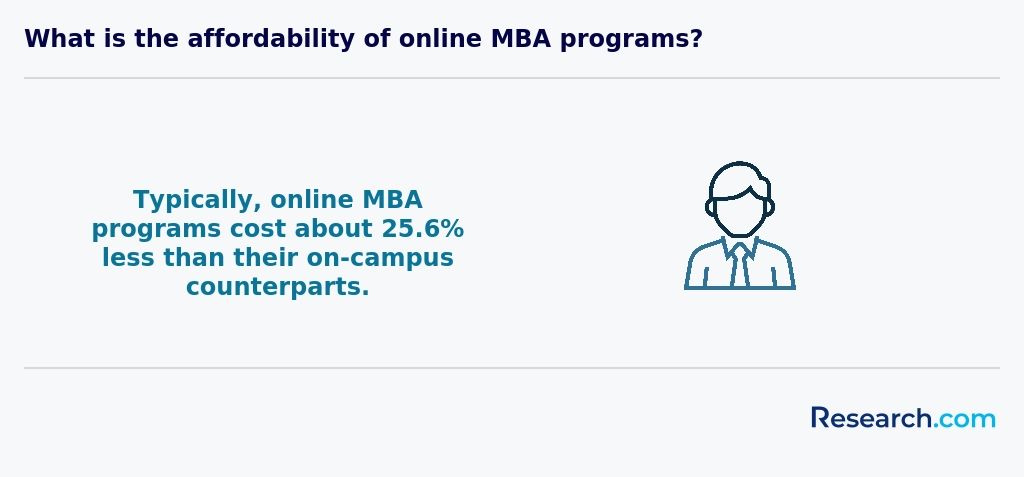
The average cost of an MBA degree in Wisconsin offers an accessible path for many aspiring business leaders. With a median total cost around $43,948, studying in-state can significantly reduce expenses, often closer to $17,500. Graduates from institutions like the University of Wisconsin-Madison celebrate the balance of quality education and affordability that allows them to focus on their career growth without overwhelming debt.
Many students find programs at schools such as the University of Wisconsin-Milwaukee and Marquette University provide excellent value, combining rigorous coursework with flexibility tailored to working professionals. Those pursuing an MBA in Wisconsin often remark on the supportive environment that encourages ambition while managing financial investment thoughtfully. They appreciate how this financial balance aligns perfectly with their goal to achieve results without compromising their personal or professional lives.
Considering Wisconsin MBA degree total expenses means also recognizing opportunities for scholarships, employer tuition assistance, and financial aid that can further ease the journey. These resources empower students to maximize their potential and network effectively during their studies.
For prospective MBA students eager to find the best balance between investment and outcome, exploring the cheapest mba schools in wisconsin can open doors to rewarding educational experiences and career advancement.
MBA Application Process and Key Deadlines
Navigating the MBA application process in Wisconsin requires careful planning to meet deadlines and submit competitive materials. Most top programs open their applications in August or September, with early decision rounds closing by October–November and regular decision deadlines between January and March. Prospective students should:
- Gather Transcripts and Test Scores: Request official undergraduate transcripts and, if required, GMAT/GRE scores at least six weeks before each deadline.
- Prepare Essays and Personal Statements: Tailor essays to Wisconsin’s business climate, highlighting how your goals align with program offerings and specialized tracks.
- Secure Professional Recommendations: Ask supervisors or academic mentors who can speak to your leadership potential and quantitative skills, allowing four weeks for them to write and submit their letters.
- Schedule Interviews: Once invited, choose dates promptly and prepare by researching campus culture, faculty research interests, and career outcomes.
- Explore Financial Aid Options Early: Complete the FAFSA by the priority deadline (typically January 15) and apply for university-specific scholarships by the posted dates. For those comparing affordability across regions, consider our Affordable MBA Degree Programs Ranking in Baltimore, MD to benchmark tuition and living costs before finalizing your decision.
What financial aid is available to MBA degree students in Wisconsin?
Students pursuing an MBA in Wisconsin benefit from a variety of financial aid opportunities designed to ease the journey toward their goals. Many graduates from the University of Wisconsin-Madison and Marquette University share stories of how merit-based scholarships helped them focus fully on their studies without financial stress, rewarding their academic achievements and leadership potential.
Federal aid through FAFSA, including Direct Unsubsidized and Grad PLUS Loans, offers flexible, lower-interest options, empowering students to invest in their future with confidence. Working professionals often find employer tuition assistance invaluable, making it possible to advance their careers while managing costs seamlessly.
Part-time and online MBA programs enrich students' lives by allowing them to balance work and education, maintaining steady income as their skills grow. Graduate assistantships provide both financial support and hands-on experience, creating a rewarding path where students contribute meaningfully and receive tuition waivers or stipends in return.
- Federal loans through FAFSA including Direct Unsubsidized and Grad PLUS Loans
- Merit-based scholarships and fellowships from Wisconsin universities like UW-Madison and Marquette
- Employer tuition assistance programs covering part or all of tuition costs
- Graduate assistantships providing stipends or tuition remission
- Flexible part-time or online options allowing continued earnings during studies
MBA Program Challenges and Considerations
While an MBA degree in Wisconsin offers a wealth of opportunities, prospective students should also be aware of the challenges that can come with pursuing advanced business education. For example, balancing rigorous coursework with personal and professional responsibilities can be demanding, especially for those enrolled in part-time or online programs. Students must be financially prepared-not only for tuition and fees, but also for incidental expenses that may arise during the course of study. It is important to recognize that the evolving format of MBA programs, including online options, can present unique obstacles. For instance, online learners might sometimes face hurdles in building personal networks and maintaining engagement with peers and faculty. For those weighing their options, exploring the easiest mba programs can shed light on flexible solutions while also highlighting the need for strong self-discipline and time-management skills. Additionally, the dynamic nature of the business world means that MBA students must continuously adapt to changing industry trends. This includes a commitment to lifelong learning and the pursuit of relevant certifications or professional development opportunities once the degree is completed. By being aware of these challenges upfront and preparing strategically, applicants can enhance both their educational experience and career outcomes.
What are the prerequisites for enrolling in MBA degree program in Wisconsin?
To enroll in an MBA program in Wisconsin, you'll need to build on a solid foundation that many successful graduates from the University of Wisconsin-Madison and Marquette University have walked before you. Starting with a bachelor's degree from an accredited institution, whether in business or another field, shows you're ready to take the next step in your career journey.
Many Wisconsin programs value professional experience-usually two to three years-which means your time in the workplace is actually a powerful advantage. Graduates often share how this experience helped them connect real-world challenges with classroom lessons, making each case study more meaningful and enriching.
Standardized tests like the GMAT or GRE are commonly required, but several programs are adopting flexible policies, recognizing your overall potential. Imagine preparing your personal statement or recommendation letters to tell your unique story and goals-this is your chance to shine and inspire admissions committees.
Some programs may expect you to have quantitative skills, but don't worry-prerequisite courses can easily bridge that gap. With thoughtful preparation, your MBA journey in Wisconsin is well within reach and full of exciting opportunities.
Affordability and Return on Investment of MBA Programs in Wisconsin
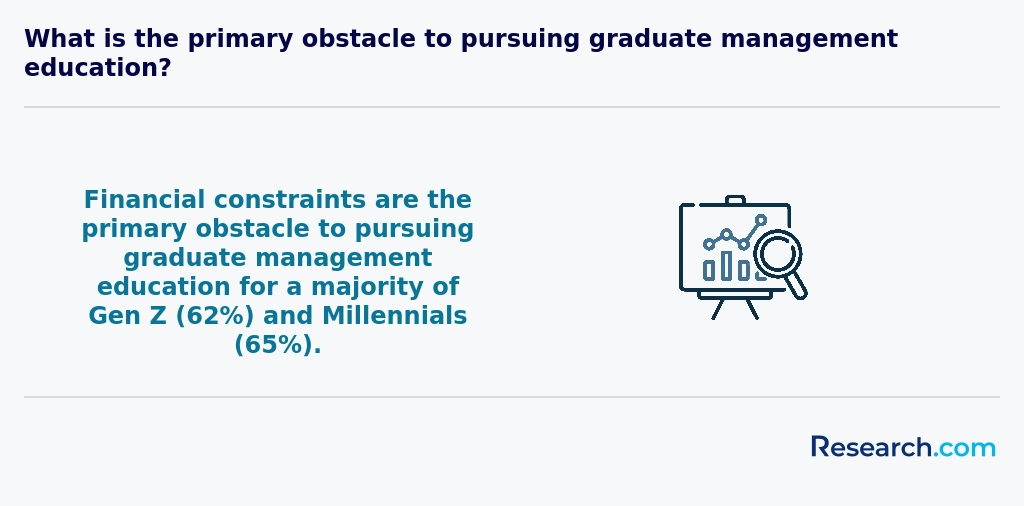
When considering an MBA program in Wisconsin, one of the crucial factors to evaluate is the affordability and potential return on investment. Prospective students should weigh the costs of tuition, fees, and living expenses against the potential financial benefits of graduating with an MBA degree. To make informed decisions, it's essential to research and compare the costs of different programs. For instance, exploring the cheapest mba schools in wisconsin can provide valuable insights into affordable options that still offer a high-quality education. By understanding the financial implications and potential outcomes, students can choose an MBA program that aligns with their career aspirations and budget, ultimately leading to a rewarding and lucrative career in the business world.
What courses are typically in MBA degree programs in Wisconsin?
MBA students in Wisconsin embark on a dynamic learning journey, mastering key subjects that spark confidence and fuel career growth. Core courses like Financial Accounting and Managerial Accounting give graduates from universities like the University of Wisconsin-Madison the financial savvy needed to analyze real-world business challenges with clarity and precision.
Marketing Management and Consumer Behavior reveal exciting strategies to connect with customers, while Operations and Supply Chain Management prepare students at Marquette University to streamline processes in thriving Midwest industries. Corporate Finance and Investment Analysis sharpen decision-making skills, empowering students to take bold steps toward leadership roles.
Business Strategy and Policy combined with Organizational Behavior and Leadership create a powerful toolkit, enabling graduates to inspire teams and drive innovation. Quantitative Methods and Business Analytics introduce cutting-edge techniques that make data-driven decisions feel intuitive. This balanced curriculum, tailored to Wisconsin's vibrant economy, nurtures future leaders ready to make a meaningful impact.
What types of specializations are available in MBA degree programs in Wisconsin?
In Wisconsin, MBA students have the exciting opportunity to explore a range of specializations perfectly suited to the state's vibrant economy. Graduates from top universities often share how focusing on supply chain management or healthcare administration opened doors within Wisconsin's thriving manufacturing and healthcare sectors. This practical learning experience empowers students to step confidently into leadership roles that impact real-world businesses and communities.
Many find the best MBA specializations in Wisconsin include finance, marketing, entrepreneurship, and supply chain-each aligned with the state's key industries. For instance, students passionate about entrepreneurship thrive in dynamic cities like Madison and Milwaukee, where hands-on projects inspire innovation and small business growth. Marketing and finance concentrations also attract driven individuals eager to master digital marketing or corporate finance, enhancing Wisconsin's robust service sector.
Those seeking a flexible path often explore some of the easiest mba programs that incorporate these specializations, balancing rigorous coursework with real-life applications. The result is a fulfilling experience that builds expertise and sparks lasting confidence for future careers.
How do you choose the best MBA degree in Wisconsin?
Choosing the best MBA degree in Wisconsin means focusing on what truly matters for your future growth. Graduates from the University of Wisconsin-Madison often highlight the value of AACSB accreditation, which assures a top-tier education and recognition by employers. When weighing your options, thinking about cost is essential-especially with the best MBA programs Wisconsin cost ranging widely. Public universities frequently offer a more affordable path without sacrificing quality, making them smart choices for many.
Many students share that finding the right program format-whether full-time, part-time, or online-helps them balance personal and professional commitments with ease. This flexibility is one reason graduates from schools in Milwaukee and Madison feel confident applying their learning in real-time business environments. Additionally, aligning your MBA with your career goals by choosing specializations enhances the experience, as seen in programs emphasizing finance, supply chain management, or healthcare leadership.
Networking is a major asset. Graduates often describe vibrant connections to Wisconsin's local business community that open doors to internships and mentorships. The Wisconsin Economic Development Corporation spotlights Milwaukee as a hub for finance and tech, a perfect example of how localized opportunities enrich your education. For those curious about value, exploring outcomes like employment rates and salaries alongside options from the Affordable MBA Degree Programs Ranking in Baltimore, MD can provide additional perspective.
What career paths are available for MBA degree students in Wisconsin?
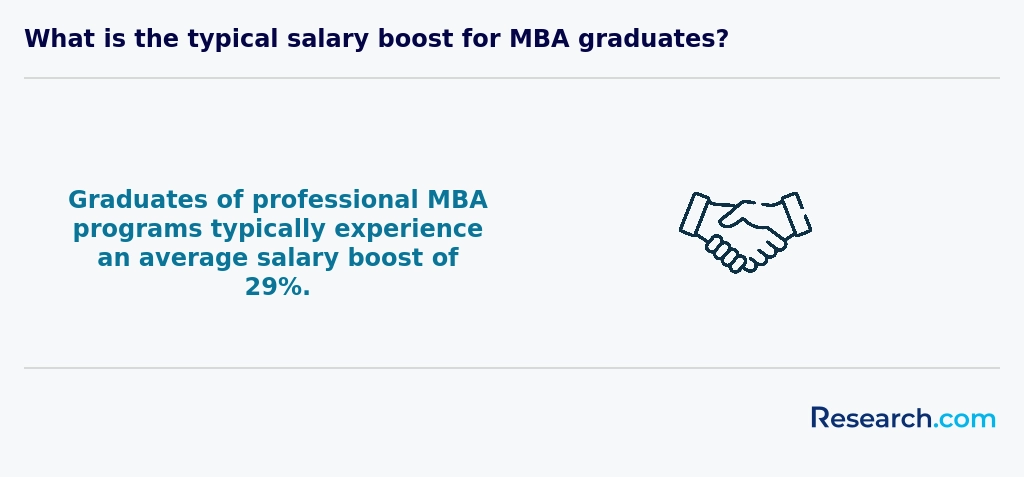
Graduates holding an MBA degree in Wisconsin discover exciting MBA career opportunities in Wisconsin that span diverse industries like manufacturing, healthcare, finance, and technology. Many find themselves stepping confidently into leadership roles such as Business Development Manager or Marketing Manager, especially around hubs like Milwaukee or Madison, where vibrant economies demand strategic expertise.
Those pursuing top MBA job prospects Wisconsin often share stories of rewarding positions in healthcare administration or financial management, leveraging their skills to make impactful decisions within dynamic hospital systems or financial institutions. The strong support for entrepreneurship throughout the state also empowers graduates to launch startups or drive business growth with confidence, inspired by local programs encouraging innovation and economic development.
Many graduates from renowned universities in Wisconsin highlight how their MBA journey sharpened their business acumen and leadership, opening doors to roles in operations and consulting. For students balancing cost and quality, exploring options like an accelerated bachelor's degree online texas is also a strategic step toward long-term career success.
What is the job market for MBA degree in Wisconsin?
The job market for MBA degree graduates in Wisconsin is vibrant and full of opportunity, especially for those from renowned institutions like the Wisconsin School of Business or Marquette University. Graduates often share how Wisconsin's diverse economy, with strongholds in manufacturing, healthcare, and technology, opens doors to rewarding leadership roles. MBA employment opportunities in Wisconsin are particularly promising in cities like Milwaukee and Madison, where corporate headquarters and startups thrive side by side. Many graduates find themselves stepping into management positions at well-known companies, experiencing firsthand how their advanced skills translate into impactful business strategies and competitive salaries.
Graduates emphasize the advantage of Wisconsin's supportive business networks and strong alumni communities, which boost career growth and mentorship. The state's rising sectors, including IT management and healthcare administration, offer exciting pathways to apply MBA expertise in real-world settings. Those interested in expanding their knowledge while balancing other commitments often explore the best college courses for older adults online, ensuring they can enhance their career prospects without sacrificing flexibility.
Wisconsin MBA graduate job market trends show steady growth and demand, especially for professionals who are ready to lead with innovation and resilience. This environment fosters optimism and confidence for those pursuing an MBA, knowing they will be positioned to thrive and make a real difference in their communities.
Frequently Asked Questions About MBA
Students pursuing an MBA degree in Wisconsin can maximize their learning by engaging actively in both academic and networking opportunities. Taking advantage of internships with local companies such as Kohl's or Northwestern Mutual provides practical experience to complement classroom knowledge. Wisconsin's MBA programs, including those at the University of Wisconsin-Madison and Marquette University, emphasize experiential learning, which students should embrace fully.
Participating in student-led organizations and case competitions helps build leadership skills and fosters valuable industry connections. According to the Wisconsin Economic Development Corporation, the state's economy supports a growing demand for MBA graduates in finance, healthcare, and manufacturing sectors. Utilizing campus career services and alumni networks also enhances job prospects after graduation.
The MBA field in Wisconsin is evolving to include several emerging niches driven by market demand and technological change. One key area is data analytics and business intelligence, with many Wisconsin programs integrating coursework to prepare students for data-driven decision making. According to the Wisconsin Economic Development Corporation, businesses in Milwaukee and Madison increasingly seek managers skilled in analytics.
Another growing niche is sustainability and green business. Wisconsin's strong agricultural and manufacturing sectors encourage MBA candidates to focus on sustainable practices and environmental management.
Healthcare management also remains a vital area, given Wisconsin's large healthcare industry. MBA programs often combine traditional management with healthcare-specific skills to address industry challenges. These niches reflect statewide trends and workforce needs, shaping how MBA curricula evolve.
Preparing for the job market after completing an MBA degree in Wisconsin requires strategic planning and leveraging local opportunities. Graduates should engage with career services offered by Wisconsin's top business schools, such as the University of Wisconsin-Madison and Marquette University, which report strong employer connections and placement rates.
Networking plays a vital role; joining statewide business associations like the Wisconsin Business Network can open doors. Additionally, internships and cooperative education experiences during the MBA significantly improve job prospects, with reports showing that over 70% of MBA students secure full-time roles within six months of graduation.
To stay competitive, candidates must focus on developing skills in data analytics, leadership, and technology management-areas highly valued by Wisconsin employers, according to the Wisconsin Department of Workforce Development. Utilizing online job portals dedicated to the Wisconsin market can also enhance visibility to recruiters.
Employers in Wisconsin highly value MBA graduates who demonstrate strong leadership and analytical skills. According to recent data from the Graduate Management Admission Council (GMAC), problem-solving and strategic thinking rank among the top competencies sought by regional employers.
Communication skills are also crucial, especially the ability to convey complex ideas clearly in team settings. Wisconsin's diverse business sectors, including manufacturing and healthcare, demand adaptability and cross-functional collaboration from MBA holders.
Additionally, proficiency in data analysis and financial acumen often give candidates a competitive edge in the state's job market. Employers look for graduates who can leverage data-driven insights to guide decision-making effectively.
Ethical judgment and a solid understanding of business sustainability practices are increasingly emphasized, reflecting a broader shift towards corporate responsibility within Wisconsin companies.
Finding internships in Wisconsin relevant to an MBA degree involves leveraging university career centers, local business networks, and professional organizations. Many Wisconsin universities with MBA programs, such as the University of Wisconsin-Madison, offer dedicated internship placement services that connect students with companies. According to recent data from the Wisconsin Economic Development Corporation, sectors like finance, healthcare, and manufacturing prominently seek MBA interns.
Joining state chapters of national business groups, such as the Wisconsin chapter of the Association for Talent Development, can provide valuable networking opportunities. Additionally, online platforms like Handshake are widely used by Wisconsin universities to list MBA internships.
Start early and utilize alumni connections to increase chances of securing quality internships that build important business skills.
In Wisconsin, earning an MBA significantly enhances career mobility and advancement opportunities. According to the Wisconsin Department of Workforce Development, MBA graduates frequently access higher-level management positions within the state's strong manufacturing, healthcare, and financial sectors. Employers value the strategic, leadership, and analytical skills taught in MBA programs, which can improve promotions and salary prospects.
Data from the Graduate Management Admission Council (GMAC) shows that MBA holders in the Midwest report a 50% higher chance of moving into executive roles within five years compared to bachelor's degree holders. Additionally, Wisconsin's growing business hubs like Milwaukee and Madison offer expanding networks for MBA alumni to leverage career growth.
Overall, pursuing an MBA in Wisconsin aligns well with local economic trends and supports substantial career advancement, especially in leadership and specialized business functions.
Studying for an MBA degree in Wisconsin equips students to excel in interdisciplinary roles by blending core business skills with specialized knowledge. Wisconsin's MBA programs often emphasize collaboration across fields such as finance, marketing, technology, and healthcare, reflecting the state's diverse economy. Schools like the University of Wisconsin-Madison highlight experiential learning and cross-departmental projects, preparing graduates for complex decision-making environments.
According to the U.S. News & World Report, Wisconsin MBA programs rank highly for their integration of leadership and analytical skills, fostering adaptability in varied industries. Additionally, connections with local businesses facilitate practical experience essential for interdisciplinary success.
When choosing between a thesis and a non-thesis MBA program in Wisconsin, consider your career goals and learning preferences. Thesis MBAs typically require a significant research project, which can be beneficial if you aim for academic roles or jobs involving in-depth analysis. Non-thesis MBAs commonly emphasize coursework and practical experience, appealing to professionals seeking immediate application of skills in business environments.
According to the Wisconsin Department of Public Instruction, roughly 60% of MBA students in the state opt for non-thesis programs due to their flexibility and shorter completion times. Additionally, non-thesis options may be better suited for those balancing work and study.
Institutions like the University of Wisconsin system offer both options, allowing students to match their choice to professional aspirations and time commitments.
Students based in Wisconsin seeking to study for an MBA abroad have several pathways available. Many Wisconsin universities, such as the University of Wisconsin-Madison, offer dual-degree and exchange programs with international partner schools. These arrangements allow students to gain global business experience while earning credits toward their MBA.
Alternatively, Wisconsin students may enroll directly in internationally accredited MBA programs in countries popular for business education, such as the United Kingdom, Canada, and Spain. According to the Graduate Management Admission Council (GMAC), nearly 20% of U.S. MBA candidates consider overseas study for exposure to diverse markets.
Financial aid and scholarships through both Wisconsin institutions and international organizations can support these endeavors. Prospective students should also consider programs with strong alumni networks in the U.S. to leverage global opportunities post-graduation.
Part-time job opportunities in Wisconsin that complement an MBA education often align with roles in finance, marketing, and management. Popular positions include financial analyst internships, marketing assistant roles, and project coordinator jobs at local firms. These opportunities allow students to apply theoretical concepts from their coursework to real-world business challenges.
Wisconsin's economy, driven by industries such as manufacturing, healthcare, and technology, offers diverse environments for MBA students to gain experience. According to the Wisconsin Department of Workforce Development, business and financial occupations are expected to grow 6% by 2028, indicating increasing demand for part-time roles in these areas.
Additionally, many students find value in consulting roles with regional startups or non-profits, which hone strategic thinking and leadership skills. Universities like UW-Madison and Marquette University often facilitate connections between students and employers seeking MBA talent for part-time roles.
MBA students in Wisconsin have access to various strong networking opportunities through their schools and local business communities. Universities such as the University of Wisconsin-Madison and Marquette University organize regular events, career fairs, and alumni meetups that connect students with industry professionals.
Many programs partner with Wisconsin-based corporations in sectors like manufacturing, healthcare, and finance, offering internship and mentorship options. According to the Wisconsin Economic Development Corporation, networking through these initiatives significantly boosts post-graduation employment rates.
Students can also participate in professional organizations such as the Wisconsin MBA Association, which hosts workshops and conferences to enhance business connections statewide.
Alumni networks offer considerable advantages to MBA students in Wisconsin. These networks provide access to a broad community of professionals who can offer mentorship, career advice, and job opportunities. According to the Wisconsin Economic Development Corporation, nearly 70% of MBA graduates find employment through connections made during their studies, often facilitated by active alumni groups.
Many Wisconsin business schools organize alumni events, workshops, and online forums that help students expand their professional network. This real-world connection enhances learning beyond the classroom and increases chances of career advancement in competitive industries.
The growth of Wisconsin's financial and manufacturing sectors also means local alumni networks serve as valuable bridges to key employers. Students benefit not only from networking but also from potential internships and collaborative projects fostered by these alumni communities.
Wisconsin offers diverse options to customize your MBA degree according to your career goals. Many institutions, such as the University of Wisconsin system, allow students to select concentrations in areas like finance, marketing, healthcare management, or supply chain. These specializations help tailor coursework to specific industries or roles.
Additionally, flexible formats including part-time, online, and executive MBA programs suit working professionals. Internships and capstone projects provide practical experience aligned with individual ambitions.
Advisors and career services also assist in shaping your path while integrating leadership and soft skills development, crucial for advancement.
According to the Graduate Management Admission Council, 58% of students prefer programs offering personalized curriculum options.
MBA students in Wisconsin commonly face challenges balancing rigorous coursework with professional and personal commitments. Many are working professionals who must manage time effectively between job responsibilities and academic demands. According to a 2023 survey by the Wisconsin Higher Education Consortium, nearly 60% of MBA students report significant stress related to workload management.
Financial strain is another common issue, as the average MBA tuition in Wisconsin ranges from $30,000 to $60,000 depending on the institution. Access to scholarships and employer tuition assistance varies, making funding a critical concern for some students.
Additionally, adapting to hybrid or online learning formats, which have become more prevalent since 2020, poses challenges in maintaining engagement and networking opportunities.
An MBA degree from Wisconsin universities opens doors to numerous professional certifications that enhance career prospects. Graduates often pursue credentials such as the Certified Public Accountant (CPA), especially those focusing on accounting or finance tracks. According to the Wisconsin Department of Financial Institutions, CPA licenses remain in high demand statewide.
Another common certification is the Project Management Professional (PMP), ideal for MBA holders interested in leadership and operational roles. The Project Management Institute reports sustained growth in PMP demand across the Midwest, including Wisconsin.
Additionally, MBA graduates can consider the Certified Management Accountant (CMA) for advanced expertise in financial analysis and strategy. The Institute of Management Accountants recognizes the CMA as a valuable credential nationally and within Wisconsin's business community.
Writing a winning application for an MBA program in Wisconsin requires a clear focus on academic achievement and professional experience. Most programs, including those at the University of Wisconsin-Madison and Marquette University, expect a strong undergraduate GPA and competitive GMAT or GRE scores. Recent data from US News highlights that Wisconsin MBA programs often value leadership potential and community involvement alongside academics.
Applicants should craft a compelling personal statement that outlines career goals and explains why the Wisconsin program fits their professional aspirations. Letters of recommendation from supervisors or professors who can attest to your leadership and teamwork skills are crucial.
Additionally, highlighting relevant work experience in business or management, supported by quantifiable achievements, strengthens the application. According to the Graduate Management Admission Council, applicants with three to five years of professional experience typically have higher acceptance rates in top Wisconsin MBA programs.
Finally, preparing thoroughly for interviews by researching the school's culture and values will help demonstrate genuine interest and fit.
Globally, an MBA degree is viewed as a powerful tool for career advancement and leadership development. Graduates often gain skills valued across industries worldwide, including strategic thinking, financial expertise, and management techniques. In Wisconsin, MBA programs reflect this trend, with institutions focusing on preparing students for international business challenges.
According to the Graduate Management Admission Council (GMAC), about 20% of MBA candidates in the U.S. seek global career opportunities post-graduation. Wisconsin's MBA graduates contribute to this figure by entering sectors like manufacturing, healthcare, and finance, many with a global reach.
Additionally, many Wisconsin MBA programs emphasize global business perspectives through study abroad options and partnerships with international companies, helping students build a network beyond U.S. borders.
Gaining practical experience while studying for an MBA in Wisconsin is essential for career readiness. Many Wisconsin MBA programs encourage internships and cooperative education, allowing students to work with local businesses and organizations. For example, universities like the University of Wisconsin-Madison offer structured internship programs that connect students to industries such as manufacturing, healthcare, and finance.
Additionally, consulting projects and case competitions are common components of Wisconsin MBA curricula. These opportunities enable students to apply classroom theories to real-world challenges while networking with industry professionals. The Wisconsin Department of Workforce Development reports that nearly 60% of MBA students in the state secure internships linked directly to their field of interest, enhancing their employment prospects post-graduation.
Participation in student organizations and leadership roles further contributes to practical business skills, fostering teamwork and project management experience critical in today's competitive job market.
Choosing the right concentration within an MBA program in Wisconsin depends on your career goals and local market demands. Popular concentrations include finance, marketing, healthcare management, and supply chain management, reflecting Wisconsin's strong presence in manufacturing and healthcare sectors. According to the Wisconsin Department of Workforce Development, fields like healthcare management continue growing, which may influence your decision.
Consider your professional background and where you want to advance. For example, if you aim to work in Wisconsin's robust manufacturing industry, a focus on operations or supply chain management could be valuable. Additionally, research each university's alumni outcomes and employer partnerships; these often signal strong industry ties specific to Wisconsin.
Evaluating the curriculum's flexibility and availability of internships or networking events in Wisconsin's business hubs, such as Milwaukee or Madison, also helps. The U.S. News & World Report ranks some Wisconsin MBA programs highly for practical experience, which can guide your selection process.
Related MBA Rankings for Nearby States
- 2027 Most Valuable MBA Degree Programs Ranking in Minnesota
- 2027 Most Valuable MBA Degree Programs Ranking in Iowa
- 2027 Most Valuable MBA Degree Programs Ranking in Illinois
- 2027 Most Valuable MBA Degree Programs Ranking in Indiana
- 2027 Most Valuable MBA Degree Programs Ranking in Missouri
- 2027 Most Valuable MBA Degree Programs Ranking in Kansas
- 2027 Most Valuable MBA Degree Programs Ranking in Arkansas
- 2027 Most Valuable MBA Degree Programs Ranking in Pennsylvania
- 2027 Most Valuable MBA Degree Programs Ranking in Colorado
- 2027 Most Valuable MBA Degree Programs Ranking in Alabama
Top Trending MBA Rankings
References
- MBA Internships: Find 5400 MBA Intern Jobs https://internshala.com/internships/mba-internship/
- Wisconsin School of Business MBA Student Interview https://blog.accepted.com/wisconsin-school-of-business-student-interview/
- MBA Career Outlook from a Global Perspective Margaret Buj https://interview-coach.co.uk/mba-career-outlook-from-a-global-perspective/
- General MBA Degree Online | UW MBA Consortium https://www.wisconsinonlinemba.org/degrees-certificates/mba-general-management/
- Wisconsin Madison MBA Program Details 2025-26 https://www.expertsglobal.com/wisconsin-madison-mba-program-details-placements-class-profile/
- How to Choose an MBA Program That Fits Your Career Goals https://www.mobileviewer.io/blog/how-to-choose-an-mba-program-that-fits-your-career-goals
- Why Fit Matters: Matching Your Profile and Career Goals to Your Dream MBA Program https://merchantmba.com/blog/why-fit-matters-matching-your-profile-and-career-goals-to-your-dream-mba-program
- How an MBA contributes to career advancement https://online.wlv.ac.uk/blog/how-an-mba-contributes-to-career-advancement/
- MBA Networking Tips-Building Connections Pre-MBA https://menlocoaching.com/mba-applications-and-admissions-guide/networking/
- Future-Proof Your Career with an MBA in India : MIT-WPU Blog https://mitwpu.edu.in/blog/emerging-specialisations-in-mba---how-to-future-proof-your-business-career-in-india


