
2027 Best Nursing Degree Programs Ranking in Birmingham

Co-Founder and Chief Data Scientist
Choosing the right nursing degree program is a crucial step toward a rewarding healthcare career. For students in Birmingham, our article presents the 2027 Best Nursing Degree Programs Ranking in Birmingham, carefully compiled by the Research.com team of data scientists.
This ranking offers clear insights into which programs stand out, helping you make an informed decision with confidence.
By exploring this guide, you'll discover valuable information to support your nursing journey and open doors to a fulfilling future in healthcare.
Key benefits of getting nursing degree in Birmingham
- Graduates with a nursing degree in Birmingham can expect strong salary prospects, such as a Registered Nurse earning a mean annual wage of $94,480, while specialized roles like Operating Room Nurses earn up to $128,490 annually.
- Many nursing graduates from local universities in Birmingham find rewarding career paths in diverse settings, including public health, emergency rooms, and clinical education, offering both stability and growth.
- Completing a nursing degree online through Birmingham-based programs provides flexibility and convenience, allowing students to balance work and study while gaining the same skills as traditional students.
- Key benefits of getting nursing degree in Birmingham
- What can I expect from nursing degree in Birmingham?
- Where can I work with nursing degree in Birmingham?
- How much can I make with nursing degree in Birmingham?
- 2027 Best Nursing Degree Programs Ranking in Birmingham
- Key Findings
- How long does it take to complete nursing degree in Birmingham?
- Accreditation and Licensing Outcomes
- What's the difference between online and on-campus nursing degree?
- Licensure Success and NCLEX Pass Rates
- What is the average cost of nursing degree in Birmingham?
- Cost Considerations for Nursing Degree Programs in Birmingham, AL
- What financial aid is available to nursing degree students in Birmingham?
- Program Accreditation and NCLEX Success
- What are the prerequisites for enrolling in nursing degree program in Birmingham?
- NCLEX Pass Rates and Program Outcomes
- What courses are typically in nursing degree programs in Birmingham?
- What types of specializations are available in nursing degree programs in Birmingham?
- How do you choose the best nursing degree in Birmingham?
- What career paths are available for nursing degree students in Birmingham?
- What is the job market for nursing degree in Birmingham?
- Top Trending Nursing Rankings
- See What Experts Have To Say About Studying Nursing
What can I expect from nursing degree in Birmingham?
The average cost of a nursing degree in Birmingham usually depends on where you study, but many students looking at places like the University of Alabama at Birmingham (UAB) find that tuition for a Bachelor of Science in Nursing (BSN) runs around $10,000 to $15,000 per year for in-state students. Graduates often share how investing in UAB feels worth it because of the hands-on training and clinical rotations at nearby hospitals, which make those expenses feel real and rewarding.
Out-of-state or accelerated programs might cost a bit more, sometimes up to $25,000 a year, but students talk about how the smaller class sizes and access to experienced faculty at these programs really boost confidence and skills. Many grads reflect on applying for scholarships or financial aid to lighten the load, which helps make the cost feel less overwhelming. So, while nursing programs in Birmingham are an investment, the quality education and clinical experience make it a price many think is totally justified.
Where can I work with nursing degree in Birmingham?
If you earn a nursing degree in Birmingham, chances are you'll find plenty of doors opening for you. Graduates from popular spots like UAB's School of Nursing often land roles at big places like UAB Hospital, which is a huge academic medical center offering positions for RNs, NPs, and specialty nurses. It's exciting because you could be working right where groundbreaking healthcare happens.
Many grads talk about how rewarding it is to work in outpatient clinics or long-term care homes around town-places where you get to build real connections with patients. Some even dive into home healthcare, visiting patients in their own homes, which feels really personal and meaningful. Plus, there's a growing need for this as more folks in Birmingham are aging.
Others find themselves drawn to public health gigs with the Jefferson County Department of Health, helping with community programs like vaccinations or health education. It's a chance to make a big impact locally.
And for those interested in specialties like pediatric or oncology nursing, Birmingham's extensive health network, including centers like the O'Neal Cancer Center, is perfect for gaining hands-on, focused experience.
How much can I make with nursing degree in Birmingham?
If you're finishing up a nursing degree in Birmingham, you're probably wondering, "How much can I make?" Well, grads from local schools often step into roles like registered nurses and typically pull in about $94,480 a year, according to recent salary data. That's a solid paycheck that matches well with what RNs make nationally!
Many nursing grads here find jobs as clinical nurse educators or public health nurses, where salaries hover around the same $94,480 mark. That consistency is great because it means no matter your nursing path, you're looking at a dependable income soon after graduation.
And if you choose to specialize, like becoming an operating room nurse, you might see salaries jump up to about $128,490 a year. That's a nice boost for anyone willing to take on those intense, hands-on roles.
Local grads often mention how working in Birmingham schools or hospitals gives them a boost-not just because of pay but also the community feel and lower living costs. This combo means your nursing degree here really sets you up with both career and life satisfaction.
2027 Best Nursing Degree Programs Ranking in Birmingham
How do we rank schools?
Investing in your education is a significant decision that can shape your future, and the Research.com team understands the importance of making informed choices. To assist prospective students in Birmingham, we have meticulously crafted the "2027 Best Nursing Degree Programs Ranking in Birmingham." Our commitment to quality, credibility, and accuracy is reflected in the extensive research and analysis conducted to compile this ranking.
We utilized the following reputable data sources to ensure a comprehensive evaluation of nursing degree programs:
By exploring this ranking, readers will gain valuable insights into the best nursing degree programs in Birmingham, empowering them to make well-informed decisions about their educational paths. For more details on our methodology, please visit our Research.com methodology page.


Key Findings
- Birmingham nursing programs include ADN, BSN, and MSN degrees offered by institutions such as the University of Alabama at Birmingham (UAB).
- The total cost for a BSN degree ranges from $25,000 to $40,000 for in-state students and can exceed $60,000 for out-of-state students.
- Starting salaries for registered nurses in Birmingham typically range from $58,000 to $65,000 annually.
- Experienced nurses earn between $70,000 and $90,000 or more, depending on specialization and experience.
- Passing the NCLEX-RN exam and completing clinical training with local hospital partnerships are required for licensure and practical experience.
How long does it take to complete nursing degree in Birmingham?
If you're thinking about getting your nursing degree in Birmingham, you'll find that most students finish in anywhere from two to four years, depending on the program and whether you study full-time or part-time.
For example, graduates from the University of Alabama at Birmingham often talk about the traditional BSN route taking about four years. It follows the usual pace, giving you plenty of time to dive into clinical hours-usually around 500 to 700-which really help you feel ready and confident in real patient care.
Some students choose the quicker Associate Degree in Nursing at local community colleges, wrapping up in about two years, which means you can start working sooner if you're eager to jump in.
Others with degrees in other fields find accelerated BSN programs in Birmingham, finishing in as little as 12 to 18 months, but they warn it's pretty intense and demands a full-time focus.
Many grads mention how part-time options stretch the timeline but give flexibility, which is great if you're balancing work or family.
Accreditation and Licensing Outcomes
Ensuring quality and credibility, the top nursing programs in Birmingham, AL are accredited by the Commission on Collegiate Nursing Education (CCNE) or the Accreditation Commission for Education in Nursing (ACEN). Accreditation verifies that each curriculum meets national standards in faculty qualifications, clinical partnerships, and student support services. Prospective students should review published NCLEX-RN first-time pass rates-often exceeding 90% at institutions like UAB and Samford University-as a key indicator of program effectiveness. Beyond initial licensure, many schools offer clear pathways for career advancement. For instance, graduates with an Associate Degree in Nursing (ADN) may pursue an rn to bsn bridge program that not only deepens clinical expertise but also aligns with Magnet hospital standards and advanced practice requirements. These bridge programs often carry the same accreditation credentials and integrate evidence-based practice modules, preparing students for higher NCLEX pass rates and specialized certifications. Before applying, verify accreditation status via the U.S. Department of Education’s database and compare NCLEX outcomes published on school websites. This due diligence ensures your investment yields a degree recognized by employers and state boards, unlocking rewarding roles from critical care to leadership in Birmingham’s dynamic healthcare landscape.
What's the difference between online and on-campus nursing degree?
If you're weighing nursing degrees in Birmingham, the biggest difference between online and on-campus is how you experience your studies. At universities like the University of Birmingham or Birmingham City University, on-campus students often talk about the buzz of being in class with peers and the hands-on vibe during clinical placements at local hospitals. It's that face-to-face time that helps boost confidence and builds real connections with instructors and classmates.
On the flip side, online nursing programs are perfect if you've got a busy schedule juggling work or family. Graduates mention loving the freedom to catch lectures whenever it suits them, making it easier to fit study around life. But don't think you skip practical experience-clinical hours are still a must, arranged near your home healthcare sites to nail those essential skills.
Costs in Birmingham tend to line up too, though online students save on transport and housing. Whether you're hitting a campus or studying from your couch, you're still getting quality nursing training tailored to your lifestyle.
Licensure Success and NCLEX Pass Rates
Understanding NCLEX pass rates is essential for evaluating the quality of nursing programs in Birmingham, AL. Graduates from the University of Alabama at Birmingham (UAB) consistently achieve first-time NCLEX‐RN pass rates above 90%, outperforming the national average of 86%. Samford University reports similar success, with cohorts reaching 92% on their first attempt. These high licensure rates reflect rigorous curricula, comprehensive test-preparation workshops, and strong mentorship from experienced faculty. Many programs in Birmingham also offer dedicated NCLEX review courses, simulation labs, and peer study groups, ensuring students master critical thinking, pharmacology, and clinical judgment. For example, UAB’s simulation center provides scenario-based training that mirrors exam-style questions, helping students build confidence and reduce test anxiety. Samford’s small class sizes further enable personalized feedback, allowing instructors to identify and address individual learning gaps. A program’s commitment to licensure success often correlates with enhanced career mobility. Employers in Birmingham’s leading healthcare facilities, such as UAB Hospital and Children’s of Alabama, prioritize hires from schools with proven NCLEX outcomes. Additionally, high pass rates can translate into eligibility for competitive residencies and specialty training programs. For those considering advanced degrees, exploring doctoral-level options can further bolster your credentials. Be sure to review our Low Cost Online Doctorate in Nursing Degree Programs Ranking in Columbia, MO to identify programs that combine affordability with strong licensure support and advanced clinical training.
What is the average cost of nursing degree in Birmingham?
The average cost of nursing degree in Birmingham can vary quite a bit depending on where you study and whether you're paying in-state or out-of-state tuition. For example, at popular schools like the University of Alabama at Birmingham (UAB), many graduates recall that the total in-state cost for completing their nursing degree was just under $10,000, which really helped keep their student debt manageable. On the other hand, out-of-state students often face a steeper bill, with costs soaring to around $38,600 overall. This difference shapes a lot of students' decisions about where to apply and enroll.
Living in Birmingham adds another layer of affordability to pursuing a nursing career here. Several former students mention how the lower than average living expenses in the city made managing day-to-day costs easier while studying. Combined with scholarships and financial aid options, this makes the average cost of nursing degree in Birmingham feel more within reach than you might expect. If you're curious about the most affordable nursing schools, be sure to check out resources like the most affordable nursing schools in alabama for detailed info to plan your budget wisely.
Thinking about tuition alone is important, but don't forget other expenses like textbooks, uniforms, and clinical supplies. Nursing students at Birmingham colleges often talk about these costs stacking up, so it's good to budget accordingly. Many graduates say the investment feels totally worth it, as the hands-on experience and strong programs prepare them well for their nursing careers, making every dollar spent feel like a step toward a fulfilling future.
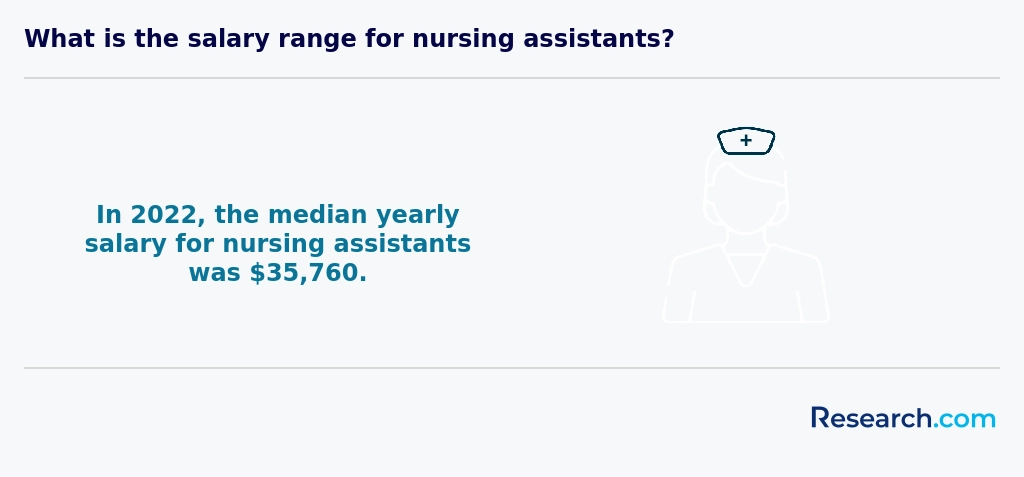
Cost Considerations for Nursing Degree Programs in Birmingham, AL
When exploring nursing degree programs in Birmingham, AL, one crucial aspect to consider is the cost. Prospective students should weigh the expenses associated with different types of nursing degrees, such as Associate Degree in Nursing (ADN), Bachelor of Science in Nursing (BSN), Master of Science in Nursing (MSN), and Doctor of Nursing Practice (DNP). The cost can vary significantly depending on the institution, with public universities generally offering more economical options compared to private ones. For instance, the average cost of an ADN program can range from $23,900 to $66,320, while a BSN program can cost between $89,556 and $211,392. It's also worth noting that online nursing degrees, such as those offered by most affordable nursing schools in alabama, can provide flexibility and potentially lower costs, making them an attractive option for many students. By understanding the financial implications and exploring available financial aid options, aspiring nurses can make informed decisions about their educational paths and set themselves up for success in their future careers.
What financial aid is available to nursing degree students in Birmingham?
When you're aiming for a nursing degree in Birmingham, there's quite a bit of financial help waiting for you. Most students start by filling out the FAFSA to tap into federal aid like Pell Grants that can cover up to $7,395 a year without any payback stress. Many graduates from the University of Alabama at Birmingham recall how these grants lifted a big financial weight off their shoulders during tough semesters.
On top of federal aid, Alabama offers state grants and low-interest loans specifically for residents, which can help fill in the gaps. Folks studying at places like Bevill State Community College often talk about how these state programs made tuition more manageable.
Birmingham also shines when it comes to local scholarships. The Alabama Nursing Association and other community groups shower nursing students with awards ranging from $1,000 to $5,000, rewarding hard work and dedication to healthcare. Many UAB nursing grads highlight how this support boosted their confidence and kept them focused. Plus, some programs - like the Nurse Corps Scholarship - even cover full tuition and provide monthly stipends if you commit to working in underserved areas. That's a game-changer for hands-on learners who want to give back while growing their careers.
Program Accreditation and NCLEX Success
Accredited nursing programs in Birmingham meet quality standards that protect your investment and ensure eligibility for licensure. Essential accreditation details:
- CCNE or ACEN accreditation validates curriculum quality and faculty expertise
- Alabama Board of Nursing approval allows graduates to sit for the NCLEX-RN exam
- Accredited status is required for federal financial aid and clinical placement opportunities
Local schools typically report NCLEX-RN first-attempt pass rates above 90%, reflecting strong preparation through simulation labs and clinical rotations.
After earning your BSN, many nurses advance to doctoral-level practice via BSN-to-DNP pathways-discover the most affordable bsn to dnp programs online.
What are the prerequisites for enrolling in nursing degree program in Birmingham?
To get into a nursing degree program in Birmingham, you'll need a high school diploma or something equivalent, like a GED. Most programs, especially at popular spots like the University of Alabama at Birmingham or Jefferson State Community College, expect you to have taken classes in biology, chemistry, anatomy, and math. One nursing grad shared how nailing those science classes made the tough nursing curriculum feel a bit less scary.
You'll usually need to submit SAT or ACT scores, though some community colleges can be a bit more flexible with that. Another thing students encounter is the background check and health clearances, like immunizations and sometimes CPR certification. A few grads mentioned how sorting these out early saved them from last-minute stress.
Volunteering or working in healthcare helps a lot too. Hearing from graduates, showing some hands-on experience really made them stand out during admissions at their Birmingham schools.
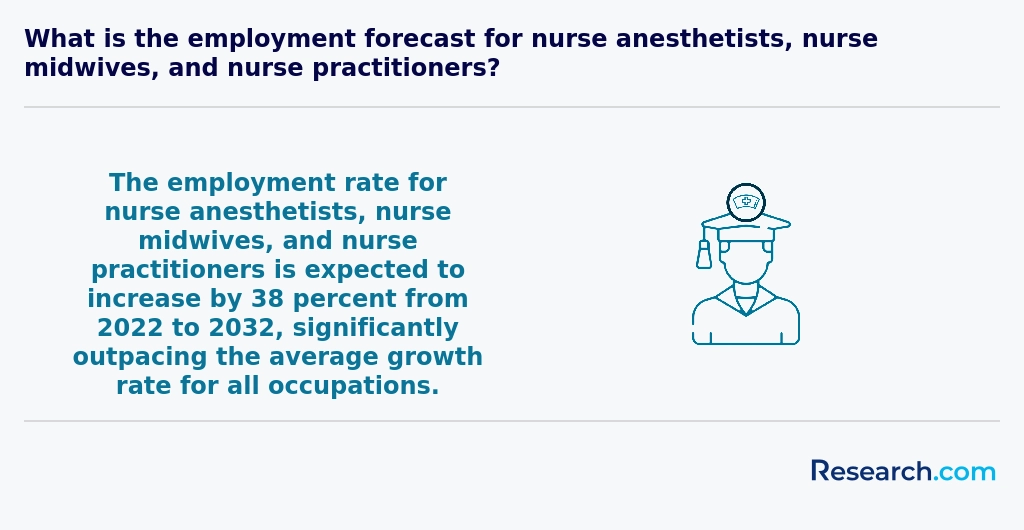
NCLEX Pass Rates and Program Outcomes
A critical indicator of nursing program effectiveness in Birmingham is the NCLEX-RN first-time pass rate, reflecting both academic rigor and clinical preparedness. In recent years, the University of Alabama at Birmingham (UAB) has achieved an impressive 92% pass rate, while Samford University reports an 89% success rate and Birmingham-Southern College maintains an 87% rate. These figures underscore the strength of local curricula, hands-on simulations, and dedicated faculty mentorship. Moreover, programs consistently surpass the national average of 88%, highlighting the region’s commitment to producing competent, confident nurses. Beyond licensure success, program outcomes extend to graduate satisfaction and career advancement. Approximately 85% of Birmingham graduates secure full-time positions within three months of passing the NCLEX-RN, with many attributing their swift employment to robust clinical partnerships and targeted career services. Alumni surveys also report high levels of job satisfaction, citing strong support networks and continuing-education opportunities. For individuals seeking alternative entry points into advanced nursing roles, accelerated pathways are available. Prospective students aiming for a graduate-level nursing career should consider exploring a direct entry msn degree for non nurses, which offers a seamless transition from non-nursing backgrounds into master’s-level practice. This option not only fast-tracks licensure but also positions graduates for leadership roles in clinical, educational, and administrative settings. By examining NCLEX success rates and post-graduation trajectories, prospective Birmingham students can make informed decisions about program quality and long-term career impact. Future nurses who value measurable outcomes and accelerated pathways will find Birmingham’s nursing programs both reputable and outcome-driven.
What courses are typically in nursing degree programs in Birmingham?
If you're thinking about a nursing degree in Birmingham, expect a mix of hands-on and classroom learning that really prepares you for real-world care. Graduates from top schools here often talk about core classes like anatomy, physiology, and microbiology-basically, the science behind how our bodies work. These courses lay the groundwork, so when you're in hospital labs or community clinics, you know exactly what's going on.
Then there's the nursing-specific stuff everyone loves-adult and pediatric nursing, mental health, and pharmacology. Imagine learning how to care for a sick child one day, then understanding the medications they're on the next. Graduates say these classes helped them feel confident when starting clinical shifts at Birmingham's bustling hospitals.
Many students also take courses in health assessments and public health, which are huge for those interested in preventive care and checking patients thoroughly. Schools often mix in leadership and ethics courses, too, giving you a leg up if you want to take on management roles later.
What types of specializations are available in nursing degree programs in Birmingham?
If you're looking into nursing degree specializations in Birmingham, there's a great mix to choose from. Graduates from popular colleges here often highlight how hands-on the Registered Nurse (RN) programs are, especially with tracks like Medical-Surgical Nursing. It's the kind of experience that prepares you for real hospital shifts, dealing with all sorts of patients, which they say is both challenging and rewarding.
Other students rave about Pediatric Nursing, since Birmingham has specialized children's hospitals where you can really focus on helping kids and teens. Geriatric Nursing is also big due to the aging community here-graduates love how meaningful it feels working with seniors in assisted living or home care. If you want to push further, nurse practitioner tracks like Family Nurse Practitioner or Psychiatric-Mental Health offer advanced roles, with grads noting better pay and more career options.
Many folks recommend checking out different programs around Birmingham to find your fit, and if you're curious about how to step up from RN to BSN, this rn to bsn pathway is a popular choice among local students.
How do you choose the best nursing degree in Birmingham?
When choosing the best nursing degree programs in Birmingham, think about what fits your career goals and lifestyle. Many grads from local colleges highlight how important it was to pick a program with strong clinical experiences-like partnerships with Birmingham hospitals where they gained real hands-on skills. It's not just about the degree name; graduates often say the quality of practical training made all the difference when starting their nursing jobs.
Cost is another big deal in Birmingham. Affordable nursing degrees Birmingham Alabama are usually found at community colleges or public universities, with tuition often between $8,000 and $15,000 a year. A few graduates mention that finding scholarships and financial aid locally really eased their journey, so keep that in mind.
If you're thinking about furthering your education, check out options like an msn degree for non nurses, which some grads took to quickly boost their careers after finishing a BSN. Also, make sure the program is accredited-programs with CCNE or ACEN accreditation can help you feel confident about passing licensing exams and landing a job.
What career paths are available for nursing degree students in Birmingham?
If you're thinking about nursing career opportunities in Birmingham, there's actually a bunch of paths you can take after finishing your degree at places like the University of Alabama at Birmingham or Jefferson State Community College. Most grads jump straight into becoming registered nurses (RNs), working in hospitals or clinics where they get hands-on with patient care. It's a rewarding gig, especially knowing you're making a real difference every day.
Some folks go for specialties like pediatrics or geriatrics, which can open doors to working with kids or seniors respectively-super important in Birmingham given the aging population. Others decide to keep studying for advanced roles like nurse practitioners by getting their MSN. Those roles come with more responsibility and, not gonna lie, better paychecks.
You'll also find grads moving into healthcare admin, teaching future nurses, or even jumping into research. If money's on your mind, the in-state BSN programs here are pretty affordable, and if you're interested, check out the Low Cost Online Doctorate in Nursing Degree Programs Ranking in Columbia, MO for options beyond Birmingham. It's a smart move if you want to balance cost and career growth.
The job outlook for nursing degree job prospects Birmingham-wise stays solid, so you're set for steady work after graduation. Graduates often mention how the city's healthcare scene gives them both stability and a chance to really grow in their careers.
What is the job market for nursing degree in Birmingham?
The nursing job market in Birmingham is looking pretty solid right now, especially if you're graduating from one of the city's well-known nursing programs like those at the University of Alabama at Birmingham or Jefferson State Community College. Graduates often share how their local clinical experiences helped them land positions quickly at major hospitals such as UAB Hospital or Ascension St. Vincent's. The demand for registered nurses here is growing thanks to Birmingham's expanding healthcare facilities and an aging population needing more specialized care, so you're stepping into a field that's actively hiring.
For those worried about salary, registered nurses in Birmingham make around $65,000 on average, which is competitive even if a bit below the national median. Still, many find that perks like flexible shifts and opportunities in areas like geriatric or critical care make up for salary differences. If you're considering different study options, you might want to look at 6 month certificate programs that lead to high paying careers as a way to quickly boost your qualifications.
Birmingham nursing degree employment outlook definitely feels upbeat, with hospitals and clinics eager to hire new nurses. Many grads mention feeling fortunate to work close to home in a city that truly values healthcare workers.
Frequently Asked Questions About nursing
Nursing degree students in Birmingham can maximize their learning experience by engaging fully in both academic and clinical opportunities. Birmingham hosts reputable institutions like the University of Alabama at Birmingham (UAB), which offers extensive simulation labs and partnerships with local hospitals for hands-on training. According to UAB School of Nursing, students completing clinical hours in diverse settings improve critical thinking and patient care skills. Additionally, joining nursing organizations such as the Alabama Nursing Students Association provides networking and leadership development. Maintaining a balanced schedule that includes study groups and community volunteering can further enhance practical knowledge and professional readiness in this competitive field.
The nursing field in Birmingham is rapidly evolving, with several emerging niches creating new opportunities for professionals. One growing specialty is gerontological nursing, driven by Alabama's increasing elderly population. According to the Alabama Department of Public Health, patients over 65 make up nearly 17% of the state's population, highlighting the need for nurses skilled in elder care.
Another promising area is telehealth nursing, which expanded significantly during the COVID-19 pandemic. Nurses in this niche provide remote care, a vital service in Birmingham's rural and underserved communities. Additionally, psychiatric-mental health nursing is growing to address rising mental health concerns, supported by local initiatives focusing on behavioral health.
These niches reflect broader national trends, making specialized nursing degrees advantageous for future professionals in Birmingham.
Preparing for the job market after completing a nursing degree in Birmingham requires strategic planning. Graduates should obtain licensure through the NCLEX-RN exam, mandatory in all U.S. states. Birmingham's healthcare sector is growing, with over 20 hospitals and many outpatient clinics offering various employment opportunities.
Networking is vital; attending local nursing association meetings, such as the Alabama State Nurses Association, can connect candidates with employers. Internships and clinical experiences gained during study often lead to job offers. Birmingham's unemployment rate for registered nurses is lower than the national average, reflecting strong demand in this region.
Enhancing skills in electronic health record systems and specialized certifications improves employability. Staying informed about local job fairs and hospital recruitment events also benefits new graduates.
Employers in Birmingham highly value a combination of clinical expertise and interpersonal skills when hiring nursing degree graduates. According to the latest data from the Alabama Board of Nursing, graduates with strong critical thinking and patient assessment abilities are in higher demand. Communication skills are also crucial, as nurses must effectively interact with patients and healthcare teams.
Additionally, proficiency in electronic health records (EHR) systems is increasingly sought after, reflecting the digital shift in healthcare. Adaptability and resilience are important traits, especially in fast-paced hospital environments common in Birmingham's healthcare sector.
Time management and teamwork skills further enhance employability, enabling nurses to deliver efficient and coordinated patient care.
Finding nursing internships in Birmingham involves a combination of research, networking, and utilizing local resources. Many nursing programs in the area partner with hospitals and clinics such as UAB Hospital and Children's of Alabama to offer clinical placements. These internships provide hands-on experience required for licensure.
Students should consult their academic advisors and the career services office at their college to identify available opportunities. Additionally, organizations like the Alabama Board of Nursing recommend applying early and preparing a professional resume. Websites like the National Student Nurses' Association and local health departments often list internships and externships tailored for nursing students.
According to the Alabama Department of Labor, healthcare jobs in Birmingham are projected to grow by 15% through 2028, increasing internship availability. Engaging directly with healthcare providers and attending nursing job fairs in Birmingham can also improve chances of securing relevant internships.
Obtaining a nursing degree in Birmingham significantly enhances career mobility and advancement opportunities within the city's healthcare sector. According to the Alabama Board of Nursing, nurses with a Bachelor of Science in Nursing (BSN) have higher chances of employment in prestigious hospitals like UAB Hospital and Children's of Alabama.
Employers in Birmingham increasingly prefer BSN-prepared nurses due to their comprehensive training in leadership and evidence-based practice. This preference aligns with nationwide trends showing that 75% of registered nurses plan to earn advanced degrees by 2025, according to the American Association of Colleges of Nursing.
Additionally, nursing degrees open pathways to specialized roles such as nurse practitioner or clinical nurse leader, which offer higher salaries and leadership responsibilities.
Studying for a nursing degree in Birmingham equips students with skills essential for interdisciplinary healthcare roles. Programs emphasize collaboration among nurses, physicians, social workers, and other health professionals to improve patient outcomes. Clinical experiences in diverse Birmingham hospital settings, such as UAB Hospital, expose students to team-based approaches in real-world environments. According to the Alabama Board of Nursing, interdisciplinary training is integrated into over 70% of local nursing curricula as of 2023. This foundation prepares graduates to take on roles requiring strong communication, critical thinking, and coordination abilities in complex healthcare teams across various clinical settings.
Choosing between a thesis and a non-thesis nursing degree program in Birmingham depends on your career goals and learning preferences. Thesis programs focus on research, preparing students for roles in academia or advanced clinical research. They typically require original research and a formal thesis defense.
Non-thesis programs emphasize practical nursing skills and usually include more clinical hours. These are ideal for those aiming for direct patient care or leadership roles in healthcare settings.
According to the Alabama Board of Nursing, Birmingham hosts several accredited programs offering both options, with around 30% of students opting for thesis tracks each year.
Consider the time commitment: thesis programs may take longer to complete due to research requirements.
Students based in Birmingham interested in studying nursing abroad have several options primarily within US institutions offering international exchange or study abroad programs. Many American universities partner with global nursing schools to provide clinical experience overseas, though availability depends on the specific program.
While Birmingham itself does not host direct US-based nursing study abroad programs, students can explore options through universities that emphasize global health and nursing education, such as the University of Alabama at Birmingham, which has affiliations aiding students in securing placements abroad.
The American Association of Colleges of Nursing reports that around 15% of US nursing programs encourage study abroad to enhance cultural competence. Students should consult their academic advisors to identify suitable international placements that align with US nursing licensure requirements.
Students pursuing nursing degrees in Birmingham often seek part-time jobs that enhance their education and build relevant skills. Positions such as certified nursing assistants (CNAs) or patient care technicians provide direct patient care experience, which is invaluable for clinical coursework. Local hospitals like UAB Hospital frequently hire part-time CNAs, offering practical exposure alongside studies.
Additionally, roles in medical administrative support within clinics allow students to understand healthcare operations and patient management systems. According to the Alabama Department of Labor, healthcare support occupations in Birmingham are projected to grow by over 15% through 2030, indicating strong opportunities.
Volunteer positions in community health organizations also complement nursing education by improving communication and public health awareness skills.
Nursing students in Birmingham benefit from a variety of networking opportunities that support both academic and professional growth. Local universities often host student nursing associations that organize events, workshops, and guest lectures. These gatherings enable students to connect with peers and experienced nurses.
Clinical placements in Birmingham hospitals, such as UAB Hospital, offer direct networking with healthcare professionals. According to the Alabama Board of Nursing, Birmingham has over 12,000 licensed nurses, increasing potential mentorship chances.
Additionally, regional conferences and seminars provide platforms for students to engage with industry leaders. This local network is essential for career development in nursing.
Alumni networks play a vital role in supporting nursing degree students in Birmingham by providing access to professional connections and career resources. Graduates from Birmingham nursing programs often benefit from mentorship opportunities, where experienced alumni guide current students through clinical challenges and career planning. According to the National Student Nurses' Association, such networks increase employment prospects by up to 30% through networking and job referrals. Additionally, alumni events and online forums foster collaboration and knowledge sharing in a competitive healthcare job market. These networks also enable students to stay updated on the latest nursing practices and continuing education opportunities within the Birmingham healthcare community.
Customizing your nursing degree program in Birmingham allows you to align your education with your career goals effectively. Many universities in the area offer flexible curricula where you can choose electives focusing on specialties such as pediatrics, geriatrics, or mental health. Clinical placements are often available in diverse healthcare settings, providing practical experience tailored to your interests. Additionally, accelerated and part-time programs cater to working professionals or those seeking faster completion. According to the Alabama Board of Nursing, Birmingham's nursing programs emphasize combining theory with hands-on training to prepare graduates for varied healthcare roles.
Nursing students in Birmingham frequently face several common challenges throughout their degree programs. Balancing demanding clinical hours with academic coursework is one of the most significant difficulties, requiring strong time management skills. According to the Alabama Board of Nursing, many students report stress from high workloads and the emotional demands of patient care.
Additionally, financial burdens can be significant, as nursing programs often involve expenses for uniforms, clinical supplies, and licensing exams. A 2023 survey by the National Student Nurses' Association highlighted that nearly 40% of nursing students nationwide experience financial stress that impacts their academic performance.
Finally, adapting to evolving healthcare technologies and practices requires continuous learning, which some students find overwhelming, especially when coupled with limited access to resources in certain Birmingham institutions.
With a nursing degree in Birmingham, graduates can pursue various professional certifications to enhance their careers. Common certifications include the Certified Registered Nurse Anesthetist (CRNA), Family Nurse Practitioner (FNP), and Licensed Practical Nurse (LPN). These credentials improve job prospects, with FNPs among the fastest-growing specialties nationwide, according to the Bureau of Labor Statistics.
In Alabama, specifically Birmingham, the demand for certified nurses remains strong. The Alabama Board of Nursing provides licensure and certification details relevant to local healthcare employers.
Additional certifications such as the Medical-Surgical Nursing Certification (CMSRN) or the Certified Pediatric Nurse (CPN) support specialization in acute care settings popular within Birmingham's hospital systems.
Writing a winning application for a nursing program in Birmingham requires clear focus and preparation. Start by ensuring you meet the basic admission requirements, such as having a high school diploma or GED and required prerequisite courses like biology and chemistry. Highlight your commitment to healthcare through volunteer work or relevant experience, as Birmingham nursing programs value practical exposure.
Strong academic performance is critical. The average GPA for accepted students in Birmingham nursing schools often ranges from 3.0 to 3.5, depending on the institution. Additionally, try to score well on the TEAS (Test of Essential Academic Skills), commonly required for nursing applicants in the area.
Writing a concise, compelling personal statement is vital. Address your passion for nursing and how you can contribute to Birmingham's healthcare community. Tailor each application to the specific nursing school's mission and values for better results. Including letters of recommendation from healthcare professionals or educators can also strengthen your application significantly.
The nursing profession holds a significant role worldwide, with the United States recognized for its structured education pathways and strong demand for qualified nurses. Globally, nursing careers are increasingly valued due to rising healthcare needs and aging populations. In the U.S., including Birmingham, registered nurses (RNs) typically complete an accredited nursing degree such as a Bachelor of Science in Nursing (BSN), which offers greater career flexibility and higher earning potential.
According to the U.S. Bureau of Labor Statistics, nursing jobs are projected to grow 9% from 2020 to 2030, reflecting strong job security. Birmingham benefits from this trend, with local hospitals and healthcare facilities actively seeking BSN graduates. This level of education aligns with global standards, as many countries push for higher qualifications in nursing to improve patient outcomes.
Furthermore, international nursing organizations encourage continuing education and global competency, which elevates the profession's status worldwide. For students in Birmingham, a nursing degree offers access to diverse opportunities including advanced practice, research, and leadership roles both domestically and abroad.
Students pursuing nursing degrees in Birmingham can gain practical experience through clinical placements, which are typically integrated into accredited nursing programs. These placements occur in local hospitals, clinics, and community health centers, providing hands-on patient care under professional supervision. According to the Alabama Board of Nursing, clinical hours usually make up 25-30% of the total program requirements.
Many nursing schools in Birmingham partner with healthcare providers like UAB Hospital and Brookwood Baptist Health to offer diverse clinical environments. Additionally, students can enhance their skills by volunteering in community health initiatives or participating in simulation labs on campus, which use advanced technology to recreate real-life medical scenarios.
Choosing the right concentration within a nursing degree program in Birmingham involves understanding your career goals and the local healthcare needs. Birmingham offers various specializations such as pediatric, geriatric, and critical care nursing. According to the Alabama Board of Nursing, registered nurses in Birmingham increasingly work in specialized roles to meet the demands of aging populations and diverse patient groups.
Research local healthcare providers and job market trends. For example, Birmingham's growing elderly population highlights opportunities in geriatric nursing. Additionally, consider program accreditation and clinical placement options available in Birmingham-area hospitals.
Evaluate how each concentration aligns with your interests and strengths, and seek advice from academic advisors or local nursing professionals to make an informed decision.
Related Nursing Rankings for Nearby Cities
- 2027 Best Nursing Degree Programs Ranking in Atlanta
- 2027 Best Nursing Degree Programs Ranking in Macon
- 2027 Best Nursing Degree Programs Ranking in Mobile
- 2027 Best Nursing Degree Programs Ranking in Hattiesburg
- 2027 Best Nursing Degree Programs Ranking in Louisville
- 2027 Best Nursing Degree Programs Ranking in Columbia
- 2027 Best Nursing Degree Programs Ranking in Jacksonville
- 2027 Best Nursing Degree Programs Ranking in Saint Louis
- 2027 Best Nursing Degree Programs Ranking in Indianapolis
- 2027 Best Nursing Degree Programs Ranking in Tampa
Top Trending Nursing Rankings
See What Experts Have To Say About Studying Nursing
Read our interview with Nursing experts

Lisa Grubb
Nursing Expert
Assistant Professor
Johns Hopkins School of Nursing

References
- What can you do with a nursing degree? https://www.wlv.ac.uk/news-and-events/wlv-blog/2024/may-2024/what-can-you-do-with-a-nursing-degree.php
- Know more about thesis vs non- thesis: what is the difference? https://studyfans.com/en/blogs/816
- Study Nursing Abroad | Boomerang International Educational Services https://boomerangedu.com/study-nursing-abroad/
- Essential Tips for Nursing Students to Advance Their Careers https://almanaltraining.com/essential-tips-for-nursing-students-to-advance-their-careers/
- Getting RN Experience After Graduation | All Nursing Schools https://www.allnursingschools.com/articles/getting-rn-experience/
- Nursing Internships Abroad: An Introduction - RealStep https://www.real-step.com/en/articles/nursing-internships-abroad/
- Cost of a Nursing Degree in the UK for International Students (2026) https://gabble.ai/blog/cost-of-nursing-degree-in-uk
- How to decide which Nursing Universities and Courses are ... https://www.nurses.co.uk/blog/interviews-applications/how-decide-which-nursing-universities-and-courses-are-best
- Adult Nursing BSc (Hons) Degree | Undergraduate Courses https://www.ucb.ac.uk/university/undergraduate/courses/adult-nursing-bsc-hons/
- From our readers…Strengthening nursing networks https://www.myamericannurse.com/from-our-readersstrengthening-nursing-networks/


