
2027 Best Nursing Degree Programs Ranking in Mobile

Co-Founder and Chief Data Scientist
Choosing the right nursing degree program can shape your future and open doors to a fulfilling career in healthcare. This article features the 2027 Best Nursing Degree Programs Ranking in Mobile, carefully created by the Research.com team of data scientists to guide you in making an informed decision.
Whether you're starting fresh or advancing your education, exploring these programs can help you find the best fit for your goals and lifestyle. Pursuing a nursing degree brings rewarding opportunities to make a real difference in your community.
Key benefits of getting nursing degree in Mobile
- Salary for nursing degree graduates: Graduates in Mobile can expect strong earning potential, with Registered Nurses earning a mean annual wage of $94,480 and Operating Room Nurses earning up to $128,490, reflecting rewarding financial opportunities.
- Career paths: Many nursing graduates from Mobile institutions pursue diverse roles such as Public Health Nurse or Emergency Room Nurse, offering a variety of fulfilling and impactful healthcare career options.
- Online degree benefits: Obtaining a nursing degree online from a Mobile-based university allows flexible scheduling and the ability to balance work and study, making it easier to advance your career without pausing your life.
- Key benefits of getting nursing degree in Mobile
- What can I expect from nursing degree in Mobile?
- Where can I work with nursing degree in Mobile?
- How much can I make with nursing degree in Mobile?
- 2027 Best Nursing Degree Programs Ranking in Mobile
- Key Findings
- How long does it take to complete nursing degree in Mobile?
- Affordability and Financial Considerations for Nursing Students in Mobile, AL
- What's the difference between online and on-campus nursing degree?
- Opportunities for Advanced Nursing Degrees and Continuing Education
- What is the average cost of nursing degree in Mobile?
- Accreditation and Licensing: Ensuring Your Nursing Career Starts on Solid Ground
- What financial aid is available to nursing degree students in Mobile?
- Accreditation and Licensure Requirements
- What are the prerequisites for enrolling in nursing degree program in Mobile?
- Accelerated Pathways and Bridge Programs for Non-Nurses
- What courses are typically in nursing degree programs in Mobile?
- What types of specializations are available in nursing degree programs in Mobile?
- How do you choose the best nursing degree in Mobile?
- What career paths are available for nursing degree students in Mobile?
- What is the job market for nursing degree in Mobile?
- Top Trending Nursing Rankings
- See What Experts Have To Say About Studying Nursing
What can I expect from nursing degree in Mobile?
The average cost of a nursing degree in Mobile varies significantly depending on the program and institution chosen. Graduates from Bishop State Community College's ADN program often mention that the lower tuition fees make it an affordable pathway, typically costing a few thousand dollars per year, which feels manageable alongside part-time jobs or family responsibilities. On the other hand, pursuing a BSN at the University of South Alabama generally involves higher tuition, sometimes exceeding $10,000 annually, especially for out-of-state students. These students appreciate the comprehensive curriculum but often weigh the financial commitment carefully against potential career benefits.
Some graduates share how RN-to-BSN bridge programs provide a practical way to advance credentials without full-time campus attendance, offering flexibility that helps balance income and expenses. While the initial investment can feel daunting, many find the clinical experience at local hospitals rewarding enough to justify the costs, noting that financial aid and scholarships often play a crucial role in easing the burden for Mobile nursing students.
Where can I work with nursing degree in Mobile?
Graduates from nursing programs at institutions like the University of South Alabama often find themselves welcomed in a range of healthcare settings throughout Mobile. Many start their careers in busy hospitals, gaining hands-on experience with diverse patient needs, which builds confidence and practical skills quickly. For instance, a recent graduate shared how working in a high-capacity hospital unit deepened their clinical knowledge while fostering teamwork under pressure.
Beyond hospitals, nursing degree holders encounter roles in outpatient clinics and community health centers where patient education and preventive care are emphasized. These jobs allow nurses to form meaningful connections with patients over time, especially when managing chronic conditions. Graduates have expressed satisfaction in supporting underserved populations in Mobile's community organizations.
Employment opportunities also exist in long-term care facilities, reflecting Mobile's older population. Nurses here develop patience and specialized elder care skills. Some graduates choose this path for its rewarding pace and continuity of care.
Advanced degree holders may pursue public health or school nursing roles, engaging with health policy and education locally. Others explore travel nursing to experience varied clinical settings and higher pay-offering a flexible, enriching start to their careers.
How much can I make with nursing degree in Mobile?
Graduates from nursing programs in Mobile, such as those at the University of South Alabama, typically enter roles like registered nurses with mean annual wages around $94,480 according to the latest Bureau of Labor Statistics data. This competitive salary mirrors national averages and can provide a comfortable living given Mobile's lower cost of living. Many graduates share that their first jobs in hospital settings offered rewarding experiences along with pay that supported their independent lifestyle.
Those advancing to specialized roles like clinical nurse educators, public health nurses, or emergency room nurses also see mean salaries near $94,480 annually, reflecting consistent demand for these positions in Mobile's healthcare market. Graduates often describe a strong sense of purpose and community impact in these roles, which can enhance job satisfaction beyond just compensation.
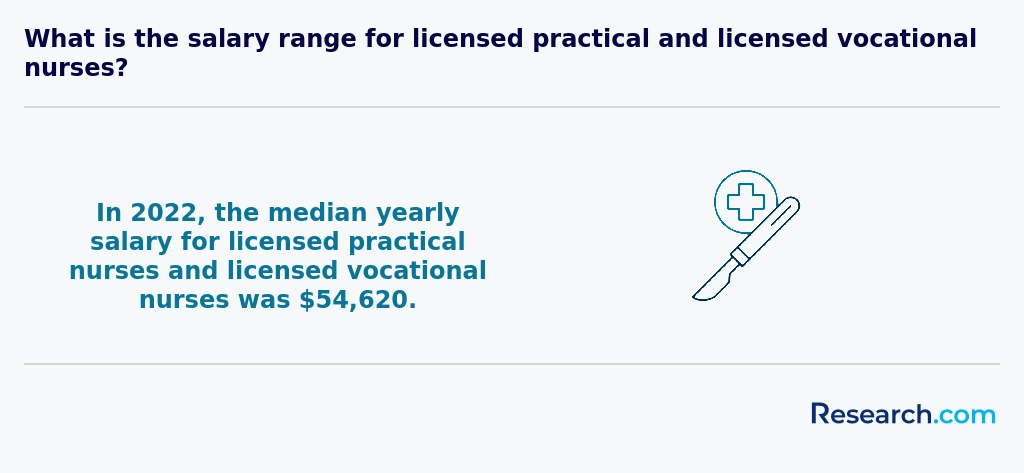
For nurses aiming for the highest pay brackets, operating room nurse positions in Mobile offer mean annual wages of about $128,490. This premium salary comes with the challenge and excitement of working in fast-paced surgical environments, something many experienced graduates report as highly fulfilling and worth the rigorous training.
2027 Best Nursing Degree Programs Ranking in Mobile
How do we rank schools?
Investing in your education is a significant decision that can profoundly impact your future, and the Research.com team is keenly aware of the careful consideration this requires. To support prospective students in Mobile, we have meticulously developed the "2027 Best Nursing Degree Programs Ranking in Mobile." Our dedication to quality, credibility, and accuracy is demonstrated through rigorous research and thorough analysis behind this ranking.
We utilized the following reputable data sources to ensure a comprehensive evaluation of nursing programs:
By exploring this ranking, readers will gain valuable insights into the top nursing degree programs in Mobile, empowering them to make well-informed decisions about their educational journey. For further details on how this ranking was created, please visit our Research.com methodology page.


Key Findings
- Nursing degrees in Mobile include ADN, BSN, and accelerated programs offered by community colleges and universities.
- ADN programs generally cost between $5,000 and $10,000 for in-state students, while BSN programs range from $15,000 to $25,000 at public institutions.
- Registered nurses in Mobile can expect starting salaries around $58,000 to $62,000, with experienced nurses earning $70,000 to $75,000 annually.
- The nursing job market in Mobile is growing faster than the national average, supported by local hospitals and clinics.
- Passing the NCLEX-RN exam is required for licensure, and nursing programs in Mobile include clinical training to prepare students for this exam and employment.
How long does it take to complete nursing degree in Mobile?
Completing a nursing degree in Mobile depends greatly on the program chosen and personal circumstances. For example, students at local community colleges enrolling in an Associate Degree in Nursing (ADN) typically spend about 2 to 3 years finishing their coursework and clinical hours before sitting for the NCLEX-RN exam. Graduates often describe this period as intense but rewarding, balancing hands-on practice with classroom learning.
Those aiming for a Bachelor of Science in Nursing (BSN) at institutions like the University of South Alabama usually plan for a full-time commitment of roughly 4 years. Graduates from these programs often appreciate the comprehensive curriculum and find it builds a strong foundation for diverse nursing roles. Alternatively, accelerated BSN options, popular among students who already hold degrees, can compress the timeline to 12 to 18 months, though these programs demand rigorous dedication.
Registered nurses advancing via RN-to-BSN programs in Mobile benefit from flexibility, often completing a degree in about 1 to 2 years, allowing them to work while studying. Similarly, pursuing a Master of Science in Nursing (MSN) adds approximately 2 years after a BSN, opening doors to leadership and specialized roles.
Affordability and Financial Considerations for Nursing Students in Mobile, AL
When considering nursing programs in Mobile, AL, affordability is a crucial factor, and students often find themselves seeking the cheapest nursing school in alabama to manage their educational expenses. Understanding the costs associated with nursing education, including tuition fees, living expenses, and additional costs such as uniforms and equipment, is essential for planning. Many institutions in Mobile offer competitive pricing for their nursing programs, with some community colleges providing more affordable options for Associate Degree in Nursing (ADN) programs. Furthermore, several financial aid opportunities, including scholarships, grants, and federal loans, are available to nursing students to help mitigate the costs. By exploring these options and considering factors such as program length, accreditation, and reputation, prospective nursing students can make informed decisions about their educational investments. Ultimately, the goal is to find a nursing program that not only fits one's budget but also provides a high-quality education and prepares students for successful careers in nursing.
What's the difference between online and on-campus nursing degree?
Online and on-campus nursing degrees in Mobile differ mainly in how students engage with coursework and practical training. Graduates from the University of South Alabama's on-campus program often value the face-to-face interaction that helps build confidence and communication skills critical in nursing. They describe the direct access to faculty and hands-on clinical experiences at nearby hospitals as essential in shaping their readiness for real-world healthcare settings.
Conversely, students choosing online programs appreciate the flexibility to balance study with jobs or family responsibilities. These graduates highlight the ability to review lectures at their own pace and manage assignments around their schedules. Yet, they also emphasize the challenge of independently securing local clinical placements, a task that requires proactive coordination within Mobile's healthcare community.
Cost-wise, both formats tend to align for in-state students, though online learners often report saving time and money on commuting. Ultimately, the choice hinges on individual priorities-whether immersive campus engagement or adaptable learning fits best with one's lifestyle in Mobile.
Opportunities for Advanced Nursing Degrees and Continuing Education
As you progress in your nursing career, pursuing an advanced degree can unlock leadership roles, specialization pathways, and higher earning potential. Many graduates in Mobile, AL, opt to continue their education by enrolling in Master of Science in Nursing (MSN) or Doctor of Nursing Practice (DNP) programs. These advanced credentials prepare nurses for roles such as Nurse Practitioner, Clinical Nurse Specialist, or Nurse Educator, combining clinical expertise with evidence-based research and health policy leadership. When evaluating MSN programs, consider factors like specialty tracks (e.g., Family Nurse Practitioner, Psychiatric Mental Health), clinical placement opportunities, and program flexibility. Online formats often appeal to working professionals by offering asynchronous coursework, virtual simulations, and mentorship networks. For those seeking an affordable route, explore the Low Cost Online Master's in Nursing Degree Programs Ranking in Columbia, MO to compare tuition fees, accreditation status, and student support services. Continuing education doesn’t stop with a terminal degree. Certification courses-such as Certified Nurse Midwife (CNM), Certified Registered Nurse Anesthetist (CRNA), or Informatics Nursing Specialist-can be completed via online workshops or hybrid seminars. These certifications often require a combination of didactic learning, clinical hours, and passing a national board exam. Many nurses report that targeted professional development not only enhances their clinical skill set but also increases job satisfaction and market competitiveness. Finally, staying current with licensure requirements and maintenance is crucial. Most state boards mandate continuing education units (CEUs) every two to three years for license renewal. Mobile-based associations, such as the Alabama State Nurses Association, provide local CEU workshops, conferences, and webinars on topics ranging from patient safety to emerging telehealth technologies. By strategically planning your advanced education and certifications, you ensure a dynamic, resilient nursing career geared toward leadership and excellence in patient care.
What is the average cost of nursing degree in Mobile?
The average cost of a nursing degree in Mobile can vary significantly depending on factors like residency status, institution type, and program level. Based on recent figures, the median total nursing degree expenses Mobile 2027 are approximately $37,710 overall, with in-state students paying a median of $24,054. Graduates from popular nursing programs at local universities often share how balancing tuition fees with financial aid and scholarships made their journey manageable despite the upfront costs.
For example, students pursuing nursing degrees at community colleges in Mobile frequently encounter lower tuition rates, which makes completing an Associate Degree in Nursing (ADN) more affordable. However, those aiming for a Bachelor of Science in Nursing (BSN) at four-year institutions may expect higher costs, sometimes exceeding $20,000 annually. Many graduates note how specialized fees for clinical placements and certifications, like the NCLEX-RN exam, can add to these expenses but are crucial for their career readiness.
Understanding the average cost of nursing degree in Mobile involves more than just tuition. Additional expenses such as textbooks, lab fees, and living costs must be factored in. Some schools provide valuable financial support, and employer-sponsored programs also reduce out-of-pocket costs for students. It's helpful to research options thoroughly, especially when considering the cheapest nursing school in alabama, which might offer a more budget-friendly path to licensure.
Accreditation and Licensing: Ensuring Your Nursing Career Starts on Solid Ground
Before you invest time and tuition in a nursing program in Mobile, AL, verifying proper accreditation and state licensing approval is essential for NCLEX eligibility and long-term career mobility. Accredited programs meet rigorous quality standards set by agencies such as the Commission on Collegiate Nursing Education (CCNE) and the Accreditation Commission for Education in Nursing (ACEN). Here’s what to look for: • Regional and National Accreditation – Confirm your school holds regional accreditation (e.g., SACSCOC) plus program-level accreditation from CCNE or ACEN. – Accredited status signals that curriculum, faculty qualifications, and clinical experiences adhere to best practices. • State Board of Nursing Approval – Check that the Alabama Board of Nursing has formally approved the program. This ensures graduates are eligible to sit for the NCLEX-RN. – Approval also reflects ongoing compliance with state requirements related to clinical hours, curriculum content, and faculty credentials. • NCLEX-RN Pass Rates and Reporting – High pass rates indicate how well a program prepares students. Aim for programs with NCLEX pass rates above the national average (around 88%). – Many accredited schools publish detailed outcome data on their websites for transparency. • Transferability and Advanced Study – If you plan to advance your education, ensure credits transfer seamlessly to graduate programs. For those seeking flexibility, exploring best online rn-bsn programs can help you bridge ADN to BSN or accelerate your career. By choosing an accredited and licensure-approved nursing program in Mobile, you safeguard your eligibility for certification, maximize federal financial aid opportunities, and position yourself for competitive employment both in Alabama and across the country.
What financial aid is available to nursing degree students in Mobile?
Many nursing students in Mobile find federal financial aid essential in easing tuition costs at institutions like the University of South Alabama or Spring Hill College. Applying for FAFSA opens doors to Pell Grants, which can provide up to $7,395 annually for eligible undergraduates, making the burden more manageable. Graduates often share how this support transformed their ability to focus on studies rather than finances.
State programs such as Alabama's Student Loan Repayment Program also play a crucial role, especially for those willing to serve in critical shortage areas within Mobile. Students report feeling motivated, knowing their service commitments translate into meaningful loan forgiveness, easing long-term financial pressure.
Institutional scholarships tailored to nursing students are common at local colleges, frequently rewarding academic merit or interest in specialties like pediatrics. Employer tuition assistance further benefits working students balancing jobs at hospitals or clinics, where reimbursement programs create a mutually supportive dynamic.
Loan forgiveness initiatives by the National Health Service Corps offer an additional lifeline, encouraging graduates to serve underserved Mobile communities, blending financial relief with professional purpose.
Accreditation and Licensure Requirements
Nursing programs in Mobile must meet rigorous accreditation and state licensing standards to ensure graduates are prepared for safe, effective practice.
- Accredited by ACEN or CCNE to qualify for federal financial aid and NCLEX-RN eligibility
- Completion of required clinical hours (typically 500+ under approved preceptors) and health screenings before graduation
- Passage of the NCLEX-RN exam and successful application to the Alabama Board of Nursing for RN licensure
For nurses aiming to advance into clinical leadership or specialized practice, consider doctoral pathways like the cheapest dnp online program to build on your licensure and career credentials.
What are the prerequisites for enrolling in nursing degree program in Mobile?
Enrolling in a nursing degree in Mobile typically requires meeting several key prerequisites that reflect the rigorous nature of nursing education. Graduates from well-known programs in the area often recall needing a high school diploma or GED as a basic requirement, alongside foundational courses in biology, chemistry, and mathematics. These subjects prepare students for the complex science they will encounter.
Many students share how passing the TEAS exam was a crucial hurdle; this standardized test helps local colleges assess readiness in reading, math, science, and English. For example, those aiming for a Bachelor of Science in Nursing at Mobile's prominent institutions frequently highlight the need to complete prerequisite college courses such as anatomy and physiology before full acceptance.
A further practical consideration is the submission of background checks and current immunization records, ensuring safety during clinical rotations. Students often speak positively about how personal statements or recommendation letters offer them a chance to express their passion and commitment, setting them apart in competitive programs within Mobile.
Accelerated Pathways and Bridge Programs for Non-Nurses
For aspiring career changers in Mobile, AL, accelerated and bridge options offer a fast track to nursing practice and advanced roles. Many programs cater specifically to individuals with non-nursing bachelor’s degrees, combining foundational nursing coursework with graduate-level training. Key features include: • Accelerated Direct-Entry MSN: These intensive programs, often completed in 12–18 months, integrate core sciences, clinical skills labs, and advanced practice coursework. Prospective students can explore the best accelerated direct entry msn for non nurses online to compare program length, clinical placement support, and NCLEX-RN pass rates. • Bridge Options (RN to MSN): Registered nurses holding an ADN or diploma can fast-track to an MSN by leveraging transfer credits. Bridge curricula emphasize leadership, evidence-based practice, and specialization tracks such as Family Nurse Practitioner or Nurse Educator. • Flexible Delivery Formats: Hybrid and online models allow working professionals to balance clinical rotations with remote didactic lectures. Clinical partnerships with local hospitals ensure hands-on experience in Mobile’s major health systems. • Admission Requirements: Most accelerated tracks require a bachelor’s in any field, prerequisite courses (e.g., anatomy, microbiology, statistics), a minimum GPA (typically 3.0+), and healthcare experience or volunteer hours. • Career Outcomes: Graduates emerge eligible for advanced-practice roles, higher salary brackets (often exceeding $110,000 annually), and leadership positions in acute care, community health, or academic settings. By choosing an accelerated or bridge program tailored to non-nurses, Mobile students can rapidly transition into high-impact nursing careers while meeting the region’s growing demand for advanced practice providers.
What courses are typically in nursing degree programs in Mobile?
Nursing degree programs in Mobile commonly include a blend of science and nursing-specific courses designed to build a strong foundation. Graduates from popular local institutions often recall how foundational science classes like human anatomy, physiology, microbiology, and chemistry helped them truly understand the biological systems they care for daily. This scientific grounding is paired with core nursing coursework covering fundamentals of nursing, pharmacology, medical-surgical nursing, pediatric nursing, maternal and newborn care, mental health nursing, pathophysiology, and community health nursing, all essential for handling diverse clinical situations.
Students frequently highlight how courses on nursing ethics and healthcare policy, offered at many Mobile colleges, provided useful frameworks for real-world decisions that impact patient care and advocacy. For example, hands-on clinical rotations at USA Health University Hospital allowed them to practice applying classroom knowledge in fast-paced hospital settings, reinforcing both technical skills and emotional resilience.
This combination of theory and practice, specific to Mobile's nursing programs, resonates positively with many who appreciate the balanced approach to preparing for nursing licensure and advanced roles.
What types of specializations are available in nursing degree programs in Mobile?
Nursing degree specializations in Mobile Alabama cover a broad spectrum, reflecting the diverse healthcare needs of the region. Students at local institutions often pursue paths such as RN to BSN programs with elective focuses on pediatrics or gerontology, allowing them to tailor their studies to areas they find rewarding. Graduates from Mobile's community colleges share how LPN to RN bridge programs provided them with hands-on experience in acute care and community health settings, enriching their clinical skills in meaningful ways.
Popular nursing programs with specialties in Mobile also include adult-gerontology, a critical field given the area's aging population, and mental health nursing, which responds to rising concerns in behavioral health. Many students appreciate the practical, real-world training these programs offer, preparing them for both hospital and outpatient environments. Those interested can explore further opportunities through the best online rn-bsn programs to enhance flexibility while focusing on their specialty.
How do you choose the best nursing degree in Mobile?
Choosing the best nursing degree in Mobile requires weighing program accreditation, NCLEX-RN pass rates, and affordability carefully. Graduates from well-known local institutions often highlight how accredited programs by organizations like ACEN or CCNE ensure their degrees are respected by employers and prepare them thoroughly for licensure exams. However, some find that programs with slightly lower tuition but fewer clinical partnerships may limit hands-on experience, which is crucial in Mobile's healthcare settings such as Providence Hospital.
Flexibility is another key factor; working adults appreciate schools offering evening or online classes to suit their schedules. For those unsure about committing to traditional pathways, exploring options like the best accelerated direct entry msn for non nurses online can provide a faster track to advanced nursing roles without prior RN experience.
Affordability often drives the decision for many students seeking affordable nursing schools in Mobile Alabama. Comparing tuition fees alongside financial aid availability can make a significant difference. Some graduates recall tension balancing costs and quality but ultimately found value in programs offering robust faculty support and simulation labs, which boosted their confidence entering the workforce.
What career paths are available for nursing degree students in Mobile?
Graduates holding a nursing degree in Mobile find a range of nursing career opportunities in Mobile that suit diverse interests and skills. Many choose the role of Registered Nurse (RN), gaining hands-on experience in local hospitals and clinics where they manage patient care and collaborate with healthcare teams. Graduates from popular nursing programs in Mobile often reflect on their rewarding early career experiences, emphasizing patient interaction and community impact.
Some graduates pursue specialization to enhance job prospects Mobile Alabama, with paths including critical care, pediatrics, oncology, emergency room, and geriatrics. Each specialization demands further certification but can lead to more focused and fulfilling roles within the city's healthcare system. For those aiming at advanced responsibilities, the transition to nurse practitioner roles necessitates a Master of Science in Nursing, offering broader autonomy and higher earning potential.
Additional career options arise in administration, education, and research sectors, where graduates support public health initiatives or train new nurses, often motivated by a desire to improve healthcare outcomes. To manage costs, many students explore options like the Low Cost Online Master's in Nursing Degree Programs Ranking in Columbia, MO, which can be a valuable alternative for advancing their credentials without relocating.
What is the job market for nursing degree in Mobile?
The nursing job market in Mobile offers a hopeful yet nuanced landscape for graduates holding nursing degrees. Local healthcare facilities such as Mobile Infirmary Medical Center and Providence Hospital often seek skilled nurses to support growing patient needs related to an aging population. Graduates from nursing programs in Mobile frequently share positive experiences about the value of clinical rotations, which enhance practical skills and improve employment prospects in acute care and community nursing roles. However, competition can vary by specialty, and nurses aspiring to work in specific fields may need to pursue additional certifications or consider positions in long-term care or home health.
Regarding Mobile nursing degree salary and outlook, registered nurses here earn wages near the national average, with the broader employment growth expected to remain steady. For those concerned about costs, studying nursing locally benefits from comparatively affordable tuition, and many explore 6-month certificate programs that lead to high paying careers as alternative or supplementary paths. Overall, nursing job opportunities in Mobile AL reflect a balanced mix of demand and practical challenges typical in mid-sized healthcare markets.
Frequently Asked Questions About nursing
Nursing degree students in Mobile can maximize their learning experience by engaging actively in both classroom and clinical settings. Mobile offers access to diverse healthcare facilities, such as the University of South Alabama Medical Center, where students gain hands-on experience essential for skill development.
Students should also take advantage of smaller class sizes common in Mobile's nursing programs, allowing for personalized instruction and mentoring from experienced faculty. According to the Alabama Board of Nursing, clinical practice hours form a critical part of licensure preparation, so prioritizing these experiences is vital.
Furthermore, joining local nursing organizations and attending workshops in Mobile supports networking and professional growth. Utilizing Mobile's community health resources enhances understanding of regional health needs and strengthens cultural competence.
The nursing field in Mobile is evolving rapidly with several emerging niches gaining prominence. One such area is gerontological nursing, driven by Alabama's increasing elderly population. According to the U.S. Census Bureau, Mobile County's senior residents have grown significantly, creating demand for nurses specializing in elderly care. Another fast-growing niche is informatics nursing, where professionals blend healthcare knowledge with data management to improve patient outcomes through technology.
Additionally, community health nursing is expanding due to Mobile's efforts to address health disparities in underserved neighborhoods. Nurses focusing on mental health and palliative care are also vital, reflecting national trends highlighted by the Bureau of Labor Statistics projecting a 12% growth in demand for specialized nurses by 2030.
After completing a nursing degree in Mobile, it is essential to focus on practical steps to enter the job market successfully. Begin by obtaining your Registered Nurse (RN) license through the NCLEX-RN exam, a national requirement. The Alabama Board of Nursing provides detailed guidance and resources specific to Mobile graduates.
Networking with local healthcare providers, such as Mobile Infirmary Medical Center and USA Health, can increase job opportunities. Consider internships or residency programs to gain hands-on experience, which 70% of Mobile hospitals prefer in new hires, according to the Alabama Hospital Association.
Maintaining up-to-date certifications like BLS and ACLS will improve employability. Finally, use local job boards and nursing associations in Alabama for targeted job searches.
Employers in Mobile highly value nursing graduates who demonstrate strong clinical skills combined with effective communication. According to the Alabama Board of Nursing, the ability to provide compassionate patient care and accurately assess patient conditions ranks among the top competencies. Additionally, proficiency in electronic health record (EHR) systems is increasingly important as local hospitals expand digital infrastructure.
Critical thinking and teamwork are also essential. Mobile healthcare facilities prioritize nurses who can collaborate well with multidisciplinary teams to improve patient outcomes. Data from the Mobile Area Chamber of Commerce highlights a growing demand for nurses adept in both technical knowledge and cultural sensitivity, reflecting the city's diverse population.
Finding nursing internships in Mobile involves leveraging local healthcare facilities and educational institutions. Mobile is home to several hospitals like Providence Hospital and USA Health, which regularly offer clinical placements for nursing students. These internships are a critical component of nursing programs approved by the Alabama Board of Nursing.
Students should start by consulting their college or university's nursing department, as schools often have established partnerships with local hospitals and clinics. Additionally, using resources such as the Alabama Board of Nursing's website can help identify approved clinical sites and internship opportunities.
Networking through professional organizations such as the Alabama Nurses Association can also provide valuable leads. Early application and proof of enrollment in an accredited nursing program are typically required.
A nursing degree in Mobile significantly enhances career mobility and advancement opportunities. Registered nurses (RNs) with a Bachelor of Science in Nursing (BSN) often qualify for higher-paying roles and leadership positions within Mobile's robust healthcare sector. According to the U.S. Bureau of Labor Statistics, the demand for nurses in Alabama is projected to grow 7% through 2031, reflecting steady employment opportunities.
In Mobile, employers increasingly prefer nurses holding a BSN or higher, especially in hospitals and specialty care centers. Advanced degrees enable nurses to pursue clinical specialties, management roles, or education positions.
Overall, earning a nursing degree gives graduates a competitive edge in Mobile's job market and facilitates upward career movement.
Studying for a nursing degree in Mobile equips students with essential skills to succeed in interdisciplinary healthcare teams. Programs often emphasize collaboration with professionals like physicians, pharmacists, and social workers, reflecting real-world settings. According to the Alabama Board of Nursing, Mobile's nursing curricula incorporate clinical rotations in diverse healthcare facilities, providing hands-on experience alongside multiple disciplines.
Local nursing schools also focus on communication and critical thinking abilities needed to navigate complex patient care environments. The Alabama Department of Public Health reports that Mobile hospitals prioritize teamwork, which nursing students experience during their clinical training. This practical approach readies graduates to effectively contribute within integrated care teams.
Overall, Mobile's nursing education supports understanding of various healthcare roles, a key for success in today's collaborative medical landscape.
When choosing between a thesis and a non-thesis nursing degree program in Mobile, consider your career goals first. A thesis program involves conducting original research and is ideal for those planning to pursue advanced study or roles in nursing education and research. It typically requires more time and strong writing skills.
Non-thesis programs focus on practical experience and coursework, preparing students for immediate clinical practice or administrative roles. According to the Alabama Commission on Higher Education, many Mobile nursing schools offer both options tailored to different career paths.
Evaluate your interest in research, available time, and professional objectives carefully before deciding.
Students based in Mobile seeking nursing degrees abroad have several options, though they often start with local programs that offer international study opportunities. Many accredited nursing schools in the U.S. partner with institutions overseas for exchange or clinical training programs. Mobile, Alabama, is home to schools like the University of South Alabama, which has international affiliations supporting study abroad experiences.
Options typically include semesters abroad in countries with strong healthcare systems, such as the United Kingdom, Canada, or Australia. These programs provide global clinical exposure while aligning with U.S. nursing licensure requirements. According to the Alabama Board of Nursing, international study can enhance cultural competence, a key asset in nursing careers.
Financial aid and scholarships for nursing students studying abroad may be available but are competitive. Students should review eligibility criteria carefully through their home institutions and federal programs like the Gilman Scholarship for diverse study locations.
Students pursuing nursing degrees in Mobile can benefit from several part-time job opportunities that enhance both experience and skills. Working as a certified nursing assistant (CNA) or patient care technician is common, offering direct patient care experience. Local hospitals like Mobile Infirmary and Providence Hospital often hire part-time nursing aides. According to Alabama Nursing Workforce data, CNAs make up a significant entry-level nursing workforce segment, providing practical exposure for students.
Other options include positions as medical scribes or pharmacy assistants, which improve knowledge of medical terminology and healthcare operations. These roles also support building professional networks essential for future nursing careers in Mobile.
Nursing students in Mobile benefit from several networking opportunities that connect them with healthcare professionals and local organizations. The University of South Alabama College of Nursing, a key institution in the area, offers student memberships in professional bodies like the Alabama Nursing Association. These memberships provide access to conferences and workshops, enabling students to meet experienced nurses and potential employers.
Local hospitals such as Mobile Infirmary and Providence Hospital often host clinical rotations and career fairs, creating direct networking channels. Additionally, Mobile participates in statewide nursing events, linking students to broader professional networks in Alabama.
Alumni networks provide nursing degree students in Mobile with valuable professional connections that can enhance their career prospects. These networks offer access to experienced nurses and healthcare professionals who can share insights about local job markets and clinical opportunities. According to the Alabama Board of Nursing, networking through alumni has helped graduates secure placements in Mobile's major hospitals, such as the University of South Alabama Medical Center.
Moreover, alumni groups often organize mentoring programs, internships, and continuing education workshops that support skill development. Students benefit from guidance in licensure preparation and career planning, which improves graduation and employment rates. Strong local alumni ties foster community collaboration, essential in Mobile's healthcare environment.
Customizing a nursing degree program in Mobile allows students to align their education with specific career goals. Many institutions offer elective courses or specialty tracks such as pediatric, geriatric, or psychiatric nursing. Selecting clinical placements at local hospitals or healthcare facilities in Mobile can provide practical experience in desired fields.
Students may also pursue accelerated programs or part-time study options to fit work schedules. Online course components give added flexibility while maintaining accreditation standards from organizations like the Accreditation Commission for Education in Nursing (ACEN). According to the Alabama Board of Nursing, Mobile's growing healthcare sector offers diverse opportunities for clinical training and job placement.
Advisors at Mobile nursing schools often help tailor course plans based on individual interests, such as leadership or community health. Leveraging Mobile's strong network of hospitals and clinics enhances both skill development and professional connections.
Nursing students in Mobile face several common challenges that can impact their academic progress. One major difficulty is balancing rigorous clinical rotations with coursework. Clinical hours often require long shifts at local hospitals such as the University of South Alabama Medical Center, which can be physically and mentally exhausting.
Another challenge is meeting high academic standards while mastering both theoretical knowledge and practical skills. According to the Alabama Board of Nursing, the state's NCLEX-RN pass rate hovers around 85%, emphasizing the demanding nature of nursing programs.
Additionally, financial strain is an issue for many. Tuition, books, supplies, and living expenses in Mobile add up, often necessitating part-time work that further complicates study schedules. Finally, adapting to evolving healthcare technologies and patient care protocols requires ongoing effort and dedication.
With a nursing degree in Mobile, graduates can pursue various professional certifications to advance their careers. Common certifications include the Registered Nurse (RN) license, required to practice nursing in Alabama, administered by the Alabama Board of Nursing. Beyond licensure, nurses may earn specialty certifications such as Certified Nurse Practitioner (CNP), Certified Nurse Midwife (CNM), or Certified Nurse Anesthetist (CRNA).
Many nurses in Mobile choose the Medical-Surgical Nursing Certification (CMSRN) or Certified Pediatric Nurse (CPN) to specialize in distinct patient care areas. These certifications, offered by national organizations like the American Nurses Credentialing Center, enhance job prospects and salary potential.
Continuing education and passing national exams are key steps toward obtaining these credentials, which are recognized broadly across the U.S.
Writing a winning application for a nursing program in Mobile requires clear presentation of your academic strengths and passion for healthcare. Start by highlighting your GPA and prerequisite coursework completion, as competitive nursing programs in Alabama often expect at least a 3.0 GPA. Including any volunteer or work experience in healthcare can demonstrate your commitment to nursing.
Be sure to craft a well-written personal statement explaining why you want to become a nurse and how you plan to contribute to the Mobile community. According to the Alabama Board of Nursing, many local programs value applicants who understand regional healthcare challenges.
Finally, prepare for required entrance exams like the TEAS; Mobile nursing schools report higher acceptance rates for applicants scoring above 70%. Obtain strong letters of recommendation from professors or healthcare supervisors familiar with your abilities.
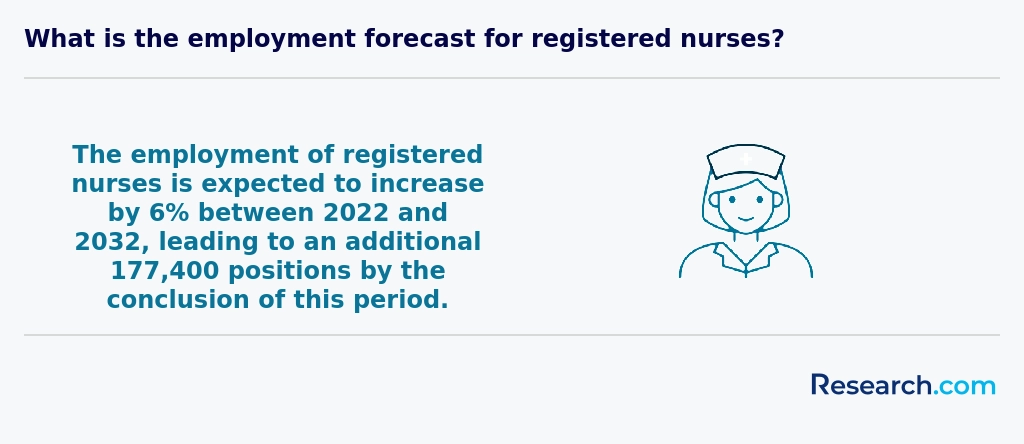
Nursing is recognized worldwide as a vital profession, essential to healthcare systems. In the United States, including Mobile, nurses play a critical role in patient care, education, and community health. According to the Bureau of Labor Statistics, the demand for registered nurses is expected to grow 9% from 2021 to 2031, reflecting global healthcare needs.
Internationally, nursing standards and education vary, but U.S. nursing degrees are highly respected globally for their rigorous training. In Mobile, local nursing programs align with these standards, preparing students for diverse roles in hospitals, clinics, and public health.
Many countries face nurse shortages, making U.S.-trained nurses valuable worldwide. This outlook encourages students in Mobile to view nursing as a flexible and globally relevant career.
Gaining practical experience while studying for a nursing degree in Mobile is essential for building clinical skills. Most nursing programs in the area require students to complete clinical rotations at local hospitals, clinics, and long-term care facilities. These hands-on experiences allow students to apply classroom knowledge in real healthcare settings under supervision.
Additionally, many schools in Mobile partner with medical centers like Providence Hospital and Mobile Infirmary for clinical placements. Volunteering opportunities and internships are also common ways to gain experience. According to the Alabama Board of Nursing, practical hours completed during study are crucial for licensure eligibility.
Choosing the right concentration within a nursing degree program in Mobile requires carefully balancing your career goals with local healthcare needs. Popular concentrations include pediatric, geriatric, and critical care nursing, each reflecting different patient populations and work environments. For example, Mobile's aging population makes geriatric nursing a promising choice, supported by data from the Alabama Department of Public Health showing increased demand for elder care.
Consider your interests in clinical settings and patient demographics. Research local hospitals and clinics like USA Health or Providence Baptist Hospital to see which specialties are emphasized. Also, check whether programs offer clinical placements aligned with your desired concentration to gain relevant experience before graduation.
Related Nursing Rankings for Nearby Cities
- 2027 Best Nursing Degree Programs Ranking in Hattiesburg
- 2027 Best Nursing Degree Programs Ranking in Birmingham
- 2027 Best Nursing Degree Programs Ranking in Macon
- 2027 Best Nursing Degree Programs Ranking in Atlanta
- 2027 Best Nursing Degree Programs Ranking in Jacksonville
- 2027 Best Nursing Degree Programs Ranking in Tampa
- 2027 Best Nursing Degree Programs Ranking in Orlando
- 2027 Best Nursing Degree Programs Ranking in Columbia
- 2027 Best Nursing Degree Programs Ranking in Louisville
- 2027 Best Nursing Degree Programs Ranking in Saint Louis
Top Trending Nursing Rankings
See What Experts Have To Say About Studying Nursing
Read our interview with Nursing experts


References
- Tips for Creating a Perfect Nursing School Application https://www.allnursingschools.com/articles/how-to-create-the-perfect-nursing-school-application/
- Career Advancement Pathways for Nurses : Expert RN shares 10+ Professional growth opportunities - MuminMed https://blog.muminmed.com/career-advancement-pathways-for-nurses/
- School of Nursing Alumni Resources https://nursing.utmb.edu/About/Alumni
- Nurse Corps: Funding for Nurses and Nursing Students https://bhw.hrsa.gov/programs/nurse-corps
- Exploring Diverse Nursing Career Horizons - N2S Healthcare Blog https://n2shealthcare.com/blog/exploring-diverse-nursing-career-horizons-n2s-healthcare-blog
- Tuition Fee in Poland - Study in Poland | Best Destination https://studyinpoland.biz/tuition-fee-in-poland/
- Study Nursing Abroad | Boomerang International Educational Services https://boomerangedu.com/study-nursing-abroad/
- Nursing Internships Abroad: An Introduction - RealStep https://www.real-step.com/en/articles/nursing-internships-abroad/
- Nursing Internship and Externship Programs https://jobs.mayoclinic.org/nursinginternexternprograms
- Client Challenge https://www.springerpflege.de/nursing-graduates-perceived-future-career-pathway-and-career-shi/50653658


