
2027 Most Valuable Nursing Degree Programs Ranking in Nevada

Co-Founder and Chief Data Scientist
Choosing the right nursing degree program in Nevada can shape your future in meaningful ways. Our article presents the 2027 Most Valuable Nursing Degree Programs Ranking in Nevada, developed by the Research.com team of data scientists. This ranking helps you identify nursing programs that offer strong career potential and educational value.
By exploring this guide, you'll gain clarity on which programs are worth considering. Pursuing a nursing degree opens doors to rewarding opportunities, and this article supports you in making a confident, well-informed decision.
Key benefits of getting nursing degree in Nevada
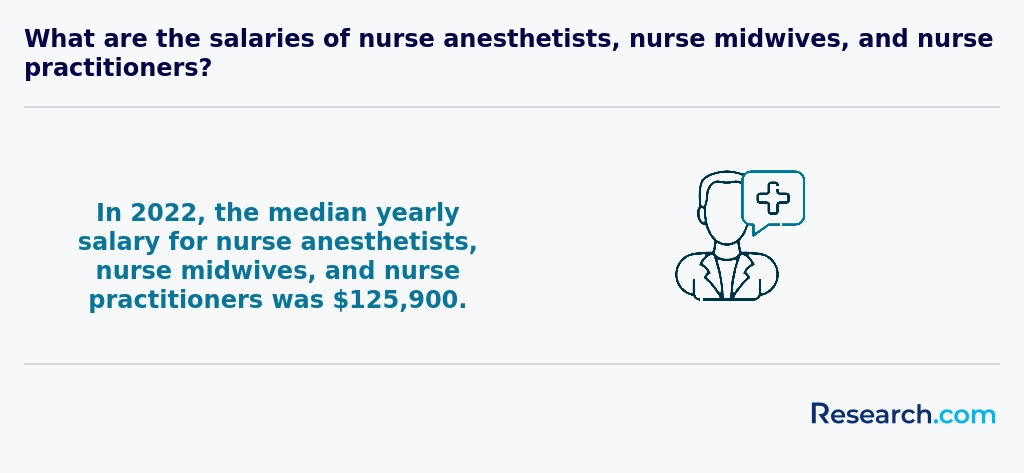
- Graduates with a nursing degree in Nevada can expect competitive salaries, with roles like Registered Nurse, Clinical Nurse Educator, Public Health Nurse, and Emergency Room Nurse earning about $94,480 annually, while Operating Room Nurses can earn approximately $128,490.
- A nursing degree opens doors to diverse career paths such as hospital nursing, community health, education, and emergency care, providing strong job stability and fulfilling opportunities.
- Obtaining a nursing degree online from a reputable Nevada university offers flexibility for busy students, allowing you to balance work and study while earning the same respected credential as traditional programs.
- Key benefits of getting nursing degree in Nevada
- What can I expect from nursing degree in Nevada?
- Where can I work with nursing degree in Nevada?
- How much can I make with nursing degree in Nevada?
- 2027 Most Valuable Nursing Degree Programs Ranking in Nevada
- Key Findings
- How long does it take to complete nursing degree in Nevada?
- Considering Affordability in Nursing Education
- What's the difference between online and on-campus nursing degree?
- Accreditation and Quality Assurance
- What is the average cost of nursing degree in Nevada?
- Accreditation and NCLEX Pass Rates
- What financial aid is available to nursing degree students in Nevada?
- Accreditation and Licensing
- What are the prerequisites for enrolling in nursing degree program in Nevada?
- Accreditation and Licensing Requirements in Nevada
- What courses are typically in nursing degree programs in Nevada?
- What types of specializations are available in nursing degree programs in Nevada?
- How do you choose the best nursing degree in Nevada?
- What career paths are available for nursing degree students in Nevada?
- What is the job market for nursing degree in Nevada?
- Related Nursing Rankings for Nearby States
- Top Trending Nursing Rankings
- See What Experts Have To Say About Studying Nursing
What can I expect from nursing degree in Nevada?
The average cost of pursuing a nursing degree in Nevada is refreshingly accessible, especially at public institutions like the University of Nevada, Las Vegas (UNLV) and Truckee Meadows Community College. For in-state students, tuition and fees typically hover around $8,000 per year, making it possible to achieve your nursing dreams without overwhelming financial pressure. Graduates often share how this affordability allowed them to focus fully on learning and gaining valuable clinical experiences instead of worrying about debt.
Many students express gratitude for the balance Nevada schools strike between quality education and cost. At UNLV, for example, students engage in hands-on clinical hours in Las Vegas hospitals, blending classroom knowledge with real patient care. This firsthand practice builds confidence and preparedness-qualities vital for success after graduation.
Choosing to study nursing in Nevada means investing in a future where financial barriers are minimized, allowing passionate students to thrive and enter a rewarding healthcare career equipped with skills and hope.
Where can I work with nursing degree in Nevada?
With a nursing degree from institutions like the University of Nevada, Las Vegas or Nevada State College, graduates find themselves stepping into vibrant healthcare roles that truly make a difference. Many begin their careers in bustling hospitals across Las Vegas and Reno, where they provide critical care and feel the rewarding impact of helping patients recover every day. Others join outpatient care centers or urgent clinics, enjoying fast-paced environments where their skills directly improve community health.
Graduates often share how working in long-term care facilities brings profound fulfillment, as they support Nevada's growing elderly population with compassion and expertise. Some embrace public health roles within state agencies, contributing to vital programs like immunizations and health education that enrich communities throughout the Silver State.
Many alumni say teaching and healthcare administration offer exciting career paths, allowing them to inspire future nurses or shape policies that enhance patient experiences. No matter the path, nursing degrees in Nevada unlock diverse opportunities filled with purpose and growth.
How much can I make with nursing degree in Nevada?
Graduates from nursing programs in Nevada can expect promising earnings that reflect the high demand for skilled healthcare professionals. Registered Nurses, including those who trained at well-known institutions like the University of Nevada, Reno or Nevada State College, enjoy a mean annual wage of about $94,480. This solid salary supports a comfortable lifestyle and provides a strong sense of achievement for new nurses entering the workforce.
For nurses seeking specialized roles, like Operating Room Nurses, the financial rewards grow even more impressive. These professionals earn around $128,490 annually, thanks to their advanced skills and critical responsibilities in patient care. Many graduates share how their training prepared them uniquely for these high-paying, impactful positions within Nevada's expanding healthcare field.
Whether working in bustling Las Vegas hospitals or welcoming communities in Reno, graduates find that nursing degrees open doors not only to meaningful careers but also to competitive salaries. The blend of rewarding work and financial stability motivates many to pursue further certifications and advanced degrees, knowing their efforts will be recognized both professionally and financially.
2027 Most Valuable Nursing Degree Programs Ranking in Nevada
How do we rank schools?
Investing in your education is a significant decision that can shape your future, and the Research.com team recognizes the importance of making well-informed choices. To support prospective students considering nursing programs in Nevada, we have carefully developed the "2027 Most Valuable Nursing Degree Programs Ranking in Nevada." Our dedication to quality, credibility, and precision is demonstrated through thorough research and rigorous analysis.
We utilized the following reputable data sources to ensure a comprehensive evaluation of nursing programs:
By reviewing this ranking, readers will gain valuable insights into the most valuable nursing degree programs in Nevada, enabling them to make confident decisions regarding their educational and professional futures. For more information on how we created this ranking, please visit our Research.com methodology page.


# 7 position
Chamberlain University-Nevada
Bachelor of Science in Nursing

# 8 position
Roseman University of Health Sciences
Bachelor of Science in Nursing

# 9 position
Arizona College of Nursing-Las Vegas
Bachelor of Science in Nursing

# 10 position
Touro University Nevada
Master of Science in Nursing

Key Findings
- Nursing programs in Nevada cost between $7,000 and $25,000 for in-state students, with public colleges generally being more affordable than private ones.
- Newly graduated nurses in Nevada earn an average annual salary of around $65,000, which can increase to about $85,000 or more with experience.
- The employment growth rate for registered nurses in Nevada is projected at 19% from 2022 to 2032, higher than the national average of 15%.
- Nevada requires nursing graduates to pass the NCLEX-RN exam and complete background checks and fingerprinting to become licensed.
- Nursing schools in Nevada provide clinical placements through partnerships with local health providers to offer practical experience.
How long does it take to complete nursing degree in Nevada?
Completing a nursing degree in Nevada is an achievable and rewarding journey that fits various lifestyles and goals. Many students at community colleges like College of Southern Nevada take about two years to earn their Associate Degree in Nursing (ADN), launching them swiftly into a fulfilling RN career. Graduates often share how the hands-on experience and supportive environment empowered them to pass the NCLEX-RN confidently.
For those aiming higher, a Bachelor of Science in Nursing (BSN) at universities such as the University of Nevada, Las Vegas offers a comprehensive four-year program. Students appreciate the enriching curriculum that blends clinical skills with leadership and public health. Many feel inspired by how this education opens doors to diverse career opportunities across Nevada's healthcare systems.
Additionally, Nevada's RN-to-BSN bridge programs provide flexible paths for working nurses to elevate their qualifications in one to two years, enhancing both their knowledge and earning potential. Accelerated BSN options also exist for degree holders eager to immerse themselves fully and complete their nursing education within 12 to 18 months.
Considering Affordability in Nursing Education
When selecting a nursing program in Nevada, one crucial factor to consider is affordability. Prospective students often find themselves weighing the costs of tuition, living expenses, and other fees against the potential benefits of their chosen program. To make informed decisions, it's essential to explore options that offer a balance between quality education and financial viability. For instance, those interested in pursuing a nursing degree in Nevada can look into the most affordable nursing programs in Nevada, which can provide a valuable starting point for their educational journey. By examining the cost structures of various programs and considering factors such as scholarships, grants, and financial aid, aspiring nurses can navigate the complex landscape of nursing education in Nevada with greater confidence.
What's the difference between online and on-campus nursing degree?
Choosing between online and on-campus nursing degrees in Nevada means embracing different paths toward a rewarding career. Graduates from the University of Nevada, Las Vegas, often share how on-campus programs boosted their confidence through hands-on clinical rotations at nearby hospitals, giving them real-world skills and immediate support from professors and peers.
On the other hand, online nursing students appreciate the freedom to study around their busy schedules, balancing family and work while completing coursework through flexible digital platforms. Many Nevada State College online graduates describe the satisfaction of managing their time effectively while still fulfilling in-person clinical hours close to home.
Both routes lead to accredited, respected qualifications that open doors to vibrant nursing careers in Nevada. Whether you thrive in a lively campus environment or prefer the convenience of learning wherever you are, these programs empower you to grow your nursing skills with confidence and passion.
Accreditation and Quality Assurance
Ensuring your nursing degree is accredited by the Commission on Collegiate Nursing Education (CCNE) or the Accreditation Commission for Education in Nursing (ACEN) is critical for licensure eligibility and employer recognition. Accredited nursing programs in Nevada must meet rigorous standards for curriculum, faculty qualifications, and clinical resources, which directly impact NCLEX-RN pass rates and job placement. When evaluating programs, review published NCLEX outcomes-programs with pass rates above the state average demonstrate strong preparation and instructional quality. In addition, examine student-to-faculty ratios, since smaller cohorts often yield more personalized mentoring and hands-on experiences in high-fidelity simulation labs. Quality assurance also extends to clinical partnerships: leading nursing schools in Nevada collaborate with Renown Health, University Medical Center, and rural clinics to provide diverse practicum settings. These affiliations not only build real-world competence but also expand professional networks that can lead to job offers. Prospective students should verify institutional recognition by the Nevada State Board of Nursing and explore faculty research, credentials, and ongoing professional development activities. For nurses planning to advance their credentials, consider programs designed for seamless progression, including the quickest dnp programs online that blend robust academic standards with accelerated pathways. By prioritizing accreditation and quality benchmarks, you’ll select a nursing degree in Nevada that delivers both regulatory compliance and exceptional outcomes.
What is the average cost of nursing degree in Nevada?
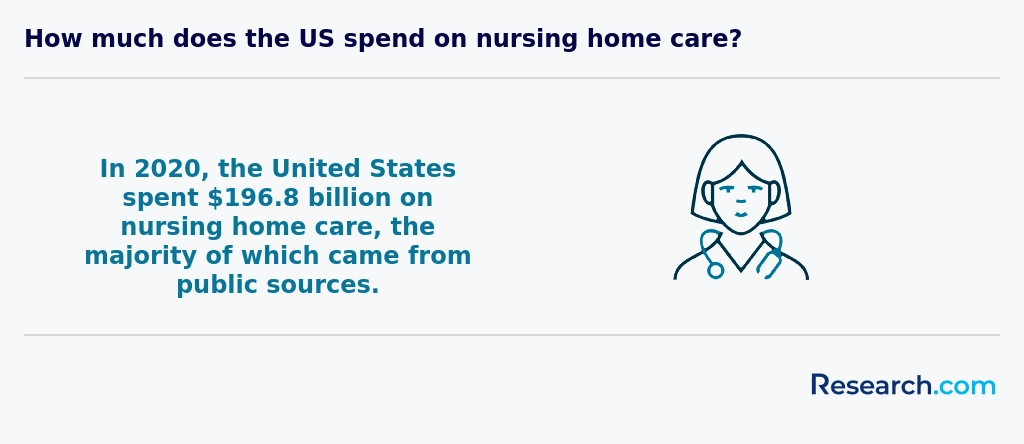
The average nursing degree cost in Nevada offers a blend of affordability and quality education that empowers students to pursue their dreams confidently. For in-state residents, the median total cost to earn a nursing degree is around $9,578, a figure that makes investing in your future achievable. Graduates from institutions like the University of Nevada, Las Vegas, often reflect on how the balance between tuition and the enriching clinical experiences helped them thrive both academically and personally.
Out-of-state students face a higher median total cost near $42,129, yet many find this investment worthwhile for the opportunities and networks built in Nevada's vibrant healthcare community. Nursing school tuition and fees at schools such as the College of Southern Nevada are competitive, allowing students to focus on their passion while minimizing financial stress. Many students share stories of how scholarships and financial aid tailored for Nevada nursing programs relieved burdens and opened doors.
When considering the cost, it's inspiring to think about the long-term rewards of a nursing career. The state's supportive grants and loan forgiveness options encourage students to serve in underserved areas, making the journey even more fulfilling. Those exploring the most affordable nursing programs in Nevada discover pathways that combine value with excellence, fueling their commitment to care and compassion.
Accreditation and NCLEX Pass Rates
Choosing a nursing program with proper accreditation and strong NCLEX pass rates is essential for ensuring your education meets industry standards and prepares you for licensure. In Nevada, look for programs accredited by the Commission on Collegiate Nursing Education (CCNE) or the Accreditation Commission for Education in Nursing (ACEN) and approved by the Nevada State Board of Nursing. Accreditation verifies that curricula align with national benchmarks for clinical competence, faculty qualifications, and student outcomes. NCLEX-RN pass rates serve as a direct indicator of a program’s effectiveness. Top Nevada schools consistently report first-time pass rates above 90%, reflecting rigorous preparation and comprehensive review courses. When comparing programs, request the most recent cohort data on admission-to-graduation rates and NCLEX success to gauge your likelihood of on-time licensure. For students exploring flexible, cost-effective pathways, it’s also valuable to consider accredited online options with proven licensure outcomes. Our Cheapest Online Nursing Degree Programs Ranking in Pittsburgh, PA showcases programs that balance affordability with high NCLEX pass rates, helping you make an informed choice while managing your budget. Always verify accreditation status directly with the institution and state board before enrolling.
What financial aid is available to nursing degree students in Nevada?
Nursing students in Nevada discover an encouraging range of financial aid options that make pursuing a nursing degree more accessible and affordable. At institutions like the University of Nevada, Las Vegas, and Nevada State College, many graduates share how federal Pell Grants of up to $7,395 provided crucial support during their studies, allowing them to focus on learning rather than financial stress.
Completing the FAFSA opens doors to low-interest federal loans designed with healthcare students in mind, offering manageable repayment plans once you start your nursing career. Many students appreciate the federal work-study programs that enable them to gain experience while earning, easing day-to-day expenses.
State aid, such as the Nevada Governor Guinn Millennium Scholarship, brightens the path for Nevada residents by offsetting tuition costs at approved schools. Scholarships offered by organizations like the Nevada Nurses Association further encourage dedication, rewarding merit and commitment to serving local communities.
Many nursing graduates find hope in employer tuition reimbursement and loan forgiveness programs within Nevada's healthcare system, making a nursing career a financially rewarding journey with lasting opportunities.
Accreditation and Licensing
Accreditation ensures your nursing program meets national quality standards and qualifies you to sit for the NCLEX-RN exam. In Nevada, verify that your chosen school offers:
- Commission on Collegiate Nursing Education (CCNE) or Accreditation Commission for Education in Nursing (ACEN) accreditation
- Approval from the Nevada State Board of Nursing for state licensure eligibility
- Consistent NCLEX-RN pass rates of 85% or higher, reflecting strong exam preparation
After earning your BSN, many nurses pursue advanced practice roles through a DNP; compare the cheapest dnp programs online.
What are the prerequisites for enrolling in nursing degree program in Nevada?
To start your journey toward a nursing degree in Nevada, meeting the right prerequisites can set you on a path filled with growth and achievement. Graduates from institutions like the University of Nevada, Reno, often share how their solid foundation in biology, chemistry, and English prepared them for the challenges ahead. Completing high school or earning a GED with these courses builds your confidence to tackle nursing studies.
Many nursing hopefuls find that passing the TEAS exam, which tests skills in reading, math, science, and English, opens doors to their dream programs. In Nevada, aiming for a score around 60-70% helps you stand out, reflecting the dedication that nursing demands.
Beyond academics, students value the importance of CPR certification and staying up to date with immunizations, which not only fulfill program requirements but also boost readiness for clinical experiences. These steps, embraced by nursing students statewide, foster resilience and a deep sense of purpose as they prepare to care for others with compassion and skill.
Accreditation and Licensing Requirements in Nevada
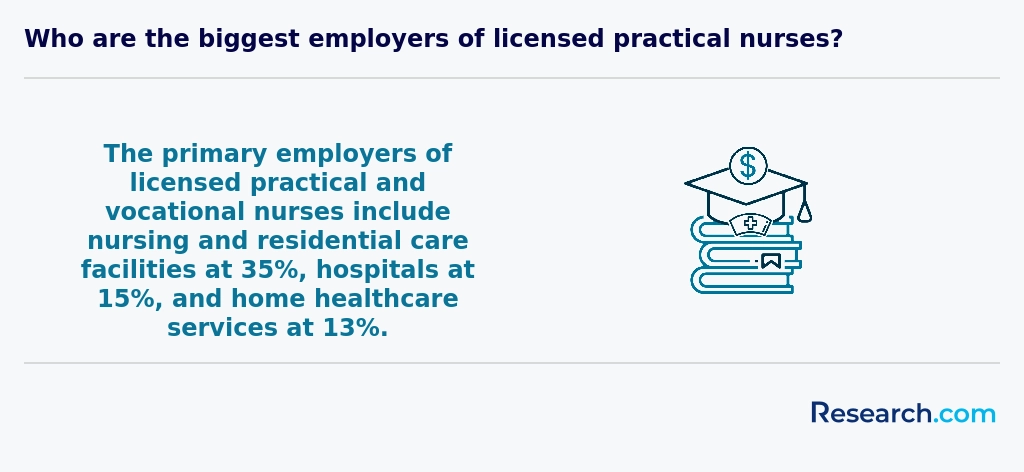
Before enrolling in any nursing degree program, it’s essential to verify that the institution holds accreditation recognized by the Nevada State Board of Nursing (NSBN) and a national body such as the Commission on Collegiate Nursing Education (CCNE) or the Accreditation Commission for Education in Nursing (ACEN). Accredited programs ensure that your education meets rigorous standards, qualifies you to sit for the NCLEX-RN exam, and is eligible for federal financial aid. To obtain licensure after graduation, follow these steps: 1. Complete an NSBN-approved nursing program with official transcripts submitted directly to the board. 2. Undergo a criminal background check and submit fingerprints as required by Nevada regulations. 3. Register and pass the NCLEX-RN exam; most programs post pass rates above the national average, reflecting their quality. 4. Apply for licensure online via the NSBN portal, pay the necessary fees, and await board approval. Renewal of your RN license occurs biennially and requires completion of at least 30 contact hours of continuing education from an approved provider. Many graduates find that on-campus and online offerings from Nevada institutions partner with local hospitals and clinics to deliver these CE credits efficiently. For those interested in practical nursing pathways, you may also explore our guide to best lpn programs in north carolina in north carolina, which provides insights into accredited LPN options and licensing prerequisites. Ensuring you choose a fully accredited and board-approved program will streamline your path to becoming a licensed nurse in Nevada.
What courses are typically in nursing degree programs in Nevada?
Nursing students in Nevada embark on a vibrant journey through courses that build both knowledge and confidence. At institutions like the University of Nevada, Reno, and Nevada State College, graduates recall how Human Anatomy and Physiology brought the human body's complexities to life, making every lecture a step closer to real-world healing.
Core classes like Microbiology and Pharmacology empower students to understand the causes of illness and how medications can restore health, giving them the tools to make meaningful impacts from day one. Pathophysiology connects textbook learning to patients' stories, while Fundamentals of Nursing lays the groundwork for compassionate care.
Courses such as Maternal and Child Health Nursing and Mental Health Nursing teach students to support families and individuals during their most vulnerable moments. Graduates from Nevada's top programs often speak with pride about Medical-Surgical Nursing and Community Health classes, where they develop critical skills that prepare them to serve diverse populations with leadership and empathy.
Every class is designed to inspire a commitment to excellence, preparing students for rewarding clinical experiences and a future where they make a real difference in Nevada's healthcare landscape.
What types of specializations are available in nursing degree programs in Nevada?
Nursing degrees in Nevada offer exciting specializations that empower students to make a real difference in healthcare. Graduates from renowned institutions like the University of Nevada, Las Vegas, and Nevada State College share inspiring stories about how focusing on specialties such as Registered Nurse (RN) to Bachelor of Science in Nursing (BSN) has expanded their clinical expertise and leadership skills. These programs reflect the state's dynamic healthcare needs, especially in areas like Adult-Gerontology, which prepares students to care compassionately for Nevada's growing aging population.
For those driven by a passion for specific care, specializations like Pediatric Nursing, Psychiatric-Mental Health Nursing, and Critical Care Nursing bring unique opportunities to engage deeply with patients in a variety of settings. Community and Public Health Nursing programs also motivate students to uplift diverse populations across Nevada with prevention and education efforts. Many students at popular nursing schools eagerly pursue the Family Nurse Practitioner (FNP) track, opening doors to diverse primary care roles.
If you're exploring the best nursing programs specialties Nevada has to offer, consider that these specializations are designed to fit vibrant, meaningful careers. For practical insights, prospective students can explore the best lpn programs in north carolina in north carolina as a comparison for how nursing pathways may vary regionally and inspire your own journey.
How do you choose the best nursing degree in Nevada?
Choosing the best nursing degree in Nevada means focusing on programs that combine quality education with real-world experience. Graduates from popular universities like the University of Nevada, Las Vegas, often highlight how local clinical partnerships enriched their learning and boosted their confidence before entering the workforce. These hands-on opportunities are essential for developing skills that employers value, especially in a state with growing healthcare needs.
Consider the cost carefully, as affordable nursing degrees Nevada offers can vary widely. Many students find that balancing tuition with scholarships and financial aid creates a pathway to success without overwhelming debt. ADN programs provide a quicker route to employment, while BSN degrees open doors to higher salaries and advanced roles, reflecting the experiences of recent graduates thriving across Nevada's hospitals.
Look beyond tuition to the program's reputation-NCLEX-RN pass rates and faculty expertise truly matter. Programs with strong outcomes fuel your motivation and remind you that your hard work will lead to rewarding careers. For those aiming higher, exploring quickest dnp programs online can inspire further growth in nursing leadership and clinical practice.
What career paths are available for nursing degree students in Nevada?
Graduates with a nursing degree in Nevada discover a wealth of nursing career opportunities tailored to their passions and strengths. Many find rewarding roles as Registered Nurses in hospitals, clinics, and community health centers throughout Las Vegas and Reno, where hands-on care and teamwork fuel daily fulfillment. Others explore specialized paths in critical care, pediatrics, oncology, or emergency room nursing-fields highly valued within Nevada's growing healthcare system. Graduates from the University of Nevada, Las Vegas, often share that advancing to a Bachelor of Science in Nursing opens doors to leadership or research roles, elevating their impact on patient care.
With Nevada nursing degree job prospects thriving, some alumni pursue advanced specialties like nurse practitioners or anesthetists, earning competitive salaries and greater autonomy. Many also transition into health policy or administration, using their education to shape better outcomes statewide. For those seeking affordable options, exploring the Cheapest Online Nursing Degree Programs Ranking in Pittsburgh, PA highlights paths to achieve their goals without financial strain.
What is the job market for nursing degree in Nevada?
The nursing job market in Nevada is thriving, presenting abundant nursing employment opportunities Nevada graduates can eagerly pursue. Graduates from well-known local programs at universities and community colleges experience firsthand how rapid population growth in cities like Las Vegas and Reno fuels demand for skilled nurses. Many find rewarding positions swiftly after graduating, working in dynamic urban hospitals or expanding outpatient care centers, where their expertise is highly valued.
These graduates often share stories of feeling empowered by competitive salaries, which reflect both the demanding nature of nursing and Nevada's living costs. With a mean annual wage above the national average, nursing provides financial stability and career satisfaction. Students studying nursing here benefit from affordable annual tuition rates, ranging roughly from $7,000 to $15,000 for in-state programs, making their dream careers more accessible. Scholarships and financial aid further ease the path to achievement.
For those seeking faster routes into healthcare, exploring 6 month certificate programs high paying jobs can also be a smart choice. Overall, Nevada's positive job outlook encourages new nurses to step confidently into diverse roles-whether in hospitals, community health centers, or home care-knowing their skills are essential to the state's well-being.
Frequently Asked Questions About nursing
Nursing degree students in Nevada can maximize their learning experience by actively engaging in clinical rotations at diverse healthcare facilities. The Nevada State Board of Nursing requires practical experience to ensure graduates are well-prepared for licensure. Students should seek internships in both urban centers, like Las Vegas, and rural settings to gain broad perspectives on patient care.
Utilizing resources provided by Nevada's community colleges and universities, such as simulation labs and tutoring programs, further strengthens skills. According to the Nevada Center for Nursing, students who participate in simulation training see a significant improvement in critical thinking and decision-making abilities. Networking with local nursing professionals through associations enhances mentorship opportunities and career guidance.
The nursing field in Nevada is expanding into several emerging niches that reflect broader healthcare trends. One notable area is telehealth nursing, which has grown substantially due to rural healthcare needs and advances in digital technology. Nurses in this niche provide care remotely, improving access for Nevada's scattered populations.
Another key niche is geriatric nursing. With Nevada's senior population projected to increase by over 40% by 2030, specialized nurses are crucial for managing chronic diseases and elder care. Additionally, psychiatric-mental health nursing is gaining attention as mental health becomes a state health priority.
These niches offer diverse career paths for nursing graduates, aligning with Nevada's evolving healthcare demands reported by the Nevada Department of Health and Human Services.
After completing a nursing degree in Nevada, preparing for the job market involves several key steps. Graduates should first obtain licensure by passing the National Council Licensure Examination (NCLEX-RN), which is mandatory to practice as a registered nurse in the state. According to the State of Nevada Board of Nursing, this process can take several weeks, so early application is advisable.
Building clinical experience through internships or externships can enhance employability, especially in high-demand areas such as Las Vegas and Reno. Networking with local healthcare providers and joining professional organizations like the Nevada Nurses Association also provide valuable connections.
Continuing education and certifications in specialties such as gerontology or critical care can improve job prospects in Nevada's growing healthcare market, where the Bureau of Labor Statistics projects a 16.4% growth for registered nurses from 2021 to 2031.
Employers in Nevada seek nursing graduates who demonstrate strong clinical skills combined with effective communication abilities. According to the Nevada State Board of Nursing, critical thinking and adaptability are essential due to the diverse patient populations and evolving healthcare environments in the state.
Proficiency in patient assessment and care planning is highly valued, as well as familiarity with electronic health records and healthcare technology. Teamwork and cultural competence also rank among the top desired skills, reflecting Nevada's multicultural communities.
Recent data from the U.S. Bureau of Labor Statistics highlight that nurses with excellent problem-solving capabilities and empathy tend to have better patient outcomes and higher job retention.
Finding nursing internships in Nevada involves several strategic steps. Many nursing programs in the state require clinical experience, which often includes internships arranged through the school. Prospective students should start by contacting local universities and community colleges with accredited nursing programs, such as the University of Nevada, Reno or Nevada State College.
Hospitals and medical centers in Nevada, including University Medical Center of Southern Nevada and Renown Health, routinely offer nursing internships that provide hands-on patient care experience. Additionally, exploring resources from the Nevada State Board of Nursing can help identify approved clinical sites.
Networking with nursing faculty and healthcare professionals is critical to locate internship opportunities. Utilizing statewide job boards and organizations like the Nevada Nurses Association may also reveal openings.
According to the Bureau of Labor Statistics, Nevada's nursing employment is projected to grow by 18% through 2031, reflecting increasing internship options in preparation for workforce demand.
Obtaining a nursing degree in Nevada significantly enhances career mobility and advancement opportunities. According to the Nevada State Board of Nursing, registered nurses (RNs) with a Bachelor of Science in Nursing (BSN) have greater access to leadership roles and specialized positions. Employers in Nevada increasingly prefer or require a BSN for roles such as nurse managers or clinical nurse specialists.
The Nevada Department of Employment, Training and Rehabilitation reports that nurses with advanced degrees often experience higher wage growth and more job openings statewide. Additionally, a nursing degree facilitates licensure portability via the Nurse Licensure Compact, allowing nurses to practice in multiple states, expanding career choices beyond Nevada.
Higher educational attainment also improves eligibility for certifications in critical fields like pediatrics, oncology, and emergency nursing, further boosting professional advancement and salary potential within Nevada's healthcare sector.
Studying for a nursing degree in Nevada equips students with the skills necessary for interdisciplinary roles in healthcare. Nevada's nursing programs emphasize collaboration between nurses, physicians, social workers, and other healthcare professionals to improve patient outcomes. The Nevada State Board of Nursing requires curricula that include communication, leadership, and evidence-based practice, which foster teamwork across disciplines.
Many Nevada institutions integrate clinical experiences in diverse settings, allowing students to work alongside various health specialists. According to the Nevada Department of Health and Human Services, over 70% of nursing graduates participate in interdisciplinary team settings during training. This practical exposure helps develop adaptability and holistic care approaches crucial in today's healthcare environment.
Choosing between a thesis and a non-thesis nursing degree program in Nevada depends largely on your career goals. Thesis programs emphasize research and are ideal for students aiming for roles in academia, research, or advanced clinical practice. These programs typically require designing and defending a research project.
On the other hand, non-thesis programs focus more on practical skills and coursework, preparing graduates for immediate clinical roles. According to the Nevada System of Higher Education, many nursing programs in the state offer both options to cater to diverse professional paths.
Consider future education plans: a thesis option may be necessary for doctoral studies.
Students based in Nevada who wish to study nursing abroad have several options through international exchange programs and partnerships. Many Nevada institutions, such as the University of Nevada, Reno, participate in study abroad opportunities that allow nursing students to gain clinical experience in countries with diverse healthcare systems. These programs enhance cultural competence and global health knowledge, which are crucial in today's nursing careers.
Additionally, nursing students can pursue accredited programs overseas that align with U.S. licensure requirements. Organizations like the Commission on Collegiate Nursing Education (CCNE) accredit some foreign universities, facilitating a smoother transition back to Nevada's licensure exams.
Understanding the Nevada State Board of Nursing's rules for foreign-educated nurses is essential before enrolling internationally to ensure eligibility for the NCLEX-RN within Nevada.
Students pursuing nursing degrees in Nevada can find several part-time job opportunities that complement their education. Common roles include certified nursing assistant (CNA) positions, home health aides, and medical scribes. These jobs provide valuable hands-on experience in patient care and clinical documentation, essential skills for nursing students.
The Nevada Bureau of Labor Statistics reports a steady demand for CNAs, with projected growth of 19% through 2030, reflecting strong job availability. Additionally, working as a home health aide allows nursing students to develop communication and caregiving skills in real-world settings. Medical scribe roles offer insight into electronic health record systems, enhancing technical competencies.
Nursing students in Nevada benefit from various networking opportunities that support career growth and professional connections. Many state institutions encourage students to join local chapters of national organizations such as the American Nurses Association (ANA) and the National Student Nurses' Association (NSNA). These groups offer events, workshops, and conferences that help build relationships with professionals in healthcare.
The Nevada State Board of Nursing also facilitates events and continuing education sessions where students can meet experienced nurses and healthcare leaders. Additionally, hospitals and clinics in Nevada, particularly in Las Vegas and Reno, often host career fairs and internships that provide real-world connections.
According to the Nevada Department of Health and Human Services, engaging in these activities significantly improves job placement rates for graduates by introducing students to local employers early on.
Alumni networks provide valuable support for nursing degree students in Nevada by fostering connections with experienced professionals. These networks offer mentorship opportunities, which can help students navigate clinical placements and job searches more effectively. According to the Nevada Nurses Association, networking through alumni groups increases employment prospects, with 65% of nursing graduates securing positions within six months of graduation.
Additionally, alumni networks often share up-to-date industry information and continuing education resources. This access keeps students and new nurses informed about evolving healthcare regulations in Nevada, such as those overseen by the Nevada State Board of Nursing.
Through events and online forums, alumni groups encourage collaborative learning and professional growth that benefit current nursing students throughout their education and early careers.
Customizing a nursing degree program in Nevada allows students to align their education with specific career goals. Many Nevada institutions offer flexible options such as selecting clinical specialties, including pediatric, geriatric, or psychiatric nursing. This enables students to focus on areas with high local demand. Additionally, some programs provide elective courses in leadership, healthcare technology, or community health, which can broaden career opportunities.
Nevada's Board of Nursing supports pathways like accelerated BSN or RN-to-BSN programs, ideal for working professionals seeking advancement. According to the Nevada Department of Employment, nursing roles in specialized care settings are expected to grow by 15% through 2030, making tailored programs advantageous.
Students are encouraged to consult academic advisors and local healthcare employers to identify which skills and certifications enhance employability in Nevada's evolving healthcare market.
Nursing students in Nevada often face intense academic pressure due to rigorous coursework and clinical requirements. According to the Nevada State Board of Nursing, clinical placement opportunities can be limited, leading to competition among students for practical experience. This challenge is coupled with a statewide nursing shortage, which impacts mentorship availability and the quality of clinical supervision.
Financial stress is another significant hurdle, as tuition and living costs in Nevada have risen steadily. Many students juggle employment alongside their studies, affecting their time management and academic focus.
Additionally, adapting to evolving healthcare technologies and meeting state-specific licensure exam standards, such as the NCLEX-RN pass rate, requires dedicated preparation. These factors combined create a demanding environment for nursing students in Nevada.
With a nursing degree in Nevada, graduates can pursue several professional certifications to advance their careers. Common certifications include the Certified Nurse Assistant (CNA), Licensed Practical Nurse (LPN), and Registered Nurse (RN) licenses, each requiring passing state-approved exams. For advanced practice, nurses may seek credentials such as the Nurse Practitioner (NP) or Clinical Nurse Specialist (CNS) certifications.
Specialty certifications are also available, for example, in areas like Pediatric Nursing, Oncology Nursing, or Critical Care Nursing, often through bodies like the American Nurses Credentialing Center (ANCC).
In Nevada, the Nevada State Board of Nursing regulates these certifications and provides up-to-date information on requirements and approved programs.
Writing a winning application for a nursing program in Nevada requires careful preparation and attention to detail. Start by reviewing specific requirements of Nevada nursing schools, which often include a minimum GPA around 3.0 and completion of prerequisite courses such as anatomy and microbiology. Strong standardized test scores can help, especially in programs using the TEAS (Test of Essential Academic Skills).
Highlight your relevant experience, such as volunteer work or certified nursing assistant (CNA) roles, to demonstrate commitment to healthcare. Personal statements should clearly explain your motivation for nursing and connection to Nevada's healthcare needs, supported by data from the Nevada State Board of Nursing.
Additionally, secure strong letters of recommendation from educators or healthcare professionals familiar with your skills. Following these guidelines can improve your chances of acceptance into competitive Nevada nursing programs.
The nursing profession holds a vital place in healthcare systems worldwide, reflecting global demand for skilled nursing professionals. In the United States, including Nevada, nursing careers offer stability and growth, supported by strong educational pathways such as Associate, Bachelor's, and advanced degrees.
Nurses trained in Nevada benefit from the state's alignment with national standards, ensuring their qualifications are recognized both nationally and internationally. According to the Nevada State Board of Nursing, employment in nursing through 2030 is expected to grow by 15%, mirroring global trends in aging populations and increased healthcare needs.
Globally, nursing is seen as a respected and essential profession, often linked to improving public health outcomes. For Nevada students, understanding this context highlights nursing as not just a local career choice but part of a worldwide effort to enhance care quality and accessibility.
Gaining practical experience while studying for a nursing degree in Nevada is essential to success in the healthcare field. Most accredited nursing programs in Nevada, including those at the University of Nevada, Las Vegas (UNLV) and Nevada State College, require clinical rotations as part of their curriculum. These rotations provide hands-on training in hospitals, clinics, and long-term care facilities.
Additionally, students often participate in internships or externships facilitated by their schools. These opportunities allow exposure to real-world nursing tasks under supervision.
The Nevada State Board of Nursing also supports clinical practice by approving facilities that meet state standards, ensuring quality learning environments.
According to the Nevada Department of Health and Human Services, clinical hours usually range from 500 to 800, depending on the program, helping students build critical skills before licensure.
Choosing the right concentration within a nursing degree program in Nevada depends on your career goals and the healthcare demands of the state. Nevada's nursing workforce is growing, with the Nevada Labor Market Information reporting a 15% increase in Registered Nurse jobs projected through 2030. Popular concentrations include Adult-Gerontology, Pediatrics, and Psychiatric-Mental Health due to local needs.
Consider your interests in specific patient populations and settings. Research state licensure requirements and specialized certifications recognized by the Nevada State Board of Nursing. Also, evaluate clinical opportunities offered by local programs to gain hands-on experience in your desired field.
Related Nursing Rankings for Nearby States
- 2027 Most Valuable Online Nursing Degree Programs Ranking in Texas
- 2027 Most Valuable Online Nursing Degree Programs Ranking in North Dakota
- 2027 Most Valuable Online Nursing Degree Programs Ranking in Kansas
- 2027 Most Valuable Online Nursing Degree Programs Ranking in Iowa
- 2027 Most Valuable Online Nursing Degree Programs Ranking in Missouri
- 2027 Most Valuable Online Nursing Degree Programs Ranking in Arkansas
- 2027 Most Valuable Online Nursing Degree Programs Ranking in Louisiana
- 2027 Most Valuable Online Nursing Degree Programs Ranking in Wisconsin
- 2027 Most Valuable Online Nursing Degree Programs Ranking in Illinois
- 2027 Most Valuable Online Nursing Degree Programs Ranking in Mississippi
Top Trending Nursing Rankings
See What Experts Have To Say About Studying Nursing
Read our interview with Nursing experts

Lisa Grubb
Nursing Expert
Assistant Professor
Johns Hopkins School of Nursing

References
- Pros And Cons Of Online Nursing In 2025 | Davis & Elkins https://www.dewv.edu/the-pros-and-cons-of-online-nusing-in-2025-is-it-right-for-you/
- Study Nursing Abroad | Boomerang International Educational Services https://boomerangedu.com/study-nursing-abroad/
- THE FIELD OF NURSING - FIRST-DEGREE OF STUDIES https://wnoz.wum.edu.pl/pl/content/field-nursing-first-degree-studies
- Nursing Degree You Need to Become an RN https://www.allnursingschools.com/registered-nursing/degrees/
- Nursing Jobs In Nevada https://nevpana.nursingnetwork.com/nursing-jobs
- Career Advancement Pathways for Nurses : Expert RN shares 10+ Professional growth opportunities - MuminMed https://blog.muminmed.com/career-advancement-pathways-for-nurses/
- Guide to Making a Career Change to Nursing https://teach.com/online-ed/healthcare-degrees/online-msn-programs/career-change-to-nursing/
- Western Nevada College Catalog https://catalog.wnc.edu/programs/RN-AAS
- Medical University of GdaÅsk https://admission.mug.edu.pl/29318.html
- How to Become an RN in Nevada: 5 Steps https://credenzahealth.com/career-advice/how-to-become-an-rn-in-nevada-5-steps


