
2027 Most Valuable Online Nursing Degree Programs Ranking in Texas

Co-Founder and Chief Data Scientist
Choosing the right nursing degree program is a big step toward a rewarding career in healthcare. For students in Texas, finding a program that offers both quality education and strong career prospects is essential.
This article presents the 2027 Most Valuable Online Nursing Degree Programs Ranking in Texas, created by the Research.com team of data scientists. It aims to help you make informed decisions based on valuable data.
Exploring this ranking can guide you to programs that align with your goals and increase your chances of success in nursing.
Key benefits of getting online nursing degree in Texas
- Graduates with nursing degrees in Texas can expect strong earnings, with roles like Registered Nurses and Public Health Nurses earning around $94,480 annually, while Operating Room Nurses can earn up to $128,490.
- Career paths after earning a nursing degree in Texas include diverse roles such as Clinical Nurse Educator or Emergency Room Nurse, offering rewarding opportunities to make a difference in various healthcare settings.
- Completing a nursing degree online in Texas offers flexibility to balance work and study, as demonstrated by many students from popular universities who find it easier to gain practical experience while earning their degree remotely.
- Key benefits of getting online nursing degree in Texas
- What can I expect from online nursing degree in Texas?
- Where can I work with online nursing degree in Texas?
- How much can I make with online nursing degree in Texas?
- 2027 Most Valuable Online Nursing Degree Programs Ranking in Texas
- Key Findings
- How long does it take to complete online nursing degree in Texas?
- Student Support Services and Technology Requirements
- What's the difference between online and on-campus nursing degree?
- Accreditation and NCLEX Pass Rates
- What is the average cost of online nursing degree in Texas?
- Financial Considerations for Online Nursing Programs in Texas
- What financial aid is available to online nursing degree students in Texas?
- Licensure and NCLEX-RN Preparation in Texas
- What are the prerequisites for enrolling in online nursing degree program in Texas?
- Advanced Pathways: Online Nurse Practitioner Programs in Texas
- What courses are typically in online nursing degree programs in Texas?
- What types of specializations are available in online nursing degree programs in Texas?
- How do you choose the best online nursing degree in Texas?
- What career paths are available for online nursing degree students in Texas?
- What is the job market for online nursing degree in Texas?
- Related Nursing Rankings for Nearby States
- Top Trending Nursing Rankings
- See What Experts Have To Say About Studying Nursing
What can I expect from online nursing degree in Texas?
The average cost of an online nursing degree in Texas varies depending on the institution and program level. Graduates from public universities report that in-state tuition typically ranges from $7,000 to $12,000 per year for online Bachelor of Science in Nursing (BSN) programs. This affordability allows working adults to manage expenses while balancing jobs and family obligations. For example, students at universities like Texas A&M or the University of Texas system often find hybrid models beneficial, where online coursework pairs with local clinical practice, keeping costs lower than fully campus-based options.
Private colleges offering online nursing degrees usually have higher tuition rates, sometimes surpassing $20,000 annually, but offer smaller class sizes and personalized support. Many graduates reflect on how financial aid options and employer tuition reimbursement programs helped them navigate these costs effectively.
When considering the cost, prospective students should factor in expenses for mandatory in-person clinical hours required by Texas Nursing Board, which can sometimes include travel or housing near partnered hospitals. Planning these financial aspects thoughtfully leads to a positive, manageable nursing education experience in Texas.
Where can I work with online nursing degree in Texas?
With an online nursing degree from Texas institutions like the University of Texas at Arlington or Texas Woman's University, graduates find rewarding jobs across diverse healthcare settings. Many quickly secure roles in large hospital systems such as Baylor Scott & White Health or Houston Methodist, where their BSN-level training prepares them for patient care and leadership tasks. Graduates often share how the hands-on clinical components integrated into their programs built their confidence to thrive in fast-paced hospital environments.
Beyond hospitals, graduates work in outpatient centers including cancer and rehabilitation clinics throughout the Texas Medical Center. Here, they provide critical pre- and post-operative care, making a real impact on patient recovery. Others choose community health nursing, joining public health departments to help underserved populations, a path highly encouraged at schools like Texas Tech University Health Sciences Center.
Online nursing degrees also open doors to home health care roles, serving Texas's aging population. Graduates describe the fulfillment in providing in-home hospice and health services. For those advancing to MSN programs, opportunities expand to nurse practitioner and educator roles, particularly valuable in rural Texas where demand for advanced practice nurses is strong and meaningful.
How much can I make with online nursing degree in Texas?
Graduates from online nursing programs in Texas often find themselves earning competitive salaries, with many roles reflecting strong demand in the state's healthcare sector. Registered nurses, including recent graduates from popular programs at universities like the University of Texas Arlington and Texas Woman's University, typically start with salaries near $82,000 per year. The median wage for many nursing roles, such as registered nurses and clinical nurse educators, aligns around $94,480 annually based on BLS data.
Specialized positions offer even greater earning potential. For instance, operating room nurses in Texas can expect mean annual salaries of about $128,490, making advanced certifications and focused skill-building worthwhile investments. Graduates who started in major cities such as Dallas or Houston report feeling encouraged by the higher pay, which often matches the increased cost of living and workload intensity.
Leveraging online MSN or DNP degrees from Texas institutions can open doors to these higher-paying roles quicker. Practical strategies like gaining certification in emergency or critical care nursing can boost salaries by 10-20%, while flexible shifts and leadership positions frequently bring additional bonuses, helping graduates maximize income over time.
2027 Most Valuable Online Nursing Degree Programs Ranking in Texas
How do we rank schools?
Investing in your education is a significant decision that can shape your future, and the Research.com team understands the importance of making informed choices. To support prospective students in Texas, we have carefully developed the "2027 Most Valuable Online Nursing Degree Programs Ranking in Texas." Our dedication to quality, credibility, and accuracy is evident in the thorough research and analysis conducted to produce this ranking.
We utilized the following reputable data sources to ensure a comprehensive evaluation of nursing degree programs:
By exploring this ranking, readers will gain valuable insights into the most valuable online nursing degree programs in Texas, empowering them to make well-informed decisions about their education and career paths. For more details on our methodology, please visit our Research.com methodology page.


Key Findings
- Texas projects a 15% job growth rate in nursing-related occupations through 2030, driven by population growth and increased healthcare needs.
- The total tuition for online Bachelor of Science in Nursing (BSN) programs ranges from $25,000 to $45,000, while associate degrees generally cost between $10,000 and $20,000.
- Entry-level nurses in Texas earn between $58,000 and $68,000 annually, with experienced nurses making around $75,000 or more.
- Nursing licensure in Texas requires passing the NCLEX-RN exam and completing clinical hours, which many online programs support through local placements.
- Accreditation by bodies like CCNE or ACEN is essential for program quality and licensure eligibility.
How long does it take to complete online nursing degree in Texas?
Completing an online nursing degree in Texas typically ranges from 1 to 4 years, depending on the program and your background. For instance, graduates from Texas-based colleges often share how their ADN programs took about 2 to 3 years, combining online courses with hands-on clinical rotations arranged locally. This flexibility helped them balance work and study effectively.
If you already hold a bachelor's degree, an accelerated online ABSN program in Texas can take as little as 12 to 18 months. Many past students found this path rewarding, allowing a quicker transition into nursing careers without sacrificing essential clinical experience.
For those enrolling in a full BSN program online at popular Texas universities, expect around 4 years of study, including clinical work on-site or nearby. RN-to-BSN options, favored by licensed nurses, typically require 12 to 24 months, enabling a smooth career advancement while working.
Choosing full- or part-time pacing greatly affects completion time. Several graduates from Texas nursing schools mention that part-time study extended their schedules but provided a manageable balance with personal commitments.
Student Support Services and Technology Requirements
Pursuing an online nursing degree in Texas comes with a comprehensive suite of student support services and specific technology requirements designed to enhance your learning experience and ensure timely progress toward graduation. Academic and Career Support • Online Tutoring and Writing Centers: Most universities, including Texas Woman’s University and the University of Texas at Arlington, provide 24/7 access to virtual tutoring for subjects like anatomy, pharmacology, and research writing. • Academic Advising: Dedicated nursing advisors guide you through course selection, clinical placement coordination, and licensure exam preparation. • Career Services: From resume workshops to interview simulations, career centers connect students with healthcare employers across Texas, helping you translate your online learning into tangible job opportunities. Technical Requirements • Hardware and Software: A reliable computer (Windows 10 or macOS 10.13+), at least 8 GB of RAM, and a webcam-enabled device are essential for live simulations and virtual labs. • Internet Connectivity: A minimum broadband speed of 25 Mbps ensures seamless participation in synchronous lectures and telehealth practicums. • Learning Management Systems (LMS): Familiarity with platforms such as Canvas or Blackboard is required; institutions typically offer orientation modules and tech support to acclimate new students. Library and Research Resources • E-Book and Journal Access: University libraries subscribe to nursing-specific databases like CINAHL and PubMed, allowing you to conduct evidence-based research from any location. • Interlibrary Loan Services: When specialized texts are unavailable, interlibrary loans deliver materials directly to your digital workspace, minimizing delays in coursework. Community and Peer Engagement • Virtual Study Groups: Online discussion boards and peer mentoring programs foster collaboration, enabling you to share notes, case studies, and exam strategies. • Student Nursing Associations: Joining local chapters of the Texas Nurses Association or Sigma Theta Tau International provides networking opportunities and access to professional development events. For nurses seeking advanced practice pathways, consider exploring the shortest post master’s dnp program to build upon your online nursing degree and accelerate your career growth.
What's the difference between online and on-campus nursing degree?
Choosing between an online and on-campus nursing degree in Texas hinges on your lifestyle and learning style. For example, graduates from the University of Texas at Austin who balanced work and family found online programs offered the flexibility to study evenings while managing clinical hours at local hospitals. This blend of remote learning and hands-on practice fits well for those needing a nontraditional schedule.
On the other hand, students from Texas A&M College of Nursing value the immersive classroom environment where face-to-face interaction and simulation labs boost confidence in practical skills. They often appreciate the routine and community that campus life provides, which helps maintain focus and motivation.
In Texas, both online and on-campus programs meet the Texas Board of Nursing's clinical hour requirements, ensuring real-world experience. Online students coordinate clinical practicums through partnerships with facilities near their homes, preserving the quality of training while avoiding long commutes.
By weighing flexibility against direct campus resources, Texas nursing students can choose the format that best aligns with their personal and professional goals.
Accreditation and NCLEX Pass Rates
To ensure quality and licensure eligibility, online nursing programs in Texas must hold state approval and national accreditation, plus demonstrate strong NCLEX-RN pass rates.
- Texas Board of Nursing: official state approval and oversight
- Commission on Collegiate Nursing Education (CCNE) or Accreditation Commission for Education in Nursing (ACEN): national accreditation
- NCLEX-RN pass rates: top programs report rates above 90%, indicating robust exam preparation
If you’re pursuing an RN-to-BSN track, explore rn to bsn online programs without clinicals to find accredited options that also focus on exam success.
What is the average cost of online nursing degree in Texas?
The average cost of obtaining an online nursing degree in Texas varies, but typically, in-state students can expect to pay around $27,364 for the full program. This figure reflects tuition and fees at many public universities known for their nursing programs, such as the University of Texas Arlington or Texas A&M. Graduates from these institutions often share how choosing a local online nursing program made balancing work, family, and studies both affordable and manageable.
Out-of-state students should anticipate higher costs, approximately $56,903 on average. This difference emphasizes the value of Texas residency when considering Texas online nursing program tuition fees. Many students report feeling relieved once they discover the financial advantages of establishing in-state residency before enrolling, reducing their overall debt and financial stress.
Private colleges offering similar online nursing programs tend to have higher tuition rates, and some students find scholarships or financial aid essential to help navigate these expenses. For those seeking the cheapest nursing school in Texas, exploring community colleges offering associate degrees or bachelor's programs online can be a smart strategy.
Additional costs typically include technology fees and course materials, but the convenience and flexibility of online study combined with reasonable tuition costs continue to bring enthusiasm and confidence to many future nurses aiming to balance their careers and education successfully.
Financial Considerations for Online Nursing Programs in Texas
When considering an online nursing program in Texas, one crucial aspect to factor into your decision-making process is the financial implication. The cost of tuition, fees, and other expenses can vary significantly from one institution to another. Prospective students should research thoroughly to understand the total cost of attendance, including any additional expenses such as textbooks, clinical fees, and equipment. Furthermore, exploring financial aid options, scholarships, and grants specifically designed for nursing students can help alleviate some of the financial burdens. For instance, students looking for the cheapest nursing school in Texas may find that certain institutions offer more competitive pricing without compromising on the quality of education. Additionally, many employers offer tuition reimbursement programs or loan forgiveness options for nurses, which can be a significant factor in choosing an online nursing program. By carefully evaluating these financial considerations, prospective nursing students can make informed decisions that align with their financial situation and career aspirations.
What financial aid is available to online nursing degree students in Texas?
Online nursing students in Texas can access a variety of financial aid to ease the cost of programs at institutions like the University of Texas at Arlington or Texas Tech University Health Sciences Center. Completing the FAFSA is the first step, unlocking federal Pell Grants that offer up to $7,395 with no repayment required, alongside low-interest federal loans tailored for nursing students. Many graduates recall how these grants made their studies more manageable while balancing work and family.
The Texas Higher Education Coordinating Board's Nursing Scholarship Program provides aid in exchange for a commitment to work as an RN in Texas, a practical option for students eager to give back locally. Schools often award scholarships based on academic merit and personal circumstances, with some programs prioritizing veterans or rural healthcare applicants, reflecting Texas's diverse needs.
Additionally, employer-sponsored tuition reimbursement is a common lifeline, especially within hospital systems in Dallas or Houston, where working nurses fund their continuing education. These organized financial support options enable many Texans to pursue nursing degrees online without overwhelming debt.
Licensure and NCLEX-RN Preparation in Texas
Navigating Texas Board of Nursing requirements and passing the NCLEX-RN are critical steps after completing your online nursing degree. To qualify for licensure, graduates must hold a degree from a Commission on Collegiate Nursing Education (CCNE) or Accreditation Commission for Education in Nursing (ACEN)-accredited program, submit a completed application to the Texas Board of Nursing, and clear a criminal background check. Once approved, candidates register with Pearson VUE and schedule their NCLEX-RN exam, which covers four major client needs categories: Safe and Effective Care Environment, Health Promotion and Maintenance, Psychosocial Integrity, and Physiological Integrity. Effective NCLEX prep involves a combination of content review, practice questions, and time management strategies. Many programs integrate virtual review workshops and adaptive learning platforms; if yours does not, consider supplementing with reputable resources such as the National Council of State Boards of Nursing (NCSBN) Learning Extension or dedicated NCLEX prep apps. Establish a study schedule that includes daily question banks, biweekly full-length simulations, and targeted remediation on weaker topic areas. Joining study groups or online forums can also boost confidence and accountability. Practical tips for exam day include arriving at the testing center early, bringing two forms of ID, and staying mindful of pacing-strive to answer each question thoughtfully but avoid overanalyzing. Reflect on your program’s reported NCLEX pass rates and reach out to alumni for insights on what study methods worked best. When comparing program costs and NCLEX prep support, you might also want to review our Affordable Online Nursing Degree Programs Ranking in the South to ensure you invest in a program that balances quality, affordability, and exam readiness.
What are the prerequisites for enrolling in online nursing degree program in Texas?
To enroll in an online nursing degree in Texas, you need to meet specific prerequisites that ensure you're ready for the challenges ahead. For programs like the ADN or traditional BSN, you'll typically need a high school diploma or GED, along with completed prerequisite courses such as anatomy, physiology, microbiology, and chemistry. Graduates from popular Texas schools like the University of Texas at Arlington often share how this solid foundation helped them feel confident tackling nursing coursework online.
You'll also need to provide transcripts showing a GPA around 2.5 to 3.0, though some competitive programs may require more. Many institutions, including Texas Tech University Health Sciences Center, require passing entrance exams like the TEAS, which tests reading, math, science, and English skills.
If you're aiming for an RN-to-BSN or MSN, holding an active Texas RN license is essential. This credential reflects your hands-on experience and readiness for advanced study. Remember, clinical hours must be completed in-person at approved Texas healthcare facilities, so confirming your program's support for local placements is crucial to a smooth experience.

Advanced Pathways: Online Nurse Practitioner Programs in Texas
Registered Nurses ready to elevate their scope of practice can pursue accredited online Nurse Practitioner (NP) programs that blend clinical expertise with leadership skills. Texas universities offer MSN-to-NP and DNP tracks in specialties such as Family Nurse Practitioner (FNP), Adult-Gerontology, and Psychiatric-Mental Health. Typical admission requirements include an active RN license, a minimum GPA of 3.0, and 1–2 years of clinical experience. Coursework covers advanced health assessment, pharmacology, pathophysiology, and evidence-based practice, often delivered asynchronously to support working professionals. Clinical rotations are arranged locally through partnerships with Texas healthcare facilities, ensuring compliance with state board regulations. According to the Bureau of Labor Statistics, Nurse Practitioners in Texas earn a mean annual salary of $118,000, with top earners surpassing $140,000. Graduates report that strong mentorship during clinical placements and access to virtual simulation labs enhance readiness for certification exams. Many RNs looking to advance can explore the best affordable nurse practitioner degree online options to continue their education without excessive debt. With projected NP job growth exceeding 35% through 2030, these graduate pathways not only boost earning potential but also expand opportunities to lead interdisciplinary teams and shape patient outcomes across Texas’s diverse healthcare landscape.
What courses are typically in online nursing degree programs in Texas?
Online nursing programs in Texas typically include a core curriculum designed to build strong practical and theoretical skills needed for the state's demanding healthcare system. Graduates from universities like the University of Texas at Arlington often mention how courses like Human Anatomy and Physiology and Microbiology laid a clear foundation for understanding patient care intricacies.
Students also appreciate hands-on topics such as Pharmacology and Pathophysiology, which prepare them to confidently manage medications and understand disease processes encountered in hospitals or clinics across Texas. Nursing Fundamentals and Health Assessment courses help learners develop essential clinical skills, enabling smooth transitions when completing local clinical hours required by the Texas Board of Nursing.
More specialized courses like Adult and Pediatric Nursing or Mental Health Nursing reflect real-world diversity in patient needs and empower students to provide compassionate care in varied settings. Many describe the benefits of studying Community and Public Health Nursing as it prepares them to promote wellness in Texas' diverse communities.
Advanced students pursuing RN to BSN programs engage with Leadership in Nursing and Healthcare Policy, equipping them for career growth within Texas's expanding nursing workforce. This structured course mix helps graduates feel prepared, motivated, and ready to succeed in their nursing careers statewide.
What types of specializations are available in online nursing degree programs in Texas?
Online nursing specializations in Texas often include Family Nurse Practitioner (FNP), Psychiatric-Mental Health Nurse Practitioner (PMHNP), and Adult-Gerontology Nurse Practitioner (AGNP). Graduates from universities well-known in Texas praise the FNP track for equipping them to provide primary care across all ages, which is crucial in communities facing healthcare shortages. Similarly, PMHNP programs respond to mental health challenges, giving nurses skills to treat patients with mental illnesses effectively.
Those pursuing Texas online nursing degree options also find programs in Emergency Nursing, Neonatal Nursing, and Pediatric Nursing that help nurses specialize in critical care and specific populations. Students appreciate how these specializations prepare them for real-world demands, such as managing older adults' chronic conditions, reflecting Texas's rapidly growing elderly population. Popular state institutions often offer in-state tuition discounts, making these paths accessible. Many graduates recommend exploring the shortest post master's dnp program options to continue specializing without significant delays in advancing their careers.
How do you choose the best online nursing degree in Texas?
Choosing the best online nursing programs Texas students recommend starts with verifying accreditation by bodies such as CCNE or ACEN. Graduates from these programs often express confidence in their credentials when applying for licenses and jobs across Texas. Consider the type of degree that matches your goal, whether a BSN, RN-to-BSN, or MSN, as universities like the University of Texas and Texas Tech offer flexible tracks suited to busy schedules.
Affordability is key; many nursing students balance work and study, so exploring financial aid or scholarships helps manage costs. Public programs average around $9,200 per year, but private colleges might have higher tuition. Some graduates highlight programs that provide additional resources for online learners, helping them excel despite remote challenges. For those seeking cost-effective options, exploring the best affordable nurse practitioner degree online can be a smart start.
Evaluating NCLEX pass rates is practical-programs with rates over 85%, as reported by the Texas Board of Nursing, have proven results. Students value schools offering strong support services and clinical experiences, which is critical since Texas demands skilled nurses. Identify programs that fit your life and career goals while providing quality education and licensure preparation.
What career paths are available for online nursing degree students in Texas?
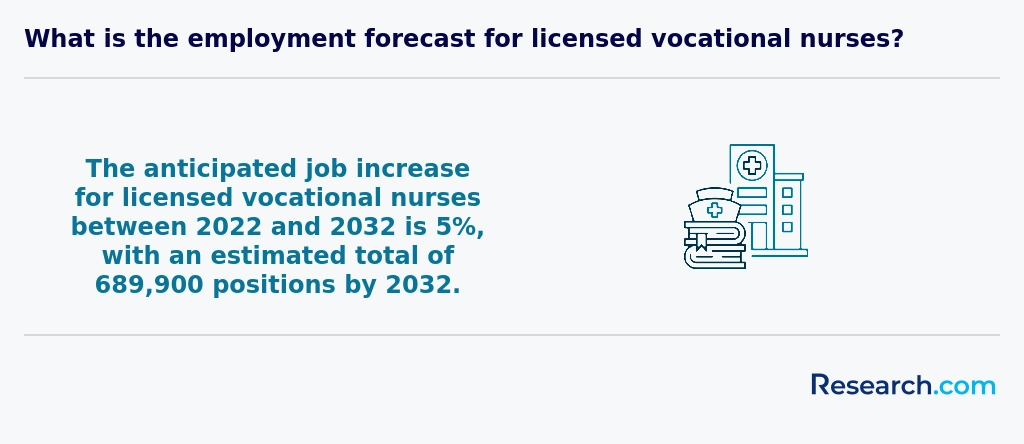
Graduates of an online nursing degree in Texas can quickly find themselves stepping into diverse roles within a growing healthcare landscape. Many start as Registered Nurses (RN) or Licensed Vocational Nurses (LVN), especially after completing programs at well-known schools in Texas. For example, graduates have shared how working as Charge Nurses in busy hospitals gave them confidence to handle fast-paced, critical situations. These roles are often the first stepping stones to stable and rewarding careers, aligning well with the substantial Texas nursing degree job prospects.
Specializing is another powerful option. Nurses who've completed online programs often pursue certifications in Critical Care, Pediatrics, or Geriatrics, allowing them to meet the unique needs of Texas communities. Graduates from these tracks describe a strong sense of fulfillment supporting patients across diverse settings, from urban clinics to rural care centers.
Many Texans aiming higher use their online nursing degree career opportunities in Texas to enter graduate programs and become Nurse Practitioners, Educators, or Administrators. These advanced positions combine clinical expertise with leadership and teaching roles, often accessible through local universities. Interested students should also explore options highlighted in the Affordable Online Nursing Degree Programs Ranking in the South to maximize value and flexibility.
What is the job market for online nursing degree in Texas?
The online nursing degree job market Texas offers continues to grow strongly, driven by high demand for registered nurses. Graduates from popular Texas institutions who earned their degrees online frequently find employment in major hospital systems in Houston, Dallas, and San Antonio. These graduates often share that their BSN qualifications, respected statewide, helped them stand out when applying for roles in both urban medical centers and rural clinics facing nursing shortages.
Nurses with online degrees benefit from Texas's expanding elderly population, which creates increasing opportunities in long-term care and outpatient settings requiring skilled professionals. Employment outlooks reveal positive trends, prompting many to pursue practical and flexible online nursing programs that fit busy schedules. Experienced graduates from schools well-known in Texas praise how their credentials matched employer demands, highlighting the advantage of an online BSN from an accredited school. Those interested in accelerating their career might explore options such as the top 6 month associate online programs that provide efficient pathways.
Frequently Asked Questions About nursing
Online nursing degree students in Texas can maximize their learning by actively engaging with program resources and clinical experiences. Choosing Texas Board of Nursing (BON)-approved programs ensures meeting state licensure requirements, crucial for professional practice. Incorporating hands-on clinical hours, which often range from 500 to 700 hours depending on the degree level, provides vital practical skills.
Students should also utilize virtual simulation tools and participate in study groups to enhance understanding of complex nursing concepts. According to the Texas Center for Nursing Workforce Studies, Texas has over 130,000 registered nurses, highlighting a competitive job market where a strong educational foundation matters.
Time management and regular interaction with instructors improve knowledge retention and exam performance.
The nursing field in Texas is expanding into several emerging niches driven by evolving healthcare needs and technology. One rapidly growing area is telehealth nursing, where nurses provide remote care and patient monitoring, a trend accelerated by the COVID-19 pandemic. According to the Texas Board of Nursing, telehealth nursing roles are expected to grow significantly by 2027.
Another important niche is gerontological nursing, focusing on elderly patient care, reflecting Texas's increasing senior population, which the Texas Demographic Center projects will rise sharply within the next decade. Additionally, informatics nursing, which combines nursing science with data management, is becoming vital to improve healthcare outcomes.
After earning an online nursing degree in Texas, graduates should focus on obtaining Texas Board of Nursing licensure, which is essential for practicing as a Registered Nurse (RN) in the state. Preparing for the NCLEX-RN exam early is critical, as passing it confirms your eligibility for licensure. Texas nursing employers often prioritize clinical experience, so completing internships or residencies during your studies is beneficial.
Networking with local healthcare providers and joining professional organizations like the Texas Nurses Association can increase job prospects. According to the Texas Workforce Commission, nursing jobs in Texas are projected to grow 15% by 2030, highlighting strong demand. Staying informed about continuing education requirements also supports career advancement.
Employers in Texas seek nursing graduates who demonstrate strong clinical competence and critical thinking skills. According to the Texas Board of Nursing, practical knowledge in patient care combined with the ability to make quick, accurate decisions is essential for new nurses.
Communication skills are also highly valued. Nurses must effectively interact with patients, families, and healthcare teams. This ensures clear understanding of treatment plans and promotes patient safety.
Adaptability is crucial given the fast-changing healthcare environment, especially when working in diverse settings like Texas hospitals and clinics. Familiarity with electronic health records and digital tools is increasingly important as well.
Lastly, ethical judgment and a commitment to culturally competent care align with the needs of Texas's diverse population, as emphasized by the Texas Nurses Association.
Finding nursing internships in Texas requires proactive research and networking. Start by exploring partnerships between online nursing programs and local hospitals or clinics.
The Texas Board of Nursing reports that many healthcare facilities offer clinical placements for students enrolled in accredited nursing programs. Key hospital systems in Texas include Texas Health Resources and HCA Healthcare, which often have internship opportunities tailored for nursing students.
Use online platforms such as the Texas Nurses Association's career center to find listings. Contact your program's clinical coordinator, who can guide you toward approved sites.
Additionally, you may consider reaching out to community health centers and long-term care facilities, which often accept nursing interns, helping to gain hands-on experience required for licensure.
Online nursing degrees in Texas significantly enhance career mobility and advancement opportunities. With Texas ranking among the top states for nursing employment, the demand for skilled nurses continues to grow, according to the Texas Board of Nursing.
Completing an online nursing program allows professionals to earn their degrees flexibly while maintaining current job roles. This flexibility is crucial for working nurses seeking promotions or specialization.
Online degrees, especially Bachelor of Science in Nursing (BSN) programs, often meet Texas's employer preferences, increasing eligibility for higher-paying roles. The Texas Workforce Commission reports that BSN-prepared nurses earn approximately 15% more than those with only associate degrees.
Moreover, advanced online nursing degrees support eligibility for leadership positions, nurse practitioner roles, and other specialized healthcare jobs, fostering long-term career growth within the state.
Studying for a nursing degree in Texas equips students with essential skills to function effectively in interdisciplinary healthcare teams. Texas programs emphasize collaboration by integrating coursework that covers communication, leadership, and healthcare ethics alongside clinical expertise. According to the Texas Board of Nursing, over 60% of nursing graduates participate in interprofessional education activities during their studies.
Online programs often include virtual simulations and case studies that mimic real-world settings where nurses work alongside physicians, social workers, and therapists. This fosters critical thinking and adaptability, key traits for interdisciplinary roles. The focus on community health and culturally competent care addresses Texas's diverse population needs, preparing nurses for broad healthcare environments.
When deciding between a thesis and a non-thesis nursing degree program in Texas, students should consider their career goals and time constraints. Thesis programs typically require original research and can be ideal for those planning to pursue doctoral studies or academic careers. Non-thesis options focus on coursework and practical experience, appealing to students aiming for clinical leadership or advanced practice roles.
According to the Texas Board of Nursing, over 50% of nurses in Texas hold bachelor's or higher degrees, making advanced qualifications important. Thesis tracks demand more time, sometimes adding 6 to 12 months compared to non-thesis paths. Students should also evaluate faculty expertise and available research resources when choosing a program.
Students based in Texas looking to study nursing abroad have several pathways, though most nursing programs require clinical practice within U.S. healthcare facilities to maintain accreditation. Many Texas institutions partner with international universities for exchange or dual-degree programs, allowing students to gain global perspectives while completing clinical hours domestically.
Online nursing degrees accredited by bodies like the Commission on Collegiate Nursing Education (CCNE) may include international study components but prioritize U.S.-based clinical placements due to Texas Board of Nursing licensure requirements. As of recent Texas Higher Education Coordinating Board data, over 70% of nursing degree programs offer some form of online study with limited abroad integration.
Students interested should verify credit transfer policies and licensure reciprocity to ensure their international coursework aligns with Texas nurse practice mandates.
Students pursuing an online nursing degree in Texas can benefit from various part-time job opportunities that align with their education. Positions such as certified nursing assistant (CNA), medical scribe, or pharmacy technician offer practical experience while accommodating class schedules.
According to the Texas Workforce Commission, CNAs earn a median hourly wage of about $14.50, providing both income and hands-on patient care skills crucial for nursing students. Medical scribes assist physicians by documenting patient encounters and learning medical terminology, enhancing clinical knowledge.
Pharmacy technician roles familiarize students with medication management and healthcare protocols. These positions not only enhance resumes but also build a network within the Texas healthcare system, supporting future employment.
Online nursing students in Texas have access to various networking opportunities that help build professional connections crucial for career growth. Many Texas nursing programs offer virtual events, discussion boards, and group projects that foster peer interaction. Additionally, students can join the Texas Nurses Association (TNA), which provides statewide networking, continuing education, and local chapter meetings.
Clinical placements coordinated by online programs often connect students with healthcare providers, creating hands-on experiences and professional contacts. According to the Texas Board of Nursing, over 300,000 nurses practice in the state, making networking vital to tap into this large community. National organizations like the American Nurses Association also offer online forums for Texas-based students.
Alumni networks offer significant advantages to online nursing degree students in Texas by connecting them with professionals who have navigated similar educational and career paths. These networks provide access to mentorship, job opportunities, and practical advice that are essential in a competitive nursing job market.
According to the Texas Board of Nursing, networking plays a crucial role in job placement, with over 70% of nursing positions filled through personal connections. Alumni associations also organize events, webinars, and local meetups, helping students build relationships beyond the virtual classroom.
Engaging with alumni can enhance professional development and keep students informed about the latest trends in Texas healthcare, thus supporting their transition from education to practice effectively.
Customizing an online nursing degree program in Texas begins with selecting the right specialization that aligns with your career goals. Texas offers various tracks such as family nurse practitioner, nurse educator, or psychiatric mental health nursing. Many accredited programs provide elective courses tailored to these areas. According to the Texas Board of Nursing, online programs often include clinical placements at local healthcare facilities, allowing students to gain practical experience in their preferred settings.
Students can also adjust their pace of study, choosing part-time or full-time options to fit work or personal schedules. Additionally, some schools offer certificate add-ons or dual degrees for expanded expertise, enhancing job prospects in Texas's evolving healthcare market.
Online nursing students in Texas often face several challenges related to balancing coursework and clinical practice. Nursing programs require hands-on clinical hours, which can be hard to schedule alongside online classes. According to the Texas Board of Nursing, students must complete a minimum number of supervised clinical hours, creating logistical challenges, especially in rural areas.
Another common issue is access to reliable internet and technology. Texas has significant rural regions where broadband service is limited, impacting students' ability to participate fully in online lectures and virtual simulations.
Finally, many students report difficulty in maintaining motivation and managing time independently. Without traditional classroom support, developing effective study habits and self-discipline is crucial for success in an online nursing program.
With an online nursing degree in Texas, graduates can pursue a variety of professional certifications to advance their careers. Popular options include becoming a Certified Registered Nurse Anesthetist (CRNA), a Family Nurse Practitioner (FNP), or a Nurse Educator. Certifications like the Texas Board of Nursing's Advanced Practice Registered Nurse (APRN) license require specific clinical hours and passing national exams.
According to the Texas Board of Nursing, over 80,000 registered nurses are licensed in the state, many holding additional certifications to improve job prospects and salaries. Specialized credentials in areas such as pediatrics, geriatrics, and critical care are also common.
Completing an accredited online nursing program meets educational prerequisites for sitting for certification exams offered by bodies like the American Nurses Credentialing Center (ANCC) and the National Certification Corporation (NCC).
To write a winning application for an online nursing program in Texas, start by carefully reviewing the specific program's admission requirements. Most programs require proof of completion from an accredited nursing school and a current Registered Nurse (RN) license issued by the Texas Board of Nursing.
Highlight your clinical experience and any certifications, as Texas nursing employers value hands-on skills and credentials. A well-crafted personal statement demonstrating your dedication to nursing and understanding of the profession's challenges in Texas can strengthen your application. According to the Texas Board of Nursing, detailed and truthful applications reduce delays in admission decisions.
Finally, request strong recommendation letters from nursing supervisors or educators that attest to your skills and professionalism.
Nursing is a globally respected profession, offering numerous opportunities for growth and cultural exchange. In the United States, including Texas, nursing careers benefit from strong educational standards and continual professional development.
Globally, nurses face increasing demand due to aging populations and healthcare needs. According to the Texas Board of Nursing, Texas alone is expected to see a 15% growth in nursing jobs by 2030. This mirrors worldwide trends where nurses are vital to public health.
Online nursing degrees in Texas provide flexibility for students to meet global standards while addressing local healthcare challenges. Many programs align with international best practices, preparing graduates for diverse environments.
Students pursuing an online nursing degree in Texas gain practical experience through clinical placements required by the Texas Board of Nursing. These hands-on rotations occur in approved hospitals, clinics, or healthcare facilities within the state.
Many programs help coordinate local clinical sites, ensuring students meet the state's clinical hour requirements. On average, Texas nursing students complete 500 to 700 clinical hours to qualify for licensure.
Some schools partner with Texas health systems like Texas Health Resources or Baylor Scott & White to provide supervised practice opportunities.
Additionally, Texas offers simulation labs to supplement clinical learning, improving skills in a controlled environment.
Consulting with program advisors early can optimize placement options and deadlines.
Choosing the right concentration within an online nursing degree program in Texas requires assessing your career goals and the local healthcare demand. Texas has a growing need for nurses in specialties such as gerontology, family nurse practitioner, and psychiatric mental health, according to the Texas Board of Nursing. Consider concentrations aligned with high-demand areas to improve job prospects after graduation. Additionally, research if the program's concentration prepares you for relevant certifications, such as the Family Nurse Practitioner (FNP) or Certified Nurse Educator (CNE) exams.
Understand the curriculum structure and clinical requirements, as some concentrations may have mandatory in-person components despite being primarily online.
Look for programs accredited by the Commission on Collegiate Nursing Education (CCNE) or the Accreditation Commission for Education in Nursing (ACEN), ensuring quality and eligibility for licensure in Texas.
Review faculty expertise and clinical partnerships within Texas healthcare systems to gain strong practical exposure relevant to your chosen concentration.
Related Nursing Rankings for Nearby States
- 2027 Most Valuable Online Nursing Degree Programs Ranking in Louisiana
- 2027 Most Valuable Online Nursing Degree Programs Ranking in Arkansas
- 2027 Most Valuable Online Nursing Degree Programs Ranking in Kansas
- 2027 Most Valuable Online Nursing Degree Programs Ranking in Missouri
- 2027 Most Valuable Online Nursing Degree Programs Ranking in Colorado
- 2027 Most Valuable Online Nursing Degree Programs Ranking in Mississippi
- 2027 Most Valuable Online Nursing Degree Programs Ranking in Tennessee
- 2027 Most Valuable Online Nursing Degree Programs Ranking in Georgia
- 2027 Most Valuable Online Nursing Degree Programs Ranking in Florida
- 2027 Most Valuable Online Nursing Degree Programs Ranking in Kentucky
Top Trending Nursing Rankings
See What Experts Have To Say About Studying Nursing
Read our interview with Nursing experts


References
- Online ABSN Prerequisites - Concordia University Texas https://absn.concordia.edu/admissions/absn-prerequisites/
- How to Choose the Right Nursing Program for Your Career Goals - Maria College https://mariacollege.edu/blog/how-to-choose-the-right-nursing-program-for-your-career-goals
- Strengthening Nursing Pathways in Texas | Trellis Foundation https://www.trellisfoundation.org/streamlining-success-strengthening-nursing-pathways-in-texas/
- Nursing Internship and Externship Programs https://jobs.mayoclinic.org/nursinginternexternprograms
- Study Nursing Abroad | Boomerang International Educational Services https://boomerangedu.com/study-nursing-abroad/
- 2025 Most Affordable Online Nursing Programs https://www.onlineu.com/most-affordable-colleges/nursing-degrees
- Working While in Nursing School: 25 Ways to Make Money as a Nursing Student https://credenzahealth.com/career-advice/working-while-in-nursing-school-25-ways-to-make-money-as-a-nursing-student
- Client Challenge https://www.springerpflege.de/nursing-graduates-perceived-future-career-pathway-and-career-shi/50653658
- Top Skills Employers Want in Practical Nursing Graduates https://vervecollege.edu/what-employers-look-for-in-practical-nursing-graduates/
- Online Nursing Programs in Texas | WCU https://westcoastuniversity.edu/online-nursing-programs-in-texas


