
2027 Most Valuable Online Nursing Degree Programs Ranking in Connecticut

Co-Founder and Chief Data Scientist
Choosing the right nursing degree program can shape your future and open doors to rewarding career opportunities. For students in Connecticut, making an informed decision is key to finding a program that fits your goals and lifestyle.
This article presents the 2027 Most Valuable Online Nursing Degree Programs Ranking in Connecticut, developed by the Research.com team of data scientists. It offers clear insights to help you navigate your options and feel confident about your choice.
Discover programs that balance quality, flexibility, and affordability to support your journey toward a fulfilling nursing career.
Key benefits of getting online nursing degree in Connecticut
- Graduates with a nursing degree in Connecticut can expect strong salaries, such as $94,480 annually for Registered Nurses and $128,490 for Operating Room Nurses, offering financial stability and rewarding careers.
- Career paths for nursing degree holders are diverse, ranging from clinical nurse roles to public health positions, with opportunities available at popular local schools like the University of Connecticut that prepare students for a range of healthcare settings.
- Online nursing degrees provide flexibility and convenience, allowing students from Connecticut to balance work and study while accessing quality education from institutions like Southern Connecticut State University, making it easier to achieve career goals.
- Key benefits of getting online nursing degree in Connecticut
- What can I expect from online nursing degree in Connecticut?
- Where can I work with online nursing degree in Connecticut?
- How much can I make with online nursing degree in Connecticut?
- 2027 Most Valuable Online Nursing Degree Programs Ranking in Connecticut
- Key Findings
- How long does it take to complete online nursing degree in Connecticut?
- Advanced Bridge Pathways: ADN to MSN FNP Programs
- What's the difference between online and on-campus nursing degree?
- Cost Considerations and Financial Planning for Online Nursing Degree Programs in Connecticut
- What is the average cost of online nursing degree in Connecticut?
- Clinical Placement Requirements
- What financial aid is available to online nursing degree students in Connecticut?
- Licensure Exam Success Rates
- What are the prerequisites for enrolling in online nursing degree program in Connecticut?
- Accreditation and Licensure Requirements for Online Nursing Programs in Connecticut
- What courses are typically in online nursing degree programs in Connecticut?
- What types of specializations are available in online nursing degree programs in Connecticut?
- How do you choose the best online nursing degree in Connecticut?
- What career paths are available for online nursing degree students in Connecticut?
- What is the job market for online nursing degree in Connecticut?
- Related Nursing Rankings for Nearby States
- Top Trending Nursing Rankings
- See What Experts Have To Say About Studying Nursing
What can I expect from online nursing degree in Connecticut?
The average cost of an online nursing degree in Connecticut can feel like a puzzle, but many find it surprisingly manageable with the right resources. Graduates from well-known schools like the University of Connecticut or Quinnipiac University often share stories of balancing work and studies, supported by in-state tuition rates that ease financial stress. Imagine paying around $10,000 to $30,000 for a full online BSN pathway, depending on the school and program length-far less daunting when paired with Connecticut's nursing scholarships or state financial aid.
One graduate fondly recalls how scholarship funds brought relief, turning late-night study sessions into confident steps toward licensure. Another highlights local advisory services that made navigating tuition options feel less like a maze. This localized support is a game-changer, bridging theory and real costs seamlessly.
While the clinical hours must be done nearby, the blend of quality education with manageable costs gives a real sense of stepping into a rewarding nursing career without the weight of overwhelming debt.
Where can I work with online nursing degree in Connecticut?
Graduates from online nursing programs at well-known Connecticut institutions quickly discover their skills open doors across the state's healthcare mosaic. Picture yourself stepping into a bustling Yale New Haven Health hospital unit, confidently applying lessons learned online, licensed by Connecticut's strict Board of Examiners for Nursing. Many online graduates share stories of thriving in such dynamic hospital environments, where every shift brings the chance to impact lives directly.
Others find their rhythm in the quieter hallways of Hartford HealthCare's outpatient clinics or the gentle care of long-term facilities, energized by the state's growing elderly population. Imagine working flexible hours as a home health nurse visiting patients in quaint Connecticut towns, providing comfort and expert care in their own homes.
Specialty fields like pediatric or psychiatric nursing beckon too-graduates often pivot to these paths, spurred on by inspiring professors from schools like the University of Connecticut, who emphasize advanced certifications and specialization. Public health roles, embedded deeply in state programs, present rewarding opportunities for nurses passionate about community wellness and policy. This range of careers reflects the vibrant, varied tapestry of nursing life possible with an online Connecticut degree.
How much can I make with online nursing degree in Connecticut?
Imagine launching your online nursing degree journey through one of Connecticut's top programs, where graduates emerge ready to command a robust salary. In this state, typical Registered Nurses, Clinical Nurse Educators, Public Health Nurses, and Emergency Room Nurses earn a mean annual wage near $94,480, translating to about $45.42 an hour. This solid base salary reflects the strong demand and respect for nursing professionals educated via flexible online pathways.
Take a graduate who studied at a renowned Connecticut university online-their first RN role might start close to this median, providing financial comfort while adjusting to the fast-paced rhythm of healthcare. They celebrate every paycheck that reflects their skills and dedication, especially knowing they've outpaced national averages.
But the peak truly shines for those advancing to specialized fields. Consider an Operating Room Nurse-often a hallmark for those pushing their online degree further-earning an impressive mean annual wage of $128,490 or $61.78 hourly. This level of income illustrates the potent combination of education, experience, and Connecticut's healthcare demand.
Through online learning at Connecticut colleges, nurses balance study with life realities, reaping salaries that spark pride-not just paychecks. Their success stories aren't just about numbers, but the thrilling ascent into rewarding, high-stakes care environments where each shift confirms they're making a vital impact.
2027 Most Valuable Online Nursing Degree Programs Ranking in Connecticut
How do we rank schools?
Investing in your education is a significant decision that can shape your future, and the Research.com team understands the importance of making informed choices. To assist prospective students in Connecticut, we have meticulously crafted the "2027 Most Valuable Online Nursing Degree Programs Ranking in Connecticut." Our commitment to quality, credibility, and accuracy is reflected in the extensive research and analysis conducted to compile this ranking.
We utilized the following reputable data sources to ensure a comprehensive evaluation of nursing programs:
By exploring this ranking, readers will gain valuable insights into the most valuable online nursing degree programs available in Connecticut, empowering them to make well-informed decisions about their educational journeys. For more details on our methodological approach, please visit our Research.com methodology page.


# 6 position
Charter Oak State College
RN/ADN to BSN


Key Findings
- Tuition for online nursing programs in Connecticut ranges from $10,000 to $40,000, varying by institution and degree level.
- The nursing job market in Connecticut is expected to grow about 9% over the next decade, matching the national average.
- Entry-level registered nurses earn around $70,000 annually, with experienced nurses making over $90,000 on average.
- Online programs align with Connecticut's licensure requirements and prepare students for the NCLEX-RN exam.
- Clinical practice hours must be completed locally as part of the degree and are essential for hands-on experience.
How long does it take to complete online nursing degree in Connecticut?
Imagine juggling a bustling life while earning your nursing degree online in Connecticut-the journey's length truly adapts to your rhythm. For example, a graduate from the University of Connecticut often navigates 2 to 4 years when pursuing a BSN, depending on whether they're stepping into nursing fresh or advancing from RN status through an RN-to-BSN track.
Some Southern Connecticut State University alumni recall completing their ADN programs in just 2 to 3 years, eager to jump into their careers fast without sacrificing quality. The flexibility of these online paths means you decide if 1 or 2 years is enough for the RN-to-BSN bridge, fitting smoothly around work and family.
Master's hopefuls typically immerse themselves for 1.5 to 3 years, balancing part-time study with real-world clinical hours arranged nearby. This blend of virtual learning and local hands-on practice keeps the experience tangible, motivating, and rooted in Connecticut's community.
Advanced Bridge Pathways: ADN to MSN FNP Programs
Navigating career advancement in nursing often means choosing a pathway that balances time, cost, and scope of practice. ADN to MSN FNP bridge programs offer an accelerated route for registered nurses to earn a Master of Science in Nursing with a Family Nurse Practitioner specialization. These programs typically allow candidates with an ADN and active RN licensure to bypass the BSN step by integrating bachelor’s-level coursework into the master’s curriculum. Key advantages include: • Accelerated Timeline: Many bridge options can be completed in 24 to 36 months, reducing traditional sequential credit requirements. • Cost Efficiency: Bundled tuition models and credit-for-experience policies lower overall costs compared to separate BSN and MSN tracks. • Clinical Focus: Curricula emphasize advanced health assessment, pathophysiology, and pharmacology alongside hands-on clinical rotations in family practice settings. • Strong Outcomes: Graduates often report NCLEX pass rates above 90% and an average FNP starting salary exceeding $110,000 in Connecticut. For detailed program comparisons and admission requirements, explore our curated list of adn to msn fnp online programs. When evaluating bridge pathways, verify institutional accreditation, credit transfer policies, and clinical hour requirements to ensure a seamless transition and maximize professional growth.
What's the difference between online and on-campus nursing degree?
Picture a nursing student juggling family dinners in Bridgeport while attending lectures from the cozy corner of their living room-this is the promise of online nursing programs in Connecticut. Graduates from the University of Connecticut's online BSN pathways rave about this flexibility, balancing life's chaos without sacrificing their dreams. Yet, when it's time for clinical hours, these students step into local hospitals or clinics, hands-on and ready, blending virtual knowledge with tangible practice under Connecticut's strict state approvals.
Contrast this with peers at Yale School of Nursing, who navigate bustling campus halls and late-night study groups. Their days are regimented, with face-to-face mentorship fueling confidence and spontaneous study sessions creating strong professional bonds. The tactile immersion of on-campus labs leaves some graduates buzzing with energy and camaraderie that's harder to mimic online.
Both paths share a financial rhythm reflective of Connecticut's tuition landscape-around $14,000 yearly for public schools-yet online learners often save on parking and commuting, freeing those dollars for sneakers or study apps.
Cost Considerations and Financial Planning for Online Nursing Degree Programs in Connecticut
When considering online nursing degree programs in Connecticut, it's essential to factor in the cost of tuition, fees, and other expenses. The total cost of attendance can vary significantly depending on the institution, program type, and student's residency status. To make informed decisions, prospective students should research the average cost of online nursing degree programs in Connecticut, which is approximately $38,680. For those interested in exploring more affordable options, visiting the cheapest nursing schools in connecticut can provide valuable insights into budget-friendly educational pathways. Additionally, students should investigate available financial aid options, such as scholarships, grants, and federal loans, to help offset the costs of their education. By carefully planning and budgeting, aspiring nurses can navigate the financial aspects of pursuing an online nursing degree in Connecticut and set themselves up for success in their future careers.
What is the average cost of online nursing degree in Connecticut?
The average cost of an online nursing degree in Connecticut typically centers around a median total cost of about $36,660, blending tuition and additional fees into the full picture. Graduates from well-regarded Connecticut institutions often share how this investment feels balanced against the quality of education and hands-on clinical experience they receive, even when juggling the demands of online study. For many, the stronger price tag compared to some other states is softened by targeted financial aid and scholarships unique to the region.
When delving into the world of online nursing degree tuition and fees Connecticut students frequently encounter figures hovering around $40,700 for both in-state and out-of-state learners attending popular universities. One nursing alum recalls budgeting carefully for technology fees and clinical placement costs, which, while adding up, were manageable with planned scholarships and employer assistance. These extra expenses, often overshadowed, create a richer, more connected learning experience by bridging the gap between digital coursework and real-world nursing practice.
Prospective students curious about the cheapest nursing schools in connecticut will find dedicated lists and rankings helpful in navigating options that blend affordability and quality effectively. Choosing wisely can mean tapping into programs that deliver value without compromising the vibrant community and support nursing students need to thrive. In this journey, understanding the average cost of online nursing degree in Connecticut becomes less about numbers and more about envisioning the meaningful career it finances.

Clinical Placement Requirements
Online nursing programs in Connecticut require a set number of in-person clinical hours at approved sites. Plan ahead to meet state licensing and program standards:
- Confirm your program’s clinical hour total (often 400–600 hours for BSN tracks)
- Complete health requirements (immunizations, CPR certification, background check) before placement
- Work with your school’s clinical coordinator to identify approved facilities (e.g., Yale New Haven Health or Hartford HealthCare) in Connecticut
- Secure a qualified preceptor or mentor at a local hospital, clinic or community health site
- Log and submit clinical hours and evaluations through your program’s online portal
If you need flexibility with clinicals, explore options such as rn to bsn online no clinicals
What financial aid is available to online nursing degree students in Connecticut?
Imagine unlocking a lifeline of support while pursuing your online nursing degree at a Connecticut university like the University of Saint Joseph or Southern Connecticut State University. Many graduates recall the relief of receiving Pell Grants-federal gifts that don't have to be paid back-helping ease the hefty tuition burden that hovers around $40,000 to $60,000 nationwide. In Connecticut, these grants can be game-changers alongside state-specific gems like the Connecticut Nursing Education Incentive Program, which nudges students toward a rewarding future right here in the state by offering scholarships tied to local nursing commitments.
Picture yourself tapping into Access and Achievement grants designed specifically for Connecticut residents attending colleges like the University of Connecticut's online program. The joy of hearing back from your school's financial aid office about institutional scholarships for diverse backgrounds or academic merit can transform that anxious wait into hopeful anticipation.
Connecticut hospitals also play a behind-the-scenes role, partnering with schools to offer tuition assistance-imagine your employer covering part of your education costs as you grow your nursing career.
Plus, organizations such as the Connecticut Nurses Association sprinkle additional opportunities for scholarships that spark motivation and foster professional growth within the state's vibrant nursing community.
Licensure Exam Success Rates
One of the most telling indicators of program quality is the NCLEX-RN pass rate, reflecting how well an online nursing curriculum prepares graduates for real-world practice. In Connecticut, top online nursing programs consistently report pass rates above the national average of 88%. For example: • University of Connecticut: 92% first-time pass rate • Quinnipiac University: 94% first-time pass rate • Southern Connecticut State University: 90% first-time pass rate High NCLEX-RN success correlates with rigorous coursework, robust clinical partnerships, and dedicated exam-prep support. Programs that invest in virtual simulation labs, personalized tutoring, and targeted review sessions help students master critical thinking and patient-care skills essential for licensure. While some may prioritize cost savings, balancing affordability with exam performance is key. For insights on tuition-friendly options that still deliver strong pass rates, explore our Cheapest Online Nursing Degree Programs Ranking in Connecticut. Ultimately, choosing a program with a proven record of NCLEX success ensures not only licensure but also confidence and competence as you launch your nursing career.
What are the prerequisites for enrolling in online nursing degree program in Connecticut?
Imagine stepping into the world of nursing through one of Connecticut's top online programs, like those offered by the University of Connecticut or Southern Connecticut State University, where the journey begins with clear and focused prerequisites. Graduates often recall that holding a high school diploma or GED was just the first key-they needed to showcase solid academic groundwork, especially in biology and chemistry, to ensure they could keep up with the demanding courses ahead.
Many found that maintaining at least a 2.5 GPA opened doors, reflecting their ability to handle complex material. One alum described the challenge of preparing for the TEAS exam, which tested essential skills and boosted confidence before stepping into clinical simulations.
Health clearances weren't just paperwork; survivors of rigorous screenings share relief knowing vaccinations and background checks safeguard both students and patients during practicum experiences in Connecticut's healthcare facilities.
Prerequisite college courses in anatomy and microbiology became familiar territory, setting a foundation that made advanced nursing classes feel like an exciting puzzle rather than an uphill climb.
Accreditation and Licensure Requirements for Online Nursing Programs in Connecticut
Ensuring that your online nursing program in Connecticut holds proper accreditation is critical for licensure eligibility and quality assurance. Prospective students should verify that the institution is accredited by either the Commission on Collegiate Nursing Education (CCNE) or the Accreditation Commission for Education in Nursing (ACEN), as these bodies are recognized by the Connecticut Board of Examiners for Nursing. Attending an accredited program not only qualifies you for federal financial aid but also guarantees that your curriculum meets the standards required to sit for the NCLEX-RN exam and obtain state licensure. In addition to institutional accreditation, each nursing program must comply with Connecticut’s clinical hour requirements. Online students are typically responsible for arranging local clinical placements that satisfy the Board’s minimum 500 supervised practice hours. Many programs partner with healthcare facilities across the state, but you should always confirm that your chosen school provides dedicated clinical coordinators to assist with site approvals and documentation. Completing these hours under a Board-approved preceptor ensures a seamless transition from program completion to licensure application. Advanced practice roles-such as Nurse Practitioner (NP) tracks-also require national certification and state-level credentialing. When researching specializations, consider exploring the best affordable online np degree options to find programs that combine rigorous clinical requirements with cost-effective tuition. After graduation, NP candidates must pass a national board exam (e.g., ANCC or AANP) and submit proof of certification to the Connecticut Department of Public Health. Staying informed about renewal cycles, continuing education mandates, and scope-of-practice regulations will help you maintain compliance and advance your nursing career in Connecticut.
What courses are typically in online nursing degree programs in Connecticut?
Diving into an online nursing degree in Connecticut feels like stepping into a vibrant world where science meets heart. Graduates from popular institutions like the University of Connecticut often describe their coursework as a hands-on voyage through life's complexities. Imagine mastering Anatomy and Physiology by virtually exploring the human body's blueprint, then switching gears to Pharmacology, where understanding medicine transforms into a powerful tool for healing.
Courses like Nursing Fundamentals act as the bedrock-teaching you how to care with both skill and empathy, a balance every successful nurse cherishes. Pathophysiology and Health Assessment classes walk you through mysteries of disease and patient wellness, turning textbook theory into real-world detective work.
Clinical practice in Connecticut's diverse healthcare settings, from Hartford's hospitals to community clinics, puts you in the thick of it. Graduates recall moments in Maternal and Child Health Nursing where the joy of welcoming new life mixed with the challenge of care. Mental Health and Community Nursing courses expand your perspective, ensuring you're ready to heal entire communities, not just individuals.
Connecticut's online nursing programs infuse each course with local licensing essentials, making your journey not just educational but a preparation for meaningful, licensed nursing careers right here at home.
What types of specializations are available in online nursing degree programs in Connecticut?
Online nursing specializations in Connecticut paint a vivid spectrum, tailored to meet both the heartbeat of local communities and the rhythm of modern healthcare demands. Picture a Family Nurse Practitioner weaving through all ages, from schoolchildren to seniors, delivering primary care with comforting familiarity-just as many graduates from popular state universities proudly describe. Or envision those stepping into Psychiatric-Mental Health roles, becoming beacons in mental wellness, a growing concern embraced by Connecticut's vibrant healthcare landscape.
Consider the Adult-Gerontology Nurse Practitioner path, perfect for the state's aging population, where nurses expertly manage chronic illnesses with empathy and precision. Then there are Certified Nurse Midwives, navigating the miraculous journey of motherhood, a specialization offering meaningful connection during life's most pivotal moments. And for those dreaming at the intersection of tech and care, Nursing Informatics opens doors in Connecticut's health IT sectors, merging data and compassion seamlessly.
Many students inspired to customize their career trajectory explore adn to msn fnp online programs, showcasing how versatile and attainable these paths are within Connecticut's thriving nursing education environment.
How do you choose the best online nursing degree in Connecticut?
Choosing an online nursing degree in Connecticut feels like navigating a vibrant mosaic of options, each piece reflecting a blend of accreditation, affordability, and real-world readiness. Graduates from popular state universities often share stories of how programs with CCNE or ACEN accreditation transformed their confidence, knowing they were stepping into curricula vetted for excellence and licensure eligibility. Imagine juggling coursework alongside a flexible clinical placement at a local hospital-this hands-on experience grounds the theory in heartbeats and human connections unique to Connecticut's healthcare scene.
The best online nursing programs Connecticut offers aren't just about low tuition; they're about balancing cost with rich support systems and high NCLEX pass rates. Many find that enrolling in programs around $10,000 to $20,000 in-state tuition sparks not just knowledge but a sense of belonging, propelled by schools that understand local healthcare demands. Those drawn to advanced pathways often explore RN-to-BSN or MSN options, aligning with long-term career dreams fueled by real alumni successes.
For those budget-conscious dreamers seeking the perfect blend of value and quality, it's worth checking out the best affordable online np degree programs, where affordability meets ambition in true Connecticut spirit.
What career paths are available for online nursing degree students in Connecticut?
Graduates with an online nursing degree in Connecticut often find themselves stepping into careers that pulse with purpose and evolving challenges. Whether working at Yale School of Nursing-affiliated hospitals or community clinics, many graduates discover the vibrant spectrum of online nursing career opportunities in Connecticut-from engaging hands-on registered nurse roles to specialized fields like home health nursing, where caregivers help elderly patients thrive in their own homes, a rapidly expanding niche given Connecticut's aging population.
Others navigate into pediatric or critical care nursing, crafting moments of hope and resilience in busy Hartford or New Haven hospitals. Graduates from well-known Connecticut colleges frequently reflect on the rewarding nature of public health nursing, tackling prevention and wellness initiatives that ripple through diverse communities statewide. These career paths are not just jobs but lifelines that connect learning with the pulse of real lives.
For those driven by advancement, moving towards a Bachelor of Science in Nursing degree online unlocks doors to roles like Nurse Practitioner or Nurse Educator, opening opportunities seen in many alumni stories. The allure lies not only in impact but in financial and professional growth, encouraged by robust local demand. Prospective students eager to explore affordable routes can check out the Cheapest Online Nursing Degree Programs Ranking in Connecticut, a beacon for smart investment in their future. This kaleidoscope of options vividly exemplifies the bright job horizons available within the Connecticut nursing degree job prospects.
What is the job market for online nursing degree in Connecticut?
The job market for graduates holding an online nursing degree in Connecticut pulses with opportunity and optimism. Alumni of popular programs at institutions like the University of Connecticut or Yale's nursing school often share stories of juggling late-night study sessions with hands-on clinical rotations at nearby hospitals, witnessing firsthand the vital role nurses play in community health. This blend of remote coursework plus real-world training in Connecticut's healthcare settings prepares them uniquely for a workforce hungry for talent.
With an anticipated employment growth of around 8%, the online nursing degree job outlook Connecticut-wide promises stability. Graduates find themselves stepping into roles not only as Registered Nurses but also as Licensed Practical Nurses and Nurse Practitioners, thriving in diverse environments from city hospitals to cozy outpatient clinics. Their skills in patient care, technology, and communication become their passports into rewarding careers that combine compassion with innovation.
Many students appreciate how affordable online nursing pathways reduce financial strain-making it easier to focus on mastering their craft while saving on commuting. Plus, they uncover certificate programs that pay well to boost credentials and open more doors.
Frequently Asked Questions About nursing
Online nursing degree students in Connecticut can maximize their learning by actively engaging with both virtual coursework and local clinical opportunities. Connecticut requires nursing students to complete hands-on clinical hours, which means students should seek partnerships between their online program and nearby hospitals or clinics. According to the Connecticut Board of Examiners for Nursing, clinical experience is crucial for licensure preparation and professional growth.
Additionally, utilizing available academic support services such as tutoring, library access, and online study groups enhances understanding. Connecticut students benefit from state nursing associations that offer networking and continuing education. Staying disciplined with time management and regularly communicating with faculty can further improve outcomes in these rigorous programs.
The nursing field in Connecticut is evolving with several emerging niches gaining traction, especially for those pursuing online nursing degrees. One fast-growing area is gerontology, driven by the state's aging population; Connecticut has one of the highest percentages of residents over 65 in the U.S., which increases demand for specialized elder care. Another key niche is informatics nursing, where professionals combine healthcare and data management to improve patient outcomes using technology.
Pediatric nursing and mental health nursing also show significant growth due to rising awareness and investment in child and behavioral health services statewide. According to the Connecticut Center for Nursing Workforce, these specialties provide promising career opportunities with competitive salaries.
After earning an online nursing degree in Connecticut, preparing for the job market requires strategic steps. Begin by obtaining licensure through the Connecticut Board of Examiners for Nursing, which is mandatory for registered nurses. Passing the NCLEX-RN exam is essential, with a 2023 pass rate of about 86% for first-time test takers in the state.
Networking with healthcare facilities in Connecticut, like hospitals and clinics, can increase job opportunities. According to the Connecticut Department of Labor, registered nursing jobs are projected to grow 12% between 2020 and 2030, faster than average occupations.
Consider joining professional organizations such as the Connecticut Nurses Association to access job listings and continuing education. Strong clinical experience, even from online programs, paired with a well-crafted resume, will improve chances in this competitive market.
Employers in Connecticut prioritize several key skills when hiring nursing degree graduates, especially those from online programs. Critical thinking and clinical judgment top the list, allowing nurses to make informed decisions under pressure. Communication skills are also essential for effectively interacting with patients, families, and healthcare teams.
According to the Connecticut Department of Public Health, adaptability and technological proficiency are increasingly valued due to the growing use of electronic health records and telehealth services. Additionally, empathy and cultural competence are crucial, reflecting Connecticut's diverse patient population. These skills help nurses deliver personalized and respectful care.
Finally, foundational knowledge in patient safety and infection control remains vital to maintaining high standards of care in various healthcare settings across the state.
Finding internships related to nursing degrees in Connecticut involves leveraging both educational resources and local healthcare networks. Prospective students should first contact their online nursing program's career services, as many Connecticut colleges maintain partnerships with regional hospitals and clinics.
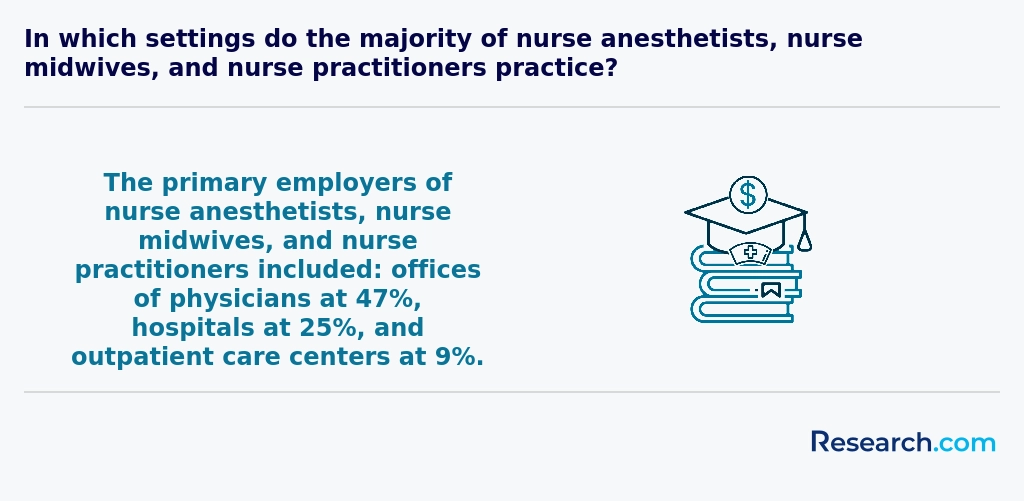
Additionally, the Connecticut Nurses Association provides listings and guidance on clinical placements within the state. According to the Connecticut Department of Public Health, over 90% of registered nurses work in hospital or outpatient care settings, making these facilities prime locations for internships.
Local health systems such as Yale New Haven Health and Hartford HealthCare routinely offer clinical internships for nursing students. Students are advised to apply early and maintain clear communication about their program requirements to secure valuable hands-on experience.
Obtaining an online nursing degree in Connecticut significantly enhances career mobility and advancement opportunities. Registered nurses with a bachelor's degree or higher are favored for leadership roles and specialized positions, supported by the Connecticut Department of Labor's data showing 15% faster job growth in nursing management by 2030.
Online programs provide flexibility for working nurses to earn advanced degrees like BSN or MSN without interrupting employment. This flexibility aligns with the state's increasing demand for highly educated nurses in hospitals and outpatient settings.
Additionally, the Connecticut Board of Examiners for Nursing requires accredited degrees for advanced practice roles, making online degrees from accredited institutions a key pathway for promotions and higher salaries.
Studying for a nursing degree in Connecticut offers students a strong foundation in interdisciplinary healthcare, which is critical in today's collaborative medical environments. Connecticut nursing programs integrate curriculum that emphasizes teamwork among nurses, physicians, social workers, and other health professionals. This prepares students to communicate effectively across disciplines and contribute to patient-centered care.
Many Connecticut schools align with guidelines from the American Association of Colleges of Nursing, promoting skills in leadership, ethics, and evidence-based practice. According to the Connecticut Department of Public Health, nearly 60% of nurses work in team-based settings where collaboration directly improves patient outcomes. Online programs also include simulation labs and case studies that mirror real-world healthcare scenarios, enhancing problem-solving skills within multidisciplinary teams.
Choosing between a thesis and a non-thesis nursing degree program in Connecticut depends on your career goals and learning preferences. Thesis programs typically focus on research and prepare students for doctoral studies or roles in academic nursing. These programs require completing a substantial research project.
Non-thesis options usually emphasize practical skills and clinical knowledge, ideal for nurses aiming for advanced clinical roles or leadership positions. According to the Connecticut Center for Nursing Workforce, about 30% of nursing students pursue graduate education aligned with clinical practice.
Consider whether you prefer independent research or applied learning when selecting a program.
Students based in Connecticut interested in studying nursing abroad generally face limited direct options due to licensing and accreditation requirements. Most nursing programs abroad may not meet the U.S. standards necessary for licensure by the Connecticut Board of Examiners for Nursing. However, some students choose international partnerships or study-abroad opportunities offered through accredited U.S. institutions with online nursing degrees.
These programs allow students to complete coursework remotely while participating in clinical experiences locally or abroad with approved affiliations. According to the Connecticut Center for Nursing Workforce, around 15% of RNs in the state hold degrees from out-of-state or international programs, highlighting some pathways available.
Students must verify that foreign coursework is recognized by the Commission on Collegiate Nursing Education (CCNE) or the Accreditation Commission for Education in Nursing (ACEN) to ensure eligibility for the NCLEX-RN exam in Connecticut.
Part-time job opportunities in Connecticut can greatly complement nursing degree education by providing practical experience alongside academic learning. Common roles include certified nursing assistant (CNA), home health aide, or medical scribe positions. These jobs help build clinical skills and patient interaction experience necessary for registered nursing roles.
According to the Connecticut Department of Labor, CNAs earn an average hourly wage of $15 to $18, making this a financially viable option for students. Additionally, hospitals and long-term care facilities in Connecticut often offer flexible shifts that accommodate class schedules.
These positions not only strengthen resumes but also improve understanding of healthcare environments, easing the transition from study to professional practice. Students should consider workplaces affiliated with Connecticut's major health systems, such as Yale New Haven Health or Hartford HealthCare, to maximize networking possibilities.
Online nursing students in Connecticut have access to a variety of networking opportunities that support their academic and professional growth. Many accredited programs offer virtual events, webinars, and discussion groups that connect students with faculty and peers statewide. These platforms facilitate knowledge sharing and foster professional relationships.
Connecticut's strong healthcare industry means students can also engage with local nursing associations like the Connecticut Nurses Association, which offers networking events and continuing education. According to the Connecticut Department of Labor, nurses represent a significant workforce segment, enhancing local job connections.
Additionally, partnerships between schools and regional hospitals provide clinical placements and mentorship, strengthening students' professional networks despite their remote status.
Alumni networks offer significant advantages to students pursuing online nursing degrees in Connecticut. These networks connect current students with graduates who have firsthand experience in the state's healthcare environment. Such connections often lead to valuable mentoring opportunities, helping students navigate certification exams like the NCLEX-RN and local licensing requirements.
Moreover, alumni networks frequently share job openings within Connecticut's robust healthcare sector, including major hospitals like Yale New Haven and Hartford HealthCare. According to the Connecticut Center for Nursing Workforce, networking increases employment rates for nursing graduates by nearly 20%.
By participating in alumni events-both virtual and in-person-students expand their professional relationships, which is crucial for career advancement in nursing.
Customizing an online nursing degree program in Connecticut allows students to tailor their education according to their career goals. Many Connecticut institutions offer flexible degree tracks such as RN-to-BSN, MSN, or specialized certifications in areas like gerontology or pediatric nursing. Students can often choose elective courses or clinical practice sites to align with desired specialties or local healthcare needs.
Connecticut's nursing workforce is expected to grow by 15% from 2020 to 2030, according to the U.S. Bureau of Labor Statistics, emphasizing diverse career opportunities. Online programs typically provide academic advising to help students select the best courses, ensuring practical experience and knowledge relevant to the state's healthcare environment.
Online nursing students in Connecticut often face several challenges unique to the state's educational and clinical environment. One primary difficulty is balancing clinical hour requirements with remote learning. Connecticut's Board of Examiners for Nursing mandates a specific number of hands-on practice hours, which can be hard to arrange alongside online coursework. According to the Connecticut Center for Nursing Workforce, scheduling clinical placements remains a significant hurdle.
Another challenge is accessing reliable internet and technology, especially for students in rural areas. Additionally, many students report difficulty staying motivated without in-person support, affecting their retention and success rates. Limited local networking opportunities can also impact professional growth.
With an online nursing degree in Connecticut, graduates can pursue several professional certifications to advance their careers. Common certifications include the Registered Nurse (RN) license, required to practice nursing in the state, which is administered by the Connecticut Board of Nursing.
Further specialization options include the Certified Nurse Practitioner (CNP) and Clinical Nurse Specialist (CNS) credentials, available through national bodies like the American Nurses Credentialing Center (ANCC). These certifications often require additional clinical experience and passing a standardized exam.
Connecticut nurses may also seek certifications in areas like pediatric nursing, gerontology, and critical care, which enhance career opportunities and salary potential. According to the Connecticut Nurses Association, specialty certifications are linked to improved patient outcomes and higher nurse retention rates.
To write a winning application for an online nursing program in Connecticut, start by carefully researching each school's requirements. Many programs require a minimum GPA of 3.0 and specific prerequisite courses such as anatomy and physiology. Highlight your relevant experience, such as healthcare work or volunteer service, which can strengthen your candidacy.
Personal statements are crucial; clearly explain your motivation for nursing and your commitment to the profession. According to the Connecticut Board of Nursing, programs value applicants who demonstrate strong interpersonal skills and a clear understanding of the nursing role within the state's healthcare system.
Be sure to submit all documents on time, including transcripts, letters of recommendation, and proof of any certifications like CPR. Attention to detail and professionalism in your application reflect your seriousness as a candidate.
Finally, familiarize yourself with Connecticut's nursing workforce trends, which is one of the fastest-growing sectors in the region, to align your goals with local healthcare needs.
Globally, a nursing career is valued as essential to healthcare systems, with growing demand due to aging populations and increased chronic illnesses. In the United States, including Connecticut, nursing offers strong job security and competitive salaries. The U.S. Bureau of Labor Statistics projects a 9% growth in registered nurse employment from 2022 to 2032, signaling robust opportunities.
Connecticut reflects this trend, with the Connecticut Department of Public Health reporting continued demand for nurses, driven by an expanding elderly population. Online nursing degrees allow students in Connecticut to access flexible education, preparing them to meet both local and global healthcare challenges.
Gaining practical experience is a crucial part of online nursing degree programs in Connecticut. Though coursework is completed remotely, students must participate in clinical rotations. These are arranged at approved healthcare facilities across the state, including hospitals, clinics, and nursing homes.
Clinical hours allow students to apply theory to real-world nursing tasks under supervision. The Connecticut Board of Nursing mandates a minimum number of clinical hours for licensure, often around 500 to 700 hours depending on the program level.
Many Connecticut schools maintain partnerships with local medical centers to help students secure quality clinical placements. Students should confirm that their program offers local affiliations to reduce travel burdens during clinicals.
Additionally, volunteering or working as a nursing assistant can supplement practical knowledge and improve job prospects. The Connecticut Department of Labor reports steady demand for nursing assistants, making this a viable option for hands-on experience.
Choosing the right concentration within an online nursing degree program in Connecticut begins with understanding the state's healthcare needs and job market. Connecticut's Department of Labor reports a demand growth of about 7% for registered nurses through 2028, particularly in geriatrics and community health settings. Consider your personal interests and strengths, whether in acute care, pediatrics, or public health. Additionally, evaluate program accreditation and clinical placement opportunities to ensure quality training.
Review specialties aligned with Connecticut's priority areas such as elder care, since the state has a higher percentage of residents aged 65 and older compared to the national average, according to the U.S. Census Bureau. Networking with local healthcare providers or nursing organizations can also offer insight into lucrative concentrations.
Related Nursing Rankings for Nearby States
- 2027 Most Valuable Online Nursing Degree Programs Ranking in New York
- 2027 Most Valuable Online Nursing Degree Programs Ranking in Massachusetts
- 2027 Most Valuable Online Nursing Degree Programs Ranking in New Jersey
- 2027 Most Valuable Online Nursing Degree Programs Ranking in Pennsylvania
- 2027 Most Valuable Online Nursing Degree Programs Ranking in Virginia
- 2027 Most Valuable Online Nursing Degree Programs Ranking in Ohio
- 2027 Most Valuable Online Nursing Degree Programs Ranking in Kentucky
- 2027 Most Valuable Online Nursing Degree Programs Ranking in North Carolina
- 2027 Most Valuable Online Nursing Degree Programs Ranking in South Carolina
- 2027 Most Valuable Online Nursing Degree Programs Ranking in Tennessee
Top Trending Nursing Rankings
See What Experts Have To Say About Studying Nursing
Read our interview with Nursing experts

Lisa Grubb
Nursing Expert
Assistant Professor
Johns Hopkins School of Nursing

References
- How to Choose the Right Nursing Program for Your Career Goals - Maria College https://mariacollege.edu/blog/how-to-choose-the-right-nursing-program-for-your-career-goals
- Nurse Salary https://nursinglicensemap.com/resources/nurse-salary/
- The Nurses' Alumni Association https://giving.mainlinehealth.org/get-involved/auxiliaries-and-womens-boards/lankenau-medical-center-womens-board/the-nurses-alumni-association
- Career Advancement Pathways for Nurses : Expert RN shares 10+ Professional growth opportunities - MuminMed https://blog.muminmed.com/career-advancement-pathways-for-nurses/
- Tips for Creating a Perfect Nursing School Application https://www.allnursingschools.com/articles/how-to-create-the-perfect-nursing-school-application/
- Top Skills Employers Want in Practical Nursing Graduates https://vervecollege.edu/what-employers-look-for-in-practical-nursing-graduates/
- What Are the Best RN Certifications for Your Career? https://credenzahealth.com/career-advice/what-are-the-best-rn-certifications-for-your-career
- Online Nursing Prerequisites: Complete Guide & Cost Savings | StraighterLine https://www.straighterline.com/blog/which-online-nursing-prerequisites-should-you-take-online
- Connecticut Nurses Foundation Nursing Scholarship https://ctnursesfoundation.org/scholarships/nursing-scholarship/
- What Nursing Concentration Is Right for Me? | Maryville Nursing https://nursing.maryville.edu/blog/what-nursing-concentration-is-right-for-me


