
2027 Most Valuable Nursing Degree Programs Ranking in Utah

Co-Founder and Chief Data Scientist
Choosing the right nursing degree program can shape your future in meaningful ways. This article introduces the 2027 Most Valuable Nursing Degree Programs Ranking in Utah, created by the Research.com team of data scientists. It aims to guide students like you toward informed decisions about nursing education.
Discover programs that offer strong value, helping you launch a rewarding career in healthcare. Reading this article empowers you to explore options confidently and take a positive step toward making a difference in your community.
Key benefits of getting nursing degree in Utah
- Nursing degree graduates in Utah can earn a mean annual wage of $94,480 for roles like Registered Nurse and Public Health Nurse, while Operating Room Nurses enjoy higher salaries around $128,490, reflecting strong financial rewards.
- Graduates from Utah's well-known nursing programs often find diverse career paths, including clinical nursing, health education, and emergency care, providing exciting opportunities to grow and make a real impact.
- Online nursing degrees from Utah universities offer flexible learning schedules and allow you to balance work or family, making it easier to achieve your goals without sacrificing your lifestyle.
- Key benefits of getting nursing degree in Utah
- What can I expect from nursing degree in Utah?
- Where can I work with nursing degree in Utah?
- How much can I make with nursing degree in Utah?
- 2027 Most Valuable Nursing Degree Programs Ranking in Utah
- Key Findings
- How long does it take to complete nursing degree in Utah?
- Most Critical Factors to Consider When Selecting a Nursing Program in Utah
- What's the difference between online and on-campus nursing degree?
- Accreditation and NCLEX Pass Rates
- What is the average cost of nursing degree in Utah?
- Utah Nursing Licensure and Certification Requirements
- What financial aid is available to nursing degree students in Utah?
- Student Support Services and Campus Resources
- What are the prerequisites for enrolling in nursing degree program in Utah?
- Licensing and Certification Process in Utah
- What courses are typically in nursing degree programs in Utah?
- What types of specializations are available in nursing degree programs in Utah?
- How do you choose the best nursing degree in Utah?
- What career paths are available for nursing degree students in Utah?
- What is the job market for nursing degree in Utah?
- Related Nursing Rankings for Nearby States
- Top Trending Nursing Rankings
- See What Experts Have To Say About Studying Nursing
What can I expect from nursing degree in Utah?
When considering the cost of a nursing degree in Utah, many students find the reality both surprising and encouraging. Graduates from institutions like the University of Utah or Weber State often recount that tuition fees for public universities remain relatively accessible, especially for in-state students, making an Associate Degree in Nursing or a Bachelor of Science in Nursing financially feasible. For example, a public university attendee typically budgets for moderate tuition paired with manageable fees, contrasted with out-of-state or private options where costs rise notably.
Financial aid and scholarships targeted at nursing students-state-funded and private-significantly ease the burden. Graduates frequently recall how these supports turned what seemed a daunting investment into an achievable goal, allowing them to focus on hands-on clinical experience rather than financial stress. This balance between cost and quality education underscores a crucial truth: in Utah, pursuing nursing can be both a wise personal and professional investment, grounded in real-world affordability and opportunity.
Where can I work with nursing degree in Utah?
Graduates from nursing programs at institutions like the University of Utah and Weber State find themselves welcomed into an array of dynamic healthcare settings across the state, challenging the idea that nursing limits you to hospitals alone. Imagine stepping into University of Utah Health's busy emergency department, where new nurses quickly learn to make impactful decisions in fast-paced environments. Others discover meaningful roles in community clinics, working closely with families to prevent illness and manage chronic conditions-a chance to build lasting relationships beyond hospital walls.
Many graduates express unexpected fulfillment working in long-term care facilities or home health, where personal connections with elderly or homebound patients create profound professional and emotional rewards. Nursing in Utah also stretches into public health and schools, supporting statewide health initiatives that truly shape communities.
This variety reflects not only Utah's expanding healthcare needs but the real stories of graduates who embrace nursing as a career of flexibility, care, and continuous growth-proof that a nursing degree here opens doors far beyond what you might expect.
How much can I make with nursing degree in Utah?
Graduates from nursing programs at institutions like the University of Utah or Weber State University often discover their degrees open doors to promising salaries across the state. For example, entry-level registered nurses typically see mean annual wages near $94,480, a number supported by positions such as clinical nurse educator, emergency room nurse, and public health nurse, all sharing similar pay scales. This challenges the notion that early-career nursing roles are financially limited in Utah's healthcare landscape.
Some nursing graduates push further, specializing as operating room nurses and raising their earning potential to an impressive $128,490 annually. Picture a recent graduate from Utah Valley University advancing quickly into these specialized roles, finding their education pays off not just emotionally but significantly in their paycheck.
Utah's growing demand for skilled nurses reinforces this trend, blending steady job security with competitive wages. The state's moderate living costs amplify the financial comfort these salaries provide, allowing graduates to envision fulfilling careers without sacrificing lifestyle.
2027 Most Valuable Nursing Degree Programs Ranking in Utah
How do we rank schools?
Investing in your education is a significant decision that can profoundly impact your future, and the Research.com team recognizes the importance of making well-informed choices. To support prospective students in Utah, we have carefully developed the "2027 Most Valuable Nursing Degree Programs Ranking in Utah." Our dedication to quality, credibility, and accuracy is demonstrated through rigorous research and thorough analysis.
We utilized the following reputable data sources to ensure a comprehensive evaluation of nursing programs in Utah:
By reviewing this ranking, readers will gain valuable insights into the most valuable nursing degree programs in Utah, empowering them to make thoughtful decisions about their education and career paths. For a deeper understanding of how this ranking was created, please visit our Research.com methodology page.
# 1 position
Western Governors University
Master of Science in Nursing

# 2 position
Western Governors University
Bachelor of Science in Nursing

# 4 position
Weber State University
Master of Science in Nursing


# 6 position
Weber State University
Bachelor of Science in Nursing



# 14 position
Nightingale College
Bachelor of Science in Nursing

# 15 position
Provo College
Bachelor of Science in Nursing


# 17 position
Eagle Gate College-Layton
Bachelor of Science in Nursing

# 18 position
Arizona College of Nursing-Salt Lake City
Bachelor of Science in Nursing

# 19 position
Eagle Gate College-Murray
Bachelor of Science in Nursing

# 20 position
Rocky Mountain University of Health Professions
Master of Science in Nursing

Key Findings
- Nursing degrees in Utah range from associate degrees (ADN) to bachelor's degrees (BSN) and advanced degrees like MSN or DNP.
- Tuition for BSN programs at public universities typically costs between $6,000 and $12,000 per year for in-state students, while ADN programs at community colleges usually range from $4,000 to $8,000 annually.
- Private nursing schools may charge more than $20,000 per year, and additional costs include textbooks, uniforms, and certification fees.
- Starting salaries for new registered nurses in Utah average about $60,000 per year, with mid-career nurses earning between $75,000 and $85,000 annually.
- Advanced practice nurses often earn more than $100,000 annually, reflecting high demand for specialized nursing skills.
- The nursing job market in Utah is expected to grow by 15% through 2030, with strong demand across both urban and rural areas.
How long does it take to complete nursing degree in Utah?
Completing a nursing degree in Utah varies, but the timeline often surprises many aspiring nurses. Graduates from community colleges and technical schools usually finish an Associate Degree in Nursing (ADN) in just 2 to 3 years, enabling them to quickly enter the workforce as Registered Nurses. Imagine starting clinical rotations at places near Salt Lake City within a couple of years, ready to make a real impact.
For those attending universities like the University of Utah or Brigham Young University, the Bachelor of Science in Nursing (BSN) typically demands a 4-year commitment. Graduates frequently reflect on how the extended program, blending leadership and research, prepared them for more advanced roles in the healthcare system.
Many ADN holders choose to transition through RN-to-BSN bridge programs, which take 1 to 2 years. This flexibility makes it possible for working nurses across Utah to balance life and studies, feeling empowered as they climb the professional ladder without pausing their careers.
Most Critical Factors to Consider When Selecting a Nursing Program in Utah
When choosing a nursing program in Utah, several critical factors come into play that can significantly impact one's educational journey and future career prospects. Among these, the cost of the program and the availability of financial aid are paramount. Prospective students should research thoroughly to understand the total cost of attendance, including tuition, fees, and living expenses, and explore options such as scholarships, grants, and loans. For instance, considering the affordability of a program is crucial, and looking into an affordable nursing school in Utah can be a sensible step. Furthermore, accreditation, program length, curriculum, clinical opportunities, and graduation and job placement rates are also essential considerations. Each of these factors contributes to the overall quality of the nursing program and its ability to prepare students for the challenges of the healthcare field. By carefully evaluating these aspects, prospective nursing students in Utah can make informed decisions that align with their career aspirations and personal circumstances, ultimately leading to a rewarding and successful career in nursing.
What's the difference between online and on-campus nursing degree?
Online and on-campus nursing degrees in Utah present distinct experiences that go beyond mere convenience. Graduates from the University of Utah often describe their on-campus journey as deeply immersive, filled with face-to-face mentoring and real-time collaboration during clinical hours at local hospitals. The hands-on, immediate feedback cultivates confidence, making learning feel tangible and connected.
In contrast, those who pursued online nursing at Weber State University recall juggling coursework around family and jobs, appreciating the flexibility but also noting the challenge of maintaining self-discipline. Even with online formats, the necessity of local clinical placements demands active coordination, blending remote theory with in-person practice in Utah's community clinics.
Financially, while online study might hint at savings in commuting or housing, tuition for both modes stays similar due to costly clinical requirements. Yet the choice hinges on personal style: the on-campus student thrives in structured, collaborative environments, whereas the online learner embraces autonomy and adaptability, each path crafted around Utah's licensing standards ensuring equal professional readiness.
Accreditation and NCLEX Pass Rates
Choosing a nursing program means verifying its accreditation and student success on the NCLEX-RN exam. Accredited programs meet rigorous standards and higher NCLEX pass rates signal strong curriculum and clinical preparation.
- Check for accreditation by the Commission on Collegiate Nursing Education (CCNE) or the Accreditation Commission for Education in Nursing (ACEN); this ensures your degree is recognized by employers and licensing boards.
- Review NCLEX-RN first-time pass rates; top Utah programs often exceed the state average of 90%, reflecting quality instruction and support.
- Confirm that clinical partnerships align with your career goals, providing hands-on experiences in hospitals, community clinics, or specialized care settings.
- Explore affordable BSN completion options after an ADN through the cheapest rn to bsn pathway, balancing cost with program quality.
What is the average cost of nursing degree in Utah?
The average cost of a nursing degree in Utah can vary significantly depending on your choice of institution and residency status, but the median total cost hovers around $31,768. For in-state students pursuing a nursing program, particularly at well-regarded public universities like the University of Utah or Weber State University, the median total cost is much lower, approximately $9,620. Many graduates recall feeling a sense of relief knowing that studying nursing locally helped them manage expenses without sacrificing quality education.
Community colleges such as Salt Lake Community College also attract many aspiring nurses due to lower tuition fees and efficient Associate Degree in Nursing (ADN) programs, which offer a practical path without long-term financial burdens. But even with these savings, students often confront ancillary expenses like books, supplies, and clinical fees, which cumulatively add up-an important detail often overlooked in casual budgeting.
For those weighing private nursing schools, with tuition ranging from $20,000 to $40,000 annually, the investment is undoubtedly higher but sometimes translates into accelerated paths or additional resources. Prospective students should reflect deeply on the return on investment while estimating total costs. Based on Utah nursing program tuition fees and total costs, it's clear that financial aid, scholarships, or programs such as the Utah Nurse Educator Incentive Program can be vital for making nursing degrees more accessible.
Students looking for an affordable nursing school in Utah often find themselves balancing hope, careful financial planning, and ambition, knowing that a nursing degree is not just a cost but a long-term investment in a meaningful career.
Utah Nursing Licensure and Certification Requirements
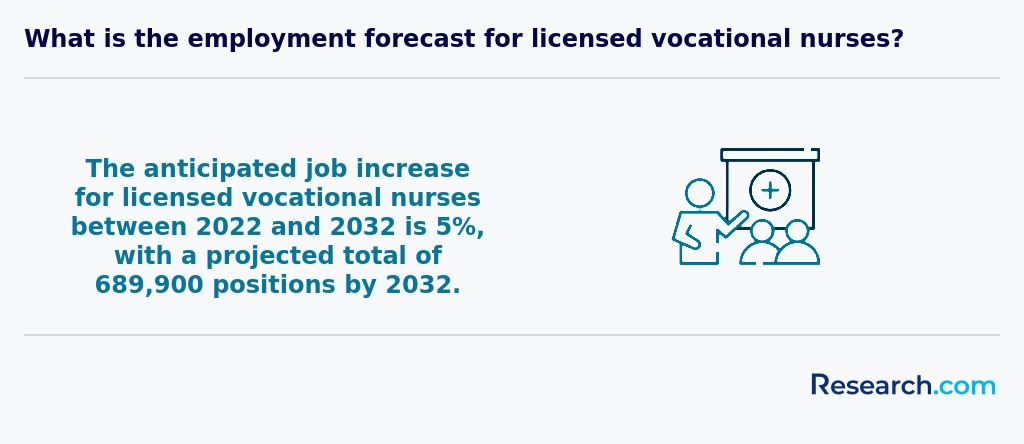
After completing a nursing degree in Utah, graduates must meet specific licensure requirements set by the Utah Division of Occupational and Professional Licensing (DOPL) to practice as a Registered Nurse (RN) or Licensed Practical Nurse (LPN). The process begins with applying for eligibility to take the NCLEX-RN or NCLEX-PN exam, administered by the National Council of State Boards of Nursing (NCSBN). Key steps include: • Eligibility Application: Submit an online application to DOPL, including official transcripts, identification, and fees. • Background Check and Fingerprinting: Complete a criminal background check and fingerprinting via an approved vendor; results must be received before scheduling the NCLEX. • NCLEX Examination: Upon approval, register with Pearson VUE, schedule, and pass the NCLEX-RN or NCLEX-PN exam. Utah’s recent NCLEX-RN first-time pass rate of 87% underscores the importance of robust exam preparation integrated into accredited programs. • License Issuance: Once the NCLEX result is approved by DOPL, the official RN or LPN license is issued. Graduates may verify licensure status online via the Utah DOPL license lookup portal. Maintaining an active license in Utah requires renewal every two years, completion of continuing education units (CNEs), and adherence to professional conduct standards. Nurses must complete at least 24 contact hours of DOPL-approved CNEs and submit a renewal application with fees. For those exploring alternative pathways or considering out-of-state online programs, compare options like our Affordable Online Nursing Degree Programs Ranking in Tennessee to ensure curriculum alignment with Utah’s licensure criteria.
What financial aid is available to nursing degree students in Utah?
Many nursing students in Utah find financial aid to be not just helpful but transformative. At institutions like the University of Utah or Weber State University, students often rely on the Free Application for Federal Student Aid (FAFSA) to unlock opportunities such as the Pell Grant, which can cover up to $7,395 annually without any repayment burden. One graduate reflected on how this crucial support turned what seemed like an impossible tuition cost of around $8,500 per year for residents into an achievable goal.
State-driven scholarships from the Utah Board of Higher Education and the Office of Nursing Workforce further ease financial pressure, especially for those willing to serve in rural or underserved areas. For example, a graduate from Utah Valley University shared how receiving a scholarship tied to nursing workforce needs encouraged them to work in a high-demand community, turning financial aid into a purposeful career launchpad.
Loan forgiveness programs also reshape the post-graduation experience. Federal and state initiatives like the Nurse Corps Loan Repayment Program allow students to erase up to 85% of their loans by working in critical shortage areas, a lifeline echoed in numerous success stories from Utah nursing alumni.
Even employer tuition reimbursement, common in Utah's healthcare facilities, represents a deeply personal investment in future nurses, often felt as a vote of confidence and belonging in the local healthcare community. This mosaic of aid makes the dream of nursing education in Utah not just affordable but profoundly encouraging.
Student Support Services and Campus Resources
University and college nursing programs in Utah typically offer robust support services designed to help students navigate academic and personal challenges. From dedicated nursing advisors who guide coursework planning and licensure preparation, to simulation labs equipped with high-fidelity manikins, these resources ensure hands-on practice mirrors real clinical settings. Students can also access 24/7 online tutoring, writing centers, and mental health counseling to maintain well-being throughout rigorous clinical rotations. Career services teams coordinate on-site job fairs, alumni mentorship programs, and resume workshops that connect graduates with leading healthcare employers across the state. For those exploring flexible pathways, many institutions partner with accredited platforms to deliver an online lpn curriculum, integrating virtual simulations with interactive faculty feedback. By leveraging these comprehensive support systems, nursing students in Utah can build confidence, master critical skills, and transition seamlessly into professional roles.
What are the prerequisites for enrolling in nursing degree program in Utah?
To enroll in a nursing degree program in Utah, students must first secure a high school diploma or GED-this foundational step is non-negotiable. Imagine a graduate from a well-known Utah community college who credits their rigorous high school science classes, including biology with lab and chemistry, as the bedrock of their success in the ADN program.
Beyond that, Utah nursing programs often expect completion of key courses such as algebra or higher-level math, anatomy and physiology, and sometimes microbiology. These aren't just boxes to check; they prepare you for the real-world challenges faced during clinical rotations at hospitals across Utah.
Many programs, like those at popular universities in Utah, require a minimum GPA around 2.5 to 3.0, reflecting the competitive nature and dedication needed. Graduates recall the TEAS exam as a decisive hurdle-testing reading, math, science, and English-to ensure readiness.
Additional requirements such as immunization records, CPR certification, and background checks may seem tedious but are crucial for safe, trustworthy patient care. Hands-on healthcare experience, whether volunteering or paid work, often distinguishes the most prepared and confident nursing students navigating Utah's healthcare landscape.
Licensing and Certification Process in Utah
Before you can practice as a registered nurse in Utah, you must complete the state’s licensing and certification requirements, which ensure your readiness to deliver safe, high-quality care. The process includes: 1. NCLEX-RN Examination • Eligibility: Upon graduation from an ACEN or CCNE-accredited program, submit your application through the Utah Division of Occupational and Professional Licensing (DOPL). • Registration: Register with Pearson VUE and schedule your NCLEX-RN exam. Aim for a testing date within three months of graduation to maintain momentum. • Preparation: Leverage review courses, practice questions, and study groups. Many candidates find success by adhering to a structured study plan and simulated testing conditions. 2. State Application and Background Check • Application Fees: Pay the DOPL application fee and Pearson VUE exam fee. • Fingerprinting: Complete a fingerprint‐based background check as required by Utah law. • Documentation: Provide official transcripts, proof of citizenship or legal residency, and any required affidavits. 3. Endorsement for Out-of-State Graduates • Verification: If you hold a valid license elsewhere, request verification from your original state board. • Utah Requirements: Submit DOPL’s endorsement application and meet any additional continuing education or jurisprudence examination requirements. 4. Advanced Practice Certification (Optional) • After RN licensure, consider pursuing a Doctor of Nursing Practice (DNP). For accelerated advanced practice, explore the fastest online dnp program to expand your clinical authority and leadership scope. 5. Renewal and Continuing Education • Renewal Cycle: Utah RNs must renew every two years. • CE Credits: Complete at least 30 hours of approved continuing education, including cultural competency and opioid training modules. By understanding and completing these steps, you’ll transition smoothly from student to licensed professional, equipped to meet Utah’s healthcare needs with confidence and competence.
What courses are typically in nursing degree programs in Utah?
Nursing degrees in Utah immerse students in a curriculum that goes far beyond basic science, demanding a deep understanding of human health in all its complexity. Graduates from well-known Utah institutions often recall their first encounters with courses like anatomy and physiology, where they translated textbook diagrams into real-life patient interactions during clinical rounds. These foundational subjects build the intricate knowledge needed to recognize subtle changes in a patient's condition.
Specialized courses like health assessment and pharmacology challenge students to sharpen their observational and decision-making skills, crucial when faced with urgent care scenarios in bustling Utah hospitals. For example, students often share how adult and pediatric nursing classes prepare them emotionally and technically for the diverse needs of patients, from newborns to the elderly.
Beyond the physical realm, mental health nursing and community health emphasize empathy and cultural awareness-skills graduates describe as transformative when working in Utah's unique communities. Each course is designed to not only teach concepts but to evoke a sense of responsibility and confidence, empowering students to step into their roles as future leaders in healthcare.
What types of specializations are available in nursing degree programs in Utah?
Exploring nursing degree specializations in Utah reveals pathways tailored to meet both personal passions and the state's healthcare demands. Graduates from the University of Utah often share how choosing the Family Nurse Practitioner (FNP) track transformed their ability to provide independent primary care, sparking a deep sense of fulfillment working across diverse communities. Others at Utah Valley University recall immersing themselves in Pediatric Nursing, connecting emotionally with young patients and their families in ways that conventional nursing roles rarely allow.
Utah nursing programs with clinical focuses also emphasize niche areas like Geriatric Nursing, responding directly to the growing senior population's unique health needs. Many graduates describe their clinical rotations in rural settings, where they rapidly gain hands-on experience that challenges and sharpens their skills beyond the classroom.
For those considering flexible options, public universities in Utah provide cost-effective choices and bridges to specialize further. Some students transition through pathways such as RN to BSN or even extend into online lpn programs elsewhere, adding versatility to their career options.
How do you choose the best nursing degree in Utah?
Choosing the best nursing degree in Utah goes beyond ticking checkboxes; it demands reflecting on your long-term career vision and lifestyle. Graduates from Utah's well-regarded state universities often recall how their Bachelor of Science in Nursing (BSN) opened doors to leadership roles and high-demand registered nurse positions, thanks to the increasing preference for BSN-educated nurses by healthcare employers.
Many students enrolling in affordable nursing degrees Utah programs at community colleges found the Associate's Degree in Nursing (ADN) a practical stepping stone, balancing costs between $3,000 and $5,000 annually with hands-on learning through partnerships with institutions like Intermountain Healthcare. Their clinical experiences were transformative, enhancing confidence and readiness for fast-paced hospital environments.
Don't overlook program flexibility-working students appreciated part-time and online options offered by some schools. Also, exploring nursing paths can lead even beyond traditional routes. For example, some graduates chose the fastest online dnp program to accelerate advanced practice careers, showing that thoughtful choices align education with personal ambitions in unexpected ways.
What career paths are available for nursing degree students in Utah?
Graduates from nursing programs in Utah find themselves stepping into a diverse tapestry of opportunities that defy the simplistic notion of nursing as just bedside care. Popular universities like the University of Utah and Brigham Young University demonstrate how alumni move seamlessly into roles as Registered Nurses (RNs), where their educational foundation supports a wide array of clinical environments-from bustling urban hospitals to intimate community health centers. These Utah nursing degree job prospects reflect an evolving landscape shaped by the state's growing population and healthcare demands.
Many graduates challenge themselves by pursuing specialties found at institutions across Utah, transforming into Nurse Practitioners or Clinical Nurse Specialists with advanced degrees. Consider a graduate who transitions from routine hospital work to becoming a Public Health Nurse, passionately advocating for disease prevention in underserved communities. Others delve into leadership as healthcare administrators or educators, driven by the desire to influence policy or train the next generation of nurses. For those weighing the cost and career outcomes, the Affordable Online Nursing Degree Programs Ranking in Tennessee often serves as a comparative benchmark inspiring Utah students to explore accessible pathways.
Nursing career opportunities in Utah are not just about stability but also about crafting meaningful narratives in professional growth. Graduates cherish the chance to specialize as Nurse Anesthetists or Nurse Midwives, roles that demand dedication yet yield profound personal fulfillment. Every choice in Utah's nursing field reflects a conscious decision to contribute uniquely to healthcare. This dynamic, multifaceted approach emphasizes that nursing in Utah transcends common expectations, offering graduates a fertile ground for impactful, rewarding careers.
What is the job market for nursing degree in Utah?
Graduates of nursing programs in Utah find a job market that is robust and adaptable, shaped by the state's growing population and persistent healthcare demands. Those earning degrees from renowned institutions like the University of Utah or Brigham Young University often share stories of landing positions quickly in diverse settings-from bustling hospitals to community clinics in rural areas. The nursing job outlook in Utah suggests steady demand, especially as shortages persist in less urban regions, offering ample opportunities for new nurses eager to make a tangible impact.
Students reflect on the appeal of affordable tuition ranges between $6,000 and $10,000 at public colleges, noting that this investment, combined with the state's competitive average nursing salaries, creates a promising foundation for financial and professional stability. Healthcare employment opportunities Utah-wide encourage aspiring nurses to pursue advanced degrees, which open doors to leadership roles. For those exploring options early, considering which 6-month course is good for getting a high salary job may complement their long-term planning with practical skills.
Frequently Asked Questions About nursing
Nursing students in Utah can maximize their learning experience by combining theoretical knowledge with practical training. Utah's nursing programs often include clinical rotations across diverse healthcare settings, which help students apply classroom concepts in real-world environments. According to the Utah Nurses Association, engaging actively in these rotations can significantly improve patient care skills and critical thinking.
Students should also take advantage of Utah's growing healthcare network, including facilities in Salt Lake City and Provo, to build professional connections. Participating in study groups and nursing organizations can enhance collaboration and peer support.
Additionally, staying current with Utah Board of Nursing requirements ensures smooth progress toward licensure. Utilizing online resources and simulation labs offered by many Utah nursing schools further enriches learning by providing hands-on practice.
The nursing field in Utah is evolving, with several emerging niches gaining importance. One notable area is **geriatric nursing**, driven by Utah's growing elderly population. According to the Utah Department of Health, the population aged 65 and older is expected to increase by 82% by 2040, creating a strong demand for nurses specialized in elder care.
Another promising niche is **telehealth nursing**, which has expanded rapidly since the COVID-19 pandemic. Nurses in this area provide remote patient monitoring and virtual consultations, helping improve access to care in Utah's rural communities.
Additionally, **psychiatric nursing** is growing to meet mental health needs statewide. The Utah Behavioral Health Plan highlights a rise in mental health service demand, emphasizing the role of psychiatric nurse practitioners.
Preparing for the job market after completing a nursing degree in Utah involves several key steps. First, graduates must obtain licensure by passing the NCLEX-RN exam, a requirement by the Utah Division of Professional Licensing. According to the Utah Department of Health, registered nurses in the state can expect a 19% employment growth through 2030, signaling strong demand.
Networking through clinical connections and Utah nursing associations provides access to job openings. Additionally, seeking internships or residencies can build practical experience. Understanding Utah's healthcare landscape, including opportunities in rural and urban areas, helps target applications effectively.
Continuing education or specialty certifications enhances employability in competitive fields like geriatrics or pediatrics.
Employers in Utah prioritize several key skills when hiring nursing degree graduates. Clinical competence is critical, as nurses must demonstrate strong patient care abilities aligned with state and national healthcare standards. According to the Utah Nurses Association, proficiency in electronic health records (EHR) systems is increasingly important in the region's hospitals and clinics.
Effective communication skills are essential for collaborating with medical teams and interacting with diverse patient populations. Critical thinking and problem-solving abilities also rank high, enabling nurses to make quick, accurate decisions in fast-paced environments.
Additionally, cultural competence is vital given Utah's growing and varied demographic makeup, as highlighted by the Utah Department of Health. Employers often look for graduates who show empathy, adaptability, and a commitment to lifelong learning.
Finding nursing internships in Utah involves several strategic steps. First, students should connect with their nursing program's career services or clinical placement office, which often maintain partnerships with local hospitals and clinics. Utah's healthcare sector is robust, with over 26,000 licensed nurses reported by the Utah Department of Commerce in 2023, creating many internship opportunities.
Many internships are available through major medical centers, such as the University of Utah Health and Intermountain Healthcare. Additionally, students can explore listings on statewide internship platforms like Utah's Department of Workforce Services.
Networking with healthcare professionals and joining local nursing associations like the Utah Nurses Association can also lead to internship placements.
A nursing degree significantly enhances career mobility and advancement opportunities for healthcare professionals in Utah. According to the Utah Department of Workforce Services, registered nurses with a Bachelor of Science in Nursing (BSN) report higher job prospects and earning potential compared to those with an associate degree.
Utah's growing healthcare industry emphasizes advanced degrees for leadership roles, such as nurse practitioners and clinical nurse specialists. Graduates holding a BSN or higher are often preferred for specialized positions, increasing upward career movement.
Moreover, Utah's nursing workforce demand is projected to increase by 12% through 2030, making continued education crucial for adaptability and long-term career growth.
Studying for a nursing degree in Utah equips students with skills essential for interdisciplinary healthcare teams. Utah's nursing programs emphasize collaboration with professionals from medicine, social work, and allied health fields. This approach reflects the state's growing emphasis on integrated patient care, supported by local health systems.
Students often engage in clinical rotations across diverse settings, gaining hands-on experience in teamwork and communication. According to the Utah Department of Health, nurses who graduate here demonstrate strong competencies in coordinating patient care.
Additionally, many Utah nursing curricula include courses on leadership and healthcare policy, preparing graduates to participate effectively in multidisciplinary problem-solving.
When choosing between a thesis and a non-thesis nursing degree program in Utah, consider your career goals and learning preferences. Thesis programs focus on research and require students to conduct original studies, which suits those interested in academic or research careers. Non-thesis options emphasize practical skills and coursework, often preferred by nurses aiming for clinical or administrative roles.
In Utah, the Utah Board of Nursing reports a growing demand for nurse leaders and educators, which may make thesis programs advantageous for some. However, non-thesis paths can be completed faster, supporting those who want to enter the workforce promptly.
Evaluate factors like program length, faculty expertise, and future aspirations before deciding.
Students based in Utah interested in studying nursing abroad have several options through partnerships between Utah institutions and foreign universities. Many Utah nursing programs, like those at the University of Utah and Utah State University, offer study abroad opportunities or clinical placements in countries such as Australia, the United Kingdom, and Canada. These programs allow students to gain valuable international clinical experience while earning credits toward their degree.
Utah's nursing workforce is growing, with a 12% increase expected by 2030 according to the Utah Department of Health. Gaining global exposure can enhance cultural competence, a skill highly valued in Utah's diverse healthcare settings. Prospective students should verify accreditation and licensing reciprocity when choosing programs to ensure seamless transition back into the U.S. nursing profession.
Students pursuing nursing degrees in Utah can benefit from various part-time job opportunities that complement their education and practical skills development. Positions such as certified nursing assistants (CNAs) or patient care technicians are common choices, offering hands-on experience in healthcare settings. According to the Utah Department of Workforce Services, these roles provide valuable exposure to clinical environments and improve patient interaction skills.
Additionally, roles in medical offices or clinics, such as medical receptionists or pharmacy technicians, can enhance administrative knowledge relevant to nursing careers. Working part-time in these capacities also allows students to network within the local healthcare industry.
These opportunities support nursing students' academic progression by blending theoretical knowledge with practical experience, which is vital given Utah's growing demand for skilled nurses, projected to increase by 15% through 2030, according to the Utah Board of Nursing.
Nursing students in Utah have access to a variety of networking opportunities that can enhance their education and career prospects. Many universities, such as the University of Utah and Utah Valley University, host nursing student organizations that connect members with peers and professionals in the field. These groups often arrange events like guest lectures, career fairs, and community health initiatives.
Professional associations like the Utah Nurses Association provide additional networking platforms, including conferences and workshops. According to the U.S. Bureau of Labor Statistics, Utah's nursing employment is projected to grow by 12% between 2020 and 2030, making these connections important for job placement and career development.
Alumni networks play a significant role in supporting nursing degree students in Utah. These networks connect current students with experienced graduates who have firsthand knowledge of the local healthcare industry. Through mentorship programs, alumni offer guidance on clinical placements and career opportunities, which is vital in Utah's competitive nursing job market.
According to the Utah Nurses Association, nearly 85% of nursing students find employment within six months of graduation, often influenced by alumni referrals. Alumni events also foster professional networking, enabling students to build relationships with potential employers and colleagues.
Such connections can lead to internships, job leads, and continuing education resources, enhancing students' chances of success after graduation.
Customizing a nursing degree program in Utah to fit your career goals involves selecting the right specialization and clinical experiences. Many Utah institutions offer options to focus on areas like gerontology, pediatrics, or psychiatric nursing, allowing students to tailor their studies toward specific populations.
Additionally, some programs provide flexible schedules, including part-time and online courses, helping working professionals balance education with career demands. Clinical practicum placements in local hospitals or community health centers enhance hands-on experience relevant to your interests.
According to the Utah Department of Health, nursing demand is high, especially in rural areas, so you might choose programs that prepare you for underserved communities. Collaborating with academic advisors can further refine your path for licensure and future certifications.
Nursing students in Utah face several notable challenges during their studies. One major hurdle is the highly competitive nature of nursing program admissions, driven by limited seats and growing demand, as reported by the Utah System of Higher Education. Clinical placement availability also presents difficulties, with some students struggling to secure quality hands-on experience due to shortages of clinical sites and preceptors.
Academic pressure is another concern. Rigorous coursework combined with clinical responsibilities can lead to stress and burnout. Data from the Utah Nurses Association highlight that mental health support services remain insufficient for many students. Additionally, balancing part-time work and family commitments with demanding study schedules adds to the challenges for many pursuing nursing degrees in Utah.
With a nursing degree in Utah, graduates can pursue various professional certifications that enhance career opportunities and expertise. The most common certification is the Registered Nurse (RN) license, which is required to practice nursing in the state. Beyond this, nurses may seek specialty certifications such as Certified Nurse Assistant (CNA), Licensed Practical Nurse (LPN), or advanced certifications like Nurse Practitioner (NP).
Additional certifications include the Certified Emergency Nurse (CEN) and Certified Pediatric Nurse (CPN). These credentials are governed by national boards such as the American Nurses Credentialing Center (ANCC) and recognized by Utah's Division of Occupational and Professional Licensing.
According to the Utah Department of Workforce Services, specialized certifications can increase job prospects in hospitals, clinics, and community health settings, where demand for qualified nurses continues to grow due to the state's population expansion.
To write a winning application for a nursing program in Utah, start by researching accredited schools recognized by the Utah Board of Nursing. Meeting minimum GPA requirements, typically around 3.0, is crucial, as many programs are competitive. Highlight relevant experience, such as healthcare volunteering or CNA certification, to demonstrate commitment. Strong letters of recommendation from healthcare professionals or instructors add credibility. Most programs, including those at the University of Utah and Utah Valley University, require a personal statement-use it to clearly express your passion for nursing and career goals. Finally, prepare thoroughly for any entrance exams like the TEAS to improve your chances.
Nursing as a career offers strong global opportunities, thanks to a worldwide demand for skilled healthcare professionals. In the United States, including Utah, the nursing workforce is expected to grow by 9% from 2020 to 2030, according to the Bureau of Labor Statistics. This growth reflects similar trends in many countries facing aging populations and healthcare challenges.
The global perspective highlights the mobility of nurses with U.S.-based qualifications, as accredited nursing degrees from Utah can open doors internationally. However, licensure requirements vary by country, requiring additional exams or certifications.
Utah nursing programs emphasize both clinical skills and cultural competence, preparing graduates to work in diverse environments and potentially abroad.
Gaining practical experience while studying for a nursing degree in Utah is an essential part of preparing for a career in healthcare. Most nursing programs in the state, including those accredited by the Utah Board of Nursing, integrate clinical rotations into their curriculum. These rotations typically take place in hospitals, clinics, and community health centers.
Students often complete hundreds of hours working alongside experienced nurses, which helps develop hands-on skills and patient interaction abilities. Additionally, internships and externships offered through partnerships with local healthcare providers are common opportunities for practical learning.
According to the Utah Nurses Association, practical clinical experience usually begins in the second year of study and is essential for licensing and certification exams, such as the NCLEX-RN. These experiences align with national standards, ensuring graduates are well-prepared for Utah's healthcare environment.
Choosing the right concentration within a nursing degree program in Utah involves considering personal interests, career goals, and local healthcare demands. Popular concentrations include pediatric, geriatric, psychiatric, and critical care nursing. According to the Utah Department of Health, specialties like geriatric nursing are increasingly important due to Utah's growing aging population.
Students should research job outlooks; for example, the U.S. Bureau of Labor Statistics projects a 15% growth in registered nurse employment in Utah through 2031, with higher demand in rural areas.
Additionally, consider program accreditation and clinical placement opportunities, which can impact licensure and employment.
Related Nursing Rankings for Nearby States
- 2027 Most Valuable Online Nursing Degree Programs Ranking in Texas
- 2027 Most Valuable Online Nursing Degree Programs Ranking in North Dakota
- 2027 Most Valuable Online Nursing Degree Programs Ranking in Kansas
- 2027 Most Valuable Online Nursing Degree Programs Ranking in Iowa
- 2027 Most Valuable Online Nursing Degree Programs Ranking in Missouri
- 2027 Most Valuable Online Nursing Degree Programs Ranking in Arkansas
- 2027 Most Valuable Online Nursing Degree Programs Ranking in Louisiana
- 2027 Most Valuable Online Nursing Degree Programs Ranking in Wisconsin
- 2027 Most Valuable Online Nursing Degree Programs Ranking in Illinois
- 2027 Most Valuable Online Nursing Degree Programs Ranking in Mississippi
Top Trending Nursing Rankings
See What Experts Have To Say About Studying Nursing
Read our interview with Nursing experts


References
- Types of Nursing Careers & Specialties https://nursinglicensemap.com/nursing-specialties/
- How Do Nurses Prepare to Work in a Multidisciplinary Team? | NursingEducation https://nursingeducation.org/insights/multidisciplinary-team/
- Essential Tips for Nursing Students to Advance Their Careers https://almanaltraining.com/essential-tips-for-nursing-students-to-advance-their-careers/
- What Nursing Concentration Is Right for Me? | Maryville Nursing https://nursing.maryville.edu/blog/what-nursing-concentration-is-right-for-me
- Nursing Internship and Externship Programs https://jobs.mayoclinic.org/nursinginternexternprograms
- Interdisciplinary Education and Practice https://www.aacnnursing.org/news-data/position-statements-white-papers/interdisciplinary-education-and-practice
- Do I Have to Write a Thesis to Complete a Master’s Degree in Nursing? https://www.bestmasterofscienceinnursing.com/faq/write-thesis-complete-masters-degree-nursing/
- How Much Does Nursing School Cost in Utah? Tuition Costs Per Pathway & Ways to Reduce Nursing School Costs https://nightingale.edu/blog/nursing-school-cost-utah.html
- Benefits of Attending Nursing School in Utah https://www.fortis.edu/blog/nursing/benefits-of-attending-nursing-school-in-utah.html
- Nursing Study Abroad Programs | Go Overseas https://www.gooverseas.com/study-abroad/nursing


