
2027 Most Affordable Public Health Degree Programs Ranking in Chicago

Co-Founder and Chief Data Scientist
Choosing the right public health degree program in Chicago can feel overwhelming. To help, the Research.com team of data scientists created the 2027 Most Affordable Public Health Degree Programs Ranking in Chicago. This ranking highlights affordable options, making it easier for you to find programs that fit your goals and budget.
Reading this article will guide you through top choices and empower you to make informed decisions. With a public health degree, you can build a meaningful career that helps communities thrive. Exploring these options is a positive step toward your future.
Key benefits of getting public health degree in Chicago
- Graduates with a public health degree in Chicago can pursue well-paying roles such as Environmental Health Specialist with a mean annual wage of $86,710 or Health Educator earning around $69,790, offering strong financial rewards.
- Public health degrees open doors to diverse careers in community health, safety, and education, as seen in graduates from the University of Illinois at Chicago who engage in impactful, community-focused roles.
- Online public health degrees, like those offered by DePaul University, provide flexibility and convenience, allowing students to balance work and study while accessing quality education tailored to their busy lifestyles.
- Key benefits of getting public health degree in Chicago
- What can I expect from public health degree in Chicago?
- Where can I work with public health degree in Chicago?
- How much can I make with public health degree in Chicago?
- 2027 Most Affordable Public Health Degree Programs Ranking in Chicago
- Key Findings
- How long does it take to complete public health degree in Chicago?
- Student Life and Campus Resources
- What's the difference between online and on-campus public health degree?
- What is the average cost of public health degree in Chicago?
- Return on Investment: Balancing Cost and Career Outcomes
- What financial aid is available to public health degree students in Chicago?
- Accreditation and Program Quality
- What are the prerequisites for enrolling in public health degree program in Chicago?
- What courses are typically in public health degree programs in Chicago?
- What types of specializations are available in public health degree programs in Chicago?
- How do you choose the best public health degree in Chicago?
- What career paths are available for public health degree students in Chicago?
- What is the job market for public health degree in Chicago?
- Top Trending Public Health Rankings
What can I expect from public health degree in Chicago?
The average cost of earning a public health degree in Chicago varies depending on the institution and degree level, with tuition for a Master of Public Health (MPH) at universities like the University of Illinois Chicago (UIC) generally ranging between $25,000 and $45,000 for the entire program. Many graduates recall managing expenses by applying for internships at local organizations such as the Chicago Department of Public Health, which not only provide valuable hands-on experience but sometimes offer stipends or tuition assistance.
Students budgeting for their studies also benefit from Chicago's network of scholarships aimed at public health disciplines, reducing the financial burden and making advanced education more accessible. Those pursuing Bachelor of Science programs often find costs slightly lower, typically between $15,000 and $30,000, depending on residency status and the school.
Graduates emphasize that investing in public health education locally offers more than academic knowledge-it connects students to a vibrant, multicultural city with real-world issues to tackle, helping build rewarding careers in government, nonprofits, and healthcare settings while keeping expenses relatively manageable.
Where can I work with public health degree in Chicago?
Graduates with public health degrees in Chicago often find rewarding roles in government agencies like the Chicago Department of Public Health, where professionals focus on disease prevention and emergency response, serving a diverse population of nearly 2.7 million. For students from the University of Illinois at Chicago, hands-on experience with city health initiatives provides a strong pathway to employment here.
Hospitals such as Northwestern Memorial and Rush University Medical Center hire graduates for data-driven roles in epidemiology and community outreach. Former students frequently share how working in these settings allows them to directly impact patient care and public health policies.
Nonprofit organizations in Chicago offer another practical route, engaging public health graduates in program design and advocacy on issues like maternal health and substance abuse. This appeals especially to graduates who want their work to have an immediate local impact.
Academia and research centers at UIC and other institutions also attract graduates interested in tackling urban health disparities through research coordination and grant writing. This path suits those who enjoy combining study with social change.
Finally, private companies in health insurance and consulting provide roles focused on health data and policy analysis, areas where graduates with Chicago public health education feel confident applying their skills to industry challenges.
How much can I make with public health degree in Chicago?
Graduates with a public health degree in Chicago typically start with roles like Community Health Worker or Health Educator, earning mean annual wages of about $52,610 and $69,790 respectively, according to U.S. Bureau of Labor Statistics data. Those graduating from institutions like the University of Illinois Chicago or DePaul University often share how these salaries help them comfortably cover living expenses while gaining valuable field experience.
For those aiming higher, positions such as Environmental Health Specialists or Occupational Health and Safety Specialists offer mean salaries above $85,000 per year. Graduates working in these specialized roles report satisfaction with the balance of challenging work and solid compensation.
It's practical to view early years as an investment: starting around $43,000 to $70,000 in roles like Medical Assistant or Health Educator allows steady growth. Many find pursuing certifications or a Master of Public Health helps unlock higher-paying roles, especially within Chicago's thriving healthcare and government sectors.
2027 Most Affordable Public Health Degree Programs Ranking in Chicago
How do we rank schools?
Investing in your education is a significant decision that can impact your future success, and the Research.com team is committed to helping you make informed choices. To guide students seeking affordable public health degrees in Chicago, we have carefully developed the "2027 Most Affordable Public Health Degree Programs Ranking in Chicago." Our dedication to quality, credibility, and accuracy is demonstrated through rigorous research and thorough analysis.
We utilized the following reputable data sources to create this ranking:
By exploring this ranking, readers will gain valuable insights into affordable public health degree options in Chicago, enabling them to select programs that align with their goals and budget. For more information about how this ranking was created, please visit our Research.com methodology page.


Key Findings
- Chicago offers public health degrees at Bachelor's, Master's, and Doctorate levels through multiple accredited institutions.
- Undergraduate tuition ranges from $15,000 to $35,000 annually for in-state students and can exceed $40,000 for out-of-state students.
- Graduate programs like the Master of Public Health (MPH) typically have tuition fees between $20,000 and $45,000 per year.
- Entry-level salaries for public health graduates in Chicago range from $50,000 to $60,000 annually, with mid-career salaries between $70,000 and $90,000.
- Senior public health roles, including healthcare administration and policy, may earn over $100,000 per year.
- Internships and practicum placements in Chicago are important for gaining practical experience and improving job prospects.
How long does it take to complete public health degree in Chicago?
If you're aiming for a public health degree in Chicago, expect your timeline to vary by degree level and learning format. For instance, undergraduates pursuing a BS or BA in public health typically spend about four years studying full-time, just like many graduates from the University of Illinois at Chicago (UIC) describe. This timeframe fits easily within your college-age years while allowing you to balance coursework and campus life.
Graduate degrees, such as the Master of Public Health (MPH), often take between one and two years full-time. Many students find accelerated options at schools like UIC invaluable, finishing in just one year if they come in with prior relevant coursework or professional experience. Those juggling jobs appreciate part-time or online formats that let them stretch completion to around three years without sacrificing income or personal commitments.
Doctoral candidates prepare for the long haul, spending three to five years on research and dissertation work at Chicago institutions. This path demands dedication but offers exciting opportunities to dive deep into public health challenges and make a tangible impact-inspiring stories from Chicago doctoral graduates highlight how rewarding this journey can be.
Student Life and Campus Resources
For many prospective students, the college experience extends far beyond rigorous academics-it’s also about finding a supportive campus culture that enriches both personal and professional growth. In Chicago’s public health programs, students benefit from a dynamic environment where academic excellence meets vibrant extracurricular opportunities. Campuses frequently host health-related clubs, student organizations, and community outreach initiatives that enable future public health professionals to network, learn vital soft skills, and engage with local communities. Furthermore, many institutions offer dedicated career services, mentorship programs, and wellness centers designed to support students throughout their educational journey. Students considering their options are encouraged to research programs that not only cultivate academic prowess but also boast robust student support services. For instance, if affordability is a top priority, exploring options like the cheapest public health school in illinois can provide insight into programs that balance cost, resources, and campus life. These comprehensive supports not only bolster academic success but also help shape well-rounded individuals who are better prepared to make a lasting impact in the public health arena.
What's the difference between online and on-campus public health degree?
When choosing between online and on-campus public health degrees in Chicago, think about your daily routine first. Graduates from the University of Illinois at Chicago emphasize that on-campus programs offer a structured schedule with direct interaction-ideal if you thrive in lively classrooms and want to build strong local networks through face-to-face connections. Expect to attend lectures, join group discussions, and access Chicago's local public health institutions easily, which can be invaluable for internships and hands-on experience.
On the other hand, online programs at institutions like DePaul University attract working professionals who appreciate studying on their own time. Graduates share that asynchronous classes allow balancing work, family, and study without the added cost and stress of commuting or housing in Chicago. Keep in mind, although tuition might be 10-20% lower online, some technical fees may apply. Reliable internet and self-discipline are key to succeed.
What is the average cost of public health degree in Chicago?
The average cost of a public health degree in Chicago typically centers around $45,684 for both in-state and out-of-state students, reflecting a median total cost that blends tuition, fees, and other expenses. For in-state students, especially those attending institutions like the University of Illinois at Chicago, the median total cost is notably lower, averaging approximately $14,338. Many graduates recall the relief of seeing manageable tuition figures at public universities compared to private options, where costs can climb significantly.
Chicago offers a mix of affordable public health programs Chicago tuition rates that accommodate diverse budgets. For undergraduate and graduate students alike, the cost varies if attending schools such as DePaul University or Rush University. A graduate pursuing their MPH in Chicago often balances tuition costs with financial aid opportunities, scholarships, or part-time work on or near campus. These strategies help create a more realistic financial plan, which many graduates from Rush University emphasize as an important part of their education journey.
To find estimates tailored to your circumstances, consider visiting the cheapest public health school in illinois page, where detailed comparisons of tuition costs and fees at local schools can simplify your decision process.
Return on Investment: Balancing Cost and Career Outcomes
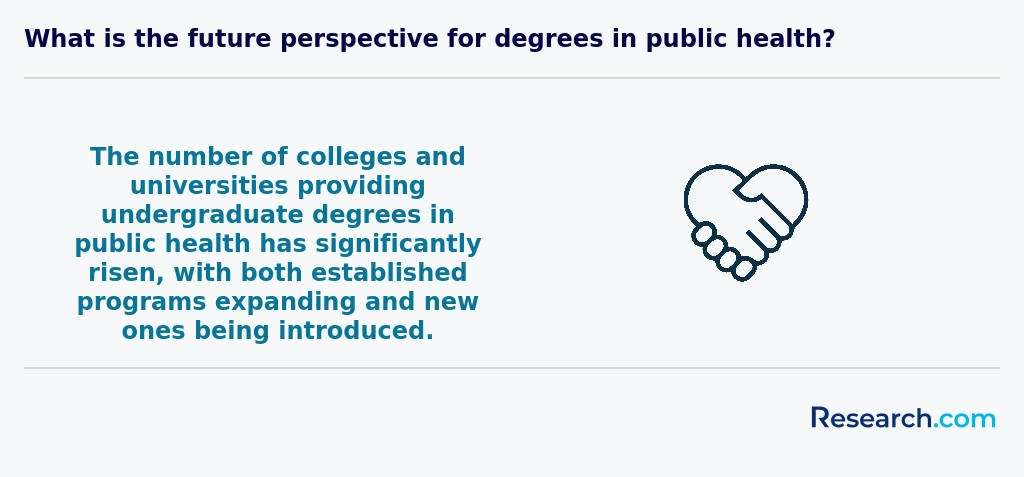
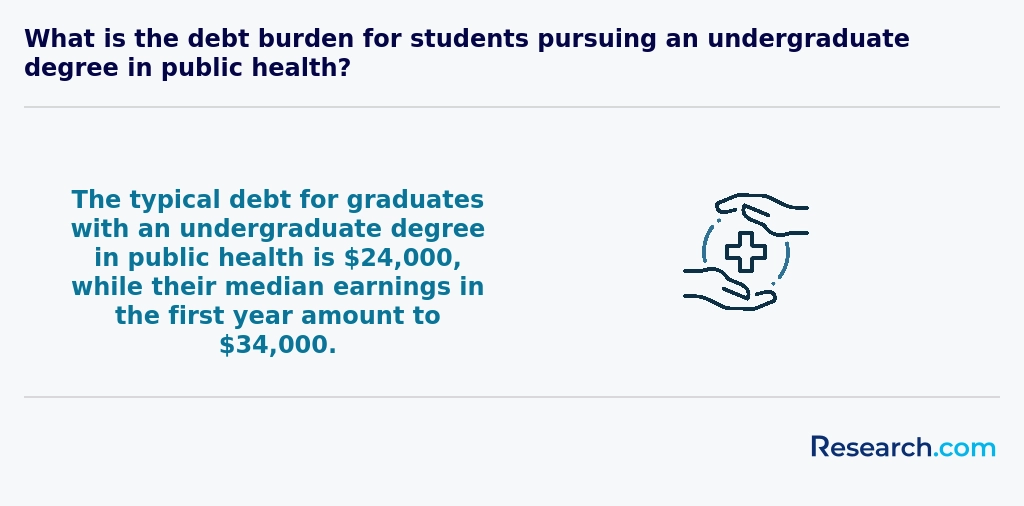
When assessing the true value of a Public Health degree in Chicago, it’s essential to weigh tuition expenses against potential earnings and career progression. On average, in-state students pay around $26,400 for a 48-credit MPH program, while out-of-state students may see costs near $38,900. Factoring in additional fees-such as technology, health insurance, and materials-brings the total investment to approximately $30,000–$42,000. In contrast, graduates report median entry-level salaries of $49,900 for Community Health Workers, $66,710 for Health Educators, and $83,820 for Environmental Health Specialists, translating to a payback period of just 2–4 years for most students. Beyond immediate earnings, long-term growth prospects are equally compelling. According to national trends, the 13% projected growth in healthcare occupations by 2031 suggests rising demand for public health expertise. For a deeper look at how salary trajectories evolve over time and which factors most influence earning potential, explore our analysis of the mph degree career path. By comparing various specializations-such as Epidemiology, Health Policy, and Community Health Promotion-prospective students can identify which tracks offer the strongest return on investment. Finally, consider leveraging financial aid, scholarships, and assistantships to further enhance ROI. With 84% of public health students receiving aid, many reduce their net costs by 20–50%, accelerating the breakeven point and maximizing lifetime earnings. Ultimately, a strategic blend of cost management and targeted career planning ensures that your Chicago Public Health degree delivers both personal fulfillment and financial reward.
What financial aid is available to public health degree students in Chicago?
Students pursuing public health degrees in Chicago should start by submitting the FAFSA to access federal grants, loans, and work-study options. For example, many undergraduates receive the Pell Grant, which can provide up to $7,395 annually, easing tuition costs significantly. Graduates from universities like the University of Illinois at Chicago (UIC) often share how this grant made a real difference in managing expenses.
Next, apply for state aid through the Illinois Student Assistance Commission's Monetary Award Program (MAP). Chicago-based students frequently highlight how MAP grants covered thousands of dollars yearly, making local education more affordable.
Merit scholarships at institutions such as DePaul University reward academic excellence and leadership, key for motivated public health students. Many recipients feel proud knowing their achievements translate into financial support.
Employers in healthcare sectors also offer tuition reimbursement programs, a practical option if you're currently working. Graduate students at Chicago universities often tap into federal loans like Direct Unsubsidized Loans or Grad PLUS Loans to fund advanced studies.
Lastly, assistantships and fellowships provide stipends and tuition waivers in exchange for teaching or research, enabling hands-on experience while reducing costs-an opportunity that Chicago public health graduates value highly.
Accreditation and Program Quality
Accreditation proves a public health program meets rigorous academic and professional standards. In Chicago, the Council on Education for Public Health (CEPH) is the primary accrediting body.
- Why it matters
- Ensures curriculum aligns with industry needs
- Facilitates credit transfer and licensure pathways
- Boosts employer recognition and graduate outcomes
- How to verify
- Visit the CEPH website and search for Chicago programs
- Confirm schools list CEPH status prominently on their sites
- Review graduation rates and student testimonials for quality indicators
Accredited programs often qualify for broader financial aid and scholarship opportunities-see related guidance on medical billing and coding financial aid.
What are the prerequisites for enrolling in public health degree program in Chicago?
To enroll in a public health degree program in Chicago, start by meeting basic academic requirements. For undergraduate programs at institutions like the University of Illinois at Chicago, a high school diploma with strong grades in science and math is essential. Coursework in biology, chemistry, and statistics gives you a head start and boosts your confidence when applying.
Graduate programs such as the Master of Public Health (MPH) demand a completed bachelor's degree from an accredited college. Chicago-based schools often expect you to have relevant coursework in biology, chemistry, and quantitative subjects. Many graduates recall how completing volunteer work or internships in Chicago's vibrant healthcare community helped their applications stand out and brought a sense of real-world purpose to their studies.
Some programs require the GRE, though several Chicago universities waive it if you have strong academic or professional experience. Be ready to submit personal statements and letters of recommendation to show your commitment to local public health challenges.
What courses are typically in public health degree programs in Chicago?
Students enrolled in public health programs at Chicago institutions like the University of Illinois at Chicago often dive into key courses such as epidemiology, which helps them track disease patterns across diverse urban neighborhoods. Graduates frequently share how mastering biostatistics empowered them to analyze real health data, making research both practical and impactful in local communities.
Courses in environmental health explore issues relevant to Chicago's industrial areas, helping students understand pollution effects and workplace risks. Health policy and management classes prepare learners to navigate complex healthcare systems, skills praised by alumni who now influence city health initiatives. Social and behavioral sciences offer insights into community behaviors, vital for designing effective public health campaigns in Chicago's multicultural neighborhoods.
These courses blend theory and hands-on practice, often paired with local internships. Students find this approach rewarding, as they see their learning directly benefit Chicago's public health efforts, fostering a strong sense of purpose and connection to their city's wellbeing.
What types of specializations are available in public health degree programs in Chicago?
Students enrolling in a public health degree in Chicago typically choose from several practical specializations tailored to the city's unique health landscape. For example, epidemiology graduates from local universities often engage in tracking infectious diseases in urban communities, directly responding to the city's dynamic population needs. Health Policy and Management is another popular focus, where graduates find roles shaping policies in Chicago's extensive healthcare networks and government agencies. Those interested in hands-on community work can thrive in Community Health, addressing disparities among underserved groups-a pressing issue in Chicago's neighborhoods. Environmental Health specialists learn to tackle pollution and workplace safety challenges shaped by the city's industrial past.
Many Chicago public health program concentration options also include Global Health, preparing students to participate in international health initiatives while benefiting from Chicago's status as a global hub. Graduates appreciate the real-world experience gained from these focused tracks, which enhances their readiness for the workforce. For anyone carefully planning their studies, understanding these options is key, especially when considering how each aligns with your career goals and financial realities.
To understand career outcomes in detail, you can explore the mph degree career path, which helps match specializations with job prospects in Chicago and beyond.
How do you choose the best public health degree in Chicago?
Start by verifying that the program is CEPH-accredited, a must for ensuring it covers essential public health topics like epidemiology and health policy. Graduates from well-known Chicago universities often highlight that this accreditation boosted their confidence in the quality of education they received. Next, consider cost carefully-public universities in Chicago generally offer more affordable public health schools Chicago, which helped many alumni manage their finances without sacrificing quality.
Look into programs that offer hands-on experiences through internships or practicum placements with local agencies such as the Chicago Department of Public Health. Graduates frequently praise the real-world skills and professional network they built during these placements. Also, focus on the specializations offered; align these with your career goals to stay motivated throughout your studies.
Finally, check alumni success rates and explore options like a 12 month master's degree online if you need a quicker path. Practical choices like these helped many students find the perfect balance between education quality, affordability, and career readiness for the best public health degree programs in Chicago.

What career paths are available for public health degree students in Chicago?
Graduates with a public health degree in Chicago often find career opportunities spanning government agencies, hospitals, nonprofit organizations, and academic institutions. Many begin by working in city health departments, contributing to epidemiology and disease prevention efforts tailored to urban populations. Recent graduates from Chicago-area universities report gaining practical experience coordinating community health programs or supporting policy initiatives that directly impact local neighborhoods. Jobs for public health graduates Chicago also include roles as health educators, analysts, or environmental health specialists, responding to the city's unique challenges like pollution control and urban sustainability.
Some graduates pursue research roles at Chicago's prominent universities, engaging in studies that address chronic diseases or environmental hazards. The diverse healthcare infrastructure here allows professionals to advance in health promotion and patient education, often benefiting from strong partnerships between academic programs and city health agencies. For those seeking quicker entry or additional skills, exploring easy certifications to get that pay well can be a practical step to enhance employability in this competitive market.
What is the job market for public health degree in Chicago?
The public health job outlook in Chicago is strong, supported by a diverse range of employers including city health departments, major hospital systems, and research institutions. Graduates from popular programs at local universities often find opportunities in epidemiology, health education, and community outreach. These roles benefit from Chicago's extensive public health infrastructure and the city's ongoing focus on health equity, making it a vibrant environment to start and grow a career.
Chicago public health career opportunities often require practical experience, so many graduates emphasize the importance of internships gained through university connections. For example, students from well-known Chicago colleges successfully transition into roles with organizations like the Chicago Department of Public Health or area non-profits focused on community wellness. Those pursuing a public health degree here also appreciate that tuition costs remain competitive, especially for those seeking the cheapest associate's degree online or local programs with financial aid.
Frequently Asked Questions About public health
Public health degree students in Chicago can maximize their learning experience by engaging with the city's diverse healthcare organizations and community programs. Chicago hosts numerous public health agencies, such as the Chicago Department of Public Health, which offers internships and volunteer opportunities that provide practical experience. Statistically, Chicago faces significant public health challenges, including a high rate of chronic diseases and health disparities, making applied learning particularly valuable.
Students should also leverage partnerships between local universities and hospitals to gain exposure to urban health issues. Additionally, attending workshops, conferences, and networking events organized by institutions like the Illinois Public Health Association can deepen understanding and build professional connections. Access to Chicago's extensive public health data resources allows students to conduct relevant research projects aligned with current city health priorities.
Emerging niches within the public health field reflect evolving health challenges and technological advances. In Chicago, areas such as epidemiology focusing on infectious disease outbreaks have grown significantly, especially after the COVID-19 pandemic highlighted the need for skilled professionals in tracking and controlling diseases.
Environmental health is another key area, addressing urban pollution and its impact on respiratory conditions, a concern backed by data from the Illinois Department of Public Health. Additionally, health informatics integrates data science with public health, helping optimize healthcare delivery and policy decisions through advanced analytics.
The field of health equity and social determinants of health has also gained momentum. Many Chicago universities and public agencies prioritize reducing disparities among diverse populations, with efforts supported by local health statistics showing gaps in access and outcomes.
Preparing for the job market after earning a public health degree in Chicago involves strategic steps aligned with local workforce demands. Graduates should focus on gaining practical experience through internships or fellowships, often available via partnerships between Chicago-based schools and health organizations like the Chicago Department of Public Health.
Networking is essential; professional events and public health associations such as the Illinois Public Health Association provide opportunities to connect with employers. According to the U.S. Bureau of Labor Statistics, Chicago's public health sector is growing steadily, especially in community health roles.
Further, obtaining certifications like Certified Health Education Specialist (CHES) can enhance job prospects.
Employers in Chicago value several key skills when hiring graduates with public health degrees. Strong data analysis abilities are essential, as professionals must interpret health statistics to inform policy and interventions. Knowledge of epidemiology and understanding local health challenges in Chicago, like chronic disease and environmental health issues, are highly prized.
Effective communication skills are critical, enabling public health workers to engage diverse communities and collaborate with stakeholders. Familiarity with public health software and tools also gives job candidates an edge. According to the Chicago Department of Public Health, adaptability and cultural competence rank among the top traits sought in this field to address the city's diverse population.
Finding internships in Chicago relevant to a public health degree involves leveraging local resources and institutional connections. Chicago hosts numerous hospitals, government agencies, and nonprofit organizations focused on public health, such as the Chicago Department of Public Health (CDPH), which offers internship opportunities annually. Many universities in the area maintain partnerships with these entities, providing students direct access to placements.
Students can also explore opportunities through platforms like the Chicago Public Health Consortium or Handshake, a popular internship and career portal used by many local institutions. Additionally, attending public health networking events and career fairs in Chicago increases chances of securing internships.
According to the Bureau of Labor Statistics, internships in public health fields often lead to higher employment rates post-graduation, making early experience crucial in this competitive job market.
In Chicago, earning a public health degree significantly enhances career mobility and advancement opportunities. The city's robust healthcare sector, including institutions like the Chicago Department of Public Health, values trained professionals to address urban health challenges.
According to the U.S. Bureau of Labor Statistics, employment of public health workers in Illinois is projected to grow faster than the national average through 2030, driven by demand in government agencies, hospitals, and nonprofit organizations.
Graduates with public health degrees often secure roles such as epidemiologists, health educators, and policy analysts, which offer clear career pathways and salary increases. Networking and internships available through Chicago universities further support professional growth.
Studying for a public health degree in Chicago equips students with skills essential for interdisciplinary roles by combining knowledge from fields such as epidemiology, sociology, policy, and healthcare management. Chicago's diverse population and complex health landscape provide real-world contexts that enhance cross-sector collaboration.
Programs often emphasize experiential learning, including internships with local health departments, hospitals, and community organizations, fostering teamwork among professionals from varied backgrounds. According to the Chicago Department of Public Health, these partnerships prepare graduates to address urban health challenges, such as chronic disease and environmental health, through integrated approaches.
This comprehensive education aligns with national public health workforce trends, where 70% of roles demand interdisciplinary competencies, making Chicago an ideal setting for such preparation.
Choosing between a thesis and a non-thesis public health degree program in Chicago depends on your career goals and learning preferences. A thesis program emphasizes research, requiring students to complete an original study, which is ideal for those interested in academic or research careers. Non-thesis options often focus on coursework and practical skills, suited for professionals seeking leadership roles or immediate workforce entry.
According to the Association of Schools and Programs of Public Health, Chicago hosts multiple accredited programs offering both formats. Costs and duration may vary, with thesis tracks sometimes taking longer due to research requirements. Consider your interest in data analysis and writing when deciding.
Students based in Chicago who wish to study public health abroad have several options, primarily through exchange programs and affiliated partnerships of local universities. Institutions like the University of Illinois Chicago offer study abroad opportunities in collaboration with global universities, allowing students to gain international experience while earning credits toward their degree.
According to the Association of Schools and Programs of Public Health, exposure to global health issues is increasingly vital, and Chicago schools emphasize such experiences. Many programs include fieldwork opportunities in countries with diverse health challenges, enhancing practical skills.
Financial support options, including scholarships specifically for study abroad in public health, may be available, especially through institutions with strong international networks.
Part-time job opportunities in Chicago that complement public health degree education are varied and practical for students. Positions such as health educator assistants or community outreach workers allow students to engage directly with local populations, addressing public health concerns. Chicago's extensive network of hospitals and public health agencies offers roles in data collection, contact tracing, and health promotion campaigns.
According to the Chicago Department of Public Health, such roles are critical given the city's focus on managing chronic diseases and infectious outbreaks. Students can gain hands-on experience while supporting efforts to reduce health disparities in underserved communities.
Employment with organizations like the Chicago Cook Workforce Partnership or local nonprofits can also provide valuable fieldwork opportunities. These roles help build skills in health communication, program coordination, and epidemiology that align well with public health curricula.
Public health students in Chicago have access to robust networking opportunities through various local organizations and events. The city is home to the Chicago Public Health Consortium, which connects students with professionals working in epidemiology, health policy, and community health programs. Students can attend workshops, conferences, and career fairs hosted by institutions like the University of Illinois at Chicago and DePaul University, both of which have strong ties to public health employers.
Additionally, Chicago's large public health workforce-one of the nation's largest per the Chicago Department of Public Health-offers internships and practicum placements. Networking events often feature leaders from the Illinois Department of Public Health and notable nonprofits, enhancing student career pathways.
Alumni networks provide significant benefits to public health degree students in Chicago by creating connections with experienced professionals and local organizations. Chicago is home to a robust public health community, including institutions like the Chicago Department of Public Health and numerous nonprofit agencies. Alumni often share job openings, internship opportunities, and career advice, helping students navigate the competitive job market.
Many alumni participate in mentorship programs, offering guidance throughout academic and professional development. According to a 2023 survey by the Council on Education for Public Health, over 70% of graduates attributed their first job to networking activities linked to their schools.
These networks also enhance access to research projects and community initiatives, allowing students to gain practical experience within Chicago's diverse populations.
Customizing a public health degree program in Chicago to fit your career goals involves selecting specialized courses and practical experiences that align with your interests. Many Chicago universities offer concentrations such as epidemiology, health policy, community health, and environmental health, allowing students to focus on specific public health sectors. According to the Association of Schools and Programs of Public Health, Chicago's programs often include opportunities for internships with local health departments and organizations like the Chicago Department of Public Health, which can enhance practical skills.
Students can also engage in research projects addressing urban health issues prevalent in Chicago, such as asthma rates and violence prevention. This hands-on approach helps build expertise tailored to the city's public health challenges. Electives, certificate options, and collaborative partnerships with hospitals or nonprofits further support individual career pathways.
Public health students in Chicago face several notable challenges during their studies. One major issue is the high cost of tuition combined with living expenses, as Chicago ranks among the more expensive cities for students, impacting those without substantial financial aid. According to the National Center for Education Statistics, many public health programs require practical fieldwork in urban settings, which can be time-intensive and may create scheduling conflicts for working students.
Another challenge is the competitive nature of internships and job placements in Chicago's large but demanding public health sector. The city's diverse populations also require students to develop strong cultural competencies, which can be difficult without sufficient community engagement opportunities.
Additionally, navigating Chicago's public health system, which includes multiple overlapping agencies, may be complex for students gaining foundational knowledge. Resources such as the Illinois Public Health Institute provide support, but awareness and access can vary among programs.
With a public health degree, graduates in Chicago can pursue several professional certifications to enhance their career prospects. One of the most recognized is the Certified in Public Health (CPH) credential, offered by the National Board of Public Health Examiners. This certification validates knowledge across public health domains and is highly regarded by Chicago employers.
Another popular option is the Certified Health Education Specialist (CHES) credential, which focuses on health education and promotion. Additionally, for those interested in epidemiology, the Certification in Infection Control (CIC) is valuable, especially in Chicago's large healthcare settings.
These certifications typically require a degree in public health and passing an exam, reflecting a commitment to professional standards.
Writing a winning application for a public health program in Chicago requires clear focus and preparation. Start by researching Chicago-based programs thoroughly to understand their specific requirements and mission statements. Tailor your personal statement to highlight your commitment to addressing local health disparities, such as those documented by the Chicago Department of Public Health, which emphasizes issues like chronic disease prevention and health equity.
Include relevant volunteer or work experience, especially if it involves underserved communities or public health initiatives in Chicago. Strong letters of recommendation from professionals familiar with your skills and passion for public health will strengthen your application.
Additionally, demonstrate your understanding of public health trends in Chicago by referencing credible sources like the Illinois Public Health Institute. Showcasing this local awareness can set you apart from other applicants.
Public health careers offer a global perspective by addressing health challenges that cross national borders. Professionals trained in Chicago's public health programs gain skills to work on international issues such as infectious disease control, health policy, and emergency preparedness. The U.S. Centers for Disease Control and Prevention highlights that global health initiatives often require collaboration with organizations like the World Health Organization.
Chicago's diverse population provides practical experience in tackling urban health disparities, a key focus in many countries experiencing rapid urbanization. According to the Chicago Department of Public Health, students can engage with community health projects that reflect worldwide priorities such as maternal health and chronic disease prevention.
Studying public health in Chicago equips graduates to contribute both locally and globally, supported by research institutions and partnerships fostering global health solutions.
Gaining practical experience while studying for a public health degree in Chicago is essential for career readiness. Many universities in the city, including the University of Illinois at Chicago (UIC) and DePaul University, offer internship programs connected to local health departments and community organizations. These placements provide hands-on exposure to real-world public health challenges.
Students can also participate in research projects focused on urban health issues prevalent in Chicago, such as infectious disease control and substance abuse. According to Chicago's Department of Public Health, over 75% of public health students engage in internships or community-based projects during their studies.
Additionally, Chicago hosts numerous nonprofit organizations and healthcare facilities that welcome student volunteers and interns, allowing direct interaction with diverse populations while developing critical skills.
Choosing the right concentration within a public health degree program in Chicago begins with understanding your career goals. Public health in Chicago addresses diverse issues from infectious diseases to urban health disparities, so concentrations like epidemiology, health policy, or environmental health may align differently with your interests.
Consider the local context: Chicago faces unique public health challenges such as high rates of asthma and diabetes, according to the Chicago Department of Public Health. Programs emphasizing community health or chronic disease prevention may offer hands-on experience in these areas.
Research faculty expertise and internship opportunities offered by Chicago-based schools, as practical experience is key in this field. Finally, review job market trends in the city to identify concentrations with strong employment potential.
Related Public Health Rankings for Nearby Cities
- 2027 Most Affordable Public Health Degree Programs Ranking in Milwaukee
- 2027 Most Affordable Public Health Degree Programs Ranking in Indianapolis
- 2027 Most Affordable Public Health Degree Programs Ranking in Bloomington
- 2027 Most Affordable Public Health Degree Programs Ranking in Ann Arbor
- 2027 Most Affordable Public Health Degree Programs Ranking in Detroit
- 2027 Most Affordable Public Health Degree Programs Ranking in Cincinnati
- 2027 Most Affordable Public Health Degree Programs Ranking in Saint Louis
- 2027 Most Affordable Public Health Degree Programs Ranking in Columbus
- 2027 Most Affordable Public Health Degree Programs Ranking in Saint Paul
- 2027 Most Affordable Public Health Degree Programs Ranking in Minneapolis
Top Trending Public Health Rankings
References
- Financing Your Degree https://aspph.org/student-journey/financing-your-degree/
- The Networking Guide for Public Health Professionals https://www.publichealthdegrees.org/resources/professional-networking/
- Dive deeper into public health topics. https://www.apha.org/topics-and-issues
- Choosing the Right MPH Program in Chicago: Insights for Prospective Students https://masterspublichealth.com/mph-programs-in-chicago/
- Medical University of GdaÅsk https://publichealth.mug.edu.pl/
- How to Get Your First Public Health Job - PHERN https://phern.communitycommons.org/early-career-professional-learning-series/how-to-get-your-first-public-health-job/
- For Academic Public Health https://globalnetworkpublichealth.org/
- UChicago Undergraduate major similar to public health? https://talk.collegeconfidential.com/t/uchicago-undergraduate-major-similar-to-public-health/1933791
- Public Health Challenges – IPA SDG Dashboard https://sdg.internationalpublishers.org/sdgaction/public-health-challenges/
- Pre-Professional Health Experience Guide | PublicHealthOnline.org https://www.publichealthonline.org/pre-professional-experience/


