
2027 Most Affordable Public Health Degree Programs Ranking in Minneapolis

Co-Founder and Chief Data Scientist
Choosing the right public health degree program in Minneapolis can feel overwhelming. To help, the Research.com team of data scientists has created the 2027 Most Affordable Public Health Degree Programs Ranking in Minneapolis. This guide highlights affordable options so you can make an informed decision without breaking the bank.
Getting a public health degree opens doors to meaningful careers that impact community well-being. This article will help you explore quality programs that fit your budget and goals. Start your journey with confidence and clarity.
Key benefits of getting public health degree in Minneapolis
- Salary for public health graduates: Graduates in Minneapolis can expect rewarding salaries, such as $86,710 for Environmental Health Specialists and $69,790 for Health Educators, reflecting strong earning potential in the field.
- Career paths: A graduate from the University of Minnesota often pursues diverse roles like Community Health Worker or Occupational Health and Safety Specialist, providing opportunities to impact community well-being directly.
- Online degree benefits: Earning a public health degree online from a local institution offers flexibility and convenience, allowing students to balance work and studies effectively while starting their careers sooner.
- Key benefits of getting public health degree in Minneapolis
- What can I expect from public health degree in Minneapolis?
- Where can I work with public health degree in Minneapolis?
- How much can I make with public health degree in Minneapolis?
- 2027 Most Affordable Public Health Degree Programs Ranking in Minneapolis
- Key Findings
- How long does it take to complete public health degree in Minneapolis?
- Supplemental Certifications to Enhance Your Public Health Career
- What's the difference between online and on-campus public health degree?
- What is the average cost of public health degree in Minneapolis?
- Student Life and Community Engagement
- What financial aid is available to public health degree students in Minneapolis?
- What are the prerequisites for enrolling in public health degree program in Minneapolis?
- Certification and Continuing Education Opportunities
- What courses are typically in public health degree programs in Minneapolis?
- What types of specializations are available in public health degree programs in Minneapolis?
- How do you choose the best public health degree in Minneapolis?
- What career paths are available for public health degree students in Minneapolis?
- What is the job market for public health degree in Minneapolis?
- Top Trending Public Health Rankings
What can I expect from public health degree in Minneapolis?
The average cost of earning a public health degree in Minneapolis is pretty reasonable, especially if you're looking at public schools like the University of Minnesota. Most graduates share how in-state tuition feels manageable compared to other cities, and many find helpful scholarships or assistantships that make a big difference. For example, some students landed assistant roles that not only eased tuition worries but also gave them hands-on experience with local public health projects.
On-campus resources and community partnerships mean you're not just paying for classes but for real-world learning too. Graduates often mention how working with places like Hennepin Healthcare or the Minnesota Department of Health added serious value to their education, making every dollar count. It's a win-win-affordable education combined with opportunities to gain meaningful skills right in Minneapolis.
While private schools might cost more, the local scene offers plenty of chances to keep expenses down and build a strong resume, which many grads look back on fondly. It's more than just paying for a degree; it's investing in your future public health career.
Where can I work with public health degree in Minneapolis?
If you've got a public health degree from a place like the University of Minnesota in Minneapolis, you're stepping into a city packed with job options. Graduates often find themselves working for the Minnesota Department of Health, helping to tackle everything from disease outbreaks to emergency preparedness. It feels pretty rewarding knowing your work directly impacts community health in the Twin Cities.
Hospitals like Mayo Clinic Health System and Allina Health are big players here too. Many grads jump into roles managing community health programs or running research projects aimed at keeping people healthier. Imagine designing programs that help reduce chronic diseases or supporting wellness initiatives that actually make a difference in people's lives.
Nonprofits are another hotspot, especially those focusing on mental health or fighting the opioid crisis. Graduates love how these roles mix data analysis with real-world impact, like helping vulnerable populations access vital services. And if teaching or research sounds good, local schools and universities often hire grads to collaborate on public health projects for a healthier city.
Plus, city agencies offer chances to dive into environmental health or health policy-perfect for anyone who wants to shape public health at the community level. Overall, Minneapolis really sets you up with meaningful paths where you can see your work making a difference.
How much can I make with public health degree in Minneapolis?
If you're earning a public health degree in Minneapolis, you can expect some pretty solid salary options once you graduate. For example, community health workers in the area pull in around $52,610 a year, which is a nice start if you're fresh out of programs at local schools like the University of Minnesota. Health educators do even better, making close to $69,790 annually - perfect for grads who want to work directly with communities and promote wellness.
Environmental health specialists and occupational health and safety specialists in Minneapolis make great money too, with salaries around $86,710 and $85,570 respectively. These roles often attract public health grads looking to dive into specialized fields, including those offered by colleges around the Twin Cities. Graduates often mention that these roles feel rewarding not just financially but personally, knowing they're making a difference in workplace or community environments.
Overall, Minneapolis's diverse healthcare scene and strong public health network mean you've got a good shot at landing a role that pays well while fueling your passion to help others. It's a great city for building both your career and your connections.
2027 Most Affordable Public Health Degree Programs Ranking in Minneapolis
How do we rank schools?
Investing in your education is a significant decision that can profoundly impact your future, and the Research.com team recognizes the importance of providing reliable guidance. To support prospective students interested in public health, we have carefully developed the "2027 Most Affordable Public Health Degree Programs Ranking in Minneapolis." Our dedication to quality, credibility, and accuracy is demonstrated through rigorous research and thorough analysis.
We utilized the following reputable data sources to ensure a comprehensive and trustworthy ranking:
By exploring this ranking, readers will obtain valuable insights into affordable and quality public health degree options in Minneapolis, enabling informed decisions about their educational investment. For a detailed explanation of our approach, please visit our Research.com methodology page.
# 1 position
Capella University
Doctor of Public Health

# 2 position
Capella University
Master of Public Health (MPH)
# 3 position
Capella University
Bachelor of Science in Public Health
# 4 position
Walden University
Doctor of Public Health

# 5 position
Walden University
Master of Public Health
Key Findings
- Public health degree programs in Minneapolis are available at undergraduate, master's, and doctoral levels, covering areas like epidemiology and health policy.
- Undergraduate tuition typically ranges from $15,000 to $25,000 per year for in-state students, while graduate programs like MPH cost between $20,000 and $40,000 annually.
- Entry-level salaries for public health graduates average $50,000 to $60,000 per year, with potential to rise above $80,000 within five to ten years with experience and advanced degrees.
- Key employers include local health departments, hospitals, research institutions, and policy organizations, reflecting a stable and growing job market.
- Obtaining certifications such as Certified Health Education Specialist (CHES) or Certified in Public Health (CPH) can enhance job opportunities and salary potential.
How long does it take to complete public health degree in Minneapolis?
If you're thinking about earning a public health degree in Minneapolis, here's the scoop on how long it usually takes. Most bachelor's degrees wrap up in about four years, which is what many grads from local schools like the University of Minnesota experience. It's a solid mix of general classes and public health-specific courses, so it feels manageable and keeps you interested.
For those aiming for a master's degree, it usually takes around two years of full-time study. Many grads mention that programs there are well-structured, with some offering faster tracks that let you finish in as little as 12 to 18 months. If you're juggling work or other commitments, part-time options might stretch the timeline to three or four years, which many find helpful to balance life and studies.
Doctoral degrees take a bigger commitment - expect around three to six years, thanks to research and dissertation work that really digs deep into public health issues. It's tough but rewarding, and grads talk about feeling proud and accomplished when they finish.
Supplemental Certifications to Enhance Your Public Health Career
Adding targeted certifications can boost both your skill set and employability in public health. Consider these options to complement your degree:
- Certified in Public Health (CPH): Demonstrates mastery of core public health sciences and is often preferred by employers.
- Certified Health Education Specialist (CHES): Validates expertise in planning, implementing, and evaluating health education programs.
- Project Management Professional (PMP): Equips you with skills to lead community health initiatives and manage budgets.
- Six-month certification in medical billing and coding: Offers quick entry into health administration and can help offset tuition costs; explore medical billing and coding financial aid opportunities.
What's the difference between online and on-campus public health degree?
If you're thinking about a public health degree in Minneapolis, one big difference between online and on-campus programs is how you experience your studies. Take graduates from the University of Minnesota's School of Public Health-they often talk about loving the face-to-face vibes, tapping into local health networks, and joining hands-on projects right here in Minneapolis. It's a great way to build real connections and get a feel for the city's public health scene.
On the other hand, online students appreciate the freedom to study anywhere-whether that's at home or between shifts if you're working. Online programs usually cost a bit less and fit better for those juggling family or a job. But it takes some serious self-discipline to stay on track without live classes.
Both routes land you the same valuable, accredited degree, but it boils down to whether you want that in-person buzz or the flexibility to learn on your own clock. Plus, online students in Minneapolis can still tap into local resources if they're proactive, making either path a solid choice depending on your lifestyle.
What is the average cost of public health degree in Minneapolis?
When looking at the average cost of public health degree Minneapolis students face, you're typically seeing around $31,482 total for out-of-state students, while in-state students pay closer to $14,400. This can be a game-changer if you're planning to stay local, especially if you're thinking about schools like the University of Minnesota-Twin Cities, which many public health grads mention as a solid, affordable choice compared to other options nationwide.
Many graduates from Minneapolis-based programs share how tackling their public health degree expenses in Minneapolis felt manageable thanks to competitive in-state tuition rates and the chance to work while studying. For instance, some community college attendees found it much easier on their wallets by starting at Minneapolis Community and Technical College, where the cost per credit is significantly lower, giving you a strong foundation before moving on to a bigger university.
It's common to see students budgeting beyond just tuition since living in Minneapolis isn't cheap, but the benefits of studying here-like access to urban health systems and public health networks-make the investment worth it. Scholarships and assistantships also come up frequently as lifelines that helped students offset costs during their studies. If you're curious about more detailed costs and options, checking out the most affordable public health schools in minnesota is a great next step.

Student Life and Community Engagement
Embarking on a Public Health degree journey involves more than just rigorous academic study-it’s about immersing yourself in a vibrant campus life that fosters personal growth, practical experience, and lasting professional connections. In this section, we explore the importance of student resources, extracurricular activities, and community engagement that enhance your overall education experience. Being part of a dynamic campus community allows you to benefit from supportive academic advising, active student clubs, volunteer opportunities, and career networking events that complement your classroom learning. Engaging in public health initiatives on campus not only deepens your understanding of the subject, but also helps you develop essential soft skills such as leadership, teamwork, and cultural competence. Consider exploring the various options provided by the most affordable public health schools in minnesota to find a program that values both academic excellence and a thriving student life. By actively participating in community events, internships, and health awareness campaigns, you position yourself to make a demonstrable impact on public health while building a network that supports your future career aspirations.
What financial aid is available to public health degree students in Minneapolis?
If you're heading to a public health program in Minneapolis, getting financial aid isn't just a nice bonus-it's often a must. Many grads at the University of Minnesota's School of Public Health share how federal aid through FAFSA jumpsstarted their funding journey. Grants like the Pell or FSEOG are great if you qualify, especially as undergrads, because you don't have to pay them back-imagine the relief! For grad students, loans like the Direct Unsubsidized Loan or Graduate PLUS Loan can help cover costs, and some grads rave about the Public Health Service Loan Repayment Program, which chips away at debt if you commit to working in underserved Minneapolis communities.
On top of federal help, local scholarships and assistantships at places like the U of M offer real perks-a friend once scored a merit scholarship covering a big chunk of tuition and even snagged a teaching assistant gig that paid a stipend. And if you're working in healthcare already, check if your employer offers tuition reimbursement-lots of local public health agencies do. Plus, private scholarships from groups like the Minnesota Public Health Association add even more options, making the whole financial stress feel much lighter.
What are the prerequisites for enrolling in public health degree program in Minneapolis?
If you're thinking about diving into a public health degree in Minneapolis, getting ready usually means checking off a few key prerequisites. For undergrads aiming to study at popular spots like the University of Minnesota, you'll need a high school diploma with decent grades-think around a 2.5 to 3.0 GPA-and for some schools, SAT or ACT scores might still play a part. Many grads shared how having solid classes in natural sciences or social studies made their transition smoother, so it's worth brushing up on those subjects.
For those going the graduate route, like the Master of Public Health programs that local universities offer, a bachelor's degree is a must, but it doesn't always have to be in a health field. Folks who had backgrounds or even volunteer experience in healthcare found it gave them a big confidence boost during applications. Some grads mentioned that schools might ask for GRE scores, but many places are becoming more flexible about it. Just be ready to show your passion with letters of recommendation and a personal statement-those really let you shine.
And trust me, plenty of students in Minneapolis have found that preparing ahead with these steps makes the whole process feel way less daunting and way more exciting!
Certification and Continuing Education Opportunities
Pursuing professional certifications and ongoing education can significantly enhance your credentials in the public health field. Many graduates opt for the Certified in Public Health (CPH) credential offered by the National Board of Public Health Examiners to validate their expertise in biostatistics, epidemiology, and health policy. To qualify, candidates typically need a bachelor’s or master’s degree in public health and at least one year of public health work experience. Another valuable credential is the Certified Health Education Specialist (CHES), administered by the National Commission for Health Education Credentialing. CHES certification demonstrates mastery of planning, implementing, and evaluating community health education programs. Eligibility requires a bachelor’s degree and completion of a CHES-approved academic curriculum, ensuring alignment with industry standards. For those interested in environmental health, the Registered Environmental Health Specialist/Registered Sanitarian (REHS/RS) credential opens doors to advanced roles in regulatory agencies and consulting firms. Requirements vary by state but often include a degree in environmental health and supervised field experience. Understanding mph degree job requirements can help you determine which certifications align best with your career goals. Many institutions also offer continuing education units (CEUs) and online workshops on topics like infectious disease control, global health, and health informatics. By strategically combining your academic background with recognized certifications and CEUs, you’ll not only boost your employability but also stay current with evolving public health methodologies and regulations. Continuous learning is key to advancing in a field where evidence-based practice and regulatory compliance drive community health outcomes.
What courses are typically in public health degree programs in Minneapolis?
If you're diving into a public health degree in Minneapolis, expect to take some solid core courses that really get you ready for the real world. Classes like Introduction to Public Health give you a cool look at the history and big-picture challenges of the field-something graduates say felt super eye-opening when they first started at local schools like the University of Minnesota.
Biostatistics and Epidemiology are huge, too. They help you make sense of health data and understand how diseases spread, which grads found exciting when applying what they learned in community projects around Minneapolis neighborhoods. Then there's Environmental Health, where you dig into local pollution and workplace hazards, making the lessons feel really connected to city life.
Health Policy and Management teach you how health systems tick. Many find these classes helpful for internships with nearby health agencies, giving hands-on experience organizing real public health efforts.
And don't forget Social and Behavioral Sciences! Understanding how people's actions impact health made courses feel relevant, especially when tackling local health issues, something students at Minneapolis colleges rave about.
What types of specializations are available in public health degree programs in Minneapolis?
When you dive into a public health degree in Minneapolis, you'll find plenty of cool specializations to choose from. For example, epidemiology is a big draw-graduates often talk about how exciting it was to study disease patterns and contribute to controlling outbreaks, especially with COVID-19 still fresh in everyone's minds. Minneapolis schools like the University of Minnesota offer hands-on community health programs that get you working with local nonprofits and government groups, making a real difference right in your backyard.
Environmental health is another popular choice here, especially with ongoing climate concerns. Students enjoy learning about pollution control and sustainable practices while connecting with local agencies like the Minneapolis Health Department. For those into numbers, biostatistics can be a perfect fit, preparing you to analyze health data and support important research.
Many graduates appreciate how affordable and practical these programs are, thanks to what some call the most affordable public health specializations Minneapolis provides. Plus, if you want to learn more about the job side of things, it's worth checking out mph degree job requirements to see what comes after graduation.
How do you choose the best public health degree in Minneapolis?
When picking the best public health degree in Minneapolis, start by checking out programs known for quality and local connections, like those at the University of Minnesota. Graduates often mention how CEPH accreditation boosted their confidence when applying for jobs. Plus, the city's vibe means you'll find programs focused on real-world challenges here, like environmental health, which is huge given Minneapolis's green initiatives.
Budget is always on people's minds, and if you're hunting for best affordable public health degrees Minneapolis has, look closely at in-state tuition perks and financial aid. Many students share how those savings made a big difference, letting them focus more on learning instead of stressing over bills.
Also, think about your passion-maybe health policy or epidemiology-and find programs offering flexible tracks that fit your interests. A lot of grads enjoyed tailoring their studies to local health needs and grabbing internships through ties with the Minnesota Department of Health.
And if you're juggling work and study, part-time and online options are lifesavers. For quick boosts in skills and pay, some students even explore the best paying 6 month certifications in the area to complement their degrees.

What career paths are available for public health degree students in Minneapolis?
If you're studying public health in Minneapolis, you'll find plenty of exciting career paths waiting for you. Graduates often dive into epidemiology, tracking disease outbreaks and helping the city stay prepared against health threats. Many grads from popular Minneapolis colleges love how they can directly contribute to community health through local nonprofits or government agencies focused on health education and promotion.
Healthcare administration is another solid option-hospitals and health systems here really appreciate administrators who get public health policies and can juggle everything from budgeting to service coordination. Environmental health jobs are also on the rise, which means you could work on projects improving air quality or sustainable city planning strategies around Minneapolis.
Minneapolis public health career opportunities even include data analysis roles, where graduates use biostatistics skills to make sense of health data at research centers and health departments. Many grads from local universities share how rewarding it is to apply their knowledge in real-world urban settings, ensuring their work truly impacts people's lives. If you're curious about what studying public health really involves, check out what is the easiest bachelor's degree to get for more insights.
What is the job market for public health degree in Minneapolis?
If you're thinking about a public health degree in Minneapolis, you're in luck because the job market here is really buzzing. Locals graduating from well-known schools in the Twin Cities area often share how they land roles quickly with great pay, thanks to the city's strong healthcare scene and lots of public health organizations. It's not just about landing a job; many find themselves working alongside major players like Allina Health or tapping into nonprofit networks focused on health equity and pandemic response.
One of the best things about studying public health here is the hands-on experience through internships, often offered by partnerships between universities and local health agencies. This real-world exposure makes the Minneapolis public health career opportunities feel super accessible and rewarding. Plus, the salary game is solid-starting salaries are competitive, and experienced pros earn upwards of $80K. For those budgeting their education, Minneapolis schools offer tuition rates that beat national averages, which is definitely a win when you're exploring options like a cheapest associate's degree.
Frequently Asked Questions About public health
Public health degree students in Minneapolis can maximize their learning by engaging directly with local organizations such as the Minneapolis Health Department, which offers practical experience through internships and volunteer opportunities. Hands-on work in community health initiatives deepens understanding beyond the classroom. Additionally, students should leverage partnerships between universities and institutions like the Minnesota Department of Health to access up-to-date data and research on regional health challenges.
Utilizing resources from the University of Minnesota's School of Public Health can enhance theoretical knowledge while networking with experts. According to the CDC, focusing on issues prevalent in Minneapolis, such as urban health disparities, provides relevant context for study and future careers.
Emerging niches within the public health field in Minneapolis increasingly focus on health equity and technology integration. With the city's diverse population, professionals are prioritizing social determinants of health to address disparities in care. According to the Minnesota Department of Health, initiatives targeting substance abuse prevention and mental health services have grown substantially in recent years.
Another fast-growing area is digital epidemiology, which uses data analytics and mobile technology to track disease trends in real time. This innovation is supported by local institutions collaborating with public health agencies.
Environmental health also remains a critical niche, especially with Minneapolis's commitment to sustainability and climate change mitigation. Students pursuing public health degrees here can expect opportunities to engage in these dynamic, impactful sectors.
After completing a public health degree in Minneapolis, preparing for the job market involves targeted strategies to boost employability in a competitive field. Gaining hands-on experience through internships or practicum placements with local health departments or organizations like the Minnesota Department of Health is crucial. These opportunities provide real-world exposure to community health challenges prevalent in the Twin Cities area.
Networking plays a significant role; joining professional groups such as the Minnesota Public Health Association can connect graduates with employers. According to the U.S. Bureau of Labor Statistics, public health jobs in Minnesota are projected to grow by 11% from 2022 to 2032, signaling positive job prospects.
Candidates should also develop skills in data analysis and health communication, both highly sought after by many employers in Minneapolis's diverse public health sector.
Employers in Minneapolis highly value public health degree graduates who demonstrate strong analytical skills. These skills are essential for interpreting complex health data and identifying community health trends. According to the Minnesota Department of Health, proficiency in data analysis tools like SAS or SPSS is often required for local public health roles.
Communication skills are also crucial. Graduates must effectively convey health information to diverse populations, including vulnerable groups. This aligns with findings from the Association of Schools and Programs of Public Health, emphasizing culturally competent communication.
Additionally, problem-solving skills and knowledge of health policy are vital. Employers seek professionals who can design and implement effective health interventions tailored to Minneapolis' specific needs.
Finding internships in Minneapolis relevant to a public health degree involves exploring opportunities with local health departments, hospitals, and nonprofit organizations. The Minneapolis Health Department and Hennepin County Public Health frequently offer internship programs for students seeking practical experience.
Additionally, large healthcare providers such as Allina Health and Fairview Health Services host structured internships in community health and epidemiology. According to the Minnesota Department of Health, internships emphasize skills in disease prevention and health education, aligning with public health curricula.
Students can also use resources from Minnesota's universities' career centers and check websites like Handshake and Idealist, which frequently list local public health internships. Networking at public health events and joining organizations such as the Minnesota Public Health Association enhances access to these opportunities.
Obtaining a public health degree in Minneapolis significantly enhances career mobility and advancement opportunities within the city's robust healthcare sector. Minneapolis is home to numerous public health agencies, nonprofit organizations, and private firms seeking qualified professionals.
According to the Minnesota Department of Health, demand for public health roles is growing by approximately 7% annually in the Twin Cities area, outpacing national averages. A degree provides essential skills in epidemiology, health policy, and community health, which are highly valued by local employers such as Hennepin Healthcare and the Minneapolis Health Department.
Graduates often find opportunities in leadership, research, and program management, roles that typically require at least a bachelor's or master's in public health. With a degree, professionals can advance from entry-level positions to supervisory or specialized roles, improving salary prospects and job security in Minneapolis's competitive market.
Studying for a public health degree in Minneapolis equips students with skills to engage in interdisciplinary roles by emphasizing collaboration across fields such as epidemiology, health policy, social work, and environmental health. Programs here often incorporate partnerships with local healthcare institutions and agencies like the Minnesota Department of Health, allowing students practical experience in diverse settings.
Minneapolis-based programs highlight social determinants of health, preparing graduates to address complex issues involving economics, sociology, and urban planning. This approach aligns with trends reported by the Association of Schools and Programs of Public Health (ASPPH), showing that effective public health professionals must navigate multiple disciplines to improve community well-being.
Additionally, Minneapolis public health curricula reflect the city's diverse population, fostering cultural competency essential for interdisciplinary teamwork in urban health challenges.
Choosing between a thesis and a non-thesis public health degree program in Minneapolis depends on your career goals and learning preferences. Thesis programs emphasize original research and are ideal for students aiming for doctoral studies or research-oriented roles. Non-thesis options typically focus on practical skills and coursework, preparing graduates for public health practice or administrative positions.
In Minneapolis, schools like the University of Minnesota offer both formats. According to the Minnesota Department of Health, research-based skills remain crucial due to the city's growing emphasis on community health innovation.
Consider your time commitment: thesis programs often require 6-12 months for research, whereas non-thesis tracks may be completed faster. Understanding your future plans will guide the best choice.
Students based in Minneapolis who want to study public health abroad have several pathways through U.S. institutions offering international study opportunities. Universities in Minneapolis, such as the University of Minnesota, provide exchange programs and summer fellowships that allow students to gain global public health experience in countries like Ghana, Peru, and India.
These programs often include internships or research placements focused on infectious diseases, health policy, or community health development. Participating students benefit from hands-on learning while earning credits toward their degrees.
According to the Association of Schools and Programs of Public Health, almost 40% of accredited programs nationally include international study options, often supported by scholarships or financial aid targeted at public health students.
Minneapolis offers several part-time job opportunities that can complement public health degree education effectively. Students may find roles as community health workers, helping to educate local populations about disease prevention and health promotion. According to the Minnesota Department of Health, the demand for public health professionals in Minneapolis is expected to grow by 12% through 2030.
Another common role is working as research assistants in university public health programs, where students support data collection and analysis. Local hospitals and nonprofit organizations frequently hire part-time health educators, offering practical experience in public health campaigns and outreach. These roles not only provide relevant experience but also allow students to build valuable professional networks in the Minneapolis area.
Minneapolis offers public health students numerous networking opportunities tied to its vibrant healthcare and academic communities. The University of Minnesota School of Public Health is a central hub, hosting career fairs and speaker events that connect students with local health agencies and nonprofits. Students often engage with organizations like the Minnesota Public Health Association, providing access to conferences and workshops.
Additionally, Minneapolis's status as a regional healthcare center creates internship placements with institutions such as Hennepin Healthcare and the Minneapolis Health Department. These connections help students build professional relationships key to future employment. According to the Minnesota Department of Health, public health roles in Minneapolis grew by 8% from 2018 to 2023, increasing networking demand among students.
Alumni networks provide essential support to public health degree students in Minneapolis by fostering professional connections within the local healthcare community. Graduates from universities such as the University of Minnesota often engage with networks that include public health professionals in government agencies, nonprofits, and healthcare organizations throughout the city.
These connections can lead to internships, job opportunities, and mentorship, which are crucial in a competitive job market. According to the Minnesota Department of Health, Minneapolis hosts over 1,200 public health-related organizations, making networking vital for students seeking practical experience and career advancement.
Moreover, alumni often share knowledge about emerging public health challenges specific to Minneapolis, like disease prevention in urban environments, enhancing students' understanding of local health needs and policies.
Many public health programs in Minneapolis offer customizable options to align your degree with career goals. Students often select from various concentrations such as epidemiology, health policy, or community health to tailor their studies.
Minneapolis schools frequently provide elective courses and practical internships with local health organizations, allowing hands-on experience relevant to the region's health priorities. For example, internships with the Minnesota Department of Health or local nonprofits focus on issues like infectious disease control and health equity.
Some programs also offer flexible scheduling and dual-degree options, including an MPH combined with a Master of Social Work or Public Administration.
According to the Minnesota Center for Public Health Education, integrating local public health challenges into coursework enhances graduates' readiness for the workforce.
Public health students in Minneapolis often face several notable challenges during their studies. One major issue is balancing rigorous coursework with practical fieldwork, as many programs require internships within local health departments or community organizations. This can be demanding alongside part-time jobs or family responsibilities.
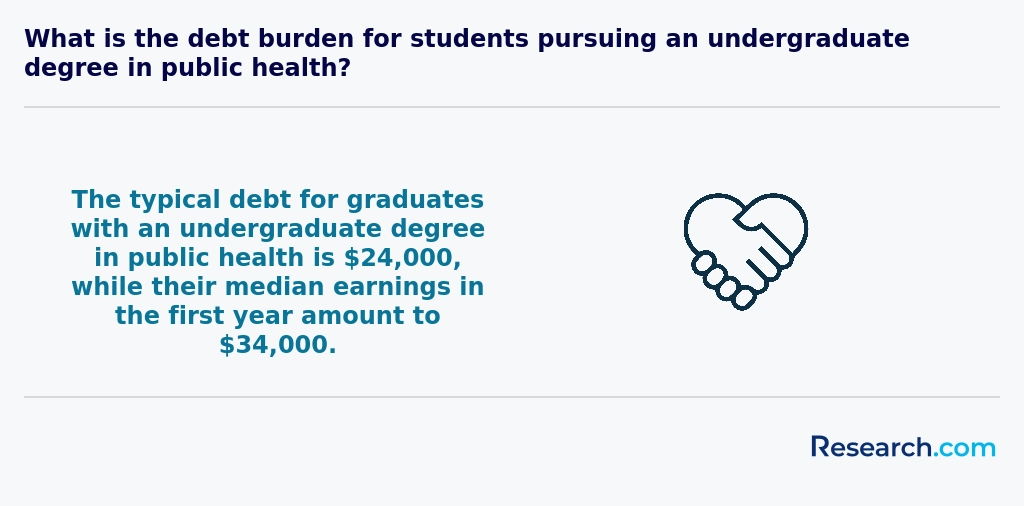
Financial concerns also affect many students, with the average graduate in Minnesota carrying about $30,000 in student loan debt, according to the Institute for College Access & Success. Additionally, accessing timely data and resources specific to Minneapolis's diverse populations requires extra effort to understand local health disparities.
Finally, students must adapt to rapidly changing public health concerns, such as emerging infectious diseases and health equity issues, which demand ongoing learning beyond the classroom.
With a public health degree in Minneapolis, you can pursue several respected professional certifications that enhance career opportunities. One of the most recognized is the Certified in Public Health (CPH) credential offered by the National Board of Public Health Examiners. This certification demonstrates expertise in core public health sciences and is valuable in Minnesota's growing health sector.
Additionally, graduates may seek the Certified Health Education Specialist (CHES) credential to specialize in health promotion and education.
For those interested in epidemiology or biostatistics, the Society for Public Health Education also offers certifications tailored to specific skills.
These certifications can improve job prospects in organizations like the Minnesota Department of Health, which reported over 15,000 public health workers statewide as of recent data from the Bureau of Labor Statistics.
When applying for a public health program in Minneapolis, focus on clear and concise personal statements that highlight your commitment to community health and relevant experience. Admissions committees value applicants who demonstrate an understanding of local health challenges, such as Minneapolis's efforts to address health disparities among diverse populations, including Native American and immigrant communities (Minnesota Department of Health, 2023).
Include specific examples from volunteer work, internships, or jobs that relate to public health, emphasizing quantified impacts when possible. For example, mentioning participation in local health initiatives like the Minneapolis Health Department's programs adds weight.
Ensure your application showcases strong academic performance, especially in sciences and statistics, as these are critical for success in public health careers. Lastly, obtaining recommendation letters from professionals familiar with your commitment and skills can strengthen your candidacy.
The global perspective on a public health career emphasizes its vital role in addressing diverse health challenges worldwide. Graduates with public health degrees are prepared to work on issues like infectious disease control, health policy, and environmental health both locally and internationally.
In the United States, cities like Minneapolis are hubs for public health initiatives that often align with global health priorities. For example, the Minnesota Department of Health collaborates on programs targeting health equity, a principle promoted by the World Health Organization.
According to the Bureau of Labor Statistics, employment for health educators and community health workers is projected to grow 17% nationally from 2022 to 2032, reflecting increasing demand influenced by global health trends.
Minneapolis-based public health professionals frequently engage in research or practice informed by global data, reflecting the interconnectedness of health issues worldwide.
Gaining practical experience while studying for a public health degree in Minneapolis is key to building a strong professional foundation. Many local universities and colleges offer internship programs that connect students with public health agencies, such as the Minnesota Department of Health. These placements often provide hands-on experience in community health assessment and epidemiology.
Additionally, Minneapolis hosts various nonprofit organizations and healthcare facilities where students can volunteer or work part-time. According to the Minnesota Department of Employment and Economic Development, internships in public health have grown by nearly 12% annually in the region, reflecting increased opportunities.
Collaborations between schools and local public health departments also support practicum projects, allowing students to address real-world health issues in urban and suburban communities.
Choosing the right concentration within a public health degree program in Minneapolis involves assessing local health priorities and personal interests. Minneapolis faces particular challenges such as disparities in chronic disease rates and urban environmental health, making concentrations like epidemiology, community health, or environmental health highly relevant.
Students should consider programs that offer practical experience through partnerships with institutions like the Minnesota Department of Health or local clinics. Additionally, reviewing employment statistics can help; for example, health educators and community health workers in Minnesota are projected to grow by over 10% through 2030 (Bureau of Labor Statistics).
Reflect on your career goals and seek concentrations that align with workforce demands in the Twin Cities area to maximize impact and job prospects.
Related Public Health Rankings for Nearby Cities
- 2027 Most Affordable Public Health Degree Programs Ranking in Saint Paul
- 2027 Most Affordable Public Health Degree Programs Ranking in Omaha
- 2027 Most Affordable Public Health Degree Programs Ranking in Milwaukee
- 2027 Most Affordable Public Health Degree Programs Ranking in Chicago
- 2027 Most Affordable Public Health Degree Programs Ranking in Saint Louis
- 2027 Most Affordable Public Health Degree Programs Ranking in Indianapolis
- 2027 Most Affordable Public Health Degree Programs Ranking in Ann Arbor
- 2027 Most Affordable Public Health Degree Programs Ranking in Bloomington
- 2027 Most Affordable Public Health Degree Programs Ranking in Detroit
- 2027 Most Affordable Public Health Degree Programs Ranking in Cincinnati
Top Trending Public Health Rankings
References
- Public Health: A Global Perspective https://www.routledge.com/Public-Health-A-Global-Perspective/Singh/p/book/9781032644226
- Public Health Major https://www.hamline.edu/academics/undergraduate/public-health-sciences
- Minnesota https://www.publichealthdegrees.org/st/minnesota/
- Areas in Public Health https://www.publichealthcareers.org/areas-in-public-health.html
- Letter of Intent for Admissions to Masters of Public Health - how this program fits to my goals? https://essayforum.com/graduate/intent-admissions-masters-public-health-64817/
- INSPIRE ProgramIntroducing Students to Public Health Initiatives, Rooted in Experiences https://www.health.state.mn.us/about/inspire/index.html
- Loading https://www.cpalms.org/PreviewResourceStudentTutorial/Preview/166485
- Medical University of GdaÅsk https://publichealth.mug.edu.pl/
- Financial Aid Guide https://www.publichealth.org/resources/financial-aid/
- For Academic Public Health https://globalnetworkpublichealth.org/


