
2027 Best Social Work Degree Programs Ranking in Connecticut

Co-Founder and Chief Data Scientist
Choosing the right social work degree program in Connecticut can be challenging, but this article is here to help. We present the 2027 Best Social Work Degree Programs Ranking in Connecticut, created by the Research.com team of data scientists to guide you toward the best options available.
Whether you're starting your educational journey or seeking to advance your career, this ranking offers valuable insights for making an informed decision. A social work degree opens doors to meaningful work that positively impacts lives, and here you'll find programs that support your goals and aspirations.
Key benefits of getting social work degree in Connecticut
- Social work degree graduates in Connecticut can earn competitive salaries, with Social Workers making around $68,800 annually and Community Organizers earning up to $83,400 per year, offering financial stability in fulfilling careers.
- Graduates can explore diverse career paths such as Child Welfare Specialist, Residential Counselor, or Youth Worker, benefiting from roles that impact communities positively across the state.
- Completing a social work degree online from a Connecticut university provides flexibility for working students, allowing for a balanced lifestyle without sacrificing quality education or career growth opportunities.
- Key benefits of getting social work degree in Connecticut
- What can I expect from social work degree in Connecticut?
- Where can I work with social work degree in Connecticut?
- How much can I make with social work degree in Connecticut?
- 2027 Best Social Work Degree Programs Ranking in Connecticut
- Key Findings
- How long does it take to complete social work degree in Connecticut?
- Licensing and Certification: Steps to Become a Licensed Social Worker in Connecticut
- What's the difference between online and on-campus social work degree?
- Cost Savings Strategies for Social Work Students in Connecticut
- What is the average cost of social work degree in Connecticut?
- Licensing and Certification Requirements in Connecticut
- What financial aid is available to social work degree students in Connecticut?
- Licensure Requirements in Connecticut
- What are the prerequisites for enrolling in social work degree program in Connecticut?
- Navigating Your Social Work Journey: Success Strategies Beyond the Classroom
- What courses are typically in social work degree programs in Connecticut?
- What types of specializations are available in social work degree programs in Connecticut?
- How do you choose the best social work degree in Connecticut?
- What career paths are available for social work degree students in Connecticut?
- What is the job market for social work degree in Connecticut?
- Related Social Work Rankings for Nearby States
- Top Trending Social Work Rankings
- See What Experts Have To Say About Studying Social Work
What can I expect from social work degree in Connecticut?
Paying for a social work degree in Connecticut often feels like navigating a winding river, where tuition costs at universities like the University of Connecticut or Southern Connecticut State University can range widely. Graduates recall balancing part-time jobs and scholarships, with annual in-state tuition typically flowing between $10,000 and $20,000 for undergraduate programs. Master's degrees, needed for clinical licenses, tend to rise higher, often landing in the $20,000 to $30,000 per year range.
One graduate described juggling late-night shifts with rigorous field placements in Hartford community centers, thankful that financial aid eased the burden. Another shared how flexible payment plans at a Connecticut institution allowed them to focus more on learning than loan stress.
Although numbers matter, the sense of purpose that fuels students through demanding practicum hours-partnering with local hospitals or schools-makes investment feel worthwhile. Connecticut's support networks and university resources are designed to ease both wallet worries and the emotional journey toward becoming a confident, compassionate social worker.
Where can I work with social work degree in Connecticut?
Graduates from social work programs at institutions like the University of Connecticut or Southern Connecticut State University find themselves woven into the very fabric of Connecticut's communities. Picture stepping into Yale New Haven Hospital, where you're not just a professional but a beacon of hope, helping patients navigate emotional mazes post-surgery. Or imagine walking the vibrant hallways of Hartford's public schools, where you rally around struggling students, offering counseling that turns their darkest days into new beginnings.
Some graduates dive into the bustling world of government agencies like the Connecticut Department of Children and Families, safeguarding children and fostering resilient families. Others channel passion into nonprofit realms, advocating for veterans or sheltering those affected by homelessness, bridging gaps with compassion and creativity. These roles don't just demand skills learned in lecture halls; they ignite a sense of purpose and community connection that students from these programs rave about, fueling their drive every step of the way.
How much can I make with social work degree in Connecticut?
Graduates from social work programs at universities like the University of Connecticut and Central Connecticut State University find that their diploma unlocks a gateway to meaningful careers-and decent paychecks. For instance, stepping into roles such as Child Welfare Specialist or Residential Counselor, you can expect mean annual wages around $59,190 in Connecticut, enough to cover living costs and still save for that dream trip home or future adventures.
Those who ignite a spark as Community Organizers or Youth Workers often see impressive bumps, with mean salaries near $83,400, reflecting the value of driving community change. Imagine fresh graduates walking the streets of Hartford or New Haven, empowered by their education and earning roughly $68,800 as social workers, shaping lives while comfortably meeting their bills.
Connecticut's market rewards those who blend passion with credentials, shining especially for clinical roles and leadership positions that build on that initial degree. The blend of solid wages and rewarding work inspires grads to envision success not just in dollars but in impact, with each paycheck embodying the difference they make in local lives.
2027 Best Social Work Degree Programs Ranking in Connecticut
How do we rank schools?
Investing in your education is a significant decision that can greatly impact your future, and the Research.com team recognizes the importance of providing trustworthy information to support that choice. To help prospective students in Connecticut, we have carefully developed the "2027 Best Social Work Degree Programs Ranking in Connecticut." Our dedication to quality, credibility, and accuracy is demonstrated through rigorous research and thorough analysis. We utilized the following reputable data sources to create a comprehensive and reliable ranking:
By reviewing this ranking, readers gain clear and actionable insights to help select the best social work degree programs in Connecticut with confidence. For more information on how this ranking was developed, please visit our Research.com methodology page.


Key Findings
- Annual tuition for social work degrees in Connecticut ranges from $12,000 to $20,000 at public universities and $30,000 to $45,000 at private institutions.
- Average starting salaries for social work graduates in Connecticut are between $45,000 and $55,000 annually.
- Experienced social workers with advanced degrees like an MSW or LCSW certification can earn $65,000 to $80,000 or more per year.
- Connecticut projects an 11% growth in social work jobs over the next decade, with higher demand in Hartford, Stamford, and New Haven.
- State licensure requires completing an accredited degree, supervised clinical hours, and passing a licensing exam before practicing professionally.
How long does it take to complete social work degree in Connecticut?
Imagine stepping onto the vibrant campus of the University of Connecticut, where the journey to becoming a social worker begins with a solid four-year Bachelor of Social Work degree. Graduates often recall those years as a whirlwind of discovery and growth, balancing lectures with heartfelt community projects. For those hungry to dive deeper, pursuing a Master of Social Work typically unfolds over two years full-time-but the path bends to your rhythm here. Part-time programs stretch up to four years, weaving studies around life's busy tapestry, while accelerated tracks let you race through in as little as one year if you've already earned a BSW.
Connecticut's unique flavor comes in its hands-on approach, with field practicums requiring 900 to 1,200 hours of real-world experience, shaping you through stories that textbooks alone can't tell. The balance between classroom and community translates into a deeply fulfilling experience remembered fondly by many graduates from institutions statewide.
Licensing and Certification: Steps to Become a Licensed Social Worker in Connecticut
Becoming a licensed social worker in Connecticut involves a clear pathway of education, examination, and supervised practice designed to uphold professional standards and protect client welfare. First, graduates must earn a CSWE-accredited Bachelor of Social Work (BSW) or Master of Social Work (MSW) degree. After graduation, applicants for the Licensed Social Worker (LSW) credential must submit an application to the Connecticut Department of Public Health (DPH), including official transcripts and a background check. Once the application is approved, candidates must pass the Association of Social Work Boards (ASWB) bachelor’s exam for LSW or the master’s exam for LCSW. Preparation resources such as practice tests and study guides are invaluable for success. After passing the exam, LSWs seeking clinical autonomy must complete at least 3,000 hours of supervised post-master’s practice under a qualified LCSW supervisor. This supervised experience typically spans two to three years and covers diverse settings like child welfare, healthcare, and community services. Upon fulfilling supervised practice requirements, LSWs may apply for the Licensed Clinical Social Worker (LCSW) designation by submitting verification of hours and supervision. LCSWs gain the authority to diagnose and treat mental health conditions, open private practices, and bill insurance providers directly. To maintain either LSW or LCSW status, social workers must complete 30 continuing education (CE) credits every two years, including specific hours in ethics, cultural competence, and clinical supervision. For students comparing costs and looking beyond Connecticut, exploring rankings such as the Cheapest Social Work Degree Programs Ranking in Pennsylvania can help identify more affordable graduate pathways while meeting licensure eligibility. Understanding these licensing steps ensures that aspiring social workers not only choose the right academic program but also navigate the professional requirements that lead to a rewarding career in Connecticut’s social services sector.
What's the difference between online and on-campus social work degree?
Choosing between online and on-campus social work degrees in Connecticut feels like deciding whether to step into a bustling café or sip coffee alone in a cozy nook at home. Graduates from UConn's online MSW program often speak of the freedom to attend classes between work shifts or family time, turning their kitchen tables into classrooms without missing a beat. Meanwhile, those who walked the hallways of the University of Hartford cherish the spontaneous hallway chats with professors, the energized buzz in discussion groups, and easy access to campus resources that made networking feel natural and immediate.
Online learners from Southern Connecticut State University find solace in avoiding long drives from rural towns, embracing flexible schedules that soften life's chaos. Yet, on-campus students thrive on hands-on internships arranged through their schools, diving into real-world social work in Connecticut's communities with direct faculty support. Both pathways share the vital field education, stitching theory with practice, but one folds neatly into your lifestyle while the other immerses you in campus life's vibrant heartbeat.
Cost Savings Strategies for Social Work Students in Connecticut
To make the most of their educational investment, prospective social work students in Connecticut should explore various cost-saving strategies. One crucial approach is to research institutions that offer affordable tuition rates without compromising on the quality of education. For instance, looking into the cheapest social work schools in Connecticut can provide valuable insights into budget-friendly options. Additionally, considering online or part-time programs can help balance academic pursuits with work or other responsibilities, potentially reducing the need for loans or other financial aid. Many universities also offer scholarships, grants, or assistantships specifically for social work students, which can significantly offset the cost of tuition. By carefully evaluating these options and planning ahead, students can navigate the financial aspects of their social work education in Connecticut more effectively.
What is the average cost of social work degree in Connecticut?
The average cost of a social work degree in Connecticut paints a clear picture for many students balancing dreams with dollars. For those diving into a Bachelor of Social Work (BSW) at public universities like UConn or Southern Connecticut State University, annual tuition usually hovers between $14,000 and $17,000 for in-state residents, culminating in a median total investment around $21,000. Graduates often share how this investment feels manageable, opening doors to a fulfilling career without a crushing debt cloud. However, stepping into the realm of Master of Social Work (MSW) programs, particularly at private institutions, tuition can leap to over $30,000 yearly, pushing the median total cost closer to $59,000. These figures reflect the realities that students encounter when budgeting for tuition, books, fees, and living expenses, all while savoring the vibrant campus life and networking opportunities unique to Connecticut's social work programs.
Many students find reassurance by uncovering financial aid options, scholarships, and state grants that soften these costs, helping to make their education journey brighter. Prospective learners eager to find budget-friendly pathways often consult resources listing the cheapest social work schools in Connecticut to match quality education with affordability. This pragmatic approach to social work degree tuition fees Connecticut transforms daunting numbers into tangible steps toward a rewarding social work career fueled by passion and purpose.

Licensing and Certification Requirements in Connecticut
In Connecticut, all practicing social workers must obtain state licensure to ensure public safety and professional accountability. Graduates with a Bachelor of Social Work (BSW) can apply for the Licensed Social Worker (LSW) credential, while those holding a Master of Social Work (MSW) pursue the Licensed Clinical Social Worker (LCSW) designation. Key steps include: 1. Educational Accreditation • Completion of a CSWE-accredited BSW or MSW program. • Prospective students comparing program costs often find the best affordable online bachelor's degree in social work options that meet both CSWE accreditation and Connecticut licensure requirements particularly attractive. 2. Supervised Experience • LSW applicants must complete 1,280 hours of supervised practice under a licensed social worker. • LCSW candidates require 3,000 hours of postgraduate clinical supervision, including diagnosis and psychotherapy. 3. Examination Requirements • Both LSW and LCSW candidates must pass the Association of Social Work Boards (ASWB) exam at the appropriate level (Bachelor’s or Clinical). • Register through the ASWB portal, schedule your test, and prepare using state-specific study guides. 4. Application and Fees • Submit transcripts, supervisor affidavits, and application forms to the Connecticut Department of Public Health. • Pay licensure fees (currently $100 for LSW; $150 for LCSW) and budget for renewal costs every two years. 5. Continuing Education • License renewal mandates 30 continuing education hours biennially, covering ethics, diversity, and clinical updates. By understanding these requirements early, students can align their academic path-whether online or on-campus-to meet all licensure milestones and transition smoothly into Connecticut’s social work workforce.
What financial aid is available to social work degree students in Connecticut?
Imagine a social work student at the University of Connecticut, juggling late-night study sessions and community placements while feeling the weight of tuition bills looming. Fortunately, federal Pell Grants swoop in like a financial lifesaver, offering up to $7,395 to ease that burden and make dreams feel within reach. For many, these grants are the first stepping stone, paired with federal student loans that whisper promises of manageable repayment.
At Central Connecticut State University, graduates recall the relief brought by the Roberta B. Willis Scholarship, a state-powered beacon of hope awarded based on financial need. This scholarship feels like a handshake from Connecticut itself, saying, "We see your effort, and we support your journey."
Merit-based scholarships from these universities spotlight academic champions in social work, making hard work pay twice over. Beyond that, loan forgiveness programs transform post-graduation service in underserved Connecticut communities into a rewarding adventure, financially and spiritually.
National social work associations further expand this constellation of aid, offering scholarships that feel like personal invitations into a vibrant, supportive network. For a Connecticut social work student, these layered supports turn the daunting into the doable, lighting the path toward meaningful impact.
Licensure Requirements in Connecticut
Becoming a licensed social worker in Connecticut involves two key tiers-LMSW (Master Social Worker) and LCSW (Clinical)-each with specific steps:
- Education
Graduate from a CSWE-accredited BSW or MSW program. For clinical practice, an MSW is required; explore msw programs.
- Examination
Pass the ASWB Master’s exam to earn the LMSW, then the Clinical exam for LCSW eligibility.
- Supervised Experience
Accumulate 2,000 hours of supervised post-graduation practice for LMSW. To upgrade to LCSW, complete an additional 3,000 hours under an approved supervisor.
- Application
Submit your application, official transcripts, exam results, and fees to the Connecticut Department of Public Health.
- Continuing Education
Renew your license every two years with 30 approved CE hours, including mandatory ethics coursework.
What are the prerequisites for enrolling in social work degree program in Connecticut?
Picture yourself walking through Yale's historic campus, clutching your high school diploma or GED, ready to dive into a Bachelor of Social Work program. You'll likely need a GPA around 2.5-just enough to show you're committed-and optional SAT scores that can tip the scales in your favor. Like many hopefuls before you, your personal essay becomes your heartbeat on paper, a vivid story expressing why social justice fuels your passion.
Now imagine stepping into UConn's MSW program, where the bar rises: a completed bachelor's degree with at least a 3.0 GPA, often in sociology or psychology. Graduates describe submitting recommendation letters and resumes rich with volunteer stories, all spotlighting real-life encounters with community challenges. Some recall juggling prerequisite courses in stats or psych, sharpening skills essential for fieldwork.
Field placements demand more than textbooks-background checks and immunizations become necessary rites of passage, ensuring safety in local Connecticut agencies. These steps may seem rigorous, but every graduate recalls the thrill of turning these requirements into stepping stones toward meaningful change.
Navigating Your Social Work Journey: Success Strategies Beyond the Classroom
As you embark on your social work education in Connecticut, success extends far beyond classroom learning and field placements. In this section, we provide actionable strategies to help you build a resilient career from day one. Start by cultivating strong relationships with mentors and peers who can offer guidance, share insider tips, and introduce you to vital networking opportunities. Leveraging on-campus support services such as career counseling, academic advising, and mental health resources can enhance your overall experience and ensure that you remain motivated during challenging times. Moreover, understanding the practical side of your education is key. Familiarize yourself with the competitive prerequisites and essential documents required for program applications; for instance, you might explore detailed information regarding the bachelors online degree in social work requirements to ensure your application is well-rounded and meets current standards. Keeping abreast of recent trends in technology and digital tools within the social work field can also be a major asset, as many employers now value tech-savvy professionals who can integrate traditional practices with innovative solutions. Finally, set clear academic and career goals that align with your personal values and professional aspirations. Regular self-assessment, coupled with seeking constructive feedback from faculty and industry professionals, will help you fine-tune your approach and maximize both your educational and career outcomes. These strategies not only prepare you for the rigors of the social work profession but also empower you to become a proactive, lifelong learner committed to meaningful community impact.
What courses are typically in social work degree programs in Connecticut?
In Connecticut, social work students dive into courses that feel like a roadmap for change-makers. Imagine sitting in a lively class at the University of Connecticut, unraveling the complexities of Human Behavior and the Social Environment, where the professor's stories about local communities make abstract theories come alive. Graduates often recall how Introduction to Social Work gave them a profound sense of purpose, grounding ideals in real-world values and the diverse fields they might enter.
Hands-on learners at other state colleges remember clinical stories from their Social Work Practice with Individuals, Families, and Groups class-moments where classroom lessons met real faces needing help. The robust Social Welfare Policy and Services course paints the backdrop of Connecticut's safety nets, sparking hope for advocacy and reform. Meanwhile, Research Methods in Social Work empowers many graduates, as they learned to wield data to fight for those unheard.
Field practicums feel like stepping stones into Connecticut's communities, blending textbooks with tangible impact and leaving students both challenged and inspired.
What types of specializations are available in social work degree programs in Connecticut?
Imagine diving into social work degree specializations Connecticut offers, where each path feels like stepping into a new world tailored to real human stories. Graduates from Southern Connecticut State University share how focusing on Child and Family Welfare felt like joining a frontline team transforming foster care experiences, bringing hope to youth in need. Others pursuing Mental Health and Counseling at the University of Connecticut describe the rewarding challenge of learning crisis intervention skills that truly resonate with the increased demand for behavioral health support across the state.
Healthcare Social Work students relish connecting with Connecticut's aging population, navigating hospital corridors while advocating for patients' community care. Meanwhile, a graduate specializing in School Social Work reflects on their role in combating bullying and enhancing student well-being within local schools. The urgency around the opioid epidemic makes Substance Abuse and Addiction specialization an inspiring battleground for change-makers focusing on prevention and recovery strategies.
For those curious about aligning career goals closely with regional needs, checking out programs like the bachelors online degree in social work requirements offers a great start to understanding pathways in advanced social work career options Connecticut.
How do you choose the best social work degree in Connecticut?
Picture yourself navigating the maze of affordable social work degrees in Connecticut - it's less about chasing names and more about the heartbeat of the program. Graduates from Central Connecticut State University often rave about the balance between rigorous CSWE-accredited coursework and real-world field placements nestled in Connecticut's diverse communities. Those who choose the University of Connecticut's MSW program celebrate how evening classes and online options morph learning around their busy lives, making it feel less like a sacrifice and more like an empowering journey.
Imagine sitting in a café after a demanding internship, knowing your program's network helped place you in a setting where your social work skills truly bloomed. That's the magic behind weighing fieldwork quality alongside licensure exam pass rates-a compass that guides you toward success as a Licensed Clinical Social Worker.
If budget whispers doubts, explore the best affordable online bachelor's degree in social work, crafted to ease financial concerns without dimming educational quality. Picking from top social work programs Connecticut 2027 will highlight which universities flex with your lifestyle while launching you toward a rewarding career.
What career paths are available for social work degree students in Connecticut?
Graduates from social work programs in Connecticut often step into roles as licensed clinical social workers (LCSWs), where they provide healing and hope through therapy in hospitals, private practices, or bustling community health centers. Imagine a graduate from the University of Connecticut weaving together counseling sessions for those wrestling with mental health challenges, their work blending science and compassion seamlessly. Others branch into case management, guiding clients through complex webs of healthcare, housing, and employment, often within schools or government offices-these roles are the unsung hero positions making daily life manageable for many.
For those curious about social work career opportunities in Connecticut, specialization is a vibrant palette: substance abuse support, child and family welfare, gerontology, or school social work where graduates collaborate closely with educators to nurture students' social and emotional growth. Students from private colleges often recount the rewarding chaos of nonprofit crisis interventions or prison social work-urgent, impactful arenas where empathy meets grit.
Those scanning the field of jobs with social work degree Connecticut often find graduating costs approachable, especially with institutions offering aid; some research even guides toward the Cheapest Social Work Degree Programs Ranking in Pennsylvania. This financial support frees future social workers to fulfill roles deeply connected to community well-being and personal transformation.
What is the job market for social work degree in Connecticut?
The social work job outlook in Connecticut sparkles with steady growth and meaningful opportunities. Graduates from popular schools like the University of Connecticut and Southern Connecticut State University often find themselves stepping into roles where their work truly matters: counseling patients in bustling Hartford hospitals or supporting families in Bridgeport's community centers. These experiences translate into real impact and steady employment, thanks to the state's commitment to healthcare and social assistance, fueled by an aging population and rising mental health awareness.
Employment opportunities for social work graduates Connecticut-wide span diverse settings - from clinical counseling to child welfare programs. Many grads share stories of how their time studying social work at local institutions prepared them to navigate complex social issues and find rewarding careers with average salaries around $67,000, climbing higher with specialization.
For those weighing education costs, the investment can be balanced by attractive job prospects. Students consider programs in Connecticut as pathways to faster career launches, especially when exploring options like the fastest online bachelor degree programs for working adults, which offer flexible routes without sacrificing quality.
Frequently Asked Questions About social work
Social work degree students in Connecticut can maximize their learning by engaging deeply in field placements, as hands-on experience is crucial for skill development. Connecticut's universities typically require internships that provide exposure to diverse populations, including urban and rural communities.
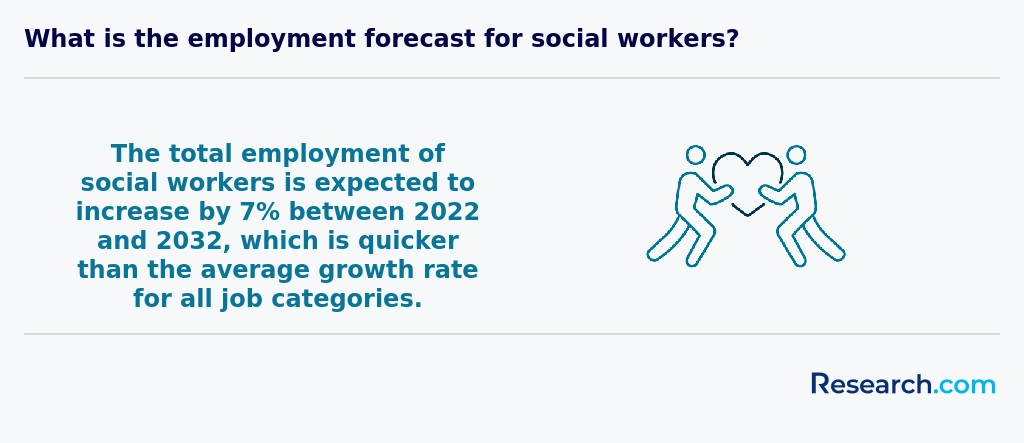
Students should also take advantage of state resources like the Connecticut Social Work Network, which offers professional development and networking opportunities. According to the Connecticut Department of Labor, social work employment in the state is projected to grow by 9% from 2022 to 2032, highlighting the importance of practical skills and connections.
Participating in local workshops and joining professional organizations such as the National Association of Social Workers (NASW) Connecticut chapter can enhance knowledge of state-specific policies and ethics.
Emerging niches in social work reflect changing societal needs and advancements in public policy. In Connecticut, a growing area is geriatric social work, responding to the state's increasing elderly population. According to the Connecticut Department of Aging and Disability Services, nearly 20% of residents are over 65, driving demand for specialized support.
Another expanding field is healthcare social work, particularly in addressing behavioral health and chronic illness management within hospitals and clinics. The Connecticut Department of Public Health has noted a rise in integrated care models, which rely on social workers for patient advocacy.
Environmental and disaster social work is also gaining attention, as climate change motivates community resilience programs. These niches offer new pathways for social work professionals in Connecticut to make meaningful impacts.
After earning a social work degree in Connecticut, it is important to take strategic steps to enter the job market effectively. First, obtaining licensure is crucial; the Connecticut Department of Public Health requires candidates to pass the ASWB exam to become a Licensed Social Worker (LSW) or Licensed Clinical Social Worker (LCSW).
Networking with local agencies and professional groups, such as the Connecticut Social Work Advocacy Alliance, can open doors to employment opportunities.
Internships and field placements, often part of degree programs, provide valuable hands-on experience and connections.
According to the U.S. Bureau of Labor Statistics, Connecticut's employment of social workers is projected to grow about 10% through 2031, especially in health care and community services, underscoring expanding job prospects.
Employers in Connecticut seek social work graduates who demonstrate strong communication and interpersonal skills. These abilities are essential for effectively interacting with clients, families, and multidisciplinary teams. According to the Connecticut Department of Labor, emotional intelligence and cultural competence rank highly among valued skills, reflecting the state's diverse population.
Analytical skills are also critical, as social workers must assess client needs and develop individualized care plans. Problem-solving and decision-making capabilities help professionals handle complex cases and navigate available resources.
Additionally, proficiency in documentation and familiarity with state and federal social service regulations enhance a graduate's employability. Adaptability and resilience are important traits due to the demanding nature of social work roles in Connecticut's dynamic social service sector.
Finding internships in Connecticut for social work students involves connecting with local agencies and academic institutions. Many universities offering social work degrees have established partnerships with organizations such as the Connecticut Department of Social Services and community health centers in cities like Hartford and New Haven.
Students should start by consulting their school's career services or field education office, which typically facilitate internship placements. According to the Council on Social Work Education, over 60% of accredited programs encourage obtaining field experience in public agencies or non-profits.
Additionally, exploring internships through the Connecticut Social Work Education Consortium can provide access to a network of agencies specifically seeking social work interns. Online platforms and local job boards may offer postings targeted to social work fields in Connecticut as well.
In Connecticut, earning a social work degree significantly enhances career mobility and advancement opportunities within the state's growing human services sector. According to the Connecticut Department of Labor, social work positions are expected to grow by 9% from 2020 to 2030, reflecting continuous demand.
A bachelor's or master's degree in social work (BSW or MSW) qualifies graduates for licensed positions, which are often prerequisites for promotions and specialized roles in healthcare, schools, and government agencies. The Connecticut Social Work Licensing Board requires a minimum MSW degree and supervised experience for clinical licensure, critical for career advancement.
Higher degrees also typically lead to better salaries. The U.S. Bureau of Labor Statistics reports the average social worker salary in Connecticut exceeds the national average by approximately 8%. This financial incentive motivates professionals to pursue formal education and credentials. Education thus remains a key driver in attaining leadership and specialist roles within Connecticut's social work community.
Studying for a social work degree in Connecticut equips students with skills essential for interdisciplinary collaboration. Connecticut's accredited programs emphasize working alongside healthcare providers, educators, and legal professionals to address complex social issues.
Curricula often include courses in psychology, public health, and policy analysis, fostering a broad understanding of client needs across sectors. Field placements within diverse community settings offer practical experience interacting with multidisciplinary teams. According to the Connecticut Department of Social Services, nearly 60% of social workers engage with multiple service providers, highlighting the importance of this training.
Connecticut's social work education aligns with national standards set by the Council on Social Work Education (CSWE), ensuring graduates are prepared for varied roles in healthcare, education, and social services.
Choosing between a thesis and a non-thesis social work degree program in Connecticut depends on your career goals and learning preferences. Thesis programs focus on research, requiring students to complete an original study, which suits those interested in academic or policy work. Non-thesis tracks emphasize practical skills and fieldwork, aligning better with individuals seeking clinical or direct practice roles.
In Connecticut, institutions like the University of Connecticut offer both options, reflecting the national trend. According to the CSWE (Council on Social Work Education), about 40% of MSW students choose the thesis option to enhance research skills.
Consider your future plans: thesis pathways prepare for doctoral studies or research careers, while non-thesis prepares more quickly for licensure and social work practice.
Students based in Connecticut who wish to study social work abroad have several opportunities through their home institutions and exchange programs. Many Connecticut universities offering social work degrees, such as the University of Connecticut, participate in study abroad initiatives that allow students to gain international experience while earning credits toward their degrees.
Options often include placements or internships in countries with diverse social work practices, helping students develop a global perspective on social welfare and community engagement. Programs typically last a semester or summer and can include destinations in Europe, Latin America, or Asia.
The Council on Social Work Education (CSWE) supports integrating global competencies into social work curricula, encouraging universities to create these partnerships. Connecticut social work students should consult their academic advisors about approved programs to ensure credits transfer.
Students pursuing social work degrees in Connecticut can enhance their education through various part-time jobs aligned with the field. Positions such as case aide, residential counselor, and community outreach assistant are common. According to the Connecticut Department of Labor, human services roles in the state grew by 5% from 2020 to 2023, reflecting demand for support staff.
Working part-time in local nonprofits, mental health clinics, or youth service agencies offers practical experience while managing coursework. These jobs develop skills in client interaction, crisis management, and resource coordination, essential for future licensed social workers in Connecticut.
Additionally, many social work students find opportunities in school districts assisting with special education or student counseling programs, which also meet practicum requirements in some programs.
Social work students in Connecticut have access to numerous networking opportunities through local professional organizations such as the Connecticut Chapter of the National Association of Social Workers (CT-NASW). This group hosts regular events, workshops, and conferences that connect students with licensed practitioners and potential employers. Many universities also facilitate connections by sponsoring internships and field placements in hospitals, schools, and government agencies statewide. According to CT-NASW, participating in these events can increase job prospects after graduation by 30%. Additionally, statewide job fairs and alumni networks offer platforms for students to build professional relationships within Connecticut's social work community.
Alumni networks play a significant role in supporting social work degree students in Connecticut. These networks connect current students with graduates working across the state, offering valuable mentorship and career advice. According to the Connecticut Social Work Education Consortium, alumni often help with internship placements, which are crucial for hands-on experience required by the Council on Social Work Education (CSWE) accreditation.
Additionally, alumni networks provide access to job openings in hospitals, schools, and community agencies throughout Connecticut. This connection improves employment rates; the Connecticut Department of Labor reports that social work graduates benefit from a 15% higher initial job placement when supported by alumni connections.
Events organized by alumni groups foster professional growth through workshops and networking sessions, helping students build essential relationships within Connecticut's social work community.
In Connecticut, customizing a social work degree involves selecting electives and specializations aligned with your career goals. Many universities offer concentrations such as clinical social work, community organizing, or policy advocacy. For example, the University of Connecticut provides options to focus on behavioral health or child welfare.
Field placements are another way to tailor your experience. Connecticut requires supervised internships as part of degree programs, allowing students to work with specific populations or agencies. This practical experience sharpens skills relevant to desired job roles.
You can also enhance your degree with dual certifications, like school social work licensure, which broadens employment prospects across the state's educational and healthcare systems. According to the Connecticut Department of Public Health, these credentials increase competitiveness in the local job market.
Social work students in Connecticut often face several notable challenges throughout their education. One primary difficulty is securing quality field placements, as the demand for clinical internships frequently exceeds availability, impacting timely graduation and hands-on experience. According to the Connecticut Association of Schools of Social Work, about 40% of students report delays related to finding appropriate practicum sites.
Additionally, financial strain remains a key concern. While Connecticut offers some state aid, the average annual tuition for social work programs ranges from $12,000 to $30,000, which can be burdensome. Balancing rigorous coursework with part-time employment also proves challenging for many students.
Furthermore, navigating the complex licensing requirements post-graduation requires careful planning. Students must meet supervised experience hours mandated by the Connecticut Department of Public Health, often a source of stress.
With a social work degree in Connecticut, you can pursue several professional certifications that enhance your career opportunities. The most common certification is the Licensed Master Social Worker (LMSW), which allows graduates to provide clinical services under supervision. After gaining experience, social workers may seek the Licensed Clinical Social Worker (LCSW) credential to practice independently in mental health and counseling settings.
Connecticut requires passing the Association of Social Work Boards (ASWB) exam for both LMSW and LCSW licenses. According to the Connecticut Department of Public Health, the state issued over 4,000 social work licenses as of 2023, reflecting growing demand.
Additional certifications include school social work and substance abuse counseling credentials, which can further specialize your practice.
Writing a successful application for a social work program in Connecticut requires careful preparation and awareness of state-specific requirements. Applicants should highlight relevant volunteer or work experience, as Connecticut values practical exposure to community services. According to the Connecticut Department of Social Services, social workers in the state often face diverse populations, so demonstrating cultural competence is essential.
Be sure to submit a well-crafted personal statement that clearly explains your motivation for social work and your career goals. Connecticut's Commission on Social Work Certification recommends emphasizing ethical commitment and understanding of social justice issues in your essay.
Additionally, strong letters of recommendation from professionals familiar with your dedication to social work can significantly strengthen your application. Meeting application deadlines and verifying prerequisite coursework in human services or psychology is critical as most accredited programs in Connecticut expect a solid academic foundation.
Social work careers carry significant importance worldwide, reflecting diverse cultural, economic, and social contexts. In the United States, including Connecticut, social workers address local challenges such as healthcare access, mental health, and child welfare. Globally, social workers often focus on humanitarian aid, community development, and human rights. According to the U.S. Bureau of Labor Statistics, social work employment in Connecticut is projected to grow by 13% between 2022 and 2032, indicating rising demand. Many international programs emphasize collaboration across borders to address issues like poverty and migration, broadening the impact of social work beyond national boundaries.
Gaining practical experience is essential when pursuing a social work degree in Connecticut. Most accredited programs require students to complete supervised fieldwork or internships, which provide hands-on training in real-world social service settings. These placements often occur in hospitals, schools, government agencies, or nonprofit organizations.
Connecticut's Department of Social Services and local community agencies frequently partner with universities to offer internship opportunities. According to the Council on Social Work Education, field instruction typically accounts for 450 hours or more within bachelor's or master's programs.
Additionally, volunteering with local organizations focused on mental health, child welfare, or substance abuse can enhance practical skills and professional networking.
Choosing the right concentration within a social work degree program in Connecticut depends largely on your career goals and the populations you wish to serve. Common concentrations include clinical social work, school social work, and community organization. Clinical social work, for example, prepares students for licensure as Licensed Clinical Social Workers (LCSW), a credential required for therapy roles in Connecticut.
It is helpful to review Connecticut's labor market data, where clinical social workers are among the fastest-growing professions, with a 12% projected growth through 2030 according to the U.S. Bureau of Labor Statistics. Students should also consider university partnerships with local agencies, as practical experience is vital.
Additionally, aligning your concentration with Connecticut's demographic needs, such as aging populations or urban community development, can increase job readiness and impact. Consulting academic advisors and reviewing state licensure requirements will guide your decision effectively.
Related Social Work Rankings for Nearby States
- 2027 Best Social Work Degree Programs Ranking in New York
- 2027 Best Social Work Degree Programs Ranking in Massachusetts
- 2027 Best Social Work Degree Programs Ranking in Maryland
- 2027 Best Social Work Degree Programs Ranking in Maine
- 2027 Best Social Work Degree Programs Ranking in Kentucky
- 2027 Best Social Work Degree Programs Ranking in South Carolina
- 2027 Best Social Work Degree Programs Ranking in Indiana
- 2027 Best Social Work Degree Programs Ranking in Georgia
- 2027 Best Social Work Degree Programs Ranking in Illinois
- 2027 Best Social Work Degree Programs Ranking in Florida
Top Trending Social Work Rankings
See What Experts Have To Say About Studying Social Work
Read our interview with Social Work experts

References
- Global Perspectives in Social Work https://www.gu.se/en/study-in-gothenburg/exchange-student/courses/sw1118
- Surviving your social work degree placement - Community Care https://www.communitycare.co.uk/content/news/surviving-your-social-work-degree-placement
- 5 Career Planning Steps for Success in Social Work https://www.twrecruitment.com.au/blog/2026/02/5-career-planning-steps-for-success-in-social-work
- MSW Programs in CT | MSWGuide.org https://www.mswguide.org/schools/connecticut/
- 10 Careers for Social Work Majors https://www.umassglobal.edu/blog-news/careers-for-social-work-majors
- Social Work Degrees https://socialworklicensemap.com/social-work-degrees/
- Social work certificates | edX https://www.edx.org/certificates/social-work-certificates
- Life as a Social Work Student: My Journey and Insights - Inspired Practice https://www.inspiredpractice.com/post/life-as-a-social-work-student-my-journey-and-insights
- MSW Programs in Connecticut (2026 Update) - Campus & Online Master of Social Work https://www.masterofsocialwork.com/states/connecticut/
- The Best International Social Work Internships for Undergrads and Grads https://www.internhq.com/fields/social-work/


