
2027 Best Social Work Degree Programs Ranking in Maine

Co-Founder and Chief Data Scientist
Choosing the right social work degree program is an important step for students in Maine who want to make a meaningful impact in their communities. This article introduces the 2027 Best Social Work Degree Programs Ranking in Maine, thoughtfully developed by the Research.com team of data scientists.
The ranking helps students navigate their options and discover programs that align with their goals and values.
Earning a social work degree opens doors to rewarding careers focused on helping others and creating positive change.
Reading this guide will empower you to make an informed, confident decision about your education path.
Key benefits of getting social work degree in Maine
- Graduates with a social work degree in Maine can enjoy competitive salaries, such as Social Workers earning a mean annual wage of $68,800 and Youth Workers around $83,400, offering financial stability and rewarding careers.
- Career paths range from Child Welfare Specialist to Community Organizer, showcasing diverse opportunities to make a positive impact in local communities while growing professionally.
- Choosing an online social work degree in Maine provides flexibility, allowing students to balance personal life and studies easily, as demonstrated by many successful graduates from popular online programs.
- Key benefits of getting social work degree in Maine
- What can I expect from social work degree in Maine?
- Where can I work with social work degree in Maine?
- How much can I make with social work degree in Maine?
- 2027 Best Social Work Degree Programs Ranking in Maine
- Key Findings
- How long does it take to complete social work degree in Maine?
- Accreditation and Licensure Requirements
- What's the difference between online and on-campus social work degree?
- Licensure Requirements and Process in Maine
- What is the average cost of social work degree in Maine?
- Tips for Success in Your Social Work Education Journey
- What financial aid is available to social work degree students in Maine?
- Finding Affordable Social Work Programs in Maine
- What are the prerequisites for enrolling in social work degree program in Maine?
- Licensing and Certification Requirements in Maine
- What courses are typically in social work degree programs in Maine?
- What types of specializations are available in social work degree programs in Maine?
- How do you choose the best social work degree in Maine?
- What career paths are available for social work degree students in Maine?
- What is the job market for social work degree in Maine?
- Related Social Work Rankings for Nearby States
- Top Trending Social Work Rankings
- See What Experts Have To Say About Studying Social Work
What can I expect from social work degree in Maine?
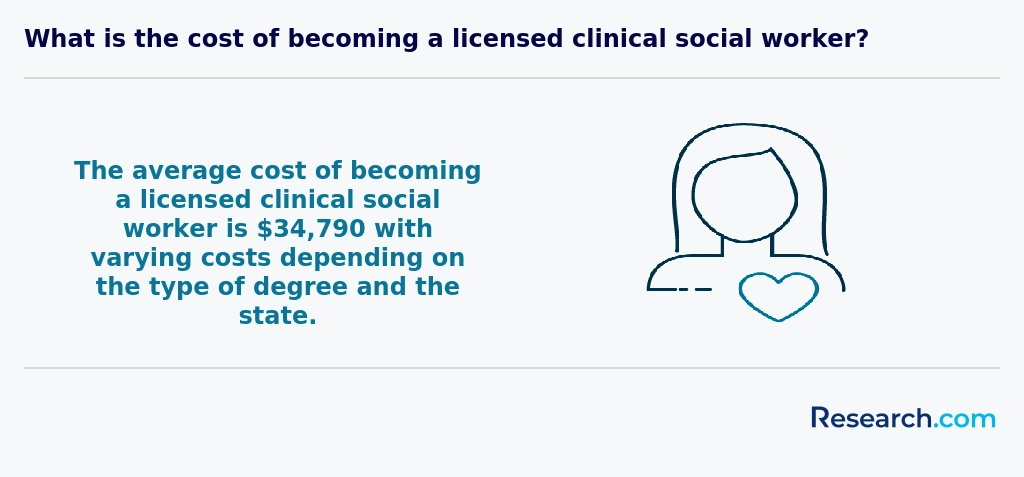
The average cost for a social work degree in Maine often surprises prospective students balancing ambition with budget. Graduates from well-known public universities in Maine frequently recall paying between $10,000 and $15,000 annually for their undergraduate BSW programs, which felt manageable compared to pricier private options. This range offers a lifeline for many, particularly those juggling part-time work or family responsibilities while studying.
It's more than just money - the investment translates into rich, hands-on field internships at local healthcare centers or community agencies, where graduates reflect on moments that truly shaped their passion for social work. These experiences make the tuition feel worthwhile, connecting theory to the realities of Maine's diverse populations.
However, some students pursuing an MSW at private institutions in Maine mention significantly higher costs but appreciate flexible schedules allowing them to continue working in social services, reinforcing that the price tag ties closely to their career goals and lifestyle. Still, scholarships and financial aid are crucial, especially given the varied tuition landscape across Maine's educational offerings.
Where can I work with social work degree in Maine?
Graduates from social work programs at universities like the University of Maine often find themselves at the heart of healthcare environments, supporting patients and families through complex physical and emotional journeys. Imagine being the trusted guide for an elderly patient navigating hospital transitions, a role that not only fulfills job duties but also brings profound personal satisfaction.
Many also step into child welfare roles with the Maine Department of Health and Human Services, where they advocate fiercely for vulnerable youth. Envision the impact of reuniting a child with a safe family - a challenge requiring resilience and empathy, yet incredibly rewarding.
Others join school systems, assisting students to overcome behavioral struggles while connecting families to essential community help. The emotional highs of witnessing a student's breakthrough underscore this path's value, embraced by graduates from colleges like Husson University.
Social workers in Maine's nonprofits tackle homelessness and substance abuse head-on, organizing outreach and counseling that can change lives daily. Similarly, those in correctional settings work toward reducing recidivism, offering hope and rehabilitation to returning citizens.
This array of opportunities reveals that a social work degree in Maine is not just a career path-it's a commitment to transformative community impact and personal growth.
How much can I make with social work degree in Maine?
Graduates with social work degrees from institutions like the University of Southern Maine often find themselves weighing the value of their education against potential earnings. In Maine, a typical social worker salary starts around $52,000 annually, but data reveal a broader spectrum. For example, social workers, according to the latest figures, make a mean annual wage close to $68,800 nationally, which can be reflective of experienced professionals in Maine's urban centers. Roles such as Child Welfare Specialists and Residential Counselors earn about $59,190 per year, offering a tangible benchmark for new graduates.
Aspiring social workers might be surprised to learn that Community Organizers and Youth Workers actually earn higher wages, averaging $83,400 annually, which challenges the common assumption that social work pays modestly across all roles. Graduates from familiar Maine programs often report that choosing specialized tracks or certifications leads to lucrative opportunities in these categories.
Reflecting on these figures, it's clear that while starting salaries for entry-level social workers can be modest, there is strong potential for growth. The real-life experience of Maine graduates shows that strategic career choices, like securing positions within high-demand areas or urban settings, can make a significant financial difference and provide rewarding, impactful work.
2027 Best Social Work Degree Programs Ranking in Maine
How do we rank schools?
Investing in your education is a significant decision that can shape your future, and the Research.com team understands the importance of making informed choices. To assist prospective social work students in Maine, we have meticulously crafted the "2027 Best Social Work Degree Programs Ranking in Maine." Our commitment to quality, credibility, and accuracy is reflected in the extensive research and analysis conducted to compile this ranking.
We utilized the following reputable data sources to ensure a comprehensive evaluation of social work programs:
By exploring this ranking, readers will gain valuable insights into the top social work degree programs available in Maine, empowering them to make well-informed decisions about their educational journey. For more details on our methodology, please visit our Research.com methodology page.


Key Findings
- Maine offers Bachelor of Social Work (BSW) and Master of Social Work (MSW) degrees through accredited programs essential for licensure.
- In-state undergraduate tuition at public universities ranges from $10,000 to $12,000 per year, totaling about $40,000 to $48,000 for a four-year BSW program.
- Graduate MSW programs typically cost between $15,000 and $25,000 per year, with private schools generally charging more.
- The social work job market in Maine is expected to grow about 7% through the mid-2020s, with entry-level salaries around $45,000 and experienced social workers earning $60,000 or more.
- Licensure requires completing an accredited degree, supervised clinical hours, and passing exams; the Licensed Clinical Social Worker (LCSW) credential needs an MSW and post-graduate experience.
- Fieldwork and internships are crucial components of Maine's social work programs, providing practical experience and helping meet licensure requirements.
How long does it take to complete social work degree in Maine?
Completing a social work degree in Maine typically means committing to about four years for a Bachelor of Social Work (BSW), a timeframe familiar to many graduates from institutions like the University of Maine or Husson University. These students often reflect on how these years laid a strong foundation, blending classroom learning with hands-on field experiences that felt immediately relevant to their communities. For many, the predictability of this timeline brought a sense of accomplishment and readiness for real-world challenges.
However, pushing further into a Master of Social Work (MSW) shifts the timeline to approximately two additional years, a path embraced by those seeking advanced practice roles. Graduates from programs at MITC or Southern Maine found that while the workload intensified, their feelings of fulfillment grew stronger-especially when part-time or accelerated options allowed them to tailor their journey around work and life commitments.
For those entering with a BSW, the advanced standing MSW programs in Maine can condense study to just one year, a game-changer for many who balance family and career. These adaptable pathways invite reflection on how time invested in education doesn't just tick off a calendar but transforms professional identities and future possibilities.
Accreditation and Licensure Requirements
All social work programs in Maine must be accredited by the Council on Social Work Education (CSWE) to ensure your degree qualifies for state licensure. Before enrolling, confirm that courses and field practicum meet both national and Maine Board of Licensure for Social Workers standards.
Key steps to licensure in Maine:
- Complete a CSWE-accredited BSW or MSW program
- Accrue required supervised practice hours (typically 3,000 for clinical licensure)
- Pass the Association of Social Work Boards (ASWB) exam at the appropriate level
- Apply for LSW (Licensed Social Worker) or LCSW (Licensed Clinical Social Worker) credential
If you’re exploring flexible formats, an online msw must also hold CSWE accreditation to satisfy these requirements.
What's the difference between online and on-campus social work degree?
Choosing between an online and on-campus social work degree in Maine reveals more than just a format difference; it touches on how you experience learning itself. Graduates from the University of Southern Maine's on-campus programs often recall the energizing immediacy of in-person discussions and spontaneous faculty support moments that fueled their motivation. The structured campus routine, surrounded by peers in classrooms and libraries, created a shared journey that many found reassuring and immersive.
Conversely, alumni from the University of New England's online MSW program speak to the freedom of navigating coursework around jobs and family, highlighting how the flexibility empowered them rather than constrained them. This adaptability is especially meaningful for those living in rural Maine, where commuting poses real challenges, or for working professionals balancing competing responsibilities.
Yet, both paths converge when tackling crucial field placements. Online students coordinate local internships that feel immediately relevant, embodying Maine's community-oriented social work ethos. In both settings, the emotional connection to practice and peers shapes a fulfilling preparation for licensure and meaningful impact.
Licensure Requirements and Process in Maine
Navigating the path to becoming a licensed social worker in Maine involves meeting educational, examination, and supervised practice standards. Whether you’re aiming for your initial LSW (Licensed Social Worker) or advancing to LCSW (Licensed Clinical Social Worker), understanding each step is crucial. Education and Accredited Programs To qualify for LSW licensure, candidates must earn a bachelor’s degree in social work from a CSWE-accredited institution. Selecting an affordable bachelor of social work degree program can reduce financial barriers while ensuring you meet national accreditation standards. For clinical practice and LCSW eligibility, you’ll need a Master of Social Work (MSW) from a CSWE-accredited program. Examination Requirements After graduation, applicants must pass the appropriate Association of Social Work Boards (ASWB) exam: • LSW Exam: Assesses generalist social work knowledge for bachelor’s-level practice. • Advanced Generalist or Clinical Exam: Required for MSW graduates pursuing LCSW. Register through the ASWB portal, prepare with practice materials, and schedule your test at an approved testing center. Supervised Practice Hours Maine’s Board of Social Work Examiners mandates supervised experience before full licensure: • LSW: No post-degree supervision required, but practice under an LCSW or approved supervisor is recommended. • LCSW: Minimum of 3,000 post-MSW supervised clinical hours over at least two years. Documentation of each client session, supervisor evaluations, and ethical reflections must be submitted with your final application. Application and Renewal Submit your licensure application to the Maine Department of Professional and Financial Regulation, including: • Official transcripts from CSWE-accredited programs • ASWB exam score report • Verification of supervised hours (for LCSW) • Application fee payment Licenses must be renewed biennially, with a requirement of 30 continuing education credits for LCSWs and 20 for LSWs. Plan ahead by tracking workshops, webinars, and courses approved by the Board. By following these clear steps-choosing an accredited program, passing the ASWB exam, completing supervised hours, and maintaining ongoing education-you’ll be well on your way to a successful social work career in Maine.
What is the average cost of social work degree in Maine?
The average social work degree cost Maine students face often surprises those who assume tuition is uniform. In reality, graduates from the University of Maine report an in-state total cost near $13,300, while out-of-state peers encounter a much steeper price tag around $51,000. These figures reveal the true financial commitment behind pursuing social work locally and emphasize how residency status can sharply influence expenses.
Many students at schools like the University of Southern Maine find that careful budgeting is essential. Although initial tuition may feel daunting, the investment often pays off through rewarding careers in community support and advocacy. Reflecting on real experiences of graduates, the challenge of managing costs alongside coursework fosters resilience and determination, qualities fundamental to social work itself.
When evaluating the cost of social work programs in Maine, it's important not to miss hidden factors such as fees, books, and living expenses that add up over time. Some graduates have opted for part-time or online options to balance finances and personal life. Exploring most affordable social work programs in Maine can uncover pathways that defy conventional expectations about affordability.
Ultimately, understanding the average social work degree cost Maine students encounter prompts deeper reflection on value. It challenges future students to consider how commitment to social welfare is intertwined with financial planning, and how choosing the right institution profoundly shapes that journey.
Tips for Success in Your Social Work Education Journey
Embarking on your social work education is both an exciting and challenging adventure. To ensure you make the most of your time in school, consider adopting a proactive approach to both academic and personal development. Begin by setting clear goals and managing your time effectively-balancing coursework, internships, and personal commitments is key. Engage actively in class discussions and seek feedback from professors who are passionate about your success. Additionally, take advantage of networking opportunities through student organizations and community outreach programs; these connections can provide mentorship and open doors to future job opportunities. Remember to explore cost-effective options and financial support throughout your journey. For example, many prospective students often ask if is online bachelors degree in social work affordable, as online programs can offer the flexibility needed to balance work and study. Finally, regularly review career resources and alumni testimonials to gain insights into emerging industry trends, ensuring that you remain adaptable in this ever-evolving field.
What financial aid is available to social work degree students in Maine?
Financial aid for social work degrees in Maine is more than just a generic safety net; it's a critical lifeline that transforms aspirations into tangible opportunities. Graduates from institutions like the University of Southern Maine often recount how the Maine State Grant, ranging from $1,500 to $3,500 annually, was a game changer-allowing them to focus on their studies without constant financial distress. Meanwhile, Pell Grants, which can reach up to $7,395, eliminate debt fears for many, offering a zero-repayment chance to access education.
Scholarships specifically tailored to social work students at the University of New England and other Maine colleges often reward more than grades-they recognize dedication to community service and financial need, reflecting the holistic demands of the profession. These awards, sometimes covering full tuition, underscore the state's commitment to cultivating compassionate social workers.
Beyond grants and scholarships, assistantships and work-study programs provide vital income and real-world experience. These opportunities don't just alleviate bills-they enrich the learning journey, especially for graduate students drawn to Maine's unique social challenges. The support from Maine nonprofit groups and NASW's local chapter further amplifies these resources, proving that social work students here are never navigating financial obstacles alone.
Finding Affordable Social Work Programs in Maine
When considering a social work degree in Maine, affordability is a crucial factor, as it can significantly impact your financial stability and career choices. To find the most affordable options, it's essential to research and compare the tuition fees, living costs, and available financial aid across different institutions. For instance, the most affordable social work programs in Maine may offer lower tuition rates, scholarships, or work-study programs that can help reduce your educational expenses. By exploring these options and understanding the total cost of attendance, you can make an informed decision that aligns with your budget and career aspirations, ultimately paving the way for a rewarding and financially sustainable career in social work.
What are the prerequisites for enrolling in social work degree program in Maine?
To enroll in a social work degree program in Maine, you must first meet foundational academic criteria, typically including a high school diploma or equivalent. Graduates from well-known institutions like the University of Maine often recall how a strong background in English and social studies helped sharpen their communication skills, essential for social work's demanding emotional and analytical challenges.
Interestingly, while standardized tests like the SAT are not universally required across Maine, many schools use them to holistically evaluate candidates. This approach reflects a broader understanding that standardized scores alone cannot capture the empathy and resilience vital for social work.
Graduate programs, such as the Master of Social Work offered at several Maine colleges, raise the bar further. Candidates usually bring a bachelor's degree with coursework in psychology or sociology, alongside real-world experience through internships or volunteering. Graduates emphasize how hands-on involvement in local social service agencies in Portland or Bangor deepened their insight, turning abstract theory into heartfelt action.
Letters of recommendation and personal statements are more than formalities; they reveal your genuine motivation-something every admissions committee in Maine's CSWE-accredited programs looks for to ensure future social workers are truly ready for this transformative career.
Licensing and Certification Requirements in Maine
In Maine, obtaining the appropriate licensure is essential to practice as a social worker and advance your career. The Maine Board of Social Worker Licensure oversees two primary credentials: the Licensed Social Worker (LSW) for bachelor’s-level practitioners and the Licensed Clinical Social Worker (LCSW) for those providing clinical services. Each license ensures you meet the state’s standards for education, ethics, and professional competence. Key requirements for LSW and LCSW licensure in Maine include:
- Education: A CSWE-accredited BSW for LSW candidates or an MSW for LCSW hopefuls.
- Examination: Passing the ASWB Bachelor’s exam for LSW and the ASWB Clinical exam for LCSW.
- Supervised Experience: 2,000 hours of post-MSW supervised clinical practice for LCSW applicants; LSWs may accrue supervised hours toward advanced licensure.
- Application and Fees: Submission of official transcripts, exam scores, verification of supervision, background check, and payment of state licensure fees. If you plan to progress into clinical practice or leadership roles, earning your MSW through an accredited program is a critical step. For budget-conscious students seeking reputable online options, consider the Cheapest Online Master's in Social Work Degree Programs Ranking in the West to find affordable pathways that satisfy Maine’s educational criteria. Once licensed, Maine social workers must complete 30 continuing education units (CEUs) every two years, including ethics and cultural competence credits, to maintain active status. Familiarizing yourself with approved providers, renewal deadlines, and record-keeping requirements will help ensure uninterrupted practice and compliance with professional standards.
What courses are typically in social work degree programs in Maine?
Students pursuing social work degrees in Maine encounter courses that go far beyond textbook theory to embrace the state's unique social fabric. Graduates from well-known institutions like the University of Southern Maine often reflect on courses covering social welfare policy deeply rooted in Maine's rural and aging populations. This isn't abstract learning-it's understanding real policy impacts on neighbors struggling with elder care or access to housing.
Core classes in human behavior and social environments become lenses through which students view their own communities, fostering empathy that resonates personally and professionally. Those who trained at colleges such as Husson University describe how practice courses challenged them to engage authentically-with classroom lessons translating directly into their field placements at local agencies or hospitals.
Field education isn't a mere requirement; it's where theory and heart meet. Students recall the emotional growth gained while working with families facing economic hardship in Portland or youth navigating substance abuse in rural towns. Research methods also empower these aspiring social workers to question assumptions and champion evidence-based interventions, preparing them uniquely for Maine's social services landscape.
What types of specializations are available in social work degree programs in Maine?
Maine's social work degree specializations are far from one-size-fits-all, reflecting the state's diverse social and economic fabric. Graduates from universities like the University of Southern Maine often tell stories of how clinical social work training equipped them to provide critical mental health therapy in rural areas where access is limited. This specialization is vital as demand for licensed clinical social workers grows statewide.
Other students find deep fulfillment focusing on child and family welfare, tackling challenges from foster care systems to family counseling. Maine's unique mix of urban and rural communities makes this specialization particularly resonant for those intent on making a tangible impact in children's lives.
Exploring Maine social work program concentration options also reveals specializations like school social work, a path graduates value for its direct engagement with children facing socioeconomic barriers, and gerontological social work, crucial given Maine's aging population. The enthusiasm of students at colleges such as Husson University underscores how these tracks prepare professionals for real-world community challenges.
Adding to this, substance abuse and addiction specializations stand out as students witness firsthand the urgency of addressing opioid crises locally, affirming their commitment to recovery services.
For those weighing costs, the consideration of whether is online bachelors degree in social work affordable becomes a practical question tied closely to these meaningful career paths.
How do you choose the best social work degree in Maine?
Choosing the best social work degree in Maine means looking beyond just the campus or tuition price tag. Graduates from popular Maine institutions often reflect on how pivotal CSWE accreditation was, ensuring their degree met essential licensure requirements and prepared them fully for demanding clinical roles. Many discovered that aligning their choice between a Bachelor of Social Work and a Master of Social Work shaped their career trajectories deeply-while a BSW opened doors for entry-level jobs, an MSW unlocked advanced, better-paid opportunities. Exploring affordability? The University of Southern Maine's competitive in-state tuition drew students who balanced cost with quality, while others found that flexible online or hybrid options reduced stress and made studying possible alongside work or family commitments. Some even praised hands-on internships that connected them to local social agencies, providing invaluable real-world experience. For those seeking an accessible path, investigating an affordable bachelor of social work degree program in Maine can be a transformative step.
In this quest, weighing practical needs against passion often reframes what the best social work degree programs in Maine truly mean-it's about a program that fits your life, aspirations, and the community you want to serve.
What career paths are available for social work degree students in Maine?
Graduates of social work degree programs in Maine find themselves at a unique crossroads where compassion meets opportunity. Many alumni from institutions like the University of Maine share how their training prepared them for roles as licensed clinical social workers, providing critical mental health support in communities that often lack adequate resources. These careers aren't just jobs-they are transformative experiences shaping lives within Maine's rural and urban landscapes, where the demand for such expertise continues to grow.
Exploring social work career opportunities in Maine reveals diverse paths beyond clinical settings. Graduates frequently move into child welfare case management or school social work, roles deeply connected to local families and schools. Others feel called to serve as healthcare social workers or community outreach coordinators, addressing urgent societal challenges like homelessness or substance abuse. Stories from graduates at popular Maine colleges emphasize the rewarding nature of these roles, often highlighting the fulfillment found in making tangible differences close to home.
Choosing where to study also matters; many find value in affordable options that balance quality and cost. Those exploring jobs with a social work degree Maine often reference programs highlighted in the Cheapest Online Master's in Social Work Degree Programs Ranking in the West to reduce financial burden while gaining solid credentials.
What is the job market for social work degree in Maine?
The social work job market Maine graduates face may appear steady, but a deeper look reveals nuanced opportunities shaped by local demands and educational choices. Students from universities such as the University of Maine often share how pursuing an MSW opened doors to clinical roles in mental health clinics and child welfare agencies, reflecting the state's growing need for licensed clinical social workers. These roles not only offer competitive salaries but also the rewarding challenge of making a tangible difference in rural communities.
Employment outlook for social workers Maine shows that the evolving healthcare landscape, coupled with aging populations, stimulates demand in sectors like substance abuse treatment centers and nonprofit organizations. Graduates frequently emphasize the emotional satisfaction derived from roles in government agencies or hospitals, where their work directly supports families and vulnerable individuals.
Understanding tuition costs and return on investment is crucial for prospective students; public institutions' affordable rates contrast with higher private tuition, yet many find relief through financial aid and scholarships. Exploring certifications that make money can enhance career prospects, proving invaluable in Maine's competitive social work job market.
Frequently Asked Questions About social work
Social work degree students in Maine can maximize their learning experience by engaging deeply with both academic coursework and practical fieldwork. Maine's accredited programs typically require supervised internships, which are essential for gaining real-world skills and expanding professional networks.
Students should seek internships with local agencies, such as the Maine Department of Health and Human Services, which is one of the largest employers of social workers in the state. According to the National Association of Social Workers, 2023 data shows Maine has a growing demand for licensed social workers, emphasizing practical experience.
Additionally, participating in state social work associations, attending workshops, and staying updated on Maine's social policies can also enrich learning and professional preparedness.
Emerging niches within the social work field in Maine reflect the state's evolving social and demographic needs. One growing area is geriatric social work, driven by Maine's status as one of the oldest populations in the U.S. The Maine Department of Health and Human Services highlights increased demand for professionals supporting elderly individuals through healthcare coordination and community resources.
Another rising specialty is rural mental health social work. Maine's vast rural areas face limited access to mental health services, creating opportunities for social workers trained in telehealth and community outreach. Additionally, environmental social work is gaining traction, addressing climate change impacts on vulnerable populations in coastal Maine.
Child welfare and substance abuse counseling remain critical but are expanding in scope due to ongoing public health challenges from opioid misuse, according to the Maine Center for Disease Control and Prevention. These niches offer promising careers aligned with local community needs.
After earning a social work degree in Maine, preparing for the job market involves understanding both education requirements and local employment trends. Maine's Department of Labor reports that social work jobs are expected to grow by about 13% through 2030, matching national growth. Graduates should seek licensure from the Maine Board of Social Work Licensing, essential for practice and advancement.
Internships and fieldwork during your degree are invaluable for gaining practical experience and networking. Joining professional organizations such as the National Association of Social Workers (NASW) Maine chapter can offer job leads and mentorship. Additionally, staying informed about local social service agencies and continuously developing skills in areas like mental health or substance abuse improves job prospects.
Employers in Maine seeking graduates with social work degrees prioritize strong communication and interpersonal skills. These abilities enable professionals to effectively engage with diverse populations, a critical element in social services. According to the Maine Department of Labor, adaptability and cultural competence are increasingly valued due to the state's demographic shifts.
Analytical skills and ethical decision-making also receive significant emphasis, as social workers must assess client needs and uphold professional standards. A 2023 report by the National Association of Social Workers highlights that nearly 70% of Maine employers list case management proficiency as essential.
Additionally, employers value graduates familiar with local policies and community resources. Practical experience through internships in Maine is often seen as a key asset, demonstrating readiness for real-world challenges in social work settings.
Finding internships in Maine relevant to a social work degree involves proactive research and networking. Many accredited social work programs in Maine, such as those at the University of Southern Maine and the University of New England, coordinate internships as part of their curriculum, placing students in local agencies.
Students can also explore opportunities through the Maine Department of Health and Human Services, which offers placements in child welfare and mental health services. Additionally, nonprofit organizations like Catholic Charities Maine and Pine Tree Legal Assistance frequently host social work interns.
The National Association of Social Workers (NASW) Maine chapter provides valuable internship listings and networking events. Using these resources can help students secure meaningful field experiences necessary for licensure and career development.
In Maine, obtaining a social work degree significantly enhances career mobility and advancement opportunities. According to the National Association of Social Workers (NASW) Maine Chapter, professionals with a Bachelor of Social Work (BSW) or Master of Social Work (MSW) are eligible for higher-level positions in healthcare, education, and social services. An MSW degree, in particular, opens doors to clinical licensing, which is required for private practice and supervisory roles.
The Maine Department of Labor projects that social work jobs will grow by 10% through 2030. Degree-holders generally see higher salaries, with licensed clinical social workers earning a median of $57,000 annually, compared to $40,000 for those without advanced degrees. Thus, holding a recognized social work degree is a key factor in professional growth within the state.
Studying for a social work degree in Maine prepares students for interdisciplinary roles by offering curriculum that integrates knowledge from psychology, sociology, and health sciences. Programs often include practical training in hospitals, schools, and community agencies where collaboration with professionals from diverse fields is essential. According to the University of Southern Maine, their accredited Bachelor of Social Work program emphasizes teamwork and communication skills vital for interdisciplinary settings.
Additionally, Maine's growing focus on addressing rural and mental health needs requires social workers to coordinate with medical providers, educators, and policymakers. This real-world experience supports adaptability in multi-professional environments.
Choosing between a thesis and a non-thesis social work degree program in Maine depends on your career goals and learning preferences. A thesis option often suits students interested in research, academic careers, or advanced study, as it requires original research and a formal paper. In contrast, non-thesis programs focus more on practical skills and fieldwork, which may appeal to those seeking immediate employment in clinical or community settings.
In Maine, accredited programs by the Council on Social Work Education (CSWE) offer both pathways. According to the Bureau of Labor Statistics, Maine's social work field is expected to grow by 8% through 2030, emphasizing the need for practical skills. Referencing local universities' offerings can clarify which format aligns with your goals.
Students based in Maine who are interested in studying social work abroad have several pathways to consider. Many universities in Maine, such as the University of Southern Maine, participate in study abroad programs through established international partnerships. These programs often allow students to complete part of their social work curriculum overseas, gaining multicultural experience relevant to the field.
Another option is enrolling in US-accredited online social work degree programs that offer international field placement opportunities. The Council on Social Work Education (CSWE) highlights the importance of global perspectives, which enhances students' eligibility for licensure in Maine upon return.
Students should also explore exchange programs through consortia or education associations that Maine colleges belong to, which often include destinations in Europe, Latin America, and Asia.
In Maine, part-time jobs that complement social work degree education often involve direct community engagement and support roles. Positions such as mental health support aide, case management assistant, or residential counselor provide practical experience aligning with social work principles.
The Maine Department of Health and Human Services frequently hires part-time help in programs supporting vulnerable populations, offering students real-world exposure. According to the U.S. Bureau of Labor Statistics, Maine's social service sector growth supports these opportunities, with a 5% projected increase through 2030.
Additionally, non-profits focused on substance abuse or youth services often seek part-time workers, providing valuable insight into advocacy and client relations. These roles help build skills in communication, crisis intervention, and ethical decision-making essential for future social workers.
Social work students in Maine have access to several valuable networking opportunities through local universities and professional organizations. For instance, the Maine Chapter of the National Association of Social Workers (NASW) offers students access to conferences, workshops, and local meetups that connect them with seasoned professionals and potential mentors. According to NASW Maine, about 1,000 social workers are active in the state, creating a robust network for emerging social workers.
Additionally, schools like the University of Maine and the University of Southern Maine facilitate networking through internship placements with community agencies, giving students hands-on experience and professional contacts. Participation in student organizations and events further enhances these connections.
Alumni networks play a crucial role for social work degree students in Maine by offering valuable professional connections. Graduates can access mentors and peers who understand the local social services landscape, which is essential for career growth in the state's diverse communities.
These networks often facilitate job placements, internships, and volunteer opportunities, helping students enter a competitive job market. According to the University of Maine System, social work programs actively engage alumni to support current students through workshops and networking events.
In Maine, where rural and urban social work needs differ widely, these networks also provide insights into specific regional challenges, enhancing students' practical understanding and readiness.
Customizing a social work degree program in Maine allows students to align their education with specific career goals. Many Maine universities offer elective courses and specializations such as clinical practice, child welfare, or community organizing. Students can choose internships within local agencies to gain hands-on experience tailored to their interests. For example, the Maine Department of Health and Human Services collaborates with schools to provide field placements that focus on substance abuse or mental health, reflecting the state's needs. Additionally, part-time and online options help working professionals balance studies and careers. Accreditation by the Council on Social Work Education ensures program quality and relevance.
Social work students in Maine often encounter several challenges during their studies. One primary difficulty is balancing demanding field placements with coursework. Maine's rural landscape can limit access to diverse clinical opportunities compared to urban areas, potentially restricting hands-on experiences.
Financial strain is another common issue. According to the National Association of Social Workers, many students struggle with tuition costs and the limited availability of scholarships specifically for social work programs in Maine.
Additionally, students face the emotional demands of the profession early on. Exposure to client trauma during practicum can impact mental health, requiring strong support systems. Navigating licensure requirements post-graduation, including passing the ASWB exam, adds further pressure to students preparing for careers in Maine's social work field.
With a social work degree in Maine, graduates can pursue several professional certifications to enhance their careers. The most recognized credential is the Licensed Social Worker (LSW), which requires passing the ASWB Bachelor's or Master's level exam. Many professionals then advance to Licensed Clinical Social Worker (LCSW) status by gaining supervised experience and passing a clinical exam.
Other certifications include Clinical Supervisor credentials, supporting careers in mental health or social services agencies. Maine's Department of Professional and Financial Regulation offers clear guidelines and licensing statistics, showing steady growth in social work licenses in recent years.
National certifications, such as Certified School Social Work Specialist (C-SSWS) and Certified Advanced Social Work Case Manager (C-ASWCM), are also available for specialization.
When applying for a social work program in Maine, a clear and focused personal statement is essential. Highlight your motivation for pursuing social work and connect it to experiences relevant to Maine's communities. Admissions committees value applicants who demonstrate understanding of local social issues, such as rural poverty or elderly care challenges reported by the Maine Department of Health and Human Services.
Make sure to include details about any volunteer or work experience related to social services, especially within Maine. Providing specific examples shows commitment and readiness for hands-on learning.
Strong letters of recommendation from professionals familiar with your character and dedication can greatly enhance your application. Finally, ensure your academic transcripts meet the program's requirements and reflect consistent performance in relevant coursework.
Social work is recognized globally as a vital profession dedicated to improving well-being and social justice. In the United States, including Maine, social workers address diverse populations, from vulnerable children to the elderly. According to the U.S. Bureau of Labor Statistics, social work jobs are expected to grow 12% nationally between 2022 and 2032, reflecting strong demand driven by aging populations and mental health awareness.
Globally, social work emphasizes cultural competence and ethical practice that respects different social environments. Maine's social work education programs incorporate these global values while preparing students for local challenges, such as rural health disparities and substance abuse. The National Association of Social Workers highlights that Maine has one of the highest per capita ratios of licensed social workers in New England, underscoring its commitment to social service excellence.
Gaining practical experience while studying for a social work degree in Maine is crucial for developing the skills needed in this field. Many accredited programs in the state incorporate supervised field placements or internships as part of their curriculum. These experiences allow students to work directly with clients under professional guidance.
Students often engage with community organizations, healthcare facilities, or government agencies, gaining exposure to diverse social challenges. According to the Council on Social Work Education, about 1,200 social work students in New England complete field education annually, reflecting its importance.
Additionally, Maine's Department of Health and Human Services sometimes offers internship opportunities that help students build practical skills while networking locally.
Choosing the right concentration within a social work degree program in Maine involves aligning your interests with local community needs. Popular areas include child and family welfare, healthcare, and substance abuse counseling. According to the National Association of Social Workers (NASW) Maine chapter, child welfare remains a critical focus due to the state's emphasis on family services.
You should also consider practicum opportunities offered by Maine's accredited programs, as hands-on experience helps clarify your career path. Reviewing Maine's labor market data, the healthcare and mental health sectors are growing, suggesting strong job prospects in those concentrations. Evaluating your personal strengths and career goals alongside these insights will help you make an informed decision.
Related Social Work Rankings for Nearby States
- 2027 Best Social Work Degree Programs Ranking in Massachusetts
- 2027 Best Social Work Degree Programs Ranking in Connecticut
- 2027 Best Social Work Degree Programs Ranking in New York
- 2027 Best Social Work Degree Programs Ranking in Maryland
- 2027 Best Social Work Degree Programs Ranking in Kentucky
- 2027 Best Social Work Degree Programs Ranking in South Carolina
- 2027 Best Social Work Degree Programs Ranking in Indiana
- 2027 Best Social Work Degree Programs Ranking in Georgia
- 2027 Best Social Work Degree Programs Ranking in Illinois
- 2027 Best Social Work Degree Programs Ranking in Florida
Top Trending Social Work Rankings
See What Experts Have To Say About Studying Social Work
Read our interview with Social Work experts

References
- Study Social Work Abroad | Go Overseas https://www.gooverseas.com/study-abroad/social-work
- How to Network Your Way into a Social Work Job or Practicum https://www.mswhelper.com/blog/how-to-network-your-way-into-a-social-work-job-or-practicum
- Social Work https://international.pwsztar.edu.pl/studying/faculty-of-administration-and-economics/social-work/
- Global Perspectives in Social Work https://www.gu.se/en/study-in-gothenburg/exchange-student/courses/sw1118
- The Power of Finding Your Niche as a Social Worker https://www.credentialedapparel.com/blogs/news/the-power-of-finding-your-niche-as-a-social-worker
- Maine Social Work License https://therapistdevelopmentcenter.com/social-work-licensure/maine-social-work-license
- Maine Social Work License Requirements 2026 https://www.publichealthonline.org/human-services/maine-social-work-license/
- The Time is Right to Advance Your Career as a Social Worker https://onlinedegrees.keuka.edu/blog/advance-your-career-social-worker
- The Importance of Professional Networking in Social Work https://www.onlinemswprograms.com/resources/social-work-networking/
- Interdisciplinary Collaboration in Social Work and the ASWB Exam https://agentsofchangeprep.com/blog/interdisciplinary-collaboration-in-social-work-and-the-aswb-exam/


