
2027 Best Online Colleges Programs Ranking in North Dakota

Co-Founder and Chief Data Scientist
Choosing the right college program is a big step, especially when considering online options in North Dakota. This article introduces the 2027 Best Online Colleges Programs Ranking in North Dakota, developed by the Research.com team of data scientists. It's designed to help you make an informed decision about which degree programs truly stand out.
Exploring these rankings can give you confidence in your educational path and open doors to new opportunities. Pursuing a degree online offers flexibility and growth, making it easier to balance life and learning. Let this guide support your journey toward a brighter future.
Key benefits of getting online degrees in North Dakota
- Graduates in North Dakota with online bachelor's degrees earn an average salary of $60,000, while those with master's degrees can see increases up to $80,000, boosting career potential and financial security.
- A graduate from North Dakota State University with an online business degree successfully advanced into management roles, showing how a flexible online program supports real career growth.
- Online degrees offer convenience and allow students from all backgrounds, like the University of Mary's online nursing graduates, to balance work and study, making education more accessible and enjoyable.
- Key benefits of getting online degrees in North Dakota
- What can I expect from online degrees in North Dakota?
- How much can I make with online degrees in North Dakota?
- 2027 Best Online Colleges Programs Ranking in North Dakota
- Key Findings
- How long does it take to complete online degrees in North Dakota?
- How Does North Dakota Compare to National Online Education Trends?
- What's the difference between online and on-campus degree?
- Where Can I Work With an Online Degree in North Dakota?
- What is the average cost of online degrees in North Dakota?
- Available Specializations and Concentrations
- What financial aid is available to online degree students in North Dakota?
- Where Can I Work?
- What are the prerequisites for enrolling in online degree programs in North Dakota?
- Where Can I Work with an Online Degree in North Dakota?
- What courses are typically in online degree programs in North Dakota?
- How do you choose the best online degree in North Dakota?
- What career paths are available for online degree graduates in North Dakota?
- What is the job market for online degree graduates in North Dakota?
- Related General Rankings for Nearby States
- Top Trending General Rankings
What can I expect from online degrees in North Dakota?
If you're thinking about an online degree in North Dakota, expect a flexible, no-nonsense experience that works around your busy life. Whether you're juggling work, family, or both, schools like NDSU and UND understand and design their programs just for you. Graduates often mention how smooth it is to log into courses that feel just as engaging as being in a classroom-think video lectures, lively discussion boards, and assignments you can do on your own time.
One thing students really appreciate is that the professors teaching online are often the same ones leading on-campus classes, so the quality stays top-notch. Plus, all credits transfer well thanks to regional accreditation, which means your degree holds weight no matter where your career takes you.
Many folks also find the support from academic advisors and tech help comforting, especially when balancing life's usual chaos. If you want a degree that fits your pace without compromising on quality, North Dakota's online programs have you covered.
How much can I make with online degrees in North Dakota?
If you're thinking about how much you can make with an online degree in North Dakota, the numbers are pretty encouraging. Graduates with at least a bachelor's degree usually bring in around $65,000 a year, which is higher than the state's average across all jobs. For those who grabbed their degrees from schools like North Dakota State University or the University of North Dakota, the payoff can be even better.
Take healthcare and IT grads, for example-registered nurses often see starting salaries near $70,000. If you studied software development online at one of the state's popular universities, you might land a job making around $90,000 a year. Business degree holders from local colleges typically earn between $55,000 and $80,000, depending on their career path.
Many students love the flexibility of online programs-they study while working, which helps build experience and extra income. So, combining real-world work with your degree from a respected North Dakota school really sets you up to earn well and feel confident about your career growth.
2027 Best Online Colleges Programs Ranking in North Dakota
How do we rank schools?
Investing in your education is a significant decision that can shape your future, and the Research.com team understands the importance of making informed choices. To support prospective students in North Dakota, we have carefully developed the "2027 Best Online Colleges Programs Ranking in North Dakota." Our dedication to quality, credibility, and accuracy is demonstrated through rigorous research and detailed analysis in compiling this ranking.
We utilized the following reputable data sources to ensure a comprehensive evaluation of online college programs:
By exploring this ranking, readers will gain valuable insights into the top online colleges in North Dakota, empowering them to select programs that best fit their goals and needs. For more information on how this ranking was created, please visit our Research.com methodology page.


# 5 position
University of North Dakota
Master of Nursing, Psychiatric and Mental Health Nursing Track

Key Findings
- North Dakota universities like the University of North Dakota and North Dakota State University offer fully online undergraduate and graduate degree programs.
- In-state tuition for undergraduate online courses ranges from $8,000 to $10,000 per year, while graduate programs typically cost between $10,000 and $15,000 annually.
- Recent graduates in North Dakota earn an average starting salary of about $45,000, with salary growth reaching around $65,000 within 10 years post-graduation.
- Key industries with job growth include agriculture technology, energy, healthcare, and manufacturing, where online degrees improve employability.
- Financial aid options such as federal grants, loans, and state scholarships are available to online students, alongside career services like job placement and internships.
How long does it take to complete online degrees in North Dakota?
If you're thinking about finishing an online degree in North Dakota, the timeline usually depends on the type of degree and how you juggle school with life. For example, at places like North Dakota State University or the University of North Dakota, graduates often talk about finishing their bachelor's online in about four years when studying full-time. But some breeze through quicker, especially if they transfer credits or take accelerated classes.
Community colleges offering online associate degrees typically have students wrapping up in around two years. Many online learners appreciate the flexibility here, fitting studying around jobs or families. For those pursuing a master's degree online, it commonly takes about two years full-time, but going part-time might stretch that to three or even four years.
The cool thing is, these schools usually offer options to speed things up or take your time, letting you customize your pace based on what works best for your schedule and goals.
How Does North Dakota Compare to National Online Education Trends?
When evaluating online education across the United States, North Dakota stands out for its combination of affordability, program quality, and student support. Nationally, the average in-state tuition for online bachelor’s programs hovers around $30,000, whereas North Dakota’s median in-state cost is approximately $25,456-making it roughly 15% more affordable than the national average. Even out-of-state learners benefit, with North Dakota’s $44,550 median still competitive against many private institutions. Completion rates in North Dakota’s online programs (averaging 68%) also exceed the national online average of 60%, reflecting strong retention and student satisfaction. Academically, North Dakota institutions offer a balanced portfolio of programs, from nursing and education to IT and business-mirroring national demand. Job placement rates for North Dakota graduates (85% within six months) closely align with top-ranked online schools nationwide, underscoring the efficacy of regionally accredited degrees. Moreover, student support services such as 24/7 tutoring and dedicated academic advising are on par with or surpass those found at many large online universities, fostering higher engagement and lower withdrawal rates. For prospective students comparing affordability metrics and program outcomes, it can be insightful to explore how other regions stack up. For example, if you’re considering highly cost-effective online options beyond North Dakota, check out our Affordable Online Colleges Programs Ranking in Montgomery, AL, which highlights comparable savings and quality measures in another US market.
What's the difference between online and on-campus degree?
If you're eyeing a degree from places like North Dakota State University or the University of North Dakota, one big thing to know is how online and on-campus programs actually differ in day-to-day life. Imagine a busy working parent from Fargo who takes classes online - they can watch lectures and do assignments whenever it suits them, fitting study around family and job demands. That kind of flexibility is a huge win if you're juggling a lot.
On the flip side, students who choose to live the on-campus experience get the buzz of real-time classes, face-to-face chats with professors, and easy access to libraries and study groups. Graduates often talk about the energy of campus life, which can really boost motivation and connections.
Both routes at North Dakota schools stick to the same solid curriculum and accreditation standards, so employers respect online degrees just as much. But be ready - online study means you've got to stay self-driven and comfortable with tech.
Where Can I Work With an Online Degree in North Dakota?
Graduates with online degrees in North Dakota can pursue careers across diverse industries including healthcare, education, energy, technology, and government. In healthcare, professionals often find roles at major systems like Sanford Health and UND Medical Center in Fargo where online nursing and healthcare administration graduates serve in clinical and leadership positions. Education graduates from UND or Minot State University can secure teaching and administrative roles in K–12 districts and higher education institutions statewide. The energy and agriculture sectors also hire online business and engineering majors, with companies such as Cargill, John Deere, and regional oil firms in the Bakken region offering opportunities in project management and operations. Tech-savvy graduates can work remotely for startups and established firms in Grand Forks and Fargo, or even secure remote IT positions nationwide through state-of-the-art telework platforms. Government agencies at the state and local level, from the North Dakota Department of Health to city planning offices, actively recruit online graduates for public administration and policy roles. Nonprofits and social service organizations, including the North Dakota Community Action Partnership, seek online social work and public health graduates to support community programs. For those aiming to continue their academic journey and expand leadership credentials, exploring most affordable online doctorate programs can reveal pathways to advanced roles in research and academia. By mapping your skills to employer needs, you can identify the best fit and leverage your North Dakota online degree to launch a rewarding career.
What is the average cost of online degrees in North Dakota?
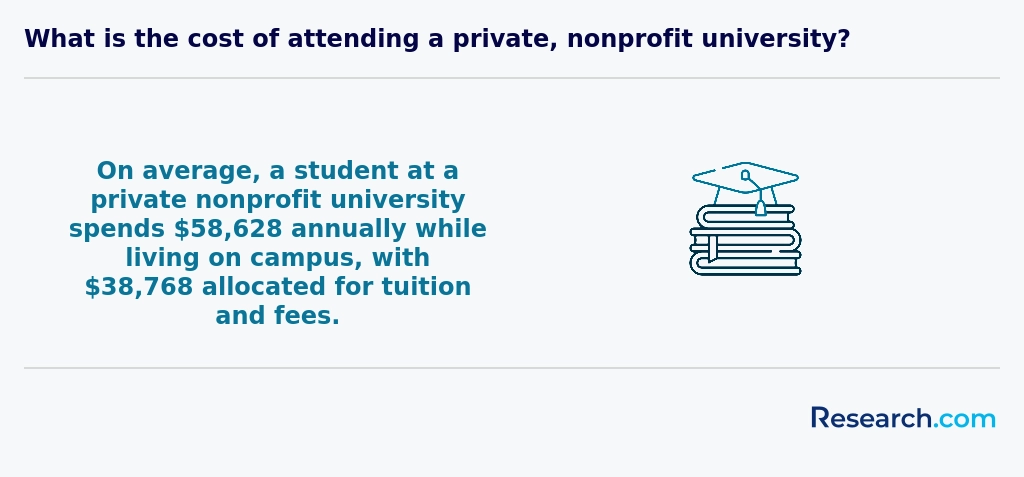
If you're wondering about the average cost of online degree North Dakota programs, you'll find that tuition is pretty reasonable, especially if you're an in-state student. Graduates from popular schools like North Dakota State University often share how their online bachelor's degrees cost around $25,000 total if you're living in the state. That's a major plus for local students juggling work and school without breaking the bank.
Out-of-state students can expect slightly higher costs-for many, closer to $44,000 total-since public universities charge more for non-residents. Still, many online learners feel the price is fair, especially because these fees usually cover a full program, including useful resources like tech support and digital libraries.
North Dakota online college tuition fees tend to be competitive, especially when compared to other states. One graduate from the University of North Dakota recalled finishing their degree with manageable expenses that left room for life's other costs. Plus, plenty of students tap into financial aid and scholarships to keep things affordable.
Since fees get based on credit hours (typically $300-$400 each), it's smart to plan your course load well. And if you want to know more about what online programs are officially recognized, checking out what online colleges are accredited is a good first step.
Available Specializations and Concentrations
Online colleges in North Dakota have expanded their offerings beyond general degrees to include a wide array of specializations and concentrations tailored to in-demand industries. Whether you’re aiming to advance in healthcare, business, technology, or education, you’ll find focused tracks that align with specific career paths and emerging market needs. Common specializations include:
- Business Analytics and Leadership: Dive into data-driven decision-making with courses such as Data Visualization and Organizational Strategy, preparing you for roles in finance, consulting, and operations management.
- Cybersecurity and Network Defense: Gain hands-on experience in Ethical Hacking, Risk Management, and Digital Forensics-ideal for IT professionals seeking certifications or advanced security roles.
- Nursing Informatics and Leadership: Combine clinical expertise with health information systems to optimize patient care, featuring classes on Electronic Health Records and Healthcare Quality Improvement.
- Data Science and Machine Learning: Master statistical modeling, Python programming, and big data techniques to meet the growing demand for data analysts and scientists across industries.
- K-12 Educational Technology: Learn to design and implement digital learning environments, with courses on Instructional Design and E-Learning Tools that prepare you to lead virtual classrooms or develop educational software. Many programs also offer interdisciplinary concentrations-such as Healthcare Management with a focus on Regulatory Compliance or Environmental Science paired with GIS Analytics-allowing students to customize their studies. For learners seeking a balance between academic rigor and manageable course loads, North Dakota institutions feature a selection of easy college degrees that streamline core requirements without sacrificing quality or accreditation. By choosing a specialized online concentration, you not only enhance your expertise in a targeted area but also increase your marketability to employers who value niche skills. Always verify that your chosen track is accredited and aligns with your long-term career objectives before enrolling.
What financial aid is available to online degree students in North Dakota?
If you're diving into an online degree in North Dakota, there's good news-financial aid options are pretty solid here. For instance, many students attending schools like the University of North Dakota or North Dakota State University tap into Federal Pell Grants, which can cover up to $7,395 a year if you qualify. These grants often take a big chunk off tuition costs, making online study feel that much lighter on your wallet.
Then there are Federal Direct Student Loans, handy for when you need a little extra boost without sky-high interest. Some grads shared how this helped them stay focused on studying instead of stressing about money each semester.
You'll also find the Federal Supplemental Educational Opportunity Grant, aimed at low-income students, offering up to $4,000 in extra support. On top of federal aid, North Dakota's State Grant Program gives about $1,200 yearly to qualified online learners, which those attending public institutions often appreciate.
Plus, handy scholarships from your college or university can further ease costs, especially if you're juggling work and study. Many students working full-time have relied on employer tuition reimbursement programs too, which is a great perk for online learners balancing both worlds.
Remember to file your FAFSA early-it's key to unlocking these funds and feeling confident as you start your online journey.
Where Can I Work?
Graduates with an online degree in North Dakota can pursue roles across key regional industries, tapping into growing demand and strong employer networks:
- Healthcare institutions: hospitals, clinics, public health departments
- Energy companies: oil and gas producers, renewable energy firms, environmental services
- Technology organizations: software development shops, cybersecurity teams, IT consultancies
- Education and government: K–12 schools, community colleges, state agencies
- Business and finance: banks, accounting firms, corporate management
Many alumni secure positions through internships and virtual career fairs, aligning their skills with local labor market needs and exploring top-paying fields like college majors that make the most money.
What are the prerequisites for enrolling in online degree programs in North Dakota?
If you're thinking about enrolling in an online degree program in North Dakota, one of the first things you'll need is a high school diploma or a GED. This is pretty standard for most programs, especially if you're aiming for an associate or bachelor's degree. For those going after a master's or doctoral degree, having a bachelor's from an accredited school is usually the starting point.
Students from popular North Dakota schools often mention how submitting official transcripts with a decent GPA-usually around 2.0 to 3.0-made the process straightforward. Some programs might ask for higher grades, but there's generally some flexibility. And while SAT or ACT scores used to be a big deal, many programs now don't require them, which really takes off some pressure.
Many grads share that proving residency for in-state tuition was a big plus, since living in North Dakota can save thousands compared to out-of-state rates. Simple documents like a state ID or proof of your home address usually do the trick. Plus, be ready to show you're good with tech-basic computer skills and internet access are must-haves for online learning.
Where Can I Work with an Online Degree in North Dakota?
Earning an online degree opens up a diverse range of employment opportunities in North Dakota, thanks to the state’s thriving industries and flexible work arrangements. Graduates can explore careers in healthcare, business management, education, information technology, and more. In healthcare, online degree holders often work in administrative roles, public health organizations, or specialized clinical settings that value advanced education and practical experience. Similarly, the state’s growing tech sector offers opportunities for IT professionals, from software development to cybersecurity, making it a promising field for graduates with technical training. Positions in business, marketing, and management are equally robust, with many employers prioritizing candidates who can demonstrate the initiative and self-discipline required to succeed in online educational environments. For those interested in education, online degrees pave the way to roles in educational administration, curriculum development, or even corporate training. Moreover, employers in North Dakota often favor candidates from institutions known for their rigorous accreditation standards, so it’s wise to explore programs where what online colleges are accredited is clearly identified. Understanding the variety of work environments-from remote positions to roles that blend online and in-person responsibilities-can help graduates align their career goals with the dynamic job market in North Dakota. This expanded horizon not only enhances employment prospects but also enables professionals to contribute meaningfully to the local economy and community.
What courses are typically in online degree programs in North Dakota?
When you dive into online degree courses in North Dakota, you'll find a solid mix of general education classes that build your foundation before you get to the fun stuff. Think of subjects like English composition, where graduates often say their writing skills really took off, or math courses like college algebra and statistics that prepare you for analyzing real-world data. Natural sciences are also part of the deal-they've cleverly adapted labs so you still get that hands-on feel, even online.
Social sciences and humanities round out the basics, with courses in psychology, history, and ethics helping you understand people and society better. Students from popular schools like those in the North Dakota University System appreciate how these broad courses set them up for success in both specialized fields and everyday life.
Plus, if you're looking beyond the basics, some students explore most affordable online doctorate programs that build on these core skills to advance their careers.
How do you choose the best online degree in North Dakota?
Picking the best online degree program in North Dakota comes down to what fits your life and goals the best. Graduates from schools like North Dakota State University or the University of North Dakota often say how important it was that their programs were regionally accredited, so credits transferred smoothly and their diplomas held real weight with employers. You want to look closely at the degrees offered-whether it's business, nursing, or engineering-and make sure the courses stay fresh and relevant to today's job market.
Flexibility is key, especially if you're juggling work or family. Many local programs offer asynchronous classes, letting you study on your schedule, though some might ask for virtual check-ins or even local internships. Lots of students find it helpful to pick schools that provide strong online support, like academic advising and tech help, making the whole online experience less stressful.
Cost-wise, North Dakota universities often keep online tuition competitive, sometimes offering in-state rates for online learners, which is a huge plus for those hunting affordable online colleges in North Dakota. Plus, don't forget to explore scholarships and grants. If you want a smoother path, some grads recommend checking out easy college degrees, which can lighten your course load while still helping you move forward.

What career paths are available for online degree graduates in North Dakota?
If you're earning an online degree in North Dakota, you're stepping into a world of career opportunities that really fit the state's vibe. Graduates from schools like the University of North Dakota often find themselves in healthcare roles, like nursing or health administration, thanks to the demand from the aging local population. Imagine working as a registered nurse, helping families in your own community, all while having that flexibility from an online program.
Then there's the booming tech scene. With the state ramping up broadband access, graduates with online degrees in computer science or information technology jump into roles like cybersecurity or software development. It's an exciting chance to be part of North Dakota's digital growth while working remotely or nearby. Lots of grads from institutions popular in the state share how their online studies hooked them up with these solid tech jobs.
Of course, if business or education is your thing, there are great options too. Many take online degrees in business administration and go into marketing or finance. Others become online-certified teachers, ready to handle the growing demand for remote learning. Plus, North Dakota's energy sector offers paths in engineering and project management, perfect for those interested in oil, gas, or clean energy careers.
These online degree career opportunities North Dakota offers really show how flexible studying can be-you don't have to leave home to land a meaningful job. Curious about your next steps? Check out the Affordable Online Colleges Programs Ranking in Montgomery, AL to see how online options stack up elsewhere too.
And if you want to know about North Dakota jobs for online graduates, state labor info confirms steady demand across these fields, making it a smart move for local students.
What is the job market for online degree graduates in North Dakota?
The job market for online general degree graduates in North Dakota is surprisingly friendly and full of opportunities. Many folks who completed their online programs from universities like North Dakota State University or the University of North Dakota found themselves stepping right into roles in healthcare, tech, and energy sectors. With the state's low unemployment rate and strong workforce participation, it's clear that local employers really value practical skills gained through remote learning. Graduates often share stories about landing positions in hospitals or software firms, thanks to internships and networking chances connected through their online courses.
If you're exploring North Dakota remote learning career opportunities, you'll love knowing the energy industry is booming, especially in renewables and engineering roles that suit what online degree programs offer. Plus, the state supports adult learners with lots of education funding and career training to help keep skills sharp. For those looking for more accessible ways into the job market, you can also check out some easy certifications that pay well to complement your degree.
Frequently Asked Questions
Students in North Dakota can maximize their online learning experience by taking advantage of resources offered by state institutions. The North Dakota University System provides extensive technical support and academic advising tailored for online learners. Research shows that students who actively engage with virtual study groups and faculty tend to perform better. Additionally, utilizing libraries and digital databases like those through the North Dakota State Library can enhance research skills. Time management is crucial; scheduling consistent study times improves retention. According to the National Center for Education Statistics, nearly 14% of North Dakota college students were enrolled exclusively online in recent years, highlighting growing accessibility and support for distance education in the state.
After completing an online degree in North Dakota, preparing for the job market involves several strategic steps. First, graduates should utilize resources from institutions like the North Dakota Department of Commerce, which offers employment data and career guidance tailored to the state's industries.
Networking is essential; joining local professional groups and attending virtual job fairs can enhance connections. Additionally, leveraging LinkedIn to highlight skills and online degree credentials improves visibility to employers nationwide.
North Dakota's unemployment rate stood at approximately 2.6% in early 2024, indicating a competitive but accessible job market, especially in fields like energy, healthcare, and technology.
Gaining relevant experience through internships or part-time roles further increases job prospects, while tailoring resumes to state-specific employer needs strengthens applications.
Employers in North Dakota highly value a combination of technical and soft skills in graduates. According to the North Dakota Department of Commerce, communication skills top the list, with over 75% of employers emphasizing clear verbal and written abilities. Critical thinking and problem-solving are also crucial, reflecting the state's growing emphasis on energy, agriculture, and healthcare sectors.
Technical skills related to information technology and data analysis are increasingly important, especially due to the rise of online education and digital workplaces. Employers also seek adaptability and teamwork, essential in the state's diverse economic landscape. These trends suggest that online degree programs focusing on these areas can enhance graduate employability in North Dakota.
Finding internships in North Dakota involves several strategic steps, especially for online degree students seeking local opportunities. Start by using resources from North Dakota's Workforce Safety & Insurance and the Job Service North Dakota, which regularly post internship openings.
Connecting with your online college's career services is crucial, as many schools partner with local businesses. Additionally, platforms like Handshake and internships.com can provide listings specific to North Dakota industries such as agriculture, energy, and healthcare.
Networking through local chambers of commerce or professional groups, including those in Fargo and Bismarck, also enhances chances of finding suitable internships.
According to the North Dakota Department of Commerce, about 75% of internships lead to job offers in the state, emphasizing their importance.
In North Dakota, earning an online degree can significantly enhance career mobility and advancement opportunities. According to the North Dakota Department of Commerce, industries such as healthcare, technology, and energy are rapidly growing, creating a demand for skilled professionals with higher education credentials.
Online degrees offer flexibility, enabling working adults to upskill or reskill without leaving their jobs. Data from the U.S. Bureau of Labor Statistics shows that workers with a bachelor's degree earn about 60% more on average than those with only a high school diploma, a trend reflected in North Dakota's labor market.
Employers in North Dakota increasingly recognize accredited online degrees as valid, especially when the programs are from reputable institutions, improving graduates' chances for promotions and salary increases.
Choosing between a thesis and a non-thesis degree program in North Dakota depends largely on your career goals and learning preferences. Thesis programs require completing original research and a written dissertation, which suits students aiming for academic, research, or doctoral studies. Non-thesis options focus on coursework and practical skills, appealing to those seeking immediate professional advancement.
North Dakota's universities, including North Dakota State University and University of North Dakota, offer both pathways for online degrees. According to the North Dakota University System, about 30% of graduate students enroll in thesis programs, emphasizing research capabilities.
Consider time commitment and your interest in research when making your choice.
Students in North Dakota interested in studying abroad while pursuing online degrees have various options through their institutions' international programs. While primarily based online, many North Dakota universities partner with foreign universities to offer exchange programs, short-term study tours, or dual-degree opportunities. For example, North Dakota State University supports global engagement initiatives that facilitate study abroad experiences alongside remote learning. These programs allow students to gain international exposure without interrupting their online courses.
Data from the Institute of International Education shows that participation in study abroad programs remains stable, even for those engaged in online learning. Additionally, students can find virtual global internships or research collaborations supported by their North Dakota colleges, complementing their online curricula.
In North Dakota, part-time job opportunities that complement online degree studies often arise in fields aligned with the state's key industries. Students pursuing degrees in agriculture, energy, or healthcare can find relevant roles that enhance their learning and resume. For example, the state's expanding healthcare sector employed over 60,000 people in 2022 according to the North Dakota Department of Commerce, offering part-time positions such as medical assistants or administrative staff.
Retail and customer service jobs remain common part-time options, particularly in urban centers like Fargo and Bismarck. These roles develop communication and organizational skills valuable across many degree programs. Additionally, tech-related students may find freelance or remote IT support roles suited to North Dakota's growing technology initiatives.
Working part-time in a role related to one's field of study allows valuable experience while managing academic commitments. Such integration supports skill development and networking opportunities within the state's job market, aiding post-graduation employment prospects.
Online students in North Dakota benefit from several networking opportunities despite geographic distances. Universities such as North Dakota State University and University of North Dakota offer virtual events, webinars, and discussion forums that promote student interaction. These platforms allow connections with peers, faculty, and industry professionals related to students' fields of study. Additionally, local chapters of national organizations in key industries often provide online networking events accessible to remote learners.
The state's growing economy also supports internships and cooperative education programs with regional employers, which can be pursued by online students. According to the North Dakota University System, about 60% of online students engage in such experiential opportunities annually.
Alumni networks provide valuable support for online degree students in North Dakota by creating connections that extend beyond graduation. These networks allow students to access mentoring opportunities from graduates who understand the local job market.
In North Dakota, where industries like energy, agriculture, and technology are prominent, alumni connections can help students find internships and job placements more easily. According to the North Dakota University System, active alumni networks significantly improve employment outcomes for graduates, with nearly 70% of students securing work through such contacts.
Moreover, these networks facilitate professional development through events and online forums, which are especially important for remote learners seeking community and guidance.
Customizing an online degree program in North Dakota involves selecting courses and specializations that align with your career goals. Many North Dakota institutions, such as North Dakota State University and the University of North Dakota, offer flexible online programs allowing students to choose electives or concentrations relevant to their industries.
Students can often tailor their curricula by combining core requirements with specialized subjects like business analytics, healthcare management, or engineering technology.
Additionally, some programs provide the option to complete internships or practicum experiences virtually, enhancing real-world skills.
According to the North Dakota University System, over 25% of enrolled students opted for online or hybrid courses in recent years, reflecting growing program adaptability.
Online students in North Dakota often face challenges related to internet connectivity. Rural areas, which constitute a large part of the state, sometimes have limited broadband access. According to the Federal Communications Commission, nearly 20% of North Dakota residents lack reliable high-speed internet, complicating access to online lectures and resources.
Another common issue is balancing coursework with work and family responsibilities. Many online learners in North Dakota are adult students managing multiple commitments, which can lead to time-management difficulties and increased stress.
Technical skills can also pose barriers. Not all students feel comfortable navigating digital platforms, and limited technical support in some institutions may hinder learning progress.
Additionally, some students report feeling isolated due to reduced face-to-face interaction, impacting motivation and engagement.
Writing a winning application for a college or university program in North Dakota begins with thorough preparation. Start by researching the specific admission requirements of your chosen institution, as each school can have unique criteria. For example, North Dakota's public universities often emphasize GPA and standardized test scores, though some now offer test-optional admissions.
Craft a clear and concise personal statement highlighting your goals, achievements, and reasons for choosing an online degree in North Dakota. Admissions officers appreciate applicants who demonstrate a strong sense of purpose and understanding of local opportunities.
Additionally, include all required documents such as transcripts and letters of recommendation. The North Dakota University System reports that students with complete applications have a higher chance of acceptance. Meeting deadlines and following directions carefully is essential for success.
Gaining practical experience while studying online in North Dakota is achievable through several avenues. Many institutions in the state offer internships and cooperative education programs that allow students to work with local businesses and organizations.
According to the North Dakota University System, over 70% of students engage in internships before graduating, enhancing job prospects. Additionally, virtual internships have grown, enabling remote work opportunities that fit online students' schedules.
Students can also participate in service-learning projects, connecting academic theory with community needs. Employers in energy, agriculture, and healthcare sectors often collaborate with universities, providing real-world experience.
Networking events and career services at online colleges support students in finding relevant professional engagements statewide.
Choosing the right concentration within an online degree program in North Dakota involves aligning your career goals with local job market demands. For example, the North Dakota Department of Commerce highlights strong growth in healthcare, energy, and technology sectors. Exploring concentrations in these fields can improve employment prospects.
Consider your personal interests and strengths alongside industry demand. Many North Dakota institutions provide detailed program guides and labor market data to support informed decisions. Additionally, contacting academic advisors can offer valuable insights into concentrations that fit your goals and the state's economic landscape.
Finally, review accreditation status and course flexibility to ensure the program meets quality standards and fits your schedule.
Related General Rankings for Nearby States
- 2027 Best Online Colleges Programs Ranking in South Dakota
- 2027 Best Online Colleges Programs Ranking in Iowa
- 2027 Best Online Colleges Programs Ranking in Wisconsin
- 2027 Best Online Colleges Programs Ranking in Illinois
- 2027 Best Online Colleges Programs Ranking in Indiana
- 2027 Best Online Colleges Programs Ranking in Oklahoma
- 2027 Best Online Colleges Programs Ranking in Kentucky
- 2027 Best Online Colleges Programs Ranking in Ohio
- 2027 Best Online Colleges Programs Ranking in Texas
- 2027 Best Online Colleges Programs Ranking in Tennessee
Top Trending General Rankings
References
- How to Choose Your College Degree Based on Career Goals https://collegedegree.education/how-to-choose-your-college-degree-based-on-career-goals/
- Online Colleges in North Dakota | OEDb.org https://www.oedb.org/north-dakota/
- Online Colleges in North Dakota | Accredited Online Colleges https://www.accreditedonlinecolleges.org/north-dakota/
- Choosing Between a Thesis & Non-Thesis Master's Degree https://www.gograd.org/resources/thesis-or-non-thesis-masters-degree/
- College & Career Readiness Newsletter: March 2026 https://content.govdelivery.com/accounts/NDDPI/bulletins/40df21e
- Four Career Benefits to Completing Your Degree | Elmhurst University "Elmhurst University" Blog https://www.elmhurst.edu/blog/four-career-benefits-to-completing-your-degree/
- 10 Colleges That Allow Students to Create Their Custom Degrees - College Cliffs https://collegecliffs.com/colleges-that-allow-students-to-create-custom-degrees/
- How North Dakota is Personalizing Learning https://knowledgeworks.org/resources/north-dakota-personalzied-learning-case-study/
- Thesis vs. Non-Thesis Master's Programs: Which is Right for You? https://potomac.edu/thesis-vs-non-thesis-masters/
- UND Alumni Association & Foundation https://undalumni.org/


