
2027 Fastest Online Colleges Programs Ranking in Colorado

Co-Founder and Chief Data Scientist
Choosing the right online college program in Colorado can feel overwhelming. To help you navigate this important decision, this article presents the 2027 Fastest Online Colleges Programs Ranking in Colorado, created by the Research.com team of data scientists.
This ranking highlights the quickest paths to earn your degree without compromising quality. By exploring these programs, you'll discover options that fit your lifestyle and career goals. Earning a degree can open new doors and boost your confidence, making this guide a valuable resource for your educational journey.
Key benefits of getting online degrees in Colorado
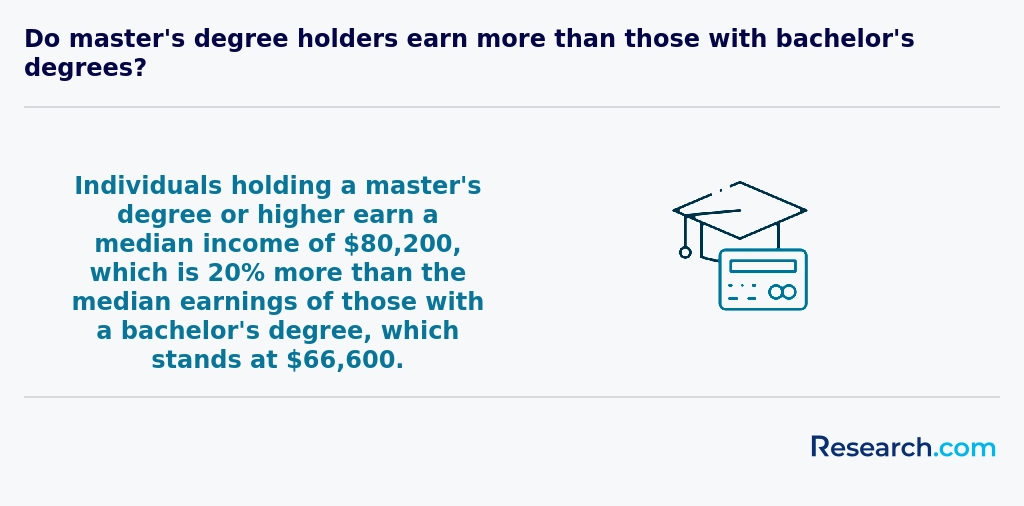
- Graduates in Colorado with online bachelor's degrees typically earn around $55,000 annually, while those with a master's degree can see salaries near $75,000, showing how higher education levels boost income potential.
- A student from Colorado State University earning an online degree in business administration often pursues careers in management or marketing, highlighting strong job opportunities after graduation.
- Online degrees from the University of Colorado Boulder provide flexibility for working adults, allowing graduates to balance work and study while gaining the same valuable skills as traditional students.
- Key benefits of getting online degrees in Colorado
- What can I expect from online degrees in Colorado?
- How much can I make with online degrees in Colorado?
- 2027 Fastest Online Colleges Programs Ranking in Colorado
- Key Findings
- How long does it take to complete online degrees in Colorado?
- Tips for Maximizing Affordability for Colorado Online Students
- What's the difference between online and on-campus degree?
- Open Enrollment and Admission Flexibility
- What is the average cost of online degrees in Colorado?
- Specializations and Emerging Focus Areas
- What financial aid is available to online degree students in Colorado?
- How Do Online Degrees in Colorado Compare to On-Campus Programs?
- What are the prerequisites for enrolling in online degree programs in Colorado?
- Available Specializations
- What courses are typically in online degree programs in Colorado?
- How do you choose the best online degree in Colorado?
- What career paths are available for online degree graduates in Colorado?
- What is the job market for online degree graduates in Colorado?
- Related General Rankings for Nearby States
- Top Trending General Rankings
What can I expect from online degrees in Colorado?
When enrolling in an online degree program in Colorado, expect flexibility that fits your busy lifestyle. Many students at Colorado State University-Global Campus appreciate being able to complete coursework asynchronously while still joining live sessions for real-time interaction. This balance helps you learn on your schedule without feeling isolated.
Graduates often mention the strong support system available, including 24/7 technical help and personalized academic advising, making it easier to overcome common challenges of remote learning. Online learners gain access to digital libraries and career services, similar to on-campus resources at public universities like the University of Colorado system.
Financially, students benefit from competitive tuition rates. For instance, in-state tuition options for online courses at public institutions can make a significant difference in overall cost. Many find scholarships and financial aid straightforward to navigate, provided residency and enrollment criteria are met.
Completion of accredited programs from recognized bodies such as the Higher Learning Commission ensures your degree holds real value with employers and institutions across Colorado and beyond.
How much can I make with online degrees in Colorado?
Graduates with online degrees from Colorado schools like the University of Colorado and Colorado State University can typically expect solid earnings that grow with experience and degree level. For instance, many business administration or computer science graduates report starting salaries between $60,000 and $90,000 annually. This reflects the strong tech and business sectors in Denver and Boulder, where demand for skilled professionals is high.
Online BSN degree holders, particularly from well-regarded nursing programs in Colorado, often earn around $75,000 per year initially. With further certification or specialization, this figure increases significantly, matching the needs of the thriving healthcare market statewide.
Master's degree holders in fields such as engineering or public administration, common among online learners at Colorado universities, report salaries above $90,000. Entry-level jobs for bachelor's graduates often start at $40,000 to $50,000 but quickly grow with local networking and relevant experience.
Choosing to study online within Colorado also means adapting salary expectations based on urban vs. rural job locations, with metropolitan areas generally offering better compensation. Graduates often find this flexibility rewarding as they balance work, life, and education.
2027 Fastest Online Colleges Programs Ranking in Colorado
How do we rank schools?
Investing in your education is a significant decision that can profoundly impact your future, and the Research.com team recognizes the importance of making well-informed choices. To support students exploring fast online college programs in Colorado, we have carefully developed the "2027 Fastest Online Colleges Programs Ranking in Colorado." Our dedication to quality, credibility, and accuracy is demonstrated through thorough research and analysis conducted throughout the ranking process.
We utilized the following reputable data sources to ensure a comprehensive evaluation of online programs:
By exploring this ranking, readers will gain valuable insights into the fastest online colleges in Colorado, helping them make informed decisions aligned with their educational and career goals. For further information on how this ranking was created, please visit our Research.com methodology page.


# 11 position
Colorado State University
Bachelor of Management Information Systems & Business Analytics
# 13 position
University of Northern Colorado
Master of Educational Leadership: Principal (K-12) Licensure (Educ Specialist, or Licensure-Only)
# 16 position
College for Financial Planning
Master of Personal Financial Planning


Key Findings
- Many public and private institutions in Colorado offer fully online bachelor's and master's degree programs regulated by the Colorado Department of Higher Education.
- Tuition for online undergraduate programs at Colorado public universities ranges from $10,000 to $15,000 per year for in-state students.
- Online graduate programs in Colorado usually cost between $12,000 and $20,000 annually, often more affordable than private schools.
- Graduates from Colorado colleges earn an average starting salary of about $47,000, rising to around $75,000 mid-career.
- Key growing job sectors for online graduates include technology, healthcare, business, and education with strong local workforce development support.
- Many programs offer career support, internships, and networking opportunities to help students find local employment after graduation.
How long does it take to complete online degrees in Colorado?
Completing an online degree in Colorado typically takes around four years for a Bachelor's when studying full time, but many online students finish sooner by transferring credits or choosing accelerated courses. Graduates from the University of Colorado system often share how leveraging summer sessions and credit transfers helped them graduate in two to three years instead of four, saving both time and money.
Associate degrees, common at Colorado Community Colleges Online, usually require about two years full time. Some students balance work by customizing their course loads and using flexible online schedules to finish faster, often feeling encouraged by their progress in a shorter period.
Graduate degrees in Colorado take roughly one to three years, with many master's students at institutions like Colorado State University appreciating accelerated options enabling completion in as little as 18 months.
Key factors influencing your timeline include full- or part-time enrollment, availability of accelerated courses, and transfer credits from previous studies or professional experience.
Tips for Maximizing Affordability for Colorado Online Students
Many prospective online learners worry about tuition and fees, but strategic planning can keep costs manageable. Consider these approaches: 1. Leverage In-State Tuition and Reciprocity • Verify whether your chosen Colorado institution participates in Western Undergraduate Exchange (WUE) or other regional agreements to secure reduced tuition rates. • Confirm residency requirements early-some schools allow students working remotely in Colorado to qualify for in-state fees. 2. Apply to Scholarships and Employer Tuition-Reimbursement Programs • Search for state-specific awards such as the Colorado Graduate Distance Education Grant or private scholarships through local foundations. • Check with your employer’s HR department-many companies offer partial or full reimbursement for job-related degree programs. 3. Choose Credit-Transfer Friendly Programs • Start with a community college (e.g., Front Range Community College) and transfer credits to a 4-year institution to cut overall costs. • Request transfer-equivalency guides from universities to ensure seamless credit acceptance. 4. Utilize Military and Veteran Benefits • Active-duty and veteran students can tap into GI Bill benefits, Yellow Ribbon programs, and state‐sponsored tuition waivers. • Contact your school’s veteran affairs office to coordinate benefit use and avoid duplicate funding. 5. Compare Budget-Friendly Online Options • Use cost calculators on university websites to estimate total program expenses, including technology fees. • For additional insights into cost-effective options beyond Colorado, explore our Inexpensive Online Colleges Programs Ranking in Anderson, SC. By combining in-state rates, scholarships, credit transfers, and veteran benefits, online learners can significantly lower their investment while still earning a high-quality degree from Colorado institutions.
What's the difference between online and on-campus degree?
Choosing between online and on-campus degrees in Colorado involves weighing flexibility against traditional campus benefits. Graduates from the University of Colorado often share how online programs let them juggle jobs and family while earning their degrees without the stress of commuting across Denver's traffic. This flexibility suits those living in remote areas like the Rockies, where traveling to campus daily is unrealistic.
On the other hand, Colorado State University graduates highlight the rich social environment on campus-access to labs, libraries, and real-time faculty interaction helped them deepen their learning and networking, which felt rewarding and motivating. However, they acknowledge the added costs of housing and travel.
Both formats maintain quality through accreditation by bodies like the Higher Learning Commission. Online programs typically match in-state tuition fees averaging around $11,000 annually but reduce expenses related to campus life, making them a practical choice for budget-conscious students balancing multiple priorities.
Open Enrollment and Admission Flexibility
Many prospective students worry about strict admission requirements when considering online degrees in Colorado. Fortunately, several institutions offer open enrollment policies that simplify the application process, ensuring broader access to higher education. With open enrollment, you can begin your academic journey without the typical GPA thresholds or standardized test mandates found at selective universities. This flexibility is especially beneficial for adult learners, career changers, and those returning to school after a hiatus. Key advantages of open enrollment programs:
- Simplified Admissions: Submit a basic application and proof of high school completion-no need for essays or test scores.
- Seamless Transfer Credit: Many programs accept credits from community colleges and other accredited institutions, reducing time to degree completion.
- Accelerated Start Dates: Multiple start terms per year allow you to begin coursework when it best fits your schedule.
- Supportive Services: Dedicated advisors and online tutoring help you navigate coursework and stay on track. If you’re exploring options beyond Colorado or seeking more open-access opportunities, consider our curated list of colleges with open enrollment. These schools prioritize accessibility and offer robust online support, making them an excellent choice for students who value flexibility and a straightforward admissions path.
What is the average cost of online degrees in Colorado?
When planning for an online degree in Colorado, expect to pay an average total tuition of around $24,288 for in-state students, while out-of-state learners might face closer to $43,452. This aligns with reports from popular schools like the University of Colorado, where graduates found a balance between quality education and manageable cost. For instance, public universities tend to charge $350 to $500 per credit hour for online bachelor's programs, totaling roughly $15,000 to $20,000, which compares favorably with private institutions that can charge upwards of $30,000.
Many students pursuing graduate degrees online at institutions such as CU Boulder note that course fees hover near $600 per credit. With typical master's programs requiring 30 to 36 credits, these costs quickly add up to approximately $18,000 to $21,600. Yet, experienced students appreciate that additional costs-like technology fees or materials-generally remain below $1,000 per year, keeping expenses predictable and manageable.
Understanding Colorado online college tuition and fees helps prospective students budget realistically and seek financial aid. Many graduates highlight how scholarships and in-state tuition benefits dramatically lowered their out-of-pocket expenses. Those interested can explore more options through affordable online general programs in colorado, which offer quality education without overwhelming financial burdens.
Specializations and Emerging Focus Areas
College graduates often wonder which niche focus will best propel their career. In Colorado’s rapidly evolving online education landscape, institutions are expanding their curriculum to include a broad spectrum of specializations that cater to emerging industry trends. Whether you’re interested in healthcare informatics, sustainable energy management, or digital marketing, students can benefit from tailored coursework that aligns with career demands. Many universities also integrate cutting-edge electives-ranging from data analytics to virtual design-that not only refine your expertise but also boost your competitiveness in the job market. For students evaluating options, exploring institutions that offer affordable online general programs in colorado can be a strategic first step toward finding a program balancing quality education with cost efficiency. These specialized tracks are designed to blend theoretical knowledge with practical applications, preparing you to tackle the complexities of today’s workforce while opening doors to niche roles in burgeoning sectors. Emphasizing innovational approaches, robust mentorship opportunities, and career-focused internships, this section underlines why selecting the right specialization can be pivotal in achieving academic and professional success.
What financial aid is available to online degree students in Colorado?
To fund your online degree in Colorado, start by completing the FAFSA to access federal financial aid, including the Pell Grant, which can cover up to $7,395 without repayment. Many online students at schools like the University of Colorado and Colorado State University have found these grants essential in reducing their out-of-pocket costs.
Colorado residents should also explore state-specific aid such as the Colorado Graduate Grant, especially if pursuing advanced degrees online. Community colleges like Front Range offer institutional scholarships that reward both merit and financial need, easing tuition burdens even further.
Working adults studying online often benefit from employer tuition assistance programs. For instance, a graduate from a Denver-based university successfully balanced work and study by getting partial tuition reimbursement through their company's education benefits.
Federal student loans remain an option with generally favorable interest rates and repayment starting post-graduation, making them more manageable for many. Additionally, loan forgiveness programs may apply if you pursue public service careers in Colorado after finishing your degree.
Finally, don't overlook local nonprofit scholarships such as those from the Colorado Opportunity Scholarship Initiative (COSI), which supports thousands of Coloradans and helps widen access to higher education.
How Do Online Degrees in Colorado Compare to On-Campus Programs?
When weighing the decision between an online degree and a traditional on-campus program in Colorado, several key factors come into play-accreditation, learning environment, cost, and career outcomes. Both formats often share the same rigorous curricula and faculty expertise, ensuring that online graduates receive credentials that hold equal weight with those earned on campus. However, the delivery methods and student experiences can differ: • Accreditation and Quality Assurance: Most accredited institutions in Colorado, including the University of Colorado Boulder and Colorado State University, use the same faculty and course content for their online offerings as they do for on-campus programs. This parity guarantees that employers recognize both credentials equally, provided the program holds regional or national accreditation. • Flexibility vs. Structured Campus Life: Online learners benefit from asynchronous lectures, digital discussion boards, and virtual labs, enabling them to study around work or family commitments. In contrast, on-campus students engage in face-to-face seminars, networking events, and hands-on facilities like state-of-the-art laboratories. Prospective students should assess which learning style-self-paced digital modules or structured classroom schedules-aligns with their personal and professional responsibilities. • Cost and Total Investment: Tuition rates for online programs are often comparable to in-state on-campus fees but can result in significant savings on housing, transportation, and campus fees. For example, an online bachelor’s student at Colorado State University avoids campus housing costs, which can exceed $10,000 per year, while accessing the same digital libraries and academic advising resources. • Networking and Peer Interaction: Campus programs offer immediate hallway conversations and in-person study groups, whereas online programs facilitate networking through virtual meetups, group projects, and alumni forums. Many institutions now host hybrid events-such as career fairs and guest lectures-that welcome both online and on-campus students to collaborate. • Tech Requirements and Accessibility: Online students must have reliable internet, a compatible device, and basic familiarity with learning management systems. On-campus learners, meanwhile, gain immediate access to computer labs and campus IT support. Both modalities now strive to deliver ADA-compliant content, ensuring accessibility for all learners. Ultimately, the choice depends on your learning preferences and life stage. If you’re seeking a streamlined path that balances speed with flexibility, consider exploring the easiest online college degrees and majors to find programs tailored to busy professionals and career changers.
What are the prerequisites for enrolling in online degree programs in Colorado?
To enroll in an online degree program in Colorado, start by securing a high school diploma or equivalent like a GED, which is a must-have for undergraduate admissions at institutions such as the University of Colorado or Colorado State University Global Campus. Graduates often recall how this baseline qualification opened doors to flexible learning options that fit their busy lives.
Next, check if your program requires standardized test scores like the SAT or ACT. Many Colorado schools have moved to test-optional policies, making it easier for applicants to focus on their strengths without test pressure. For example, students entering the University of Colorado's online programs in 2023 found this shift encouraging, emphasizing skills over scores.
Prepare your transcripts from previous schools early. They help institutions verify your academic history and evaluate credits, potentially shortening your degree timeline and reducing tuition costs, which average about $11,000 annually for in-state public universities. This credit transfer process was a game-changer for many working professionals balancing education and careers.
Lastly, ensure you have reliable technology-a stable internet connection and a functional computer-since these tools are essential for staying engaged with coursework. Some specialized programs may ask for letters of recommendation or a personal statement, which give you the chance to showcase your dedication and relevant experience in a real-world context.

Available Specializations
Online degree programs in Colorado offer accelerated options across key fields:
- Business Administration: leadership, finance and entrepreneurship tracks designed for rapid completion
- Information Technology & Cybersecurity: hands-on courses in networking, cloud computing and data security
- Nursing & Healthcare Management: fast-track RN-to-BSN, healthcare administration and informatics paths
- Education & Curriculum Development: teacher licensure, instructional design and educational leadership programs
- Criminal Justice & Homeland Security: law enforcement, cybersecurity policy and emergency management specialties
- Psychology & Human Services: child development, counseling fundamentals and social work preparation
- Environmental Science & Energy Management: sustainability studies, renewable energy and natural resource policy
Many of these tracks align with high paying degrees, helping you balance speed and long-term earnings.
What courses are typically in online degree programs in Colorado?
Online degree programs in Colorado most often start with a foundation of general education courses such as English composition, mathematics, and critical thinking. Graduates from institutions like the University of Colorado Colorado Springs mention how these classes sharpened their communication and problem-solving skills, which proved essential when transitioning to specialized courses. For students focusing on business, expect management, marketing, accounting, and finance courses that directly relate to Colorado's growing economy.
Education degrees typically include teaching methods and curriculum development tailored to Colorado's state licensure requirements, helping graduates feel confident when entering classrooms. Health-related programs cover topics like medical terminology and healthcare law, preparing students for the state's expanding medical field. For those in IT, courses in programming, network security, and database management reflect the demand in Colorado's tech sector.
Besides these, many programs require hands-on experience through internships or capstone projects, often arranged with local businesses. This practical approach is a highlight for students seeking Colorado accredited online college courses, blending theory with real-world skills. For a broader look at options, consider exploring easiest online college degrees and majors.
How do you choose the best online degree in Colorado?
Start by confirming the online degree program is accredited by the Higher Learning Commission or a similar recognized agency in Colorado. Graduates from institutions like Colorado State University Global often emphasize how accreditation eased their job search since employers trusted their credentials. Next, evaluate program flexibility-many online courses here use asynchronous formats, ideal if you balance work or family.
Look closely at the range of degrees offered. For example, students pursuing nursing or IT at the University of Colorado share how choosing programs tied to local industry needs enhanced their career progress. Consider costs carefully; tuition for Colorado public universities tends to hover around $11,000 annually for residents, but online fees vary. Exploring affordable online colleges Colorado 2027 options early can prevent budget stress. Also, investigate graduation and job placement rates since higher completion boosts confidence in your investment.
Finally, practical experience matters. Check if internships connect with Colorado's key sectors. Review faculty expertise and how well the program prepares you for certifications. For students needing flexible admissions, explore colleges with open enrollment, which can simplify starting your education journey.

What career paths are available for online degree graduates in Colorado?
Online degree career opportunities in Colorado span healthcare, technology, business, education, and more. Graduates from popular institutions like the University of Colorado and Colorado State University often find roles in healthcare as registered nurses or healthcare administrators, responding to Colorado's growing demand for medical professionals. Others leverage online degrees in IT and computer science to enter tech hubs in Denver and Boulder, where startups and established firms seek cybersecurity experts and data analysts. Business graduates enjoy flexibility working as financial analysts or marketing specialists across Colorado's diverse economy. Practical experience from local online programs helps graduates transition smoothly into these roles, building confidence and competence. Those pursuing education or social work adapt quickly to state certification requirements and community needs. To explore affordable options that prepare you for these pathways, consider looking at the Inexpensive Online Colleges Programs Ranking in Anderson, SC. Understanding these job prospects for Colorado online graduates is essential for mapping a rewarding, realistic career plan.
What is the job market for online degree graduates in Colorado?
The job market for online degree job opportunities in Colorado is encouraging, especially for graduates who leverage local industry strengths. Those who earn degrees online from institutions like the University of Colorado or Colorado State University often find themselves well-positioned to enter fields thriving in the state, such as technology, healthcare, and renewable energy. Graduates report that combining online education with internships or part-time roles in Denver's tech scene significantly boosts their employability.
Colorado employment outlook for online graduates shows strong demand in healthcare and IT sectors. Graduates who pursued nursing or health administration via online programs appreciate the flexibility while gaining credentials that local hospitals highly value. Others pursuing business or environmental science degrees online find career openings growing around Boulder's green energy initiatives.
Prospective students interested in accelerating their entry into the workforce can explore the best accelerated associates degree online. This route allows quick skill development aligned with employer needs in Colorado's evolving job market.
Frequently Asked Questions
Students in Colorado can maximize their online learning experience by taking advantage of the state's strong support for digital education. Colorado ranks among the top states adopting online learning technologies, with institutions like Colorado State University and University of Colorado offering accredited online degrees. Utilizing campus resources such as virtual tutoring and career services enhances understanding and job readiness.
Setting a structured study schedule and actively participating in interactive platforms helps maintain motivation and engagement. According to the Colorado Department of Higher Education, about 65% of online students balance work and study, making time management crucial.
Networking in virtual study groups and seeking advisors familiar with Colorado's workforce needs also supports success in completing online degrees efficiently.
After completing an online degree in Colorado, preparing for the job market requires strategic planning. Start by aligning your skills with Colorado's top industries, such as technology, healthcare, and renewable energy, which employ over 60% of the state's workforce, according to the Colorado Department of Labor and Employment (CDLE).
Networking plays a crucial role; join Colorado-based professional groups and online platforms like LinkedIn. Internships or volunteering in local companies can build practical experience. Utilize career services offered by your online institution, as many provide resume reviews, mock interviews, and job placement support tailored to Colorado's market.
Additionally, obtaining relevant certifications, such as CompTIA for IT or PMP for project management, can improve job prospects. Keeping updated on state-specific employment trends via CDLE data helps target your job search effectively.
Employers in Colorado highly value a combination of technical and soft skills in graduates. According to the Colorado Workforce Development Council, key skills include critical thinking, communication, and problem-solving abilities. These skills help employees adapt to Colorado's growing tech and healthcare industries.
Data from the Colorado Department of Labor shows that digital literacy and basic data analysis are increasingly important, especially in online degree programs where technological fluency is essential.
Additionally, teamwork and flexibility rank among the top sought-after qualities, reflecting the collaborative nature of many Colorado workplaces. Employers prefer graduates who can easily navigate changing work environments.
Finding internships in Colorado can significantly enhance your online degree experience by providing real-world skills and professional connections. Start by exploring resources offered through Colorado's university career centers, many of which support online students with virtual internship listings and guidance. The Colorado Department of Labor & Employment reports that industries like technology, healthcare, and renewable energy offer numerous internship opportunities statewide.
Online job platforms such as Handshake and Internships.com focus on college students and often include Colorado-based positions. Networking through LinkedIn and local professional groups can also open doors in Denver, Boulder, and Colorado Springs, where many companies actively seek interns. Additionally, contacting employers directly and attending virtual career fairs organized by schools or regional business organizations can increase your chances of securing an internship.
In Colorado, earning an online degree significantly affects career mobility and advancement. According to the Colorado Department of Higher Education, workers with at least a bachelor's degree earn nearly 70% more annually than those without a degree. Employers increasingly value online degrees from accredited institutions, recognizing their flexibility and rigor, especially in fields like healthcare, technology, and business.
Career advancement in Colorado often correlates with educational attainment. The state's growing industries show higher promotion rates for degree holders. Additionally, many professional licenses and certifications required for advancement specify a degree as a minimum qualification.
Online degrees also allow Colorado residents to access educational programs without relocating, supporting continuous employment while studying. This adaptability improves long-term career prospects and salary growth potential.
Choosing between a thesis and a non-thesis degree program in Colorado involves several key considerations. A thesis program typically requires original research and a formal written document, ideal for students interested in academic or research careers. Non-thesis options focus on coursework and practical skills, which suits those aiming to enter the workforce quickly.
In Colorado, many online master's programs offer both tracks, allowing flexibility. According to the Colorado Department of Higher Education, nearly 40% of graduate students in the state pursue non-thesis programs due to their shorter duration and applied focus.
Consider your career goals and time commitment. Thesis programs may take longer but enhance research skills, while non-thesis options often provide faster completion and practical experience.
Students based in Colorado who pursue online degrees have several options for studying abroad, although the process differs from traditional in-person programs. Many universities in Colorado include study abroad opportunities as part of their online degree offerings, allowing students to combine international experiences with flexible online coursework.
The University of Colorado system, for example, offers virtual exchange programs and short-term study abroad trips tailored to online students. According to the Institute of International Education, Colorado ranks in the top 25 states for outbound study abroad participation among U.S. students, reflecting strong institutional support.
Additionally, online students can explore partnerships between Colorado institutions and global campuses or use programs like credit transfer to study abroad while maintaining degree progress.
Part-time job opportunities in Colorado that complement online degree education vary depending on the field of study. For example, students pursuing business or finance degrees often find roles in retail management or customer service helpful for gaining practical skills. According to Colorado Department of Labor and Employment, roles in health care support and education assistance are growing sectors that align well with health sciences and education majors. Internships and assistant positions in local government or nonprofit organizations also provide valuable experience, especially in political science, social work, or environmental studies.
Moreover, Colorado's tech industry, especially in Denver and Boulder, offers part-time positions such as IT support, coding assistant, or digital marketing intern. These help students develop relevant technical and communication skills. The state's diverse economy allows flexibility for students balancing work and study, while gaining industry experience tied to their academic programs.
Online students in Colorado benefit from numerous networking opportunities that help bridge the gap between virtual learning and real-world connections. Many universities, such as the University of Colorado and Colorado State University, offer virtual career fairs and alumni meetups to foster professional relationships.
Additionally, statewide organizations like the Colorado Workforce Development Council support online learners by providing access to local internships and job placement services. Networking platforms tailored to Colorado's industries, such as tech and energy, also help students connect with employers.
Research from the Colorado Department of Higher Education shows over 70% of online learners engage in some form of networking activity, enhancing their employment prospects after graduation.
Alumni networks provide essential support for online degree students in Colorado by connecting them to a broad community of graduates. These networks offer mentorship opportunities that help students navigate career paths more effectively. According to the Colorado Department of Higher Education, nearly 70% of students find jobs through alumni contacts, emphasizing the network's impact on employment chances.
In addition, alumni networks often share exclusive job postings and internships within Colorado companies, giving students access to opportunities that may not be widely advertised. This can be especially valuable for online students who might not have the same on-campus connections as traditional students.
Furthermore, alumni events and online groups foster professional development and knowledge sharing, helping students stay current with industry trends. Participation in these networks can improve a graduate's job prospects and career growth statewide.
In Colorado, many accredited online colleges allow students to customize their degree programs to align with specific career goals. This customization often includes selecting electives, minors, or concentrations relevant to your profession. For example, if you're pursuing a business degree, you might focus on finance, marketing, or supply chain management. According to the Colorado Department of Higher Education, several institutions offer flexible pathways that enable you to tailor courses to industry demands.
Advisors at these schools play a crucial role in helping students choose courses that build practical skills. Additionally, some programs incorporate internships or capstone projects to connect learning with real-world experience. By leveraging these options, students can enhance their resumes and increase job market competitiveness in Colorado's diverse economy.
Online students in Colorado often face several common challenges that can impact their academic success. One major issue is balancing coursework with personal and professional responsibilities, as many students work full-time or manage family commitments. According to the Colorado Department of Higher Education, nearly 60% of online learners are part-time students juggling multiple roles.
Technology access is another concern, especially in rural areas where reliable high-speed internet may be limited. The Colorado Broadband Office reports that about 8% of residents still lack adequate internet, hindering smooth online learning experiences.
Additionally, some students encounter difficulties with self-motivation and time management due to the less structured nature of online programs. There is also the challenge of limited face-to-face interaction, which can affect networking and engagement with peers and instructors.
Writing a successful application for an online degree program in Colorado begins with understanding the state's competitive landscape. According to the Colorado Department of Higher Education, nearly 30% of Colorado students pursue online programs, making it essential to stand out. Start by clearly presenting your academic background with transcripts and GPA, highlighting relevant coursework.
Next, craft a compelling personal statement that reflects your goals and ties them to Colorado's dynamic job market. Emphasize skills and experiences that align with your chosen program. Be concise and genuine.
Strong letters of recommendation from professionals familiar with your abilities also strengthen your application. Finally, meet all deadlines and follow instructions precisely, as Colorado schools value attention to detail.
Students pursuing online degrees in Colorado can gain practical experience through several local opportunities. Many universities partner with Colorado-based businesses to offer virtual internships, allowing students to apply their knowledge in real-world settings without relocating. According to the Colorado Department of Higher Education, over 70% of online programs include internship or practicum options.
Additionally, students can participate in project-based courses that simulate workplace scenarios. Networking events and career fairs hosted by institutions like the University of Colorado system also provide connections to employers seeking remote interns.
Volunteering and part-time remote jobs in fields relevant to your study can further build practical skills and enhance your resume while completing your degree online.
Choosing the right concentration within an online degree program in Colorado begins with assessing your career goals and interests. Colorado offers a range of online degrees with concentrations in areas like business, healthcare, technology, and education. According to the Colorado Department of Higher Education, healthcare and technology fields are seeing significant employment growth, making related concentrations potentially more valuable for job prospects.
Examine the curriculum and skills taught in each concentration to ensure they align with industry demands. Additionally, consider the flexibility of course schedules, especially if you're working.
Research accreditation status and reach out to current students or alumni to gain insight. Colorado's online learners often benefit from local networking opportunities tied to specific concentrations.
Related General Rankings for Nearby States
- 2027 Fastest Online Colleges Programs Ranking in Nebraska
- 2027 Fastest Online Colleges Programs Ranking in New Mexico
- 2027 Fastest Online Colleges Programs Ranking in Oklahoma
- 2027 Fastest Online Colleges Programs Ranking in Texas
- 2027 Fastest Online Colleges Programs Ranking in South Dakota
- 2027 Fastest Online Colleges Programs Ranking in Missouri
- 2027 Fastest Online Colleges Programs Ranking in Iowa
- 2027 Fastest Online Colleges Programs Ranking in Minnesota
- 2027 Fastest Online Colleges Programs Ranking in North Dakota
- 2027 Fastest Online Colleges Programs Ranking in Mississippi
Top Trending General Rankings
References
- Online Degree Programs, Undergraduate and Graduate https://www.coloradotech.edu/online-degree-programs
- Rural Students & Access to Higher Education - Young Invincibles https://younginvincibles.org/2024/02/21/rural-students-access-to-higher-education/
- Graduate Student Application Requirements https://western.edu/admissions/graduate/application-requirements/
- Know more about thesis vs non- thesis: what is the difference? https://studyfans.com/en/blogs/816
- Member Networking Events | COCPA https://cocpa.org/networking
- Top 15 Skills Employers Look for in College Graduates https://www.vupune.ac.in/blog/top-15-skills-employers-look-for-in-college-graduates
- Internships https://wish.org/colorado/internships
- What are the top 10 skills that'll get you a job when you graduate? https://targetjobs.co.uk/careers-advice/skills-for-getting-a-job/what-are-top-10-skills-thatll-get-you-job-when-you-graduate
- Degree Specialization Options Explained: Choosing Your Focus https://collegedegree.education/degree-specialization-options-explained-choosing-your-focus/
- Big Challenges, Big Ideas - CC's Long-Term Future https://www.coloradocollege.edu/other/project2024/recap-challenges.html


