
2027 Best Education Degree Programs Ranking in North Dakota

Co-Founder and Chief Data Scientist
Choosing the right education degree program is an important step toward a rewarding career in teaching and learning. This article presents the 2027 Best Education Degree Programs Ranking in North Dakota, crafted by the Research.com team of data scientists to guide you in making an informed decision.
By exploring these top programs, you'll gain insight into quality education options that align with your goals. Pursuing an education degree opens doors to meaningful work and community impact, making your future bright and fulfilling.
Key benefits of getting education degree in North Dakota
- The average salary for education degree graduates in North Dakota ranges from $41,410 for Early Childhood Educators to $77,200 for Instructional Designers, offering rewarding financial stability.
- Graduates from North Dakota State University often pursue careers as teachers, instructional designers, or special education professionals, reflecting a strong demand for diverse education roles.
- Obtaining an education degree online from the University of North Dakota allows flexibility and convenience, helping students balance work and family while still gaining valuable skills.
- Key benefits of getting education degree in North Dakota
- What can I expect from education degree in North Dakota?
- Where can I work with education degree in North Dakota?
- How much can I make with education degree in North Dakota?
- 2027 Best Education Degree Programs Ranking in North Dakota
- Key Findings
- How long does it take to complete education degree in North Dakota?
- Accreditation and State Licensure Requirements
- What's the difference between online and on-campus education degree?
- Financial Assistance and Affordable Education Programs
- What is the average cost of education degree in North Dakota?
- Licensure and Certification Requirements in North Dakota
- What financial aid is available to education degree students in North Dakota?
- Innovations and Emerging Trends in Education
- What are the prerequisites for enrolling in education degree program in North Dakota?
- Affordable Online Master’s Programs for North Dakota Students
- What courses are typically in education degree programs in North Dakota?
- What types of specializations are available in education degree programs in North Dakota?
- How do you choose the best education degree in North Dakota?
- What career paths are available for education degree students in North Dakota?
- What is the job market for education degree in North Dakota?
- Related Education Rankings for Nearby States
- Top Trending Education Rankings
- See What Experts Have To Say About Studying Education
What can I expect from education degree in North Dakota?
The average cost of earning an education degree in North Dakota varies depending on the institution and program level. For instance, at public universities such as the University of North Dakota and North Dakota State University, in-state undergraduate tuition typically ranges from $8,000 to $10,000 per year. Graduates from these institutions often emphasize the value of this investment, appreciating the combination of affordable tuition and quality practical training.
Many students recall their rewarding experiences gaining firsthand classroom exposure through partnerships between their universities and local schools, which enhances both their skills and confidence. Graduate programs, designed for working professionals, generally cost between $10,000 and $15,000 for full completion, offering flexible formats including online and hybrid courses.
These costs reflect a commitment by North Dakota's educational institutions to provide accessible yet rigorous training that prepares graduates to thrive in K-12 settings statewide, supporting a fulfilling career in education while keeping financial burdens manageable.
Where can I work with education degree in North Dakota?
Graduates with an education degree in North Dakota commonly find employment as certified teachers in public and private K-12 schools, where demand remains strong, especially in rural communities. For instance, many education graduates from North Dakota State University share enthusiasm about impacting young learners in local school districts, fulfilling the state's need for skilled educators. Others pursue leadership roles within schools, such as principals or curriculum coordinators, often obtaining additional certification to advance their careers while influencing educational practices at the local level.
Special education also offers rewarding avenues, with graduates frequently engaging as teachers or consultants supporting students with disabilities. This field is expanding due to North Dakota's inclusive education policies, providing steady job prospects. Early childhood education is another significant sector where graduates contribute to shaping young minds in preschools supported by local programs like Head Start.
At institutions like the University of North Dakota, some graduates progress to higher education roles, though these usually require advanced degrees. Additionally, education degree holders find meaningful work in curriculum development, educational technology, and state agencies focused on policy and program implementation, aligning passion with statewide educational improvement efforts.
How much can I make with education degree in North Dakota?
Graduates holding education degrees in North Dakota can anticipate a range of competitive salaries reflective of their chosen career paths. For example, elementary school teachers typically earn a mean annual wage of approximately $70,740, according to the U.S. Bureau of Labor Statistics. Special education teachers report even higher average salaries near $76,000, emphasizing the growing demand for specialized skills in local districts.
Early childhood educators, often starting their careers after completing programs at institutions such as the University of North Dakota or North Dakota State University, can expect mean salaries around $41,410. Meanwhile, those pursuing roles as instructional designers see higher compensation, with mean wages near $77,200, reflecting their expertise in developing educational resources.
Graduates frequently share positive experiences regarding the balance of salary and meaningful impact. Many appreciate how their compensation supports both professional growth and personal fulfillment, especially in communities where education remains a cornerstone of development. These figures underscore the practical value of education degrees earned within North Dakota's respected academic programs.
2027 Best Education Degree Programs Ranking in North Dakota
How do we rank schools?
Investing in your education is a significant decision that can impact your future, and the Research.com team recognizes the importance of providing trustworthy guidance. To support prospective students in North Dakota, we have carefully developed the "2027 Best Education Degree Programs Ranking in North Dakota." Our dedication to quality, credibility, and accuracy is evident through the thorough research and rigorous analysis underlying this ranking.
We utilized the following reputable data sources to ensure a comprehensive evaluation of education degree programs:
By exploring this ranking, readers will gain valuable insights into the top education degree programs in North Dakota, enabling them to make well-informed decisions about their academic and professional futures. For a deeper understanding of our research process, please visit our Research.com methodology page.


# 20 position
Turtle Mountain Community College
Bachelor of Science in Elementary Education

Key Findings
- Tuition at public universities in North Dakota for education degrees is about $9,000 per year for in-state students, while private schools often charge over $20,000 annually.
- The average starting salary for new education graduates in North Dakota is around $45,000 per year.
- Experienced teachers can earn between $58,000 and $65,000 annually, depending on certifications and years of service.
- There is steady demand for teachers, especially in special education, science, and mathematics, with some areas offering extra financial incentives.
- Teacher licensure requires completing an approved education program, passing exams, and meeting state certification standards.
How long does it take to complete education degree in North Dakota?
Completing an education degree in North Dakota typically takes four years for a bachelor's degree, aligning with the experience of many graduates from institutions like the University of North Dakota and North Dakota State University. These students often describe the journey as intensive yet rewarding, balancing general education classes with hands-on teaching practicums that prepare them for real classrooms.
For those pursuing a master's degree, the time frame generally extends by one to two years after the bachelor's, depending on full-time or part-time enrollment. Graduate students, particularly working professionals enrolled in programs at Minot State University, appreciate flexible schedules that support balancing career and studies without compromising educational depth.
Advanced degrees such as Education Specialist or doctoral programs can range from three to six years. Many learners highlight the value of research opportunities and the mentorship offered at regional campuses to navigate this longer commitment successfully. The adaptability of North Dakota's education programs helps students maintain motivation while meeting licensure requirements and professional goals.
Accreditation and State Licensure Requirements
Ensuring that your chosen education program is properly accredited and aligned with North Dakota’s licensure standards is critical for both federal aid eligibility and seamless entry into the classroom. Accredited programs-typically those approved by CAEP (Council for the Accreditation of Educator Preparation) or NCATE (National Council for Accreditation of Teacher Education)-guarantee rigorous curricula, qualified faculty, and recognized credentials upon graduation. Here’s what to look for: • Program Accreditation – Verify CAEP or NCATE status via the institution’s website or the Council’s searchable database. – Accreditation affects transfer credits, certification reciprocity, and eligibility for federal grants and loans. • North Dakota Teacher Licensure Steps 1. Complete an approved educator preparation program with a minimum GPA of 2.75. 2. Pass required Praxis exams (content knowledge and pedagogy). 3. Submit fingerprints and background check clearance to the North Dakota Department of Public Instruction (ND DPI). 4. Compile official transcripts and complete the online licensure application through ND STEP (System for Teacher Education and Practice). 5. Earn Standard or Master’s Level licensure; consider advanced endorsements (e.g., special education, ESL) for broader career opportunities. • Online Master’s Considerations When comparing graduate pathways, balance cost, accreditation, and flexibility. For a cost-effective master’s that meets CAEP standards while allowing remote study, see the Cheapest Online Master’s in Education Degree Programs Ranking in the West. By prioritizing accredited programs and understanding North Dakota’s licensure requirements from the outset, you’ll streamline your journey from student to certified educator-ready to make an immediate impact in classrooms across the state.
What's the difference between online and on-campus education degree?
Online and on-campus education degree programs in North Dakota differ fundamentally in structure and experience, catering to diverse student needs. Graduates from the University of North Dakota often reflect positively on the flexibility of online programs, which allow balancing work and family commitments without daily campus visits. For many living in rural areas, this remote learning model provides essential access to quality education without relocation.
Conversely, those enrolled in on-campus programs at North Dakota State University emphasize the value of direct interaction with professors and peers. The immersive campus environment fosters immediate feedback and hands-on experiences, particularly during student teaching placements required for certification. Access to campus resources such as libraries and labs also enhances their practical preparation.
Both formats comply with North Dakota's Education Standards and Practices Board accreditation, ensuring graduates meet licensure requirements. While tuition costs are similar, online learners often appreciate savings on commuting and housing expenses. These differences shape students' professional journeys and satisfaction within their chosen pathway.
Financial Assistance and Affordable Education Programs
When considering education degree programs in North Dakota, it's essential to explore the various financial assistance options available to help manage the costs associated with pursuing higher education. Many institutions in the state offer scholarships, grants, and loans to support students in their academic journeys. For those interested in affordable education programs in North Dakota, there are numerous resources that can help alleviate financial burdens. By understanding the financial aid landscape and leveraging available resources, aspiring educators can focus on their studies and career goals without significant financial stress, ultimately leading to a more fulfilling and successful educational experience.
What is the average cost of education degree in North Dakota?
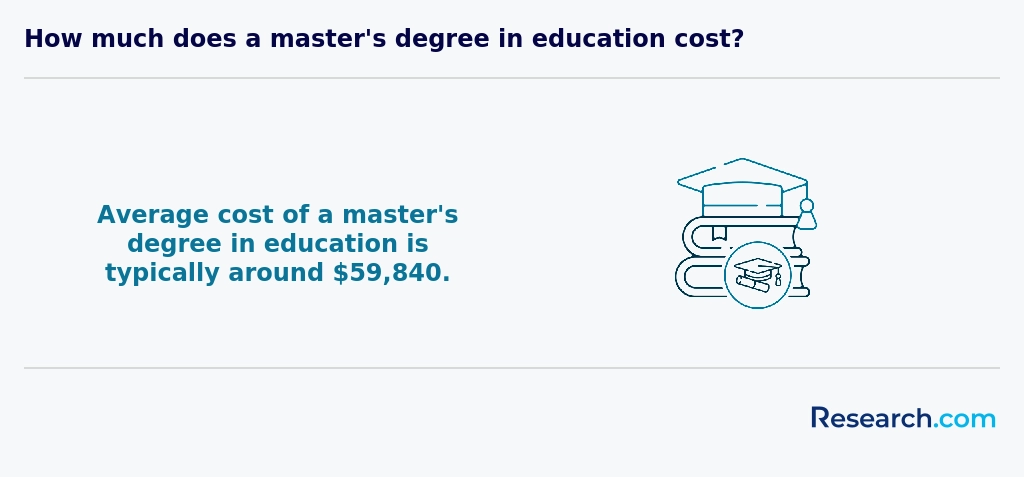
The average cost of obtaining an education degree in North Dakota primarily depends on whether a student attends a public institution, private college, or community college, as well as their residency status. For in-state students, the median total cost is approximately $10,951, making it a relatively affordable option compared to out-of-state students, who face a median total cost near $26,792. Graduates from institutions like the University of North Dakota or North Dakota State University often describe feeling satisfied with their investment, particularly because they benefited from affordable tuition combined with quality instruction.
Beyond tuition, students must consider associated expenses like technology fees, books, and room and board, which contribute significantly to the total cost. Community colleges provide a more budget-friendly pathway in North Dakota, especially for those seeking associate degrees or a foundation before transferring to a four-year program. Many find this route advantageous both financially and academically.
Prospective students exploring the average cost of education degree in North Dakota often emphasize the importance of financial aid and scholarships that ease the financial burden. State programs and institutional scholarships, such as those offered through the North Dakota University System, have been instrumental for many.
Those researching tuition and fees for education programs North Dakota-wide should consider all options carefully. The affordable education programs in North Dakota offer diverse routes to achieve a rewarding career in education without prohibitive cost.
Licensure and Certification Requirements in North Dakota
Earning an Education degree in North Dakota is only the first step toward a rewarding teaching career; securing your state license is equally essential. To become a fully certified educator, candidates must complete the following milestones: 1. Complete an Approved Educator Preparation Program • Graduation from a program accredited by the North Dakota Education Standards and Practices Board (ESPB) is required. • Coursework must include student teaching or clinical field experiences in alignment with state standards. 2. Pass Required Assessments • Praxis Core Academic Skills for Educators (reading, writing, mathematics) or an approved substitute exam. • Praxis Subject Assessments specific to your endorsement area (e.g., elementary education, special education). • For career and technical educators, passing the Praxis II CTE content exams may be required. 3. Submit Your Application and Background Check • Apply online through the ESPB portal, including official transcripts, test scores, and a criminal background check. • Pay the non-refundable licensure fee (currently $80 for initial applications). 4. Maintain and Renew Your License • Standard teaching licenses in North Dakota are valid for five years. • Renewal requires 125 continuing professional development (CPD) hours, which can include workshops, conferences, or graduate coursework. • Consider exploring affordable graduate options-many educators turn to the Cheapest Online Master’s in Education Degree Programs Ranking in the West to fulfill renewal requirements without breaking the bank. Understanding North Dakota’s licensure pathway will help you plan your academic journey, select the right program, and meet all state requirements efficiently. With the proper credentials, you’ll be ready to inspire and lead in classrooms across the state.
What financial aid is available to education degree students in North Dakota?
Students pursuing education degrees in North Dakota benefit from a range of financial aid options that make their studies more affordable. Federal Pell Grants, which can provide up to $7,395 annually without requiring repayment, serve as a critical foundation for many. Graduates from institutions like the University of North Dakota often recall how Pell Grants alleviated the pressure of upfront tuition costs during their academic journey.
State-specific programs, such as the North Dakota Teacher Shortage Loan Forgiveness Program, further ease financial challenges. This initiative rewards those who commit to teaching in high-need subjects or underserved communities by forgiving student loans after several years of service. Many North Dakota State University education graduates have successfully leveraged this program, experiencing relief from loan burdens while contributing to vital local education sectors.
In addition, scholarships based on merit and financial need are widely available at North Dakota universities, targeting areas like special education and STEM. Federal student loans and work-study positions offer flexible support, while grants such as Teach North Dakota Grants foster sustained teacher preparation within the state's public school system.
Innovations and Emerging Trends in Education
Educational institutions in North Dakota are increasingly embracing innovative practices that redefine teaching methodologies and learning experiences. With the rapid evolution of technology and the rising demand for flexible learning, educators are now integrating digital tools and hybrid models to create more engaging classrooms. For example, virtual reality, AI-driven tutoring systems, and interactive online platforms are reshaping lesson delivery and assessment strategies, providing both students and teachers with powerful resources to enhance learning outcomes. Moreover, many programs are now designed with a focus on agility and adaptability to prepare educators for the ever-changing demands of modern classrooms. As educators explore new teaching paradigms, the emphasis on continuous professional development and collaborative learning environments is on the rise. This trend not only supports traditional classroom learning but also empowers those seeking advanced credentials. For instance, prospective doctoral candidates can quickly advance their careers by exploring a list of shortest doctor of education online degrees, which emphasize accelerated, competency-based training. These emerging trends underscore the state’s commitment to quality education while ensuring that graduates are well-equipped with the skills necessary to navigate a dynamic, digital landscape. By staying informed about the latest innovations, students and professionals alike can make educated decisions that align with the future of education in North Dakota.
What are the prerequisites for enrolling in education degree program in North Dakota?
To enroll in an education degree program in North Dakota, students must first have completed a high school diploma or its equivalent, such as a GED. For example, graduates from popular institutions like the University of North Dakota often emphasize the importance of maintaining at least a 2.5 GPA, which aligns with many program requirements across the state. This GPA benchmark supports a strong academic foundation, reassuring admissions committees of the student's readiness.
Standardized test scores, such as the SAT or ACT, are typically required, although some colleges have adopted test-optional policies, recognizing diverse student strengths. Many prospective educators recall how preparing a personal statement allowed them to express genuine enthusiasm and commitment to teaching, setting them apart during the competitive admissions process.
At the graduate level-such as pursuing a Master of Education at North Dakota State University-students must hold a bachelor's degree, preferably related to education, and sometimes demonstrate relevant work experience or prerequisite coursework. The state's focus on Praxis exam success further highlights the need for dedication and thorough preparation.

Affordable Online Master’s Programs for North Dakota Students
For North Dakota educators seeking to advance their credentials without incurring steep tuition, exploring affordable online master’s programs can deliver exceptional value. By comparing tuition rates, credit‐transfer policies, and financial aid packages, you can maximize ROI while balancing work and family commitments. Many regionally accredited institutions offer asynchronous courses, enabling you to complete assignments on your own schedule and accelerate graduation timelines. To discover some of the most cost‐effective options available just beyond North Dakota’s borders, consult the Cheapest Online Master's in Education Degree Programs Ranking in the West. This ranking highlights programs that combine low per‐credit tuition with strong student support services, such as virtual practicum placements and dedicated academic advising. When evaluating affordability, consider total cost of attendance-including fees, technology requirements, and any synchronous seminar sessions-alongside potential salary increases post‐graduation. Leveraging employer tuition assistance, state grants, and federal aid can further reduce out‐of‐pocket expenses. Ultimately, an affordable online master’s degree can empower North Dakota educators to deepen their expertise, meet licensure renewal requirements, and unlock leadership opportunities in schools and districts statewide.
What courses are typically in education degree programs in North Dakota?
Education degree programs in North Dakota typically require students to complete a comprehensive set of courses covering foundational theories and practical teaching skills. Graduates from institutions like North Dakota State University and the University of North Dakota often recall early coursework in Introduction to Education, which situates teaching within historical and social contexts, providing essential perspectives for future educators.
Other core classes include Educational Psychology, where students explore how learners develop and engage with material, and Classroom Management strategies that prepare them to create effective and respectful learning environments. Many appreciate the hands-on approach in Instructional Technology courses, gaining confidence integrating digital tools into lessons, a crucial skill in today's classrooms.
Special Education courses and content-specific pedagogy classes, such as math or science education, ensure students are well-equipped to meet diverse student needs. The practical value of these studies becomes clear during supervised student teaching placements across North Dakota schools, where theory transforms into impactful classroom practice, deeply resonating with aspiring teachers pursuing licensure.
What types of specializations are available in education degree programs in North Dakota?
Education degree specializations in North Dakota cover a wide spectrum designed to meet diverse educational demands and career aspirations. Graduates from major institutions in the state often highlight the practical focus found in programs such as Elementary Education, which equips future teachers to confidently manage classrooms and enhance literacy and numeracy skills for young learners. This specialization reflects the state's commitment to strengthening early childhood education, a vital area underscored by local school districts.
Similarly, North Dakota teaching degree concentration options include Secondary Education, where students develop deep subject knowledge in areas like science and social studies, combining theory with classroom experience. Other popular tracks embraced by students involve Special Education, addressing critical needs for supporting students with disabilities, and Educational Technology, which encourages innovative integration of digital tools in teaching. Such programs foster enthusiasm among learners who appreciate how these skills apply in real classrooms across North Dakota.
Many graduates also pursue specializations like Early Childhood Education, Curriculum and Instruction, or English as a Second Language (ESL), each offering distinct pathways to meaningful teaching careers in the region. Prospective students exploring their options can refer to a list of shortest doctor of education online degrees for further guidance tailored to their schedules and goals.
How do you choose the best education degree in North Dakota?
Choosing the best affordable education degrees North Dakota offers starts with identifying a specialization that aligns with your career ambitions, whether that be elementary, secondary, special education, or educational administration. Graduates from institutions like North Dakota State University often highlight the value of programs that incorporate hands-on student teaching experiences tied closely to local schools, fostering confidence and practical skills.
Cost is a crucial factor when selecting top education programs North Dakota cost varies, with in-state tuition at public universities averaging around $8,700 annually-below the national average. Many students appreciate the flexibility and savings from online or hybrid options available through state institutions, which enhance affordability without sacrificing quality or outcomes. To explore affordable pathways, consider programs featured in the Cheapest Online Master's in Education Degree Programs Ranking in the West.
Ensuring a program is regionally accredited and meets North Dakota Education Standards and Practices Board licensure requirements is essential for smooth certification and employment prospects. Graduates often report feeling well-prepared for state exams and job placement thanks to rigorous curricula combined with supportive faculty guidance. Financial aid and loan forgiveness programs, especially for rural educators, further improve accessibility and long-term satisfaction when choosing an education degree in North Dakota.

What career paths are available for education degree students in North Dakota?
Graduates with an education degree in North Dakota often secure teaching job opportunities North Dakota's K-12 public schools, particularly in high-demand areas like special education, math, and science. Many find rewarding careers in classrooms across the state, drawing on hands-on training from well-regarded institutions such as the University of North Dakota or Minot State University. These graduates frequently express pride in addressing vital community needs while building strong relationships with students and families.
Beyond traditional teaching roles, education degree career options in North Dakota extend to leadership positions such as school principals and district supervisors. These roles, common among alumni from North Dakota State University's education programs, offer professionals the chance to influence education policy and enhance student success at a district level. Experience in these roles often leads to higher salaries and professional growth.
Additional paths include educational coordinators, school counselors requiring graduate training, and instructional coaches who support teacher development. Many graduates also pursue higher education careers within North Dakota's universities and community colleges, where their expertise helps train the next generation of educators. To explore affordable advanced degrees, consider the Cheapest Online Master's in Education Degree Programs Ranking in the West, which includes options suitable for North Dakota students.
What is the job market for education degree in North Dakota?
The education degree employment prospects North Dakota offers remain encouraging for recent graduates, especially from institutions like the University of North Dakota and North Dakota State University. Graduates often find opportunities in rural schools where teacher shortages exist, particularly in special education and STEM subjects. Many report satisfaction working in communities that value their qualifications and offer supportive environments for professional growth.
The North Dakota teaching job market trends highlight a steady demand with competitive salaries averaging around $55,000 annually, providing financial reassurance for new educators. State programs that support continuing education and loan forgiveness enhance career sustainability, making it appealing for graduates considering long-term positions in the region.
Students pursuing education degrees at local universities frequently balance affordable tuition against promising job stability. For those weighing various paths, exploring the best college degrees for the future can help clarify how education careers in North Dakota fit within broader national trends.
Frequently Asked Questions About education
Education degree students in North Dakota can maximize their learning by actively engaging in both classroom instruction and hands-on teaching experiences. The state emphasizes clinical practice, requiring students to complete student teaching hours, which enhances real-world skills. North Dakota University System data shows that participating in internships or community-based projects significantly improves job readiness.
Students should also take advantage of technology integration courses, as schools in North Dakota increasingly use digital tools to support learning. Collaborating with local schools through partnerships offers valuable networking opportunities.
Finally, staying informed about North Dakota's licensure requirements ensures students meet all criteria promptly for a smooth transition into teaching careers.
Emerging niches within the education field in North Dakota reflect national trends emphasizing technology, special education, and early childhood development. With North Dakota's growing rural population, there is increasing demand for educators trained in distance learning and digital tools. According to the North Dakota Department of Public Instruction, enrollment in special education programs increased by 8% over the last five years, highlighting opportunities in this specialized area.
Additionally, early childhood education is rapidly expanding due to statewide initiatives supporting preschool readiness. Schools also seek professionals skilled in curriculum design that integrates social-emotional learning. These niches align with efforts to prepare students for a complex, evolving society.
Graduates with education degrees in North Dakota can improve their job prospects by gaining practical experience through student teaching placements required by state licensure. The North Dakota Department of Public Instruction mandates a teaching license, which involves passing the Praxis exams and completing a background check. Networking with local school districts and attending state education job fairs can also be valuable. According to the North Dakota Department of Commerce, K-12 employment in education is projected to grow modestly through 2030. Keeping up with continuing education credits and professional development courses ensures compliance with licensure renewal and improves competitive standing in the job market.
Employers in North Dakota prioritize strong communication and classroom management skills in education degree graduates. According to the North Dakota Department of Public Instruction, effective communication with students, parents, and colleagues enhances student success and is essential for teacher evaluations.
Critical thinking and adaptability are also highly valued, as educators must respond to diverse student needs and evolving educational standards. The 2023 report from the North Dakota University System highlights that 85% of school districts seek candidates proficient in integrating technology to support learning objectives.
Additionally, a solid understanding of curriculum development and assessment strategies is important to meet state learning goals. Collaborative skills for working within multidisciplinary teams are increasingly necessary in North Dakota's schools, reflecting modern educational environments.
Finding internships in North Dakota relevant to an education degree involves leveraging local school districts, universities, and state education agencies. Many education programs in North Dakota, including those offered by institutions such as the University of North Dakota and North Dakota State University, require or encourage student teaching placements as part of their curriculum. These placements serve as valuable internships providing practical classroom experience.
Additionally, students can explore partnerships with the North Dakota Department of Public Instruction, which often supports internship opportunities in public schools across the state. According to the National Center for Education Statistics, North Dakota employed approximately 16,000 teachers in 2022, indicating a steady demand for qualified educators who can benefit from hands-on experience. Career services offices at universities frequently maintain updated listings of local internship openings, particularly within nearby school districts. Networking with education professionals during conferences and workshops in North Dakota can also help secure internship positions.
Obtaining an education degree in North Dakota significantly impacts career mobility and advancement within the state's educational sector. According to the North Dakota Department of Public Instruction, teachers holding a bachelor's degree with state certification have access to higher starting salaries and more job opportunities across K-12 schools.
Further, earning a master's degree or specialized endorsements can lead to leadership roles such as curriculum coordinator or school administrator, often accompanied by salary increases of 10-20%. The North Dakota University System highlights that advanced degrees improve job security and open pathways to roles in educational policy and counseling.
Overall, education degrees serve as a foundation for professional growth, helping educators meet licensing requirements and qualify for competitive roles in North Dakota's public and private education sectors.
Studying for an education degree in North Dakota equips students with skills essential for interdisciplinary roles. Programs emphasize collaboration across subjects like psychology, technology, and social sciences to prepare educators for diverse learning environments. According to the North Dakota University System, many education curricula include practicum experiences that integrate multiple disciplines, improving real-world problem-solving abilities.
North Dakota State University highlights its focus on educational technology and counseling courses, encouraging future teachers to address varied student needs. Such cross-disciplinary training aligns with workforce demands, as reported by the Bureau of Labor Statistics, showing a growing need for educators capable of adapting in dynamic settings.
Choosing between a thesis and a non-thesis education degree program in North Dakota depends on your career goals and learning preferences. Thesis programs typically require original research and a formal thesis, which benefits students aiming for doctoral studies or research-intensive careers. Non-thesis options focus more on coursework and practical experience, ideal for educators pursuing teaching or administrative roles.
North Dakota universities like NDSU and UND offer both formats. According to the National Center for Education Statistics, about 45% of education graduate students nationally choose the non-thesis path for quicker degree completion.
Consider workload, timeline, and future ambitions when deciding. Consulting advisors in North Dakota's institutions can also clarify program expectations.
Students based in North Dakota seeking to study education abroad have several paths available, often through partnerships between local universities and international institutions. North Dakota State University and the University of North Dakota offer faculty-led study abroad programs focusing on education, typically lasting a few weeks during summer sessions. These programs provide practical exposure to diverse educational systems and teaching methods.
Additionally, students can participate in exchange programs or enroll independently in foreign universities, but should ensure their credits transfer back to North Dakota institutions. Resources such as the Institute of International Education offer updated data on outbound student mobility from the U.S., including trends relevant to education majors.
Financial aid options and scholarships also support study abroad for education students, improving accessibility. According to the North Dakota University System, about 4% of undergraduates participate in study abroad activities, reflecting growing interest among future educators.
In North Dakota, several part-time job opportunities can effectively complement education degree studies. Positions such as teacher aides, substitute teachers, and tutors provide practical classroom experience while students complete their degrees. According to the North Dakota Department of Public Instruction, substitute teaching positions are in demand statewide, offering flexible hours that fit academic schedules.
Additionally, roles in after-school programs or educational nonprofits can enhance skills in curriculum support and student engagement. The Bureau of Labor Statistics notes that these jobs often pay between $12 and $18 per hour, giving students valuable workforce insight alongside financial benefits.
Engaging in these positions helps build a strong resume for future educators in the state.
Education students in North Dakota have several valuable networking opportunities that can enhance their career prospects. Many universities, such as the University of North Dakota and North Dakota State University, offer membership in professional organizations like the North Dakota Education Association (NDEA). These groups provide access to workshops, conferences, and mentorship programs, fostering connections with experienced educators across the state.
Additionally, students can engage in local school district partnerships and student teaching placements, which serve as practical forums for professional networking. Statewide events and education fairs also enable direct interaction with potential employers and colleagues.
According to the North Dakota Department of Public Instruction, such networking improves job placement rates for education graduates.
Alumni networks play a crucial role for education degree students in North Dakota by providing valuable professional connections. Graduates from institutions such as the University of North Dakota and North Dakota State University join extensive networks that offer mentoring and job placement support. According to the North Dakota University System, over 70% of education graduates find employment within six months, aided by these connections.
These networks often host events and workshops, fostering skill development beyond the classroom. They can also offer access to exclusive job listings in local school districts and statewide educational organizations. For many students, being part of an active alumni community enhances career opportunities and professional growth in North Dakota's education sector.
Customizing an education degree in North Dakota allows students to align their studies with specific career goals. Many universities, like the University of North Dakota and North Dakota State University, offer flexible programs with options to specialize in areas such as early childhood, special education, or educational leadership. Students can often choose electives, complete internships, and participate in field experiences tailored to their interests.
Additionally, some programs provide pathways for licensure in various teaching fields, which can be important for employment in the state's schools. According to the North Dakota Department of Public Instruction, over 90% of education graduates find teaching positions within one year, highlighting the value of focused preparation. Also, online degree options enable professionals to customize schedules while gaining relevant knowledge.
Education students in North Dakota often face challenges related to limited access to diverse classroom experiences. With many rural schools and smaller districts, gaining exposure to a variety of student needs and teaching environments can be difficult. According to the North Dakota Department of Public Instruction, this can affect practical training quality for future teachers.
Additionally, the state's low population density sometimes requires education students to travel long distances for internships or fieldwork. This travel can create financial and scheduling burdens.
Furthermore, fluctuating state funding for education impacts resources available during training, making it harder to access up-to-date teaching materials and technology.
With an education degree in North Dakota, graduates can pursue various professional certifications that enhance their teaching credentials. The most common certification is the North Dakota Teaching License, required to teach in public schools. This license typically requires passing the Praxis exams and completing a background check.
Additionally, educators can earn endorsements in specialized areas such as special education, English as a Second Language (ESL), or school counseling. According to the North Dakota Department of Public Instruction, these endorsements improve job prospects and meet specific student needs statewide.
Other options include National Board Certification, which offers national recognition for teaching excellence and can increase salary potential.
To write a winning application for an education program in North Dakota, start by thoroughly researching the specific requirements of each institution. Schools such as the University of North Dakota and North Dakota State University emphasize strong personal statements that clearly express your passion for teaching and your commitment to local communities. Highlight relevant volunteer, tutoring, or work experiences that demonstrate practical skills.
Include up-to-date transcripts showing a competitive GPA; many programs look for at least a 3.0. According to the North Dakota Department of Public Instruction, demand for qualified educators is strong, so emphasizing dedication to improving education locally strengthens your application. Finally, secure strong recommendation letters from educators or employers familiar with your academic and interpersonal strengths.
The field of education is increasingly viewed through a global lens, emphasizing the importance of cultural awareness and adaptability. In the United States, including North Dakota, education careers are shaped by international trends such as inclusive teaching and technology integration. According to the National Center for Education Statistics (NCES), North Dakota had over 7,500 teachers in public elementary and secondary schools as of 2022, reflecting steady demand for qualified educators.
Globally, educators are expected to prepare students for diverse and interconnected environments. U.S. education degrees often include training in global competence to support this need. For North Dakota students, gaining these skills can enhance career opportunities both domestically and abroad.
Furthermore, initiatives like the U.S. Department of Education's international programs encourage educators to engage with strategies from various countries. This global exchange fosters innovation in teaching approaches that benefit local classrooms. Understanding these global perspectives helps students appreciate the wider impact of their education careers beyond the state's borders.
Students pursuing education degrees in North Dakota can gain valuable practical experience through student teaching placements, which are typically required by state licensure programs. These placements allow candidates to work under the supervision of experienced teachers in local K-12 classrooms, applying theoretical knowledge in real-world settings. According to the North Dakota Department of Public Instruction, student teaching usually lasts 12 to 16 weeks depending on the university program.
Many universities in North Dakota also offer internships and fieldwork opportunities in partnership with area schools. These experiences help develop classroom management and instructional skills early in the degree program. Additionally, some programs encourage volunteering or substitute teaching to build further practical understanding.
Choosing the right concentration within an education degree program in North Dakota involves understanding your career goals and the needs of local schools. North Dakota offers concentrations like early childhood, elementary, secondary, and special education, each preparing students for distinct teaching roles.
Consider the state's employment outlook. The North Dakota Department of Labor projects steady demand for teachers, especially in special education and STEM-related secondary education fields. Reviewing local school district priorities can help align your choice with job opportunities.
Additionally, check that your program concentration meets North Dakota's teacher certification requirements, guided by the Office of the Superintendent of Public Instruction (OSPI). This ensures your credentials will qualify you for licensure upon graduation.
Finally, explore coursework and practicum experiences offered in your preferred concentration to confirm it fits your interests and teaching style.
Related Education Rankings for Nearby States
- 2027 Best Online Education Degree Programs Ranking in South Dakota
- 2027 Best Online Education Degree Programs Ranking in Minnesota
- 2027 Best Online Education Degree Programs Ranking in Nebraska
- 2027 Best Online Education Degree Programs Ranking in Iowa
- 2027 Best Online Education Degree Programs Ranking in Wisconsin
- 2027 Best Online Education Degree Programs Ranking in Kansas
- 2027 Best Online Education Degree Programs Ranking in Illinois
- 2027 Best Online Education Degree Programs Ranking in Missouri
- 2027 Best Online Education Degree Programs Ranking in Indiana
- 2027 Best Online Education Degree Programs Ranking in Michigan
Top Trending Education Rankings
See What Experts Have To Say About Studying Education
Read our interview with Education experts

Alan J. Singer
Education Expert
Professor of Teaching, Learning and Technology
Hofstra University


References
- 5 Tips on Choosing the Right Course or Study Program - Edunation https://www.edunation.co/5-tips-on-choosing-the-right-course-or-study-program/
- Teacher of Global Perspectives (IGCSE) https://www.scie.com.cn/jobs-global-perspectives/
- Tips for Choosing Your Graduate Concentration - Graduate Programs for Educators https://www.graduateprogram.org/blog/tips-for-choosing-your-graduate-concentration/
- Events & Opportunities https://connect.teachforall.org/events-opportunities
- North Dakota https://www.teachingchannel.com/state-requirements/north-dakota-teaching-license-renewal/
- Best Graduate Courses for North Dakota Teachers https://creditsforteachers.com/best-graduate-courses-north-dakota-teachers/
- Insights of North Dakota https://insights.nd.gov/College/Students
- The 8 challenges of education in a changing world https://casvitrescantos.com/en/the-8-challenges-of-education-in-a-changing-world/
- How to Pick Your Concentration for Your M.Ed. Degree | ACE Blog https://ace.edu/blog/how-to-pick-your-med-concentration/
- Navigating Challenges In Education, Learning & Development - those who can https://www.thosewhocan.org/navigating-challenges-in-education-learning-and-development/


