
2027 Best Education Degree Programs Ranking in Tennessee

Co-Founder and Chief Data Scientist
Choosing the right education degree program can shape your future and open doors to meaningful careers in Tennessee's vibrant schools and communities.
This article presents the 2027 Best Education Degree Programs Ranking in Tennessee, created by the Research.com team of data scientists to help you make an informed decision.
Explore top programs that combine quality, reputation, and support for students like you. Reading this guide will give you confidence to select a program that fits your goals and sets you on a rewarding path in education.
Key benefits of getting education degree in Tennessee
- Education degree graduates in Tennessee can expect strong earning potential, such as a Special Education Teacher earning about $76,000 annually and an Instructional Designer making around $77,200 per year.
- Graduates from popular Tennessee universities often pursue diverse careers like Early Childhood Educator, ESL Teacher, or Instructional Designer, opening doors to rewarding roles in various educational settings.
- Online education degrees offer flexibility and convenience, helping Tennessee students balance work and life while earning valuable credentials from respected institutions, enhancing career prospects without sacrificing personal commitments.
- Key benefits of getting education degree in Tennessee
- What can I expect from education degree in Tennessee?
- Where can I work with education degree in Tennessee?
- How much can I make with education degree in Tennessee?
- 2027 Best Education Degree Programs Ranking in Tennessee
- Key Findings
- How long does it take to complete education degree in Tennessee?
- Advancing Your Education: Master’s and Doctoral Programs
- What's the difference between online and on-campus education degree?
- Most Affordable Options for Education Degrees in Tennessee
- What is the average cost of education degree in Tennessee?
- Application Process and Key Deadlines
- What financial aid is available to education degree students in Tennessee?
- Accelerated Online EdD Programs: A Path to Leadership
- What are the prerequisites for enrolling in education degree program in Tennessee?
- Teacher Certification Requirements and Process in Tennessee
- What courses are typically in education degree programs in Tennessee?
- What types of specializations are available in education degree programs in Tennessee?
- How do you choose the best education degree in Tennessee?
- What career paths are available for education degree students in Tennessee?
- What is the job market for education degree in Tennessee?
- Related Education Rankings for Nearby States
- Top Trending Education Rankings
- See What Experts Have To Say About Studying Education
What can I expect from education degree in Tennessee?
The average cost of pursuing an education degree in Tennessee is an encouraging factor for many aspiring teachers. At popular institutions like the University of Tennessee and Belmont University, in-state students typically pay around $10,000 per year in tuition, making the dream of becoming an educator both accessible and affordable. Graduates often recall how this financial balance allowed them to focus more on their studies and meaningful classroom experiences rather than worrying about overwhelming debt.
Many students benefit from scholarships and financial aid designed specifically for education majors, easing the journey further. Imagine attending a vibrant campus in Nashville or Knoxville, thriving alongside peers equally passionate about shaping future generations, all while managing costs responsibly. This supportive environment fuels motivation, helping students embrace challenges and celebrate achievements confidently. With Tennessee's reasonable tuition and strong program support, stepping into a rewarding teaching career feels not just possible, but genuinely exciting.
Where can I work with education degree in Tennessee?
Graduates with an education degree in Tennessee find themselves stepping into rewarding careers that directly impact their communities. Many begin as licensed teachers in K-12 public and private schools, where the demand remains strong-nearly 8,000 new teachers join the workforce annually, bringing fresh energy and ideas. Imagine the pride of a recent graduate from Middle Tennessee State University shaping young minds in a local classroom, making learning exciting and accessible.
Others expand their impact by becoming instructional coordinators or special education specialists, helping schools improve curriculum and support diverse learners. Education graduates from the University of Tennessee, for example, often move into these specialized roles, collaborating with teachers to bring innovative strategies to life.
Beyond K-12, degree holders also thrive in higher education as academic advisors or student affairs specialists, guiding college students to success. Some pursue leadership paths as principals or district supervisors, where they influence school policies and uplift entire districts. Community organizations and educational nonprofits provide further avenues, with graduates designing impactful programs that enrich Tennessee's youth and families.
How much can I make with education degree in Tennessee?
Graduates with an education degree from respected Tennessee institutions find exciting earning opportunities tailored to their passions. For example, those who become elementary school teachers can earn a rewarding mean annual salary of $70,740, allowing them to positively impact young lives while supporting their own futures. Special education teachers in Tennessee enjoy even higher mean wages, around $76,000, reflecting the vital demand and specialized skills they bring to the classroom.
Others who choose paths like ESL teaching can look forward to an average salary near $65,430, combined with an enriching experience helping diverse student populations thrive. Early childhood educators, often starting their careers at popular Tennessee colleges, earn approximately $41,410 yearly, stepping into roles that shape foundational learning and development.
Some graduates elevate their careers beyond the classroom by becoming instructional designers, with a lucrative mean annual wage of $77,200. These professionals play an essential role in creating innovative educational programs that inspire students statewide.
Graduates from Tennessee universities continuously share how their education degree opens doors to fulfilling, impactful roles, backed by strong salaries that offer financial peace of mind and growth potential.
2027 Best Education Degree Programs Ranking in Tennessee
How do we rank schools?
Investing in your education is a significant decision that can shape your future, and the Research.com team is keenly aware of the importance of making well-informed choices. To assist prospective students in Tennessee, we have carefully developed the "2027 Best Education Degree Programs Ranking." Our dedication to quality, credibility, and accuracy is evident in the thorough research and analysis underlying this ranking.
We utilized the following reputable data sources to ensure a comprehensive evaluation of education degree programs:
By reviewing this ranking, readers will gain valuable insights into top education degree programs in Tennessee, empowering them to select the best path for their academic and professional goals. For further information on how this ranking was created, please visit our Research.com methodology page.


Key Findings
- Tuition for public education programs in Tennessee ranges from $10,000 to $15,000 per year for in-state students, while private schools typically charge $20,000 to $30,000 annually.
- Entry-level teachers with a bachelor's degree earn around $45,000 per year, with salaries increasing to between $58,000 and $65,000 for those with advanced degrees and experience.
- Tennessee offers financial aid and scholarships specifically for education majors to help reduce tuition costs.
- The state actively recruits teachers, especially in rural and underserved areas, with strong demand in special education, math, and science fields.
- Becoming a licensed teacher requires completing an approved preparation program, student teaching, and passing the Tennessee educator licensure assessments.
How long does it take to complete education degree in Tennessee?
Completing an education degree in Tennessee is an exciting journey that typically spans about four years for a bachelor's degree, especially at renowned institutions like the University of Tennessee or Tennessee State University. Many graduates share how the combination of classroom learning and hands-on student teaching enriches their experience, making those years feel meaningful and swiftly rewarding.
For those eager to deepen their expertise, pursuing a master's degree often takes one to two years of full-time study, with flexible options like part-time and online formats designed to fit busy lives. Many graduates appreciate the ability to balance work while advancing their education, turning this challenge into an energizing achievement.
Doctoral degrees, whether Ed.D. or Ph.D., typically require three to five years of dedicated effort, where passionate students embrace research and dissertation work to become true leaders in education. These timelines reflect personal growth, perseverance, and the vibrant support communities found at Tennessee's universities.
Advancing Your Education: Master’s and Doctoral Programs
Earning an advanced degree in education can significantly enhance your expertise, marketability, and earning potential. A Master’s in Education often leads to leadership roles-such as instructional coordinator, curriculum specialist, or school administrator-while a Doctorate (Ed.D. or Ph.D.) opens doors to university teaching, policy research, and executive positions within educational organizations. Graduates with a master’s degree report average salary increases of 15–20% compared to bachelor’s-level peers, making this a strategic investment in long-term career growth. Admission requirements typically include a Bachelor’s in Education or a related field, a minimum GPA of 3.0, letters of recommendation, and, in some cases, GRE scores. Many programs also require relevant teaching experience and a statement of professional goals. Coursework combines advanced pedagogy, data-driven instructional design, and leadership theory, often culminating in a capstone project or thesis that demonstrates original research or practical innovation in educational practice. For students seeking cost-effective online master’s options, our comparison of neighboring states highlights exceptional value-you can explore the Most Affordable Online Master’s in Education Degree Programs Ranking in Kansas to identify programs that balance affordability with accreditation and academic rigor. These online formats offer flexible scheduling, asynchronous course delivery, and opportunities for collaboration through virtual cohorts, making it feasible to continue working while advancing your credentials. Doctoral candidates should look for programs that offer strong faculty mentorship, research funding, and partnerships with school districts or policy centers. Consider elements such as residency requirements, publishing expectations, and conference participation to ensure the program aligns with your professional objectives. By strategically selecting an advanced program-whether online or on-campus-you can deepen your impact on student learning, influence educational policy, and secure leadership roles that shape the future of education.
What's the difference between online and on-campus education degree?
Choosing between online and on-campus education degrees in Tennessee brings exciting opportunities tailored to different lifestyles. Online programs shine for their flexibility, perfect for working adults or parents balancing responsibilities. Imagine accessing lectures anytime from your home, just as many students do at Middle Tennessee State University, feeling empowered by controlling their own schedules without the commute.
On-campus paths, like those at the University of Tennessee, offer vibrant campus life and face-to-face connections. Graduates often cherish the energy of in-person classes, hands-on practicum, and meaningful interactions with professors and peers that spark confidence and professional growth.
Both routes are fully accredited by SACSCOC, assuring high-quality education recognized across Tennessee. While on-campus study may include extra costs like housing, online learners frequently save 20-25% and enjoy the freedom of studying anywhere in the state, from Nashville to Chattanooga. Each pathway builds a strong foundation for passionate educators ready to make a difference.
Most Affordable Options for Education Degrees in Tennessee
For prospective students seeking to pursue an education degree in Tennessee without incurring significant financial burden, exploring the most affordable options is crucial. The cost of attending college can be daunting, but there are institutions and programs designed to provide quality education at a lower cost. When considering affordability, it's essential to look beyond tuition fees and factor in other expenses such as room, board, and supplies. Students can also benefit from financial aid, scholarships, and grants that can substantially reduce the overall cost of their education degree. For those interested in finding the cheapest education school in Tennessee, visiting cheapest education school in Tennessee can provide valuable insights and comparisons of different programs. By weighing the costs against the potential benefits and return on investment, prospective students can make informed decisions about their educational pathway.
What is the average cost of education degree in Tennessee?
The average cost of a education degree in Tennessee reflects an investment in a rewarding future, with median total costs around $37,873. For in-state students, the journey is more affordable, with median in-state total costs approximately $23,790. Many graduates from well-known Tennessee universities share that the value of their education far outweighs the financial commitment, inspiring new students to pursue their goals with confidence. Affordable options, combined with strong academic programs, make obtaining a degree in education a feasible path for Tennesseans dedicated to making a difference.
Graduates often recall balancing tuition with living expenses and the cost of books, realizing that careful planning transforms challenges into achievements. Those attending prominent institutions with robust education programs find supportive environments that enhance their learning experience without overwhelming financial burdens. The total tuition and fees for Tennessee education programs provide clarity for future teachers eager to contribute to their communities, knowing they can manage costs effectively while preparing for a fulfilling career.
For prospective students seeking educational opportunities that fit their budgets, exploring the cheapest education school in Tennessee offers practical insights and options. This encourages hopeful individuals to take actionable steps towards achieving their dreams within a supportive and affordable academic setting.

Application Process and Key Deadlines
Prospective students should begin the application process for Education degree programs in Tennessee at least six months before their intended start term to ensure timely submission of all materials. Key steps and typical deadlines include: 1. Research and Program Selection - Identify programs that align with your career goals and specialization interests. Compare costs and structures-students comparing out-of-state options may also explore the Most Affordable Online Master's in Education Degree Programs Ranking in Kansas to assess affordability and curriculum differences. 2. Gather Required Documents - Transcripts: Request official transcripts from all postsecondary institutions at least eight weeks before deadlines. - Test Scores: Register for and complete the Praxis Core (if required) with scores sent directly to each university. - Letters of Recommendation: Secure and submit two to three letters from educators or supervisors by the program’s deadline. - Personal Statement: Draft a 500–750 word essay outlining your passion for teaching, career objectives, and relevant experiences. 3. Background Check and Certification Prerequisites - Complete any state-mandated criminal background checks at least one month prior to enrollment. - Verify that you meet the minimum GPA (typically 2.75) and any additional certification exam requirements. 4. Application Deadlines (Example) - Fall Semester: April 1 (priority), June 1 (final) - Spring Semester: October 15 (priority), December 1 (final) - Rolling admissions dates vary by institution-confirm on each university’s education department webpage. 5. Interview and Campus Visit - Schedule virtual or in-person interviews if required. - Attend open houses or information sessions to engage with faculty and current students. 6. Financial Aid and Scholarship Applications - File the FAFSA by March 1 to maximize eligibility for state and federal aid in Tennessee. - Apply separately for institutional scholarships by each college’s priority deadline. By adhering to this timeline and checklist, applicants can reduce stress, ensure compliance with college requirements, and improve their chances of acceptance into Tennessee’s top Education programs.
What financial aid is available to education degree students in Tennessee?
Many students pursuing education degrees at institutions like the University of Tennessee or Middle Tennessee State University find hope in the variety of financial aid options available across Tennessee. Grants such as the Federal Pell Grant, which can provide up to $7,395 annually, have been a game changer for graduates balancing study with everyday life.
Locally, programs like the Tennessee HOPE Scholarship and HOPE ACCESS Grant offer vital support, covering up to $4,500 each year to help ease tuition costs for those committed to making a difference in education. Graduates often share how the Tennessee Student Assistance Award boosted their ability to focus on their studies without financial stress.
For those drawn to teaching in rural communities, the Tennessee Rural Teaching Scholars program not only provides scholarship funds but also inspires hope by supporting meaningful, rewarding careers. Many students have found loan forgiveness options, like the Tennessee Teacher Loan Forgiveness Program or the federal Public Service Loan Forgiveness, instrumental in alleviating debt while serving Tennessee's schools.
Work-study opportunities connected to local schools create rewarding hands-on experiences, helping students build confidence and financial stability simultaneously.
Accelerated Online EdD Programs: A Path to Leadership
For experienced educators looking to advance their careers without sacrificing flexibility, exploring accelerated online Doctor of Education (EdD) programs can be a game changer. These programs are designed to cater to busy professionals by offering streamlined curriculums that emphasize applied research, strategic leadership, and innovative educational practices without the extended dissertation requirement typical of traditional doctoral programs. Many candidates appreciate that this format allows them to transition more quickly into senior administrative or leadership roles while still benefiting from a rigorously developed curriculum. In this dynamic educational landscape, options like online edd programs no dissertation provide an opportunity to balance professional commitments with advanced academic achievement. By leveraging cutting-edge online resources and flexible scheduling, students can engage with current industry trends, participate in collaborative projects, and broaden their professional networks-all crucial components in today's competitive education sector. This approach not only leads to faster career progression but also supports continuous learning and innovation, ensuring that graduates are well-equipped to lead future-focused educational initiatives.
What are the prerequisites for enrolling in education degree program in Tennessee?
To enroll in an education degree program in Tennessee, students need a high school diploma or GED as a foundation. Many future educators attending well-known institutions like University of Tennessee or Belmont University share how meeting GPA requirements and submitting ACT or SAT scores helped launch their academic journey. Graduate programs, popular at places such as Vanderbilt's Peabody College, expect applicants to hold a bachelor's degree with solid transcripts-often a 3.0 GPA or higher-and sometimes GRE scores, letters of recommendation, and a clear statement of purpose. This ensures candidates are genuinely prepared to lead and inspire.
Completing prerequisite coursework in social sciences like psychology and human development is another vital step, equipping students with insights that resonate in real classrooms. Practical experience through volunteering or working with children, alongside passing state licensure tests like Praxis, builds confidence and demonstrates commitment. Graduates often reflect on how these elements created a supportive path toward becoming effective and compassionate educators in Tennessee.

Teacher Certification Requirements and Process in Tennessee
Earning a valid teacher certification in Tennessee involves a clear sequence of steps designed to ensure that candidates meet state standards for classroom readiness and professional conduct. Prospective educators should familiarize themselves with each requirement to streamline their path from student to licensed teacher. 1. Complete an Approved Educator Preparation Program • Enroll in a regionally accredited bachelor’s or master’s program that is state-approved for teacher preparation. • Verify that your institution is recognized by the Tennessee Department of Education: programs must include both coursework in pedagogy and supervised student teaching. 2. Pass Required Standardized Exams • Praxis Core Academic Skills for Educators: assesses reading, writing, and mathematics. • Praxis Subject Assessments: evaluates competency in your specific teaching field (e.g., Elementary Education, Special Education). • Consult official Praxis score requirements, as minimum passing scores vary by subject area. 3. Complete Background and Safety Checks • Undergo a fingerprint-based criminal history background check through the Tennessee Bureau of Investigation (TBI) and the Federal Bureau of Investigation (FBI). • Submit proof of completed child abuse recognition and prevention training, mandated for all teacher candidates. 4. Apply for Initial Practitioner License • After meeting program and testing requirements, submit an online application via the Educator Licensing System (ELS). • Pay the non-refundable application fee and upload official transcripts plus exam score reports. • Once approved, your Initial Practitioner License is valid for five years. 5. Advance to the Professional License • Within the five-year window, complete a state-required induction program or mentor-based evaluation under the Tennessee Teacher and Leader Peer Support and Coaching program. • Demonstrate effective teaching through classroom observations and professional portfolio submissions. • Apply for the renewable Professional License, valid for five years upon approval. 6. Maintain and Renew Certification • Fulfill continuing education requirements-typically 48 professional development points every five years-to renew your Professional License. • Explore workshops, graduate courses, or instructional coaching sessions offered by local districts or higher education institutions. Navigating certification can feel daunting, but understanding each step ensures you stay on track. For those exploring advanced credentials or out-of-state graduate options that align with Tennessee’s licensing framework, consider comparing affordable programs like the Most Affordable Online Master's in Education Degree Programs Ranking in Kansas to find cost-effective pathways that still meet state and national accreditation standards.
What courses are typically in education degree programs in Tennessee?
Education degree programs in Tennessee warmly welcome students to a rich journey through courses crafted to inspire and empower future educators. Graduates from universities like the University of Tennessee or Belmont College often reflect on how core classes such as Foundations of Education opened their eyes to the deep history and social impact of teaching in America, sparking a passion for meaningful change in classrooms.
Courses in Educational Psychology help students understand the unique ways children learn and grow, equipping aspiring teachers to connect with every learner emotionally and cognitively. Imagine preparing lesson plans in Curriculum Development that truly engage elementary schools or special education students, bringing creativity and confidence to the craft of teaching.
Many feel energized by practical courses like Classroom Management and Differentiated Instruction, which prepare them to create welcoming, dynamic learning environments tailored to diverse needs. Such knowledge gained in practical, hands-on settings at Tennessee colleges transforms hopeful students into compassionate, skilled educators ready to make a real difference.
What types of specializations are available in education degree programs in Tennessee?
Education degrees in Tennessee open doors to a variety of inspiring specializations tailored to fit your passion and goals. Graduates from well-known colleges across the state often share how their focus on elementary education allowed them to build strong foundational skills and make a meaningful impact in early classrooms. Others have thrived in secondary education programs, mastering subject-specific teaching that prepares them to guide middle and high school students. If you're driven to support diverse learners, special education offers a rewarding path, reflecting an increasing demand in Tennessee schools for inclusive teaching professionals.
Additional specializations enrich your teaching career options in Tennessee education programs, including early childhood education, educational leadership, curriculum design, reading and literacy, and ESL education-each designed to meet the unique needs of students in our communities. Graduates attest that these focus areas equip them with practical experience and confidence to succeed in busy classrooms or administrative roles. For those seeking flexible options, exploring online edd programs no dissertation is becoming a popular way to advance further.
How do you choose the best education degree in Tennessee?
Choosing the best education degree in Tennessee means focusing on programs that truly prepare you for a rewarding career. Graduates from popular universities often share how programs with strong regional reputations and hands-on student teaching shaped their confidence and skills. Imagine studying at an institution where faculty connect you directly with local schools for internships, making your journey feel supported every step of the way. Tennessee's flexible formats, including online and evening classes, empower working students to pursue their goals without compromise.
Many students find that considering accredited programs in Tennessee, especially those aligned with the Council for the Accreditation of Educator Preparation, opens doors to licensure and long-term success. Exploring affordable education degrees in Tennessee helps you balance quality and cost, as graduates praise scholarship opportunities and manageable expenses. To explore options with an emphasis on affordability and flexibility, see the Most Affordable Online Master's in Education Degree Programs Ranking in Kansas.
Ultimately, aligning your passion with programs offering specializations like special education, STEM, or ESL can spark both personal fulfillment and career success. Many former students highlight how choosing a degree with strong job placement rates and supportive networks made their dreams feel within reach.
What career paths are available for education degree students in Tennessee?
Graduates with an education degree in Tennessee find a diverse array of career paths that inspire and empower. Many step confidently into licensed teaching roles, filling vital positions in math, science, special education, and English as a second language across K-12 schools. Those who studied at renowned institutions like the University of Tennessee often share how rewarding it feels to influence young minds while earning competitive starting salaries around $40,000. This is a prime example of teaching job opportunities Tennessee graduates embrace with enthusiasm and dedication.
Beyond the classroom, graduates pursue leadership roles such as school principals or curriculum developers, shaping the future of education within their communities. Others become instructional coaches or school counselors, applying their skills to support teachers and students alike. The options continue to broaden with careers in education policy and higher education faculty positions, allowing graduates to impact the system on multiple levels. Many students from Tennessee colleges speak of the excitement in contributing to education reform and student success.
For those seeking flexible and affordable pathways, exploring programs like the Most Affordable Online Master's in Education Degree Programs Ranking in Kansas can open new doors. This guides motivated learners in Tennessee toward achieving advanced degrees without financial strain. With so many education degree career options in Tennessee, the possibilities to make a meaningful difference are truly inspiring and within reach for every passionate educator.
What is the job market for education degree in Tennessee?
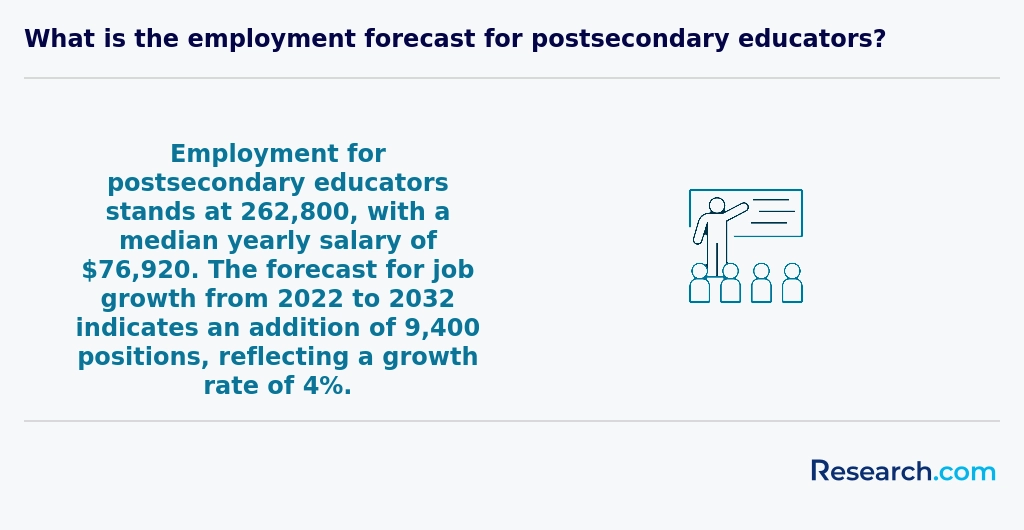
The job market for education degree graduates in Tennessee is vibrant and full of promise, especially for those ready to make a meaningful impact in classrooms across the state. With steady 4% growth in teaching jobs projected through 2030, graduates from popular institutions like the University of Tennessee and Vanderbilt University often find rewarding opportunities in metropolitan areas such as Nashville and Memphis. These cities offer competitive salaries and diverse teaching positions, making the journey into a teaching career exciting and fulfilling. Considering education degree job prospects Tennessee, many graduates share stories of securing roles in special education or early childhood education, areas that are in high demand and crucial to community development.
Local graduates often highlight the affordability of Tennessee public universities combined with state programs like the Tennessee HOPE Scholarship, which provides financial relief while pursuing a degree. For those seeking even more budget-friendly options, exploring a cheapest online associate degree can be a great starting point toward a teaching career in Tennessee.
Frequently Asked Questions About education
Education degree students in Tennessee can maximize their learning experience by actively engaging in both theoretical coursework and practical fieldwork. Tennessee is known for its robust teacher preparation programs, with many institutions requiring extensive classroom observation and student teaching hours, which help develop real-world skills. According to the Tennessee Higher Education Commission, nearly 85% of education graduates complete clinical practice, a critical component to understanding diverse student needs.
Taking advantage of tutoring centers, professional development workshops, and joining education-related organizations can deepen understanding and networking opportunities. Additionally, utilizing resources such as Tennessee's Department of Education data on student outcomes allows students to align their studies with state standards and emerging educational trends.
The education field in Tennessee is expanding into several emerging niches that reflect both technological advances and shifting community needs. One growing area is educational technology, where professionals design and implement digital learning tools to improve student engagement. According to the Tennessee Department of Education, schools increasingly adopt remote learning platforms, boosting demand for specialists in this field.
Another niche is special education, particularly focusing on inclusive classrooms and tailored support for students with disabilities. Tennessee's commitment to improving outcomes for all learners has led to increased funding and training programs.
Sustainability education is also gaining traction, preparing educators to teach environmental awareness amid global climate concerns. Additionally, early childhood education remains critical, as studies show strong early learning correlates with long-term academic success in Tennessee.
After completing an education degree in Tennessee, preparing for the job market involves understanding the state's teacher certification requirements. Tennessee requires candidates to pass the Tennessee Teacher Licensure Assessment, which includes basic skills and content knowledge tests. Graduates should also consider gaining practical experience through student teaching or internships, as these are highly valued by employers.
Networking within educational communities can improve job prospects. Joining organizations like the Tennessee Education Association helps candidates access job listings and professional development.
According to the Tennessee Department of Education, the average starting salary for teachers in 2023 was around $42,000, reflecting regional pay scales.
Employers in Tennessee highly value education degree graduates who demonstrate strong communication and classroom management skills. According to the Tennessee Department of Education, effective communication is critical for fostering student engagement and collaboration among peers. Additionally, adaptability and cultural competency are essential due to the state's diverse student population. Graduates must also be proficient in integrating technology into lesson plans, reflecting the increasing emphasis on digital learning tools reported by the Tennessee Higher Education Commission.
Data from the National Center for Education Statistics shows that subject matter expertise, especially in STEM and literacy, remains a top priority. Furthermore, problem-solving abilities and patience are key traits sought by school districts across Tennessee.
Finding internships in Tennessee related to an education degree involves strategic research and networking. Many universities, such as the University of Tennessee and Middle Tennessee State University, maintain partnerships with local schools and educational organizations that offer internship placements. According to the Tennessee Higher Education Commission, over 70% of education students secure field experience through their institutions. Additionally, exploring opportunities via the Tennessee Department of Education's website can connect students with approved internship programs aligned with state certification requirements. Engaging with local school districts and professional teaching associations also expands internship possibilities critical for gaining practical experience.
In Tennessee, obtaining an education degree significantly enhances career mobility and advancement opportunities in the teaching profession. According to the Tennessee Department of Education, educators with advanced degrees or specialized certifications often qualify for higher salary brackets and leadership roles within school districts. For example, teachers holding a master's degree can earn approximately 10-25% more annually than those with only a bachelor's degree.
The state also supports career advancement through programs that encourage continuing education and professional development. Education degrees open pathways to roles such as instructional coordinators, school administrators, and curriculum specialists, which require specific credentials recognized statewide.
Employment projections by the Tennessee Department of Labor show steady growth in education jobs, highlighting ongoing demand for qualified professionals.
Studying for an education degree in Tennessee equips students with skills that extend beyond traditional teaching roles. Programs emphasize interdisciplinary approaches by integrating knowledge from psychology, sociology, and technology. This prepares graduates to address diverse learning environments and collaborate with professionals from various fields.
Tennessee's colleges often include coursework aligned with the state's education standards and reflect trends noted by the Tennessee Department of Education. For example, many programs require practicum experiences within different community settings, enhancing practical skills and adaptability.
According to the Tennessee Higher Education Commission, over 70% of education graduates engage in roles involving cross-disciplinary cooperation, highlighting the degree's relevance in modern educational ecosystems.
Choosing between a thesis and a non-thesis education degree program in Tennessee depends largely on your career goals and learning preferences. Thesis programs focus on original research, ideal for students aiming for doctoral studies or roles in academia. Non-thesis tracks emphasize practical skills and coursework, often preferred by professionals targeting leadership or administrative positions in K-12 or higher education.
In Tennessee, many universities report that about 40% of graduate education students opt for thesis options, reflecting the state's investment in research-oriented careers. According to the Tennessee Higher Education Commission, non-thesis degrees typically require fewer credit hours, allowing faster completion.
Consider faculty expertise, program flexibility, and potential networking opportunities. Reviewing specific institution requirements and outcomes can help you align your choice with long-term professional aims.
Students based in Tennessee who wish to study education abroad have several viable pathways through their home institutions. Many Tennessee universities with strong education programs, such as the University of Tennessee and Vanderbilt University, offer exchange programs or partnerships with international universities. These opportunities allow students to complete part of their coursework abroad while earning credits toward their degree.
According to the Institute of International Education, Tennessee ranks moderately in study abroad participation, with education majors increasingly seeking global experiences to enhance their teaching skills. Tennessee students can explore programs in Europe, Asia, and Latin America, often focusing on comparative education, language acquisition, or educational policy.
Additionally, some programs provide internships or practicum experiences in foreign schools, helping students gain cross-cultural classroom experience that is valuable in today's diverse U.S. schools.
Resources like the Tennessee Higher Education Commission facilitate information on available study abroad scholarships and support services for education students planning international study.
Part-time job opportunities in Tennessee that complement an education degree are plentiful and valuable for experiential learning. Many students work as teacher's aides in public and private schools, gaining hands-on classroom experience. According to the Tennessee Department of Education, these roles often involve assisting with lesson planning, grading, and student supervision, which reinforce instructional skills.
Other common roles include tutoring, either independently or through community centers, which helps deepen content knowledge and communication abilities. The Tennessee Higher Education Commission notes that tutoring programs linked to universities have grown by over 10% in recent years, reflecting increasing demand.
Additionally, substitute teaching offers flexibility and practice managing diverse classrooms, and some districts like Metro Nashville Public Schools require only enrollment in an education program for eligibility. Such roles provide practical insights into state standards and student needs, directly benefiting future educators.
Education students in Tennessee benefit from numerous networking opportunities that connect them with educators, policymakers, and fellow students. Many universities, such as the University of Tennessee and Vanderbilt University, host regular workshops and career fairs designed specifically for future teachers. These events enable students to meet administrators from local school districts and education organizations.
Additionally, professional associations like the Tennessee Education Association offer student memberships that provide access to conferences and leadership development programs. According to the Tennessee Department of Education, nearly 70% of education graduates find employment through connections made during internships or networking activities. Such opportunities are essential for building relationships that support career growth in Tennessee's education system.
Alumni networks provide significant benefits to education degree students in Tennessee by offering mentorship and professional connections. Graduates from Tennessee universities, such as the University of Tennessee and Vanderbilt University, often participate in active alumni groups that help current students find teaching internships and job placements throughout the state.
These networks also facilitate workshops and career fairs, giving students access to experienced educators and administrators. According to the Tennessee Higher Education Commission, strong alumni engagement correlates with higher employment rates for education graduates within Tennessee's school districts. The support system encourages collaboration and sharing of best practices, which strengthens a student's readiness for classroom challenges.
Customizing an education degree program in Tennessee allows students to align their studies with specific career goals. Many public and private universities offer flexibility through elective courses, specializations, or endorsements such as special education, English as a second language, or educational leadership.
Students can often select practicum placements or student teaching experiences in diverse settings to gain relevant field experience. Tennessee's focus on teacher quality, supported by data from the Tennessee Department of Education, encourages tailored preparation for licensure in various grade levels and subjects.
Additionally, some institutions provide online or hybrid options to accommodate working adults or career changers.
Education students in Tennessee often face several challenges as they pursue their degrees. One common difficulty is managing rigorous coursework alongside practical teaching experiences required by state certification. Tennessee mandates student teachers to complete extensive field placements, which can be time-consuming and stressful.
Another challenge relates to financial constraints. According to the Tennessee Higher Education Commission, many education students struggle with affordability, as the average cost of attendance rises. Balancing part-time work with study obligations adds further pressure.
Additionally, adapting to diverse classroom environments is a frequent concern. Tennessee's schools serve varied populations, and education students must be prepared to meet the needs of students from different cultural and socioeconomic backgrounds. This requires extensive training in inclusive teaching methods.
Lastly, navigating changing state licensure requirements can be confusing. Updates from the Tennessee Department of Education mean students must stay informed to ensure they meet all certification criteria.
With an education degree in Tennessee, graduates can pursue various professional certifications to enhance their careers. The most common certification is the Tennessee Teacher License, which qualifies individuals to teach in public schools statewide. This license requires passing the Praxis exams and meeting education and background check standards.
Other certifications include the Reading Specialist and Special Education licenses, designed to address specific student needs. According to the Tennessee Department of Education, over 65,000 teachers hold active licenses, reflecting a strong demand for certified educators.
Additionally, certifications like School Counseling and Administration are options for those seeking leadership or support roles in education.
Writing a winning application for an education program in Tennessee requires clarity, strong academics, and demonstrated commitment to teaching. Highlight your GPA-Tennessee colleges often seek applicants with at least a 3.0 average, especially for competitive programs. Include relevant volunteer or work experience in educational settings to show practical skills.
Personal statements should clearly express your passion for education and understanding of local communities. Tennessee schools value candidates who connect their goals with the state's educational needs, such as improving rural or underserved areas.
Finally, secure strong recommendation letters from educators familiar with your abilities. Following these steps increases your chances of acceptance in Tennessee's education programs.
Education careers in Tennessee align with broader global trends emphasizing cultural awareness and adaptability. Worldwide, educators increasingly focus on inclusive teaching and technology integration, skills also highlighted in Tennessee's teacher preparation programs. According to the Tennessee Department of Education, there is a growing demand for teachers who can navigate diverse classrooms and implement digital tools effectively.
Globally, educators are valued not only as instructors but as community leaders fostering lifelong learning. In the U.S., including Tennessee, a bachelor's degree in education often leads to certification, which is essential for teaching in public schools. This certification process reflects global standards emphasizing both theory and practical experience.
Understanding global perspectives prepares Tennessee students for challenges in a connected world, bridging local needs with international educational values.
Gaining practical experience while studying for an education degree in Tennessee is essential for developing teaching skills and enhancing employability. Most Tennessee universities require students to complete student teaching internships as part of their degree programs. These internships typically involve placements in local public schools, allowing students to apply theories learned in class under the supervision of experienced educators.
In addition to student teaching, many programs encourage participation in tutoring, volunteer work, or assistant teaching roles in nearby schools. According to the Tennessee Higher Education Commission, over 80% of education students engage in field experiences before graduation.
These opportunities not only build classroom management skills but also help students understand Tennessee's diverse educational environments.
Choosing the right concentration within an education degree program in Tennessee depends on your career goals and interests. Common concentrations include early childhood, elementary, secondary, and special education. Tennessee's Department of Education reports a growing demand for teachers in STEM and special education fields, reflecting statewide priorities. Researching local job markets can help you select a focus likely to offer strong employment opportunities. Additionally, consider certification requirements; each concentration often requires specific licenses aligned with Tennessee's teaching standards. Visiting program websites and speaking with academic advisors can provide clarity on coursework and practicum experiences tied to each concentration.
Related Education Rankings for Nearby States
- 2027 Best Online Education Degree Programs Ranking in Kentucky
- 2027 Best Online Education Degree Programs Ranking in Mississippi
- 2027 Best Online Education Degree Programs Ranking in Georgia
- 2027 Best Online Education Degree Programs Ranking in North Carolina
- 2027 Best Online Education Degree Programs Ranking in Missouri
- 2027 Best Online Education Degree Programs Ranking in Virginia
- 2027 Best Online Education Degree Programs Ranking in South Carolina
- 2027 Best Online Education Degree Programs Ranking in Illinois
- 2027 Best Online Education Degree Programs Ranking in Ohio
- 2027 Best Online Education Degree Programs Ranking in Florida
Top Trending Education Rankings
See What Experts Have To Say About Studying Education
Read our interview with Education experts

Alan J. Singer
Education Expert
Professor of Teaching, Learning and Technology
Hofstra University


References
- How to Become an Elementary School Teacher in Tennessee | Steps & Requirements https://moreland.edu/resources/blog-insights/how-to-become-elementary-school-teacher-tennessee
- Education-to-Career Pathways https://tnscore.org/what-we-do/education-to-career-pathways
- Education degree - Tłumaczenie po angielsku - Słownik angielsko-polski Diki https://www.diki.pl/slownik-angielskiego
- The importance of networking in the education sector https://www.tlclive.com/blog/the-importance-of-networking-in-the-education-sector
- Education Study Abroad | CIEE https://www.ciee.org/go-abroad/college-study-abroad/programs/subjects-disciplines/education-study-abroad
- Top 10 Effective Networking Tips for Students https://www.unfc.ca/blog/networking-tips-for-students
- Teaching Degree Requirements in 2023 | Teachers of Tomorrow https://www.teachersoftomorrow.org/blog/insights/teaching-degree-requirements/
- Seven Major Challenges Facing Education in the 21st Century https://www.internationalschoolparent.com/articles/seven-global-education-challenges/
- Skills Employers Look for In Graduates https://careerdc.com.au/resources/what-skills-employers-want/
- Tennessee Alternative Teacher Certification https://iteach.net/alternative-teacher-certification/tennessee-educator-preparation-program/


