
2027 Most Valuable Education Degree Programs Ranking in Maryland

Co-Founder and Chief Data Scientist
Choosing the right education degree program can shape your future and open doors to rewarding career opportunities. This article introduces the 2027 Most Valuable Education Degree Programs Ranking in Maryland, created by the Research.com team of data scientists to guide you in making informed decisions.
By exploring this ranking, you'll discover which programs offer the best value based on thorough data analysis. Whether you're starting your educational journey or considering a change, this resource helps you focus on degrees that truly matter and support your goals.
Key benefits of getting education degree in Maryland
- Graduates with an education degree in Maryland can enjoy competitive salaries, such as $76,000 for special education teachers and $65,430 for ESL teachers, offering financial stability while doing meaningful work.
- Many graduates from popular Maryland institutions, like Towson University, find diverse career paths available, including roles as instructional designers, early childhood educators, or K-12 teachers, allowing for rewarding growth and impact.
- Online education degrees from schools like the University of Maryland Global Campus provide flexible scheduling and accessibility, helping busy students balance work and life while advancing their careers efficiently.
- Key benefits of getting education degree in Maryland
- What can I expect from education degree in Maryland?
- Where can I work with education degree in Maryland?
- How much can I make with education degree in Maryland?
- 2027 Most Valuable Education Degree Programs Ranking in Maryland
- Key Findings
- How long does it take to complete education degree in Maryland?
- Institutional Affordability and Cost Considerations
- What's the difference between online and on-campus education degree?
- Accreditation and Teacher Certification in Maryland
- What is the average cost of education degree in Maryland?
- Affordable Online Education Options and Alternatives
- What financial aid is available to education degree students in Maryland?
- What are the prerequisites for enrolling in education degree program in Maryland?
- Emerging Trends and Future Outlook in Education Programs
- What courses are typically in education degree programs in Maryland?
- What types of specializations are available in education degree programs in Maryland?
- How do you choose the best education degree in Maryland?
- What career paths are available for education degree students in Maryland?
- What is the job market for education degree in Maryland?
- Related Education Rankings for Nearby States
- Top Trending Education Rankings
- See What Experts Have To Say About Studying Education
What can I expect from education degree in Maryland?
If you're thinking about an education degree in Maryland, the cost can really vary depending on where you study. Graduates from the University of Maryland, College Park, for example, often say that attending a public university in-state keeps tuition pretty manageable compared to private schools. On average, you're looking at around 10,000 to 12,000 dollars per year for in-state tuition at public institutions.
Many students appreciate that Towson University and Morgan State University offer solid programs without breaking the bank. That's a huge relief when you're balancing textbooks, student teaching, and life expenses. Plus, some grads mention how scholarships and financial aid help make the whole experience feel less stressful financially.
Graduate programs like the M.Ed. or MAT tend to cost more, naturally, but Maryland's public options still remain pretty affordable compared to national averages. It's all about choosing a program that fits your budget and professional goals while enjoying the perks of local campuses connected to nearby schools for fieldwork.
Where can I work with education degree in Maryland?
With an education degree in Maryland, you've got tons of exciting places to work! Most grads jump into K-12 public schools-think about the thousands of teachers in places like Baltimore County Public Schools or Montgomery County Public Schools, shaping young minds every day. Imagine starting your teaching career surrounded by supportive colleagues who also came from top spots like Towson University or the University of Maryland.
If classroom teaching isn't your only goal, there are cool chances to step into leadership roles, like becoming a principal or curriculum coordinator. A lot of grads from UMBC and Frostburg State find these paths rewarding as they improve schools from the inside out.
Private and charter schools in Maryland are also booming, so you could be designing creative lesson plans or helping students one-on-one in those settings. Some grads even land jobs at community colleges or help out with student success programs, especially if they've studied at places like Prince George's Community College.
Plus, there are unique gigs waiting, like educational consulting or working with nonprofits focused on youth-that's a great fit for anyone who loves mixing tech and teaching or wants to make a bigger impact on education policies statewide.
How much can I make with education degree in Maryland?
If you're thinking about earning an education degree in Maryland, you might wonder what kind of paycheck to expect once you graduate. Let's get real: graduates from popular schools like the University of Maryland or Towson University often find themselves earning pretty solid salaries that make the effort totally worth it. For example, elementary school teachers in Maryland usually pull in around $70,740 a year on average according to recent data. That's a nice start, especially since many grads find joy shaping young minds in classrooms near their hometowns.
If you lean toward special education, where demand is growing fast, you can expect even better pay-think around $76,000 annually. That extra boost reflects how important these roles are. Meanwhile, if you prefer designing instructional materials rather than teaching face-to-face, instructional designers in Maryland average about $77,200 yearly. It's a neat option for those who love creativity and education combined.
Many recent graduates mention that blending their local connections with the solid training from Maryland schools gives them confidence heading into these roles, knowing their salaries reflect their skills and dedication.
2027 Most Valuable Education Degree Programs Ranking in Maryland
How do we rank schools?
Investing in your education is a significant decision that can have a lasting impact on your future, and the Research.com team is committed to helping you make well-informed choices. To provide clarity and guidance, we have carefully developed the "2027 Most Valuable Education Degree Programs Ranking in Maryland." Our dedication to quality, credibility, and accuracy is demonstrated through rigorous research and analysis conducted to create this ranking.
We utilized the following reputable data sources to ensure a thorough evaluation:
By using this ranking, readers gain valuable insights into the most valuable education degree programs in Maryland, empowering them to select the best path forward with confidence. For more information about how this ranking was compiled, please visit our Research.com methodology page.


# 11 position
University of Maryland Global Campus
Master of Arts in Teaching


Key Findings
- The average annual tuition for a bachelor's degree in education at a Maryland public university is about $10,000 for in-state students, while private schools can charge over $30,000.
- Master's degree programs in education cost between $12,000 and $20,000 per year, depending on the school and program.
- Starting salaries for education graduates with a bachelor's degree are around $50,000, increasing to $65,000-$75,000 with experience and higher qualifications.
- Teaching jobs in Maryland are expected to grow by about 5% over the next decade, especially in STEM, special education, and bilingual education fields.
- Public school teachers must obtain licensure by completing an approved preparation program and passing certification exams; alternative routes are available for mid-career professionals.
How long does it take to complete education degree in Maryland?
If you're thinking about getting an education degree in Maryland, plan on about four years if you're starting with a bachelor's. Many students at places like the University of Maryland or Towson University find the timeline pretty manageable, balancing classes in teaching methods and real-world student teaching experiences. It's a solid mix that really prepares you for the classroom.
For those who already have a bachelor's and want to go further, a master's takes around 1.5 to 3 years. Lots of Maryland schools offer flexible options, including part-time and online classes, which is a lifesaver if you have a job or family. Graduates often say this flexibility makes the challenge of further education feel doable.
If you're aiming high with a doctorate like an EdD or PhD, expect to spend about 3 to 6 years beyond your master's. It's a big commitment, focusing a lot on research and leadership, but many find the experience really rewarding.
Maryland also has faster routes through alternative certification programs-just 1 to 2 years. These are great for folks switching careers who want to jump into teaching quickly without starting from scratch.
Institutional Affordability and Cost Considerations
When considering an education degree in Maryland, one of the most critical factors is affordability. The cost of tuition, living expenses, and other fees can significantly impact a student's decision. To help prospective students make informed choices, it's essential to explore the various options available in terms of institutional affordability. For instance, those looking for the cheapest education school in maryland can find valuable insights by comparing tuition rates, scholarship opportunities, and financial aid packages offered by different institutions. By weighing these factors, students can find a program that fits their budget and sets them up for success in their future careers.
What's the difference between online and on-campus education degree?
If you're eyeing an education degree in Maryland, you'll notice online and on-campus programs feel pretty different day to day. Take a grad from Towson University, for example-when studying on campus, they loved the buzz of face-to-face classes and quick chats with professors between lectures. It made getting hands-on practice and joining study groups super easy. On the flip side, someone finishing a Master's online at the University of Maryland Global Campus appreciated the flexibility to study after work or on weekends, juggling family and school without the stress of commuting.
Online programs usually mean logging in to watch lectures and submit assignments, perfect for self-starters who manage time well. Traditional on-campus classes keep you tied to a schedule but bring perks like campus libraries, career services, and in-person student teaching-especially important for future teachers in Maryland. Plus, the in-person vibe helps with networking and feeling part of a learning community.
Accreditation and Teacher Certification in Maryland
Maryland educators must graduate from programs accredited by the Council for the Accreditation of Educator Preparation (CAEP) or approved by the Maryland State Department of Education (MSDE). These credentials ensure coursework aligns with state standards, covering essential content areas, pedagogical theory, and practical experience. To qualify for the initial teaching certificate, candidates must:
- Complete all required coursework in an MSDE-approved program, including a minimum of 24 weeks of supervised student teaching.
- Achieve passing scores on Praxis examinations (Core Academic Skills for Educators and content-specific tests).
- Submit official transcripts and passing Praxis scores through the MSDE certification portal, along with a fingerprint-based background check. Ongoing professional growth requires renewing certification every five years, which entails completing at least six semester-hours of approved graduate coursework or earning 180 continuing professional development (CPD) points. Educators transferring from other states should verify that their out-of-state program meets Maryland’s reciprocity standards. When evaluating programs, also consider accredited online offerings highlighted in the Low Cost Online Education Degree Programs Ranking in Virginia, which can supplement your credentials while adhering to Maryland’s rigorous licensure requirements. Ensuring your degree program is properly accredited and aligns with MSDE guidelines not only streamlines certification but also enhances your employability across Maryland’s diverse educational landscape.
What is the average cost of education degree in Maryland?
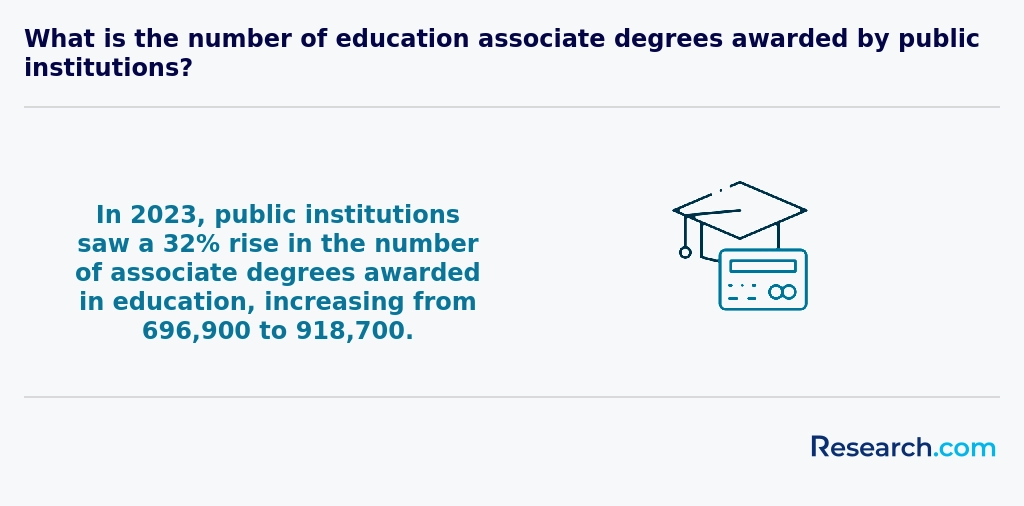
If you're wondering about the average cost of education degree Maryland residents can expect, it's pretty reasonable compared to some other states. In-state students looking to earn their degree typically see total costs around $12,532. This includes tuition, fees, and other essentials you need to get through your studies without surprises. Out-of-state students will pay more, but it's still manageable, with a median total around $48,980.
Many students at well-known universities like the University of Maryland, College Park, or Towson University have shared how the in-state tuition and fees make pursuing an education degree feel doable without breaking the bank. Plus, with books, supplies, and other costs adding roughly $1,000 to $1,500 per year, budgeting becomes clearer. Living in Maryland's Baltimore or D.C. metro areas means you'll want to consider transportation and housing in your plans, but many find the community vibe and access to internships make it all worthwhile.
Graduate programs might have different pricing, especially if you're balancing work and study. Some schools charge per credit hour, which can be a money-saver if you take courses part-time. If you're on a tighter budget, reading up on the cheapest education school in maryland could really help you spot great options that fit your financial goals.
Affordable Online Education Options and Alternatives
As tuition costs continue to rise, many prospective educators in Maryland are turning to online degree programs to balance quality and affordability. Online Education degrees can offer flexible scheduling, reduced fees, and access to resources without the need for a daily commute. While the University of Maryland Global Campus provides reputable online pathways, it’s worth exploring cost-effective alternatives in neighboring states. For example, Research.com’s Low Cost Online Education Degree Programs Ranking in Virginia highlights institutions that deliver accredited Education curricula at competitive rates. When evaluating online programs, consider factors such as accreditation status, technology support, and the availability of virtual student services. Seek programs that include synchronous and asynchronous coursework, ensuring you can collaborate with instructors and peers while maintaining a self-paced study approach. Additionally, verify that field experience requirements-such as practicum placements-can be fulfilled locally, allowing you to gain hands-on teaching skills close to home. Finally, compare total cost of attendance by accounting for fees, materials, and any required on-campus residencies. Many online programs offer flat-rate tuition per credit hour, which can lead to significant savings compared to traditional campus-based models. By weighing these factors and leveraging rankings like the one above, you can identify an online Education degree that meets both your budget and career aspirations.
What financial aid is available to education degree students in Maryland?
If you're thinking about an education degree in Maryland, there's good news: plenty of financial aid options can help ease the cost. Many students at popular schools like Towson University or the University of Maryland often lean on federal Pell Grants, which can cover up to $7,395 a year without needing to pay it back. It's a huge relief when tuition can run up to $30,000 annually!
Maryland also has some cool programs like the Maryland Teacher Incentive Program. Graduates who stick with teaching in high-need areas-think STEM or special ed-have snagged scholarships or even gotten parts of their loans forgiven. It's great to see real support for future teachers passionate about making a difference.
Plus, lots of local universities throw in merit or need-based scholarships, especially if you've got solid grades or come from a low-income family. Some folks working while studying have even benefited from employer tuition reimbursement, making it easier to juggle work and school. Filling out the FAFSA early is a smart move to open these doors!
What are the prerequisites for enrolling in education degree program in Maryland?
If you're aiming to jump into an education degree program in Maryland, there are a few key things you'll want to have lined up first. For undergrads, most schools like the University of Maryland College Park look for a high school diploma and decent SAT scores-around 1300 is a common target. Graduates who've been through the process often say hitting that GPA of about 3.0 really helped keep their options open. It's like setting yourself up to show you're ready for the challenge.
For those eyeing a master's or teacher certification, having a bachelor's degree with a solid GPA-usually 3.0 or higher-is the starting point. Many grads recall how submitting thoughtful recommendation letters and a personal statement about their passion for teaching helped them stand out. Plus, background checks and even some hands-on experience with kids often come into play. It really feels like the schools want to see you're committed and ready for this rewarding career!
Emerging Trends and Future Outlook in Education Programs
As Maryland's education landscape continues to evolve, both traditional and online programs are adapting to meet the challenges of tomorrow. From the integration of cutting-edge technology in classroom instruction to the rise of hybrid learning models, institutions are revising their curricula to foster innovative teaching methods and personalized learning experiences. Emerging trends such as the emphasis on social-emotional learning, digital literacy, and data-driven assessments are reshaping how educators prepare for a future marked by rapid change. Increasingly, educators are leveraging technology to enhance collaboration and student engagement. For example, virtual classrooms, augmented reality tools, and interactive platforms are enabling educators to create dynamic learning environments that transcend physical limitations. This technological shift not only improves access to quality education but also prepares students for a workforce where digital skills are paramount. In this evolving educational ecosystem, prospective students are encouraged to explore various delivery models that align with their career goals and personal circumstances. For those evaluating advanced learning options, it is worthwhile to consider are online masters degrees in educational leadership affordable. This exploration can help you find programs that balance academic rigor with innovative delivery strategies, ensuring that you stay ahead in a competitive job market. Ultimately, staying informed on emerging trends is essential for both current and aspiring educators. As the future of education unfolds, embracing these innovations will allow you to contribute effectively in diverse learning environments while driving positive change within communities.
What courses are typically in education degree programs in Maryland?
If you're studying education in Maryland, you'll dive into courses that really prepare you to be an effective teacher from day one. Graduates from well-known schools here often talk about how courses like Educational Psychology helped them understand how kids think and grow, which made connecting with students way easier during their student teaching. You'll also tackle Curriculum Development, where you get to design lesson plans that actually make learning fun and meaningful.
Classroom Management classes are a lifesaver, giving you tools to create a positive vibe in your future classrooms-something many Maryland students found super practical once they started teaching. Another must-have course is Assessment and Evaluation, where you learn to measure student progress fairly, which is key when working in schools around Maryland that focus on data-driven results.
Plus, Maryland education programs often include Methods of Teaching for different subjects like math or science, to make sure you're ready for whatever grade level you want. Many grads enjoyed how these classes connected theory to real-life teaching in local schools. It's a hands-on approach that students in Maryland really appreciate!
What types of specializations are available in education degree programs in Maryland?
If you're diving into an education degree in Maryland, you'll find tons of solid specializations to choose from. Many graduates from universities like the University of Maryland or Towson University often talk about how helpful the Elementary Education track was. It gears you up to teach kids from kindergarten through fifth grade, focusing on basics like reading, math, and social studies tied closely to Maryland's College and Career Ready Standards. Others lean towards Secondary Education, which lets you specialize in subjects like English or science for middle and high school students, blending content knowledge with hands-on teaching skills.
For those passionate about helping all kids succeed, Special Education programs stand out, preparing grads to support students with various disabilities. A lot of people exploring Maryland teaching program options also mention exciting paths like Educational Leadership, Early Childhood Education, Reading and Literacy, or teaching English as a Second Language.
Many students wonder if are online masters degrees in educational leadership affordable here, making these specializations even more accessible to those balancing life and school.
How do you choose the best education degree in Maryland?
Picking the best education degree programs Maryland offers means thinking about what kind of teaching you want to do and how much you're willing to spend. Lots of grads from popular schools around here say it really helped that their programs were CAEP-accredited, which makes a big difference when you're aiming for state certification. If you're worried about costs, many find that tuition ranges quite a bit-public universities hover around $10,300 a year, while private ones can climb to $35,000-but scholarships and financial aid for teaching degrees can really ease the burden.
Graduates often rave about the hands-on experiences they got through student teaching placements in local schools, which made the whole process more real and boosted their confidence before jumping into the classroom full-time. These programs also tend to have awesome support for the Praxis exam, which Maryland teachers must pass, so it's worth checking those pass rates. If balancing work and study is your thing, some schools now offer hybrid or fully online options too, and you can explore some great choices through the Low Cost Online Education Degree Programs Ranking in Virginia.
When deciding on affordable teaching degrees in Maryland, consider where you want to specialize-early childhood, secondary, or special education-because that'll shape your options and future career paths. Plus, look into things like class size and faculty expertise; small classes and passionate professors make a huge difference in how much you enjoy learning and feel ready to teach.
What career paths are available for education degree students in Maryland?
If you're thinking about an education degree career options Maryland offers tons of possibilities beyond just traditional teaching. Graduates from well-known schools like the University of Maryland or Towson University often land roles as school counselors, helping students navigate academic and personal challenges, or jump into administrative positions such as assistant principals, where they shape the school's daily operations and culture.
Many grads also find rewarding work in special education, a field that's really growing in Maryland thanks to the state's focus on inclusive classrooms. Plus, those who love working with little ones can get into early childhood education, supporting pre-K programs that are expanding across the state. Some even move into education policy or work with ed-tech companies, riding the wave of more schools using digital learning tools.
You can boost your options with post-graduate certificates or master's degrees often offered by local universities. And if you want to speed things up, check out this fast-track online associates degree option to get started quickly.
What is the job market for education degree in Maryland?
The job market for education degree graduates in Maryland is pretty solid right now. Schools around the state, especially near popular colleges like the University of Maryland and Towson University, are eagerly looking for new teachers to fill upcoming vacancies. With nearly 4,500 new teachers needed by 2030, grads often find rewarding positions quickly. Many students share how they've landed jobs in diverse settings, from city classrooms in Baltimore to suburban districts in Montgomery County. This strong demand is particularly true for those interested in special education, STEM, or ESL teaching, which are hot spots across Maryland's varied urban and suburban areas.
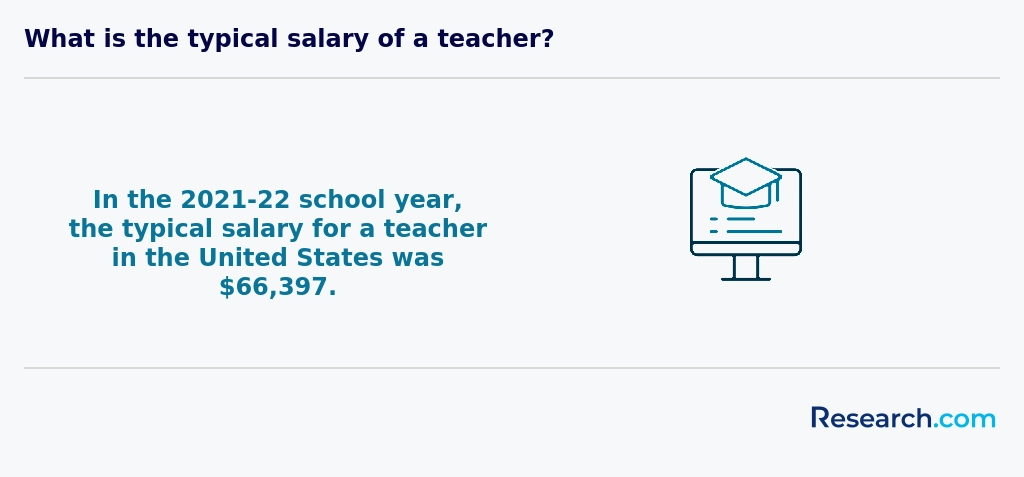
Graduates appreciate that public school teachers in Maryland make about $64,000 a year on average, slightly more than the national average. Plus, benefits like retirement plans add to the appeal. While tuition can feel steep-around $9,000 a year for in-state students at public universities-the investment often pays off. And if you're curious about advancing your career, exploring options like easiest online phd programs can open doors to higher salaries and roles beyond traditional teaching.
Those searching for Maryland teacher employment opportunities also find roles in counseling, administration, and educational technology. So, whether you picture yourself guiding young learners or shaping school policies, Maryland's education degree job outlook offers plenty of hopeful possibilities.
Frequently Asked Questions About education
Education degree students in Maryland can maximize their learning experience by actively engaging in both classroom and practical settings. Maryland is home to over 30 institutions offering teacher preparation programs, many of which provide field experiences in local schools. The Maryland State Department of Education encourages students to participate in internships and student teaching placements to develop real-world skills.
Networking with educators through professional organizations like the Maryland State Education Association helps students stay informed about teaching trends and policies. Utilizing resources at institutions such as the Maryland Higher Education Commission can also guide students in understanding licensure requirements and career pathways.
Taking advantage of Maryland's emphasis on STEM education programs and bilingual education certification can expand students' qualifications in a competitive job market. According to the National Center for Education Statistics, Maryland's teacher retention rate stands around 82%, suggesting strong support systems for novice educators to thrive.
Emerging niches within the education field in Maryland reflect national trends emphasizing technology integration and specialized support. Programs focusing on educational technology are growing, preparing educators to implement digital tools and adaptive learning platforms effectively.
Special education remains a crucial area, with increased demand for teachers trained to work with diverse learners, including those with autism and other developmental disabilities. Maryland's Department of Education reports a steady growth in special education enrollment, highlighting job opportunities.
Another rising niche is STEM education, where Maryland institutions emphasize science, technology, engineering, and math to meet workforce needs. Additionally, bilingual and multicultural education programs are gaining attention, responding to Maryland's diverse student population.
After completing an education degree in Maryland, preparing for the job market involves strategic steps tailored to the local education system. Maryland requires all public school teachers to obtain state certification through the Maryland State Department of Education (MSDE), so graduates should prioritize meeting those licensing requirements. This includes passing relevant Praxis exams and completing student teaching hours, often integrated into degree programs.
Networking is also essential. Maryland hosts multiple job fairs and offers resources through MSDE's Maryland Teacher Staffing Portal, improving access to teaching opportunities across districts. According to Maryland's Department of Labor, education jobs are expected to grow by 6% through 2030, reflecting steady demand.
Gaining experience through internships, substitute teaching, or volunteering in local schools can boost employability. Maryland graduates are encouraged to stay informed about regional education initiatives and policies to align their skills with district needs.
Employers in Maryland seek education degree graduates with strong communication and classroom management skills. According to the Maryland State Department of Education, the ability to create inclusive learning environments is essential for success in diverse school settings.
Critical thinking and adaptability are highly valued, as teachers must design lessons that meet state standards while addressing individual student needs. Maryland's growing demand for STEM education specialists highlights the importance of subject-matter expertise in math and science.
Additionally, collaboration skills are crucial. The ability to work effectively with colleagues, parents, and administrators supports student achievement and school improvement initiatives. These skills align with nationwide trends reported by the National Center for Education Statistics, emphasizing teacher preparedness in real-world classroom challenges.
Finding internships in Maryland relevant to an education degree involves strategic research and planning. Prospective students should explore opportunities through local school districts, as many offer practicum placements required for teacher certification. The Maryland State Department of Education website is a reliable resource listing approved internship programs and cooperating schools.
Universities such as Johns Hopkins and Towson University often have partnerships with nearby educational institutions, providing structured internships for education majors. Additionally, organizations like Maryland's Regional Educational Laboratories offer research internships in education policy and curriculum development.
Networking through education conferences held in Maryland can also open doors to internship opportunities. According to the National Center for Education Statistics, Maryland ranks in the top 10 states for public school expenditure, indicating a stable demand for quality internships in schools.
In Maryland, earning an education degree significantly enhances career mobility and advancement opportunities. According to the Maryland Higher Education Commission, teachers with bachelor's or master's degrees earn higher salaries and have access to a wider range of positions within public school systems. A degree can qualify candidates for specialized roles such as curriculum coordinator, instructional coach, or school administrator, which often come with pay increases.
Maryland's commitment to professional development means educators with advanced degrees frequently meet state certification requirements faster, improving job stability. The Bureau of Labor Statistics projects a steady increase in demand for qualified educators in Maryland, emphasizing degree holders' advantage.
Studying for an education degree in Maryland offers strong preparation for interdisciplinary roles through a curriculum that integrates diverse fields such as psychology, sociology, and technology. Many Maryland institutions emphasize hands-on experiences and collaboration across disciplines to enhance problem-solving skills in diverse educational settings.
For example, Maryland's higher education programs align with state standards encouraging teachers to address varied student needs, promoting skills applicable beyond traditional classrooms. According to the Maryland Higher Education Commission, over 60% of education graduates engage in dual certification or minor programs, increasing their versatility.
This interdisciplinary approach equips graduates to contribute effectively in areas like special education, educational policy, and community outreach, reflecting Maryland's commitment to adaptive, comprehensive educator training.
Choosing between a thesis and a non-thesis education degree program in Maryland depends on your career goals and learning preferences. Thesis programs typically involve detailed research and prepare students for doctoral studies or roles in educational research. Non-thesis options often focus on practical skills, coursework, and internships, making them suitable for those aiming for classroom teaching or administrative positions.
Maryland institutions, such as the University of Maryland, offer both tracks. According to the Maryland Higher Education Commission, around 40% of education master's students choose thesis paths, reflecting strong research emphasis. Consider program length, your interest in research, and post-graduation plans when deciding.
Students in Maryland interested in studying education abroad have several pathways through partnerships and exchange programs facilitated by local universities. For example, institutions like the University of Maryland offer study abroad options in countries such as Ireland and Spain, focusing on educational practices and policy.
Maryland ranks among states with active international education collaborations, supported by organizations such as the Maryland Sister States Program. These initiatives help education students gain global perspectives while earning credits toward degrees.
Additionally, programs funded by federal financial aid and scholarships, like the Gilman Scholarship, support Maryland students seeking international education experiences.
By engaging in these opportunities, Maryland students can enhance their cross-cultural skills and understanding of global education systems, which is valuable in today's diverse classrooms.
Maryland offers several part-time job opportunities for students pursuing education degrees that can enhance practical experience. Tutoring is a popular option, with many school districts and private centers seeking part-time tutors. According to the Maryland State Department of Education, demand for supplemental academic support roles has increased by 15% over the past five years.
Additionally, Maryland schools often employ teacher assistants, which provide valuable classroom experience and typically pay between $12 and $18 per hour. Local libraries and community centers also hire education students for youth program facilitation, strengthening their instructional skills.
These roles complement academic learning while building essential professional networks.
Education students in Maryland benefit from diverse networking opportunities that connect them with peers, educators, and professionals. Many universities, such as Towson University and the University of Maryland College Park, offer dedicated education clubs and honor societies that foster professional relationships and skill development. Additionally, students have access to local chapters of national organizations like the Maryland State Education Association (MSEA), which supports advocacy and networking with seasoned educators.
Field experiences and student teaching placements in Maryland's public schools also provide practical networking. According to the Maryland Higher Education Commission (MHEC), approximately 70% of education students complete internships that help build professional contacts in the state's education system.
Alumni networks play a significant role in supporting education degree students in Maryland. These networks offer valuable mentorship opportunities, connecting current students with experienced graduates who can provide guidance on careers and classroom strategies.
Maryland boasts several robust alumni associations from universities like the University of Maryland and Towson University, where education graduates often find job leads within local school districts. According to the Maryland Higher Education Commission, nearly 75% of graduates cite alumni connections as helpful in securing teaching positions.
Additionally, alumni networks often host workshops, job fairs, and continuing education events, enhancing professional development for education students. These resources are crucial in a state focused on improving its public education system.
In Maryland, education degree programs offer various ways to tailor your studies to align with your career goals. Many universities provide specializations such as early childhood education, special education, or educational leadership. Selecting a focus area helps develop relevant skills for specific roles within the education sector.
Students can also choose between online, in-person, or hybrid learning models depending on their schedules and learning preferences. According to the Maryland Higher Education Commission, over 70% of education students take advantage of flexible course formats to balance work and study.
Furthermore, completing practicum experiences in Maryland schools allows you to gain practical skills and build local professional networks. Many institutions collaborate with nearby school districts for internships and field placements, which are critical to career preparation.
Education students in Maryland commonly face financial challenges, as tuition costs continue to rise. According to the Maryland Higher Education Commission, the average annual tuition at public universities is over $10,000, which can burden many students.
Another significant challenge is balancing practical teaching requirements with academic coursework. Field experiences and student teaching often demand intense time commitments, making it difficult to maintain employment or personal responsibilities.
Additionally, navigating certification requirements can be complex. Maryland mandates passing specific assessments, such as the Praxis exams, to earn teaching licensure, which adds pressure.
Lastly, adapting to diverse classroom environments, including increasing English Language Learner populations, requires specialized training many programs are still enhancing.
With an education degree in Maryland, several professional certifications are available to enhance your career prospects. Most notably, Maryland offers State Teacher Certification, which is essential for teaching in public schools and requires passing the Praxis exams alongside completing an approved educator preparation program.
Beyond teaching licenses, professionals can pursue certifications in specialized areas such as Special Education, English Language Learner (ELL) endorsements, and school counseling credentials. These certifications support educators working with diverse student populations and addressing specific educational needs.
Maryland's Department of Education provides up-to-date requirements and resources for certification pathways, ensuring alignment with state standards and workforce demands.
When applying to education degree programs in Maryland, start by thoroughly researching the specific requirements of each institution. Many schools, including top Maryland public universities, value a strong personal statement that clearly outlines your passion for teaching and your career goals. According to the Maryland Higher Education Commission, having relevant volunteer or work experience in schools can strengthen your application.
Ensure your transcripts demonstrate solid academic performance, especially in areas related to education and child development. Many programs require GRE scores or other standardized tests, so prepare accordingly. Letters of recommendation should come from supervisors or professors familiar with your commitment to education. Finally, tailor your application to highlight familiarity with Maryland's diverse student populations and education standards to increase your chances of acceptance.
Education careers in the United States, including Maryland, are increasingly influenced by global perspectives emphasizing cultural competence and technological integration. Educators are encouraged to prepare students for a diverse and interconnected world. According to the Maryland State Department of Education, programs now incorporate international best practices to enhance teacher preparedness.
Globally, there is a strong focus on lifelong learning and digital literacy, skills that are reflected in Maryland's degree programs. The Bureau of Labor Statistics predicts a steady growth of 8% in educational employment nationwide through 2031, driven by evolving educational needs.
Maryland offers opportunities for students to engage with global education trends while benefiting from a robust state education system. This alignment supports a career in education that is both locally grounded and globally aware.
Students pursuing an education degree in Maryland can gain valuable practical experience through student teaching placements, which are required by most programs. These placements typically occur in local public schools, allowing candidates to work directly with students under the supervision of experienced educators.
Maryland's public universities, such as the University of Maryland and Towson University, have strong partnerships with K-12 schools, facilitating diverse opportunities for hands-on learning. According to the Maryland Higher Education Commission, over 90% of education students complete their student teaching prior to graduation.
Additionally, some programs offer internships and service-learning options, providing exposure to curriculum planning, classroom management, and special education settings. These experiences enhance practical skills essential for licensure.
Choosing the right concentration within an education degree program in Maryland involves careful consideration of your career goals and the state's educational needs. Maryland offers diverse concentrations such as special education, early childhood, STEM education, and administration. The Maryland State Department of Education highlights a growing demand for special education teachers, reflecting national trends where 14% of all public school students receive special education services.
Students should also assess program accreditation and alignment with Maryland's teacher certification standards, which vary by concentration. Researching job placement rates and average salaries averaged around $63,000 for Maryland educators can provide practical insight. Visiting Maryland universities' websites or contacting academic advisors can further clarify course content and fieldwork requirements.
Related Education Rankings for Nearby States
- 2027 Most Valuable Online Education Degree Programs Ranking in Pennsylvania
- 2027 Most Valuable Online Education Degree Programs Ranking in New Jersey
- 2027 Most Valuable Online Education Degree Programs Ranking in New York
- 2027 Most Valuable Online Education Degree Programs Ranking in Ohio
- 2027 Most Valuable Online Education Degree Programs Ranking in North Carolina
- 2027 Most Valuable Online Education Degree Programs Ranking in Kentucky
- 2027 Most Valuable Online Education Degree Programs Ranking in South Carolina
- 2027 Most Valuable Online Education Degree Programs Ranking in Massachusetts
- 2027 Most Valuable Online Education Degree Programs Ranking in Indiana
- 2027 Most Valuable Online Education Degree Programs Ranking in Georgia
Top Trending Education Rankings
See What Experts Have To Say About Studying Education
Read our interview with Education experts

Nooshan Ashtari
Education Expert
Professor & Book Author
University of Southern California

Alan J. Singer
Education Expert
Professor of Teaching, Learning and Technology
Hofstra University

References
- Teacher of Global Perspectives (IGCSE) https://www.scie.com.cn/jobs-global-perspectives/
- Education Degree Entry Requirements https://universitycompare.com/advice/student/education-degree-entry-requirements
- Finding Networking Opportunities as a Student | National Society of High School Scholars https://www.nshss.org/resources/blog/blog-posts/how-to-find-networking-opportunities-as-a-student/
- Top 10 Effective Networking Tips for Students https://www.unfc.ca/blog/networking-tips-for-students
- The Pros and Cons of Online Learning vs. Traditional Education https://www.sophia.org/blog/higher-education/pros-cons-online-learning-vs-traditional-education/
- Networking For Educators: How To Grow A Professional Circle - Carlow University https://www.carlow.edu/networking-for-educators/
- How to Build Work Experience While Studying - EN Global Education Ltd https://englobaleducation.co.uk/how-to-build-work-experience-while-studying/
- International teaching and education jobs https://www.tes.com/jobs/search/international
- Can Higher Education Improve Long-Term Career Success https://studysphereadvisors.com/how-higher-education-influences-long-term-career-growth/
- Education Technology Trends to Watch in 2065: 10 Innovations Shaping the Future of Learning https://www.digitallearninginstitute.com/blog/education-technology-trends-to-watch-in-2026


