
2027 Most Valuable Education Degree Programs Ranking in New Jersey

Co-Founder and Chief Data Scientist
Choosing the right education degree program can shape your future career and personal growth. This article presents the 2027 Most Valuable Education Degree Programs Ranking in New Jersey, crafted by the Research.com team of data scientists to guide you in making an informed decision.
By exploring this ranking, you'll discover which programs offer strong value, opportunities, and potential for success. Whether you're just starting out or considering a change, understanding these options can inspire confidence and excitement about pursuing a rewarding education career.
Key benefits of getting education degree in New Jersey
- Salary for education degree graduates: Graduates can expect rewarding careers with salaries like $70,740 for elementary school teachers and $76,000 for special education teachers, offering financial stability in a meaningful profession.
- Career paths: Education degree holders from popular New Jersey universities often pursue roles such as ESL teachers or instructional designers, expanding their opportunities beyond traditional classrooms.
- Online degree benefits: Obtaining an education degree online from a respected New Jersey university offers flexibility and convenience, allowing graduates to balance work and study effectively while earning recognized credentials.
- Key benefits of getting education degree in New Jersey
- What can I expect from education degree in New Jersey?
- Where can I work with education degree in New Jersey?
- How much can I make with education degree in New Jersey?
- 2027 Most Valuable Education Degree Programs Ranking in New Jersey
- Key Findings
- How long does it take to complete education degree in New Jersey?
- Comparing Affordability and Return on Investment for Education Degrees in New Jersey
- What's the difference between online and on-campus education degree?
- Teacher Certification and Licensure in New Jersey
- What is the average cost of education degree in New Jersey?
- Return on Investment and Career Growth Outlook for Education Degree Graduates
- What financial aid is available to education degree students in New Jersey?
- Cost-Effective Education Options in New Jersey
- What are the prerequisites for enrolling in education degree program in New Jersey?
- Return on Investment of Education Degrees in New Jersey
- What courses are typically in education degree programs in New Jersey?
- What types of specializations are available in education degree programs in New Jersey?
- How do you choose the best education degree in New Jersey?
- What career paths are available for education degree students in New Jersey?
- What is the job market for education degree in New Jersey?
- Related Education Rankings for Nearby States
- Top Trending Education Rankings
- See What Experts Have To Say About Studying Education
What can I expect from education degree in New Jersey?
The average cost of pursuing an education degree in New Jersey is refreshingly manageable, especially at public universities. For example, graduates from schools like Rutgers University often recall their in-state undergraduate tuition averaging around $15,000 per year. This affordability allows students to focus comfortably on their passion for teaching without excessive financial worries. Many education students find this investment worthwhile, as it opens doors to vibrant careers impacting communities statewide.
Graduates from Montclair State University describe immersive learning experiences balanced with practical training that make every dollar spent feel like a step closer to real classroom success. The blend of theory and hands-on student teaching, coupled with support from dedicated faculty, creates an inspiring environment where students feel empowered and equipped. These moments, whether in a lively seminar or during field placements in diverse New Jersey schools, build confidence and professional readiness.
At The College of New Jersey, education candidates often highlight the community atmosphere and opportunities for mentorship that enrich their journey. Knowing the financial commitment aligns with strong career outcomes makes the pursuit of an education degree here a truly encouraging path toward becoming a respected educator.
Where can I work with education degree in New Jersey?
Graduates from education programs at well-known New Jersey institutions often find themselves in vibrant classrooms across the state, from bustling Newark public schools to welcoming suburban districts. They step confidently into roles as K-12 teachers, where their training perfectly matches the steady demand for passionate educators.
Many also thrive in early childhood centers, nurturing young minds in preschools and daycare programs supported by strong state initiatives. Their impact resonates deeply as they help children build essential skills during these formative years.
Others channel their specialized training into supporting students with disabilities, finding rewarding positions in special education that bring meaningful change. Graduates frequently share how working in both public and private schools energizes their commitment to inclusive learning environments.
For those drawn to leadership, careers in school administration offer exciting paths as principals or district leaders, often beginning right after gaining valuable classroom experience at places like Rutgers or Montclair State University.
Beyond schools, education graduates contribute to educational policy, curriculum design, and community programs, reflecting their dedication to advancing learning throughout New Jersey. Many feel proud knowing their work shapes not only classrooms but the future of education statewide.
How much can I make with education degree in New Jersey?
Graduates with an education degree from schools like Rutgers University or Montclair State University in New Jersey often step confidently into rewarding careers with promising salaries. Elementary school teachers in the state can expect a mean annual wage around $70,740, reflecting the strong demand for quality educators. Those who specialize in areas like special education enjoy even higher earnings, with mean salaries near $76,000, showcasing how dedication to student needs pays off both personally and financially.
For graduates passionate about language acquisition, becoming an ESL teacher offers a fulfilling path with a mean salary of approximately $65,430. Early childhood educators also find meaningful work nurturing young minds, earning about $41,410 annually. Beyond teaching, the growing field of instructional design presents exciting opportunities, with average wages reaching $77,200-perfect for graduates eager to shape educational content and technology.
These salary prospects underscore why so many graduates from New Jersey's top education programs feel inspired and optimistic about their futures. The state's vibrant educational community offers support and growth, encouraging new teachers to thrive both inside and outside the classroom.
2027 Most Valuable Education Degree Programs Ranking in New Jersey
How do we rank schools?
Investing in your education is a significant decision that can profoundly impact your future, and the Research.com team is keenly aware of the importance of making well-informed choices. To support students and families in New Jersey, we have carefully developed the "2027 Most Valuable Education Degree Programs Ranking in New Jersey." Our dedication to quality, credibility, and accuracy is demonstrated through thorough research and analysis behind this ranking.
We utilized the following reputable data sources to ensure a comprehensive evaluation of education degree programs:
By engaging with this ranking, readers will gain valuable insights into the most valuable education degree programs in New Jersey, empowering them to make confident and informed decisions about their academic and professional futures. For further information on how this ranking was developed, please visit our Research.com methodology page.


Key Findings
- Tuition for a bachelor's degree in education at public universities in New Jersey ranges from $12,000 to $20,000 per year for in-state students.
- Private institutions typically charge over $30,000 annually for education degrees.
- Graduate programs in education cost between $15,000 and $25,000 total, depending on the program.
- The average starting salary for teachers in New Jersey is about $50,000 per year, increasing to $70,000-$90,000 with experience.
- There is strong demand for teachers in special education, STEM subjects, and ESL instruction within New Jersey.
- Certification requires completing a state-approved program and passing Praxis exams, with continuing education needed for license maintenance.
How long does it take to complete education degree in New Jersey?
Completing an education degree in New Jersey is an achievable and rewarding journey that opens doors to impactful careers. Most students earn a bachelor's degree in education within four years, just like those attending Rutgers University or Montclair State University who have embraced full-time study to confidently launch their teaching paths.
For graduates aiming higher, a master's degree typically takes two years of focused study, although part-time options at places like The College of New Jersey provide flexibility, allowing students to balance work and family. Many find this approach energizing, as it lets them grow professionally while pursuing their dreams.
Advanced degrees, such as Doctor of Education or Ph.D. programs, can span three to six years, blending rigorous research with passionate dedication. Graduates from New Jersey's top institutions often cherish this time as a period of deep learning and personal growth, supported by vibrant academic communities.
With flexible program formats and personalized pacing, students across New Jersey can tailor their educational journey, reflecting their unique goals and lives-a truly inspiring answer to how long it takes to complete an education degree here.
Comparing Affordability and Return on Investment for Education Degrees in New Jersey
Prospective educators often weigh the long-term benefits of an Education degree against the upfront investment. In New Jersey, average in-state tuition at public four-year institutions is approximately $14,861 per year, while private nonprofit colleges command around $38,421 annually. When accounting for room and board, total annual costs can climb to $39,094 for in-state students and $45,708 for out-of-state attendees. By contrast, neighboring states like Pennsylvania frequently offer lower sticker prices and competitive program quality. To assess true return on investment (ROI), students should consider projected starting salaries alongside total debt load. For example, an early childhood educator in New Jersey earns a median annual wage of $38,640, making the breakeven point on public university costs roughly seven years post-graduation. Instructional designers, with average earnings of $73,080 per year, may recoup their expenses in under three years, highlighting the importance of specialization when maximizing ROI. Moreover, online delivery can further optimize cost efficiency by eliminating relocation and commuting expenses. For those exploring more budget-friendly online paths beyond New Jersey’s borders, our Cheapest Online Education Degree Programs Ranking in Pennsylvania provides a comprehensive listing of cost-effective options that maintain accreditation and strong student support. Ultimately, a data-driven approach-comparing net program costs, graduation rates, and starting salaries-enables aspiring educators to choose programs that align both with their financial realities and career ambitions.
What's the difference between online and on-campus education degree?
Choosing between online and on-campus education degrees in New Jersey opens a world of exciting possibilities tailored to your lifestyle. Imagine attending Rutgers or Montclair State, engaging directly with professors and classmates, enjoying vibrant campus life, and gaining hands-on teaching experiences through well-supported placements. Graduates often cherish this close-knit environment for the deep connections and networking that naturally unfold.
Alternatively, picture yourself studying through flexible online programs at Thomas Edison State University or Rutgers Online, where you can balance coursework with work or family commitments. Many graduates praise the freedom to learn asynchronously, fitting classes into their busy days without missing a beat. This flexibility doesn't sacrifice quality-rigorous curricula ensure you're fully prepared for a successful teaching career.
Financially, online programs can ease expenses by minimizing commuting and housing costs while maintaining New Jersey's reputable academic standards. Whether on campus or online, your education journey equips you with certified credentials and the confidence to inspire future learners, all within the vibrant educational community of New Jersey.
Teacher Certification and Licensure in New Jersey
Becoming a licensed teacher in New Jersey involves a clear, multi-step process that ensures graduates are fully prepared to enter the classroom. First, aspiring educators must complete an accredited education degree program, meeting the state’s content and pedagogy requirements. Next, candidates register for and pass the Praxis Core Academic Skills for Educators (reading, writing, mathematics) and the appropriate Praxis Subject Assessment for their specialization. After coursework and exams, applicants submit an online application through the New Jersey Department of Education’s Educator Certification System (ECS), including official transcripts, test scores, and a criminal background check. Additionally, New Jersey requires completion of a student-teaching internship-typically 12 weeks under a certified mentor-plus coursework in child abuse identification, CPR/first aid, and effective classroom management. Once provisional certification is granted, educators teach under supervision while earning professional development credits (CEUs) to convert to a Standard Certificate after three years of satisfactory performance. For those exploring cost-effective program options or supplementing their licensure pathway with online coursework, consider the Cheapest Online Education Degree Programs Ranking in Pennsylvania, which highlights accredited, budget-friendly alternatives. Understanding this certification roadmap empowers future teachers to align their degree choices, exam preparation, and practicum experiences with New Jersey’s licensure standards-paving the way for a rewarding career shaping young minds.
What is the average cost of education degree in New Jersey?
The average cost of a education degree in New Jersey can be both realistic and inspiring for students who choose their path wisely. Typically, in-state students experience a median total cost around $36,741, making higher education accessible without compromising quality. Graduates from popular institutions like Montclair State University or The College of New Jersey often share how their investment not only equipped them with strong teaching skills but also opened doors to fulfilling career opportunities.
For those considering private education, expenses tend to be higher, with tuition sometimes exceeding $30,000 annually. Yet, many students find this worthwhile due to smaller class sizes and personalized mentorship experiences at prestigious schools. The overall New Jersey education degree tuition and fees reflect a fair balance between affordability and excellent academic support.
Graduate students enrolled in master's or doctoral programs typically pay per credit hour, with costs ranging between $600 and $900 for each credit. Over 30 to 36 credits, this investment builds expertise that empowers educators to lead change in their communities. Many graduates highlight how rigorous programs and supportive faculty fuel their passion for teaching, making every dollar meaningful.
Beyond tuition, prospective learners are encouraged to explore resources like the cheapest education school in New Jersey to help manage costs effectively. Many find that combining scholarships, financial aid, and careful planning transforms the dream of becoming an educator into a rewarding reality.

Return on Investment and Career Growth Outlook for Education Degree Graduates
When considering an Education degree in New Jersey, understanding the return on investment (ROI) and long-term career growth is crucial. Beyond the foundational classroom experience, graduates often find that the skills acquired lead to tangible financial and professional rewards over time. This section delves into salary progression, debt management, and career advancement opportunities that help prospective students weigh the overall value of their degree. Recent graduates report that starting salaries in teaching and administrative roles offer a solid base; however, continuous professional development and further certifications can significantly boost earning potential. For example, considerations for advanced studies such as master’s degree programs are validated by examining the roles and salaries that come with higher qualifications. In fact, many professionals explore roles available after completing their master’s, such as exploring opportunities in educational leadership and advanced instructional design. You can learn more about these prospects via what can you do with a masters in education. Moreover, the ROI analysis includes factors such as tuition costs, scholarships, and financial aid options specific to New Jersey’s education landscape. When graduates manage student loan debt wisely and continue to engage with professional learning communities, their initial investments often yield significant returns-not just in salary, but in job satisfaction and career stability. Ultimately, proper planning and informed decision-making can ensure that the path taken in the field of education transforms into a rewarding lifelong career.
What financial aid is available to education degree students in New Jersey?
Many students pursuing education degrees in New Jersey find hope and reassurance in the diverse financial aid options available to them. Imagine attending a university like Rutgers or Montclair State, where federal aid through FAFSA opens doors to grants such as the Pell Grant, easing tuition costs by thousands of dollars without the worry of repayment. Graduates often share how this support helped transform uncertainty into confidence.
New Jersey's own programs, like the Garden State Guarantee, offer tuition-free pathways at community colleges, making a degree attainable even for lower-income students. Additionally, the New Jersey STARS program rewards academic excellence with free tuition at state colleges-a beacon of opportunity for students working hard in high school and dreaming of teaching careers.
Scholarships from organizations like the New Jersey Education Association also provide crucial support, while work-study jobs and internships in local school districts bring valuable experience and income, helping students not just afford college, but thrive in it.
Cost-Effective Education Options in New Jersey
When considering pursuing an education degree in New Jersey, one crucial factor to weigh is the cost. Prospective students often find themselves wondering about the most affordable pathways to achieving their educational goals. For those on a budget, exploring options like the cheapest education school in New Jersey can be incredibly valuable. This not only helps in managing financial expectations but also in making informed decisions about the best value for money. Many institutions in New Jersey offer competitive pricing without compromising on the quality of education, ensuring that students receive a well-rounded experience that prepares them for their future careers. By researching and comparing these options, aspiring educators can find a program that aligns with their financial situation and academic aspirations, ultimately paving the way for a successful and fulfilling career in education.
What are the prerequisites for enrolling in education degree program in New Jersey?
Test scores can feel daunting, but many New Jersey colleges offer test-optional policies, easing your path. Graduate hopefuls often prepare for the GRE or Praxis Core, milestones that once conquered, mark a proud step closer to impacting young lives.
Beyond academics, these programs cherish real-world readiness. Volunteer experiences and education-related activities resonate strongly, as graduates often share how hands-on moments in local classrooms made their studies meaningful and fueled passion.
Finally, New Jersey's fingerprint-based criminal history check ensures a safe learning environment, a vital reassurance for families and educators alike, giving you confidence that your future profession honors trust and care.
Return on Investment of Education Degrees in New Jersey
Investing in an education degree is as much a financial decision as it is a professional one. By comparing total program costs with average post‐graduation earnings, prospective students can forecast when their investment “breaks even” and begins to pay dividends. • Average Total Cost vs. Earnings: - In-state public bachelor’s programs average $59,444 in tuition and fees over four years, while private nonprofit programs can exceed $153,684. - Graduates entering ESL teaching roles earn a median $63,130 per year, yielding a payback period of roughly one to two years for public program attendees and two to three years for private institution alumni. • Payback Period Analysis: - Early Childhood Educators earning $38,640 face a longer payback (approximately 1.5–2 years for public degree holders), but benefit from stable demand in preschools and childcare centers. - Instructional Designers at $73,080 annual salary see a faster return, with public degree costs recouped in less than two years. • Five-Year ROI Projections: - Public Bachelor’s Degree: Estimated 230% ROI, accounting for salary growth and promotions. - Private Bachelor’s Degree: Estimated 160% ROI, factoring in higher initial debt but also stronger alumni networks and recruitment pipelines. • Strategies to Maximize ROI: - Leverage in-state tuition and community college transfers to reduce upfront costs. - Consider accelerated or online formats to begin earning sooner. For students seeking cost-effective routes, exploring the Cheapest Online Education Degree Programs Ranking in Pennsylvania can reveal programs with high ROI beyond New Jersey. - Apply for need-based grants like TAG and the Garden State Guarantee to minimize loan burdens and improve net returns. By understanding these figures, aspiring educators can make data-driven choices-balancing program quality with cost-to ensure their passion for teaching translates into both personal fulfillment and a solid financial foundation.
What courses are typically in education degree programs in New Jersey?
Education degrees in New Jersey offer an inspiring mix of foundational knowledge and hands-on training that truly prepares future teachers for diverse classrooms. Students at popular institutions like Rutgers University dive into core courses such as Child and Adolescent Development, where they explore the emotional and cognitive growth stages of their future pupils. This understanding transforms how they connect with children every day.
Graduates often reflect on how courses like Curriculum Design and Instructional Strategies equipped them to create engaging lessons tailored to various learning styles. Classroom Management classes at New Jersey colleges bring real-world techniques to keep environments positive and focused, making students feel confident before stepping into their own classrooms.
Moreover, Education Psychology and Diversity in Education courses help teachers adapt to unique student needs, fostering inclusive and compassionate learning spaces. These programs combine theory with over 12 weeks of supervised student teaching, allowing future educators to practice and thrive in local New Jersey schools-turning passion into impactful teaching careers.
What types of specializations are available in education degree programs in New Jersey?
Education degree specializations in New Jersey embrace diverse paths that inspire future educators and leaders to thrive. Popular colleges in the state offer specializations such as Early Childhood Education, where graduates describe the joy of nurturing young minds and witnessing their first discoveries. Special Education prepares passionate teachers to support students with varied learning needs, turning classrooms into inclusive and empowering spaces. Many choose secondary education tracks focused on mathematics, science, or English, finding fulfillment in shaping adolescent learners' futures.
New Jersey education degree programs options also include Educational Administration and Supervision, which energize graduates aiming to lead schools with innovation and empathy. Curriculum Development and Educational Technology stand out at institutions known for combining tradition with modern tools, allowing students to create engaging, tech-savvy learning environments. Those exploring these vibrant specializations appreciate how the programs connect theory with hands-on experiences, making their career dreams achievable and rewarding. Discover more on what can you do with a masters in education.
How do you choose the best education degree in New Jersey?
Choosing the best education degree programs in New Jersey starts with identifying the path that truly resonates with your passion for teaching and learning. Graduates from well-known universities in the state often share how selecting programs aligned with their career dreams-whether aiming for a Bachelor of Science in Education or a Master of Education-empowered them to make real impact in local classrooms. Imagine yourself gaining practical experience through student teaching placements offered by universities with strong ties to New Jersey schools, where hands-on learning builds confidence and job readiness.
Considering affordable education degrees New Jersey provides, many students find scholarships and in-state tuition options that make pursuing a degree both feasible and rewarding. Balancing cost with quality, graduates appreciate programs accredited by respected bodies, ensuring recognition and smooth licensure. For those seeking flexible schedules, enrolling in hybrid or online programs offered by New Jersey institutions opens doors for working professionals. For guidance on affordable options, explore the Cheapest Online Education Degree Programs Ranking in Pennsylvania to find inspiring alternatives nearby.

What career paths are available for education degree students in New Jersey?
Graduates with an education degree in New Jersey find a world of rewarding career paths waiting for them. Many step confidently into teaching job opportunities New Jersey offers, becoming licensed K-12 teachers who inspire students in vital subjects like math and science. Those from respected institutions often share how their hands-on experiences in colleges here fueled their passion and prepared them to thrive in classrooms across the state. For anyone looking beyond teaching, the path to school administration roles like principals or district coordinators shines brightly, offering leadership opportunities with substantial salary growth.
Instructional coordinators also play a key role, guiding fellow educators to adopt innovative teaching methods, a career path many education graduates quickly embrace. Early childhood education is another vibrant option, where nurturing young minds in preschools and daycare programs lays the foundation for lifelong learning. Many graduates from New Jersey universities celebrate how their programs equipped them for these impactful roles. For those exploring diverse fields, careers in educational policy or corporate training further reveal how an education degree career options in New Jersey can unfold in exciting ways. Students interested in accelerating their journey might explore the accelerated bachelor degree offerings to start their careers sooner.
What is the job market for education degree in New Jersey?
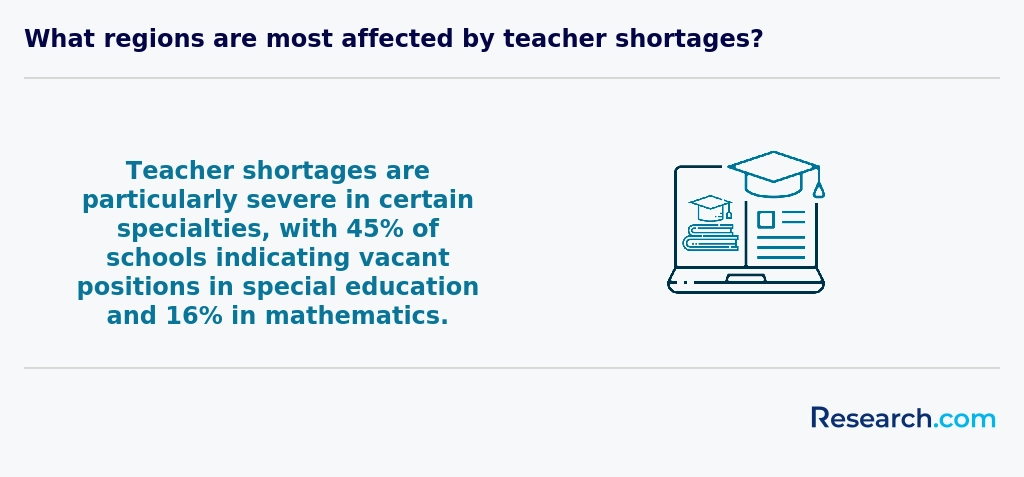
The education degree job outlook New Jersey offers is bright and full of opportunity. Graduates from well-known programs at universities like Montclair State and Rutgers often find themselves quickly absorbed into rewarding K-12 teaching positions across the state. Experienced educators there describe the satisfaction of shaping young minds amid a steady demand fueled by local school districts facing shortages in special education, science, and math. This demand translates to stable career prospects and competitive salaries, making New Jersey a great place to start and grow a teaching career.
Teacher employment opportunities in New Jersey extend beyond classrooms. Graduates share stories of becoming curriculum specialists or instructional coordinators, roles that influence entire school programs. The rise of online and hybrid learning has also created fresh avenues for education degree holders. Public universities in New Jersey offer affordable tuition, and private colleges provide scholarships, helping aspiring educators invest in their futures without heavy financial strain.
For those curious about career and financial outcomes, exploring the most profitable bachelor's degrees can provide useful insights when planning your education path in the Garden State.
Frequently Asked Questions About education
Education degree students in New Jersey can maximize their learning experience by engaging deeply with both theory and practical opportunities. Participating in student teaching placements, which are often required in New Jersey programs, helps develop real classroom skills.
New Jersey's Department of Education emphasizes the importance of meeting rigorous certification standards, so students should focus on mastering the state's teaching competencies. Additionally, taking advantage of tutoring services, study groups, and networking with experienced educators strengthens understanding and professional growth.
Research shows that combining coursework with hands-on experience improves retention and readiness for New Jersey's diverse classrooms (NJDOE, 2023).
The education field in New Jersey is expanding into several specialized areas that reflect broader national trends. Emerging niches include educational technology, which integrates digital tools to enhance learning experiences. According to the New Jersey Department of Education, demand for educators skilled in virtual instruction and tech integration has grown by over 15% in recent years.
Another growing area is special education, where professionals focus on individualized support for students with disabilities. The state reports a steady increase in special education enrollment, emphasizing the need for trained teachers.
Additionally, early childhood education remains vital, with New Jersey investing substantial resources into programs for preschool-aged children. Career opportunities in counseling and school psychology are also expanding as mental health becomes a greater priority in schools.
Preparing for the job market after completing an education degree in New Jersey involves several practical steps. Graduates should begin by obtaining New Jersey's state teacher certification, which requires passing specific exams like the Praxis Core Academic Skills. According to the New Jersey Department of Education, early certification increases employment opportunities in public schools across the state.
Networking plays a crucial role. Joining professional organizations such as the New Jersey Education Association helps connect graduates with job openings and mentorships.
Additionally, gaining classroom experience through student teaching or substitute teaching enhances a resume, as 85% of New Jersey employers value practical experience highly.
Finally, staying informed about trends and salary ranges using state labor statistics ensures realistic job expectations and career planning.
Employers in New Jersey's education sector prioritize several key skills when hiring graduates with education degrees. Strong classroom management abilities are essential, allowing teachers to create focused and respectful learning environments. Effective communication skills, both verbal and written, are also highly valued, as they enable educators to connect with diverse student populations and collaborate with parents and colleagues.
Additionally, cultural competency is important in New Jersey's diverse school districts, helping teachers address various student backgrounds. According to the New Jersey Department of Education, technology proficiency has become increasingly critical, especially in integrating digital tools into lesson plans.
Problem-solving and adaptability are equally important to meet evolving curriculum standards and student needs.
Finding internships in New Jersey relevant to an education degree involves exploring partnerships between universities and local school districts. Many New Jersey colleges, such as Rutgers University and Montclair State University, offer placement programs that connect education students with K-12 schools for classroom experience. The New Jersey Department of Education also supports internship opportunities aimed at enhancing practical teaching skills.
Students are encouraged to utilize career services offered by their institutions, attend local education job fairs, and check listings on sites focused on New Jersey educational careers. Networking with teachers' unions and education nonprofits can also uncover additional internship openings.
According to a 2023 report by the New Jersey Department of Labor, internships in the education field have increased by 7% statewide, reflecting growing demand.
In New Jersey, holding an education degree significantly enhances career mobility and opportunities for advancement within the state's diverse school systems. Many local districts require a bachelor's or master's degree in education or a related field for teacher certification, ensuring qualified candidates meet state licensure standards established by the New Jersey Department of Education.
Graduates with education degrees often have access to higher-paying positions such as lead teacher, instructional coordinator, or school administrator. According to the New Jersey Department of Labor, educators with advanced degrees can earn 15-25% more than those with only a bachelor's degree. Additionally, continuing education supports teachers in meeting state professional development requirements, which is essential for retaining certification and progressing into specialized roles.
Studying for an education degree in New Jersey often includes training that bridges multiple academic disciplines, preparing graduates for diverse career roles. Programs emphasize collaboration with fields like psychology, sociology, and technology, reflecting the real-world needs of schools and educational organizations.
New Jersey institutions align curricula with state standards, integrating practical skills in communication and problem-solving that are essential for interdisciplinary work. According to the New Jersey Department of Education, over 60% of teacher preparation programs include coursework or experiences designed to develop these cross-functional abilities.
This approach helps graduates adapt to various educational environments, including special education, counseling, and administration, making them versatile professionals ready to meet complex challenges in education.
Choosing between a thesis and a non-thesis education degree program in New Jersey depends on your career goals and learning preferences. Thesis programs typically involve conducting original research and writing a detailed paper, which suits students aiming for research roles or doctoral studies. Non-thesis programs focus more on coursework and practical experience, appealing to professionals seeking advanced knowledge without a research commitment.
In New Jersey, institutions like Rutgers University offer both options, reflecting national trends where about 40% of master's students opt for non-thesis routes (National Center for Education Statistics). Consider time commitment: thesis tracks can take longer due to research demands. Evaluate your interest in research, career plans, and preferred learning style before deciding.
Students based in New Jersey who wish to study education abroad have several pathways through U.S. institutions offering international programs or partnerships. Many universities in New Jersey, including Rutgers University, participate in study abroad agreements, allowing education majors to spend semesters overseas while earning credits toward their degrees. These programs often focus on comparative education, language immersion, or global teaching methods.
New Jersey ranks high nationally for study abroad participation, with over 10% of undergraduates engaging in international experiences, according to the Institute of International Education (IIE) 2022 report.
Additionally, students may pursue fully online degrees from accredited programs that incorporate global perspectives in education, accommodating those unable to travel but wanting an internationally informed curriculum.
Part-time job opportunities in New Jersey can effectively complement education degree studies by providing practical experience and skill development. Common roles include teacher's assistants, tutoring positions, and after-school program coordinators. These jobs offer hands-on experience working with students, an essential element for future educators.
According to the New Jersey Department of Education, the demand for qualified educators is growing, making such experiences valuable. Additionally, roles in educational non-profits or summer camps allow students to apply pedagogical theories in real settings while managing flexible hours around classes.
Many colleges, such as Rutgers University, offer on-campus tutoring jobs specifically aimed at education majors. This dual opportunity helps build communication and leadership skills crucial in teaching careers.
Education students in New Jersey have access to varied networking opportunities that can boost their careers. Many universities, such as Rutgers and Montclair State, host education-focused events and career fairs that connect students with local school districts and education professionals.
Professional organizations like the New Jersey Education Association (NJEA) offer student memberships, mentoring programs, and conferences. These create valuable contacts with experienced educators and policymakers.
Additionally, New Jersey's proximity to New York City expands networking options through regional workshops and seminars. Internships and field placements in local schools further help students build practical connections early in their studies.
Alumni networks provide valuable support for education degree students in New Jersey by connecting them with experienced professionals and recent graduates. These networks often facilitate mentorship opportunities, career advice, and job leads, which is crucial as New Jersey's education sector grows. According to the New Jersey Department of Education, having access to a strong professional network increases the likelihood of employment within the state's school districts, where demand for qualified teachers remains steady.
Many universities in New Jersey encourage students to engage with alumni associations early, boosting their professional connections. Such involvement also offers insights into district hiring trends and classroom challenges unique to the state.
Customizing an education degree program in New Jersey allows students to align their studies with specific career goals. Many universities in the state offer flexible degree tracks and elective courses tailored to areas like special education, educational technology, or administration. For example, Rutgers University provides options to specialize in curriculum development or counseling.
Students can also pursue certification programs alongside their degrees to enhance their qualifications for teaching in New Jersey's public schools. The New Jersey Department of Education supports alternative certification routes for career changers. Additionally, internship and practicum opportunities in local school districts offer practical experience aligned with individual career interests.
According to recent data from the New Jersey Higher Education Statistical Report, approximately 60% of education students select electives to focus on K-12 teaching, early childhood education, or educational leadership, demonstrating the state's encouragement of tailored academic pathways.
Education students in New Jersey often face several common challenges throughout their degree programs. One major hurdle is balancing rigorous coursework with required field experiences, such as student teaching, which can be time-consuming and stressful. According to the New Jersey Department of Education, securing suitable placements in diverse school settings is competitive and sometimes limited due to high demand.
Financial concerns also affect many students. Tuition costs combined with living expenses in New Jersey's urban areas strain budgets, as highlighted in a 2023 report by the College Affordability Guide. Additionally, adapting to new state certification requirements and staying current with changing educational policies can be overwhelming.
Moreover, education majors must develop strong classroom management and technology integration skills, critical demands in today's schools. These challenges require resilience and support from academic institutions for successful degree completion.
With an education degree in New Jersey, graduates can pursue various professional certifications to enhance their teaching careers. The most common certification is the New Jersey Teaching Certificate, required to work in public schools. This includes certifications for multiple grade levels and subject specializations.
Additionally, candidates may seek certifications in special education, English as a Second Language (ESL), or school administration. For example, the NJ Department of Education offers endorsements in areas like literacy coaching and educational technology.
According to NJDOE data from 2023, over 70% of education degree holders obtain at least one certification to meet local school demands and state requirements.
To write a winning application for an education program in New Jersey, start by carefully reviewing each school's requirements, as they often vary. Strong applications typically include a clear personal statement outlining your passion for teaching and commitment to student success. According to the New Jersey Department of Education, highlighting any experience working with children or in educational settings strengthens your case.
Ensure your transcripts demonstrate a solid academic record, especially in relevant coursework like psychology or curriculum development. Many programs also require letters of recommendation from professionals who can attest to your teaching potential. Meeting deadlines and double-checking your materials helps avoid disqualification, as New Jersey programs can be highly competitive due to increasing demand for qualified educators.
Education careers have a broad global significance, influencing social and economic development worldwide. In the United States, including New Jersey, teaching remains a stable profession with growth projected at 5% from 2022 to 2032 by the U.S. Bureau of Labor Statistics. New Jersey emphasizes high standards for educators, requiring rigorous certification and continuous professional development. Globally, education professionals address diverse cultural and linguistic challenges, preparing students for an interconnected world. According to the New Jersey Department of Education, local teachers benefit from competitive salaries and comprehensive benefits compared to many states, making education appealing for career longevity and impact.
Gaining practical experience while studying for an education degree in New Jersey is vital to preparing for a successful teaching career. Many universities in the state, such as Rutgers University and Montclair State University, require students to complete student-teaching placements in local K-12 schools. These internships provide hands-on classroom experience under the guidance of licensed teachers.
Additionally, New Jersey participates in clinical practice programs and partnerships with public school districts, enabling students to engage directly with diverse student populations. According to the New Jersey Department of Education, over 90% of education candidates complete their practicum hours in partnership schools.
Students can also enhance their experience through volunteering, tutoring, or after-school program participation, which are often supported by university career centers and education departments.
Choosing the right concentration within an education degree program in New Jersey depends on your career goals and interests. Common concentrations include early childhood, elementary, secondary, and special education. New Jersey requires specific certifications for different grade levels and subject areas, so it helps to review state licensure requirements through the New Jersey Department of Education.
Consider the demand for educators in your chosen concentration. For example, special education teachers in New Jersey experienced steady growth, with a 5% job increase expected through 2028, according to the New Jersey Labor Market Information Office. Research local school district needs to align your focus with career opportunities.
Internship or practicum availability is another important factor. Many New Jersey programs partner with nearby schools, providing hands-on experience essential for licensure. Speak with advisors or alumni to understand which concentrations offer strong support and fieldwork options. Thorough research ensures your concentration choice matches both your passion and New Jersey's education landscape.
Related Education Rankings for Nearby States
- 2027 Most Valuable Online Education Degree Programs Ranking in Pennsylvania
- 2027 Most Valuable Online Education Degree Programs Ranking in New York
- 2027 Most Valuable Online Education Degree Programs Ranking in Massachusetts
- 2027 Most Valuable Online Education Degree Programs Ranking in Ohio
- 2027 Most Valuable Online Education Degree Programs Ranking in Kentucky
- 2027 Most Valuable Online Education Degree Programs Ranking in North Carolina
- 2027 Most Valuable Online Education Degree Programs Ranking in South Carolina
- 2027 Most Valuable Online Education Degree Programs Ranking in Maine
- 2027 Most Valuable Online Education Degree Programs Ranking in Indiana
- 2027 Most Valuable Online Education Degree Programs Ranking in Georgia
Top Trending Education Rankings
See What Experts Have To Say About Studying Education
Read our interview with Education experts

Alan J. Singer
Education Expert
Professor of Teaching, Learning and Technology
Hofstra University


References
- Online Degree vs. Traditional: Choosing the Right Path https://beal.edu/online-degree-vs-traditional/
- New Jersey Pathways to Career Opportunities | Learn & Work Ecosystem Library https://learnworkecosystemlibrary.com/initiatives/new-jersey-pathways-to-career-opportunities-aligning-education-to-build-an-innovative-workforce-new-jersey/
- New Pathways to Teaching in New Jersey – Secondary Education https://catalog.njcu.edu/graduate/education/new-pathways-teaching-nj/new-pathways-teaching-nj-secondary-education/
- Students: This is How You Should Prepare for the Job Market https://www.agencycentral.co.uk/articles/students-this-is-how-you-should-prepare-for-the-job-market/
- 2-year NJ Alternate Route Teaching Certificate https://www.rider.edu/academics/colleges-schools/college-education-human-services/post-bacc-certifications/nj-alternate-route
- New Jersey College Costs by Family Income https://tamingthehighcostofcollege.com/net-price-of-new-jersey-colleges-by-income/
- 5 Tips on Choosing the Right Course or Study Program - Edunation https://www.edunation.co/5-tips-on-choosing-the-right-course-or-study-program/
- The importance of networking in the education sector https://www.tlclive.com/blog/the-importance-of-networking-in-the-education-sector
- Is a thesis always mandatory in a master's degree program? - EFMU: The Euler-Franeker Memorial University and Institute https://euler.euclid.int/is-a-thesis-always-mandatory-in-masters-degree-program/
- Benefits of Networking for Students https://www.melioeducation.com/blog/benefits-of-networking-for-students/


