
2027 Best Nursing Degree Programs Ranking in Memphis

Co-Founder and Chief Data Scientist
Choosing the right nursing degree program in Memphis can feel overwhelming. Our 2027 Best Nursing Degree Programs Ranking in Memphis was created by the Research.com team of data scientists to simplify that decision for you.
This article highlights top nursing schools based on thorough analysis, helping you focus on programs that truly stand out. Pursuing a nursing degree opens doors to a rewarding career, personal growth, and the chance to make a positive impact in your community.
Explore this ranking to find the best fit for your goals and take a confident step toward your future in nursing.
Key benefits of getting nursing degree in Memphis
- Graduates with a nursing degree in Memphis can expect competitive salaries, with Registered Nurses earning around $94,480 annually and Operating Room Nurses earning up to $128,490, offering strong financial stability.
- Nursing degree holders from institutions like the University of Memphis often explore diverse career paths including Clinical Nurse Educator and Public Health Nurse roles, allowing for fulfilling work in various healthcare settings.
- Completing a nursing degree online, such as through the University of Memphis' program, offers flexibility and convenience for busy students, helping balance education with life commitments while still opening doors to rewarding nursing careers.
- Key benefits of getting nursing degree in Memphis
- What can I expect from nursing degree in Memphis?
- Where can I work with nursing degree in Memphis?
- How much can I make with nursing degree in Memphis?
- 2027 Best Nursing Degree Programs Ranking in Memphis
- Key Findings
- How long does it take to complete nursing degree in Memphis?
- Most Affordable Nursing Schools in Memphis, TN
- What's the difference between online and on-campus nursing degree?
- Licensure and Certification: Navigating the NCLEX and Beyond
- What is the average cost of nursing degree in Memphis?
- Licensure and Certification Process in Tennessee
- What financial aid is available to nursing degree students in Memphis?
- Accreditation and Licensure Requirements in Tennessee
- What are the prerequisites for enrolling in nursing degree program in Memphis?
- Licensure & NCLEX Pass Rates
- What courses are typically in nursing degree programs in Memphis?
- What types of specializations are available in nursing degree programs in Memphis?
- How do you choose the best nursing degree in Memphis?
- What career paths are available for nursing degree students in Memphis?
- What is the job market for nursing degree in Memphis?
- Top Trending Nursing Rankings
- See What Experts Have To Say About Studying Nursing
What can I expect from nursing degree in Memphis?
The average cost of pursuing a nursing degree in Memphis is notably affordable, especially when compared to national tuition rates. Graduates from institutions like the University of Memphis often share how manageable tuition fees paired with available scholarships made their education financially feasible without excessive debt. For example, the University of Memphis's BSN program provides competitive tuition rates that allow students to focus on their studies and clinical practice rather than financial strain.
Similarly, students at Southwest Tennessee Community College pursuing an Associate Degree in Nursing (ADN) benefit from lower overall costs while gaining essential hands-on experience. Many nursing students appreciate how these reasonable tuition rates, combined with financial aid options, create a supportive environment that encourages academic success.
This affordability enables learners to immerse themselves in rigorous coursework and clinical rotations across local healthcare settings such as Methodist Le Bonheur Healthcare. Ultimately, this balance of cost-effectiveness and quality education fuels confidence and motivation among Memphis nursing graduates as they prepare to excel in their careers.
Where can I work with nursing degree in Memphis?
Graduates with nursing degrees from institutions like the University of Tennessee Health Science Center or Rhodes College in Memphis find diverse employment opportunities throughout the city's dynamic healthcare sector. Many begin their careers in major hospital systems such as Methodist Le Bonheur Healthcare or Baptist Memorial Health Care, where the demand for skilled Registered Nurses and Nurse Practitioners remains strong. These workplaces offer hands-on experience in fast-paced environments, building confidence and clinical skills that recent graduates often describe as deeply rewarding.
Others pursue roles in outpatient specialty clinics focusing on cardiology, pediatrics, or oncology, aligning with Memphis's strengths in these fields. Nursing graduates also increasingly contribute to home health care services, addressing the needs of an aging population-an area that many find fulfilling due to the personal impact and patient relationships developed. Additionally, nursing professionals have rewarding roles in public health settings like the Shelby County Health Department, where they engage in community education and disease prevention programs, offering a meaningful way to serve Memphis's broader population.
How much can I make with nursing degree in Memphis?
Nursing graduates in Memphis can anticipate starting salaries that reflect both local economic conditions and specialized expertise. Registered Nurses typically earn a mean annual wage around $94,480, according to recent data, which aligns well with salaries reported by Clinical Nurse Educators and Public Health Nurses. For those entering emergency care roles, similar salary levels apply, reflecting a competitive healthcare market in Memphis.
Operating Room Nurses, requiring advanced skills and experience, command higher compensation with mean annual wages near $128,490. Graduates from prominent nursing programs in Memphis, such as those affiliated with local universities, often express enthusiasm about entering a field where such rewarding salaries are attainable, especially when combined with shift differentials and overtime opportunities.
Many graduates find employment in large Memphis hospitals where their credentials and capabilities are highly valued, resulting in favorable financial outcomes. The financial prospects coupled with professional growth opportunities contribute to a fulfilling career pathway for nursing degree holders in Memphis, inspiring confidence and motivation among new professionals.
2027 Best Nursing Degree Programs Ranking in Memphis
How do we rank schools?
Investing in your education is a significant decision that can shape your future, and the Research.com team understands the importance of making informed choices. To assist prospective students in Memphis, we have meticulously crafted the "2027 Best Nursing Degree Programs Ranking in Memphis." Our commitment to quality, credibility, and accuracy is reflected in the extensive research and analysis conducted to compile this ranking.
We utilized the following reputable data sources to ensure a comprehensive evaluation of nursing programs:
By exploring this ranking, readers will gain valuable insights into the best nursing degree programs available in Memphis, helping them make informed decisions about their educational paths. For more details on our methodology, please visit our Research.com methodology page.


# 5 position
The University of Tennessee Health Science Center
Bachelor of Science in Nursing

Key Findings
- Memphis has several accredited nursing programs offering associate, bachelor's, and advanced practice degrees.
- BSN programs cost between $25,000 and $45,000, while ADN programs at community colleges usually cost less than $15,000 in total.
- Registered nurses in Memphis start with salaries around $56,000 to $62,000 per year, rising to $65,000 to $75,000 with experience.
- The nursing job market in Memphis is growing steadily, supported by large healthcare systems like Methodist Le Bonheur Healthcare and St. Jude Children's Research Hospital.
- Local scholarships and state financial aid are available to help reduce the cost of nursing education.
How long does it take to complete nursing degree in Memphis?
Completing a nursing degree in Memphis typically varies depending on the type of program chosen and the student's prior education. Graduates from local community colleges often complete an Associate Degree in Nursing (ADN) within 2 to 3 years, which prepares them to sit for the NCLEX-RN licensing exam. This pathway is preferred by those eager to enter the workforce quickly while balancing life responsibilities.
At universities known for their nursing programs in Memphis, such as those accredited by the CCNE or ACEN, students pursuing a traditional Bachelor of Science in Nursing (BSN) usually spend about 4 years on full-time study. Many students appreciate the structured environment and comprehensive training provided during this time, which equips them with both clinical expertise and leadership skills.
For individuals already holding a bachelor's degree in another field, accelerated BSN programs in Memphis offer a rigorous yet rewarding option that can be completed in approximately 12 to 18 months. Graduates often highlight the intensity but also the fulfillment of swiftly transitioning into a nursing career.
Many nursing students in Memphis opt for part-time study to balance work or family commitments, extending program duration to around 2.5 years for ADN and 4.5 years for BSN. This flexibility empowers students to manage their pace without sacrificing quality education.
Most Affordable Nursing Schools in Memphis, TN
: For prospective nursing students in Memphis, TN, considering the affordability of nursing programs is crucial. When exploring options, students can find valuable information by researching the most affordable nursing schools in Tennessee, which can help them make informed decisions about their educational investments. By understanding the cost structures and financial aid options available, aspiring nurses can better navigate their path to a rewarding career in healthcare. This section aims to guide students through the process of evaluating the affordability of nursing schools in Memphis, highlighting key factors such as tuition fees, scholarship opportunities, and the potential return on investment for their degree.
What's the difference between online and on-campus nursing degree?
Online nursing degrees in Memphis appeal to students seeking flexibility, especially working adults balancing family or employment. Graduates from institutions like the University of Memphis appreciate being able to watch lectures on their own time while managing shifts or childcare. These programs use digital platforms for coursework but still require in-person clinical hours arranged locally at Memphis-area hospitals, ensuring hands-on experience essential for licensure.
Conversely, on-campus programs at colleges such as Methodist University offer a more traditional setting with face-to-face engagement. Students value immediate feedback and group collaboration, fostering a strong sense of community and direct access to campus labs and resources. For many, the structured schedule reinforces discipline and helps them thrive academically.
Both pathways demand clinical practice, often coordinated through partnerships with local healthcare providers, and adhere to rigorous accreditation standards. Tuition costs in Memphis remain competitive across formats, with online options sometimes reducing fees but adding modest technology or travel expenses. Ultimately, choice depends on the candidate's lifestyle and learning preferences.
Licensure and Certification: Navigating the NCLEX and Beyond
Obtaining your nursing license is the critical next step after graduation. Accredited programs in Memphis, TN, must be approved by the Tennessee Board of Nursing to ensure eligibility for the NCLEX-RN exam. Recent data shows that graduates from accredited BSN programs in Memphis achieve NCLEX-RN first-attempt pass rates of 85–90%, underscoring the importance of program quality and rigorous preparation. To register for the NCLEX-RN, you will submit an application through the Tennessee Board of Nursing and receive an Authorization to Test (ATT). Common study strategies include: • Practice exams using question banks aligned with the NCLEX test plan • Structured review courses offered by local institutions • Forming study groups to reinforce clinical judgment and pharmacology knowledge Beyond the initial licensure, many nurses pursue specialty certifications-such as Medical-Surgical (CMSRN) or Pediatrics (CPN)-to demonstrate expertise and enhance career prospects. To maintain your RN license in Tennessee, you must complete 30 contact hours of approved continuing education every two years, including at least one hour in child abuse recognition and reporting. For those seeking additional flexibility or cost-effective degree pathways before sitting for the NCLEX, consider exploring our Cheapest Online Bachelor's in Nursing Degree Programs Ranking in Texas, which highlights accredited online BSN options with strong support for licensure exam success.
What is the average cost of nursing degree in Memphis?
The average nursing degree cost in Memphis varies significantly based on the program level and institution type. For in-state students, the median total cost is approximately $12,262, which reflects the affordability of community colleges and public universities that offer ADN and BSN programs. Graduates from these institutions often share how the manageable expenses allowed them to focus on gaining hands-on clinical experience without overwhelming financial stress. For out-of-state students, the median cost rises sharply to around $27,646, a figure that aligns with the broader trend of higher tuition fees for non-residents at Memphis schools.
At popular nursing schools in Memphis, such as Southwest Tennessee Community College and the University of Memphis, students typically encounter tuition fees within this range, making these institutions well-regarded choices for those balancing cost with educational quality. Nursing students often express satisfaction with the support services and practical training available, which complement the solid value of the tuition rates. However, private or accelerated BSN programs may considerably increase expenses, sometimes exceeding $20,000 annually, as they offer a faster completion timeline and specialized resources.
Students should also factor in ancillary costs like textbooks and clinical fees, which together can add a few thousand dollars annually. Fortunately, many find relief through scholarships, financial aid, or employer tuition reimbursement options. For detailed insights into the most affordable institutions and pathways, prospective candidates can explore the most affordable nursing schools in Tennessee.
Licensure and Certification Process in Tennessee
After completing a nursing degree in Memphis, TN, graduates must obtain licensure to practice. The licensure journey begins with successfully passing the NCLEX-RN exam, administered by the National Council of State Boards of Nursing. In Tennessee, candidates apply through the Tennessee Board of Nursing, submitting official transcripts, a background check, and proof of completed coursework. Key steps include: 1. NCLEX-RN Registration - Register with Pearson VUE and schedule your exam once eligibility is confirmed. - Review content outlines covering client care, safety protocols, and pharmacology. 2. Tennessee Board of Nursing Application - Complete the online application and pay the licensure fee (approx. $100–$150). - Submit fingerprint-based criminal background check results and any required affidavits. 3. Temporary Permit - Eligible graduates may receive a temporary permit, allowing practice under RN supervision until NCLEX results are released. 4. Continuing Education and Renewal - Tennessee RNs must renew their license biennially and complete 30 contact hours of continuing education. - Specialty certifications, such as CCRN or CPN, enhance clinical expertise and employability. For Licensed Practical Nurses seeking to advance, the state offers streamlined bridge programs. Prospective students should explore the top 6 month lpn to rn bridge program online, which combines accelerated coursework with virtual simulations, preparing candidates for both the NCLEX-RN and real-world practice. Understanding and planning for these licensure requirements ensures a smooth transition from student to practicing nurse, bolstering both confidence and compliance with state regulations.
What financial aid is available to nursing degree students in Memphis?
Nursing students in Memphis often secure substantial financial aid combining federal, state, and local resources to manage the program costs at institutions like the University of Memphis and Southwest Tennessee Community College. Federal aid through FAFSA unlocks grants such as the Pell Grant, offering up to $7,395 annually without repayment obligations, a relief many graduates recall as pivotal during difficult semesters.
State programs like the Tennessee Student Assistance Award (TSAA) and the HOPE Scholarship further ease tuition burdens for academically qualified students. Numerous local scholarships from healthcare leaders like Methodist Le Bonheur Healthcare provide vital support, especially for those committed to serving Memphis communities post-graduation.
In addition, federal and private loans complement grants, with many nursing students favoring federal Direct Subsidized and Unsubsidized Loans for their low-interest rates. Employment-related aid through hospital tuition reimbursement or loan forgiveness programs most often benefits graduates working in underserved Memphis areas, turning financial strain into achievable career advancement.
Accreditation and Licensure Requirements in Tennessee
In Memphis, TN, selecting an accredited nursing program is the first step toward obtaining state licensure and ensuring employers recognize your credentials. The Commission on Collegiate Nursing Education (CCNE) and the Accreditation Commission for Education in Nursing (ACEN) are the two primary accrediting bodies for nursing degree programs. When a program holds CCNE or ACEN accreditation, it confirms that the curriculum, faculty qualifications, and clinical experiences meet rigorous national standards-an essential factor for eligibility to sit for the NCLEX-RN exam. After graduating from an accredited program, candidates must apply for licensure through the Tennessee Board of Nursing. This process involves submitting official transcripts, completing a criminal background check, and registering for the NCLEX-RN. Current Tennessee regulations require applicants to pass the NCLEX within five years of graduation; otherwise, additional coursework or reapplication may be necessary. Tracking application status via the Tennessee e-Nurse portal helps students plan ahead for exam dates and licensure processing times. Continuing education and renewal of licensure are equally important for career advancement. Tennessee requires registered nurses to complete 30 contact hours of approved continuing education every two years, with at least one hour dedicated to opioid management or pain assessment. This commitment to ongoing learning ensures that nurses remain up-to-date on evidence-based practices and regulatory changes. Participation in professional organizations, like the Tennessee Nurses Association, can streamline access to approved CE courses and networking opportunities. For those seeking a faster route into the nursing profession, many students choose a fast lpn program before transitioning to RN studies. LPN licensure requires passing the NCLEX-PN and meeting similar state board criteria. Understanding these accreditation and licensure pathways empowers prospective nurses to navigate regulatory requirements confidently and maintain compliance throughout their careers.
What are the prerequisites for enrolling in nursing degree program in Memphis?
Enrolling in a nursing degree program in Memphis requires meeting a set of academic and non-academic prerequisites designed to prepare students for the demanding nature of nursing education and clinical work. Typically, applicants must hold a high school diploma or GED, with strong foundations in science and math. Common prerequisite courses include anatomy and physiology, chemistry or general science, microbiology, mathematics such as college algebra or statistics, and English composition.
Graduates from popular Memphis institutions often recall how completing these courses helped them gain confidence in their clinical skills and theoretical knowledge. Many nursing programs also require applicants to submit standardized test scores like the TEAS, which evaluates essential academic skills in reading, science, math, and English.
Healthcare-related experience, such as holding a Certified Nursing Assistant (CNA) credential, is highly valued and can enhance admission chances. Additionally, background checks, immunizations, physical health screenings, and drug tests are mandatory to access clinical placements, ensuring students are ready for hands-on patient care.
Licensure & NCLEX Pass Rates
In Tennessee, earning RN licensure involves key steps:
- Graduate from an accredited nursing program.
- Apply to the Tennessee Board of Nursing and submit official transcripts.
- Register for the NCLEX-RN exam through Pearson VUE.
- Pass the NCLEX-RN and complete any state-specific requirements.
Typical first-time NCLEX-RN pass rates for Memphis programs:
- University of Memphis: 92–95%
- Southwest Tennessee Community College: 90–93%
- Baptist College of Health Sciences: 88–91%
Maintaining your license requires continuing education and periodic renewal. For nurses pursuing advanced practice degrees, consider the shortest dnp program online to build on RN licensure efficiently.
What courses are typically in nursing degree programs in Memphis?
Nursing degree programs in Memphis typically include core courses such as human anatomy and physiology, providing students with a thorough understanding of body systems essential for patient care. Graduates from institutions like the University of Memphis often describe how mastering these subjects gave them confidence during clinical rotations in local hospitals.
Microbiology and pharmacology courses are equally important, teaching future nurses about infection control and safe medication administration-skills highly relevant given Memphis's healthcare environment. Hands-on nursing fundamentals and clinical skills classes prepare students to perform vital signs monitoring and basic interventions, creating a strong foundation for nursing practice.
Advanced courses cover adult health, pediatrics, maternal and newborn care, and mental health nursing. Students at popular Memphis colleges appreciate these courses for reflecting the diverse needs of the city's patient population, making learning feel both practical and meaningful.
Health assessment, leadership, and healthcare ethics courses further equip students to excel in patient evaluations and collaborative healthcare teams. Real-world clinical rotations and simulation labs in Memphis-area facilities immerse students in authentic care scenarios, fostering enthusiasm and a deep sense of professional readiness.
What types of specializations are available in nursing degree programs in Memphis?
Nursing degree specializations in Memphis offer a diverse range of pathways catering to both foundational and advanced practice roles. Students commonly pursue concentrations such as Registered Nurse (RN) to Bachelor of Science in Nursing (BSN) and Licensed Practical Nurse (LPN) to RN programs. These pathways build essential skills and prepare graduates for specialized roles in Memphis's healthcare system. For example, graduates from the University of Tennessee Health Science Center often highlight how the Family Nurse Practitioner (FNP) specialization provided comprehensive primary care training crucial for serving underserved communities.
Additional concentrations like Psychiatric-Mental Health Nursing and Pediatric Nursing reflect the city's response to mental health demands and children's unique needs. Graduates from Memphis colleges frequently express pride in their ability to impact geriatric care amid the city's growing elder population. Critical Care Nursing also remains a sought-after specialization, offering intensive clinical experience at renowned institutions such as Methodist Le Bonheur Healthcare and St. Jude Children's Research Hospital. For those seeking quicker entry, the fast lpn program supports practical skill development efficiently.
How do you choose the best nursing degree in Memphis?
When choosing the best nursing degree in Memphis, accreditation is paramount. Graduates from local programs accredited by the Commission on Collegiate Nursing Education (CCNE) or the Accreditation Commission for Education in Nursing (ACEN) emphasize how this ensured their eligibility for the NCLEX-RN exam and strengthened their confidence entering the workforce. Memphis offers a range of degree paths, from the Associate Degree in Nursing (ADN) to Bachelor of Science in Nursing (BSN) and RN-to-BSN programs, catering to diverse career goals.
Many students find affordable nursing schools Memphis TN appealing due to competitive tuition rates at public institutions and access to financial aid options like the Tennessee HOPE Scholarship. Graduates commonly highlight clinical placements at prominent Memphis hospitals, which provide practical experience indispensable for success.
Flexibility in course schedules is another crucial consideration. Working adults value programs offering part-time, evening, or online courses. For example, some pursue the top 6 month lpn to rn bridge program online to quickly advance their careers while balancing other responsibilities.

What career paths are available for nursing degree students in Memphis?
Graduates holding a nursing degree in Memphis find robust and diverse nursing career opportunities in Memphis. Many choose to become Registered Nurses (RNs), working across settings like Methodist Le Bonheur Healthcare or Regional One Health, gaining hands-on experience in hospitals and community clinics. These opportunities reflect the city's demand for healthcare professionals, which a graduate from a well-regarded Memphis college can readily meet. Numerous graduates describe rewarding experiences working in critical care, pediatric, emergency, geriatric, or oncology nursing, reflecting the breadth of specialization options available.
Nurses pursuing advanced practice roles, such as Nurse Practitioners or Clinical Nurse Specialists, often continue their education locally through Master of Science in Nursing programs. These roles empower graduates to serve underserved populations, making a tangible impact in Memphis healthcare. Leadership positions in nursing education and administration also attract degree holders aiming to shape future professionals and healthcare policies.
The nursing degree job outlook Memphis offers is strengthened by affordable education options; students frequently reference exploring pathways like the Cheapest Online Bachelor's in Nursing Degree Programs Ranking in Texas to balance cost with quality. This supportive environment fosters confidence and career growth, affirming Memphis as an excellent place to pursue nursing.
What is the job market for nursing degree in Memphis?
The nursing job market in Memphis offers a robust outlook for graduates holding nursing degrees, supported by the city's expansive healthcare industry and regional medical facilities. Memphis is home to major employers such as Methodist Le Bonheur Healthcare and St. Jude Children's Research Hospital, which consistently seek qualified nurses in specialties ranging from pediatrics to oncology. Many nursing degree holders from local universities report feeling confident in securing employment due to this steady demand and a supportive professional environment.
Registered nurses in Memphis earn an average annual wage near $63,000, reflecting the balance between a competitive salary and the area's relatively low cost of living. This dynamic makes nursing an appealing career choice for those pursuing nursing job opportunities in Memphis. Graduates with bachelor's or advanced degrees often find enhanced job prospects, with opportunities for leadership roles and specialized positions.
Students at Memphis-based colleges often explore options like accelerated bachelor degree programs to enter the workforce more quickly while benefiting from comprehensive training. The strong regional demand, combined with affordable tuition options and financial aid, makes the Memphis nursing degree employment outlook particularly promising for newcomers to the field.
Frequently Asked Questions About nursing
Nursing degree students in Memphis can maximize their learning experience by engaging with local healthcare facilities that offer clinical rotations. Memphis is home to well-regarded hospitals such as Methodist Le Bonheur and St. Jude Children's Research Hospital, providing diverse practical settings.
Additionally, students should prioritize networking with faculty and professionals to gain mentorship and career guidance. Active participation in nursing organizations, like the Tennessee Nurses Association, enhances skills and professional development.
Utilizing available technology and simulation labs found at institutions like the University of Memphis improves clinical competence before entering real-world environments. Staying informed about state nursing board requirements also helps students remain on track for licensure.
The nursing field is evolving rapidly, with several emerging niches gaining importance. In Memphis, the demand for specialized nurses is rising, reflecting national trends. One notable area is geriatric nursing, driven by the city's aging population; this specialty focuses on care for elderly patients with complex health needs.
Another growing niche is psychiatric-mental health nursing, given increasing awareness of mental wellness. Nurses in this field support patients through therapy and medication management in various settings.
Additionally, informatics nursing, which integrates data and technology to improve patient outcomes, is expanding as Memphis healthcare systems adopt advanced electronic health records.
According to the Tennessee Board of Nursing, these specialties show growing licensure applications locally, signaling robust career opportunities.
Preparing for the job market after earning a nursing degree in Memphis involves several key steps. First, graduates must obtain licensure by passing the NCLEX-RN exam, which is required to practice as a registered nurse in Tennessee. According to the Tennessee Board of Nursing, the state had a 91% NCLEX pass rate in recent years, reflecting strong program quality.
Networking with local healthcare providers is essential. Memphis hosts major employers like Methodist Le Bonheur Healthcare and Saint Francis Hospital, which often offer internships and residency programs. Participating in these can improve job prospects.
Completing clinical hours and gaining hands-on experience in Memphis-area facilities also enhances employability. Additionally, joining professional organizations such as the Tennessee Nurses Association can provide career resources and support.
Employers in Memphis seek nursing graduates with strong clinical skills and the ability to provide compassionate patient care. According to the Tennessee Board of Nursing, competencies in critical thinking, effective communication, and teamwork are essential for success in the local healthcare setting.
Adaptability is also highly valued due to the diverse and fast-paced environments found in Memphis hospitals. Proficiency in electronic health records (EHR) technology is increasingly important, reflecting nationwide trends in healthcare.
Additionally, familiarity with culturally competent care is needed to serve Memphis's diverse population effectively. The U.S. Bureau of Labor Statistics projects a 15% increase in registered nursing jobs in Tennessee through 2031, highlighting ongoing demand for these skills.
Finding nursing internships in Memphis involves leveraging local healthcare networks and educational resources. Many nursing programs at institutions like the University of Tennessee Health Science Center (UTHSC) have established partnerships with hospitals such as Methodist Le Bonheur Healthcare and Regional One Health. These affiliations often provide students with direct access to clinical internship placements.
Students should consult their school's career services and faculty advisors, as they typically have updated listings and contacts for internships. Additionally, resources like the Tennessee Board of Nursing offer guidance on approved clinical experiences essential for licensure.
Networking through local nursing organizations, such as the Memphis Nurses Association, can also reveal hidden internship opportunities. Early application and maintaining good academic standing improve chances of securing competitive positions.
Obtaining a nursing degree in Memphis significantly enhances career mobility and advancement opportunities. The Memphis metropolitan area is home to numerous hospitals and healthcare facilities where nurses with degrees are in strong demand. According to the U.S. Bureau of Labor Statistics, employment of registered nurses in Tennessee is projected to grow 7% from 2021 to 2031, reflecting steady local demand.
A nursing degree from a Memphis institution enables access to higher-paying roles such as nurse practitioner or nurse educator, which typically require at least a Bachelor of Science in Nursing (BSN) or higher. The Tennessee Board of Nursing also emphasizes degree credentials for licensing and specialty certifications, essential for advancing within clinical settings.
Additionally, Memphis's expanding healthcare sector, including research hospitals and community clinics, offers diverse pathways for nurses with formal education. Professionals holding advanced nursing degrees often report faster promotions and leadership roles in this competitive job market.
Studying for a nursing degree in Memphis offers students strong preparation for interdisciplinary roles through diverse clinical experiences and collaborative education models. Memphis nursing programs emphasize teamwork across healthcare fields, integrating training with medical, social work, and public health professionals. This approach reflects Memphis's healthcare environment, where facilities like Methodist Le Bonheur Healthcare lead collaborative patient care.
Memphis nursing students often participate in clinical rotations in hospitals and community settings, gaining practical skills in coordinating with physicians, therapists, and others. According to the Tennessee Board of Nursing, nearly 70% of nursing graduates in Memphis engage in interdisciplinary teams early in their careers.
Local curricula focus on communication, leadership, and cultural competence, especially important in Memphis's diverse population, further enhancing readiness for varied healthcare roles.
When choosing between a thesis and a non-thesis nursing degree program in Memphis, consider your career goals carefully. Thesis programs focus on research, preparing students for academic or clinical research roles. They typically require designing and completing a research project, which can take more time and effort.
Non-thesis programs emphasize practical skills and clinical experience, ideal for nurses aiming to advance in practice or management without pursuing further academic research. In Memphis, clinical opportunities are abundant, with institutions like Methodist Le Bonheur Healthcare offering diverse hands-on experiences.
According to the Tennessee Board of Nursing, job growth for advanced practice nurses in Memphis is expected to rise by 15% through 2030, increasing demand for clinical expertise. Choose a program aligned with your professional ambitions, considering local healthcare needs and state licensing requirements.
Students based in Memphis interested in studying nursing abroad have multiple pathways to consider. While Memphis itself is home to reputable nursing programs, many universities offer exchange or study abroad opportunities through partnerships with international institutions. These options allow students to complete part of their nursing coursework overseas, gaining valuable global healthcare perspectives.
Memphis nursing students can also explore programs accredited by the Commission on Collegiate Nursing Education (CCNE) or the Accreditation Commission for Education in Nursing (ACEN) that include international clinical experiences. These programs help fulfill requirements necessary for U.S. licensure.
According to the U.S. Bureau of Labor Statistics, nurses with international experience may have a competitive advantage due to broader cultural competencies. Local universities like the University of Memphis often provide resources and advising to help students navigate study abroad logistics.
Part-time job opportunities in Memphis that complement nursing degree education include roles such as certified nursing assistant (CNA), medical scribe, and pharmacy technician. These positions provide valuable clinical experience and enhance patient-care skills important for nursing students. According to the Tennessee Department of Labor and Workforce Development, Memphis has a growing healthcare sector with a projected 12% increase in nursing-related jobs through 2030.
Working as a CNA in local hospitals or nursing homes offers hands-on patient interaction, reinforcing classroom learning. Medical scribes assist physicians by documenting patient encounters, improving understanding of clinical workflows. Pharmacy technician roles develop knowledge of medications and safety practices relevant to nursing.
Nursing students in Memphis have various networking opportunities through academic institutions, healthcare organizations, and professional associations. The University of Tennessee Health Science Center (UTHSC) offers student access to events, workshops, and alumni networks that connect future nurses with clinical professionals. Memphis also hosts chapters of national groups like the Tennessee Nurses Association, which provides conferences and mentorship programs.
Local hospitals, including Methodist Le Bonheur Healthcare and St. Jude Children's Research Hospital, frequently partner with schools to offer internships and clinical placements, fostering direct connections with practicing nurses. According to the Tennessee Department of Health, these collaborations support employment pathways and professional growth within Memphis's nursing community.
Alumni networks offer valuable benefits to nursing degree students in Memphis by connecting them to experienced professionals and local healthcare employers. These networks often provide mentorship programs, which help students navigate licensure exams and clinical placements more effectively. According to the Tennessee Board of Nursing, Memphis has a growing demand for registered nurses, making these connections crucial for job placement after graduation.
Networking through alumni associations also helps students access job fairs and continuing education opportunities specific to Memphis-area hospitals and clinics. This localized support improves career advancement and community engagement for nursing students in the region.
Customizing a nursing degree program in Memphis begins with selecting the right type of degree, such as an ADN, BSN, or MSN, depending on your career goals. Many Memphis institutions offer flexible course options and elective specialties like pediatric, geriatric, or psychiatric nursing. Clinical placements are often available in local hospitals and community health centers, allowing students to gain hands-on experience in preferred settings. Additionally, some programs provide accelerated tracks or part-time schedules to accommodate working professionals. According to the Tennessee Higher Education Commission, nearly 30% of nursing students in the state enroll in such flexible programs, reflecting growing demand for personalized education paths.
Nursing students in Memphis face several key challenges as they pursue their degrees. One major difficulty is balancing rigorous coursework with clinical practice hours, which can exceed 800 hours in some programs, according to the Tennessee Board of Nursing. Time management becomes critical, especially for those working part-time or supporting families.
Financial concerns are also common, as the average annual tuition for nursing programs in Memphis ranges from $8,000 to $15,000, not including books and supplies. Limited availability of affordable housing and transportation adds to these burdens.
Additionally, students must navigate the competitive nature of clinical placements within Memphis hospitals, which can impact hands-on experience opportunities. These combined factors make nursing education in Memphis demanding but rewarding.
With a nursing degree in Memphis, graduates can pursue a variety of professional certifications that enhance career opportunities and expertise. Popular certifications include the Certified Nurse Assistant (CNA), Licensed Practical Nurse (LPN), and Registered Nurse (RN) credentials, each requiring specific exams and clinical hours. Advanced certifications such as the Certified Nurse Practitioner (CNP) and Clinical Nurse Specialist (CNS) are also available for those with higher degrees.
The Memphis area, supported by institutions such as the Tennessee Board of Nursing, follows national certification standards. According to the U.S. Bureau of Labor Statistics, Tennessee's nursing population is expected to grow by about 12% from 2021 to 2031, reflecting strong demand for certified nurses.
Specialty certifications in areas like pediatrics, geriatrics, and emergency nursing are common for career advancement. These certifications often require continuing education and passing the American Nurses Credentialing Center (ANCC) or other nationally recognized exams.
Writing a winning application for a nursing program in Memphis demands careful attention to detail and clear presentation of your qualifications. Start by thoroughly researching each program's specific requirements, as some Memphis schools, like the University of Tennessee Health Science Center, look for a competitive GPA, typically above 3.0, and prerequisite science coursework.
Highlight relevant healthcare experience in your personal statement, including volunteer work or employment in clinics or hospitals. Memphis nursing programs value practical exposure due to the city's diverse patient population and local health challenges, such as high rates of chronic disease reported by the Memphis Shelby County Health Department.
Strong letters of recommendation from healthcare professionals or educators familiar with your skills can significantly bolster your application. Also, prepare carefully for the TEAS exam, a common requirement for Memphis nursing schools, aiming to surpass the average Memphis applicant score of around 70% for better chances.
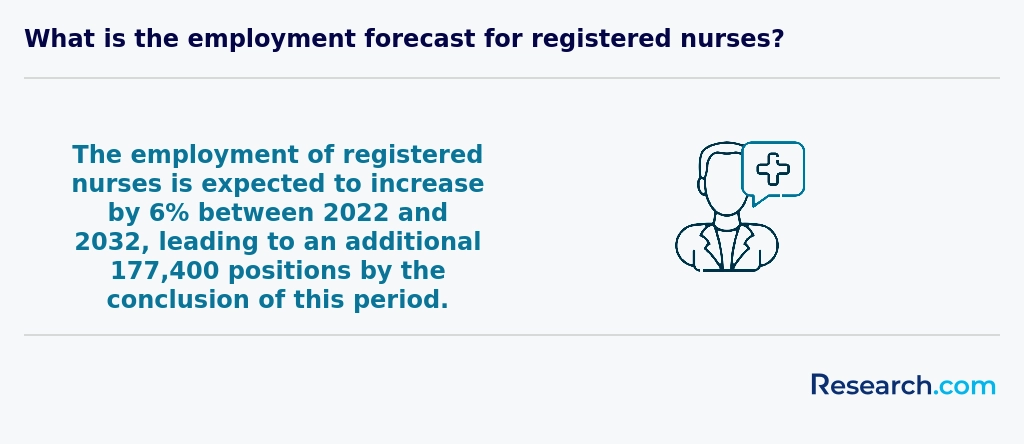
The nursing profession in Memphis reflects broader global trends emphasizing the critical role nurses play in healthcare systems. Worldwide, nursing is recognized as one of the fastest-growing careers due to aging populations and increasing healthcare demands. The U.S. Bureau of Labor Statistics expects registered nursing jobs to grow by 6% from 2021 to 2031, reflecting steady demand locally and nationally.
Memphis, in particular, benefits from a diverse healthcare infrastructure requiring skilled nursing professionals. According to the Tennessee Department of Health, the city has seen a rise in programs offering Bachelor of Science in Nursing (BSN) degrees, which align with international efforts to improve nursing education quality. Globally, many countries encourage higher education in nursing to meet complex healthcare needs, a trend mirrored in Memphis schools.
Moreover, global perspectives on nursing highlight cultural competence and evidence-based practice as essential skills. Memphis nursing programs increasingly incorporate these components to prepare graduates for diverse patient populations and international healthcare standards. This alignment supports local nurses in pursuing global opportunities or advancing within U.S. healthcare systems.
Gaining practical experience while studying for a nursing degree in Memphis is essential for building clinical skills and enhancing employability. Most accredited nursing programs in Memphis include clinical rotations as part of their curriculum, allowing students to work hands-on in hospitals, clinics, and community health settings. For example, clinical placements often occur at prominent medical centers such as Methodist Le Bonheur Healthcare and St. Jude Children's Research Hospital.
Additionally, Memphis nursing students can seek volunteer opportunities or internships at local health organizations. According to the Tennessee Board of Nursing, students typically complete between 400 to 700 clinical hours during their programs.
These experiences help students understand patient care in real-world environments while networking with healthcare professionals. Practical exposure is key to passing the NCLEX-RN licensure exam and launching a successful nursing career in the Memphis area.
Choosing the right concentration within a nursing degree program in Memphis requires understanding local healthcare needs and your career goals. Memphis has a high demand for registered nurses, especially in specialties like gerontology and pediatric nursing, due to its aging population and large youth demographic, according to the Tennessee Center for Health Workforce Development.
Research each program's offered concentrations and clinical opportunities. Some areas to consider are family nurse practitioner, critical care, and psychiatric nursing. Employment rates in Memphis hospitals and clinics vary by specialty, so reviewing job prospects through the Bureau of Labor Statistics or local healthcare employers helps.
Additionally, explore certifications aligned with your chosen concentration to enhance job readiness in the Memphis healthcare market.
Related Nursing Rankings for Nearby Cities
- 2027 Best Nursing Degree Programs Ranking in Birmingham
- 2027 Best Nursing Degree Programs Ranking in Saint Louis
- 2027 Best Nursing Degree Programs Ranking in Hattiesburg
- 2027 Best Nursing Degree Programs Ranking in Louisville
- 2027 Best Nursing Degree Programs Ranking in Mobile
- 2027 Best Nursing Degree Programs Ranking in Atlanta
- 2027 Best Nursing Degree Programs Ranking in Kansas City
- 2027 Best Nursing Degree Programs Ranking in Indianapolis
- 2027 Best Nursing Degree Programs Ranking in Peoria
- 2027 Best Nursing Degree Programs Ranking in Macon
Top Trending Nursing Rankings
See What Experts Have To Say About Studying Nursing
Read our interview with Nursing experts

Lisa Grubb
Nursing Expert
Assistant Professor
Johns Hopkins School of Nursing

References
- BSN Admission Requirements https://www.uthsc.edu/nursing/bsn-admission-requirements.php
- 10 Nursing Fields That Are Growing in Demand https://promedcert.com/blog/10-nursing-fields-that-are-growing-in-demand
- Nursing - WSEI University https://www.wsei.pl/en/admission/bachelors-degree/nursing-bachelor-degree/
- Nursing student engagement: Researching the journey and its potential impact on transitions to practice https://www.oatext.com/nursing-student-engagement-researching-the-journey-and-its-potential-impact-on-transitions-to-practice.php
- Practical Nursing https://tcatmemphis.edu/programs/practical-nursing
- Top Nursing Skills U.S. Employers Want to See on Your Resume | O'Grady Peyton https://www.ogradypeyton.com/blog/job-seeker-resources/top-nursing-skills-u.s.-employers-want-to-see-on-your-resume
- Work-life balance | Careers Crossroads | RCN Careers Resources | Royal College of Nursing https://www.rcn.org.uk/Professional-Development/Your-career/Nurse/Career-Crossroads/Career-Ideas-and-Inspiration/work-life-balance
- How Do Nurses Prepare to Work in a Multidisciplinary Team? | NursingEducation https://nursingeducation.org/insights/multidisciplinary-team/
- How to Write https://esign.com/letter-of-intent/school/nursing/
- How to Choose a Nursing Program | All Nursing Schools https://www.allnursingschools.com/how-to-get-into-nursing-school/choose-the-right-school/


