
2027 Best Education Degree Programs Ranking in Washington

Co-Founder and Chief Data Scientist
Choosing the right education degree program in Washington can shape your future career and personal growth. That's why this article introduces the 2027 Best Education Degree Programs Ranking in Washington, created by the Research.com team of data scientists.
It offers clear, data-driven insights to help you confidently explore the best options available. Whether you're starting fresh or advancing your skills, understanding these programs can open doors to rewarding opportunities.
Investing in an education degree brings meaningful impact, both professionally and personally, and this guide makes your journey easier.
Key benefits of getting education degree in Washington
- Salary opportunities: Education graduates in Washington can expect rewarding salaries like $76,000 for Special Education Teachers and $77,200 for Instructional Designers, highlighting strong financial prospects. These competitive wages reflect the valuable skills gained through an education degree.
- Diverse career paths: Graduates from universities such as the University of Washington often find exciting roles in teaching, curriculum development, or educational consulting, allowing flexibility to match personal passions and talents. This diversity opens doors to fulfilling, impactful work in education.
- Benefits of online degrees: Earning an education degree online from institutions like Washington State University offers flexibility and convenience, making it easier to balance work and family. Online programs enable motivated students to gain credentials quickly while staying connected to their communities.
- Key benefits of getting education degree in Washington
- What can I expect from education degree in Washington?
- Where can I work with education degree in Washington?
- How much can I make with education degree in Washington?
- 2027 Best Education Degree Programs Ranking in Washington
- Key Findings
- How long does it take to complete education degree in Washington?
- Licensure and Certification Requirements in Washington
- What's the difference between online and on-campus education degree?
- Emerging Trends and Future Opportunities in Education
- What is the average cost of education degree in Washington?
- Affordability and Financial Considerations for Education Degree Programs in Washington
- What financial aid is available to education degree students in Washington?
- Certification and Licensure Requirements in Washington
- What are the prerequisites for enrolling in education degree program in Washington?
- Certification and Licensing Requirements in Washington
- What courses are typically in education degree programs in Washington?
- What types of specializations are available in education degree programs in Washington?
- How do you choose the best education degree in Washington?
- What career paths are available for education degree students in Washington?
- What is the job market for education degree in Washington?
- Related Education Rankings for Nearby States
- Top Trending Education Rankings
- See What Experts Have To Say About Studying Education
What can I expect from education degree in Washington?
The average cost of pursuing an education degree in Washington typically ranges from $11,000 to $15,000 per year for in-state students attending public universities. Graduates from well-regarded institutions like the University of Washington or Western Washington University often recall balancing this investment with financial aid and scholarships tailored to support future educators. These programs not only ensure academic rigor but also offer accessible pricing that encourages commitment without excessive financial strain.
For those attending private colleges in Washington, tuition costs tend to be higher, yet many students find this investment worthwhile given the personalized attention and smaller class sizes. Financial aid options and loan forgiveness programs aimed at teachers in high-need areas are frequently highlighted by graduates as pivotal in alleviating education costs, making the degree more attainable.
Experienced students emphasize that understanding the cost structure early enables effective planning for a rewarding education career in Washington's diverse school environments, from urban Seattle classrooms to rural districts statewide.
Where can I work with education degree in Washington?
Graduates with an education degree in Washington typically find rewarding careers within K-12 public and private schools, where they become licensed teachers in diverse subjects from elementary education to specialties like special education and bilingual programs. For instance, many graduates from the University of Washington and Seattle University successfully enter classrooms statewide, joining the 55,000 certificated teachers documented by OSPI.
Beyond teaching, these graduates often advance into administrative roles such as principals or instructional coordinators, leveraging their degree and further certifications to impact school leadership positively. Such positions are accessible to alumni of Eastern Washington University who value the blend of practical experience and leadership training.
Higher education is another viable path. Graduates find fulfillment working as academic advisors or admissions counselors at Seattle Central College or other community colleges, responding to growing student needs with empathy and expertise.
Additionally, Washington's vibrant EdTech industry, especially around Seattle's innovation hubs, provides exciting opportunities in curriculum design and educational consulting, combining technology with pedagogical skills acquired during studies.
Finally, many education graduates engage deeply in nonprofit organizations and government agencies that shape educational policies, or they choose independent tutoring careers, reflecting their passion for personalized student success.
How much can I make with education degree in Washington?
Graduates with an education degree in Washington can anticipate varied salary outcomes depending on their chosen career path. For example, elementary school teachers, including those from well-known institutions like the University of Washington's College of Education, typically earn a mean annual wage of about $70,740. This reflects the state's strong commitment to education and competitive compensation.
Special education teachers, requiring additional certification, can expect to earn around $76,000 annually. Many graduates recall the rewarding challenge of this role combined with the satisfaction of a higher pay scale that acknowledges their specialized skills.
For those drawn to instructional design or curriculum development, roles such as instructional designers offer a mean salary near $77,200. This option suits graduates who enjoy blending technology with pedagogy, often reported by professionals from Seattle Pacific University's education programs.
Early childhood educators in Washington earn approximately $41,410 yearly, a figure that reflects foundational work in building young learners' skills. English as a Second Language (ESL) teachers also have promising prospects, with mean wages of $65,430 and hourly earnings of $31.46, making this a fulfilling career for graduates passionate about supporting diverse communities.
2027 Best Education Degree Programs Ranking in Washington
How do we rank schools?
Investing in your education is a significant decision that can profoundly impact your future, and the Research.com team is fully aware of the importance of making well-informed choices. To support prospective students in Washington, we have carefully developed the "2027 Best Education Degree Programs Ranking in Washington." Our dedication to quality, credibility, and accuracy is evident in the thorough research and analysis conducted to produce this ranking.
We utilized the following reputable data sources to ensure a comprehensive evaluation of education programs:
By exploring this ranking, readers will gain valuable insights into the top education degree programs in Washington, empowering them to select the best path for their academic and professional goals. For more information about how this ranking was created, please visit our Research.com methodology page.


Key Findings
- Annual in-state tuition for education degrees at public universities like the University of Washington is around $11,745, while private institutions may charge over $40,000.
- Total tuition costs for a four-year education degree program range from approximately $47,000 to $160,000 depending on the institution and residency.
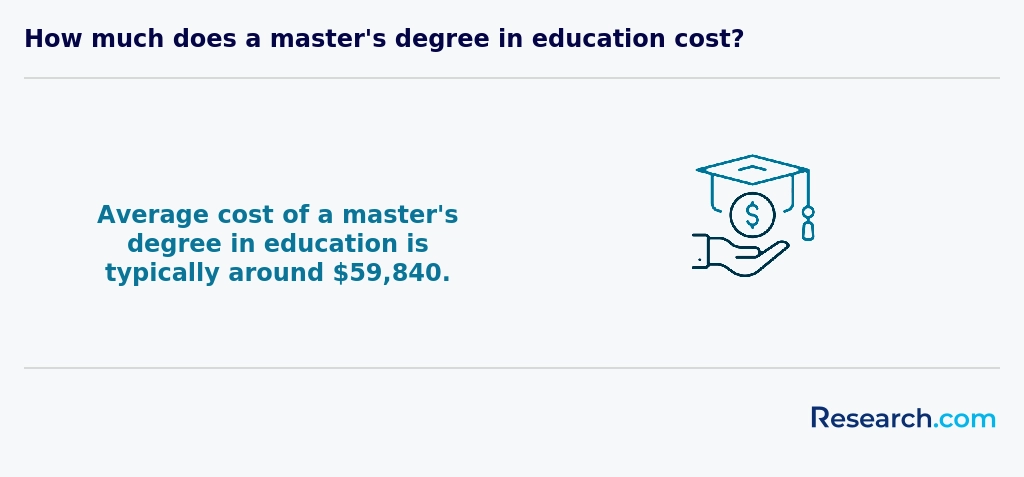
- Master's programs in education typically cost between $12,000 and $25,000 per year, with part-time and online options available.
- Starting salaries for early-career teachers in Washington average between $50,000 and $55,000 annually, increasing to $70,000-$80,000 for mid-career teachers.
- Veteran educators and specialists like instructional coordinators often earn more than $90,000 per year.
- The education job market in Washington is projected to grow nearly 7% over the next decade, with high demand for special education, STEM, and bilingual teaching roles.
How long does it take to complete education degree in Washington?
Completing an education degree in Washington varies by degree type and study format, but many graduates from institutions like the University of Washington and Washington State University report that a bachelor's degree typically requires four years of full-time commitment. This involves earning between 120 to 130 credit hours, providing a robust foundation for teaching careers.
Those pursuing a master's degree often spend between 1.5 to 2 years full-time, although part-time options offered by universities such as Seattle University accommodate working professionals by extending completion to around three years or more. Graduates appreciate this flexibility, as it allows balancing work and study without sacrificing progress.
Alternative certification pathways, popular among graduates with prior bachelor's degrees, generally take a few months up to a year. These programs combine practical classroom experience with coursework, preparing candidates efficiently for Washington's certification requirements.
Doctoral candidates studying at renowned institutions like Gonzaga experience variable timelines, often ranging from three to six years. The process demands dedication to research, coursework, and dissertation work, but graduates find the journey rewarding for advancing educational leadership.
Licensure and Certification Requirements in Washington
Aspiring educators in Washington must navigate a structured licensure pathway overseen by the Office of Superintendent of Public Instruction (OSPI) to teach in public K–12 schools. After completing an accredited educator preparation program, candidates must: 1. Pass Required Assessments - Washington Educator Skills Tests (WEST-B) in reading, writing and mathematics. - Subject-specific WEST-E or Praxis II exams for endorsement areas (e.g., Elementary Education, Special Education). 2. Complete a Background Check and Fingerprinting – Submit fingerprints and clear a national background check through OSPI’s eCert system. 3. Apply for Residency Teacher Certification – File an online application in eCert, including official transcripts, test scores and program completion verification. – Pay the $114 certification fee and upload proof of a Washington State Patrol background clearance. 4. Fulfill Induction and Mentorship Requirements – Serve under a Conditional Certificate with mentorship during the first two years of teaching. – Collaborate with an OSPI–approved mentor and submit yearly progress reports to earn a Professional Certificate. 5. Maintain and Upgrade Certification – Renew the Professional Certificate every five years by completing 100 clock hours of professional development or holding an advanced degree. – Pursue additional endorsements (e.g., English Language Learner, STEM) by passing relevant content exams and submitting endorsement applications. While Washington’s certification process ensures high standards for classroom readiness, prospective teachers may also explore comparative program costs and online flexibility. For insights into cost-effective online pathways beyond the Pacific Northwest, see our Cheapest Online Education Degree Programs Ranking in the Midwest.
What's the difference between online and on-campus education degree?
On-campus education degrees in Washington require students to attend classes physically, fostering direct interaction with professors and classmates. Graduates from institutions like the University of Washington often highlight the Energizing atmosphere of campus life and the benefit of face-to-face mentorship. Access to campus resources such as libraries and labs enriches their learning and supports collaboration on group projects. Fixed class schedules encourage routine and discipline, which many find motivating for sustained academic success.
Conversely, online education degrees provide unparalleled flexibility, allowing students-such as those enrolled at Washington State University-to balance coursework with work or family commitments. Graduates appreciate the autonomy to set their own pace and study from any location in Washington without relocating. However, succeeding in online programs demands strong self-discipline and effective time management.
Both formats require practicum hours, but on-campus students typically benefit from university-arranged placements, while online learners may need to independently coordinate these experiences. Despite delivery differences, education degrees from Washington's top universities maintain rigorous accreditation standards, ensuring all graduates are well-prepared for certification.
Emerging Trends and Future Opportunities in Education
As the education landscape continues to evolve, prospective students and current educators alike are noticing a shift towards more innovative and flexible learning environments. With the rapid development of digital tools, hybrid models blending online and on-campus instruction are becoming increasingly popular, providing the best of both worlds-a rigorous academic experience coupled with modern technological conveniences. These emerging trends not only enhance the learning process but also open doors to new career paths and professional growth opportunities. Educators are now exploring novel specializations such as educational technology, digital curriculum design, and data-driven instructional strategies, which are reshaping traditional teaching roles. Many institutions are also revising curricula to incorporate courses on remote learning strategies, virtual classroom management, and the use of artificial intelligence in tailoring educational outcomes. For example, several universities now offer flexible formats where one can seamlessly explore edd degree programs that are designed to keep pace with industry demands while preparing graduates for leadership in modern educational settings. In response to these trends, students are advised to seek programs that not only maintain academic rigor but also offer access to state-of-the-art learning technologies and career support services. This proactive approach ensures that graduates are well-equipped to navigate a competitive job market that increasingly values versatility, technical expertise, and a commitment to lifelong learning.
What is the average cost of education degree in Washington?
The average cost of obtaining an education degree in Washington reflects a range of factors, including residency status and institution type. For in-state students at public universities like the University of Washington or Central Washington University, the median total cost is approximately $12,973. This figure represents tuition and fees over the entire course of study and offers an affordable pathway for residents pursuing education degrees. Graduates often recall the value of attending these institutions, appreciating the balance between quality instruction and manageable financial commitments.
Out-of-state students attending the same programs face substantially higher expenses, with median total costs reaching about $45,678. This significant difference underscores the financial advantage for Washington residents to enroll in-state, especially when factoring in additional costs beyond tuition. Private universities such as Seattle Pacific University or Whitworth University typically have tuition rates on the higher end, pushing the overall expenditures close to or above the out-of-state median. Nevertheless, graduates frequently emphasize the supportive academic environments and networking opportunities that justify these investments.
Beyond tuition, education degree total expenses Washington state students encounter include textbooks, student fees, and living costs in urban areas. Many students report budgeting around $1,000 to $1,500 annually for educational materials and approximately $12,000 for housing and daily expenses. To alleviate these financial pressures, federal aid and state grants are widely available. Prospective students aiming to limit costs often explore the cheapest education schools in Washington, where many find programs that fit both academic goals and budgetary needs.
Affordability and Financial Considerations for Education Degree Programs in Washington
When considering education degree programs in Washington, affordability is a crucial factor. Prospective students should research and compare the costs of different programs, including tuition, fees, and living expenses. For those looking for affordable options, exploring cheapest education schools in Washington can be a valuable step. Many institutions in Washington offer financial aid, scholarships, and grants to help alleviate the financial burden of pursuing a degree in education. By understanding the various financial assistance options available, students can make informed decisions about their educational investments. Additionally, considering the potential return on investment, including salary expectations and job prospects, can help students choose a program that aligns with their financial goals and aspirations.
What financial aid is available to education degree students in Washington?
Students pursuing education degrees at universities like the University of Washington or Western Washington University often rely on federal financial aid as a foundation for managing costs. By completing the FAFSA, they can access grants such as the Pell Grant, which offers up to $7,395 annually, significantly easing the financial pressure on everyday expenses. Many graduates recall how subsidized federal loans helped them focus on their studies without the immediate stress of accruing interest during school.
State-specific programs also play a crucial role. For example, the Washington State Opportunity Scholarship provides awards ranging from $1,000 to $22,500 over multiple years, rewarding both academic progress and financial need. Students remark on how this support encourages them to remain in-state, contributing to local schools after graduation.
Additional options include the Teaching Incentive Program, which offers up to $10,000 in loan forgiveness for educators serving in high-need districts. This benefit often motivates recent graduates to commit to challenging teaching environments, enhancing career satisfaction and financial stability early on.
Certification and Licensure Requirements in Washington
To teach in Washington’s public schools, candidates must obtain a state teaching certificate through a multi‐step process that ensures both academic preparedness and professional competency. 1. Meeting Academic and Testing Standards • Complete an approved educator preparation program accredited by CAEP. • Pass the relevant assessments: – Washington Educator Skills Test (WEST) or Praxis Core Academic Skills for Educators. – Subject‐area exams (NES or Praxis II) aligned with your endorsement (e.g., Elementary, Secondary Math). 2. Applying for Residency and Professional Certificates • Residency Certificate: – Valid for up to five years; allows supervised teaching with a mentor. – Application requires official transcripts, test scores, and a fingerprint‐based background check. • Professional Certificate: – Upgrade Residency Certificate by completing two full years of successful teaching, earning professional clock hours, and satisfying the state’s continuing education requirements. 3. Alternative Routes to Certification Washington offers “alternative certification” paths for career changers and paraprofessionals. These accelerated programs often combine online coursework and in‐classroom mentorship. Prospective teachers exploring cost‐effective online pathways may also review affordable options such as the Cheapest Online Education Degree Programs Ranking in the Midwest to compare tuition structures and delivery models. 4. Renewal and Endorsement Additions • Certificates must be renewed every five years: submit evidence of 100 clock hours or approved professional development. • Add endorsements (e.g., Special Education, TESOL) by passing additional content exams and completing specialized coursework. Navigating Washington’s licensure framework demands careful planning: start early, track test dates, and maintain close communication with your program’s certification advisor to ensure a smooth transition from candidate to fully certified educator.
What are the prerequisites for enrolling in education degree program in Washington?
Enrolling in education degree programs in Washington typically requires a high school diploma or equivalent for bachelor's applicants, with many institutions expecting a GPA around 2.5 to 3.0. Graduates from popular universities like the University of Washington often recall how meeting this baseline helped them secure admission smoothly. For master's programs such as the M.Ed., holding an accredited bachelor's degree is essential, and a solid undergraduate GPA near 3.0 strengthens the application. Many students share how relevant coursework or teaching experiences made their applications stand out in competitive admissions at Washington State University.
Applicants should also be prepared to submit letters of recommendation and a compelling statement of purpose, showcasing their dedication to shaping future learners. Background checks and proof of basic skills proficiency, like passing Washington's WEST-B Basic Skills Tests, are commonly required, especially for programs involving student teaching. These prerequisites ensure that candidates are both academically prepared and professionally committed to education within the state's dynamic school environments.
Certification and Licensing Requirements in Washington
Becoming a licensed teacher in Washington involves meeting state-specific criteria designed to ensure high-quality instruction and student success. First, candidates must complete an approved educator preparation program and pass the Washington Educator Skills Test-Basic (WEST–B) or an equivalent basic skills assessment. Next, area-specific endorsements, such as Elementary Education or Special Education, require passing content knowledge exams like WEST–E or the National Evaluation Series (NES). Following program completion and exam passage, applicants submit a Teacher Certification Application through the Office of Superintendent of Public Instruction (OSPI), including official transcripts, test scores, and fingerprint-based background checks. Alternative routes, such as the Residency Teacher Certificate for career changers, allow candidates to teach while completing certification requirements; however, these pathways still mandate successful performance on the edTPA performance assessment. Certificates must be renewed every five years, with renewal requirements including 100 clock hours of professional development or evidence of advanced coursework. For out-of-state or online program completers, Washington evaluates non-Washington credentials for equivalency, so it’s vital to verify that courses align with OSPI standards. If you’re exploring affordable online options that satisfy licensure prerequisites, see our Cheapest Online Education Degree Programs Ranking in the Midwest for cost-effective alternatives. Staying informed about endorsement updates and renewal deadlines ensures a seamless certification journey and uninterrupted teaching career in Washington.
What courses are typically in education degree programs in Washington?
Education degree programs in Washington incorporate a comprehensive set of courses designed to prepare future teachers for diverse classroom settings. Students at institutions like the University of Washington and Western Washington University commonly engage with core subjects such as Foundations of Education, which provides a solid grasp of the field's history and philosophy, laying a thoughtful groundwork for teaching careers.
Graduates reflect positively on delving into Child and Adolescent Development, where they learn to recognize the cognitive and emotional growth phases of their students, making real classroom interactions more insightful and empathetic. Curriculum Planning and Instructional Strategies courses equip them to design engaging, effective lesson plans tailored to varying learning styles-skills that become immediately rewarding during practicum experiences in real schools.
Washington programs emphasize Classroom Management and Diversity and Inclusion, fostering educators who can create positive, culturally responsive environments. Training in Educational Technology and Special Education also enables graduates to use modern tools and methods confidently, meeting diverse student needs with enthusiasm and professionalism.
What types of specializations are available in education degree programs in Washington?
Education degree specializations in Washington typically include focused areas such as Early Childhood Education, Elementary Education, Secondary Education, Special Education, Educational Leadership, and English Language Learners or Bilingual Education. Graduates from well-known universities in Washington often share how these specializations prepared them for the practical challenges they encountered in diverse classrooms across the state. For example, those concentrating in Special Education express confidence in supporting students with diverse needs, while those in Bilingual Education feel empowered to assist Washington's multilingual student populations.
These educational tracks allow students to tailor their training effectively to fit local school requirements and workforce demands. Many graduates highlight how programs in institutions recognized for education degrees in Washington equipped them with adaptable skills for both teaching and administrative roles. Furthermore, those seeking advanced roles often explore edd degree programs that build on these foundational specializations to expand career opportunities.
Washington education program concentration options are thoughtfully designed to align with current state education priorities, fostering positive graduate outcomes and satisfaction.
How do you choose the best education degree in Washington?
Choosing the best education degree programs in Washington involves evaluating accreditation and state approval, which ensures eligibility for teacher certification through the Washington Professional Educator Standards Board. Graduates from institutions like the University of Washington often share how their programs' alignment with state standards and hands-on practicums in local schools helped them feel confident and prepared for teaching roles. Financial considerations are equally important; public universities typically offer more affordable education degrees Washington state residents benefit from, with annual tuition averaging around $11,700 for in-state students, while private institutions may cost significantly more.
Students emphasize researching graduation rates and job placement statistics as key factors in their decision-making process. Many also appreciate programs that offer flexibility through online or hybrid formats to balance work and study. To explore cost-saving options further, prospective students can consult rankings such as the Cheapest Online Education Degree Programs Ranking in the Midwest, which highlight affordable pathways without sacrificing quality.
What career paths are available for education degree students in Washington?
Graduates with an education degree in Washington have a wealth of career paths available, including teaching, administration, and specialized educational roles. Many embark on teaching jobs with education degree Washington credentials, working as K-12 teachers in public and private schools throughout the state. These roles often require certification by the Professional Educator Standards Board (PESB), and graduates from universities like the University of Washington find rewarding opportunities instructing students in STEM, special education, or early childhood development.
Beyond classroom settings, education degree career opportunities in Washington extend to administrative positions such as principals, instructional coordinators, and curriculum developers. These roles demand advanced certification but provide higher salaries and influential leadership within districts. Some graduates find fulfillment as educational consultants, supporting schools to elevate teaching practices, or as specialists in educational technology, reflecting the state's push towards innovative digital learning environments.
Others utilize their degrees in expanding fields like corporate training or adult education, frequently enhanced by flexible accelerated online degree programs for working adults. Washington's education sector thus presents diverse, promising paths for graduates committed to making a meaningful impact.
What is the job market for education degree in Washington?
The education degree job outlook Washington is positive, with steady demand for qualified teachers, particularly in underserved subjects like special education, math, and science. Graduates from institutions such as the University of Washington and Western Washington University frequently report smooth job placements in K-12 public schools, fueled by ongoing teacher shortages. These graduates often secure competitive starting salaries ranging from $60,000 to $75,000 annually, which increase with experience and advanced certifications.
Many students pursuing education degrees in Washington appreciate the balance of moderate tuition fees at public universities and promising career opportunities. For example, a recent graduate from Seattle Pacific University described how the affordable education combined with strong employer demand made their investment worthwhile. Beyond classroom teaching, opportunities extend to educational administration and program development within school districts and state agencies. Those interested may also explore pathways such as earning an easiest online masters degree to enhance career prospects further.
Understanding local certification requirements and district hiring trends remains crucial for success in teaching careers and salaries Washington state. Graduates who adapt to diverse student needs and evolving standards tend to thrive professionally in this dynamic job market.
Frequently Asked Questions About education
Education degree students in Washington can maximize their learning experience by engaging deeply with both theory and practical applications. Washington State offers a diverse range of fieldwork opportunities, including student teaching placements in public and private schools, which are crucial for hands-on experience. According to the Washington State Professional Educator Standards Board, over 60% of education students complete internships in diverse classroom settings, which enhances their adaptability and teaching skills.
Students should also make use of resources at institutions like the University of Washington and Western Washington University, both recognized for their innovative teaching methods and support services. Participating in workshops, seminars, and networking events helps students stay current with education trends and policies.
Furthermore, balancing coursework with involvement in local community programs addresses real-world challenges. Research shows that students who actively collaborate with peers and mentors are better prepared for Washington's evolving educational landscape.
The education field in Washington is expanding into several emerging niches driven by technological advancements and shifting student needs. One growing area is educational technology, where degrees focus on integrating digital tools into classrooms to enhance learning experiences. According to the Washington State Education Research and Data Center, demand for specialists in online curriculum design grew by over 20% between 2018 and 2023.
Another niche is culturally responsive education, which prepares teachers to work effectively in diverse classrooms. This aligns with Washington's increasing cultural diversity, making it a critical area for educational development.
Special education remains a vital focus, especially with rising awareness of neurodiversity. Programs training educators to support students with disabilities have seen consistent enrollment growth in the state.
After completing an education degree in Washington, preparing for the job market involves several key steps. First, obtaining state certification is essential, as Washington requires prospective teachers to pass the WEST-B and WEST-E exams or the Praxis series for licensure. According to the Washington Professional Educator Standards Board, over 90% of new educators are hired within two years of certification.
Networking is also crucial; joining organizations like the Washington Education Association provides access to job listings, workshops, and mentoring opportunities. Gaining practical experience through student teaching or substitute teaching helps build a strong resume.
Staying informed about local school district needs, which often report a demand for special education and STEM teachers, can guide targeted job applications.
Employers in Washington highly value education degree graduates who demonstrate strong communication skills, both verbal and written. Clear communication is essential for effective teaching and collaboration with colleagues and families. Additionally, problem-solving abilities are critical due to the diverse challenges present in Washington classrooms.
Knowledge of instructional technology is increasingly important. According to the Washington Office of Superintendent of Public Instruction, over 75% of school districts report integrating digital tools, requiring educators to be tech-savvy. Employers also prioritize cultural competence, reflecting the state's diverse student population, with over 35% of students identifying as non-white.
Finally, classroom management skills and adaptability to evolving educational standards are crucial for success in Washington's dynamic education environment.
Finding internships in Washington related to education degrees involves several practical steps. Start by exploring public school districts, since many offer formal internship or student-teaching opportunities for education majors. According to the Washington Office of Superintendent of Public Instruction, local districts collaborate with universities to host student interns. Additionally, universities such as the University of Washington and Washington State University frequently have partnerships with nearby schools for hands-on teaching experiences.
Another valuable resource is the Washington Association of Colleges for Teacher Education (WACTE), which lists approved programs and related internship assistance. Using online job portals like Handshake or the Washington State Careers website can help locate specific education internships statewide. Networking with faculty and career services at your college is also essential to secure meaningful placements.
In Washington, earning an education degree significantly enhances career mobility and advancement opportunities within the state's public and private school systems. According to the Washington Office of Superintendent of Public Instruction, educators with bachelor's or master's degrees tend to qualify for higher salary tiers, which directly impacts their earning potential. Many school districts prioritize candidates with advanced degrees for leadership roles such as curriculum coordinators or principals.
Graduates with education degrees also benefit from Washington's continuing education policies, which encourage teachers to pursue additional certifications or endorsements, broadening their job prospects. Data from the National Center for Education Statistics shows that educators holding advanced credentials are more likely to experience faster promotion and job stability.
Studying for an education degree in Washington equips students with skills that extend beyond traditional teaching roles. Programs available through public institutions like the University of Washington emphasize interdisciplinary learning, combining education theory with fields such as psychology, sociology, and technology integration. According to the Washington Student Achievement Council, over 60% of education graduates engage in coursework or practical experiences that foster skills applicable to multiple disciplines.
This approach prepares graduates to work in diverse environments, including special education, community outreach, and educational policy. By integrating real-world challenges and collaborative projects, Washington's programs develop critical thinking and communication abilities essential for interdisciplinary roles.
Choosing between a thesis and a non-thesis education degree program in Washington depends on your career goals and learning preferences. Thesis programs focus on original research, ideal for students aiming for academic or research careers. Non-thesis options emphasize practical skills and coursework, which suit professionals seeking advancement in teaching or administrative roles.
Washington universities, including the University of Washington, offer both pathways. Research-based degrees may take longer to complete but often provide deeper expertise. According to the Washington Student Achievement Council, about 40% of graduate education students in the state opt for non-thesis routes, valuing flexibility and applied learning.
Consider your time availability, interest in research, and long-term objectives when choosing between these formats.
Students based in Washington seeking education degrees with an international component can explore various study abroad opportunities offered by Washington's universities. Institutions like the University of Washington provide partnerships with schools worldwide, enabling participation in exchange programs focused on education. These programs often include countries such as the United Kingdom, Australia, and Spain, offering hands-on teaching experience in diverse settings.
According to the Institute of International Education, over 5,000 Washington students studied abroad in 2022, with education and social sciences among the popular fields. Many programs align with state teaching certification requirements, allowing credit transfer toward degrees. Additionally, Washington's community colleges sometimes partner with global institutions to provide study abroad options tailored for future educators.
In Washington, students pursuing education degrees often find valuable part-time job opportunities that enhance their academic learning. Common roles include teacher's aides, tutor positions, and substitute teaching jobs, which provide practical classroom experience. According to the Washington Office of Superintendent of Public Instruction, substitute teachers in the state can earn an average of $170 per day, a beneficial supplement for students.
Working in afterschool programs or youth mentorship roles also complements education studies by allowing students to apply educational theories in real-world settings. Besides, many local libraries and community centers offer positions supporting literacy programs, aligning well with education degree goals.
Education students in Washington benefit from a variety of networking opportunities that support their academic and professional growth. Many universities, including the University of Washington and Seattle University, offer education-specific student organizations and honor societies that connect students with peers and faculty.
Additionally, state education conferences, such as those organized by the Washington Education Association, provide platforms for aspiring teachers to meet experienced educators and policymakers.
Local school districts often partner with colleges to offer internships and fieldwork placements, allowing students to develop real-world connections.
According to the Washington Student Achievement Council, these networking channels increase job placement rates for graduates in the region's public and private schools.
Alumni networks offer valuable support to education degree students in Washington by connecting them with experienced graduates working in various educational settings. These networks provide mentorship opportunities, helping new teachers navigate classroom challenges and career development. According to the Washington Student Achievement Council, active alumni communities contribute to higher job placement rates, with nearly 75% of education graduates finding employment within six months. Additionally, many Washington universities maintain robust alumni platforms that share exclusive job openings and professional workshops tailored for educators. Such connections enhance both career growth and professional resilience, vital for success in Washington's diverse educational landscape.
In Washington, education degree programs often offer flexibility to tailor studies according to career goals. Many universities provide elective courses, minors, and specialization tracks, enabling students to focus on areas like special education, educational leadership, or curriculum development.
Students can also select between traditional classroom instruction, online formats, or hybrid models, which accommodate working professionals. Internship and practicum opportunities within Washington schools allow practical experience aligned with specific career interests.
According to the Washington Student Achievement Council, about 60% of education graduates pursue certifications in specialized fields, enhancing job prospects. Planning with academic advisors ensures alignment with state certification requirements and personal objectives.
Education students in Washington face several common challenges that can impact their academic progress and career preparation. One major issue is managing the rigorous coursework alongside field experiences, as many programs require extensive student teaching in diverse classroom settings. According to the Washington State Professional Educator Standards Board, balancing these demands often creates stress and time management difficulties.
Additionally, financial strain affects many students pursuing education degrees. While some receive state aid or scholarships, education programs frequently lack sufficient funding, leading to student loan dependence. Data from the National Center for Education Statistics shows that Washington education majors graduate with an average debt comparable to the national average.
Finally, navigating certification requirements and changes in state education policies can be complex. Staying updated on evolving state standards for teacher licensing requires significant effort and awareness throughout a student's academic journey.
With an education degree in Washington, graduates can pursue several professional certifications that enhance teaching careers. The most common is the Washington State Residency Teaching Certificate, which allows candidates to teach in public K-12 schools. This certificate often requires passing the WEST-B and WEST-E exams, specific to subject knowledge and basic skills.
Other certifications include endorsements in special education, English language learning, and school counseling. For example, the Special Education certification can open opportunities to work with students who have diverse learning needs. According to the Washington Office of Superintendent of Public Instruction (OSPI), roughly 30% of teachers hold at least one endorsement, improving their employment prospects.
Additionally, experienced educators may seek National Board Certification, a prestigious, voluntary credential recognizing advanced teaching skills. This certification may lead to higher salaries and leadership opportunities. The Washington Education Association provides resources on these pathways, helping graduates navigate their professional options.
To write a winning application for an education program in Washington, start by researching the specific requirements of your chosen schools. Many Washington institutions, such as the University of Washington and Western Washington University, value strong academic records and relevant experience. Be sure to highlight any teaching, tutoring, or volunteer work you have done. According to the Washington Student Achievement Council, a clear personal statement that explains your motivation for pursuing education degrees can significantly boost your chances.
Additionally, strong letters of recommendation from educators or supervisors add credibility. Attention to deadlines and careful proofreading are essential to avoid common mistakes. Demonstrating knowledge of Washington's educational challenges and opportunities can also set your application apart.
Globally, education careers are viewed as essential to societal development. In the United States, including Washington, teaching remains a respected profession with growing demand. The U.S. Bureau of Labor Statistics projects a 5% job growth for education roles between 2021 and 2031. In Washington specifically, the Office of Superintendent of Public Instruction reports increasing teacher shortages, especially in special education and STEM subjects. This aligns with global trends emphasizing education as a foundational element for economic progress and social equity. Education professionals are often engaged in policy-making, curriculum design, and technology integration, reflecting broader global educational goals.
Gaining practical experience while studying for an education degree in Washington is essential for career readiness. Most universities in the state require students to complete student teaching placements in local public schools, providing hands-on classroom experience under supervision. According to the Washington Office of Superintendent of Public Instruction, these internships typically last one to two quarters, allowing direct application of educational theories.
Additionally, many programs encourage participation in community tutoring, after-school programs, or educational workshops to broaden skills beyond traditional teaching environments. Some colleges also offer partnerships with nearby school districts, facilitating diverse practicum opportunities.
Choosing the right concentration within an education degree program in Washington involves considering your career goals and the state's specific needs. Washington has a growing demand for teachers in STEM fields, special education, and bilingual education, reflecting diverse student populations and regional priorities. According to the Washington Office of Superintendent of Public Instruction (OSPI), special education teachers are among the most requested specialties in the state.
Prospective students should research program accreditation and alignment with Washington State teacher certification requirements. Many universities in Washington offer concentrations in elementary, secondary, or special education, each preparing students for different classroom settings.
Additionally, consider practical experience opportunities such as internships or practicum placements, which are crucial for licensure and job readiness.
Related Education Rankings for Nearby States
- 2027 Best Online Education Degree Programs Ranking in Idaho
- 2027 Best Online Education Degree Programs Ranking in South Dakota
- 2027 Best Online Education Degree Programs Ranking in North Dakota
- 2027 Best Online Education Degree Programs Ranking in Nebraska
- 2027 Best Online Education Degree Programs Ranking in Kansas
- 2027 Best Online Education Degree Programs Ranking in Texas
- 2027 Best Online Education Degree Programs Ranking in Minnesota
- 2027 Best Online Education Degree Programs Ranking in Iowa
- 2027 Best Online Education Degree Programs Ranking in Missouri
- 2027 Best Online Education Degree Programs Ranking in Wisconsin
Top Trending Education Rankings
See What Experts Have To Say About Studying Education
Read our interview with Education experts

Nooshan Ashtari
Education Expert
Professor & Book Author
University of Southern California

Alan J. Singer
Education Expert
Professor of Teaching, Learning and Technology
Hofstra University

References
- Job Opportunities | Washington Education Association https://www.washingtonea.org/educators/job-opportunities/
- Know more about thesis vs non- thesis: what is the difference? https://studyfans.com/en/blogs/816
- Education Technology Trends to Watch in 2065: 10 Innovations Shaping the Future of Learning https://www.digitallearninginstitute.com/blog/education-technology-trends-to-watch-in-2026
- Education Degree Entry Requirements https://universitycompare.com/advice/student/education-degree-entry-requirements
- Seven Major Challenges Facing Education in the 21st Century https://www.internationalschoolparent.com/articles/seven-global-education-challenges/
- Bachelor of Education Degree (Here's What To Expect) https://www.alleducationschools.com/teaching-degrees/bachelors-in-education/
- Teacher of Global Perspectives (IGCSE) https://www.scie.com.cn/jobs-global-perspectives/
- International teaching and education jobs https://www.tes.com/jobs/search/international
- Skills Employers Look for in Business Graduates – EU Business School https://www.euruni.edu/blog/skills-employers-look-for-in-business-graduates/
- Networking Tips and Advice for Students https://schoolshouldbe.com/post/networking-tips-and-advice-for-students/


